
Discover how insulated shipping container homes are revolutionizing cold-climate living, featuring the innovative 40-foot double-wing expansion room. This comprehensive guide explores design features, energy efficiency, and real-world applications in Canada’s Yukon Territory.
In the biting winters of Canada’s Yukon Territory, where temperatures plummet to -40°C and traditional construction faces brutal challenges, a revolutionary housing solution is emerging: insulated shipping container homes. These aren’t just repurposed metal boxes – they’re engineering marvels designed specifically for extreme environments. At the forefront of this innovation stands the 40-foot customized double-wing expansion room, a game-changer that combines rapid deployment, superior insulation, and adaptable living spaces perfect for Arctic conditions.
Imagine unfolding a compact, transportable unit into a spacious, warm sanctuary within hours, not months. That’s the reality of modern container architecture. As climate extremes intensify globally, these sustainable dwellings offer resilience against harsh weather while slashing construction timelines by 70%. This deep dive explores every facet of insulated container living in cold climates, with special focus on the transformative double-wing design that’s redefining northern housing.
The Cold Climate Housing Crisis: Why Traditional Methods Fail
Building in regions like the Yukon presents unique adversities that conventional construction struggles to overcome. Permafrost soils cause foundation instability, extreme temperature swings create constant thermal stress, and short construction windows force rushed workmanship. Traditional homes often suffer from:
- Catastrophic heat loss through poorly insulated walls and foundations
- Moisture infiltration leading to mold and structural decay
- Astronomical heating costs consuming 60-70% of household budgets
- Construction delays due to weather and material transportation challenges
Enter insulated shipping container homes – engineered specifically to counteract these issues. Their steel skeletons resist warping under temperature extremes, while advanced insulation systems create thermal barriers that maintain comfortable interiors despite Arctic blizzards. The 40-foot double-wing expansion room takes this further, offering deployable luxury in locations where conventional building is logistically impossible.
Unveiling the 40-Foot Double-Wing Expansion Room: A Technical Breakthrough
The crown jewel of modern container architecture is the double-wing expansion system – a transformative design that solves the space limitations of traditional containers. When folded for transport, it maintains standard shipping container dimensions (11800mm x 2200mm x 2480mm), easily moved via truck, rail, or even cargo plane to remote Yukon communities. Once positioned, the magic unfolds:
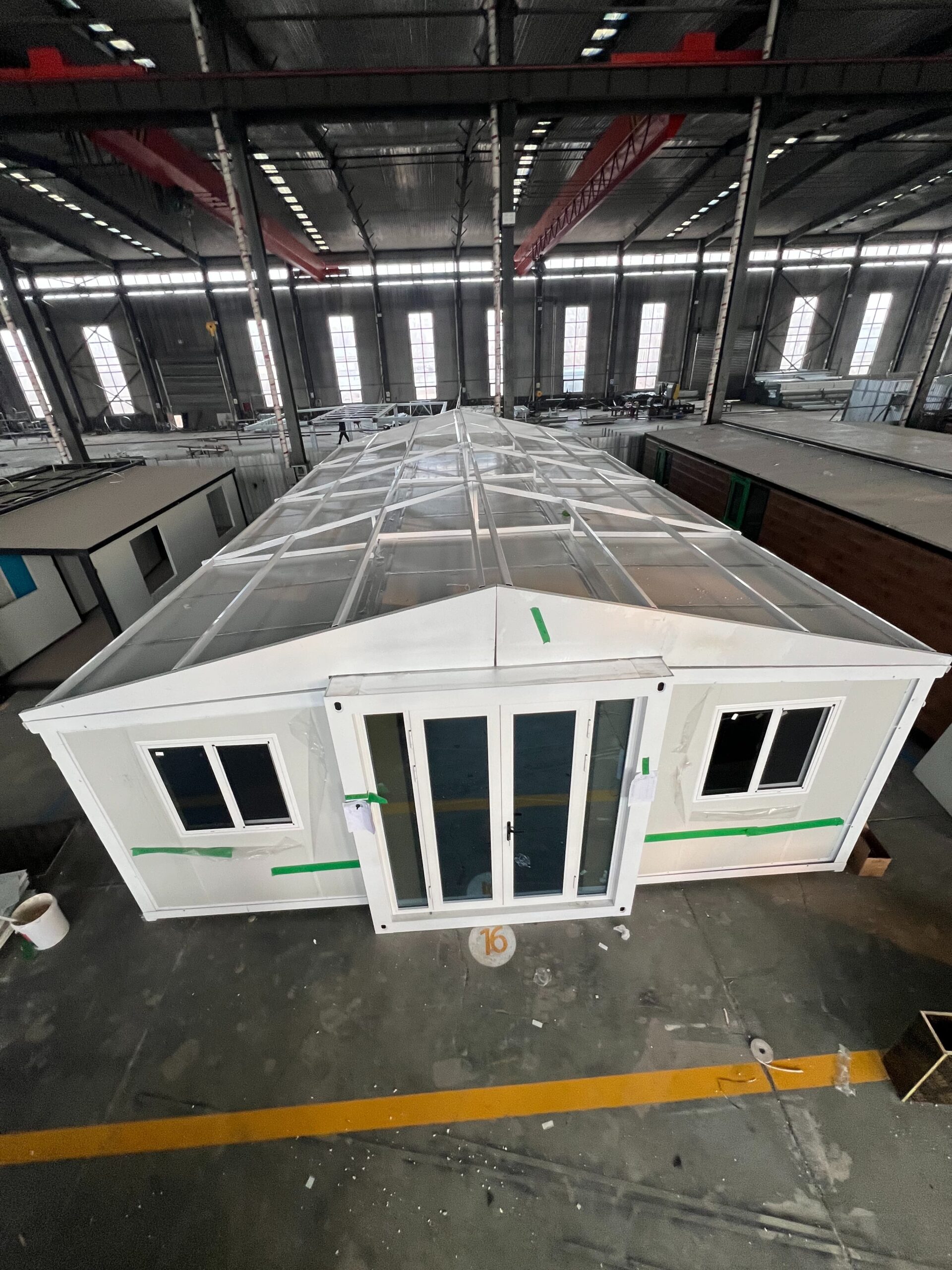
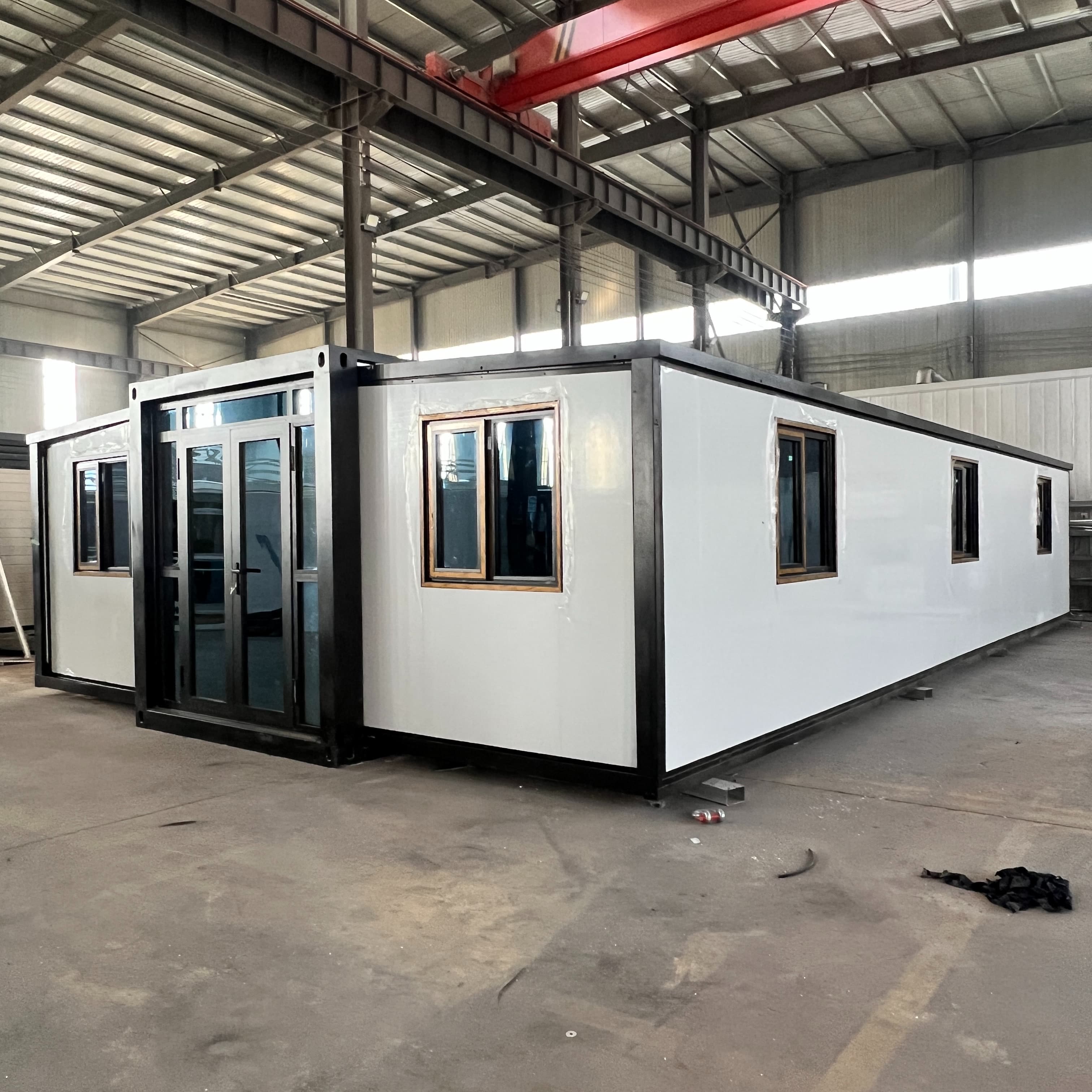
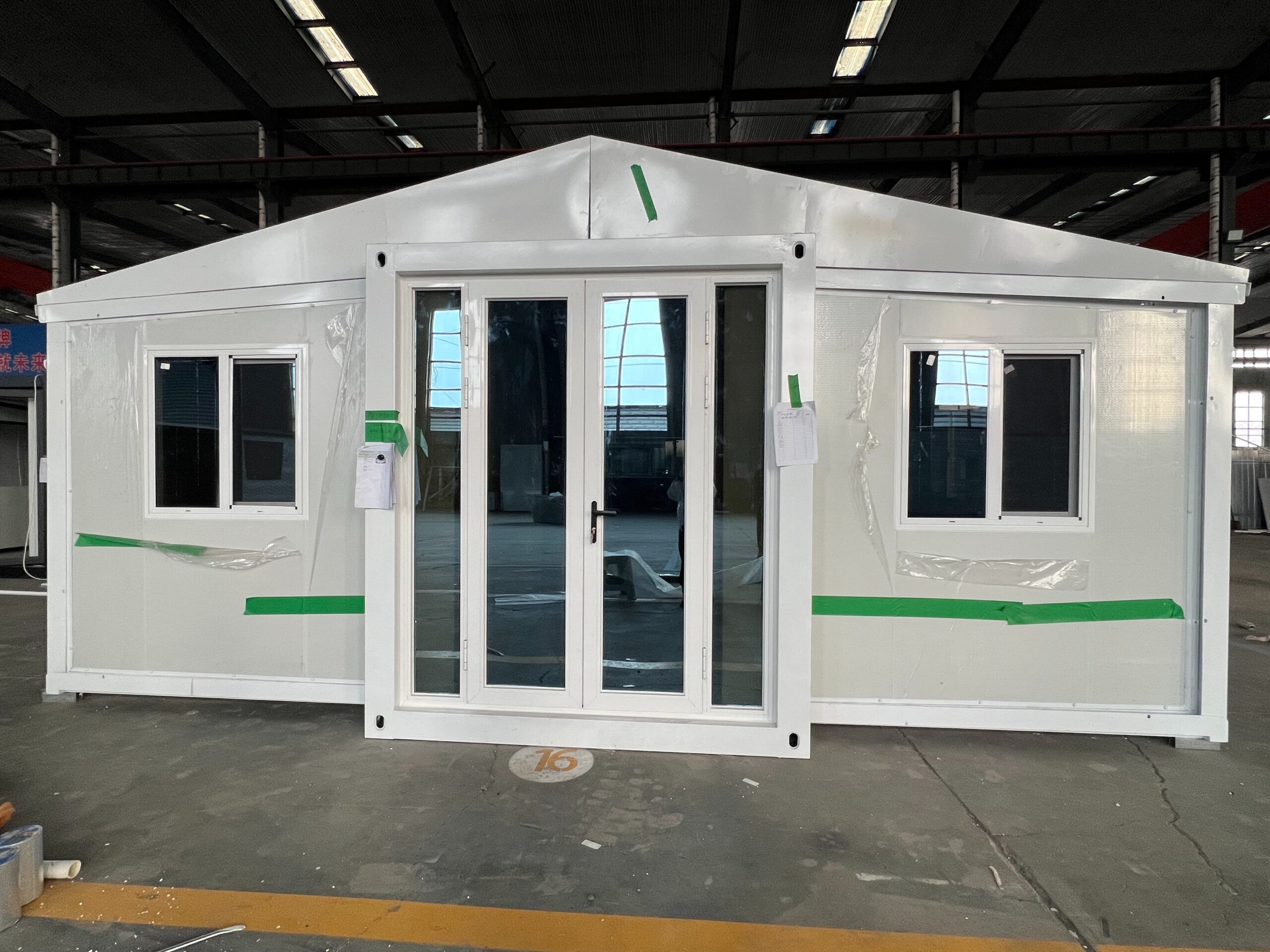
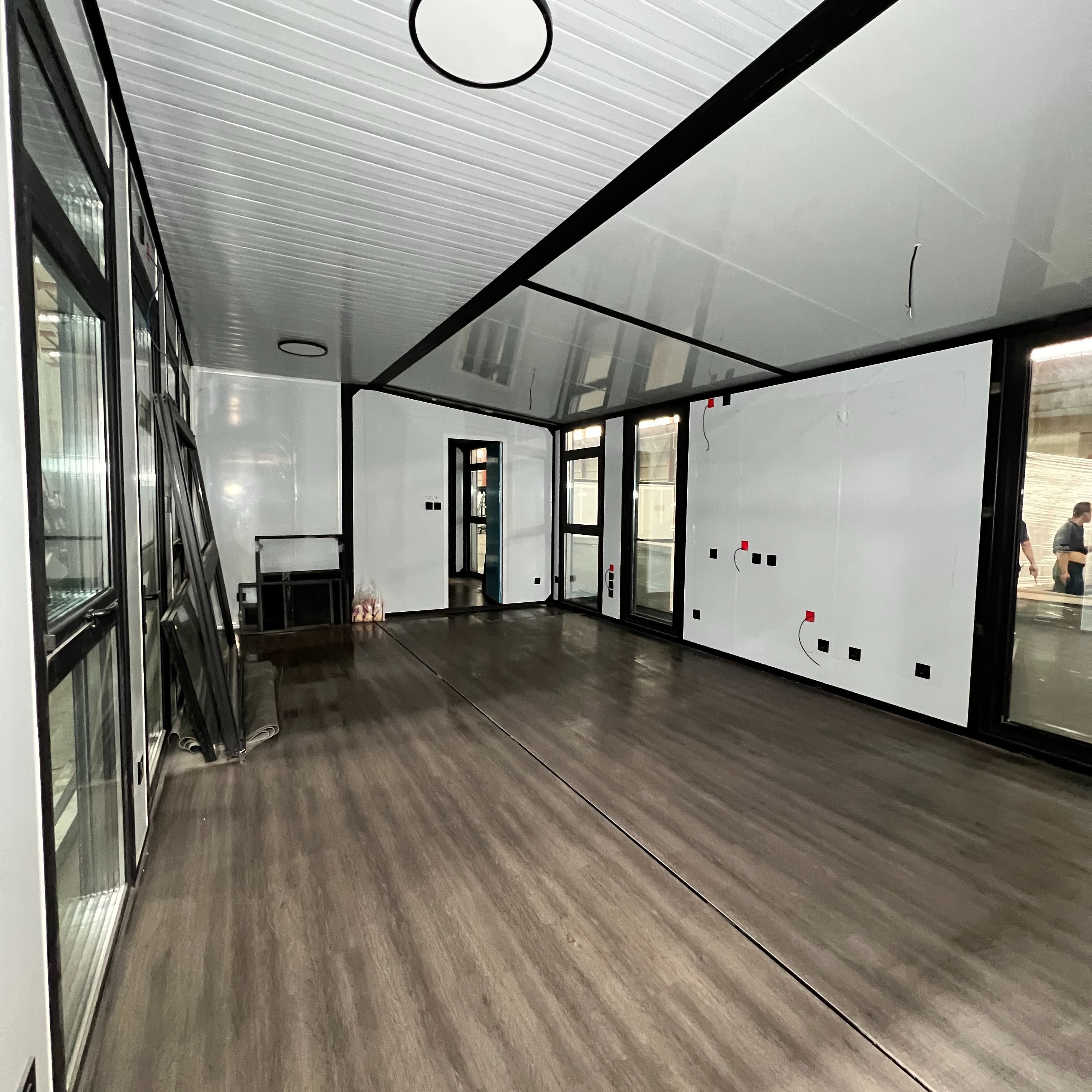
With hydraulic or manual assistance, both “wings” extend outward like origami, transforming the structure into a spacious 11800mm x 6240mm dwelling – nearly tripling the usable floor area. This metamorphosis creates a 6080mm x 11540mm interior space with 2200mm ceiling height, perfect for open-plan living. The flat-top version maximizes snow load capacity, while the peaked-top variant allows for additional loft space.
Engineering Excellence: Core Features Redefined
1. Space Transformation Technology
The genius lies in the folding mechanism. During transport, the wings nestle securely against the central core, maintaining structural integrity during transit to even the most remote Yukon outposts. Upon deployment:
- Wings extend horizontally via reinforced hinges rated for 30,000+ cycles
- Floor panels automatically level and lock into place
- Seamless transition creates a unified living space without thermal bridges
- Expansion increases usable area by 70-80% compared to standard containers
2. Structural Integrity for Extreme Conditions
Constructed from hot-dip galvanized steel or advanced carbon fiber composites, the frame resists corrosion from road salt and moisture while providing seismic resilience up to magnitude 8.0. The modular design allows:
- Single-unit dwellings or multi-container complexes
- Stackable configurations for multi-story buildings
- Reinforced corners for wind resistance up to 120km/h
- Integrated snow load management (flat-top handles 150+ kg/m²)
3. Cold-Climate Insulation Systems
This is where the technology truly shines for Arctic living. Unlike standard containers with minimal insulation, these units feature:
- 100-150mm polyurethane foam insulation (R-value R-30+)
- Triple-layer thermal breaks in all structural connections
- Double-glazed Low-E argon-filled windows with warm-edge spacers
- Insulated flooring systems with thermal mass to regulate temperature
4. Weatherproofing Mastery
Yukon’s freeze-thaw cycles demand exceptional moisture control. The double-wing design incorporates:
- Seamless welded joints with elastomeric sealants
- Pressure-equalized rainscreen cladding systems
- Integrated drainage channels to prevent ice dams
- Vapor barriers positioned correctly to prevent condensation
Material Science: Building for the Arctic
The longevity of these homes hinges on material selection. Each component undergoes rigorous testing for cold-climate performance:
Frame and Structure
- Galvanized Steel: 3-5mm thick sections with zinc coating (120g/m²) preventing corrosion even when exposed to road salts
- Carbon Fiber Options: 40% lighter than steel with superior tensile strength for extreme load conditions
- Thermal Breaks: Composite isolators between interior and exterior framing elements
Insulation Systems
- Polyurethane Foam: Closed-cell structure with 0.022 W/mK thermal conductivity
- Rock Wool Alternative: Non-combustible (Class A fire rating) with excellent acoustic properties
- Vacuum Insulated Panels (VIPs): Premium option achieving R-50 per inch in critical areas
Exterior Finishes
- Galvalume Steel Sheeting: 55% aluminum-zinc alloy coating resists oxidation for 30+ years
- Engineered Wood Siding: Fiber cement composites with freeze-thaw durability
- Custom Cladding: Options include locally sourced Yukon woods for aesthetic integration
Window and Door Systems
- Thermally Broken Frames: Fiberglass or PVC with multiple air chambers
- Triple Glazing: Two Low-E coatings, krypton gas fill, 20mm overall thickness
- Arctic-Grade Seals: Silicone gaskets maintaining flexibility to -50°C
The Single-Wing Alternative: Compact Efficiency
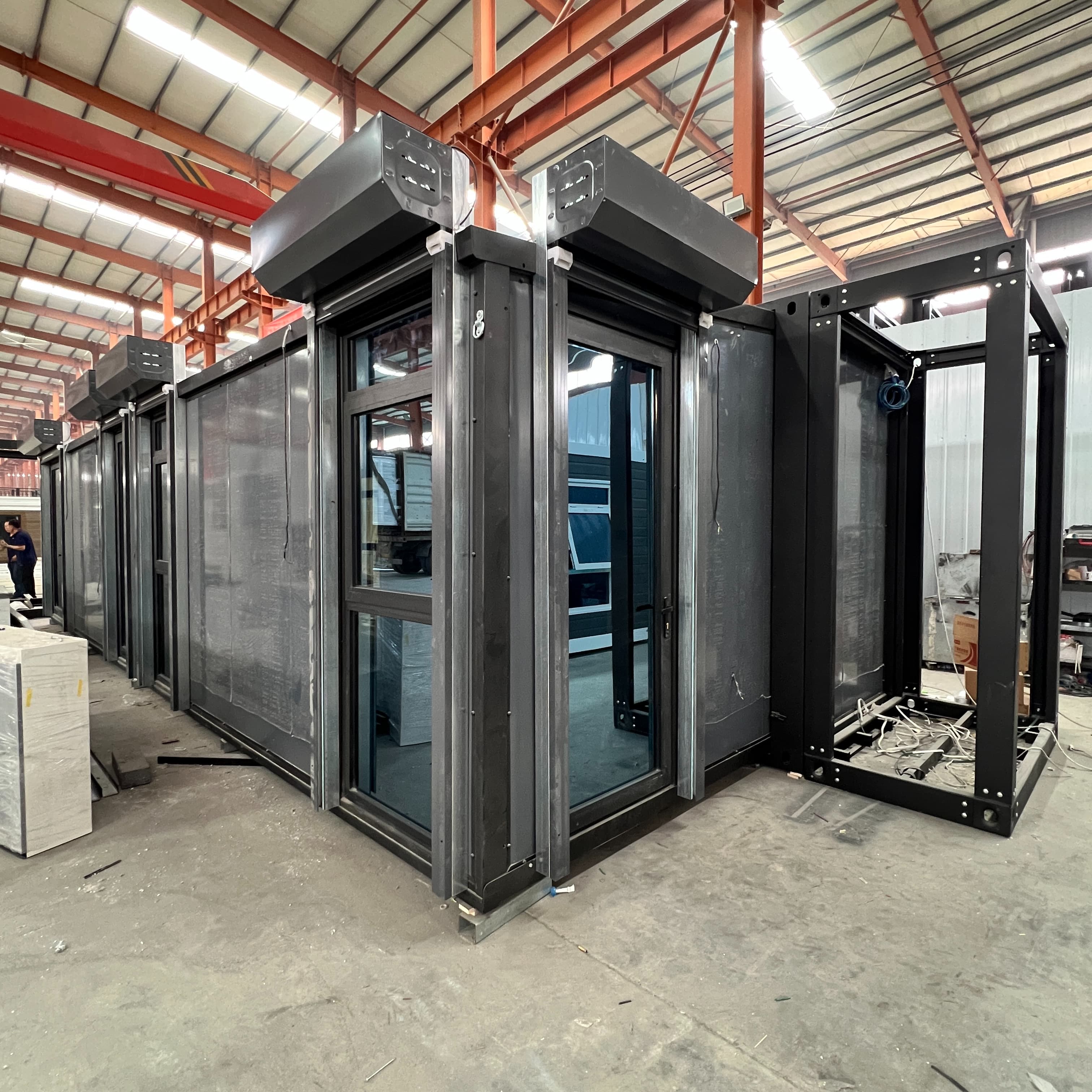
For smaller footprints or budget-conscious projects, the single-wing variant offers similar benefits with reduced complexity. While the double-wing creates symmetrical expansion, the single-wing design extends living space by 1.5-2 times in one direction – ideal for:
- Remote workstations in Yukon’s mining operations
- Emergency housing during extreme weather events
- Hunting or fishing cabins in inaccessible areas
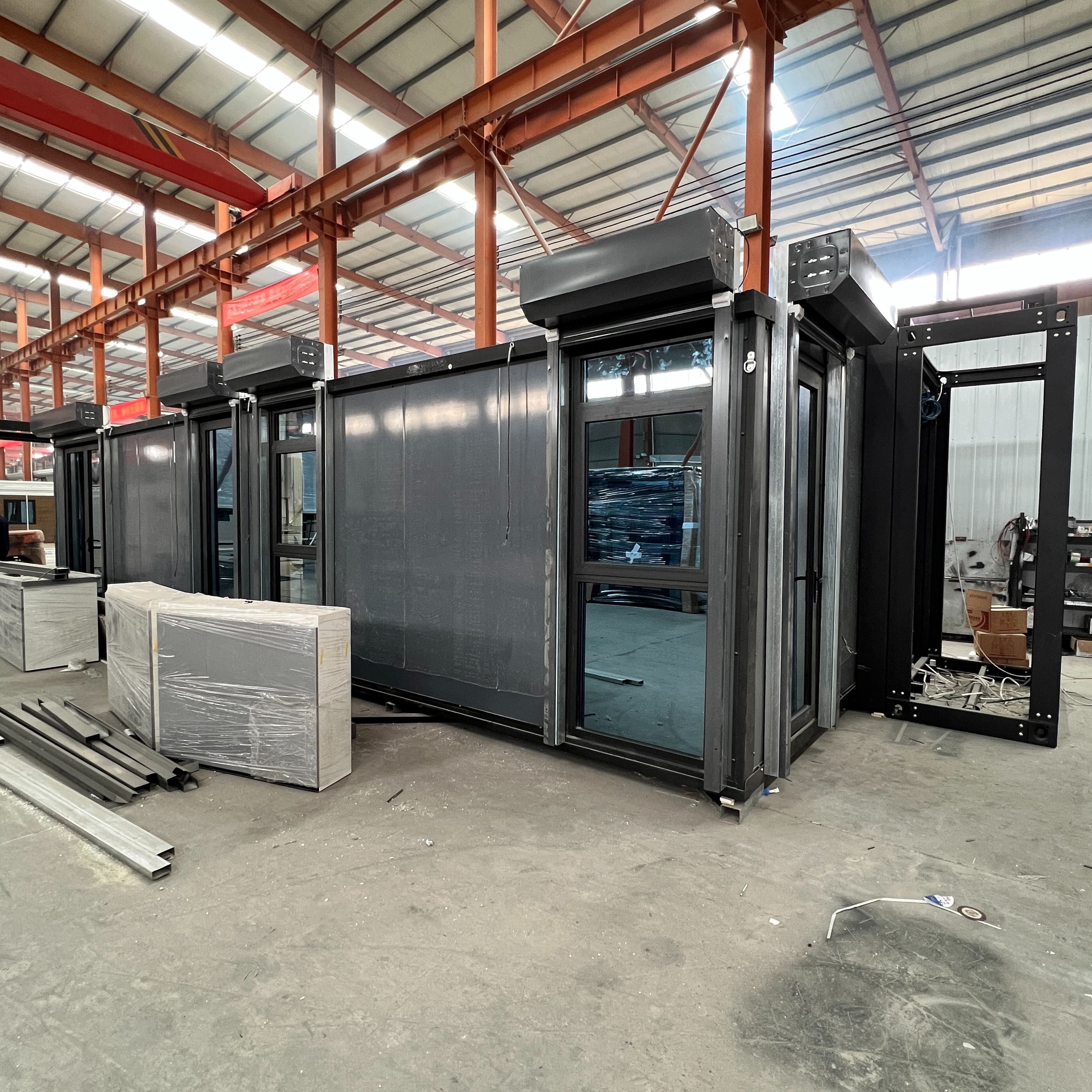
The single-wing maintains all insulation and structural advantages while offering faster deployment – often under 3 hours from arrival to occupancy. Its reduced weight makes it suitable for helicopter transport to truly remote locations inaccessible by road.
Interior Living: Comfort Meets Functionality
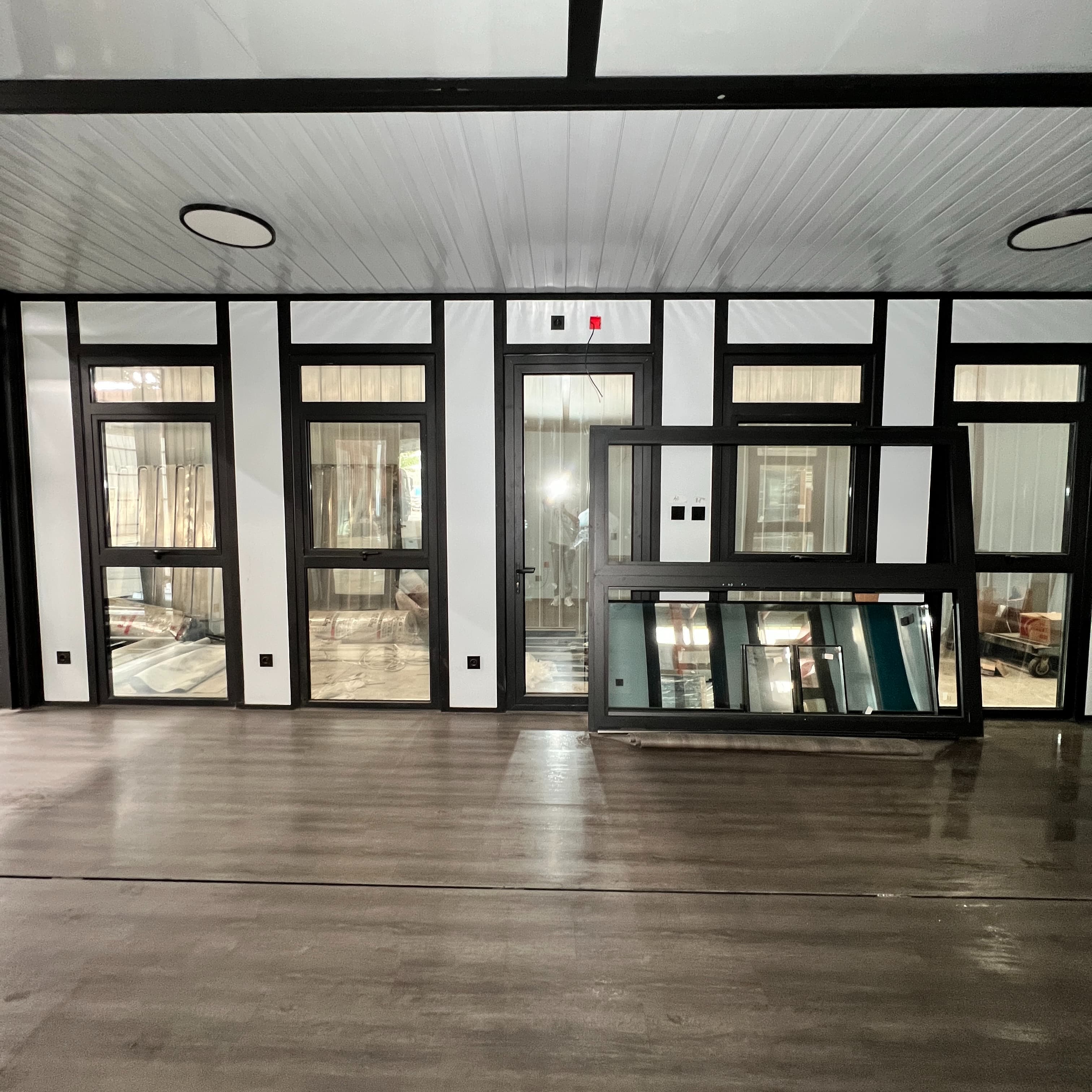
Inside these Arctic-ready homes, factory integration ensures every detail supports comfortable living in subzero conditions. The 85%+ factory completion rate means:
Smart Space Utilization
- Column-Free Design: 90%+ usable space without obstructive supports
- LOFT Options: Mezzanine levels in high-ceiling configurations
- Flexible Layouts: Adaptable for 1-2 bedrooms or open-plan studios
Integrated Kitchen Systems
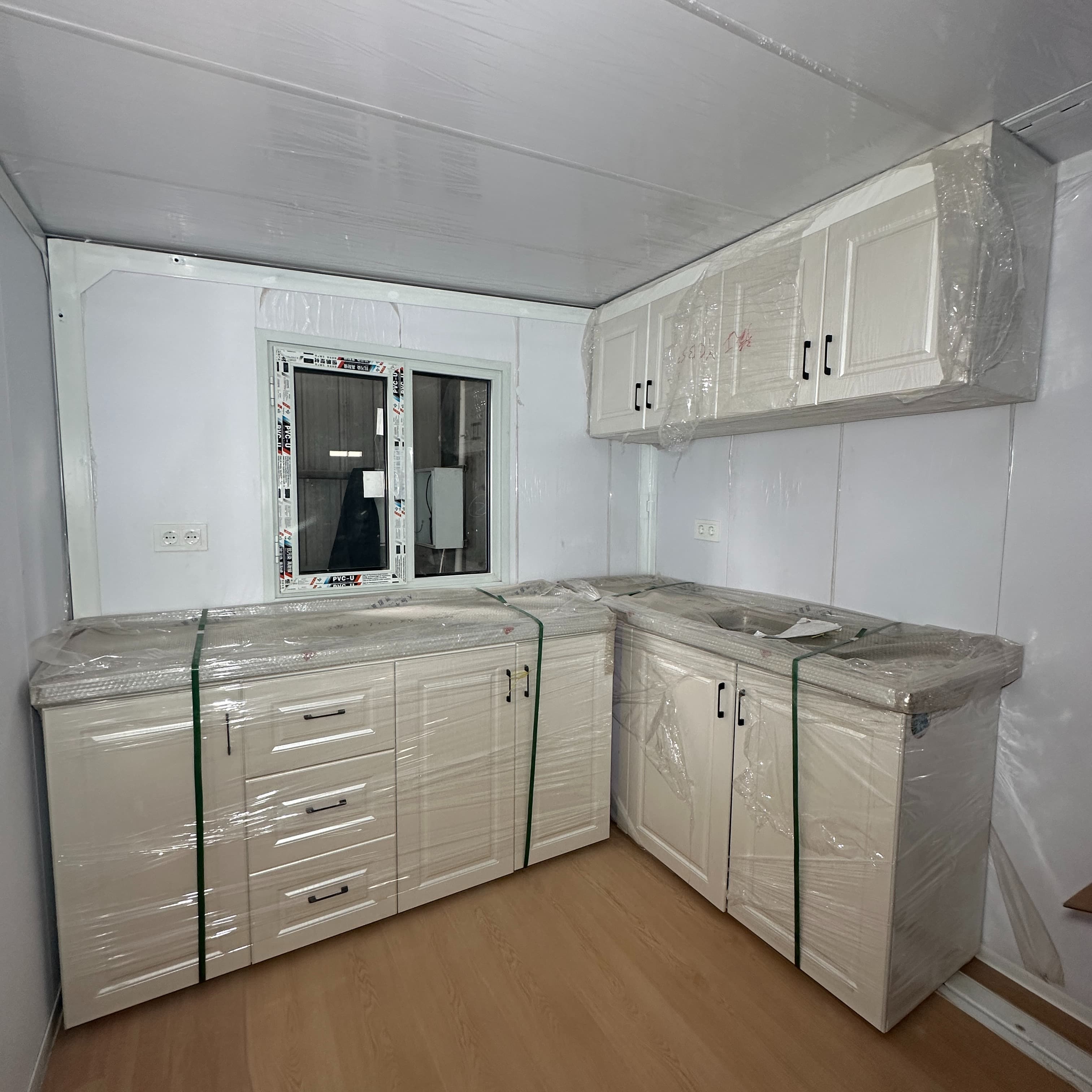
Kitchens are engineered for cold-climate efficiency with:
- Insulated plumbing with heat trace cables preventing freeze-ups
- Energy-efficient appliances rated for -30°C operation
- Ample storage designed for bulk food storage during winter isolation
- Heat recovery ventilation systems maintaining air quality
Arctic-Ready Bathrooms
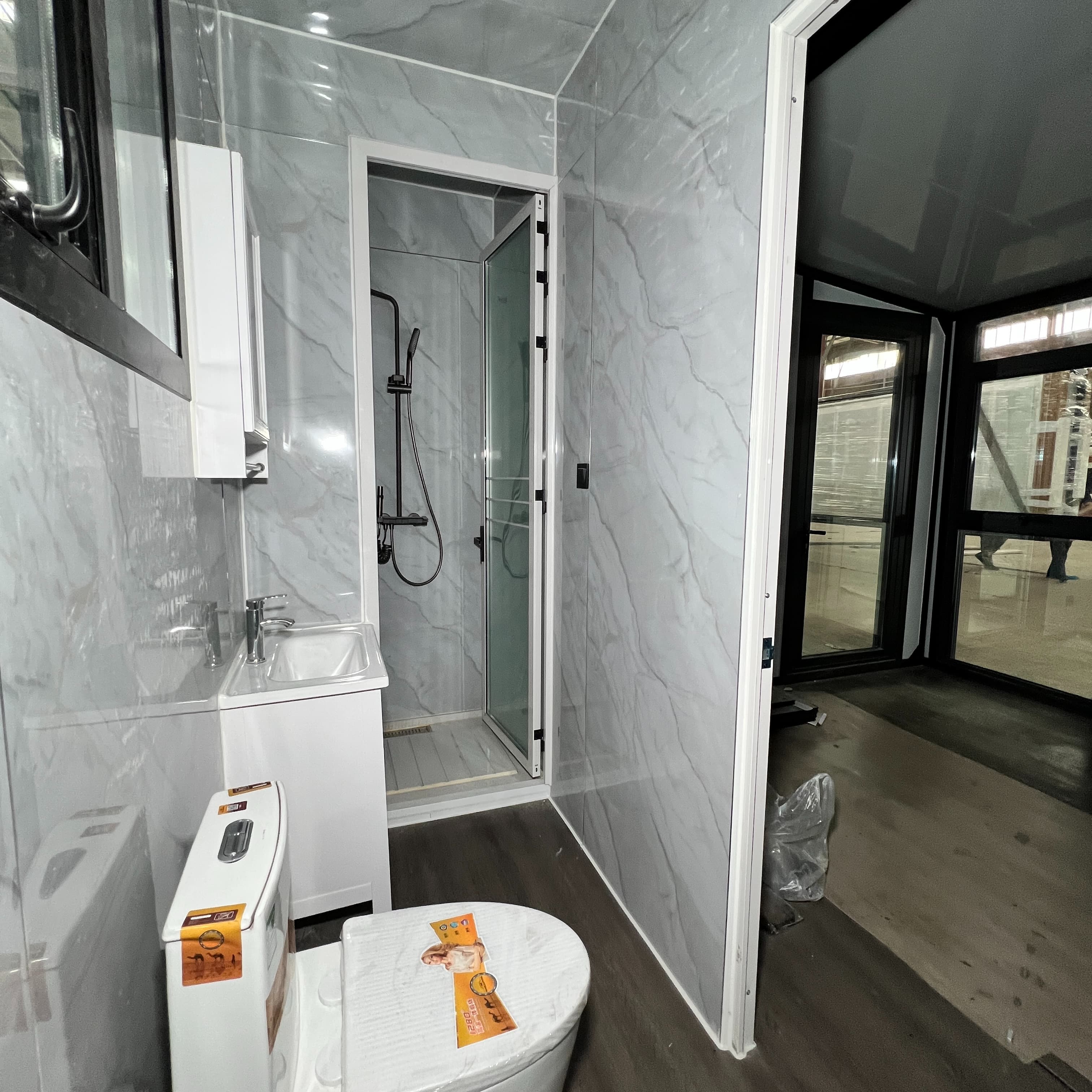
Moisture management is critical in these spaces:
- Fully waterproofed wet areas with heated floors
- High-efficiency composting or incinerating toilets
- Insulated wastewater tanks with freeze protection
- Exhaust ventilation with heat recovery
Performance Advantages: Why These Homes Excel in Cold Climates
1. Rapid Deployment: From Delivery to Dwelling in Hours
Traditional Yukon construction faces 6-8 month delays due to weather and logistics. Container homes change this paradigm:
- 95% factory completion reduces on-site work to final connections
- Single-unit installation in under 4 hours
- Multi-unit complexes operational within 3 days
- No concrete curing delays – uses helical piles or insulated skids
This speed is invaluable during emergency responses or when seasonal windows are narrow.
2. Unmatched Mobility: Homes That Move With You
The nomadic nature of northern living demands adaptable housing:
- Entire structure relocates without disassembly
- Designed for 10+ relocation cycles over 30-year lifespan
- Compatible with standard transport equipment
- Temporary building status simplifies land use permits
Mining companies in the Yukon utilize this feature to shift worker housing as operations progress.
3. Energy Efficiency: Slashing Arctic Heating Costs
Superior insulation and design yield dramatic savings:
- 60-80% reduction in heating energy vs. standard construction
- Airtightness rates below 0.6 ACH50 (Passivhaus standard)
- Integrated heat recovery ventilation systems
- Renewable energy ready with pre-wired solar/wind connections
Real-world data shows Yukon residents saving $3,000-$5,000 annually on heating.
4. Extreme Durability: Built to Last Decades
These structures withstand what nature throws at them:
- 30+ year structural lifespan with minimal maintenance
- Corrosion-resistant materials resist road salts and moisture
- Seismic resilience protects during earthquakes
- Wind resistance to 120km/h (75mph) sustained gusts
5. Economic Advantages: Smart Investment in Harsh Environments
The financial benefits are compelling:
- 30-40% lower cost than traditional Arctic construction
- 60-70% faster completion reduces financing costs
- Modular design allows phased expansion as budgets allow
- Resale value retained due to transportability
Real-World Applications: Transforming Northern Living
Permanent Residences in Remote Communities
In Yukon’s First Nations communities like Old Crow, container homes provide culturally appropriate, energy-efficient housing that can be transported during summer river barge seasons. The double-wing design accommodates multi-generational families while reducing dependence on expensive diesel heating.
Tourism and Wilderness Lodges
Adventure tourism operators along the Dempster Highway deploy these units as:
- Off-grid eco-lodges with minimal environmental impact
- Seasonal staff housing during peak tourist months
- Emergency shelters during unexpected weather events
Their aesthetic customization – featuring Yukon woods and large viewing windows – creates unique guest experiences while providing year-round functionality.
Commercial and Industrial Applications
Mining and exploration companies benefit tremendously:
- Rapid camp establishment in remote exploration sites
- Mobile offices with satellite communications integration
- Equipment shelters with climate-sensitive storage
One major gold mine near Dawson City reduced camp setup time from 3 months to 10 days using container-based solutions.
Emergency and Disaster Response
When Yukon rivers flood or wildfires threaten communities, these units become:
- Immediate shelter for evacuated residents
- Mobile medical clinics with climate control
- Command centers for emergency response coordination
Their rapid deployment saves lives during critical first-response windows.
Design Customization: Creating Your Arctic Dream Home
One of the most compelling aspects is the design freedom:
Exterior Styling
- Natural Integration: Wood siding blends with Yukon landscapes
- Modern Aesthetics: Bold colors and Corten steel for contemporary appeal
- Traditional Elements: Gabled roof additions for familiar silhouettes
Interior Layouts
Common configurations include:
- Open-Plan Studio: Maximizes space with fold-down furniture
- One-Bedroom Suite: Private sleeping area with living/kitchen space
- Two-Bedroom Family: Separate rooms with shared bath
- LOFT Configuration: Upper level sleeping with main floor living
Specialized Features
Popular cold-climate additions:
- Mudrooms with boot drying systems
- Arctic entries with double-door airlocks
- Insulated equipment storage for snowmobiles
- Greenhouse extensions for year-round food production
Critical Considerations Before Purchase
While these homes solve many northern housing challenges, informed decisions require attention to:
Budget Realities
- Base units start at $45,000 CAD but can exceed $120,000 with premium features
- Customization increases costs by 15-30% over standard models
- Transportation to remote Yukon locations adds $5,000-$25,000
- Site preparation varies from $2,000 (skids) to $15,000 (helical piles)
Regulatory Compliance
- Yukon’s Building Standards Act requires engineered certifications
- Municipal zoning may restrict container homes in some areas
- Transport permits needed for oversized loads during delivery
- Utility connections must meet territorial regulations
Long-Term Maintenance
- Annual sealant inspection and reapplication in corrosive environments
- Filter replacement in heat recovery ventilation systems
- Structural inspections after extreme weather events
- Plumbing winterization procedures for seasonal use
Site Selection
- Solar access considerations for energy efficiency
- Wind protection from natural features or constructed barriers
- Drainage planning to prevent ice buildup around foundations
- Proximity to existing utilities or feasibility of off-grid systems
The Future of Northern Housing: Sustainability Meets Resilience
As climate change intensifies Arctic conditions, insulated shipping container homes represent more than just shelter – they’re adaptation tools. The 40-foot double-wing expansion room embodies this evolution, combining:
- Embodied carbon reduction through steel reuse
- Operational energy efficiency through superior insulation
- Circular economy principles via relocatability and recyclability
- Community resilience through rapid deployment capabilities
For Canada’s Yukon and other cold-climate regions worldwide, these homes offer a path to sustainable development without sacrificing comfort or security. They prove that innovation can transform industrial materials into warm, welcoming spaces that thrive where traditional construction fails.
As we stand at the intersection of housing crises and climate emergencies, solutions like the double-wing container home don’t just make sense – they’re essential for northern communities’ survival and prosperity. The fusion of portability, durability, and energy efficiency creates housing that works with nature, not against it, even in Earth
本文由人工智能技术生成,基于公开技术资料和厂商官方信息整合撰写,以确保信息的时效性与客观性。我们建议您将所有信息作为决策参考,并最终以各云厂商官方页面的最新公告为准。