
Discover the ultimate in portable living with our comprehensive review of the 1400H foldable container houses designed for sea transportation. We compare the Standard and Pro versions of these 14m² prefabricated 1-bedroom mobile homes, highlighting their structural differences, insulation capabilities, and suitability for Australian climates. Perfect for emergency housing, remote work sites, or eco-friendly tourism, these units offer rapid deployment and cost-effective solutions for modern housing challenges.
In the dynamic landscape of modern housing solutions, prefabricated 1-bedroom mobile homes are emerging as game-changers, particularly in regions like Australia where versatility and rapid deployment are crucial. Today, we’re diving deep into two innovative models—the 1400H 14m² Sea Transportation Standard Version and the 1400H Pro 14m² Sea Transportation Enhanced Version. These foldable container houses represent the pinnacle of efficient, eco-conscious living, designed to meet diverse needs from remote outback stations to coastal developments. Let’s unpack their features, differences, and why they’re capturing attention across the Southern Hemisphere.
The Rise of Prefabricated Housing in Australia
Australia’s vast geography, coupled with its commitment to sustainable development, has created fertile ground for prefabricated housing innovations. With construction costs soaring and environmental concerns mounting, solutions like the 1400H series offer a compelling alternative to traditional building methods. These units address critical pain points: exorbitant transportation expenses, lengthy construction timelines, and the need for adaptable housing in remote or temporary settings. Whether it’s for mining operations in Western Australia, disaster relief in Queensland, or eco-tourism ventures in Tasmania, foldable container homes deliver where conventional structures can’t.
What sets these models apart is their ingenious design philosophy—maximizing functionality while minimizing logistical hurdles. The 1400H series exemplifies this through its collapsible framework, allowing 12-14 units to fit into a single 40-foot high-cube container for sea freight. This efficiency drastically cuts shipping costs, making them ideal for Australia’s island territories or projects requiring international transport. But beyond logistics, these homes prioritize livability—a crucial factor as Australia embraces more flexible housing options for its growing population.
Meet the 1400H Series: Standard vs. Pro
At first glance, both models share core DNA: a 14m² footprint, foldable steel frame, and rapid deployment capabilities. However, subtle yet significant differences cater to distinct needs and budgets. Let’s examine each model through visual and technical lenses.
1400H Standard: The Efficient Workhorse
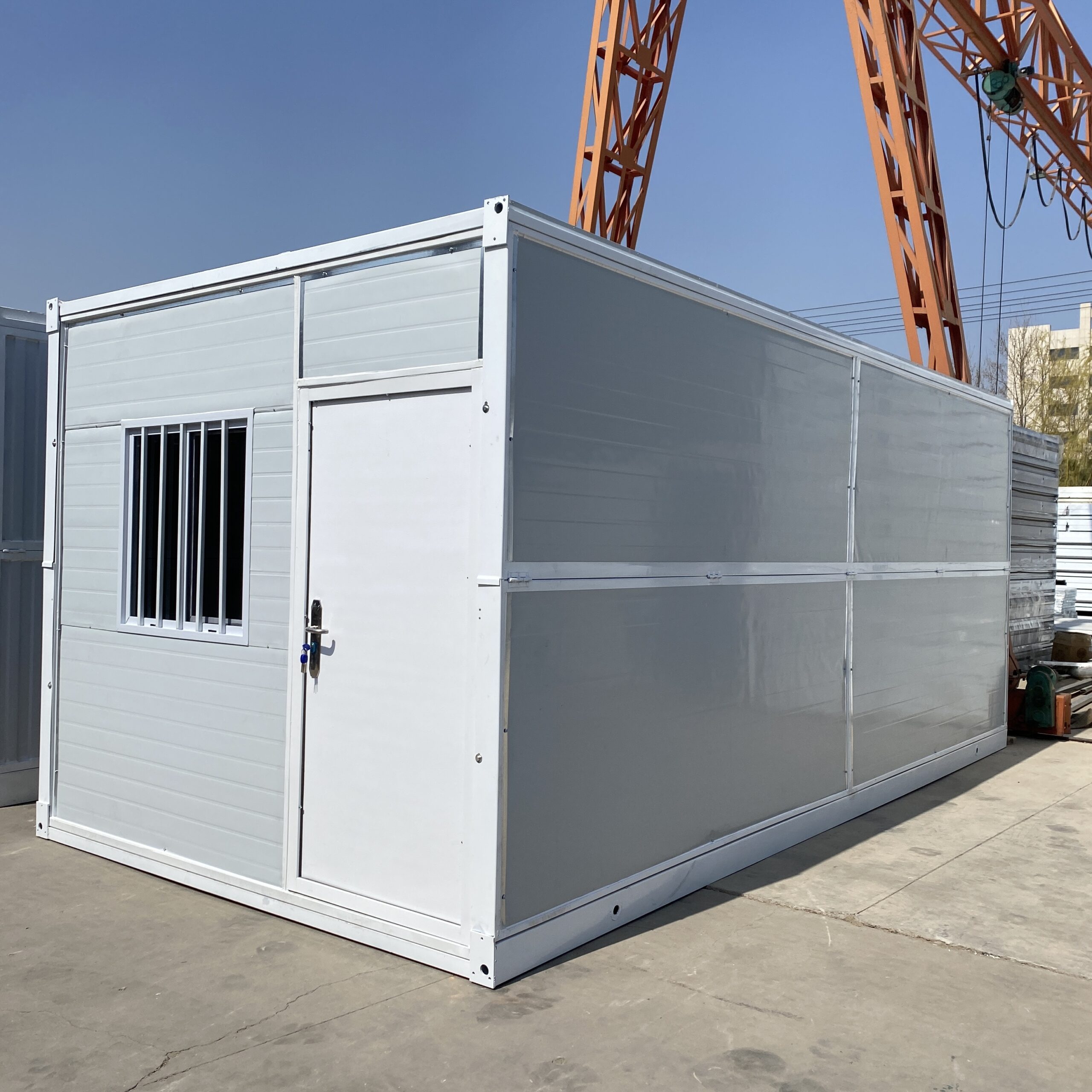
The Standard model presents a clean, minimalist aesthetic with its white frame and light gray wall panels—perfect for blending into Australian rural or coastal settings. Its exterior speaks to practicality without sacrificing visual appeal, making it suitable for temporary worker accommodations or starter housing.
Key Technical Specifications:
- Structure: Foldable Q235 galvanized steel frame with powder coating (10-year lifespan)
- Dimensions:
- Unfolded: 5.9m (L) x 2.48m (W) x 2.54m (H) externally; 5.72m x 2.36m x 2.41m internally
- Folded: 5.9m x 2.48m x 0.34m (space-saving for transport)
- Interior Finish: Color steel walls, cement flooring, W970xH1970 steel security door
- Electrical: European-standard outlets with 4mm² main copper wiring, 32A circuit breaker, and 21W LED strip lighting
- Insulation: 65mm EPS panels (front/rear), 50mm EPS (sides), 75mm glass wool roof
- Windows: Two 900x900mm PVC double-glazed windows for natural light
- Transport: 12 units per 40HC container (5.12 CBM/unit)
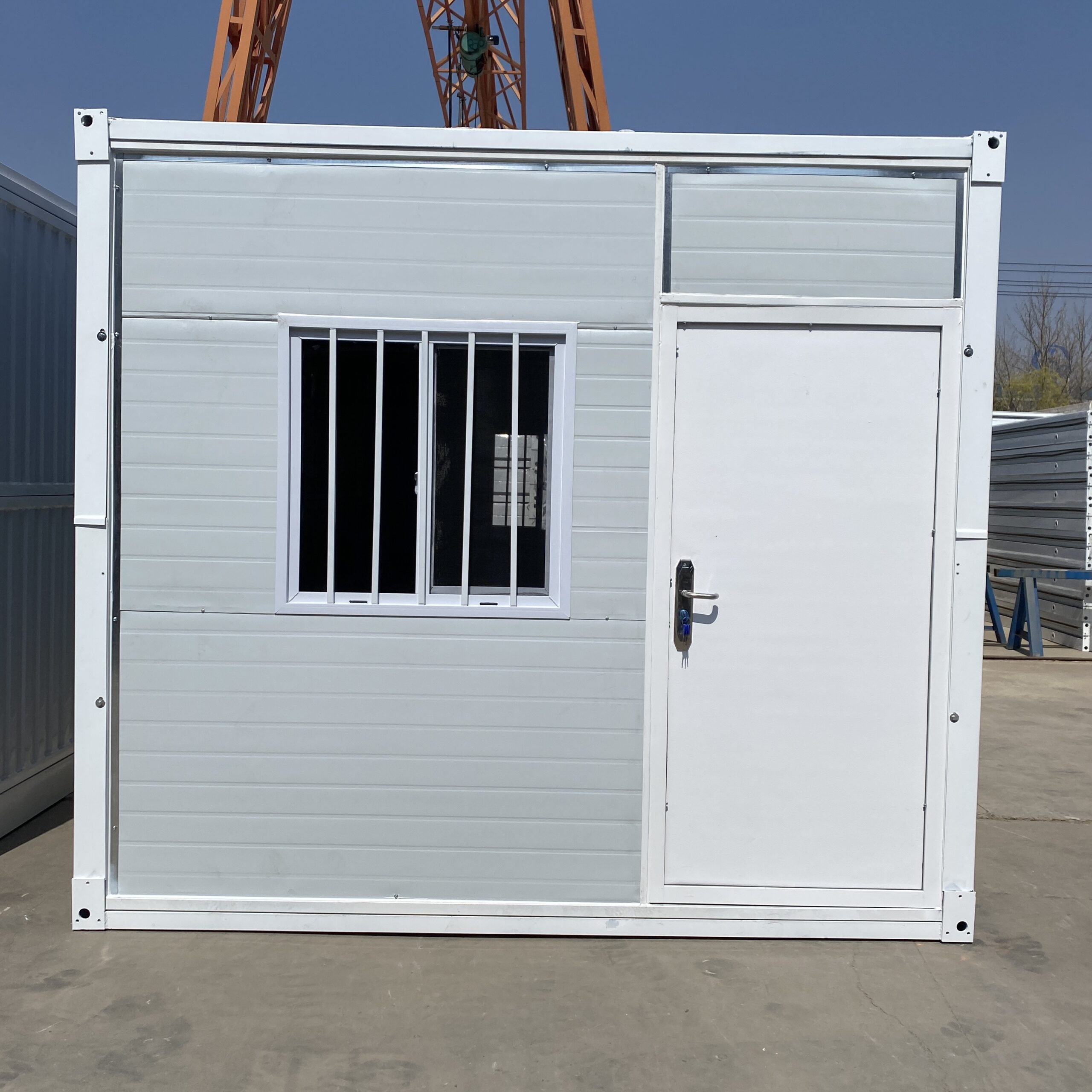
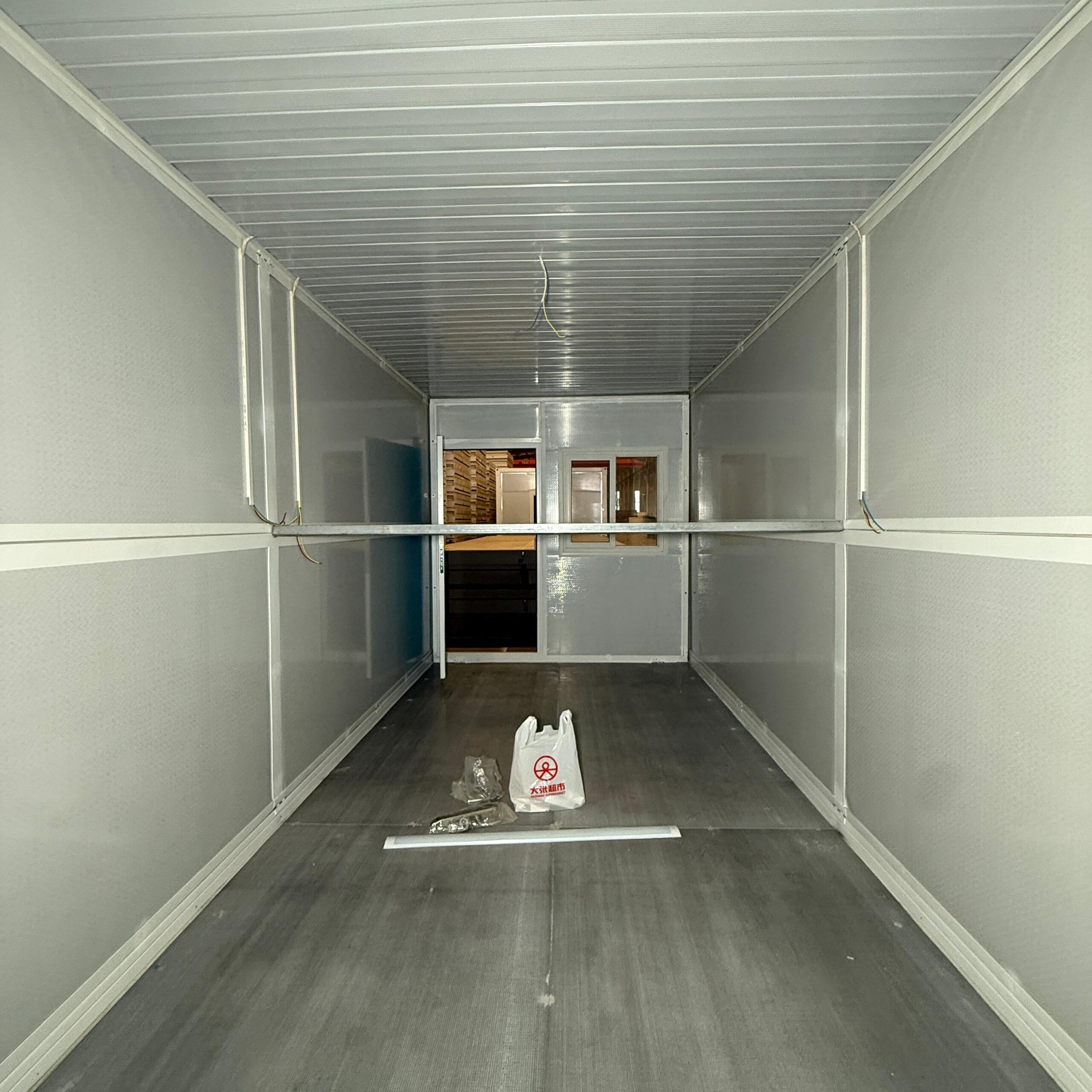
Inside, the Standard version prioritizes functionality. The cement flooring offers durability for high-traffic scenarios like construction sites, while the double-glazed windows ensure energy efficiency—critical in Australia’s variable climates. The electrical system adheres to European standards, making it compatible with Australian worksites where international equipment is common. For budget-conscious projects needing rapid deployment—think pop-up medical clinics in the Outback or temporary school facilities—this model delivers exceptional value.
1400H Pro: The Enhanced Performer
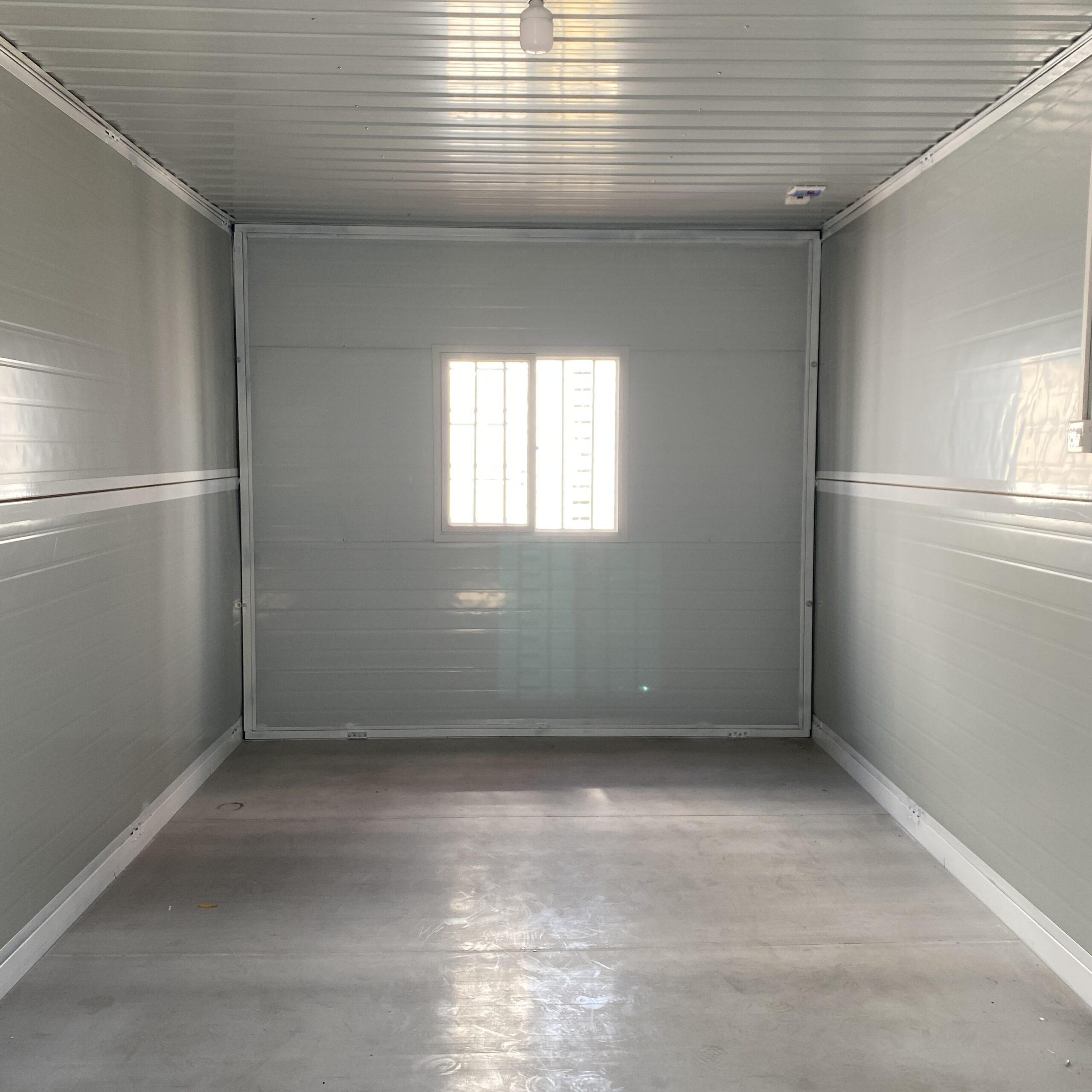
The Pro version elevates the concept with thoughtful upgrades targeting longevity and comfort. While maintaining the same footprint and foldable convenience, it introduces premium materials that significantly extend lifespan and improve thermal performance—ideal for Australia’s harsh weather conditions, from the scorching Red Centre to humid northern tropics.
Key Technical Specifications:
- Structure: Galvanized steel frame with powder coating PLUS exterior protective panels (30-year lifespan)
- Exterior Finish: White frame, light gray walls, PLUS 16mm decorative metal cladding (customer-installed)
- Interior Finish: Color steel walls, vinyl flooring (upgraded from cement)
- Insulation: All Standard features PLUS 16mm polyurethane metal cladding on walls and aluminum roof tiles
- Windows: Identical to Standard but with enhanced sealing
- Transport: 10 units per 40HC container (slightly reduced due to cladding)

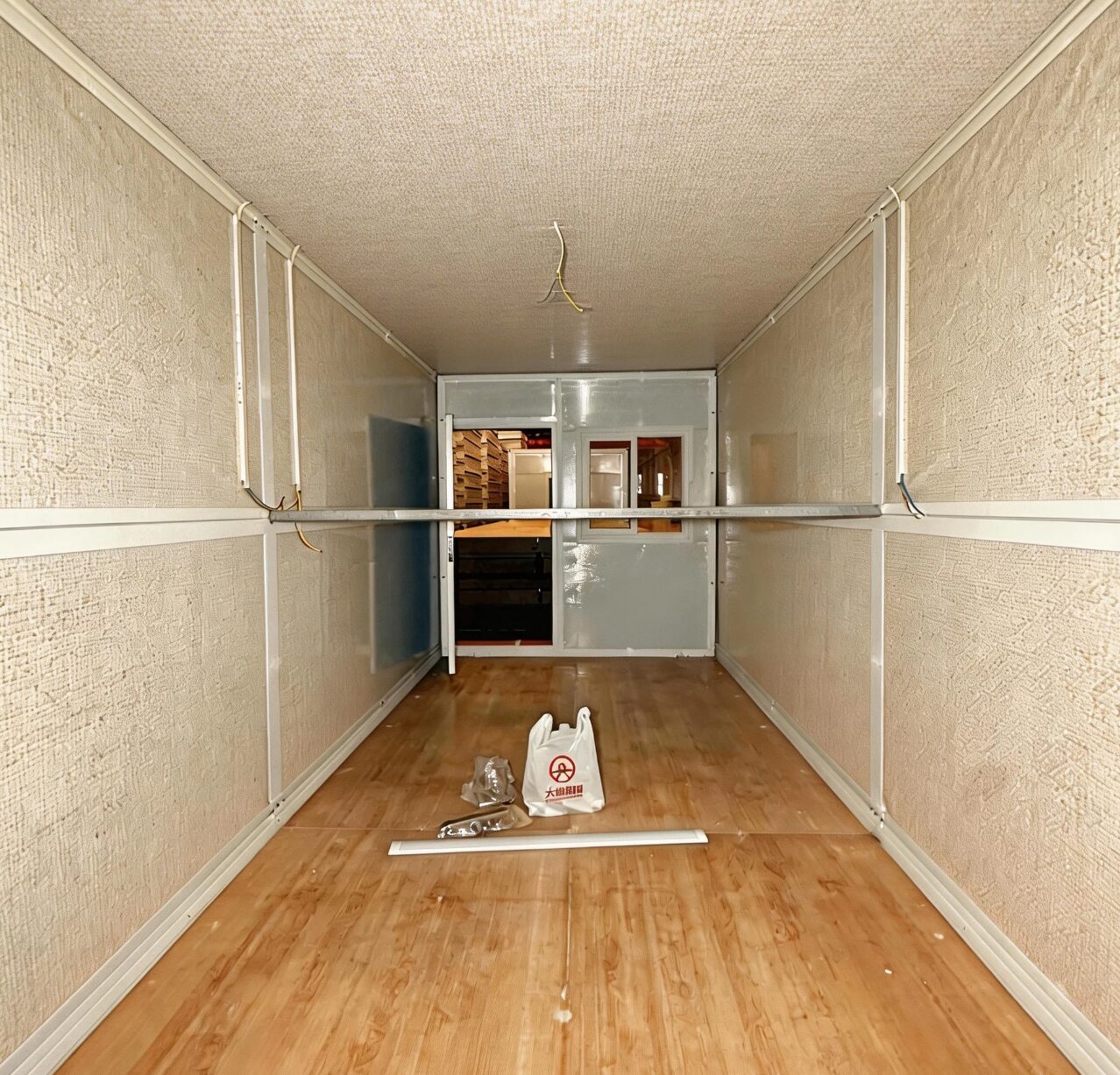
The Pro’s interior immediately feels more residential. The vinyl flooring provides underfoot comfort, while the added insulation layers create a quieter, more temperature-stable environment—a major advantage in Australian heatwaves or cold desert nights. The decorative metal cladding allows customization to match local aesthetics, whether it’s a coastal retreat in Byron Bay or a mining camp in Pilbara. Though it ships fewer units per container (10 vs. 12), the extended 30-year lifespan and superior comfort justify the investment for long-term applications like eco-resorts or permanent remote housing.
Head-to-Head Comparison: Where They Diverge
While both models share foundational strengths, their differences cater to distinct priorities:
| Feature | 1400H Standard | 1400H Pro |
|---|---|---|
| Frame Lifespan | 10 years | 30 years (with protective panels) |
| Exterior Finish | Basic light gray panels | Gray panels + 16mm metal cladding |
| Flooring | Cement (industrial) | Vinyl (residential comfort) |
| Insulation | EPS panels + roof wool | Standard + polyurethane cladding + aluminum roof |
| Transport Efficiency | 12 units/40HC | 10 units/40HC |
| Ideal Use Case | Short-term industrial, disaster relief | Long-term residential, premium tourism |
The most striking contrast lies in longevity and comfort. The Standard’s 10-year frame suits temporary scenarios like post-flood housing in New South Wales, while the Pro’s 30-year durability makes it viable for permanent housing in remote Aboriginal communities. The insulation upgrades in the Pro model are particularly relevant for Australia’s climate zones—polyurethane cladding offers R-values exceeding 3.5, crucial for maintaining interior temperatures without excessive energy use. Additionally, the vinyl flooring in the Pro provides thermal insulation and slip resistance, addressing safety concerns in wet areas like Queensland’s tropical north.
Application Scenarios: Unlocking Versatility Across Australia
These foldable units shine in contexts where traditional construction is impractical:
Emergency & Public Safety
During Australia’s bushfire season or cyclone events, rapid deployment is non-negotiable. The 1400H units can be airlifted or trucked to affected areas, unfolding into functional shelters within hours. Their fire-resistant EPS panels and steel frames provide critical protection, while the Pro’s enhanced insulation offers refuge from extreme temperatures. For agencies like SES or Rural Fire Service, having pre-positioned units means immediate response capacity.
Construction & Remote Operations
In Australia’s mining and infrastructure sectors, worker accommodations must balance cost, durability, and mobility. The Standard version excels here—its cement flooring withstands muddy boots and equipment, while the foldable design allows easy relocation between project phases. Companies like Rio Tinto or BHP can deploy these across remote sites in Western Australia or South Australia, reducing the need for permanent camps.
Tourism & Commercial Ventures
Australia’s eco-tourism boom demands unique, low-impact accommodations. The Pro model, with its customizable cladding and residential-grade finishes, is perfect for glamping sites in Kangaroo Island or pop-up hotels during events like the Melbourne Cup. Its quick setup (under 3 hours with basic tools) lets entrepreneurs capitalize on seasonal demand without permanent construction.
Urban & Community Services
Cities like Sydney or Melbourne face housing affordability crises. These units can serve as transitional housing for homeless populations or temporary classrooms during school renovations. Their compact footprint fits into urban lots, and the Pro’s noise insulation makes them suitable for densely populated areas.
Key Considerations Before Purchasing
While these homes offer remarkable advantages, informed decision-making is essential:
Budget vs. Longevity
The Standard model costs approximately 20-30% less upfront, making it attractive for short-term projects. However, the Pro’s tripled lifespan and reduced maintenance often result in lower lifetime costs. For Australian buyers, consider depreciation—investment properties in growth areas like Perth may justify the Pro’s premium.
Customization Limitations
Both models allow minor modifications (e.g., window placements), but significant changes—like expanding the 14m² footprint—require engineering approvals. In Australia, this involves compliance with NCC (National Construction Code) standards, potentially adding 6-8 weeks to lead times.
Transportation Logistics
Though designed for sea freight, overland transport in Australia requires permits for oversized loads. Units must travel unfolded on flatbed trucks, with route planning needed for bridges or tunnels in regions like the Blue Mountains. Coastal delivery to Tasmania or Norfolk Island involves additional customs coordination.
Regulatory Compliance
Australian states have varying rules for temporary structures. In Victoria, units over 6 months need building permits; in Queensland, they may classify as caravans. Always consult local councils—especially for installations in environmentally sensitive zones like the Great Barrier Reef coast.
Maintenance Realities
Even the Pro model requires upkeep in Australia’s harsh conditions. Annual checks of seals, repainting every 5-7 years, and clearing roof debris after storms are essential. Remote locations should stock spare parts like D-rubber seals to avoid costly delays.
Why Australia Embraces Foldable Container Homes
Australia’s unique challenges—vast distances, climate extremes, and a mobile population—make these units particularly relevant. They embody the Aussie ethos of practical innovation: solving real problems with clever engineering. From FIFO (fly-in-fly-out) workers in the Pilbara to retirees seeking coastal simplicity, the 1400H series offers freedom without compromise. Their minimal site impact also aligns with Australia’s growing commitment to sustainable development, as seen in projects like the Adelaide Eco Village.
Moreover, the global shift toward modular construction positions Australia as a key market. With trade routes connecting Asia-Pacific ports, these units can be efficiently shipped to
本文由人工智能技术生成,基于公开技术资料和厂商官方信息整合撰写,以确保信息的时效性与客观性。我们建议您将所有信息作为决策参考,并最终以各云厂商官方页面的最新公告为准。