
摘要: Explore the complexities of shipping container home building codes in Australia, featuring the innovative 20-foot customized double-wing expansion room. Discover how this modular design meets regulatory standards while offering rapid deployment, flexibility, and sustainability for modern housing solutions.
When dreaming of a unique, sustainable, and cost-effective home, shipping containers have become a popular choice worldwide. However, transforming these steel boxes into livable spaces comes with a critical challenge: navigating complex shipping container home building codes. In Australia, where regulations vary significantly across states and territories, understanding these codes is essential to avoid costly mistakes and legal headaches. Today, we’ll explore how the innovative 20-foot customized double-wing expansion room not only meets these stringent requirements but also revolutionizes modular living with its space-efficient, adaptable design.
Before diving into the technicalities, let’s address why building codes matter. These regulations ensure structural integrity, safety, energy efficiency, and environmental sustainability. For container homes, they dictate everything from foundation requirements and insulation standards to fire safety and electrical systems. Non-compliance can lead to fines, demolition orders, or unsafe living conditions. That’s why solutions like the double-wing expansion room are gaining traction—they’re engineered to align with Australian building codes while offering unprecedented flexibility.
Understanding Australian Building Codes for Container Homes
Australia’s building codes are primarily governed by the National Construction Code (NCC), which sets minimum standards for all construction work. However, each state and territory (like New South Wales, Victoria, or Queensland) may have additional local regulations. Key considerations include:
- Structural Compliance: Containers must withstand cyclonic winds (especially in northern regions), seismic activity, and heavy loads. Modifications require engineering certifications.
- Thermal Performance: The NCC mandates minimum insulation levels (measured in R-values) to reduce energy consumption. Steel containers conduct heat, making insulation critical.
- Fire Safety: Fire-resistant materials, smoke detectors, and safe egress routes are non-negotiable.
- Plumbing and Electrical: All installations must comply with Australian Standards (AS/NZS 3000 for wiring, AS 3500 for plumbing).
These codes often discourage DIY container modifications, pushing homeowners toward pre-engineered solutions like the double-wing expansion room, which comes factory-certified for compliance.
Introducing the 20-Foot Customized Double-Wing Expansion Room
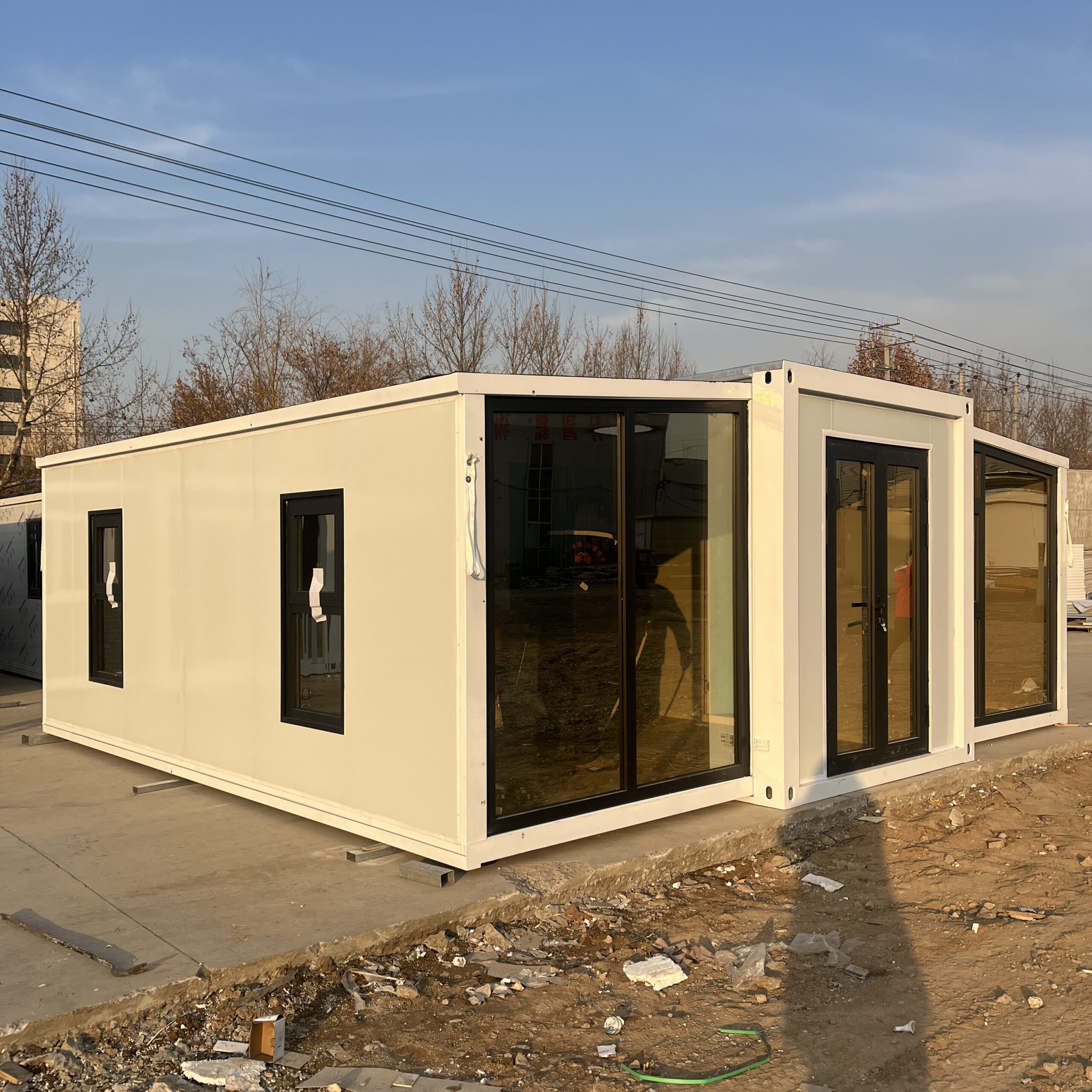
Imagine a compact shipping container that transforms into a spacious, modern dwelling in minutes. That’s the magic of the 20-foot customized double-wing expansion room. Designed for rapid deployment and maximum adaptability, it’s a game-changer for Australian homeowners, developers, and businesses navigating building codes.
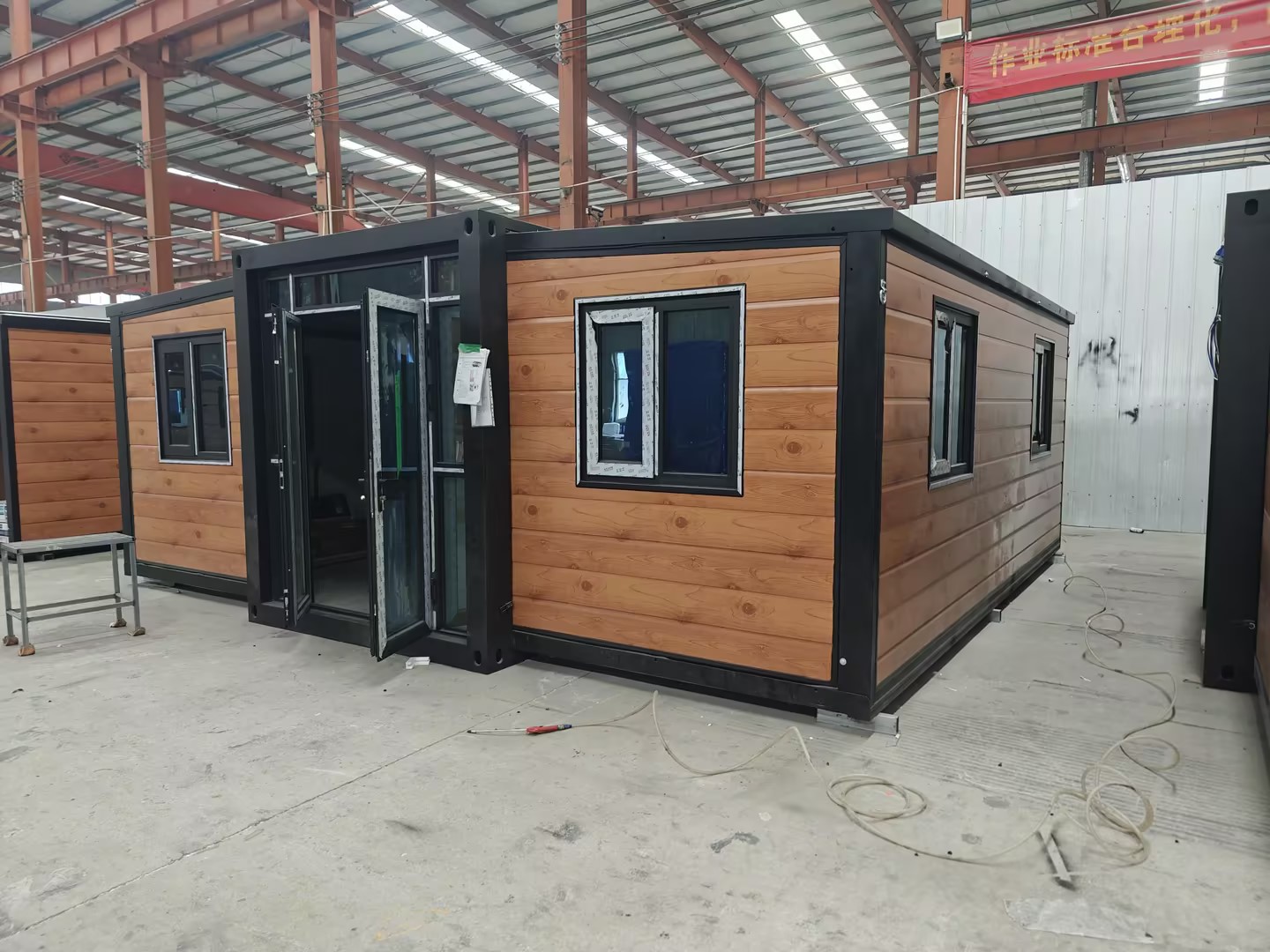
This modular masterpiece features two fold-out “wings” that expand the living area by up to 80%, turning a compact 6m x 2.2m footprint into a generous 6.3m x 5.9m space. But how does it comply with Australia’s rigorous codes? Let’s break it down.
1. Structural Integrity: Built to Withstand Australian Conditions
The double-wing room uses a high-strength galvanized steel frame engineered to meet Australian structural standards. Its folding design doesn’t compromise stability—in fact, it enhances it:
- Seismic Resilience: The flexible yet robust structure can withstand seismic events up to magnitude 8, crucial in earthquake-prone areas like Adelaide or Newcastle.
- Cyclone Resistance: Tested to endure 120+ km/h winds (Category 2 cyclones), it’s ideal for coastal regions like Cairns or Darwin.
- Load-Bearing Capacity: The roof supports solar panels and rainwater harvesting systems, aligning with sustainable building incentives.
These features come with third-party engineering certifications, simplifying council approvals across Australia.
2. Thermal Performance: Energy Efficiency by Design
Meeting Australia’s strict thermal performance requirements (NCC Volume Two) is effortless with this unit. Its walls and roof incorporate 100mm polyurethane foam insulation, achieving R-values exceeding NCC minimums:
- Walls: R-2.8 (vs. NCC’s R-1.4 in temperate zones)
- Roof: R-4.2 (vs. NCC’s R-2.8)
This reduces heating/cooling costs by up to 40%, a major selling point in energy-conscious cities like Melbourne or Canberra. The Low-E double-glazed windows further minimize heat transfer while flooding the space with natural light.
3. Fire Safety: Compliant and Protected
Fire safety is non-negotiable, and this unit excels:
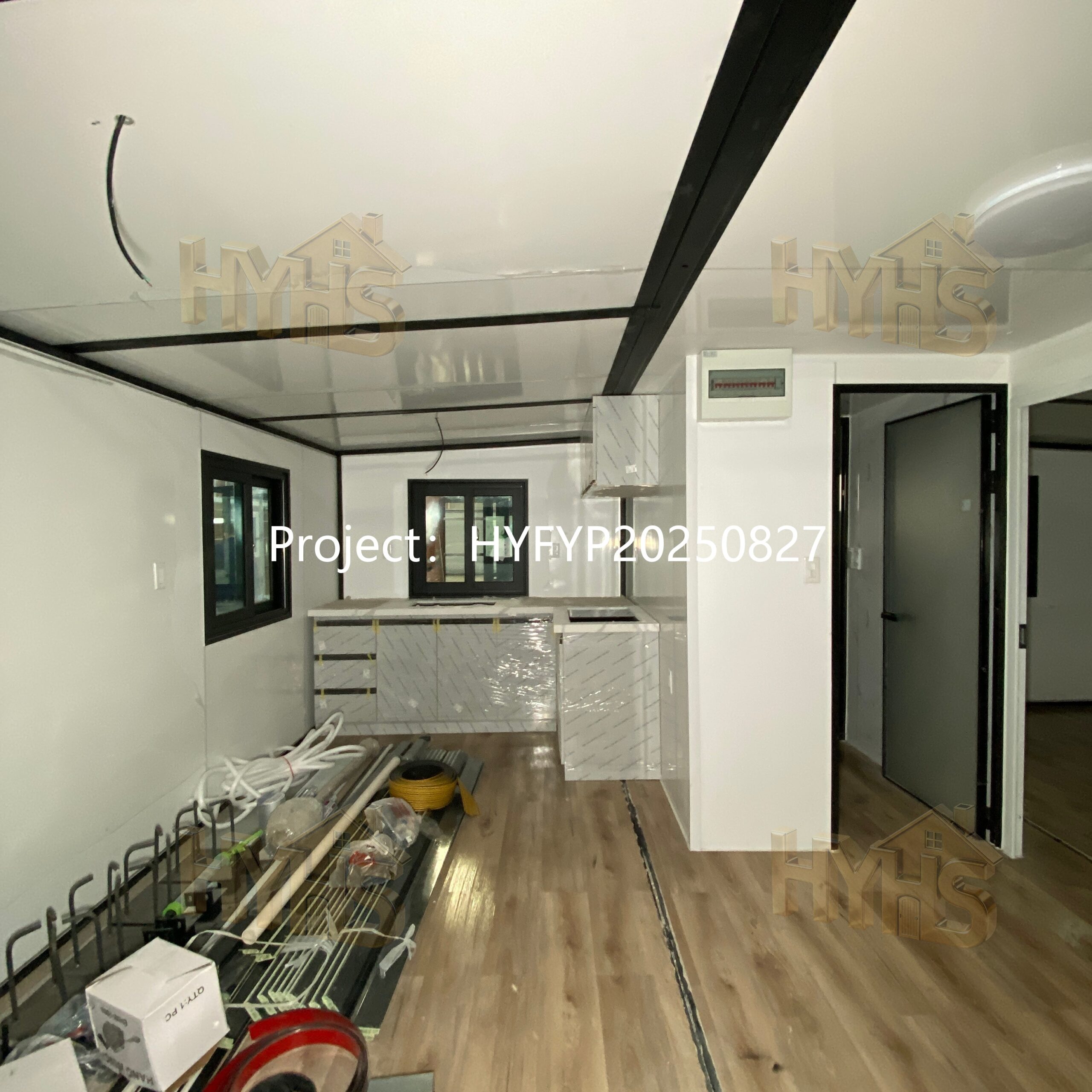
- Fire-Rated Materials: Walls use gypsum board with a 1-hour fire rating, meeting AS 1530.4 standards.
- Smoke Alarms: Pre-installed interconnected alarms comply with AS 3786.
- Safe Egress: Multiple exits (including the wing extensions) ensure rapid evacuation.
These features make it suitable for permanent residences in bushfire-prone areas like the Blue Mountains or Perth’s outskirts.
4. Plumbing and Electrical: Plug-and-Ready Compliance
All systems are pre-installed in the factory, eliminating on-site compliance headaches:
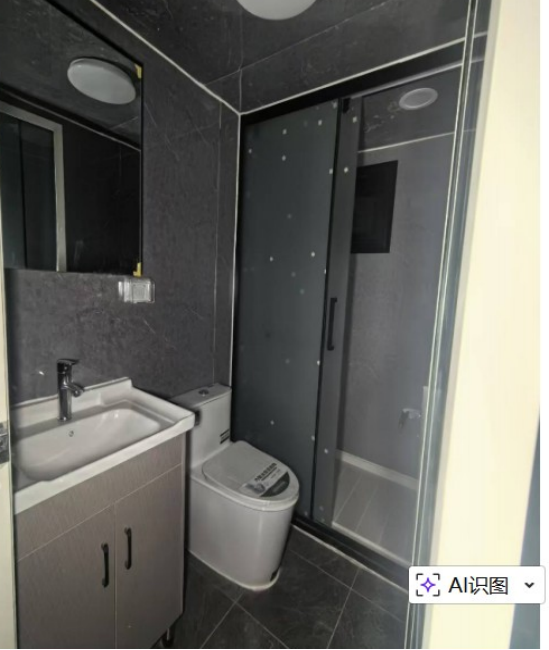
- Electrical: Wiring meets AS/NZS 3000, with RCD safety switches and tamper-proof outlets.
- Plumbing: Pipes use AS/NZS 3500-compliant materials, and the bathroom includes a water-saving toilet (4.5/3L dual flush).
Simply connect to mains services, and you’re ready for occupancy—a massive advantage over traditional builds.
Key Features That Simplify Code Compliance
Beyond the technical specs, the double-wing room’s design inherently addresses regulatory challenges:
Modular Prefabrication: The Compliance Shortcut
With 85% of construction completed in a controlled factory environment, quality and compliance are guaranteed. This off-site manufacturing approach:
- Reduces on-site errors that trigger code violations.
- Streamlines approvals through pre-certified designs.
- Minimizes waste, aligning with Australia’s sustainable building policies.
For example, in Queensland’s Sunshine Coast, where councils prioritize eco-friendly developments, this prefab approach accelerates permits by weeks.
Foundation Flexibility: No Concrete Required
Traditional homes require expensive, code-compliant concrete slabs. The double-wing room uses adjustable steel piers or screw piles, which:
- Meet NCC foundation standards.
- Allow installation on sloped or unstable ground (common in bush or coastal settings).
- Enable relocation without demolishing foundations—perfect for temporary uses.
This is a game-changer for remote areas like Western Australia’s Kimberley region or Tasmania’s wilderness.
Customization Without Compromise
Building codes often stifle creativity, but this unit balances compliance with personalization:
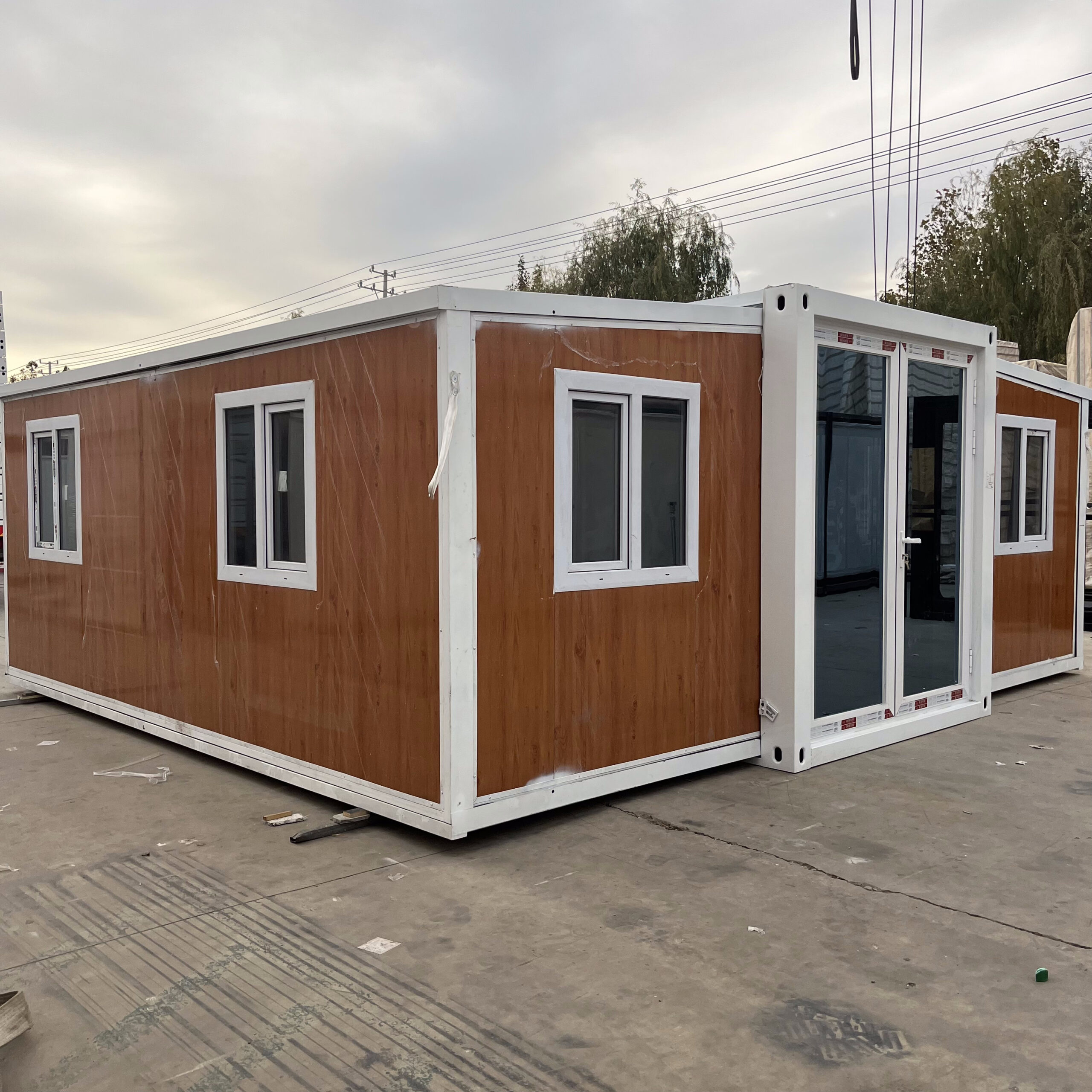
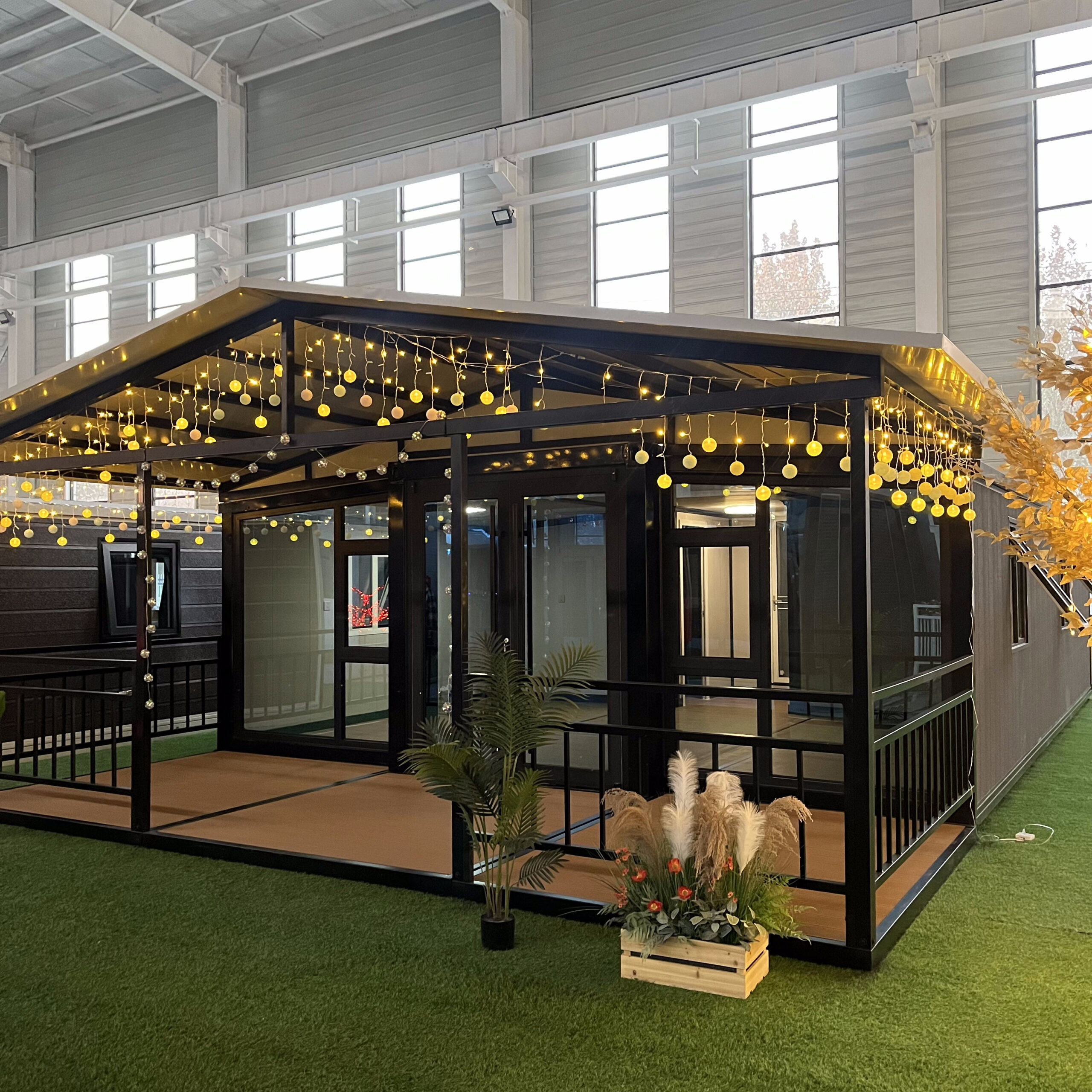
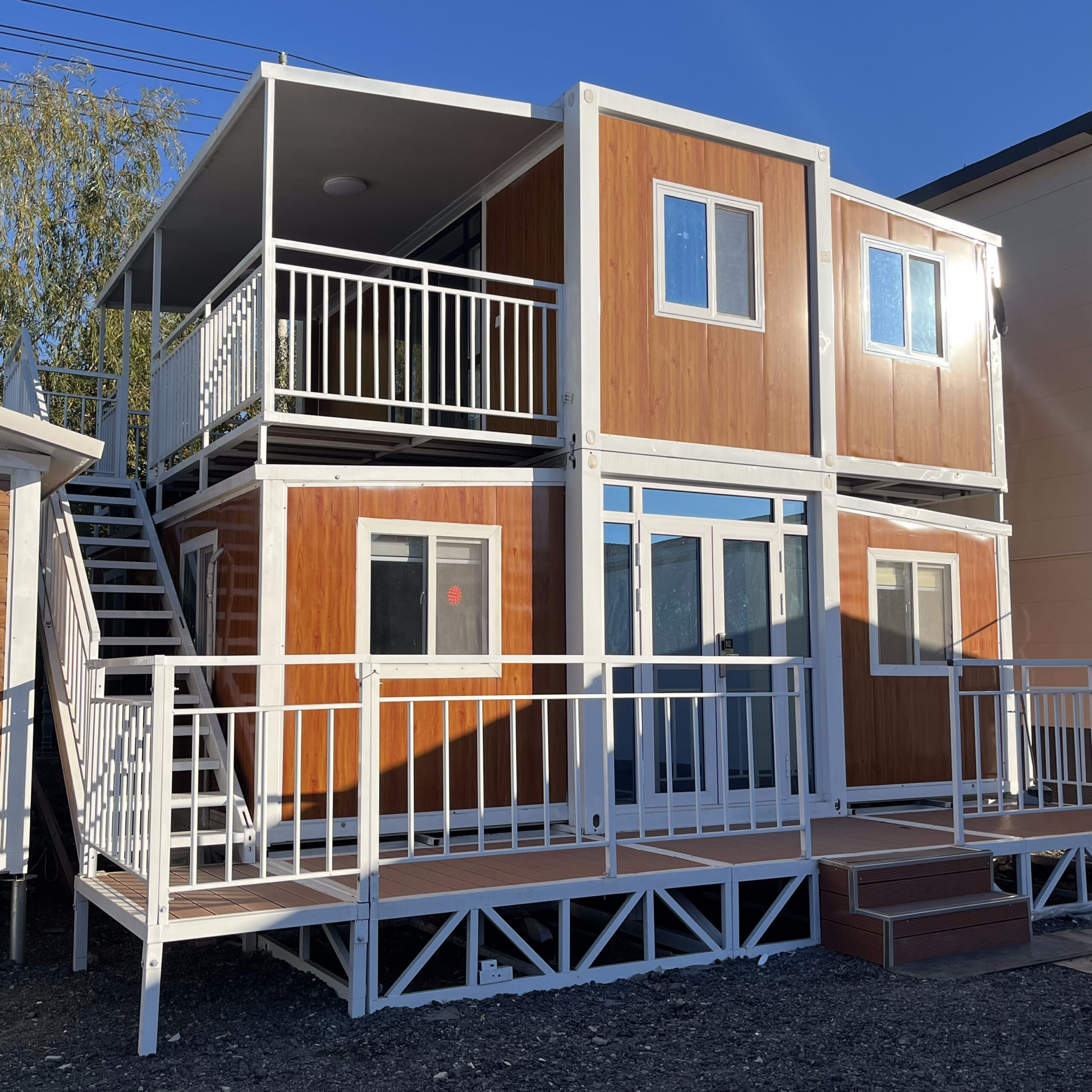
- Exterior Finishes: Choose from fire-resistant timber cladding, fiber cement, or Corten steel to match local aesthetics (e.g., heritage areas in Hobart or modern Sydney suburbs).
- Interior Layouts: Open-plan designs avoid load-bearing walls, simplifying electrical/plumbing routes.
- Smart Add-Ons: Solar systems, rainwater tanks, and greywater recycling can be integrated to meet state-specific sustainability targets.
Customization is handled during manufacturing, ensuring all modifications stay code-compliant.
Real-World Applications in Australia
This versatility makes the double-wing room ideal for diverse Australian scenarios:
Affordable Housing in Urban Centers
In cities like Sydney and Melbourne, where housing affordability is critical, these units offer:
- Rapid deployment for homeless shelters or key worker housing.
- Compliance with dense urban codes (e.g., BAL ratings for fire safety).
- Minimal site disruption in built-up areas.
One Victorian council approved a 20-unit development in just 8 weeks—a stark contrast to traditional multi-year projects.
Eco-Tourism in Natural Settings
For eco-resorts in Queensland’s Daintree Rainforest or Victoria’s High Country, the double-wing room delivers:
- Low-impact installation with no permanent foundations.
- Off-grid capabilities (solar, composting toilets).
- Camouflaged exteriors that blend with landscapes.
These features align with strict environmental protections in sensitive areas.
Disaster Relief and Remote Work
After bushfires or floods in regions like New South Wales’ South Coast or South Australia’s Kangaroo Island, rapid shelter is vital. The double-wing room provides:
- 24-hour deployment post-disaster.
- Code-compliant safety for temporary or permanent use.
- Adaptability as pop-up clinics or offices.
Similarly, mining or agricultural businesses in remote outback areas use them as compliant, relocatable worker accommodations.
Deployment and Compliance: A Step-by-Step Guide
Getting a shipping container home approved in Australia doesn’t have to be daunting. Here’s how the double-wing room simplifies the process:
- Site Assessment: Check local council rules (e.g., Brisbane’s City Plan or Perth’s R-Codes). The unit’s modular design fits most zoning categories.
- Design Approval: Submit factory-provided engineering certifications. No custom drawings needed for standard models.
- Foundation Setup: Install piers in 1–2 days (vs. weeks for concrete).
- Delivery & Installation: Crane placement takes hours. Watch the video below to see how quickly it unfolds:
Your browser does not support the video tag.
- Services Connection: Plug into existing utilities or off-grid systems. All pre-installed systems comply with Australian Standards.
- Final Inspection: Council sign-off is streamlined with pre-compliance documentation.
This entire process can take as little as 7 days—unheard of in traditional construction!
Cost and Time Savings: The Compliance Advantage
Building code compliance often means ballooning budgets and delays. The double-wing room flips this narrative:
- Cost: 30–40% cheaper than traditional builds due to reduced labor, materials, and compliance fees.
- Time: Occupancy in days, not months—ideal for time-sensitive projects.
- Risk Mitigation: Factory compliance eliminates costly reworks or council rejections.
For example, a homeowner in Adelaide saved AUD $45,000 and 6 months by choosing this unit over a conventional extension.
Potential Challenges and Solutions
While the double-wing room simplifies compliance, be aware of these considerations:
- Local Variations: Some councils (e.g., in heritage zones) may require additional permits. Solution: Engage a local building certifier early.
- Transport Regulations: Oversize loads may need permits. Solution: The unit’s folded size (2.2m wide) meets standard road limits.
- Long-Term Use: For permanent homes, ensure the unit’s design matches local planning schemes. Solution: Customize finishes to mimic traditional housing aesthetics.
These are minor hurdles compared to traditional container home complexities.
Why This Design Represents the Future of Australian Housing
Australia’s housing crisis demands innovative, code-compliant solutions. The 20-foot double-wing expansion room embodies this future by:
- Democratizing Compliance: Making regulatory adherence accessible, not exclusive.
- Prioritizing Sustainability: Exceeding NCC energy efficiency goals.
- Enabling Adaptability: Supporting Australia’s dynamic lifestyle—from urban apartments to bush retreats.
As building codes evolve to address climate change and urbanization, modular designs like this will lead the charge.
Conclusion: Building Smarter, Not Harder
Navigating shipping container home building codes in Australia doesn’t have to be a barrier to innovation. With the 20-foot customized double-wing expansion room, you gain a code-compliant, adaptable, and sustainable solution that’s ready for any challenge—whether you’re building in cyclonic Darwin, fire-prone Victoria, or bustling Sydney. By combining factory precision with modular flexibility, this design proves that compliance and creativity can coexist beautifully.
Ready to explore this game-changing solution? Contact Australian suppliers for site assessments and compliance packages tailored to your region. Remember, in the world of container homes, smart design isn’t just about aesthetics—it’s about building a future that meets every code, every time.
本文由人工智能技术生成,基于公开技术资料和厂商官方信息整合撰写,以确保信息的时效性与客观性。我们建议您将所有信息作为决策参考,并最终以各云厂商官方页面的最新公告为准。