
Explore the innovative 40-foot double-wing expansion container house – a game-changing movable housing solution for temporary accommodations. Combining rapid deployment, customizable designs, and sustainable materials, these expandable units redefine temporary living in Australia’s diverse landscapes, from urban Sydney to remote Outback sites.
In today’s fast-paced world, the demand for flexible, efficient, and sustainable housing solutions has never been greater. Whether you’re managing construction projects, organizing events, or responding to emergencies, the need for high-quality temporary housing that can be deployed quickly and adapted to various environments is critical. Enter the revolutionary 40-foot customized double-wing expansion container house – a cutting-edge solution that’s transforming how Australia approaches temporary accommodations.
Imagine a housing unit that arrives compactly on the back of a truck, yet unfolds into a spacious, comfortable living space within hours. Picture a structure so versatile it can serve as a remote worker’s retreat in the Australian Alps, a pop-up office in bustling Melbourne, or emergency housing in cyclone-prone regions of Queensland. This isn’t science fiction; it’s the reality of modern expandable container homes.
Let’s dive deep into why these movable container houses are becoming the go-to solution for temporary housing needs across Australia and beyond, examining their innovative design, practical benefits, and diverse applications.
The Revolutionary Double-Wing Design: Where Innovation Meets Practicality
At the heart of this housing solution lies its ingenious double-wing expansion mechanism. Unlike traditional container homes that offer limited space, these units feature two collapsible “wings” that fold neatly against the central core during transport, then unfold dramatically to create expansive living areas. This transformative design is particularly well-suited for Australia’s vast and varied terrains, where mobility and space efficiency are paramount.
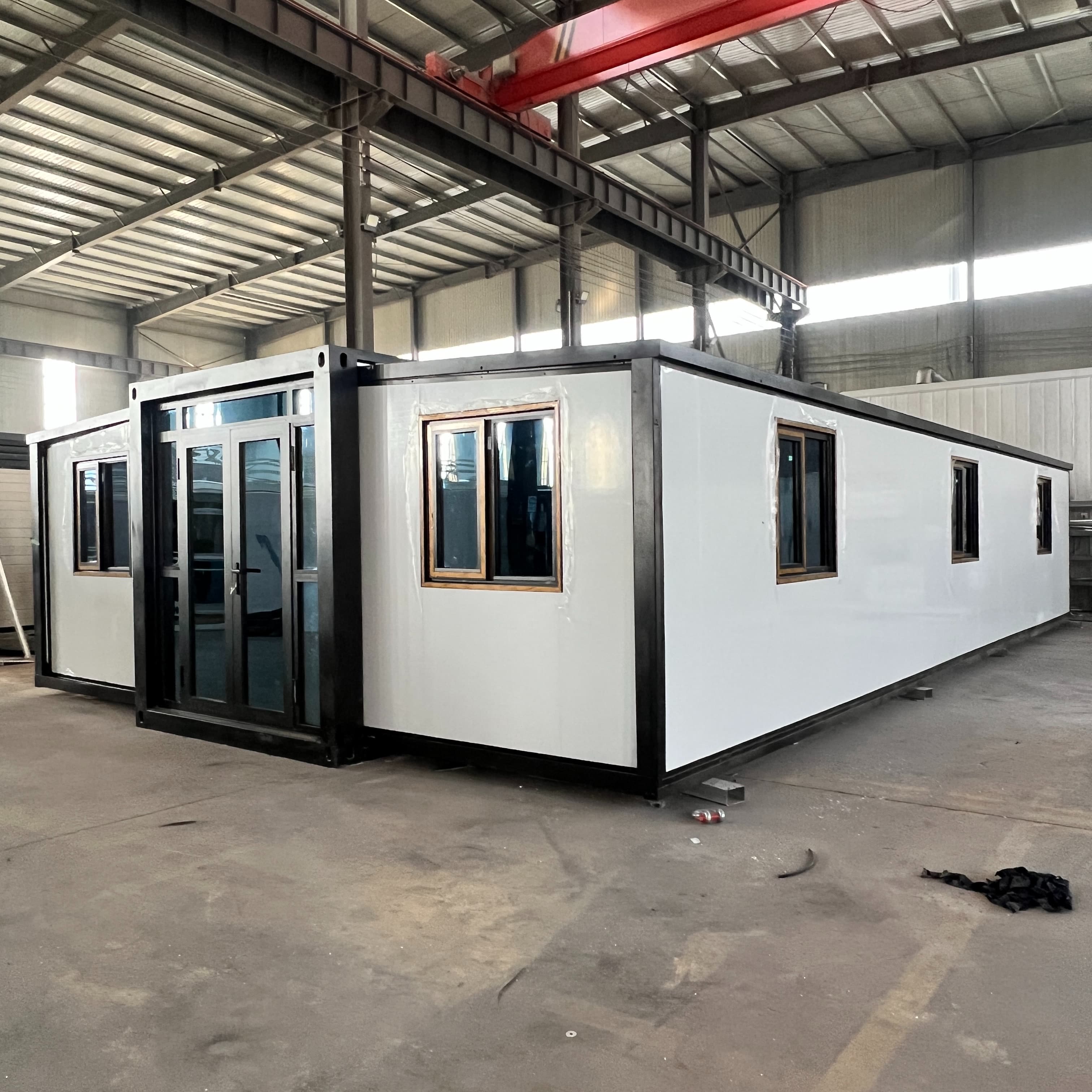
When unfolded, these units create an impressive living space that defies their compact transport dimensions. The standard 40-foot double-wing model expands from a transport size of 11,800mm (L) x 2,200mm (W) x 2,480mm (H) to an expansive 11,800mm (L) x 6,240mm (W) x 2,480mm (H) when deployed. This represents an incredible 180% increase in usable floor space – effectively turning one container into a full-sized temporary residence.
For those needing less space, the single-wing version offers a more compact alternative while still providing significant expansion capability. These units are perfect for individual accommodations or smaller office spaces, expanding 1.5-2 times their folded size while maintaining all the benefits of the larger models.
Engineering Excellence: Built for Australian Conditions
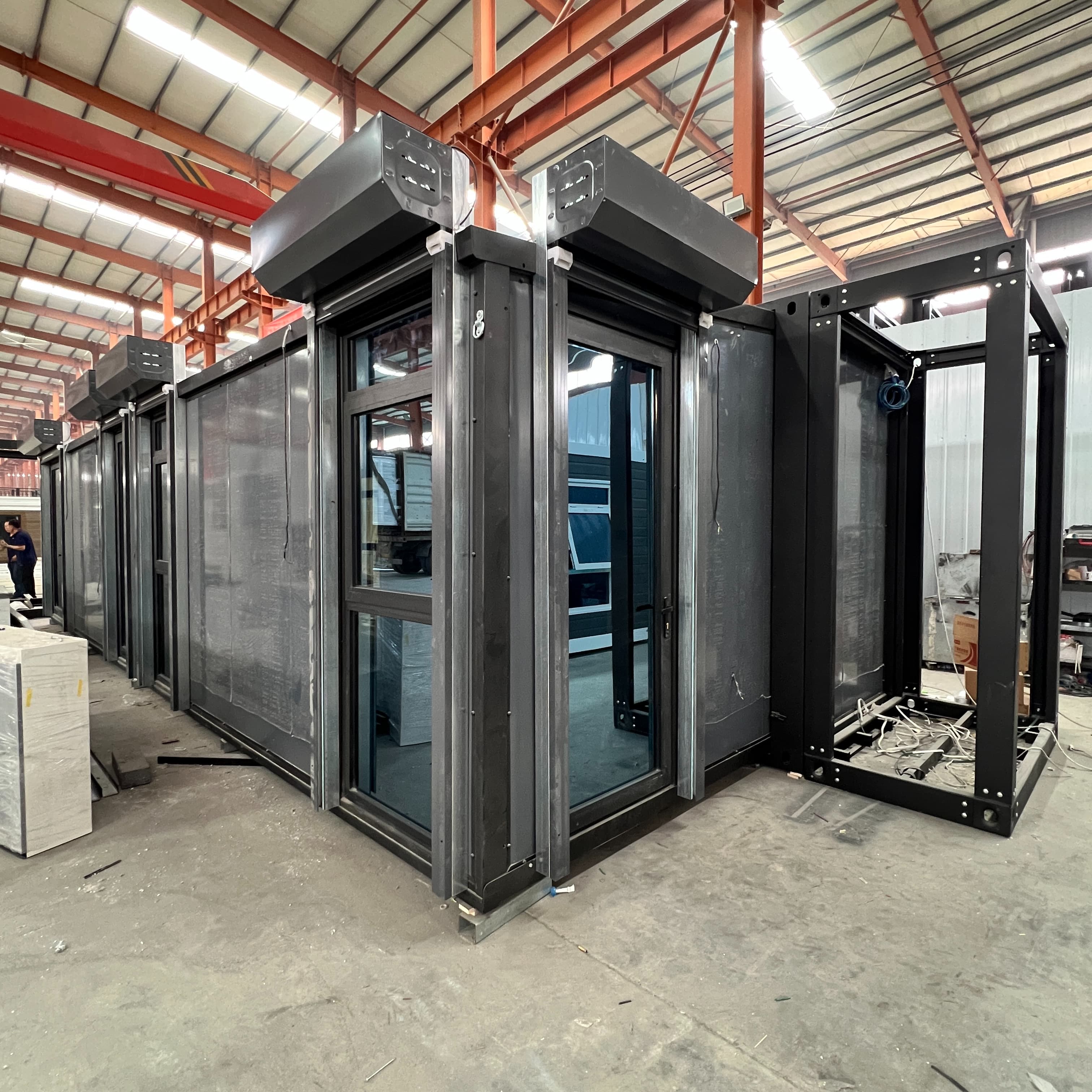
What truly sets these movable container houses apart is their robust engineering, specifically designed to withstand Australia’s harsh and diverse climate. The structure features a high-strength steel framework, typically using hot-dip galvanized steel that provides exceptional corrosion resistance – crucial for coastal areas like Cairns or the saline environments of Western Australia’s mining regions.
The wall panels combine lightweight construction with superior insulation, utilizing materials like polyurethane or rock wool that maintain comfortable interior temperatures regardless of external conditions. This thermal efficiency is particularly valuable in Australia’s extreme climates, from the scorching heat of the Red Centre to the chilly winters in Tasmania.
Water integrity is another critical feature. The units employ seamless connection technology at expansion joints, complemented by high-quality aluminum alloy windows with double-glazed Low-E glass. This combination ensures excellent weather resistance – a vital attribute for temporary housing in cyclone-prone areas of Northern Australia or the wet seasons of the Top End.
Unmatched Deployment Speed: From Delivery to Habitation in Hours
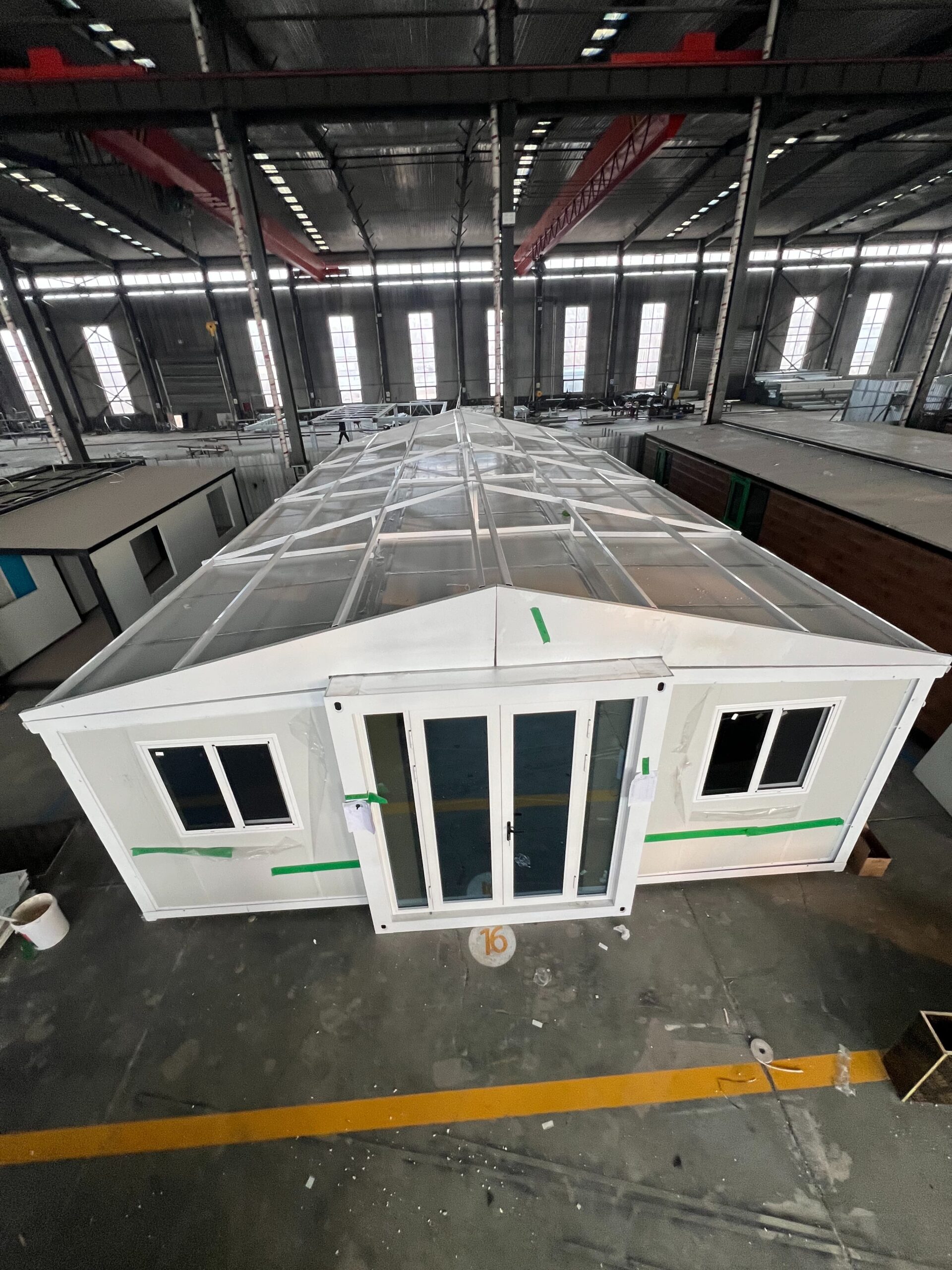
One of the most compelling advantages of these movable container houses is their unprecedented deployment speed. Traditional construction methods for temporary housing can take weeks or months, causing project delays and increased costs. In contrast, these expandable units can be installed and made habitable in just hours – a game-changer for time-sensitive projects.
The process is remarkably straightforward:
- Transport: The folded unit is delivered via standard truck to any location accessible by road – from urban Sydney construction sites to remote mining operations in the Pilbara.
- Positioning: Using basic lifting equipment, the unit is placed on prepared ground (no complex foundations required).
- Expansion: The wings are unfolded and locked into position – typically taking less than 30 minutes.
- Connection: Pre-installed utility hookups (water, electricity, sewage) are connected to on-site services.
- Occupancy: The unit is ready for immediate use.
This rapid deployment capability makes these units ideal for emergency response scenarios in bushfire-affected regions of Victoria or flood-prone areas of New South Wales, where temporary housing needs arise urgently. It’s equally valuable for major events like the Adelaide Festival or sporting competitions in Brisbane, where temporary accommodations must be set up and taken down quickly.
Superior Mobility: Housing That Moves With Your Needs
The core concept behind these movable container houses is their inherent mobility. Unlike traditional temporary structures that often become permanent fixtures, these units are designed for multiple relocations throughout their lifecycle. This flexibility offers significant advantages in Australia’s dynamic project environments.
Consider a mining operation in Western Australia’s Goldfields region. As exploration shifts from one site to another, entire worker accommodations can be relocated efficiently, avoiding the substantial costs of building new facilities at each location. Similarly, for infrastructure projects like the Melbourne Metro Tunnel, construction offices and worker accommodations can move as the project progresses through different phases.
The mobility extends beyond simple relocation. The units are engineered to withstand the stresses of repeated transport, with reinforced structural connections and durable materials that maintain integrity over multiple moves. This reusability aligns perfectly with Australia’s growing emphasis on sustainable construction practices and circular economy principles.
Customization: Tailored Solutions for Every Requirement
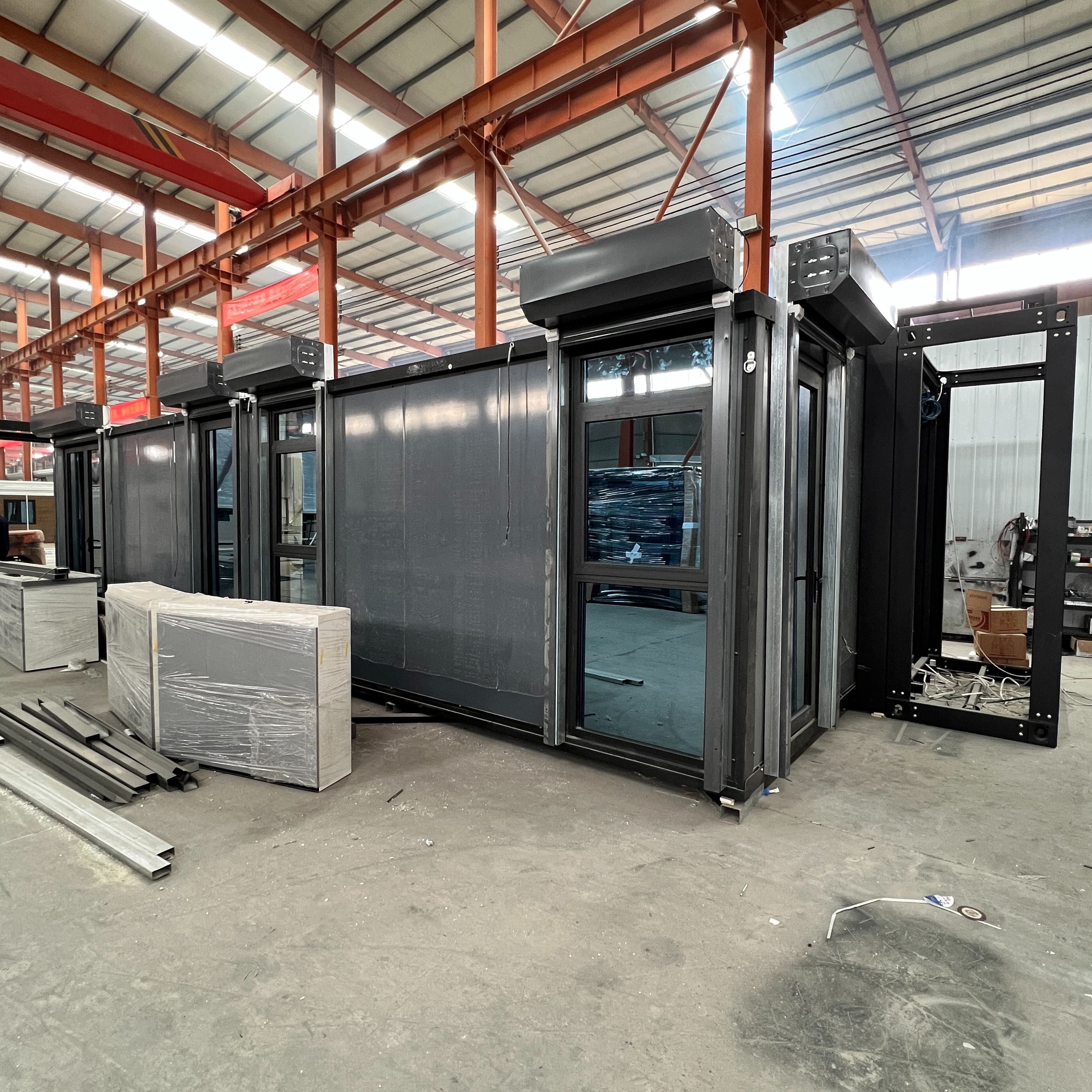
While the standard configurations offer impressive functionality, the true power of these movable container houses lies in their customization potential. Each unit can be tailored to specific requirements, ensuring optimal functionality for diverse applications across Australia’s various industries and environments.
Interior Layouts: The open-plan design (thanks to the absence of internal columns) allows for flexible interior configurations. Common customizations include:
- Accommodation units with multiple bedrooms and shared living areas
- Office spaces with partitioned meeting rooms and workstations
- Combined living/working spaces for remote professionals
- Specialized facilities like medical clinics or laboratories
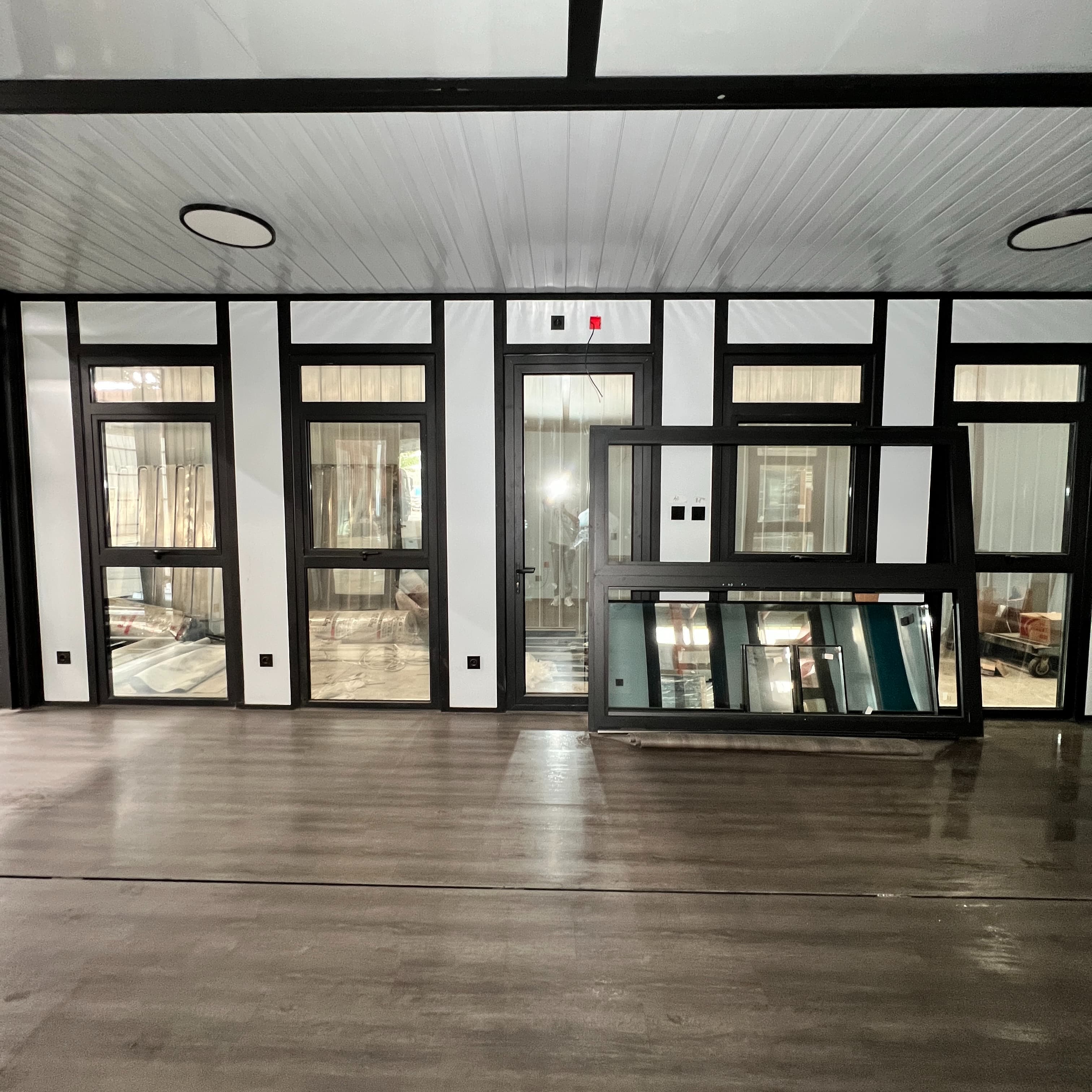
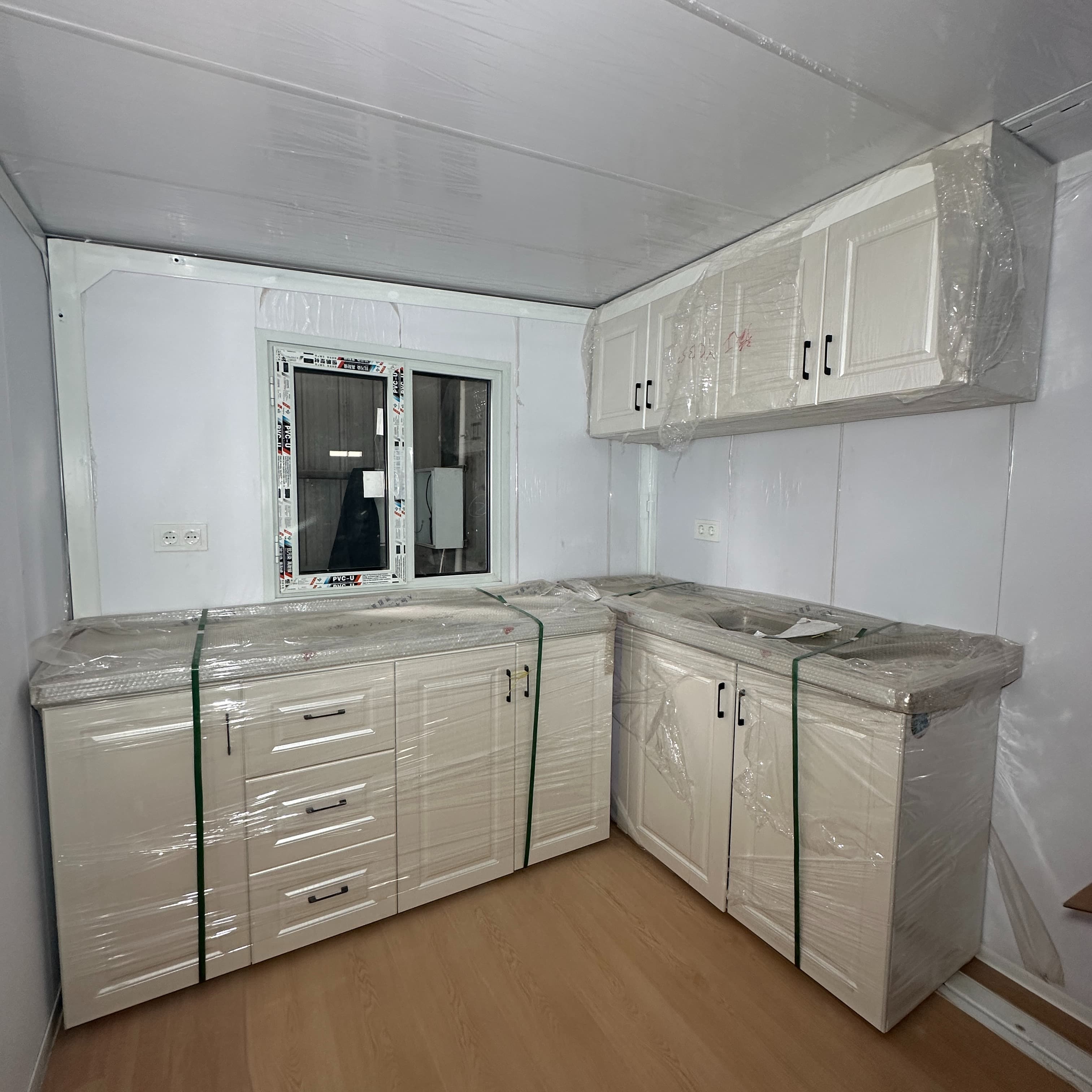
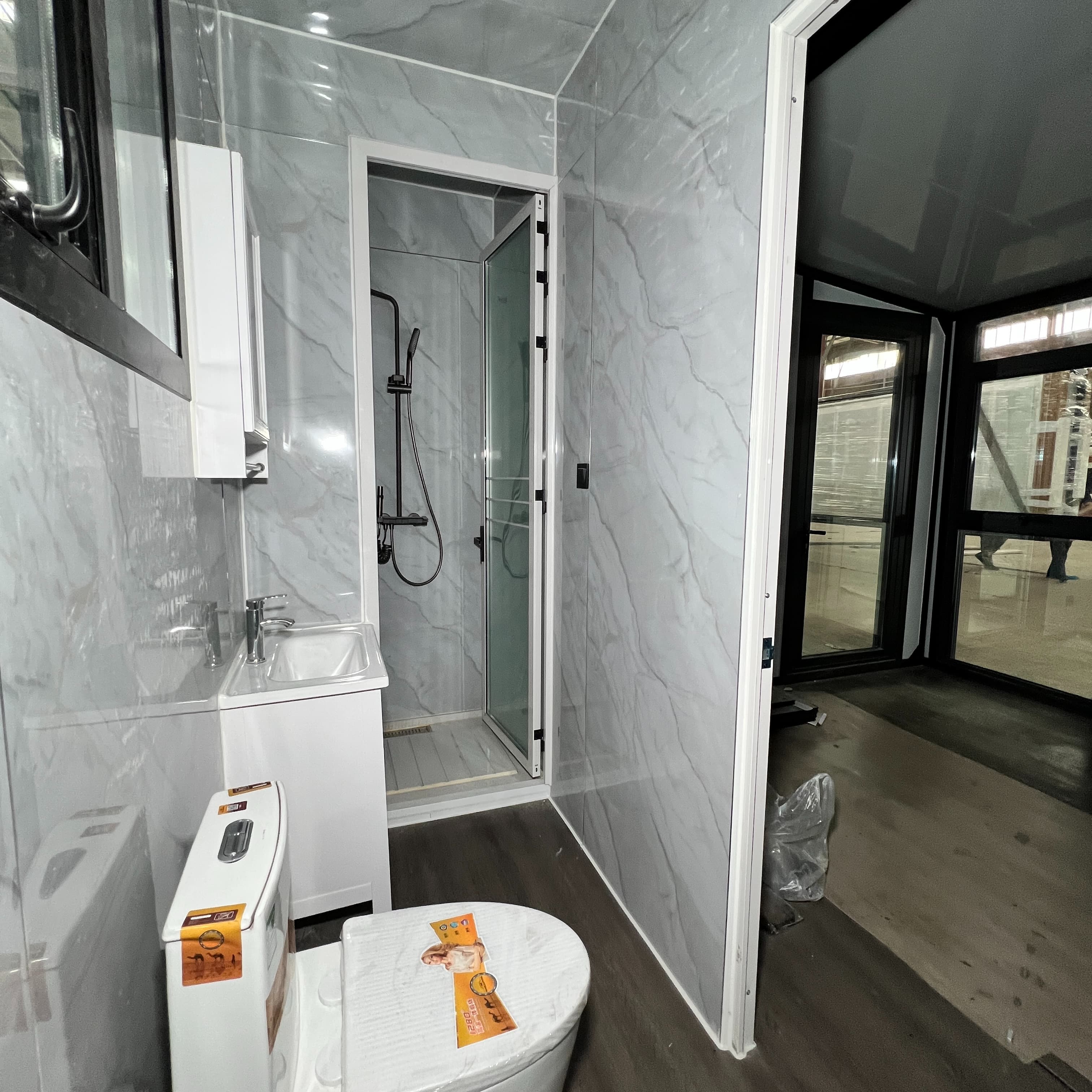
Kitchen and Bathroom Facilities: Fully integrated modular kitchens and bathrooms can be customized to suit specific needs. From basic functional units to high-spec facilities with premium appliances, the options are extensive.
Exterior Finishes: The exterior can be customized with various finishes to blend with surroundings or meet branding requirements. Options include wood grain textures, stone-look panels, corporate colors, or even artistic murals for public installations.
Climate Adaptations: Specialized features can be added for extreme Australian environments:
- Enhanced insulation for alpine regions
- Additional ventilation and shading for tropical climates
- Storm-resistant features for cyclone-prone areas
- Dust-proofing for arid outback locations
Cost-Effectiveness: Smart Economics for Temporary Housing
When evaluating temporary housing solutions, total cost of ownership is a critical factor. These movable container houses offer compelling economic advantages over traditional construction methods, particularly in Australia’s high-cost construction environment.
Reduced Construction Costs: By completing 85-95% of the work in a controlled factory environment, labor costs are significantly lower than on-site construction. Material waste is minimized through precise manufacturing, further reducing expenses.
Minimized Site Preparation: Unlike traditional buildings that require extensive foundations, these units can typically be placed on simple leveled ground or basic piers. This eliminates substantial earthworks and concrete costs – especially valuable in remote areas like the Kimberley region where construction materials are expensive.
Reusability Value: The ability to relocate and reuse these units multiple times spreads the initial investment over many years and projects. For organizations with ongoing temporary housing needs – like resource companies or disaster response agencies – this represents substantial long-term savings.
Reduced Operational Costs: Energy-efficient design (through superior insulation and quality windows) minimizes heating and cooling expenses – a significant consideration in Australia’s climate extremes. Low-maintenance materials and finishes further reduce lifetime costs.
Financial Flexibility: The modular nature allows for phased investment. Start with a basic configuration and add units or features as needs grow and budgets permit – an ideal approach for startups or expanding operations.
Sustainability: Green Building for a Better Future
As Australia strengthens its commitment to sustainable development and carbon reduction, these movable container houses offer an environmentally responsible alternative to conventional temporary structures. Their sustainability credentials are impressive and multifaceted.
Material Efficiency: The primary structure uses steel – one of the most recycled materials globally. With a recycling rate exceeding 90%, steel embodies circular economy principles. Additionally, the precision factory manufacturing process minimizes material waste compared to on-site construction.
Energy Performance: High-quality insulation (using polyurethane or rock wool) combined with double-glazed windows creates an energy-efficient building envelope. This reduces the energy required for heating and cooling – particularly important in Australia’s climate extremes. Optional solar power integration can further reduce environmental impact.
Reduced Site Disturbance: The minimal foundation requirements and rapid installation mean less disruption to natural environments – crucial for ecologically sensitive areas like Tasmania’s wilderness or Queensland’s Great Barrier Reef coast.
Longevity and Reusability: Designed for 20-30 year lifespans with multiple relocations, these units avoid the waste typically associated with short-term temporary structures. When they eventually reach end-of-life, the steel components are fully recyclable.
Healthy Living Environment: The use of low-VOC (volatile organic compound) materials and finishes ensures better indoor air quality – an important consideration for health-focused organizations and long-term temporary housing.
Diverse Applications Across Australian Sectors
The versatility of these movable container houses makes them suitable for an extensive range of applications across Australia’s diverse industries and environments. Let’s explore some key sectors benefiting from this innovative housing solution.
Construction and Infrastructure Projects
Australia’s ongoing infrastructure boom – from Sydney’s new metro lines to Perth’s airport expansion – requires substantial temporary facilities for workers. These expandable container houses provide ideal site accommodations, offering superior comfort compared to traditional dongas while remaining cost-effective and mobile.
For major projects like the Inland Rail route spanning multiple states, the ability to relocate entire worker villages as construction progresses is invaluable. The quick deployment ensures minimal project delays, while the quality accommodations help attract and retain skilled workers in remote locations.
Resource and Mining Operations
Western Australia’s Pilbara region, Queensland’s Bowen Basin, and South Australia’s Olympic Dam – these remote resource hubs demand high-quality temporary housing that can withstand harsh conditions. Movable container houses provide durable, comfortable accommodations that can be relocated as mining operations shift.
The customization options are particularly valuable here – units can be configured with features like dust filtration systems, enhanced security, and recreational facilities to improve worker welfare in isolated environments. The energy efficiency also reduces operational costs for remote camps where power generation is expensive.
Tourism and Hospitality
Australia’s unique tourism landscape – from the Red Centre to the Whitsunday Islands – presents opportunities for innovative temporary accommodations. These movable container houses can create eco-resorts, glamping sites, or event accommodations with minimal environmental impact.
Imagine luxury pop-up accommodations for the Melbourne Cup Carnival, temporary lodges in Tasmania’s national parks during peak season, or movable facilities for the Darwin Festival. The units’ aesthetic customization allows them to blend with natural surroundings while providing high-quality visitor experiences.
Case Study: Outback Eco-Retreat
A tourism operator in South Australia’s Flinders Ranges utilized these container houses to create a movable eco-retreat. The units were designed with:
– Exterior finishes mimicking local stone to blend with the landscape
– Solar power systems for off-grid operation
– Rainwater harvesting capabilities
– Large windows for panoramic views of the rugged terrain
– Modular furniture that maximizes space efficiency
The retreat could be relocated seasonally to minimize environmental impact while providing tourists with comfortable, sustainable accommodations in one of Australia’s most iconic outback regions.
Emergency and Disaster Response
Australia’s susceptibility to bushfires, floods, and cyclones makes rapid deployment emergency housing essential. These movable container houses can be stockpiled in strategic locations and deployed quickly when disasters strike.
During the devastating 2019-2020 bushfires, similar units provided temporary housing for displaced residents in New South Wales and Victoria. Their quick deployment helped communities begin recovery sooner while permanent housing was being rebuilt. The units’ durability also makes them suitable for use in cyclone-prone areas of Northern Australia as emergency shelters.
Education and Research
Remote research stations – like those studying the Great Barrier Reef or Antarctic conditions – benefit greatly from movable container houses. These units can serve as laboratories, accommodation, and office spaces that can be relocated as research needs change.
Similarly, educational institutions use them for:
– Temporary classrooms during renovations
– Field research stations
– Student housing during peak enrollment periods
– Remote campus facilities
The quick installation minimizes disruption to educational activities, while the quality environments support effective learning and research.
Healthcare and Medical Services
The COVID-19 pandemic highlighted the need for flexible healthcare infrastructure. These movable container houses can be rapidly deployed as:
– Temporary clinics in underserved areas
– Testing and vaccination centers
– Isolation facilities
– Mobile medical laboratories
In rural and remote Australia – where access to healthcare is limited – these units can provide essential medical services quickly. Their customization allows for inclusion of necessary medical equipment and facilities while maintaining proper hygiene and infection control standards.
Technical Specifications: Engineering for Australian Conditions
For professionals evaluating these movable container houses, understanding the technical specifications is crucial. The engineering behind these units reflects decades of innovation in modular construction, specifically adapted for Australia’s challenging conditions.
Structural Specifications
Framework: Hot-dip galvanized steel structure with corrosion resistance suitable for coastal and industrial environments. The frame is engineered to withstand Australian wind conditions up to Category 2 cyclone standards (sustained winds of 130-159 km/h).
Expansion Mechanism: Hydraulic or mechanical folding system with safety locks to prevent accidental collapse during use. The wings are designed for smooth, reliable operation over hundreds of deployment cycles.
Seismic Performance: The steel frame’s flexible connections provide earthquake resistance suitable for most Australian seismic zones, including parts of South Australia and Western Australia.
Thermal and Acoustic Performance
Wall Insulation: 75-100mm polyurethane or rock wool insulation with R-values ranging from R2.5 to R4.0 depending on configuration – exceeding National Construction Code (NCC) requirements for most Australian climate zones.
Windows: Double-glazed Low-E aluminum alloy windows with U-values of 1.8-2.2 W/m²K. This high performance reduces heat transfer significantly compared to standard windows.
Acoustic Insulation: Wall assemblies with Sound Transmission Class (STC) ratings of 45-50 provide effective noise reduction – ideal for urban environments or noisy industrial sites.
Utility Systems
Electrical: Pre-installed wiring with Australian-standard outlets and circuit protection. Optional solar power systems with battery storage for off-grid applications.
Plumbing: Complete water supply and waste systems using PEX piping and Australian-standard fixtures. Greywater recycling systems available for water conservation.
HVAC: Pre-installed split-system air conditioning with capacity matched to the expanded space. Additional options include heat pumps for all-electric efficiency.
Transportation and Installation
Transport Dimensions: Folded units comply with Australian road transport regulations, allowing movement on standard semi-trailers without special permits.
Installation Requirements: Minimal site preparation needed – typically just leveled ground or basic concrete piers. Full installation guide provided, with optional technician support available.
Lifting Requirements: Standard lifting points compatible with cranes and forklifts. Weight distribution optimized for safe handling during installation.
Selection Considerations: Making the Right Choice
While the benefits of these movable container houses are compelling, selecting the right configuration requires careful consideration of several factors. Understanding these considerations will help you make an informed decision that meets your specific temporary housing needs in Australia.
Intended Use and Duration
The primary use case significantly influences the ideal configuration. Consider:
– Short-term events: Focus on quick deployment and basic functionality
– Medium-term projects (6-24 months): Balance between comfort and cost-effectiveness
– Long-term temporary (2+ years): Invest in higher specifications for durability and comfort
For example, a construction site office might prioritize durability and functionality, while tourist accommodations would focus on aesthetics and comfort features.
Environmental Conditions
Australia’s diverse climate demands careful environmental consideration:
– Tropical regions (Darwin, Cairns): Enhanced ventilation, humidity control, and cyclone resistance
– Arid regions (Alice Springs, Broken Hill): Superior insulation, dust protection, and water conservation
– Temperate regions (Melbourne, Hobart): Balanced heating/cooling performance and weather resistance
– Coastal areas (Gold Coast, Perth): Corrosion-resistant materials and salt spray protection
Regulatory Compliance
While temporary housing generally has simplified approval processes, compliance with relevant regulations is essential:
– Building Codes: Ensure units meet National Construction Code (NCC) requirements
– Local Regulations: Check council requirements for temporary structures
– Transport Regulations: Verify compliance with road transport rules
– Industry Standards: For specialized applications (healthcare, education, etc.)
Working with experienced suppliers familiar with Australian regulations across different states can streamline compliance.
Budget Considerations
Cost factors to evaluate:
– Initial Purchase vs. Rental: For short-term needs, rental may be more economical
– Customization Costs: Balance desired features against budget constraints
– Transportation Expenses: Factor in delivery and potential relocation costs
– Site Preparation: Include any necessary ground work in budget calculations
– Operational Costs: Consider utilities, maintenance, and insurance
Request detailed quotes that include all potential costs to avoid surprises.
Supplier Evaluation
Choosing the right supplier is crucial. Evaluate potential partners based on:
– Australian Experience: Understanding of local conditions and regulations
– Quality Assurance: Manufacturing standards and quality control processes
– Customization Capability: Ability to modify designs for specific needs
– After-Sales Support: Availability of technical assistance and spare parts
– Portfolio: Examples of previous projects similar to your requirements
Request site visits to existing installations and speak with current clients when possible.
Future Trends: The Evolution of Movable Container Housing
The field of movable container housing continues to evolve rapidly, driven by technological advancements and changing societal needs. In Australia, several emerging trends are shaping the future of this innovative housing solution.
Smart Technology Integration
The incorporation of smart home technology is transforming these movable container houses into intelligent living spaces. Features becoming standard include:
– IoT (Internet of Things) sensors for monitoring temperature, humidity, and security
– Automated systems for lighting, climate control, and energy management
– Remote monitoring and control via smartphone apps
– Predictive maintenance systems that alert owners to potential issues
For remote operations in Australia’s outback, these technologies provide unprecedented control and efficiency, reducing the need for on-site personnel while maintaining optimal living conditions.
Advanced Sustainability Features
As Australia strengthens its environmental commitments, container houses are incorporating cutting-edge green technologies:
– Building-integrated photovoltaics (BIPV) that turn walls and roofs into power generators
– Phase-change materials (PCMs) for enhanced thermal mass and temperature regulation
– Water recycling systems that achieve near-zero discharge
– Biophilic design elements that connect occupants with nature
These advancements make movable container houses increasingly attractive for environmentally conscious organizations and government agencies.
Enhanced Mobility Systems
Future developments are focusing on making these units even more mobile:
– Self-leveling systems that
本文由人工智能技术生成,基于公开技术资料和厂商官方信息整合撰写,以确保信息的时效性与客观性。我们建议您将所有信息作为决策参考,并最终以各云厂商官方页面的最新公告为准。