
Discover how Australia’s cutting-edge 40-foot customized double-wing expansion container house is revolutionizing small space living. This comprehensive guide explores innovative interior design ideas, practical solutions for maximizing limited space, and the remarkable features of these expandable container homes that combine functionality with style. Learn how these modular structures are transforming temporary housing, vacation rentals, and permanent residences across Australia and beyond.
In recent years, the concept of container house living has gained tremendous momentum across Australia, especially among those seeking sustainable, affordable, and innovative housing solutions. The beauty of container homes lies in their versatility and adaptability, particularly when it comes to designing for small spaces. Today, we’re diving deep into one of the most exciting developments in this field: Australia’s innovative 40-foot customized double-wing expansion container house.
Imagine a compact structure that can transform from a standard shipping container into a spacious living area with the push of a button or a few simple adjustments. That’s precisely what the double-wing expansion container house offers. These architectural marvels are changing the game for small space enthusiasts, providing an ingenious solution to the age-old challenge of maximizing limited square footage without sacrificing comfort or style.
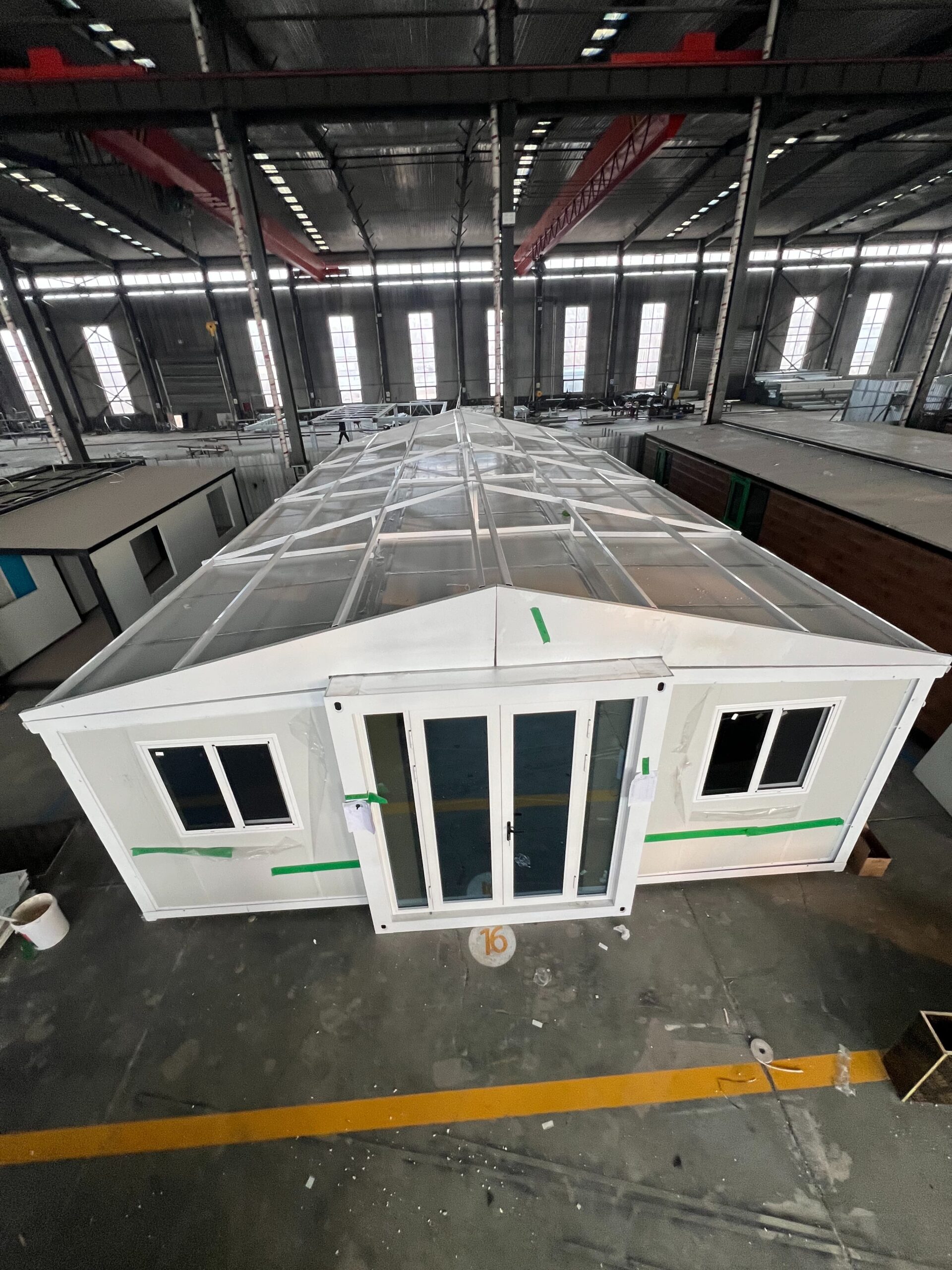
The Evolution of Container Homes in Australia
Australia has always been at the forefront of innovative housing solutions, particularly when it comes to sustainable living and alternative architecture. The harsh climate conditions, vast landscapes, and growing environmental concerns have driven Australian designers and architects to think outside the traditional building box—quite literally in the case of container homes.
What began as a novelty concept has evolved into a legitimate housing movement, with container homes popping up from the urban centers of Sydney and Melbourne to the remote outback regions. The appeal is undeniable: these structures offer durability, affordability, and a significantly reduced environmental footprint compared to traditional construction methods.
However, one of the biggest challenges with container homes has always been the limited space. Standard shipping containers typically measure either 20 or 40 feet in length, which can feel cramped when converted into living quarters. This is where the genius of the expansion container house comes into play, addressing the spatial constraints while maintaining all the benefits of container architecture.
Understanding the 40-Foot Double-Wing Expansion Container House
Let’s take a closer look at this innovative housing solution that’s taking Australia by storm. The 40-foot customized double-wing expansion container house represents the pinnacle of modular, expandable living spaces. At its core, this structure is a standard shipping container that has been ingeniously modified to include expandable “wings” on both sides.
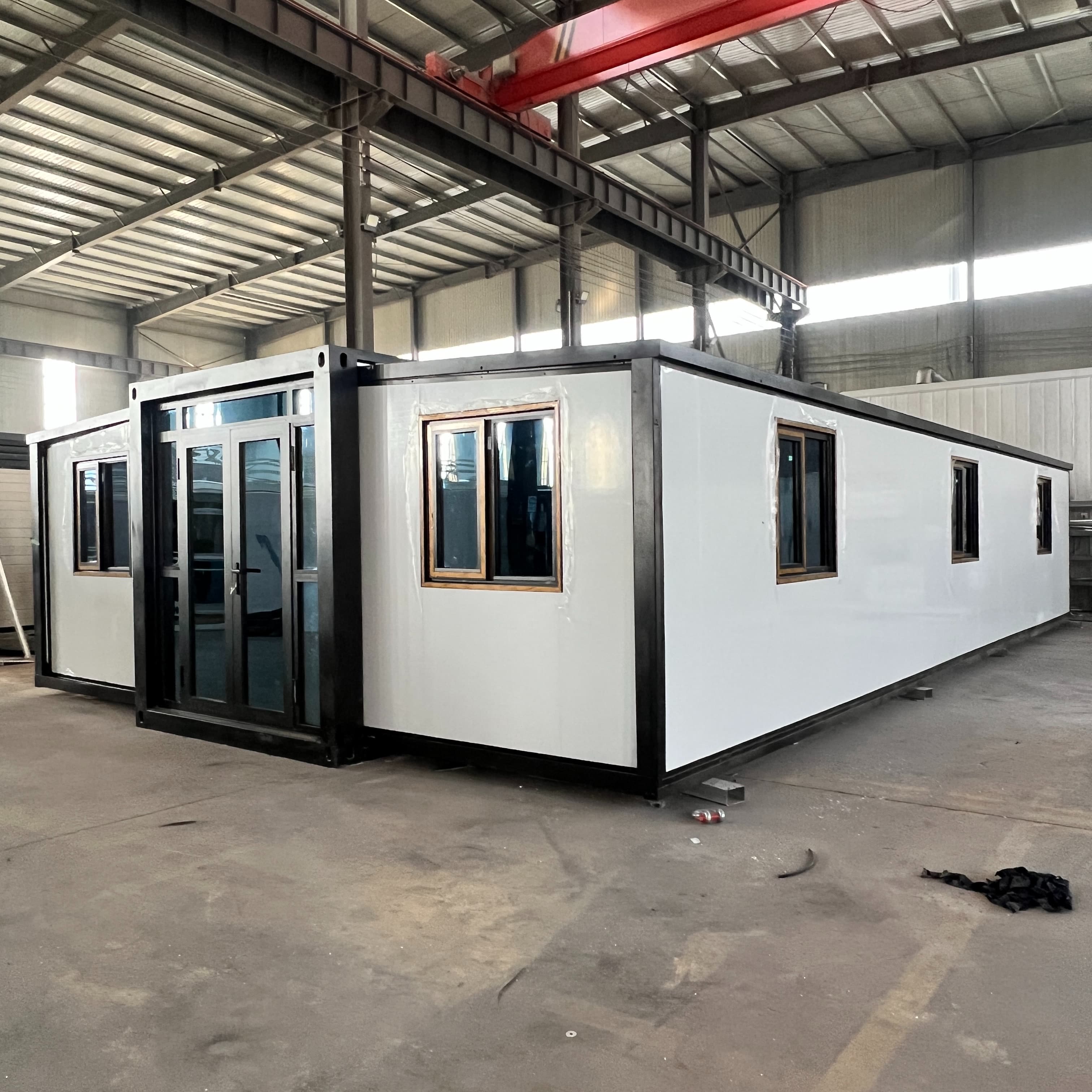
When folded for transport, the container maintains standard dimensions, making it easy to ship and position. However, once on site, the wings can be extended outward, dramatically increasing the available living space. This transformation is nothing short of magical, turning what appears to be a simple container into a spacious, comfortable dwelling.
Technical Specifications
For those who appreciate the technical details, here are the key specifications of the 40-foot double-wing expansion container house:
- Expanded Dimensions: Length 11,800mm × Width 6,240mm × Height 2,480mm
- Internal Dimensions: Length 11,540mm × Width 6,080mm × Height 2,200mm
- Folded Dimensions: Length 11,800mm × Width 2,200mm × Height 2,480mm
- Frame: Standard black frame that complies with road transportation regulations
- Structure: High-strength steel framework (hot-dip galvanized steel or carbon fiber composite)
- Insulation: Polyurethane or rock wool insulation panels
These specifications highlight the remarkable transformation capability of the structure, with the width more than doubling when the wings are extended. This feature alone makes it an ideal solution for those who need compact transportability but desire generous living space once installed.
Interior Design Ideas for Small Spaces
Now, let’s dive into the heart of our discussion: interior design ideas specifically tailored for these innovative container homes. Designing for small spaces requires creativity, strategic planning, and a keen eye for maximizing every inch of available area. The 40-foot double-wing expansion container house offers unique opportunities and challenges that call for thoughtful design solutions.
Open-Concept Living
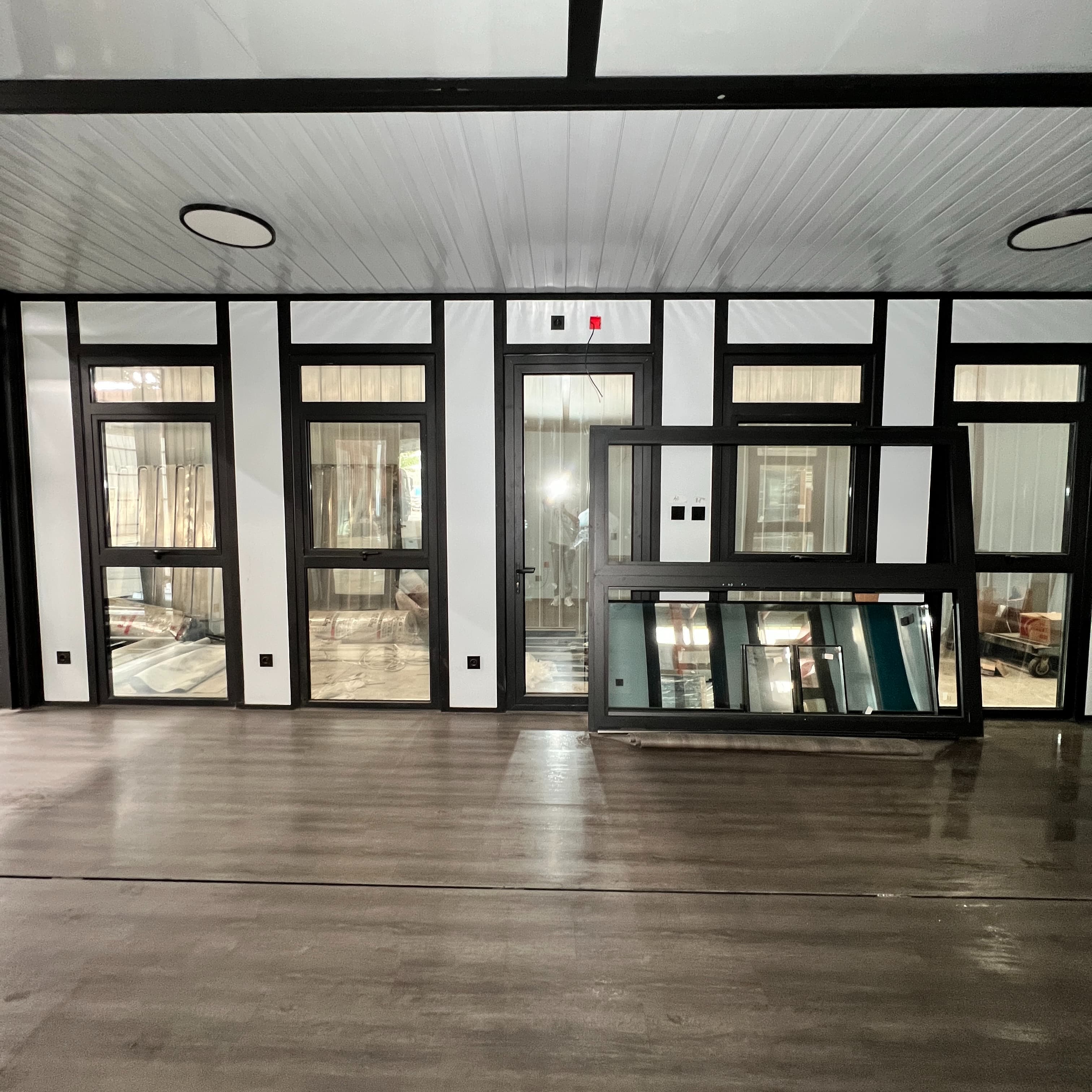
One of the most effective strategies for small spaces is embracing an open-concept design. The expanded wings of this container house naturally lend themselves to this approach. By eliminating unnecessary walls and barriers, you create a sense of spaciousness and flow that makes the area feel significantly larger than its actual square footage.
Consider designing the space with distinct “zones” rather than separate rooms. For instance, you might have a living area that seamlessly transitions into a dining space, which then flows into the kitchen. This not only maximizes the available space but also creates a versatile environment that can adapt to different needs throughout the day.
Multifunctional Furniture
When space is at a premium, every piece of furniture needs to earn its keep. Multifunctional furniture is an absolute must-have in container house design. Think beyond traditional pieces and consider options that serve multiple purposes:
- Sofa Beds: A comfortable sofa by day that transforms into a bed by night
- Storage Ottomans: Seating that doubles as hidden storage
- Folding Tables: Dining tables that can be collapsed when not in use
- Murphy Beds: Beds that fold up into the wall, freeing up floor space during the day
- Nesting Tables: Multiple tables that can be stacked or separated as needed
These versatile pieces allow you to adapt the space to different activities and needs, ensuring that no area goes underutilized.
Vertical Space Utilization
In small spaces, looking up is just as important as looking around. Vertical space is often overlooked but offers tremendous potential for storage and design elements. The 2,200mm internal height of the container house provides ample opportunity to think vertically:
- Wall-Mounted Shelving: Free up floor space by taking storage to the walls
- Hanging Planters: Bring nature indoors without sacrificing precious surface area
- Vertical Gardens: Create a living wall that serves as both decoration and air purification
- Loft Areas: Consider creating a small loft space for sleeping or storage
- Hanging Lighting: Pendant lights and hanging fixtures add style without占用 table space
By maximizing vertical space, you can keep the floor area clear and open, contributing to a sense of spaciousness.
Strategic Color Choices
Color psychology plays a crucial role in interior design, especially in small spaces. The right color palette can make a room feel larger, brighter, and more inviting. For container houses, consider these color strategies:
- Light, Neutral Bases: Whites, creams, and light grays reflect light and create an airy feel
- Monochromatic Schemes: Using varying shades of a single color creates depth without visual clutter
- Accent Walls: A bold color on one wall can add personality without overwhelming the space
- Cool Tones: Blues and greens tend to recede visually, making spaces feel larger
- Consistent Palette: Using the same colors throughout creates flow and cohesion
Remember that the container’s industrial character can be complemented or contrasted through color choices, depending on the aesthetic you’re aiming to achieve.
Smart Storage Solutions
Perhaps the most critical aspect of small space design is storage. Without thoughtful storage solutions, even the most beautifully designed container home can quickly become cluttered and chaotic. Here are some innovative storage ideas for the 40-foot double-wing expansion container house:
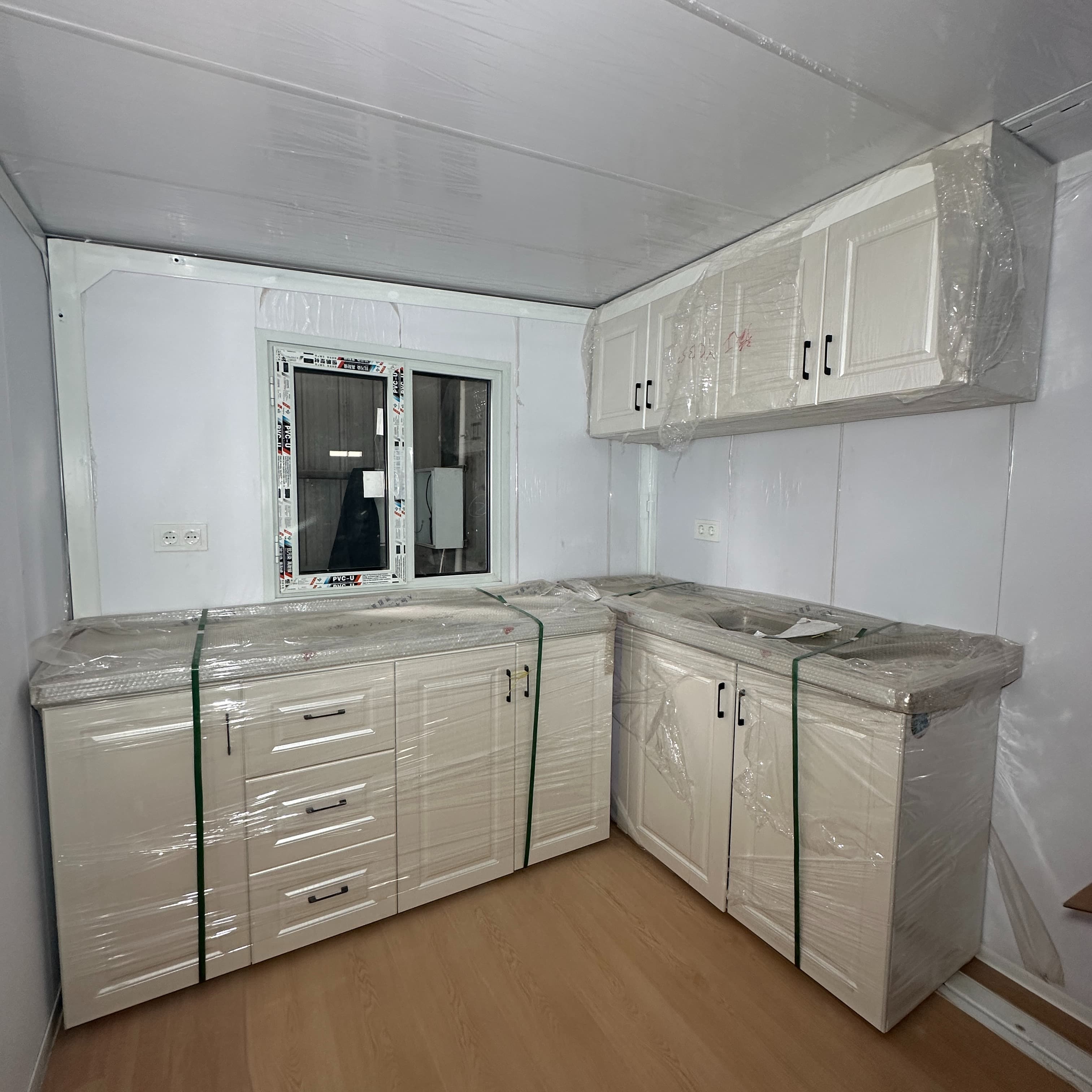
- Built-In Cabinetry: Custom cabinetry that fits perfectly into the container’s dimensions
- Under-Stair Storage: If you incorporate a loft or split-level design, the area beneath stairs can become valuable storage
- Hidden Compartments: Furniture and walls with hidden storage compartments maintain a clean aesthetic while providing functionality
- Overhead Storage: Utilizing the space above doors and windows for cabinets or shelves
- Modular Storage Systems: Adjustable systems that can be reconfigured as needs change
These storage solutions help maintain a clutter-free environment, which is essential for making small spaces feel comfortable and livable.
Lighting Design
Proper lighting can dramatically transform a small space, making it feel larger and more inviting. The double-wing expansion container house offers unique opportunities for creative lighting design:
- Natural Light Maximization: Large windows in the expanded wings bring in abundant natural light
- Layered Lighting: Combining ambient, task, and accent lighting creates depth and functionality
- Recessed Lighting: Built into the ceiling to save space and provide even illumination
- LED Strip Lighting: Under cabinets, along baseboards, or behind furniture for subtle, indirect light
- Smart Lighting Systems: Programmable lighting that can be adjusted for different activities and times of day
Thoughtful lighting design not only enhances the functionality of the space but also contributes to the overall ambiance and perceived size of the interior.
The Kitchen Area: Compact yet Functional
The kitchen is often the heart of a home, even in small spaces. Designing a functional kitchen within the constraints of a container house requires careful planning and innovative solutions. The 40-foot double-wing expansion container house allows for a surprisingly well-equipped kitchen area that doesn’t compromise on functionality.
Efficient Layouts
When designing a kitchen for a container house, every inch matters. Consider these efficient layout options:
- Galley Style: A linear design with counters and appliances on both sides, perfect for the elongated shape of the container
- L-Shaped: Utilizing a corner for maximum counter and storage space
- One-Wall: All appliances and counter space along a single wall, ideal for the most compact configurations
The key is to create a functional “work triangle” between the sink, refrigerator, and cooking area, even within the limited space.
Space-Saving Appliances
Modern manufacturers now offer a range of compact appliances designed specifically for small spaces. These include:
- Slimline Refrigerators: Narrower than standard models but still offering adequate storage
- Combination Microwave-Convection Ovens: Replacing multiple appliances with one versatile unit
- Two-Burner Induction Cooktops: Providing cooking capability without占用 much space
- Compact Dishwashers: Smaller models that can fit under the counter or in a cabinet
- Undercounter Washer-Dryer Combos: Integrating laundry into the kitchen area
These appliances allow for a fully functional kitchen without overwhelming the limited space available.
Clever Storage Solutions
Kitchen storage is always a challenge, but even more so in small spaces. These solutions can help maximize every available inch:
- Pull-Out Pantries: Narrow cabinets that extend fully, providing access to items in the back
- Ceiling-Hung Pot Racks: Freeing up cabinet space by storing pots and pans overhead
- Magnetic Knife Strips: Keeping knives accessible and off the counter
- Folding Tables: Additional counter space that can be folded down when not in use
- Under-Sink Organizers: Making the most of the often-wasted space beneath the sink
These storage solutions help maintain an organized and functional kitchen, even within the constraints of a container house.
The Bathroom: Compact Luxury
Designing a bathroom in a small space like a container house requires balancing functionality with comfort. The 40-foot double-wing expansion container house allows for a well-appointed bathroom that doesn’t feel cramped or compromised.
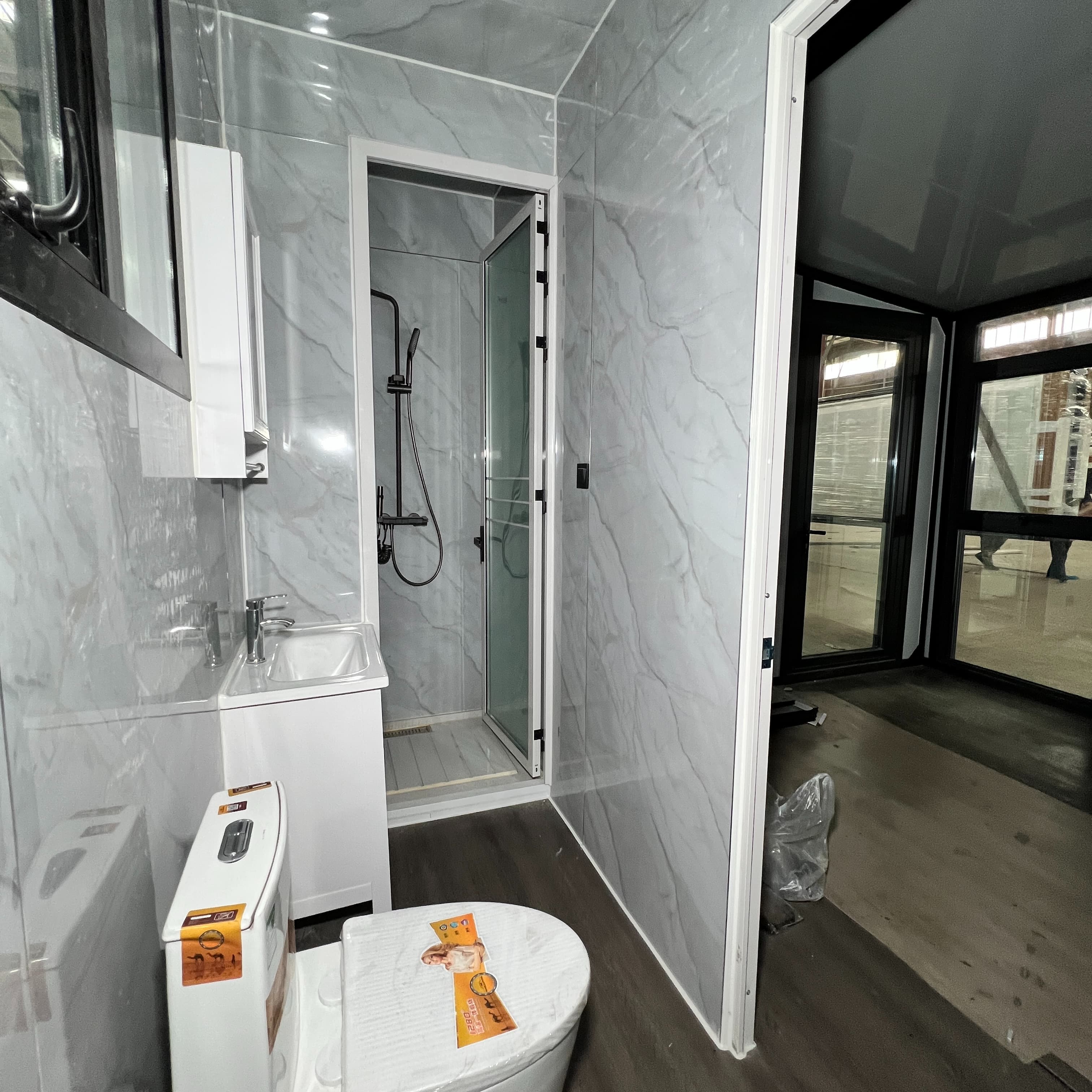
Space-Efficient Fixtures
Modern bathroom fixtures designed for small spaces can make a significant difference:
- Corner Sinks: Utilizing corner space that might otherwise go unused
- Wall-Mounted Toilets: Creating a sense of openness by freeing up floor space
- Compact Showers: Efficiently designed shower stalls that don’t overwhelm the space
- Combination Units: All-in-one toilet and sink combinations that save space and water
These fixtures allow for a fully functional bathroom without sacrificing valuable floor space.
Smart Storage
Bathroom storage is essential for maintaining a clutter-free environment. Consider these options:
- Medicine Cabinets: Providing storage without占用 wall space
- Over-Toilet Shelving: Utilizing the space above the toilet for storage
- Vanity with Drawers: Offering organized storage beneath the sink
- Towel Racks with Shelves: Combining hanging space with additional storage
These storage solutions help keep bathroom essentials organized and out of sight, maintaining a clean and spacious feel.
Lighting and Ventilation
Proper lighting and ventilation are crucial in small bathrooms to prevent them from feeling dark or stuffy:
- Exhaust Fans: Essential for removing moisture and preventing mold
- Skylights: Bringing in natural light without占用 wall space
- Frosted Windows: Providing privacy while allowing natural light to enter
- Recessed Lighting: Offering illumination without reducing headroom
These elements contribute to a bathroom that feels comfortable, bright, and well-ventilated despite its compact size.
The Sleeping Area: Comfort in Compact Quarters
Creating a comfortable sleeping area in a container house requires thoughtful design to maximize space without sacrificing comfort. The 40-foot double-wing expansion container house offers several possibilities for designing a restful sleeping area.
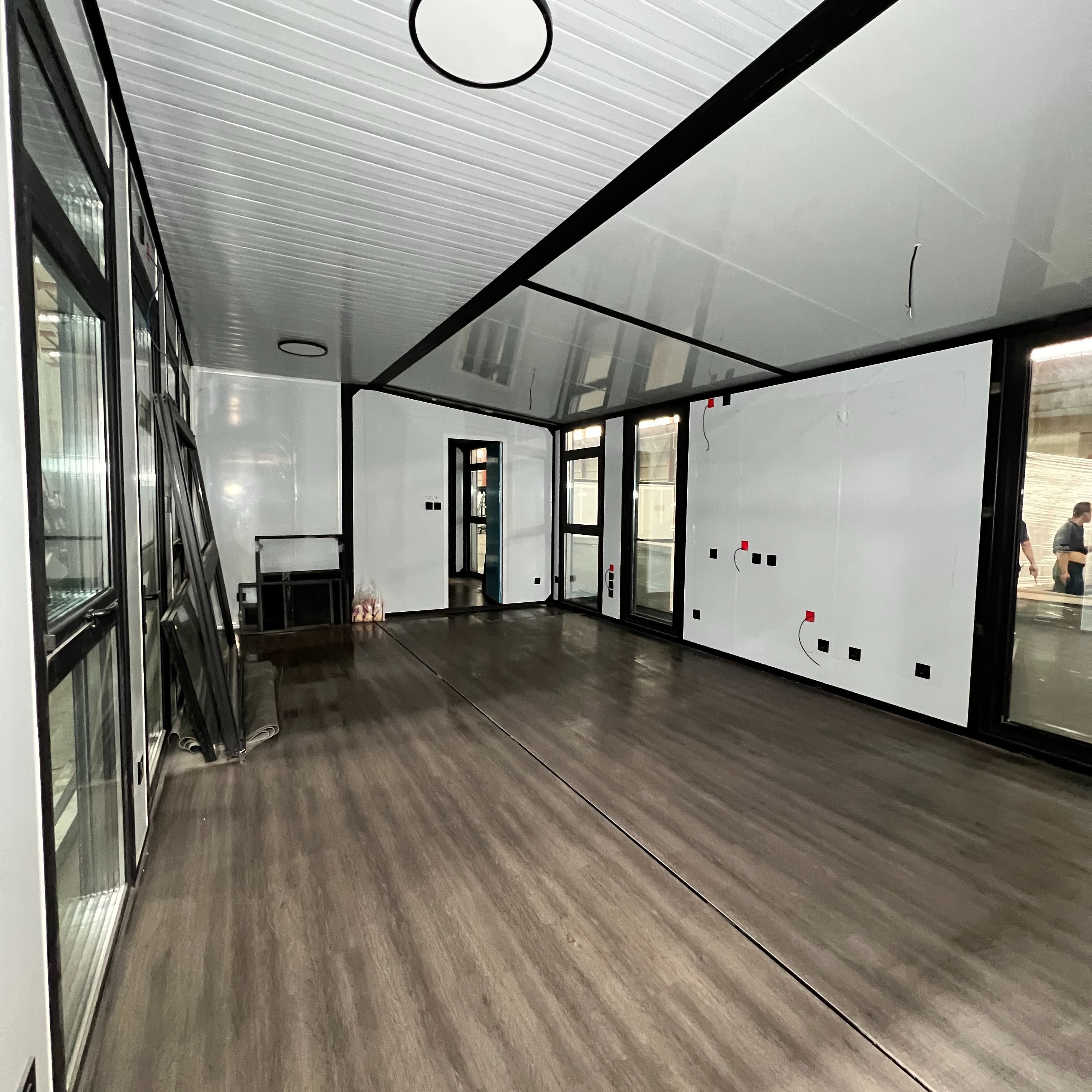
Space-Saving Bed Solutions
The bed is typically the largest piece of furniture in a bedroom, so choosing the right option is crucial in small spaces:
- Murphy Beds: Fold up into the wall when not in use, freeing up floor space
- Loft Beds: Elevating the sleeping area to create usable space beneath
- Sofa Beds: Serving as seating during the day and a bed at night
- Trundle Beds: Providing an additional sleeping space that can be stored under the main bed
- Platform Beds with Storage: Incorporating drawers or compartments beneath the mattress
These bed solutions allow for a comfortable sleeping area while maximizing the functionality of the space.
Creating a Restful Atmosphere
Designing a sleeping area that promotes rest and relaxation is essential, even in small spaces:
- Calming Color Palette: Soft, muted colors that promote relaxation
- Blackout Curtains: Ensuring quality sleep by blocking out light
- Soft Lighting: Adjustable lighting that can be dimmed for bedtime
- Soundproofing: Materials that reduce noise for a quieter sleeping environment
- Comfortable Textiles: High-quality bedding and pillows that enhance comfort
These elements contribute to a sleeping area that feels like a peaceful retreat, regardless of its size.
Maximizing Outdoor Living Space
One of the advantages of container homes, particularly the double-wing expansion model, is the potential to create seamless indoor-outdoor living spaces. By extending the living area to the outdoors, you effectively increase your usable space and create a connection with the surrounding environment.
Deck and Patio Integration
Consider designing a deck or patio that connects directly to the expanded wings of the container house:
- Fold-Down Decks: Attached to the container and can be folded up for transport
- Wraparound Decks: Creating additional living space around the perimeter of the container
- Multi-Level Decks: Adding dimension and interest to the outdoor space
These outdoor extensions significantly increase the living area and provide opportunities for dining, relaxation, and entertainment.
Outdoor Living Areas
Design specific zones for different outdoor activities:
- Dining Area: A space for outdoor meals with appropriate furniture and perhaps a grill
- Lounge Area: Comfortable seating for relaxation and socializing
- Garden Spaces: Planters or garden beds for growing herbs, vegetables, or flowers
- Outdoor Kitchen: An extension of the indoor kitchen for al fresco cooking
These outdoor living areas effectively extend the usable space of the container house and create a stronger connection with the natural environment.
The Environmental Benefits of Container Homes
Beyond their innovative design and space-saving features, container homes like the 40-foot double-wing expansion model offer significant environmental benefits. These sustainable aspects make them an increasingly attractive option for environmentally conscious individuals and communities.
Recycling and Upcycling
Container homes inherently promote recycling by giving new life to shipping containers that might otherwise end up in landfills. Each container home repurposes several tons of steel, reducing the demand for new construction materials and the associated environmental impact.
Reduced Construction Waste
Traditional construction methods generate tremendous amounts of waste. In contrast, container homes are prefabricated in controlled factory environments, where materials can be precisely measured and waste minimized. The modular nature of these structures means that components can be efficiently manufactured and assembled with minimal excess.
Energy Efficiency
The 40-foot double-wing expansion container house incorporates several energy-efficient features:
- Superior Insulation: High-quality insulation materials reduce heating and cooling needs
- Passive Design: Strategic window placement maximizes natural light and minimizes heat gain
- Solar Integration: The roof surface is ideal for solar panels, allowing for off-grid capabilities
- Efficient Systems: Modern appliances and fixtures designed for minimal energy and water consumption
These features significantly reduce the environmental footprint of the home while also lowering utility costs for the occupants.
The Economic Advantages of Container Homes
In addition to their environmental benefits, container homes like the 40-foot double-wing expansion model offer compelling economic advantages. These factors make them an attractive option for a wide range of applications, from primary residences to vacation rentals and commercial spaces.
Cost Efficiency
Container homes typically cost significantly less than traditional construction methods:
- Reduced Material Costs: Using repurposed containers as the primary structure lowers material expenses
- Shorter Construction Time: Prefabrication means faster assembly and reduced labor costs
- Minimal Foundation Requirements: Many container homes require less extensive foundations than traditional structures
These cost savings make container homes accessible to a broader range of people, including those who might otherwise be priced out of the housing market.
Rapid Deployment
The speed at which container homes can be deployed is another significant economic advantage:
- Quick Manufacturing: Factory production is faster and more efficient than on-site construction
- Rapid Installation: Once on site, the container house can be set up in a matter of days rather than months
- Immediate Usability: The prefabricated nature means the home is ready for occupancy almost immediately after installation
This rapid deployment is particularly valuable for emergency housing, temporary accommodations, or commercial applications where time is of the essence.
Flexibility and Adaptability
The modular nature of container homes provides economic benefits through flexibility:
- Scalability: Additional modules can be added as needs change or budgets allow
- Relocatability: Container homes can be moved to different locations, preserving the initial investment
- Multi-Use Potential: The same structure can serve different purposes over its lifetime, from residence to office to retail space
This adaptability extends the useful life of the investment and provides long-term economic value.
Applications Beyond Residential Use
<p
本文由人工智能技术生成,基于公开技术资料和厂商官方信息整合撰写,以确保信息的时效性与客观性。我们建议您将所有信息作为决策参考,并最终以各云厂商官方页面的最新公告为准。