
Discover the revolutionary 20-foot customized double-wing expansion room with steel house frame technology. This innovative modular building solution offers rapid deployment, exceptional mobility, and versatile applications for residential, commercial, and emergency use. Learn why this steel-framed expandable container house is transforming the construction industry across Australia and beyond.
In today’s rapidly evolving construction landscape, the steel house frame has emerged as a game-changing innovation, particularly in Australia’s modular building sector. As traditional construction methods face challenges of time, cost, and environmental impact, steel-framed structures offer a compelling alternative that combines durability, flexibility, and efficiency. Among these innovations, the 20-foot customized double-wing expansion room stands out as a remarkable example of how steel house frame technology is revolutionizing temporary and permanent housing solutions.
Before we delve deeper into the specifics of this innovative product, let’s take a moment to appreciate what makes steel house frames so special:
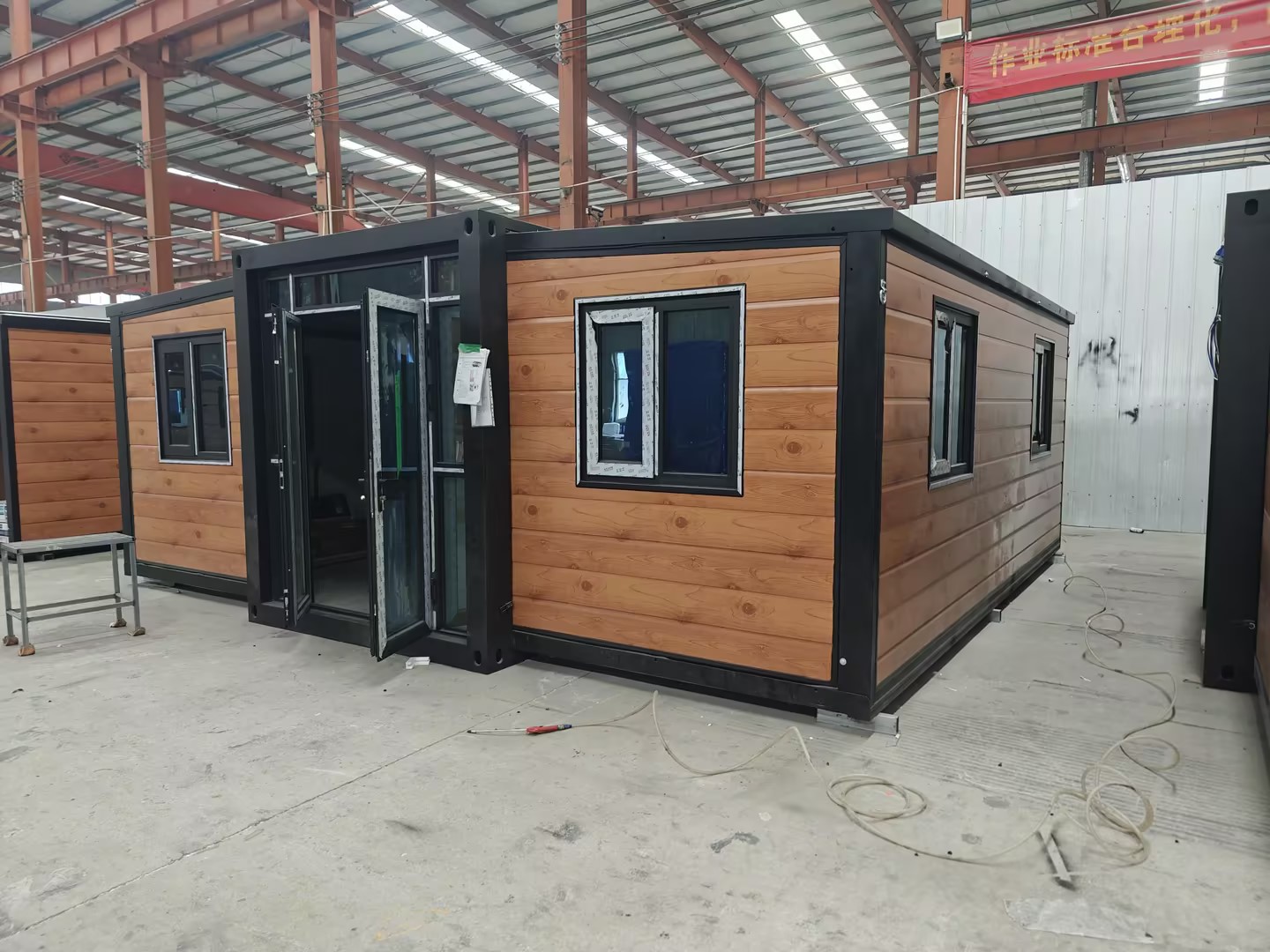
Understanding Steel House Frame Technology
Steel house frames represent a significant advancement in building construction, offering numerous advantages over traditional wood or concrete structures. These frames are typically constructed from high-strength steel components that are precision-engineered to fit together perfectly, creating a robust and durable structure.
The steel house frame technology used in modern modular buildings like the double-wing expansion room incorporates several key elements:
- High-strength steel components that provide exceptional structural integrity
- Precision engineering for perfect fit and finish
- Resistance to pests, rot, and environmental degradation
- Superior fire resistance compared to traditional building materials
- Reduced environmental impact through recyclability and energy efficiency
These characteristics make steel house frames an ideal choice for modular buildings that need to withstand transportation, repeated setup and takedown, and various environmental conditions.
Introducing the 20-Foot Customized Double-Wing Expansion Room
The 20-foot customized double-wing expansion room represents the pinnacle of steel house frame technology applied to modular construction. This innovative product takes the concept of container housing to new heights with its unique expandable design and customizable features.
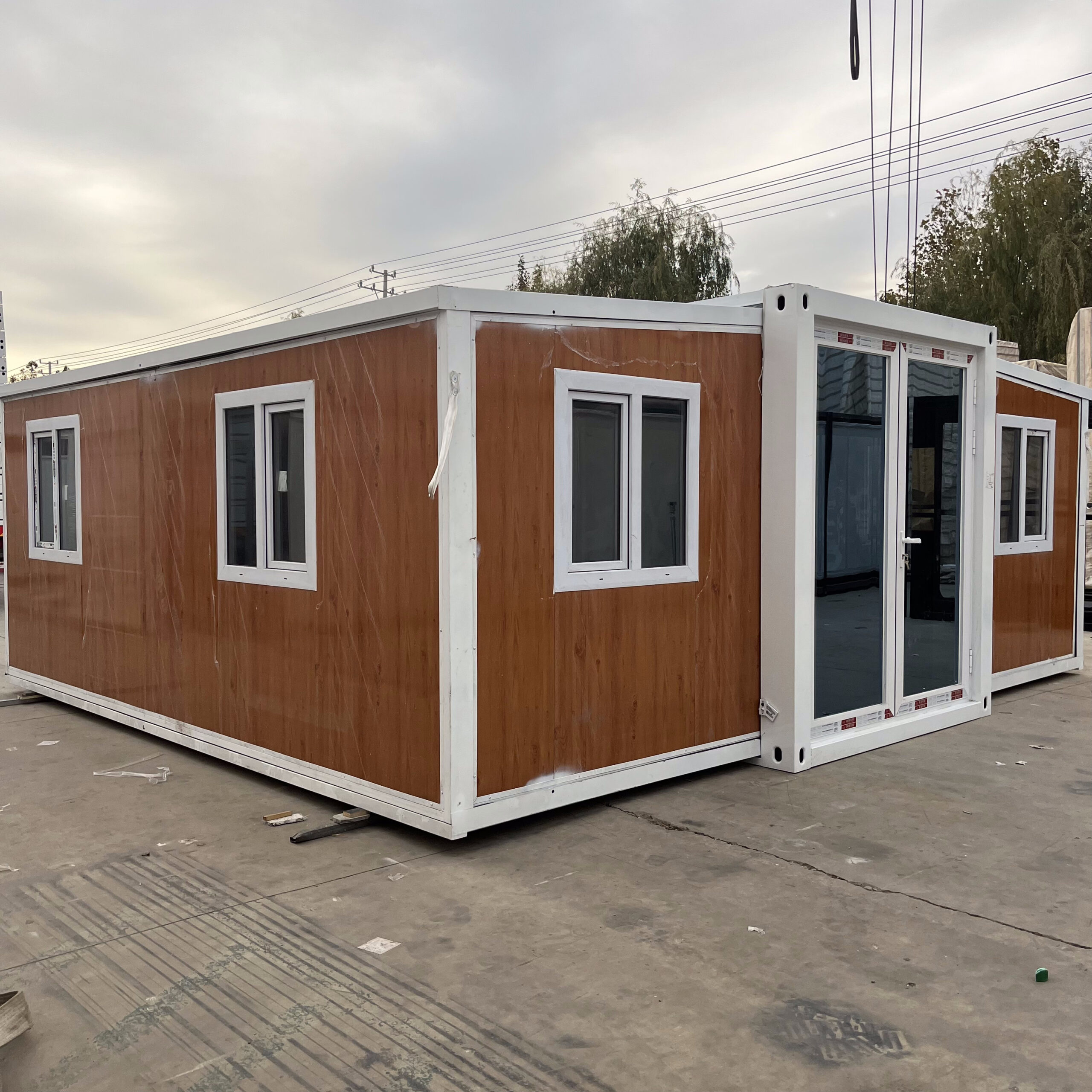
As its name suggests, this modular building features a central 20-foot container unit with two “wings” that can be folded for transport and expanded on-site to create significantly more living space. This ingenious design allows for compact shipping while providing generous interior space when deployed.
Core Features of the Double-Wing Expansion Room
The double-wing expansion room is designed with several core features that make it stand out in the modular building market:
1. Expandable Design
The most striking feature of this modular unit is its expandable design. When folded for transport, the unit maintains standard container dimensions, making it easy and cost-effective to ship anywhere. Once on-site, the wings can be unfolded to increase the usable floor area by 70-80%, effectively doubling the available space.
This expansion capability transforms what appears to be a simple container into a spacious living area with separate zones for different activities. The transition from compact transport mode to expanded living mode is both impressive and practical.
2. High-Strength Steel House Frame
At the heart of this modular building is a high-strength steel house frame that provides structural integrity and durability. The frame is constructed from hot-dip galvanized steel or, in some premium models, carbon fiber composite materials. This steel frame ensures that the building can withstand the stresses of transportation, repeated setup and takedown, and various environmental conditions.
The use of a steel house frame also contributes to the building’s longevity, with a structural lifespan of 20-30 years when properly maintained. This makes it an excellent investment for both temporary and semi-permanent applications.
3. Modular Construction
The double-wing expansion room exemplifies the principles of modular construction, with 85% or more of the building completed in the factory before delivery. This includes the installation of electrical and plumbing systems, kitchen and bathroom fixtures, windows, doors, and interior finishes.
This factory-based construction approach offers several advantages:
- Consistent quality control in a controlled environment
- Reduced on-site construction time and disruption
- Minimized weather-related delays
- Enhanced precision and fit of components
The result is a building that can be deployed and made functional in a matter of hours rather than weeks or months required for traditional construction.
4. Customization Options
Despite its modular nature, the double-wing expansion room offers extensive customization options to suit various needs and preferences. Clients can choose from different exterior finishes, interior layouts, and functional configurations to create a space that meets their specific requirements.
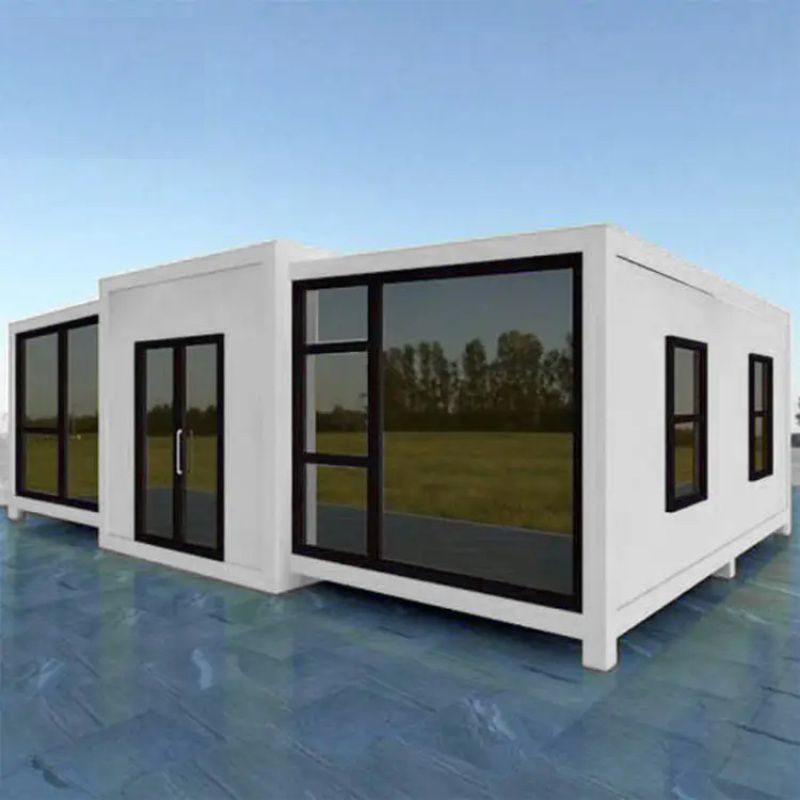
Popular customization options include:
- Exterior finishes (wood grain, stone texture, solid colors, etc.)
- Interior layouts (studio, one-bedroom, office space, etc.)
- Window and door configurations
- Kitchen and bathroom fixtures
- Heating, cooling, and ventilation systems
- Smart home technology integration
This flexibility makes the double-wing expansion room suitable for a wide range of applications, from residential housing to commercial spaces and emergency shelters.
Material and Craftsmanship Details
The quality of materials and craftsmanship is what truly sets the double-wing expansion room apart from other modular buildings. Every component is carefully selected and engineered to ensure optimal performance, durability, and aesthetics.
1. Structural Materials
The primary structural material is high-strength steel, specifically hot-dip galvanized steel that provides excellent corrosion resistance. This steel house frame is designed to withstand significant loads and stresses while maintaining its integrity over decades of use.
In premium models, carbon fiber composite materials may be incorporated into the structure to reduce weight while maintaining strength. These advanced materials contribute to the building’s overall performance and longevity.
2. Insulation and Wall Panels
The walls of the double-wing expansion room are constructed using insulated panels that provide excellent thermal performance. These panels typically consist of a core of polyurethane or rock wool insulation sandwiched between steel or composite facings.
The insulation thickness and type can be customized based on the climate conditions where the building will be deployed, ensuring optimal energy efficiency and comfort year-round.
3. Windows and Doors
Windows and doors are critical components that affect both the aesthetics and performance of the building. The double-wing expansion room features high-quality aluminum alloy windows with thermal breaks and Low-E glass.
These windows provide:
- Excellent thermal insulation
- Sound reduction
- UV protection
- Weather resistance
Doors are similarly constructed with insulated cores and durable frames, ensuring security, weather resistance, and energy efficiency.
4. Waterproofing and Sealing
One of the challenges with modular buildings is ensuring effective waterproofing, particularly at the joints between different components. The double-wing expansion room addresses this with a comprehensive waterproofing system that includes:
- Seamless joint design
- High-quality sealants at all connection points
- Proper drainage systems
- Weather-resistant exterior finishes
This attention to waterproofing ensures that the interior remains dry and comfortable regardless of external weather conditions.
Functional Configuration Features
The functional configuration of the double-wing expansion room is designed to maximize usability and comfort while maintaining the flexibility required for various applications.
1. Ready-to-Use Design
One of the most significant advantages of this modular building is its ready-to-use design. The factory completion rate of 85% or more means that when the building arrives on-site, it’s nearly ready for immediate occupancy.
Integrated systems include:
- Electrical wiring and fixtures
- Plumbing systems
- Kitchen appliances and fixtures
- Bathroom fixtures
- HVAC systems
- Lighting fixtures
- Smart home controls (optional)
This integration significantly reduces the time and effort required to make the building functional, allowing for rapid deployment in time-sensitive situations.
2. Flexible Interior Layout
The steel house frame design allows for a column-free interior space, maximizing usable area and layout flexibility. Without the need for internal support columns, the interior can be configured in numerous ways to suit different needs.
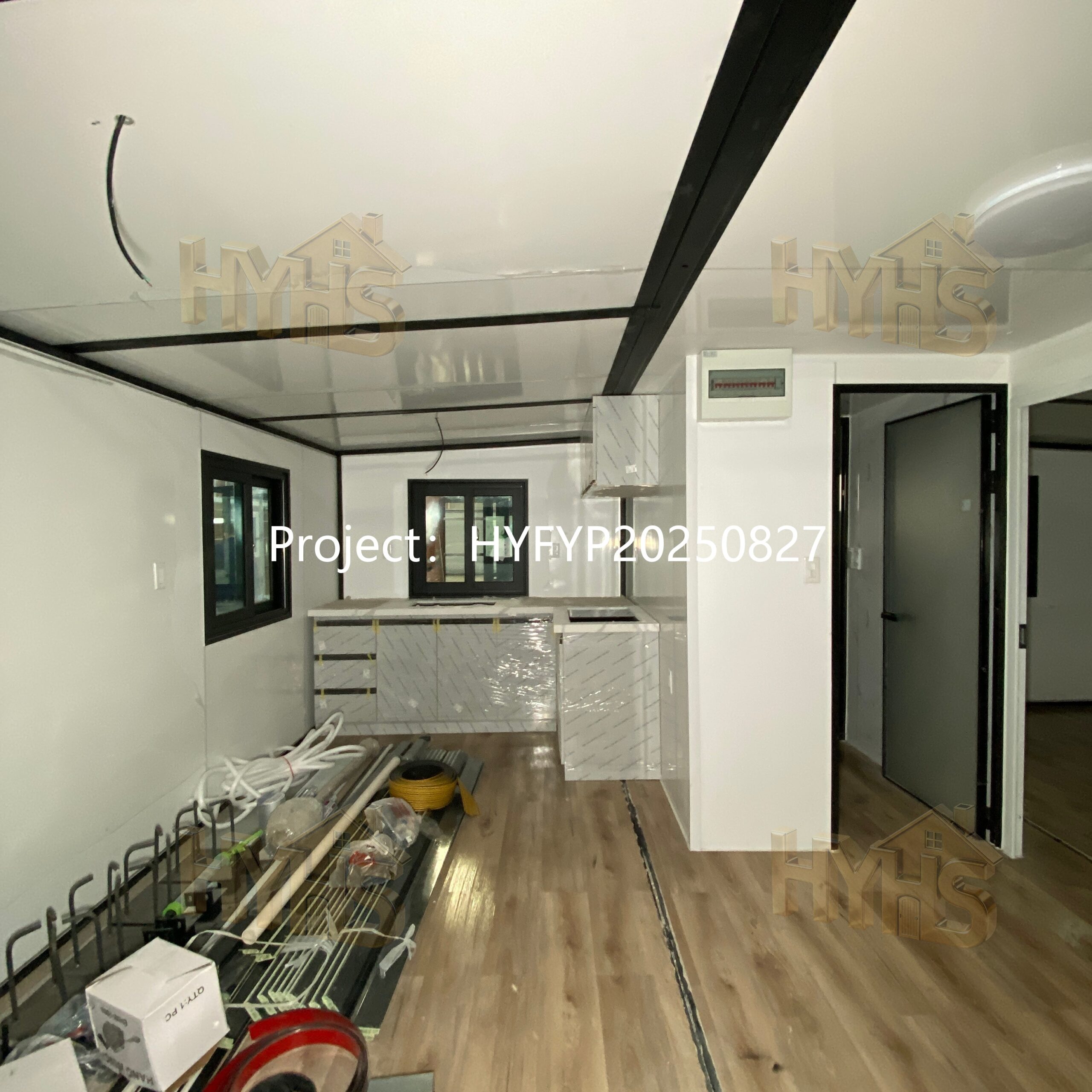
Popular interior configurations include:
- Open-plan living spaces
- One-bedroom apartments
- Studio apartments
- Office spaces
- Retail environments
- Medical treatment rooms
The flexibility of the interior layout makes the double-wing expansion room suitable for a wide range of applications, from residential to commercial to institutional uses.
3. Kitchen and Bathroom Facilities
Despite its compact nature, the double-wing expansion room can be equipped with full kitchen and bathroom facilities that rival those in traditional homes. These spaces are designed to maximize functionality while maintaining a sense of openness and comfort.
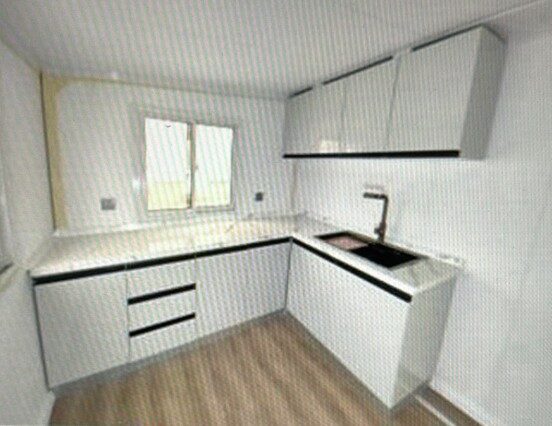
Kitchen features may include:
- Countertops with integrated sinks
- Cabinetry for storage
- Appliances (refrigerator, stove, microwave, etc.)
- Plumbing connections for water supply and drainage
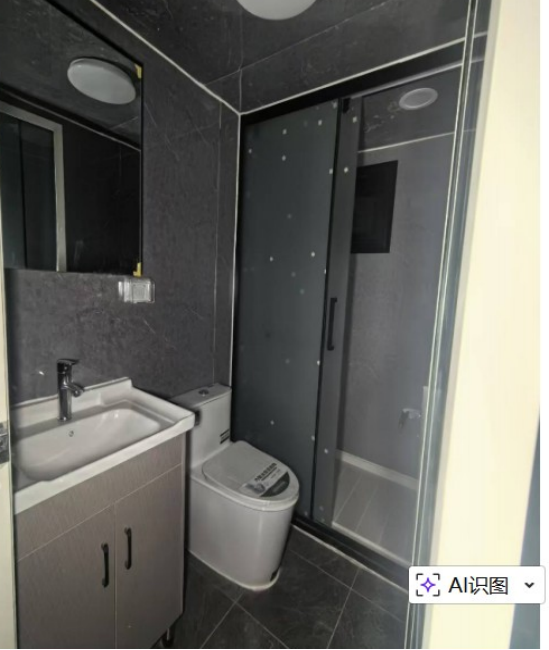
Bathroom features typically include:
- Toilet and sink
- Shower enclosure
- Ventilation system
- Water heater
- Waterproof finishes
These essential facilities make the double-wing expansion room truly self-contained and suitable for extended occupancy.
4. Environmental Sustainability
The environmental impact of buildings is an increasingly important consideration in modern construction. The double-wing expansion room addresses this concern through several sustainable design features:
- Use of recyclable materials (steel frame with 90%+ recyclability)
- Energy-efficient insulation and windows
- Low-VOC (volatile organic compound) finishes
- Option for renewable energy systems (solar panels, etc.)
- Water-efficient fixtures
These features not only reduce the environmental footprint of the building but also contribute to lower operating costs through reduced energy and water consumption.
Advantages of the Double-Wing Expansion Room
The combination of steel house frame technology and innovative design gives the double-wing expansion room several significant advantages over traditional construction methods and other modular building options.
1. Rapid Deployment
One of the most compelling advantages of the double-wing expansion room is its rapid deployment capability. Traditional construction projects can take months or even years to complete, but this modular building can be delivered and made functional in a matter of days or even hours.
The rapid deployment process includes:
- Factory pre-construction (85%+ completion)
- Efficient transportation in compact form
- Quick on-site expansion and setup
- Minimal site preparation requirements
This speed is particularly valuable in situations where time is critical, such as disaster response, temporary housing needs, or rapid business expansion.
2. Mobility and Reusability
Unlike traditional buildings, the double-wing expansion room is designed for mobility and reuse. The steel house frame and modular construction allow the entire building to be disassembled, transported, and reassembled at a new location with minimal loss of functionality or aesthetic quality.
This mobility offers several benefits:
- Ability to relocate as needs change
- Reduced waste compared to demolition and new construction
- Temporary use without permanent commitment
- Investment protection through reuse
For businesses, organizations, or individuals with changing spatial requirements, this flexibility can be invaluable.
3. Site Adaptability
Traditional buildings often require extensive site preparation, including foundations, utility connections, and grading. The double-wing expansion room, however, is designed to adapt to various site conditions with minimal preparation.
Site adaptability features include:
- Ability to deploy on uneven terrain
- Minimal foundation requirements (can use piers, pads, or simple foundations)
- Self-contained utility systems
- Adjustable leveling systems
This adaptability allows the building to be deployed in locations that would be unsuitable or prohibitively expensive for traditional construction, such as remote areas, steep slopes, or environmentally sensitive sites.
4. Cost Efficiency
When considering the total cost of construction, the double-wing expansion room offers significant advantages over traditional building methods. While the initial per-square-foot cost may be similar to or slightly higher than conventional construction, the overall project costs are typically lower due to several factors:
- Reduced construction time (60-70% faster)
- Lower labor costs (factory assembly is more efficient)
- Minimized site work and preparation
- Reduced financing costs (shorter project duration)
- Lower operating costs (energy efficiency)
Overall, the total project cost for a double-wing expansion room is typically 30-40% lower than that of a comparable traditional building.
5. Durability and Low Maintenance
The steel house frame and high-quality materials used in the double-wing expansion room contribute to exceptional durability and low maintenance requirements. Unlike wood structures that are susceptible to rot, pests, and weather damage, the steel frame maintains its integrity for decades with minimal maintenance.
Durability features include:
- Corrosion-resistant steel frame
- Weather-resistant exterior finishes
- High-quality windows and doors
- Robust connection systems
This durability translates to lower long-term maintenance costs and a longer functional lifespan, enhancing the overall value proposition of the building.
6. Energy Efficiency
Energy efficiency is a critical consideration in modern building design, both for environmental reasons and for operating cost savings. The double-wing expansion room incorporates several features that enhance its energy performance:
- High-insulation wall, roof, and floor panels
- Thermally broken windows with Low-E glass
- Sealed construction to minimize air leakage
- Option for energy-efficient mechanical systems
- Potential for renewable energy integration
These features significantly reduce heating and cooling requirements compared to traditional construction methods, resulting in lower energy bills and reduced environmental impact.
7. Design Flexibility
Despite its modular nature, the double-wing expansion room offers remarkable design flexibility. The steel house frame allows for various configurations, and the expandable design provides options that aren’t available in traditional modular buildings.
Design flexibility includes:
- Multiple layout options
- Various exterior finishes and colors
- Different window and door configurations
- Options for multiple unit connections
- Customization for specific uses
This flexibility ensures that the building can meet specific aesthetic and functional requirements while still benefiting from the advantages of modular construction.
Application Scenarios
The versatility of the double-wing expansion room makes it suitable for a wide range of applications across various sectors. Its combination of rapid deployment, mobility, durability, and customization options allows it to meet diverse needs in different contexts.
1. Residential Applications
In the residential sector, the double-wing expansion room offers solutions for various housing needs:
- Temporary housing during home renovations
- Guest houses or auxiliary dwelling units (ADUs)
- Starter homes for first-time buyers
- Vacation homes or cottages
- Aging-in-place accommodations
The ability to customize the interior layout and exterior appearance makes these buildings suitable for various residential contexts, from urban settings to rural properties.
2. Commercial Applications
Businesses can benefit from the rapid deployment and flexibility of the double-wing expansion room for various commercial purposes:
- Temporary or permanent office spaces
- Retail stores or pop-up shops
- Restaurant or café spaces
- Showrooms or exhibition spaces
- Service facilities (salons, clinics, etc.)
The ability to quickly establish a commercial presence can be a significant competitive advantage, particularly for businesses testing new markets or concepts.
3. Hospitality Applications
The unique design and customization options of the double-wing expansion room make it particularly attractive for hospitality applications:
- Glamping units or luxury camping accommodations
- Hotel rooms or suites
- Resort cabins or villas
- Hostel accommodations
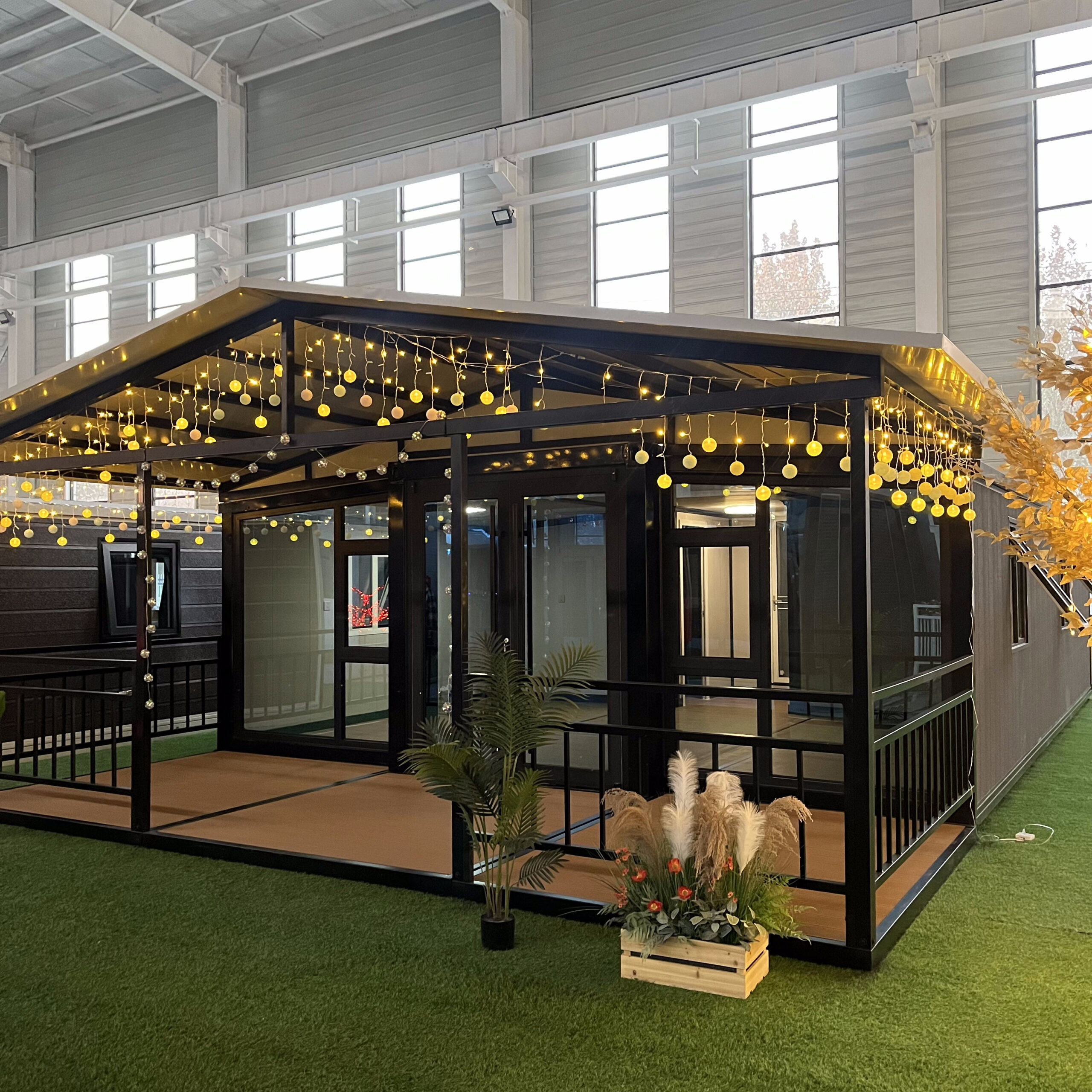
The ability to create distinctive, high-quality accommodations quickly can give hospitality providers a competitive edge in crowded markets.
4. Educational Applications
Educational institutions often face fluctuating space requirements due to changing enrollment numbers or program needs. The double-wing expansion room offers solutions such as:
- Temporary classrooms during construction or renovations
- Administrative offices
- Student housing or dormitories
- Laboratory or workshop spaces
- Library or study spaces
The rapid deployment capability is particularly valuable for educational institutions that need to accommodate unexpected increases in student population or temporary space needs during construction projects.
5. Healthcare Applications
Healthcare facilities require specialized environments that can be challenging to create quickly. The double-wing expansion room can be customized for various healthcare applications:
- Temporary clinics or medical offices
- Isolation rooms or quarantine facilities
- Examination or treatment rooms
- Laboratory spaces
- Administrative or waiting areas
The controlled factory environment ensures high-quality construction that meets healthcare facility requirements, while the rapid deployment capability is valuable during public health emergencies or for temporary facilities.
6. Emergency and Disaster Response
Perhaps one of the most valuable applications of the double-wing expansion room is in emergency and disaster response scenarios:
- Temporary housing for displaced individuals or families
- Emergency medical facilities or field hospitals
- Command centers for emergency response coordination
- Supply storage or distribution centers
- Temporary offices for recovery operations
The ability to rapidly deploy functional buildings in disaster-affected areas can significantly improve response effectiveness and provide critical support to affected communities.
7. Remote and Off-Grid Applications
The adaptability of the double-wing expansion room makes it ideal for remote and off-grid applications where traditional construction would be impractical or prohibitively expensive:
- Research stations or field laboratories
- Remote workstations or offices
- Off-grid living accommodations
- Recreational facilities in remote areas
- Resource exploration or mining facilities
The self-contained nature and minimal site requirements of these buildings make them perfect for locations where infrastructure is limited or non-existent.
Case Studies and Real-World Applications
To better understand how the double-wing expansion room with its steel house frame technology is being used in real-world scenarios, let’s examine several case studies from different regions and applications.
Case Study 1: Luxury Eco-Resort in Queensland, Australia
A luxury eco-resort operator in Queensland, Australia, needed to quickly expand accommodation capacity to meet increasing demand while maintaining the resort’s commitment to environmental sustainability. The operator chose the double-wing expansion room for its combination of rapid deployment, customizable appearance, and energy-efficient design.
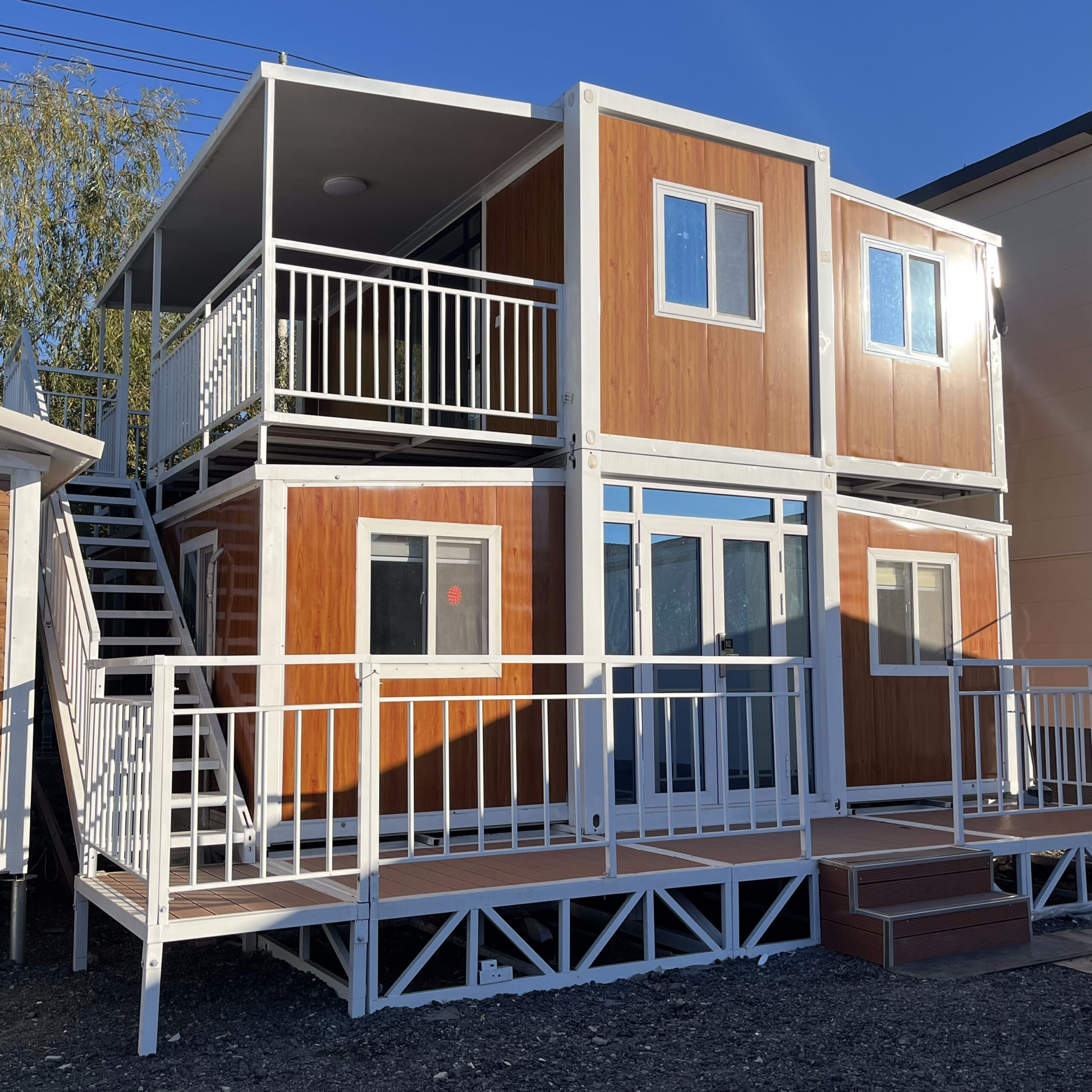
The resort deployed 12 double-wing units customized with natural wood grain exteriors that blended seamlessly with the surrounding environment. Each unit featured a spacious one-bedroom layout with a full kitchen, bathroom, and living area. Large windows provided panoramic views of the surrounding landscape while maintaining energy efficiency through Low-E glass technology.
The entire project was completed in just 8 weeks, from order to occupancy, compared to the estimated 12-18 months required for traditional construction. The resort was able to capitalize on peak tourist season with the additional accommodations, and the unique design of the units became a marketing attraction in itself.
Case Study 2: Disaster Response in Puerto Rico
Following a devastating hurricane, a humanitarian organization needed to establish temporary housing and medical facilities in Puerto Rico quickly. Traditional construction methods would have been too slow, and conventional temporary shelters lacked the durability and functionality needed for the recovery period.
The organization deployed 50 double-wing expansion rooms configured as housing units and 20 units customized as medical clinics. The steel house frame provided the durability needed to withstand potential aftershocks and tropical weather
本文由人工智能技术生成,基于公开技术资料和厂商官方信息整合撰写,以确保信息的时效性与客观性。我们建议您将所有信息作为决策参考,并最终以各云厂商官方页面的最新公告为准。