
Understanding container house building codes and regulations is essential for anyone considering this innovative housing solution in Australia. This comprehensive guide explores the legal framework, safety requirements, and practical considerations for container homes, with a special focus on the revolutionary 40-foot customized double-wing expansion room that’s changing the landscape of modular housing.
Container houses have emerged as a revolutionary solution in the modern housing market, offering affordability, sustainability, and flexibility that traditional construction methods often struggle to match. As more Australians explore alternative housing options, understanding the building codes and regulations governing these structures becomes increasingly important. This guide will walk you through everything you need to know about container house building codes and regulations in Australia, with a special focus on an innovative product that’s making waves in the industry: the 40-foot customized double-wing expansion room.
Understanding Container Houses: A Modern Housing Solution
Container houses, also known as shipping container homes, are structures built using steel shipping containers as the primary building material. These structures have gained tremendous popularity in recent years due to their sustainability, cost-effectiveness, and quick construction time. In Australia, where housing affordability remains a significant concern, container homes present an attractive alternative for those looking to enter the property market or create additional living space.
The appeal of container houses lies in their inherent strength, portability, and modular nature. Shipping containers are designed to withstand harsh conditions during ocean transport, making them inherently durable and weather-resistant. When properly modified and insulated, they can provide comfortable, safe, and energy-efficient living spaces.
However, before embarking on a container house project, it’s crucial to understand the building codes and regulations that govern these structures in Australia. These regulations ensure that container homes meet safety standards, are structurally sound, and are suitable for their intended use.
Australian Building Codes and Regulations for Container Houses
In Australia, container houses are subject to the same building codes and regulations as traditional structures. The primary regulatory framework includes the National Construction Code (NCC), which encompasses the Building Code of Australia (BCA), as well as state and local government requirements.
The National Construction Code (NCC)
The NCC is a performance-based code that sets the minimum requirements for the design and construction of buildings throughout Australia. It is divided into three volumes:
- Volume 1: Commercial buildings (Class 2-9 buildings)
- Volume 2: Residential buildings (Class 1 and 10 buildings)
- Volume 3: Plumbing and drainage
For container houses intended as residential dwellings, Volume 2 of the NCC is particularly relevant. It covers requirements for structural adequacy, fire safety, health and amenity, and energy efficiency.
State and Local Regulations
In addition to the NCC, each Australian state and territory has its own specific regulations and planning requirements for container houses. These may include:
- Planning permits
- Building permits
- Zoning restrictions
- Setback requirements
- Height restrictions
- Environmental considerations
Local councils are responsible for enforcing these regulations, so it’s essential to consult with your local council before commencing any container house project.
Key Compliance Areas for Container Houses
When designing and constructing a container house in Australia, several key compliance areas must be addressed:
1. Structural Integrity
Container houses must demonstrate structural adequacy according to the NCC. This involves ensuring that:
- The container structure can withstand Australian environmental conditions, including wind loads, seismic activity (in some regions), and other stresses
- Any modifications to the container (such as cutting openings for doors and windows) do not compromise its structural integrity
- The foundation system is appropriate for the soil conditions and the weight of the structure
- Additional structural elements are incorporated if containers are stacked or arranged in a complex configuration
A structural engineer must typically certify the design to ensure it meets these requirements.
2. Fire Safety
Fire safety is a critical consideration for container houses. Requirements include:
- Fire-resistant materials for internal linings
- Appropriate smoke alarms and fire detection systems
- Means of egress that meet minimum width and accessibility requirements
- Fire separation between different parts of the dwelling
- Compliance with bushfire attack level (BAL) requirements in fire-prone areas
3. Thermal Performance
Container houses must meet minimum energy efficiency requirements as specified in the NCC. This includes:
- Insulation values for walls, roof, and floor
- Glazing requirements to minimize heat gain in summer and heat loss in winter
- Sealing to prevent air leakage
- Consideration of thermal mass, where appropriate
Steel containers conduct heat readily, so adequate insulation is crucial for energy efficiency and occupant comfort.
4. Health and Amenity
Container houses must provide a healthy and comfortable living environment. Requirements include:
- Adequate natural light and ventilation
- Appropriate ceiling heights (minimum 2.4m in habitable rooms)
- Waterproofing and moisture control
- Sound insulation between rooms and from external sources
- Provision for safe drinking water and wastewater disposal
5. Accessibility
While not all container houses need to comply with disability access requirements, it’s worth considering universal design principles to make the home accessible to people of all abilities.
The Certification Process for Container Houses in Australia
Before a container house can be occupied in Australia, it must undergo a certification process to ensure it complies with all relevant building codes and regulations. This process typically involves the following steps:
1. Design Phase
During the design phase, a qualified designer or architect creates plans for the container house that take into account all relevant building codes and regulations. This includes:
- Structural engineering calculations
- Energy efficiency assessments
- Fire safety planning
- Service integration (electrical, plumbing, HVAC)
2. Development Application (DA)
Depending on the location and scope of the project, a Development Application may need to be submitted to the local council. This application includes:
- Detailed plans and specifications
- Statement of Environmental Effects
- Other reports as required (e.g., bushfire, flood, acoustic)
3. Building Approval
Once the DA is approved (if required), a Building Application or Construction Certificate is submitted. This application demonstrates that the proposed construction will comply with the Building Code of Australia.
4. Construction Phase
During construction, inspections are carried out at critical stages to ensure compliance with the approved plans and building codes. These inspections may include:
- Foundation inspection
- Frame inspection
- Waterproofing inspection
- Final inspection
5. Occupation Certificate
Once all inspections are passed and the construction is complete, an Occupation Certificate is issued, allowing the container house to be legally occupied.
Introducing the 40-Foot Customized Double-Wing Expansion Room
Now that we’ve covered the regulatory landscape for container houses in Australia, let’s explore an innovative product that’s designed with compliance in mind: the 40-foot customized double-wing expansion room. This revolutionary modular building solution addresses many of the challenges associated with traditional container homes while offering exceptional flexibility and functionality.
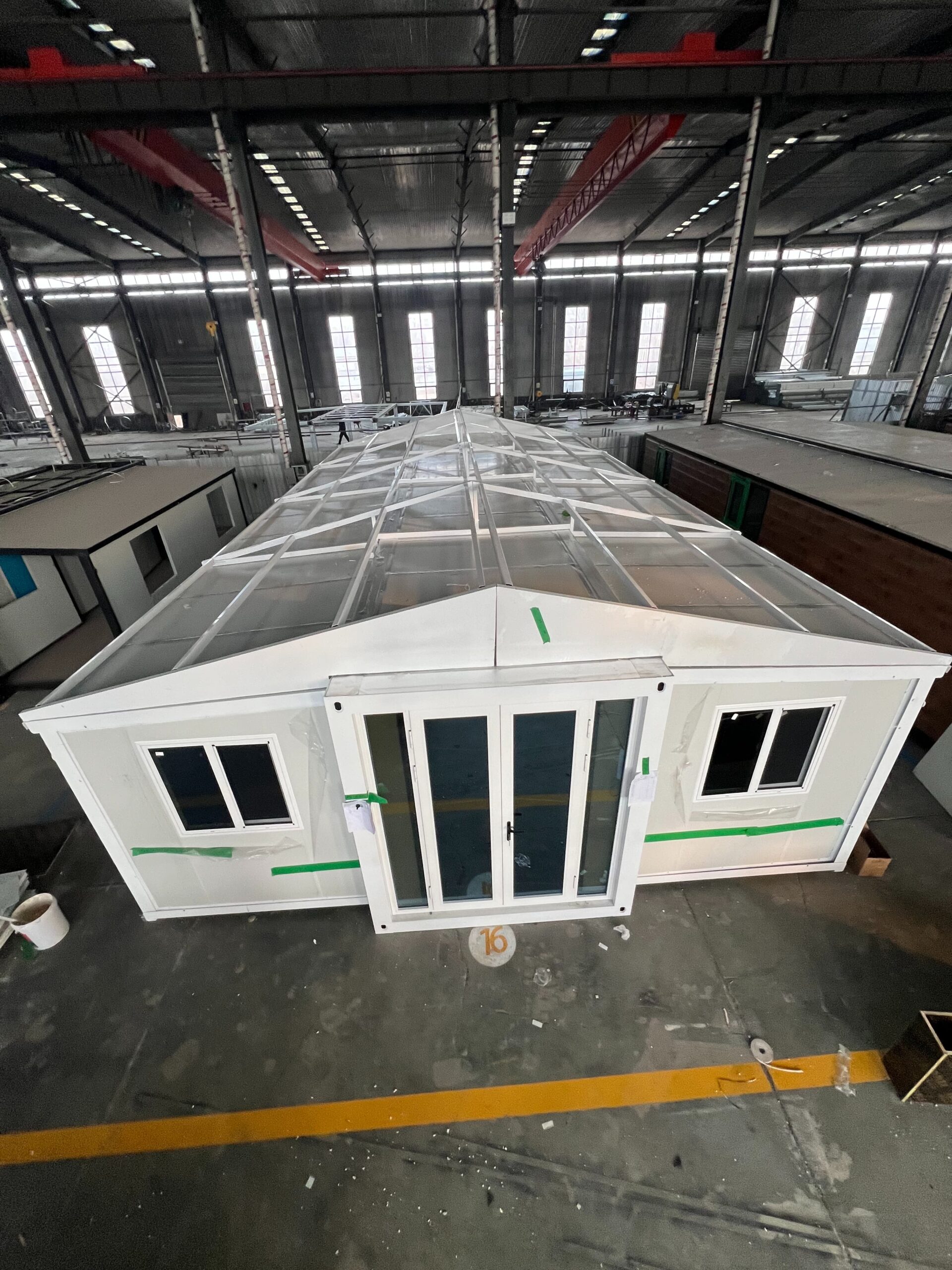
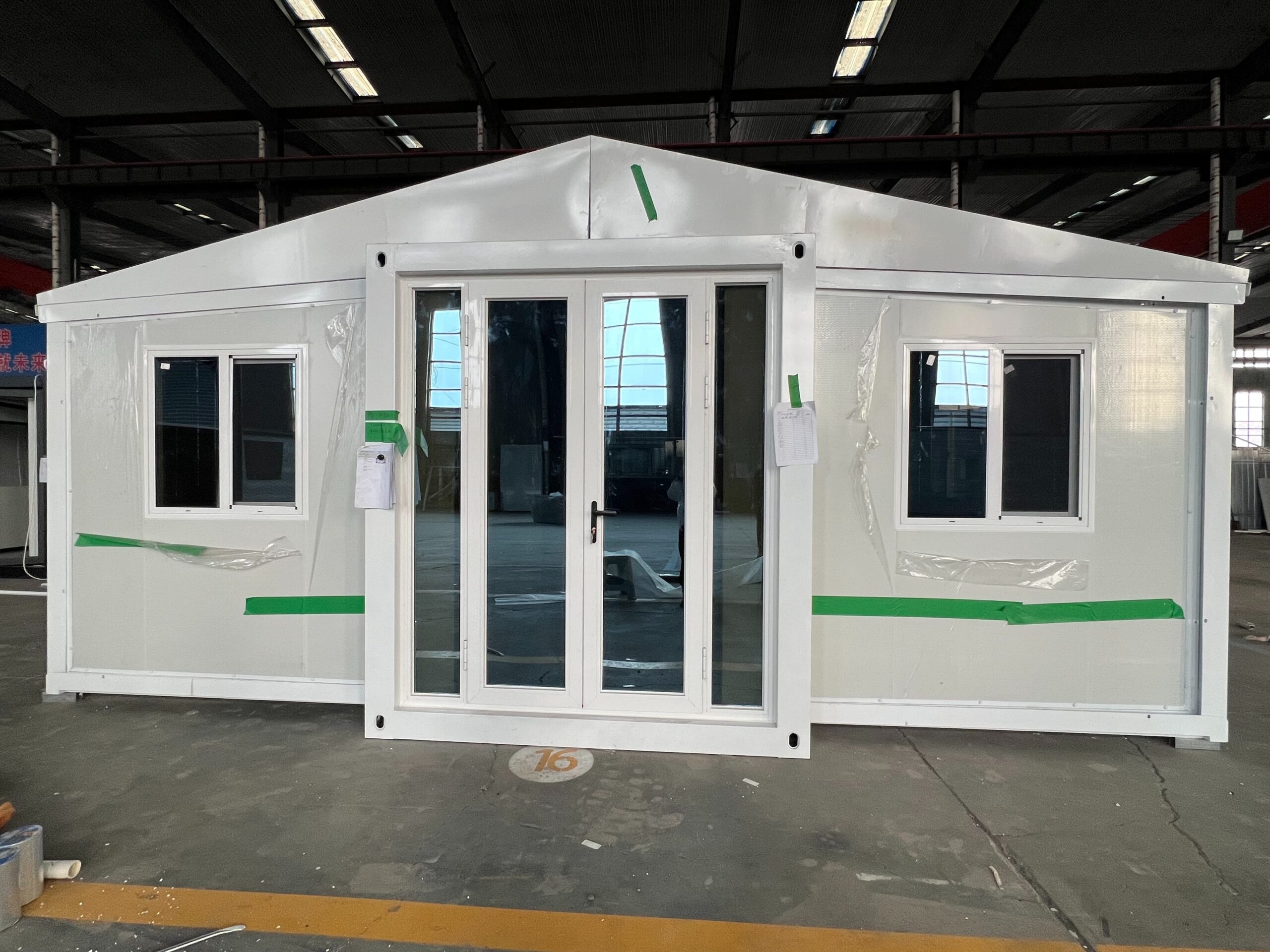
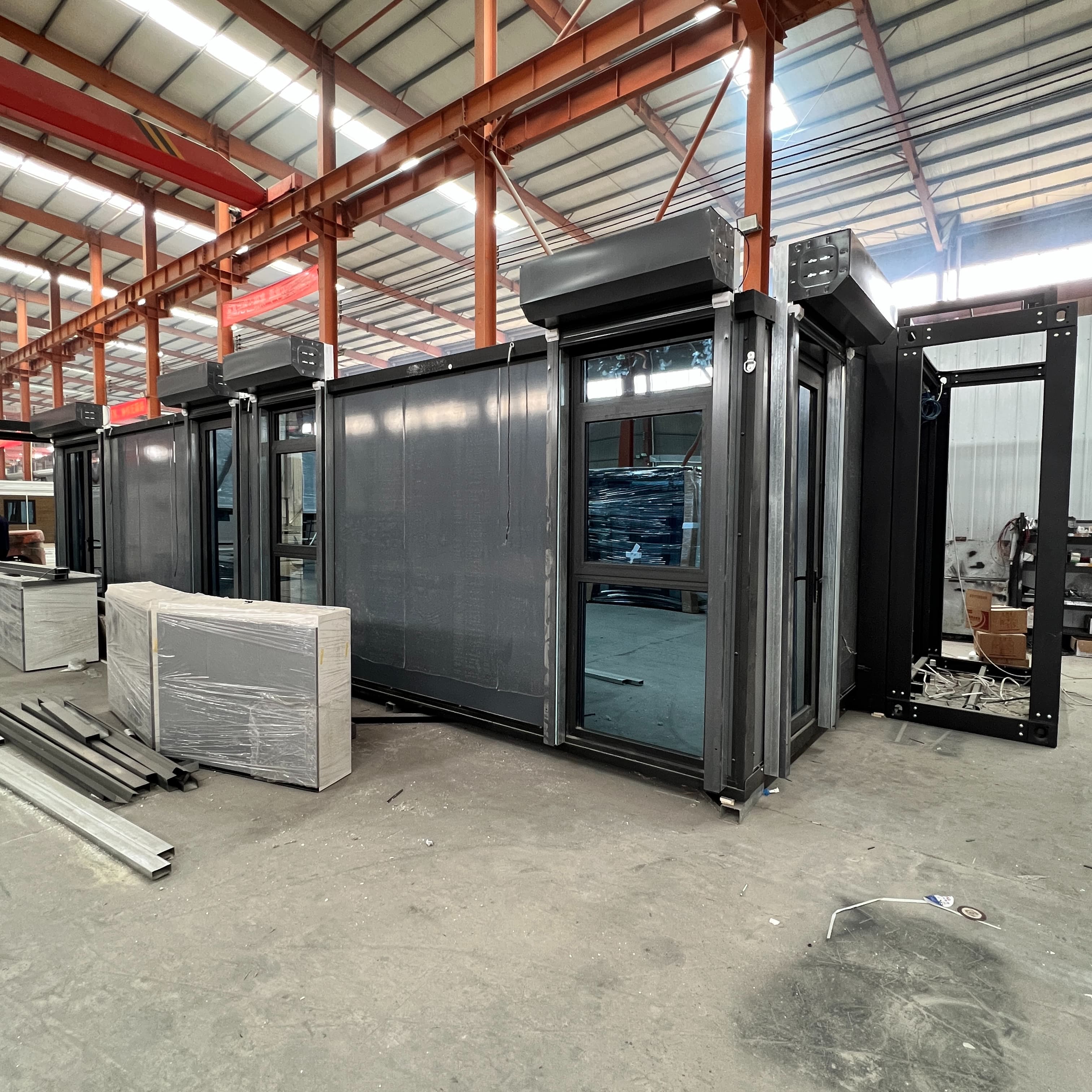
The double-wing expandable folding container house, also known as an expansion container house, is a modular movable building product featuring “wing-like” structures on both sides that can expand outward. When unfolded, these wings resemble a bird spreading its wings, hence the name “double-wing.”
Product Overview and Core Features
The 40-foot customized double-wing expansion room represents the cutting edge of modular building technology. It combines the durability and portability of shipping containers with innovative expandable design, creating a versatile living space that can be adapted to various needs and environments.
1. Transformable Space
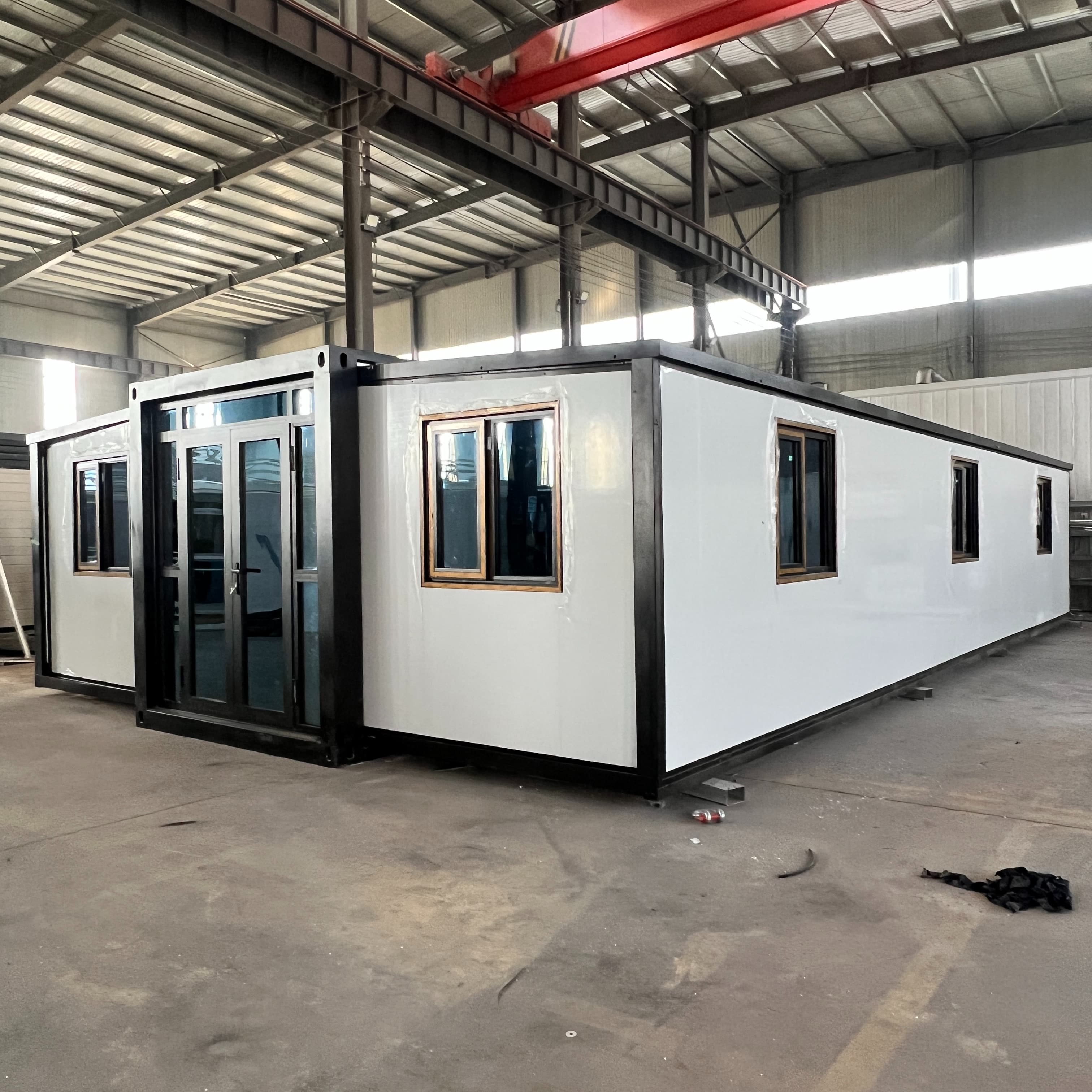
One of the most remarkable features of this product is its ability to transform from a compact container into a spacious living area. During transportation and storage, both “wings” fold inward, maintaining standard container dimensions for easy transport. Once deployed, these wing panels expand outward, increasing the usable floor area by 70-80%, or even doubling it. This transformation turns a compact box into a generous one-bedroom or even two-bedroom layout.
2. Modular Structure
The structure utilizes a high-strength steel frame (hot-dip galvanized steel or carbon fiber composite materials) that supports both individual use and multi-unit combinations. This modular approach allows for easy expansion and customization according to specific needs.
3. Standard Dimensions
The 40-foot double-wing model comes with precise dimensions that ensure consistency and compliance with transportation regulations:
- Expanded dimensions: Length 11,800mm × Width 6,240mm × Height 2,480mm
- Internal dimensions: Length 11,540mm × Width 6,080mm × Height 2,200mm
- Folded dimensions: Length 11,800mm × Width 2,200mm × Height 2,480mm
These dimensions make the unit suitable for standard road transportation while providing ample living space when deployed.
4. Factory Prefabrication
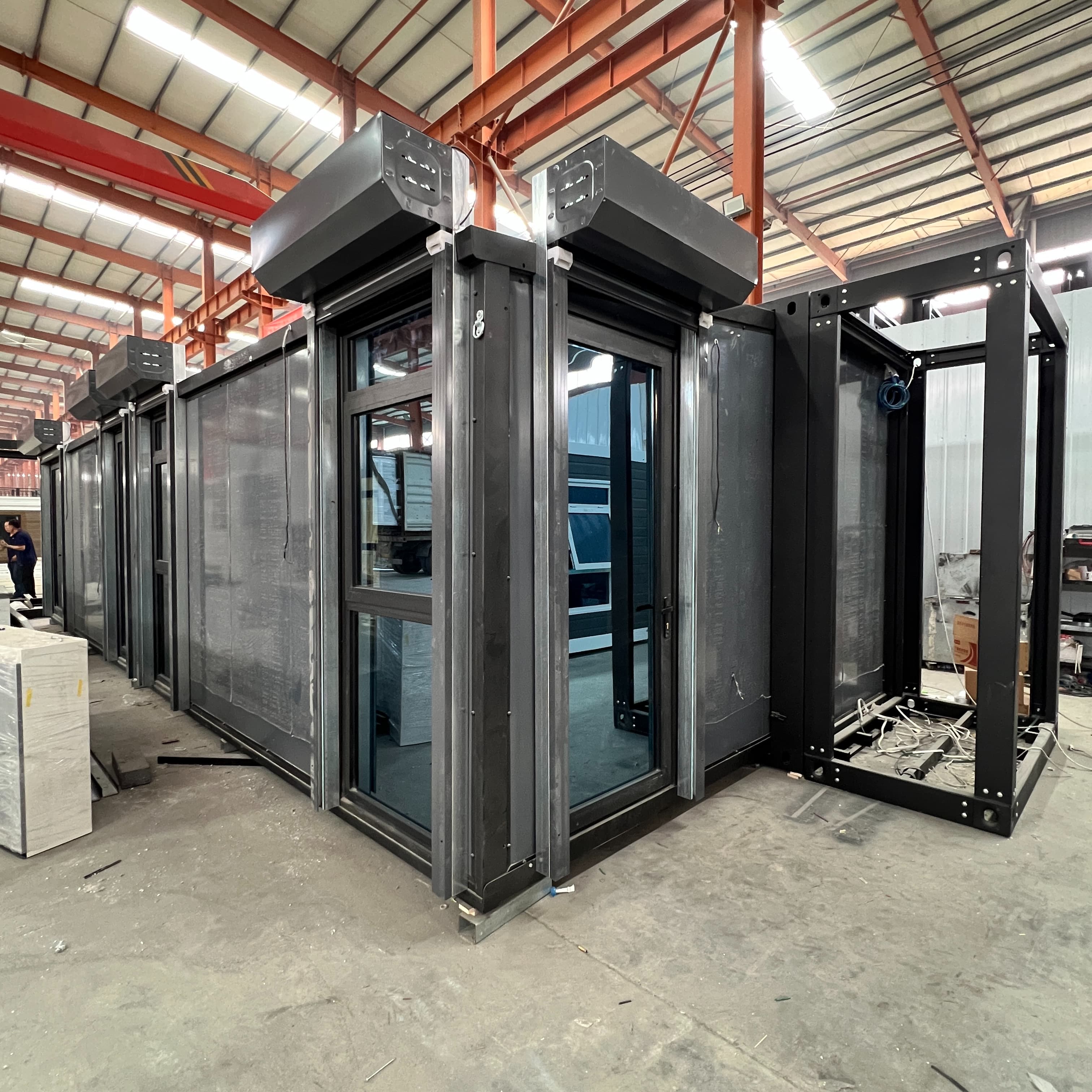
Over 85% of the construction work is completed in the factory, including water and electrical pipelines, kitchen and bathroom facilities, doors, windows, and other essential components. This high degree of prefabrication ensures quality control and significantly reduces on-site construction time.
Materials and Craftsmanship
The quality of materials and construction techniques used in the 40-foot customized double-wing expansion room sets it apart from conventional container houses:
1. Primary Materials
The structure features a lightweight steel fully galvanized frame combined with insulation panels (polyurethane, rock wool, etc.). High-end models may incorporate carbon fiber composite materials for enhanced strength and reduced weight.
2. Waterproofing and Sealing
The unit employs seamless connection technology throughout, with doors and windows featuring hollow broken-bridge aluminum profiles combined with Low-E glass. This construction approach ensures excellent waterproof and anti-seepage performance, critical for Australia’s varied climate conditions.
3. Functional Configuration
These units are designed for immediate occupancy, with integrated water and electrical pipelines, air conditioning, lighting, and intelligent control systems installed during the manufacturing process.
4. Flexible Space Planning
The column-free design maximizes space utilization to over 90%, supporting various layouts including LOFT designs, one-bedroom layouts, and open-plan arrangements.
5. Environmentally Friendly Materials
The construction incorporates environmentally friendly panels, with some materials being recyclable, aligning with green building standards and sustainability goals.
Key Advantages of the 40-Foot Customized Double-Wing Expansion Room
This innovative building solution offers numerous advantages over traditional construction methods and even conventional container houses:
1. Rapid Deployment
- Factory Prefabrication: 95% of the construction process is completed in the factory, with only on-site lifting and connection required.
- Short Installation Period: A single unit can be installed within hours, while combined installations take only 1-3 days to complete.
- No Foundation Required: Some models utilize independent foundations or pads, reducing the need for extensive civil engineering work.
2. Mobility and Flexibility
- Relocatable: The entire structure can be lifted and moved as a whole unit, allowing for multiple reuses in different locations.
- Site Adaptability: These units can be deployed on various terrains including mountainous areas, slopes, and grasslands.
- Reduced Land Use Restrictions: As temporary structures, they often face simplified approval processes compared to permanent buildings.
3. Energy Efficiency and Environmental Benefits
- Thermal Insulation: Polyurethane insulation layers effectively reduce air conditioning energy consumption (for both summer cooling and winter heating).
- Material Recyclability: Steel structures can achieve recycling rates of over 90%, minimizing environmental impact.
- Green Building Materials: Some models use environmentally friendly panels with low formaldehyde emissions.
4. Durability and Resilience
- Extended Structural Life: Hot-dip galvanized steel structures with anti-corrosion treatment can last 20-30 years.
- Seismic Resistance: The steel structure’s flexible connections provide seismic resistance up to magnitude 8.
- Wind Resistance: The overall structure is stable and can withstand winds of force 10-12.
5. Economic Benefits
- Reduced Overall Costs: Compared to traditional construction, the building period is shortened by 60-70%, with overall costs reduced by 30-40%.
- Low Maintenance Costs: The modular design allows for individual component replacement, making maintenance convenient and cost-effective.
- Quick Return on Investment: Rapid deployment means the structure can be put into use immediately, shortening the investment return period.
Interior Features and Amenities
The interior of the 40-foot customized double-wing expansion room is designed with comfort and functionality in mind, offering all the amenities of a modern home:
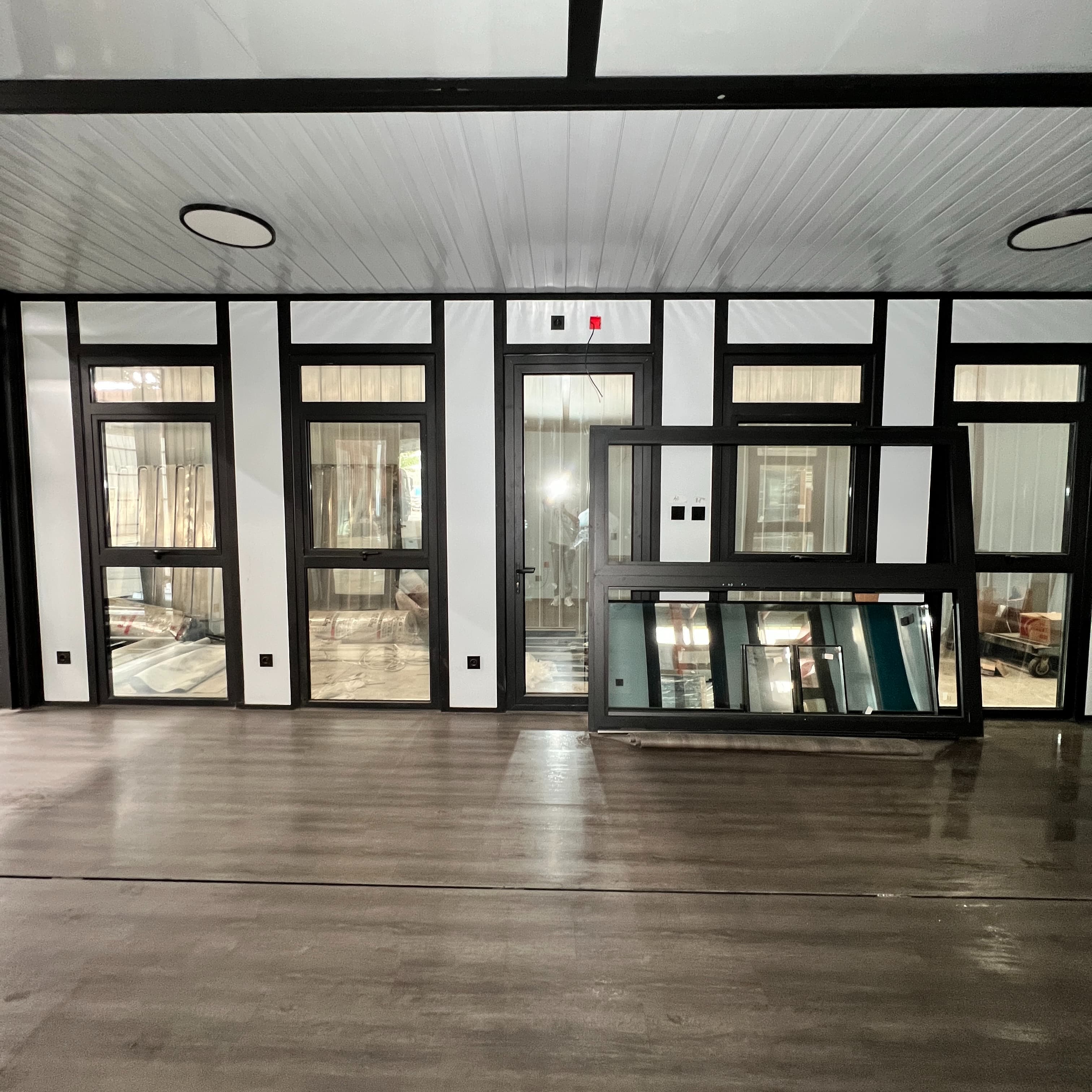
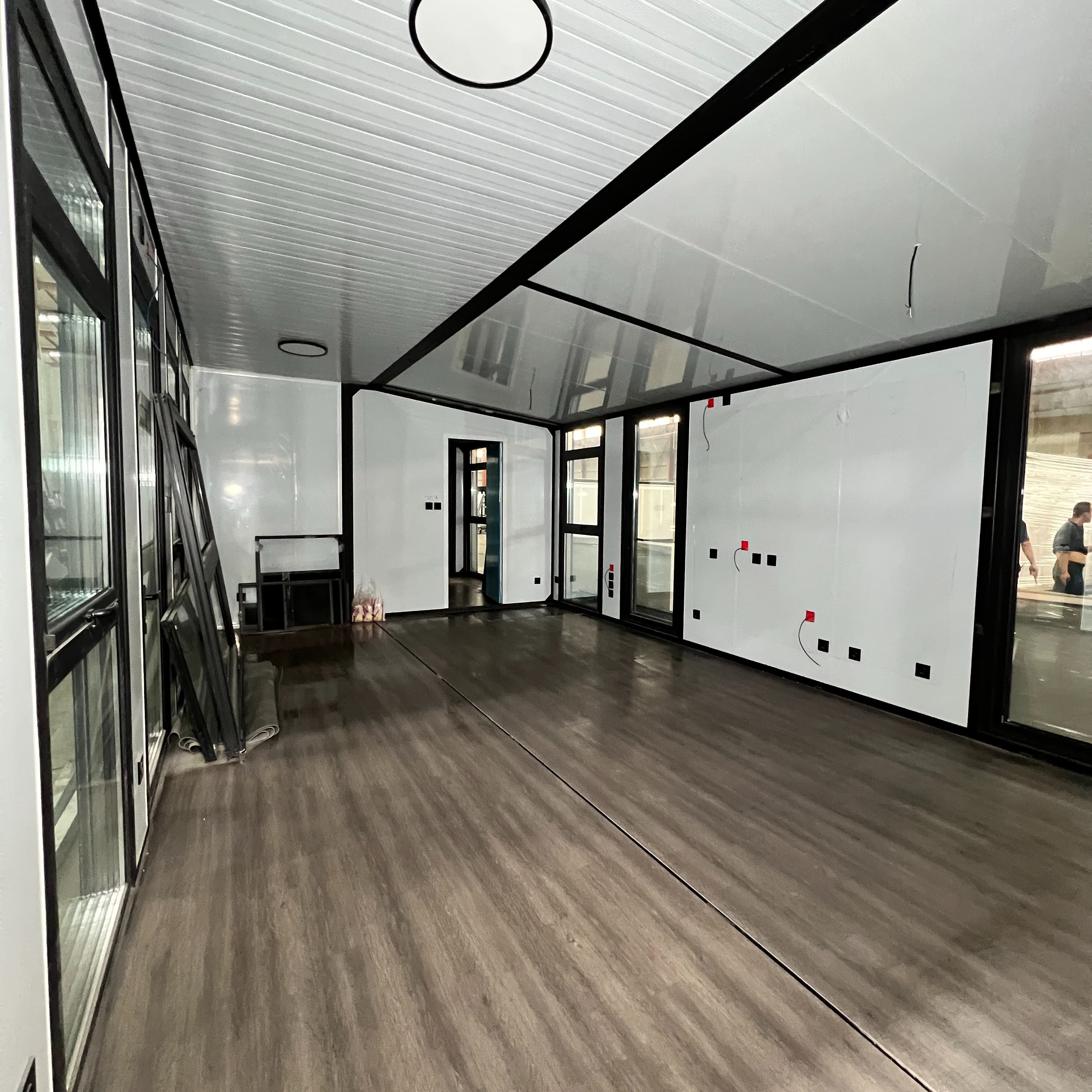
1. Living Area
The spacious interior features an open-plan living area that maximizes natural light and creates a sense of space. Large windows provide excellent views and ventilation, while the high ceiling (2.2m internally) enhances the feeling of openness.
2. Kitchen Facilities
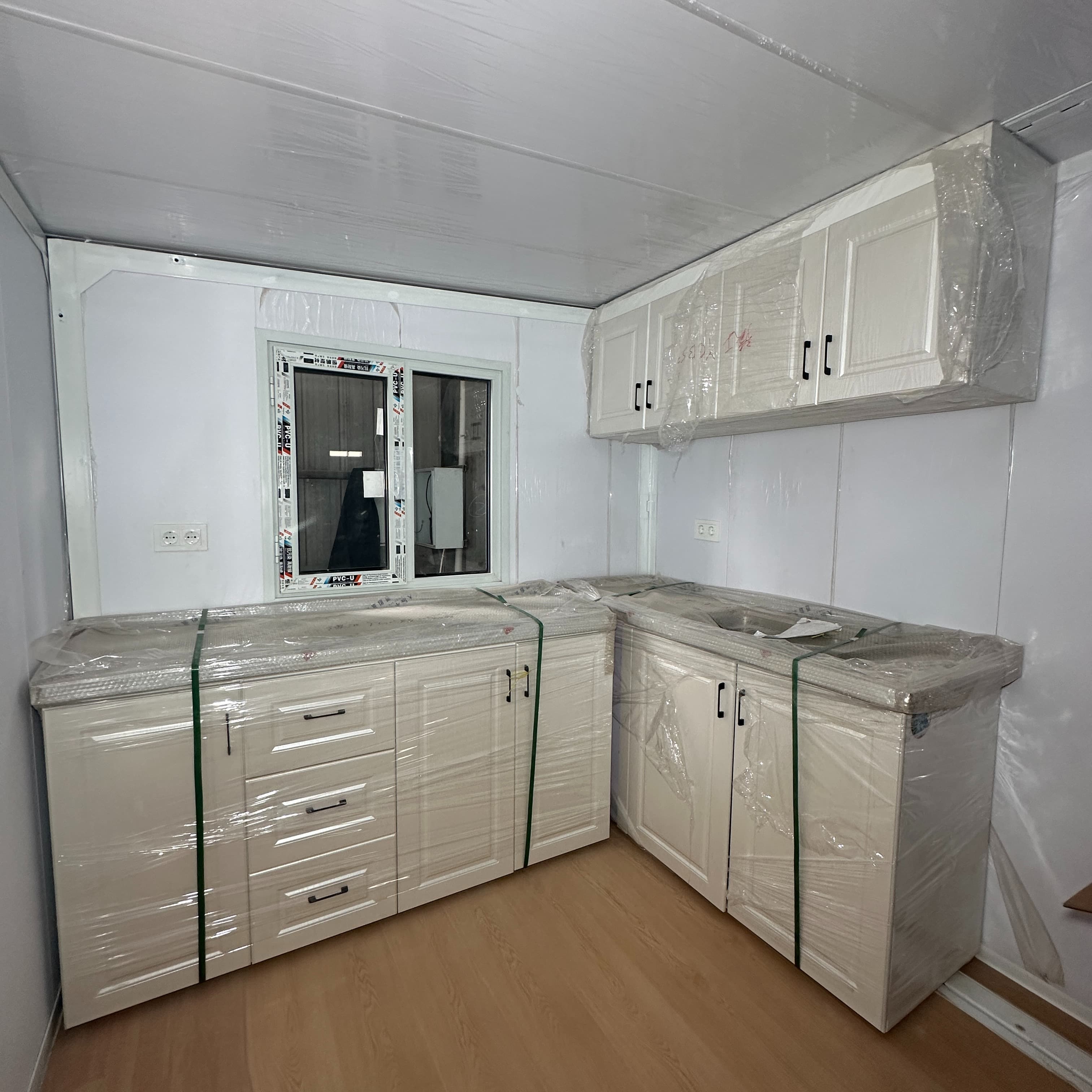
The kitchen area is fully equipped with modern appliances and fixtures, including:
- Countertops with ample workspace
- Storage cabinets and drawers
- Sink with faucet
- Space for refrigerator, stove, and microwave
- Electrical outlets for small appliances
3. Bathroom
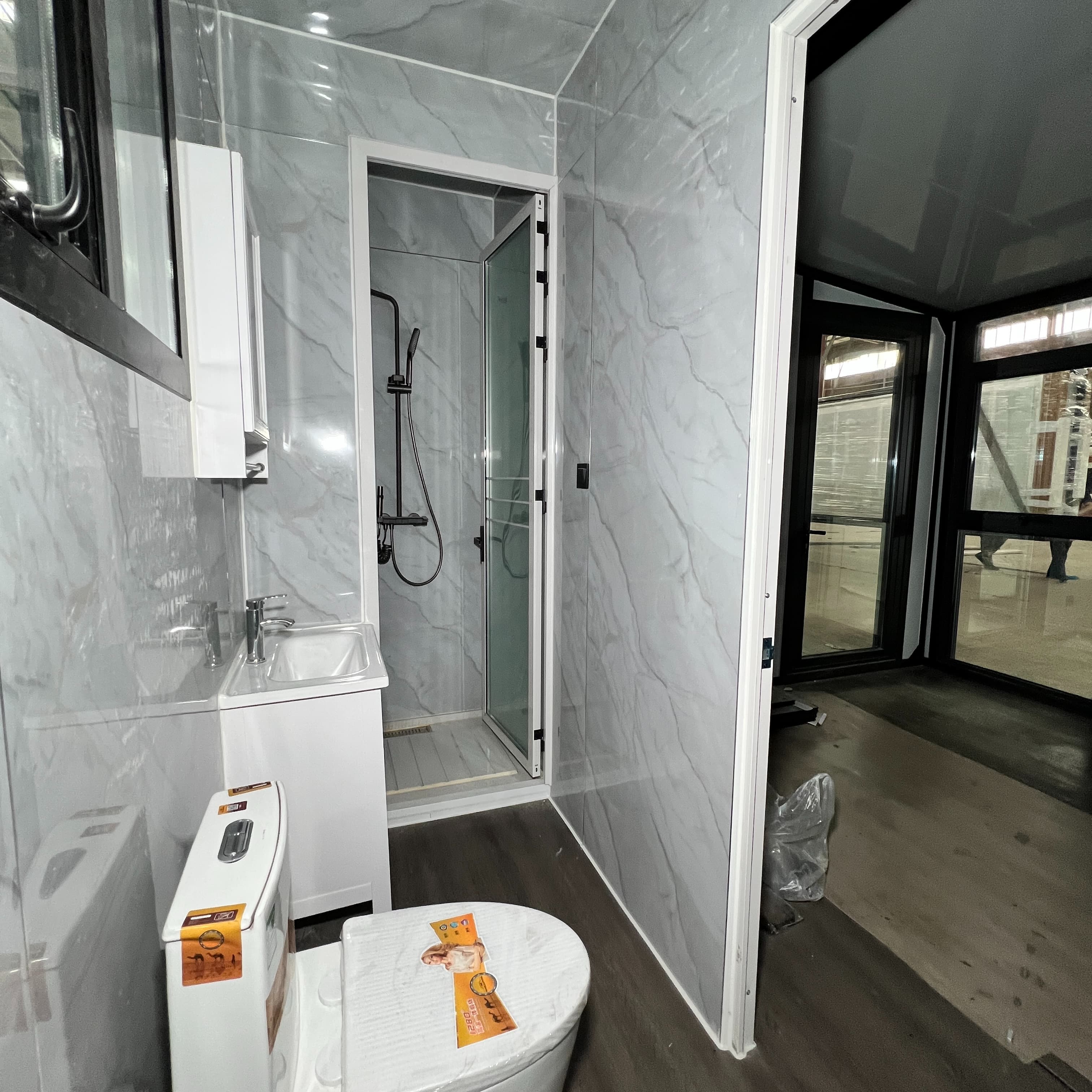
The bathroom includes all necessary fixtures and fittings:
- Toilet
- Shower with hot water system
- Vanity with sink and mirror
- Ventilation system
- Waterproof flooring and wall finishes
4. Sleeping Area
The sleeping area is designed for comfort and privacy, with space for a queen or king-size bed, bedside tables, and storage options. The layout can be customized to include separate bedrooms or a combined living/sleeping area, depending on the specific model chosen.
5. Additional Features
Depending on the configuration selected, the 40-foot customized double-wing expansion room can include:
- Air conditioning and heating systems
- LED lighting throughout
- Electrical outlets and USB charging ports
- Internet connectivity options
- Entertainment system integration
- Storage solutions
- Furniture options
Applications and Use Cases
The versatility of the 40-foot customized double-wing expansion room makes it suitable for a wide range of applications in Australia:
1. Residential Applications
- Primary Residence: With proper planning and compliance with building codes, these units can serve as full-time homes.
- Granny Flat: An ideal solution for multi-generational living, providing independence for elderly family members while keeping them close.
- Teenager’s Retreat: Give older children their own space while still maintaining household connection.
- Home Office: Create a dedicated workspace separate from the main living area.
- Guest Accommodation: Provide comfortable lodging for visitors without compromising family privacy.
2. Commercial Applications
- Office Space: Quick to deploy and cost-effective for businesses needing additional workspace.
- Retail Outlet: Can be customized as a pop-up shop or permanent retail space.
- Café or Restaurant: With proper kitchen facilities, these units can serve as food service establishments.
- Showroom: Ideal for product displays or exhibitions.
- Event Space: Perfect for temporary events, festivals, or exhibitions.
3. Tourism and Hospitality
- Glamping Accommodation: Provide luxury camping experiences with all the comforts of home.
- Resort Units: Expand resort capacity quickly and cost-effectively.
- Eco-Lodge: Create sustainable tourism accommodations with minimal environmental impact.
- Tourist Information Center: Deploy visitor centers in remote or developing tourism areas.
4. Emergency and Temporary Accommodation
- Disaster Relief: Rapidly deployable housing for victims of natural disasters.
- Worker Accommodation: Provide comfortable living quarters for remote or temporary workforces.
- Field Research Stations: Create functional base camps for scientific research in remote locations.
- Temporary Classrooms: Quick solution for schools needing additional space during renovations or enrollment increases.
Compliance Considerations for the 40-Foot Customized Double-Wing Expansion Room in Australia
While the 40-foot customized double-wing expansion room offers numerous advantages, ensuring compliance with Australian building codes and regulations is essential. Here are key considerations for using these structures in Australia:
Classification of the Structure
In Australia, buildings are classified according to their use. The 40-foot customized double-wing expansion room could fall under several classifications depending on its intended use:
- Class 1a: A single dwelling being a house, townhouse, or the like
- Class 1b: A boarding house, guest house, or the like with a total area not exceeding 300m² and where not more than 12 persons would ordinarily be resident
- Class 2: A building containing 2 or more sole-occupancy units each being a separate dwelling
- Class 3: A residential building other than a Class 1 or 2 building, which includes common parts for the use of occupants
- Class 4: A dwelling in a building that is Class 5, 6, 7, 8, or 9 if it is the only dwelling in the building
- Class 5: An office building used for professional or commercial purposes
- Class 6: A shop or other building for the sale of goods by retail
- Class 7: A building which is for public assembly or for a place of worship
- Class 8: A laboratory, or a building in which a handicraft or process for the production, assembling, altering, repairing, packing, finishing, or cleaning of goods or produce is carried on
- Class 9: A building of a public nature
<li
本文由人工智能技术生成,基于公开技术资料和厂商官方信息整合撰写,以确保信息的时效性与客观性。我们建议您将所有信息作为决策参考,并最终以各云厂商官方页面的最新公告为准。