
Discover the revolutionary 20-foot customized double-wing expansion container house with rooftop terrace that’s transforming modern living in Australia. This comprehensive guide explores innovative design ideas, practical applications, and the remarkable features of this expandable modular home solution that combines sustainability, functionality, and aesthetic appeal in one compact package.
In recent years, the concept of container housing has evolved from a niche alternative to a mainstream architectural phenomenon. Among the most innovative developments in this field is the 20-foot customized double-wing expansion container house with rooftop terrace – a groundbreaking solution that’s capturing the imagination of homeowners, architects, and property developers across Australia and beyond.
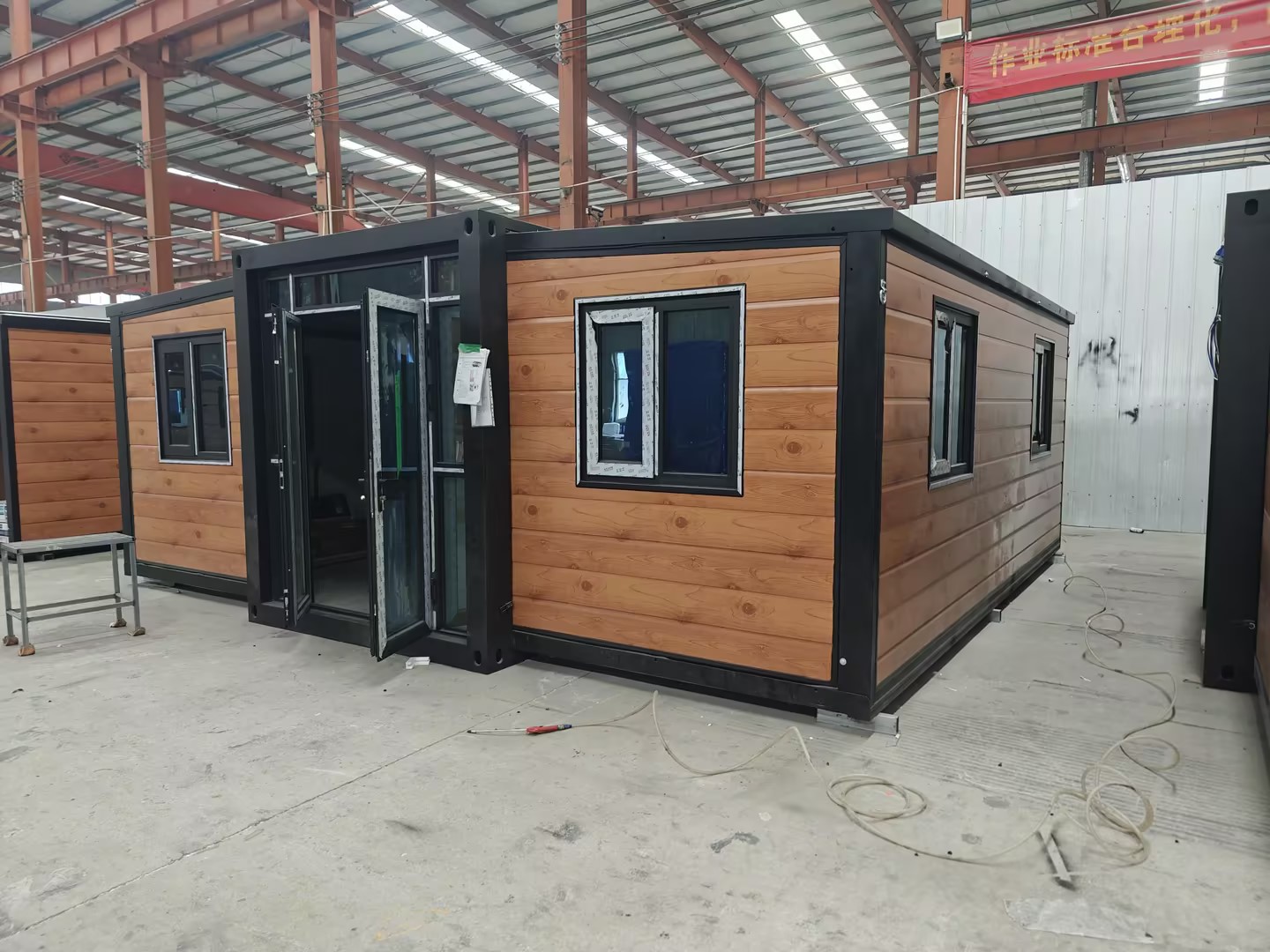
This revolutionary living space combines the efficiency of modular construction with the versatility of expandable design, creating a home that can transform from a compact transportable unit to a spacious living area in a matter of hours. The addition of a rooftop terrace further enhances its appeal, offering outdoor living space and panoramic views that make it particularly suited to Australia’s stunning landscapes and climate.
The Evolution of Container Housing in Australia
Australia has long been at the forefront of innovative housing solutions, driven by factors such as remote locations, environmental concerns, and the desire for affordable yet stylish homes. Container houses have gained significant traction in the Australian market over the past decade, evolving from basic, functional structures to sophisticated architectural statements that challenge conventional building norms.
The double-wing expansion container house represents the pinnacle of this evolution, addressing many of the limitations of traditional container homes while maximizing their inherent benefits. Its ability to expand from a compact footprint to a spacious living area makes it ideal for Australia’s diverse landscapes – from coastal properties to rural retreats and urban infill sites.
Understanding the Double-Wing Expansion Container House
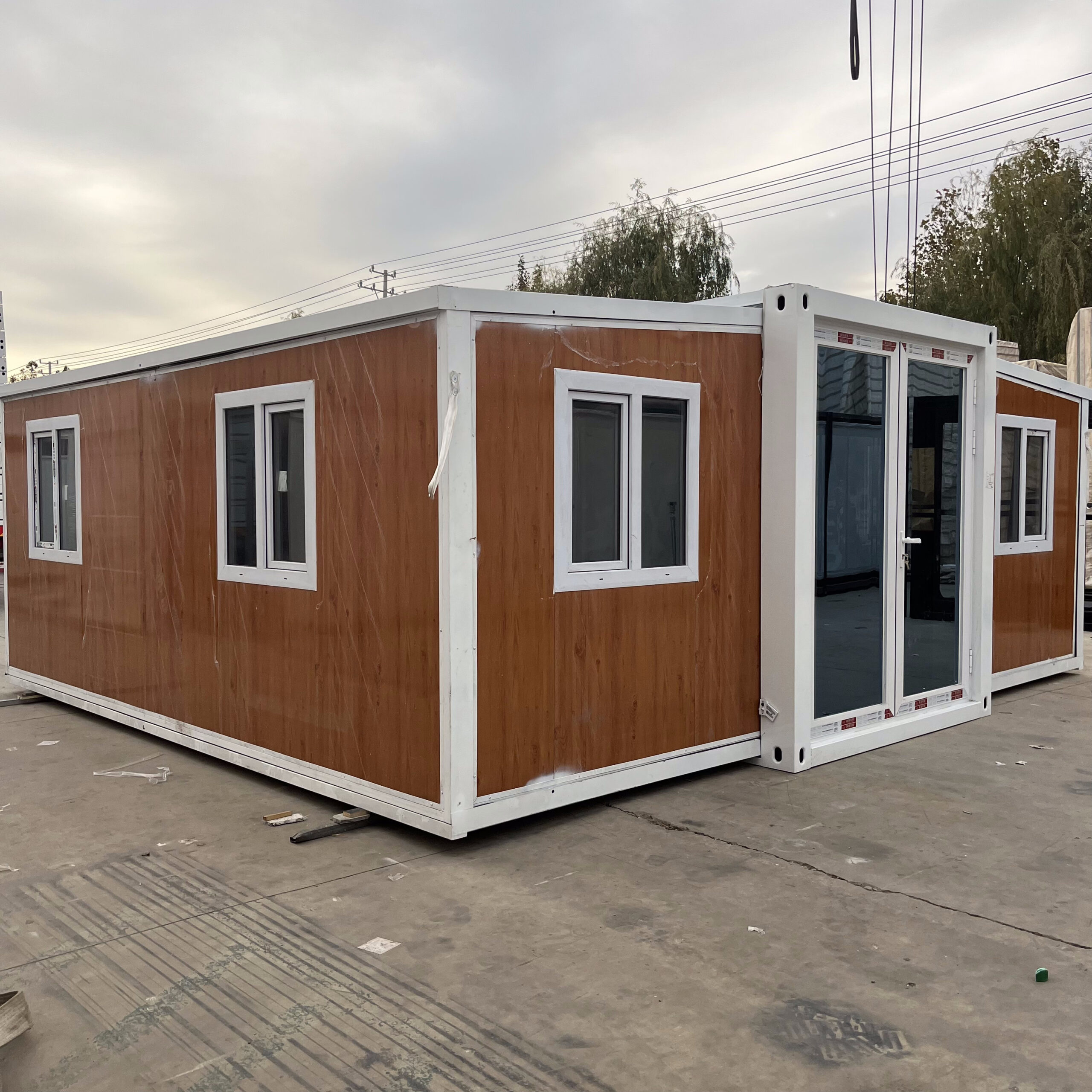
At its core, the double-wing expansion container house is a modular, movable building product featuring “wing-like” structures on both sides that can expand outward. This innovative design allows the unit to transform dramatically when deployed, much like a bird spreading its wings – hence the name “double-wing.”
The fundamental appeal of this design lies in its dual nature: during transportation and storage, the wings fold inward, maintaining the standard container dimensions that facilitate easy shipping and handling. Once on site, these wings expand outward, increasing the usable floor area by 70-80%, and in some configurations, even doubling the available space.
Technical Specifications
The technical excellence of this product is evident in its specifications:
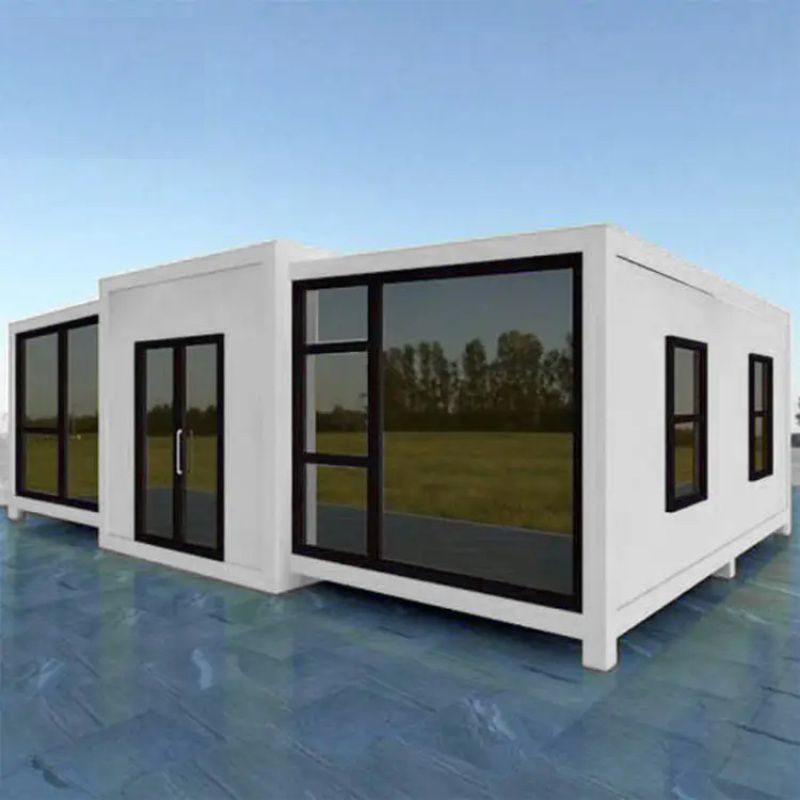
- Expanded Dimensions: W6340 × L5900 × H2480mm
- Folded Dimensions: W2200 × L5900 × H2480mm
- Frame: Standard black frame that complies with road transportation regulations
- Construction: Modular prefabrication with over 85% of construction completed in the factory
These specifications highlight the product’s versatility and compliance with transportation standards, making it suitable for deployment across Australia’s vast territory.
Materials and Construction Excellence
The quality of materials and construction techniques employed in the double-wing expansion container house sets it apart from conventional modular housing solutions. The structure utilizes a lightweight yet robust steel framework, typically hot-dip galvanized steel or carbon fiber composite materials, ensuring durability and longevity even in Australia’s harsh climate conditions.
Structural Framework
The primary framework consists of a fully galvanized lightweight steel skeleton that provides exceptional strength while minimizing weight. This approach not only enhances the structural integrity of the building but also facilitates transportation and installation. The steel components undergo rigorous treatment processes to resist corrosion, a critical consideration given Australia’s diverse environmental conditions, from coastal salt spray to inland humidity.
Insulation and Cladding
Insulation is a crucial aspect of any Australian dwelling, given the continent’s temperature extremes. The double-wing container house incorporates high-performance insulation materials, typically polyurethane or rock wool, within its wall panels. These materials provide excellent thermal insulation properties, helping to maintain comfortable interior temperatures regardless of external conditions while reducing energy consumption for heating and cooling.
The exterior cladding options are diverse, ranging from traditional corrugated metal to wood-grain finishes, stone-textured panels, or even custom architectural facades. This versatility allows homeowners to select an aesthetic that complements the surrounding environment, whether it’s a coastal property in Queensland, a rural retreat in Victoria, or an urban infill site in Sydney.
Waterproofing and Weather Resistance
Australia’s weather patterns can be unpredictable, ranging from torrential downpours to prolonged droughts. The double-wing container house addresses these challenges through innovative waterproofing technologies. The unit features seamless connection techniques at expansion joints, complemented by high-quality doors and windows typically constructed from hollow broken bridge aluminum frames with Low-E glass. This combination ensures excellent water resistance and thermal performance while maintaining a sleek, modern aesthetic.
Interior Design and Space Utilization
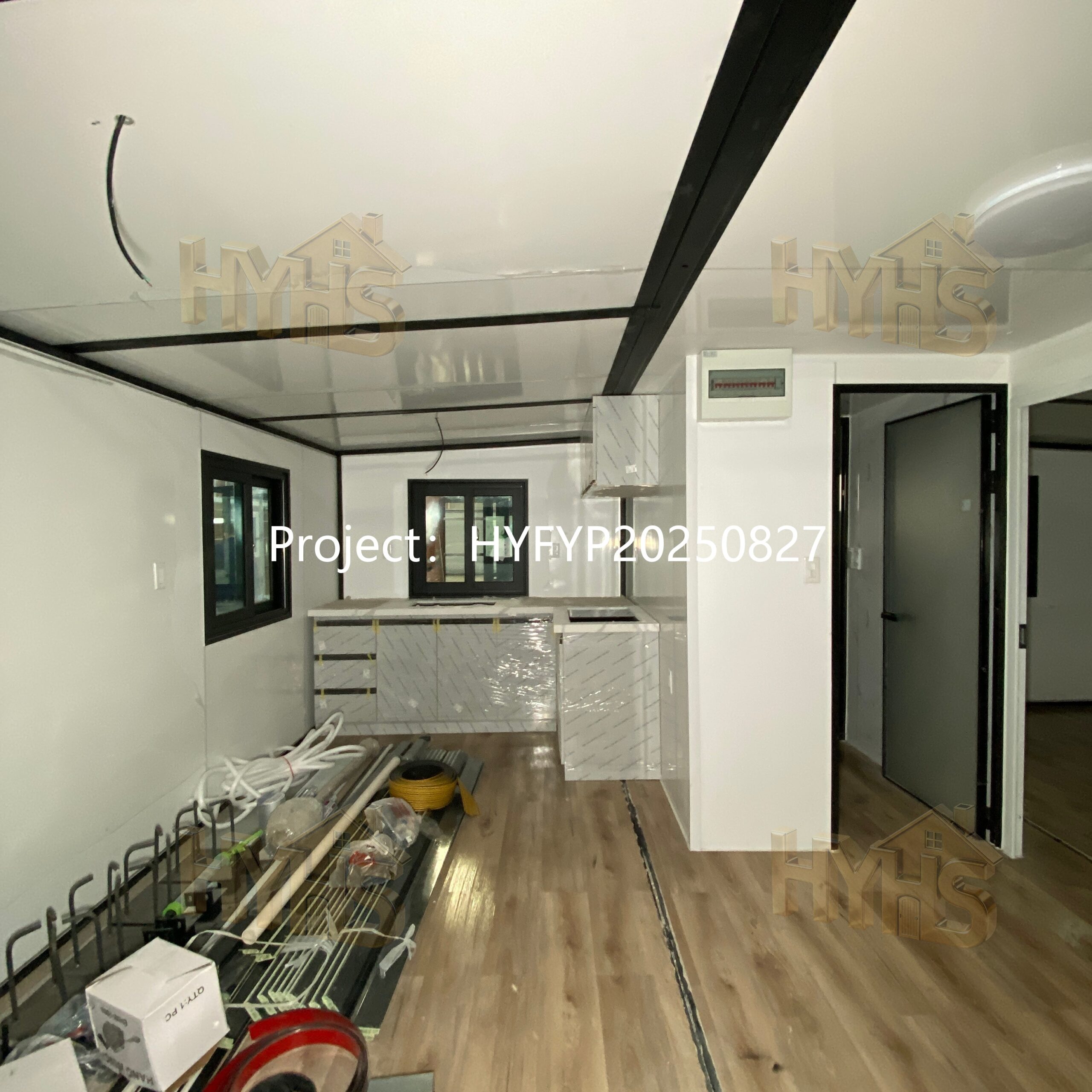
One of the most remarkable aspects of the double-wing expansion container house is its intelligent interior design, which maximizes the available space while maintaining a sense of openness and style. The absence of internal support columns allows for an impressive 90% space utilization rate, creating flexible living areas that can be customized to suit various needs and preferences.

Layout Options
The expandable nature of this container house enables various layout configurations, including:
- Studio Layout: An open-plan living space that combines sleeping, dining, and lounging areas in one flexible zone.
- One-Bedroom Layout: A separate bedroom area with privacy, complemented by an open-plan living and kitchen space.
- LOFT Configuration: Utilizing the vertical space to create a mezzanine level for sleeping or storage, maximizing the footprint.
Each layout can be further customized based on the owner’s specific requirements, making this container house a truly personalized living solution.
Kitchen Design
The kitchen area in the double-wing container house exemplifies efficient design without compromising functionality or style. Despite the compact nature of the unit, the kitchen can be equipped with all necessary appliances and storage solutions.
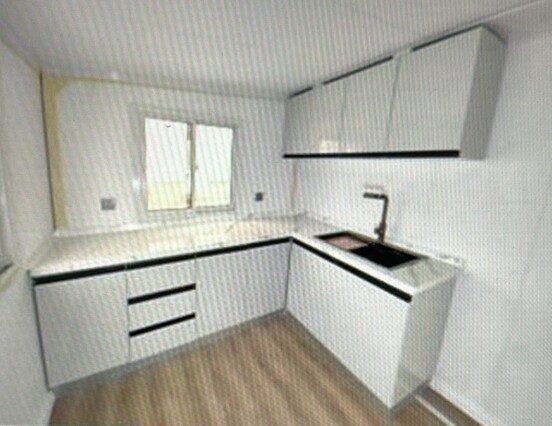
Typical kitchen features include:
- Custom-built cabinetry that maximizes storage space
- Integrated appliances designed for compact living
- Durable, low-maintenance countertop materials
- Efficient lighting solutions to enhance the sense of space
- Optional breakfast bar or dining nook
The kitchen design emphasizes both functionality and aesthetics, creating a space that’s enjoyable to use while complementing the overall interior design scheme.
Bathroom Facilities
The bathroom in the double-wing container house demonstrates how compact spaces can offer luxurious functionality. Utilizing space-efficient fixtures and clever design principles, the bathroom provides all the amenities of a conventional bathroom in a smaller footprint.
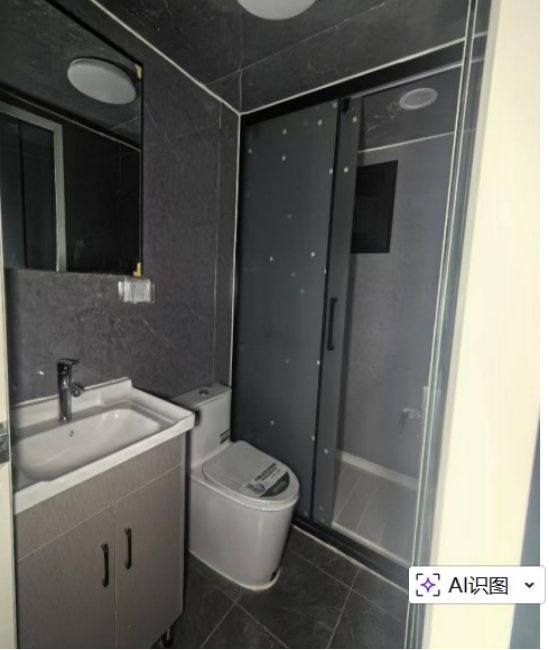
Key bathroom features typically include:
- Space-saving fixtures such as corner sinks and wall-mounted toilets
- High-quality water-efficient fittings
- Waterproof wall and floor finishes
- Effective ventilation systems to prevent moisture buildup
- Ample storage solutions integrated into the design
These elements combine to create a bathroom that’s both practical and pleasant, demonstrating the thoughtful approach to design that characterizes the entire container house.
The Rooftop Terrace: An Elevated Living Experience
Perhaps the most distinctive feature of this container house is its rooftop terrace, which transforms an otherwise functional roof into an additional living space. This elevated outdoor area extends the usable square footage of the home while providing a unique vantage point to enjoy the surrounding landscape.
The rooftop terrace can be customized to serve various functions, depending on the owner’s lifestyle and preferences:
- Entertainment Space: Equipped with comfortable seating, a barbecue area, and perhaps a small bar, making it perfect for hosting gatherings while enjoying panoramic views.
- Private Retreat: Designed as a tranquil oasis with comfortable loungers, shade structures, and perhaps a small water feature or garden elements.
- Outdoor Dining: Featuring a dining table and chairs, protected by a retractable awning or pergola, allowing for al fresco meals with a view.
- Observation Deck: Minimalist design that emphasizes the views, perhaps with telescopes or binoculars for stargazing or wildlife observation.
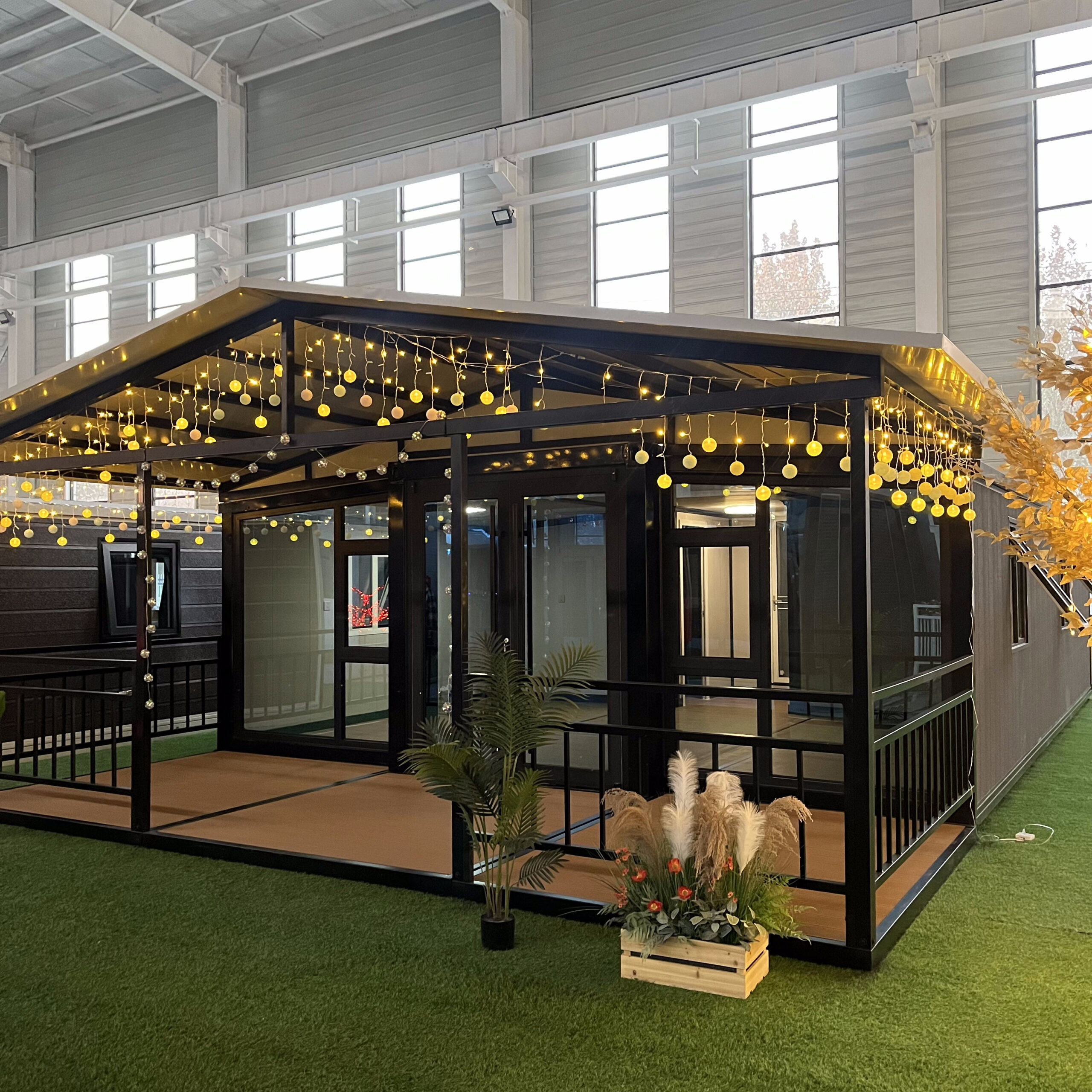
The rooftop terrace is particularly well-suited to the Australian lifestyle, where outdoor living is deeply ingrained in the culture. Whether positioned to capture ocean views, mountain vistas, or urban skylines, this elevated space becomes a defining feature of the home.
Customization Options and Design Flexibility
One of the most compelling aspects of the double-wing expansion container house is its extensive customization potential. Rather than offering a one-size-fits-all solution, this product can be tailored to meet specific aesthetic preferences, functional requirements, and environmental conditions.
Exterior Customization
The exterior appearance of the container house can be modified to suit various architectural styles and personal preferences:
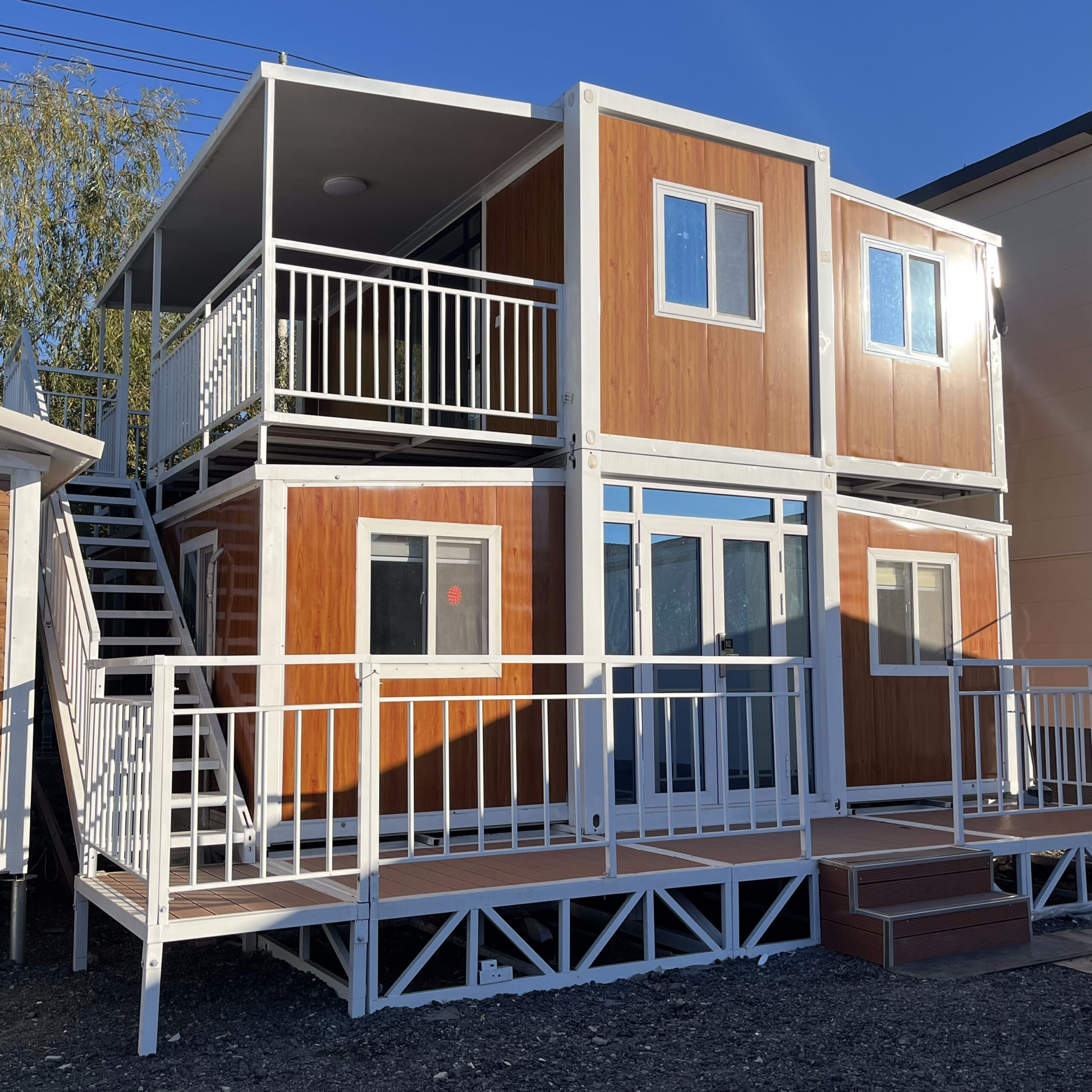
- Color Schemes: The standard black frame can be complemented by different panel colors, from bold contemporary hues to subtle natural tones that blend with the environment.
- Cladding Materials: Options include traditional corrugated metal, wood-look panels, stone-textured finishes, or even custom architectural facades.
- Window Configurations: The size, placement, and style of windows can be customized to optimize natural light, views, and ventilation while maintaining the structural integrity of the unit.
- Architectural Elements: Additional features such as awnings, pergolas, or external shading devices can be incorporated to enhance both functionality and aesthetics.
Interior Customization
The interior of the container house offers even greater customization potential, allowing homeowners to create a space that truly reflects their lifestyle and preferences:
- Layout Configuration: The internal partitions can be positioned to create different room arrangements, from open-plan studios to multi-room configurations.
- Finishes and Materials: Wall finishes, flooring options, ceiling treatments, and other materials can be selected to create the desired aesthetic, from minimalist industrial to cozy rustic or sleek contemporary.
- Built-in Furniture: Custom-built furniture and storage solutions can be designed to maximize space efficiency while maintaining a clean, uncluttered appearance.
- Smart Home Integration: Technology systems can be incorporated to enhance comfort, security, and energy efficiency, including automated lighting, climate control, and security systems.
This level of customization ensures that each double-wing expansion container house can be tailored to meet the unique needs and preferences of its owners, creating a truly personalized living space.
Specialized Custom Solutions
Beyond standard customization options, the double-wing container house can be adapted for specialized applications that require unique features or configurations:
- Accessibility Modifications: The design can be adapted to accommodate mobility challenges, incorporating features such as wider doorways, ramps, and accessible bathroom facilities.
- Climate-Specific Adaptations: For Australia’s diverse climate zones, additional insulation, specialized ventilation systems, or heating solutions can be incorporated to ensure year-round comfort.
- Extreme Environment Modifications: For deployment in areas prone to bushfires, cyclones, or other extreme weather events, the structure can be enhanced with additional protective measures.
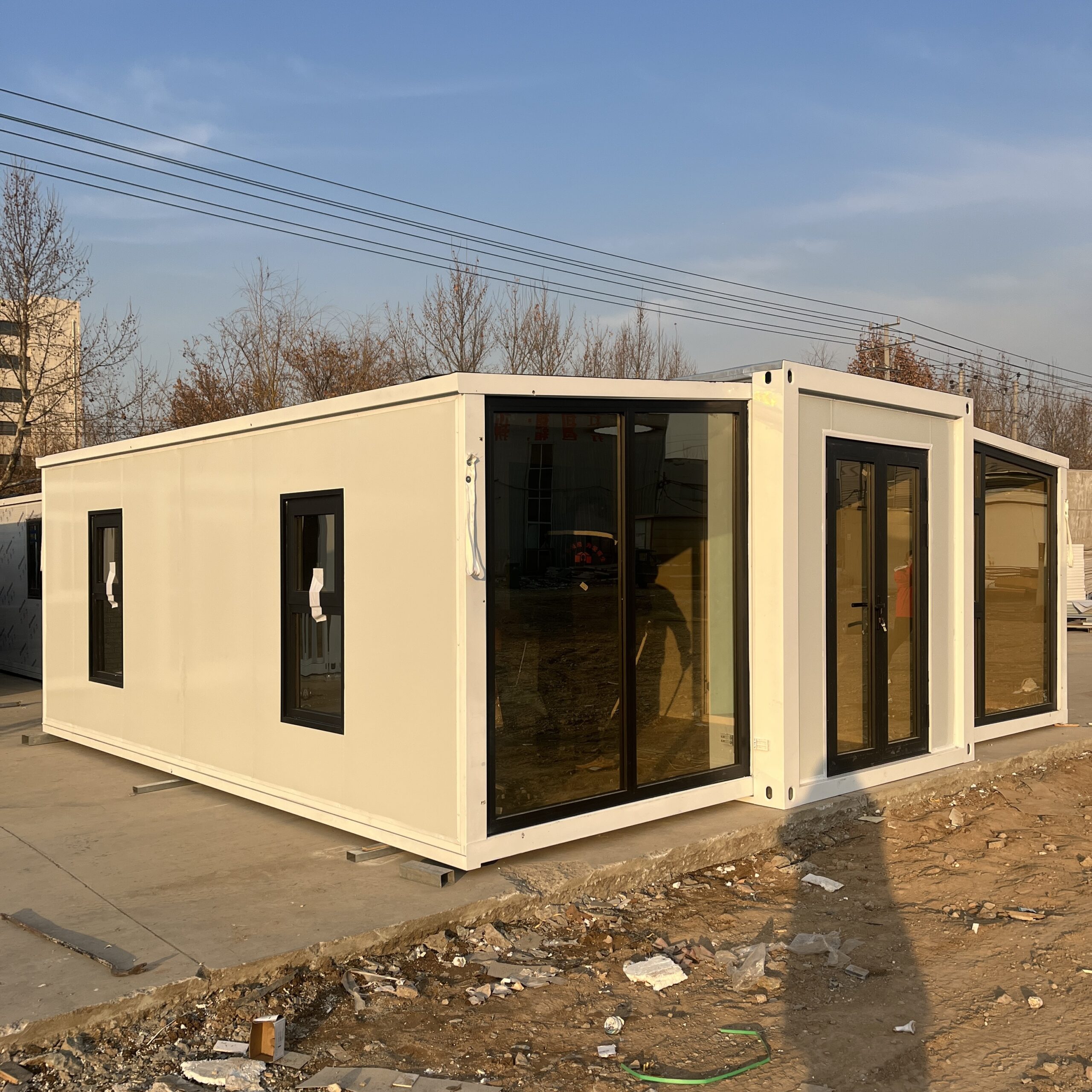
These specialized adaptations demonstrate the versatility and adaptability of the double-wing expansion container house, making it suitable for a wide range of applications across Australia’s diverse environments.
Installation Process and Speed of Deployment
One of the most significant advantages of the double-wing expansion container house is its rapid deployment capability. Unlike traditional construction methods that can take months or even years to complete, this modular solution can be installed and ready for occupation in a matter of days or even hours.
Factory Prefabrication
The majority of construction work (approximately 95%) is completed in a controlled factory environment before the unit ever arrives on site. This approach offers numerous benefits:
- Quality Control: Factory conditions allow for precise construction techniques and consistent quality that can be difficult to achieve on traditional building sites.
- Weather Independence: Construction isn’t delayed by adverse weather conditions, ensuring predictable timelines.
- Efficiency: Specialized tools, equipment, and workflows in the factory setting significantly improve construction efficiency.
- Waste Reduction: Factory construction generates less waste and allows for better recycling of materials, contributing to environmental sustainability.
By the time the unit leaves the factory, it includes fully integrated electrical and plumbing systems, kitchen and bathroom fixtures, windows, doors, and interior finishes – essentially a complete home ready for deployment.
Site Preparation and Foundation Requirements
The minimal foundation requirements of the double-wing container house represent another significant advantage over traditional construction. Depending on site conditions and local regulations, several foundation options are available:
- Concrete Piers or Footings: Small, strategically placed concrete supports that elevate the container house off the ground while providing stable support.
- Concrete Slab: A full concrete slab provides a solid foundation and can incorporate radiant heating systems for enhanced comfort in cooler climates.
- Screw Piles: Metal piles screwed into the ground offer excellent stability with minimal site disturbance and can be installed in virtually any weather condition.
- Adjustable Supports: For temporary installations or sites with uneven terrain, adjustable support systems can provide a level foundation without extensive earthworks.
The reduced foundation requirements not only accelerate the installation process but also minimize site disturbance, making this solution particularly suitable for environmentally sensitive areas or sites with challenging topography.
Delivery and Installation Process
The delivery and installation process for the double-wing expansion container house is remarkably efficient, typically following these steps:
- Site Preparation: Minimal site clearing and foundation installation, typically completed in 1-2 days.
- Delivery: The folded container house is transported to the site on a standard flatbed truck, taking advantage of its compact transport dimensions.
- Positioning: Using a crane or other lifting equipment, the unit is positioned on the prepared foundation.
- Expansion: The wings are extended and locked into position, a process that typically takes less than an hour for a single unit.
- Connection: Utility connections (electricity, water, sewer/septic) are established, usually completed within a day.
- Final Inspection: A final inspection ensures all systems are functioning correctly before the home is ready for occupation.
Your browser does not support the video tag.
As demonstrated in the video above, the expansion process is remarkably quick and efficient, with the wings extending and locking into place in a matter of seconds. For a single unit installation, the entire process from delivery to occupation can typically be completed in just 1-3 days, depending on site complexity and utility connection requirements.
Multi-Unit Configurations
For larger housing needs, multiple double-wing container houses can be combined to create expansive living complexes. These multi-unit configurations maintain the rapid deployment benefits while offering increased space and functionality:
- Side-by-Side Arrangement: Units can be positioned adjacent to each other and connected internally to create wider living spaces.
- Stacked Configuration: Units can be stacked vertically (with appropriate structural reinforcement) to create two-story dwellings.
- Interconnected Complexes: Multiple units can be arranged in various configurations and connected via enclosed walkways or shared spaces.
Even with these more complex arrangements, the installation timeline remains significantly shorter than traditional construction methods, often reducing project completion time by 60-70% compared to conventional building techniques.
Practical Applications in the Australian Context
The versatility of the double-wing expansion container house with rooftop terrace makes it suitable for a wide range of applications across Australia’s diverse landscapes and communities. From urban infill projects to remote rural properties, this innovative housing solution addresses various needs while offering unique advantages in the Australian context.
Residential Applications
In the residential sector, this container house offers solutions for various housing needs:
Primary Residence
As a primary residence, the double-wing container house provides an affordable yet stylish housing option that can be customized to suit various lifestyles. Its relatively compact footprint makes it ideal for urban infill sites or smaller suburban blocks, while its rapid construction timeline addresses Australia’s housing affordability challenges.
For first-time homebuyers in expensive markets like Sydney or Melbourne, this option provides an entry point to homeownership that might otherwise be unattainable. For downsizers, it offers a low-maintenance alternative to traditional homes without sacrificing comfort or style.
Secondary Dwelling or Granny Flat
The compact nature and rapid installation of the double-wing container house make it an excellent option for secondary dwellings on existing properties. In many Australian states, regulations permit the construction of granny flats or secondary dwellings without complex approval processes, making this an attractive option for:
- Accommodating family members (elderly parents, adult children)
- Generating rental income
- Creating a home office or studio
- Providing guest accommodation
The ability to install these units with minimal disruption to the main residence and property is particularly valuable in established neighborhoods where extensive construction would be impractical.
Holiday Home or Weekender
Australia’s love of coastal and rural retreats makes the holiday home market a significant application for this container house. Its ability to be quickly installed in remote locations, combined with its durability and low maintenance requirements, makes it ideal for:
- Coastal properties where salt air can rapidly deteriorate traditional construction
- Rural retreats where construction access and costs can be prohibitive
- Wine regions where weekend accommodation is in demand
- Mountain or bushland settings where environmental sensitivity is paramount
The rooftop terrace feature is particularly valuable in these settings, providing an elevated vantage point to enjoy the surrounding natural beauty.
Commercial Applications
Beyond residential use, the double-wing expansion container house offers numerous commercial applications across various industries:
Tourism and Hospitality
Australia’s thriving tourism industry presents significant opportunities for innovative accommodation solutions. The double-wing container house with rooftop terrace is particularly well-suited for:
- Glamping Sites: Luxury camping experiences that combine the connection to nature with high-end amenities. The container houses can be positioned to maximize privacy and views while providing comfortable accommodation.
- Eco-Resorts: Environmentally sensitive tourism developments that minimize impact while maximizing guest comfort. The modular nature of these units allows for phased development as the business grows.
- Short-Term Rentals: Platforms like Airbnb and Stayz have created demand for unique, Instagram-worthy accommodation. The striking design of these container houses, combined with the rooftop terrace feature, makes them highly attractive to the modern traveler.
The rapid deployment of these units allows tourism operators to respond quickly to market demand without the lengthy construction timelines associated with traditional buildings.
Retail and Hospitality
The mobility and eye-catching design of the double-wing container house make it an excellent option for retail and hospitality applications:
- Pop-Up Stores: Temporary retail installations that can be deployed quickly for seasonal sales, special events, or market testing in new locations.
- Cafés and Restaurants: Food service establishments that benefit from the unique design aesthetic and outdoor dining opportunities provided by the rooftop terrace.
- Mobile Showrooms: Product display spaces that can be moved to different locations or events to maximize exposure.
The ability to customize the exterior appearance makes these units effective branding tools, while their mobility allows businesses to adapt to changing market conditions or customer demographics.
Office and Workspace Solutions
The flexibility and rapid deployment of the double-wing container house make it ideal for various workspace applications:
- Home Office: A dedicated workspace separate from the main living area, providing professional functionality without the commute.
- Temporary Office Space: For businesses undergoing renovations, experiencing rapid growth, or establishing a presence in new locations.
- Remote Work Hubs: In Australia’s vast regional areas, these container houses can provide professional workspace for remote workers, digital nomads, or small businesses.
The integrated technology options and customizable layouts allow these spaces to be tailored to specific business requirements while maintaining the flexibility to adapt as needs change.
Community and Institutional Applications
The rapid deployment, durability, and customizable nature of the double-wing container house make it suitable for various community and institutional applications:
Emergency and Disaster Relief
Australia’s susceptibility to natural disasters such as bushfires, floods, and cyclones creates an ongoing need for emergency accommodation solutions. The double-wing container house offers several advantages in this context:
- Rapid Deployment: Can be transported and installed quickly in disaster-affected areas, providing immediate shelter for displaced residents.
- Durability: Engineered to withstand extreme weather conditions, providing safe accommodation even
本文由人工智能技术生成,基于公开技术资料和厂商官方信息整合撰写,以确保信息的时效性与客观性。我们建议您将所有信息作为决策参考,并最终以各云厂商官方页面的最新公告为准。