
Discover the detailed cost breakdown of container houses per square foot in Australia, focusing on the innovative 1400H 14m² sea transportation foldable container houses. This comprehensive guide compares the standard and pro versions, analyzes their specifications, applications, and helps you make an informed decision based on your budget and requirements.
In recent years, container houses have gained significant popularity across Australia as an affordable, sustainable, and versatile housing solution. Whether you’re looking for a temporary structure, emergency accommodation, or a permanent residence, understanding the container house cost per square foot is crucial for budgeting and planning. Today, we’ll explore two innovative models that are revolutionizing the market: the 1400H 14m² sea transportation version foldable container houses, available in both standard and pro editions.
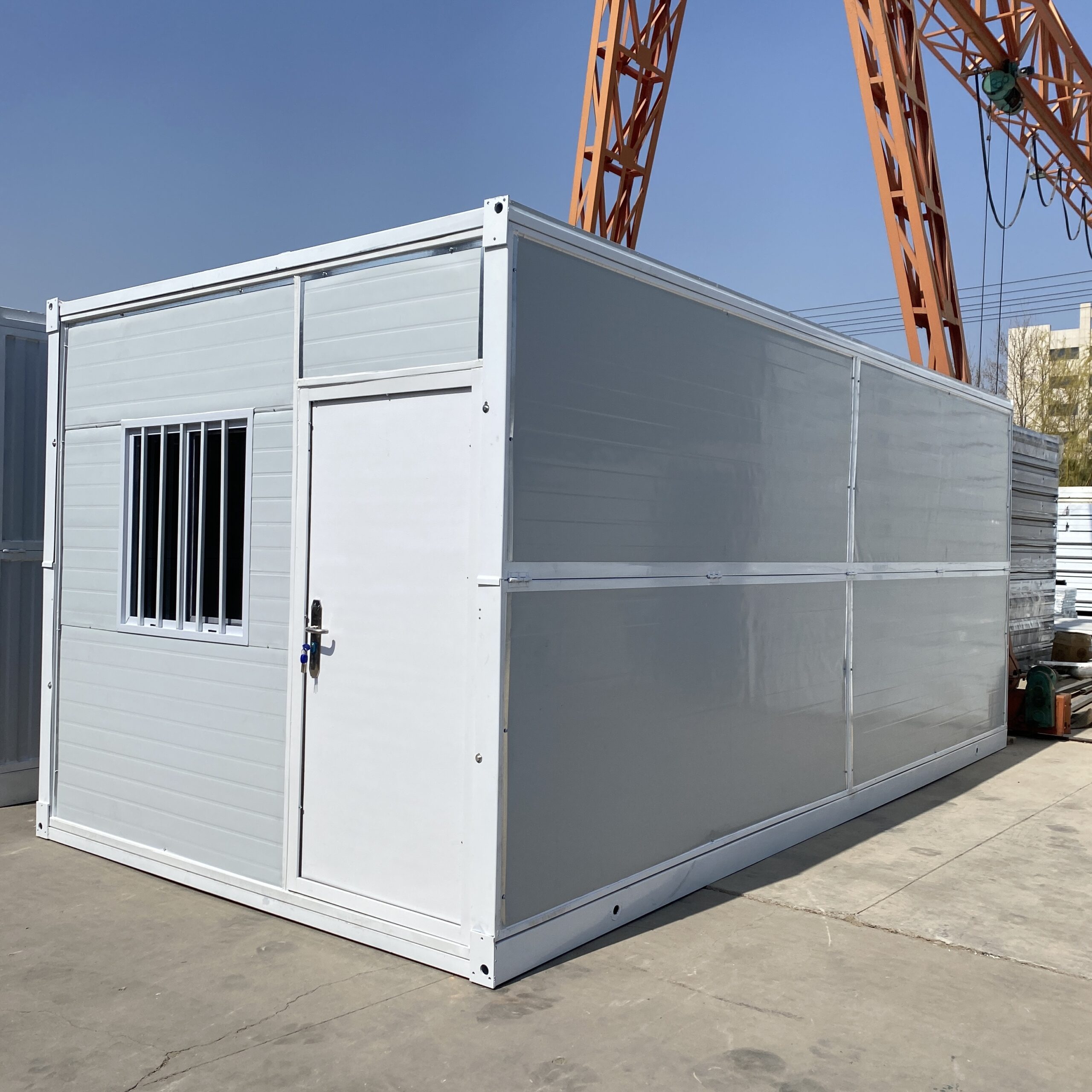
Before diving into the specifics of these models, let’s establish why container houses have become such an attractive option in the Australian housing market. With traditional housing costs skyrocketing in cities like Sydney, Melbourne, and Brisbane, container houses offer a cost-effective alternative that doesn’t compromise on quality or functionality. The ability to transport these structures easily, combined with their quick deployment time, makes them ideal for various applications across Australia’s diverse landscape, from urban settings to remote outback locations.
Understanding Container House Economics
When evaluating container house cost per square foot, several factors come into play. Unlike traditional construction, where costs can vary dramatically based on location, labor, and material availability, container houses offer more predictable pricing structures. The 1400H models we’re examining today provide an excellent case study in cost-efficient design without sacrificing essential features.
The average cost per square foot for container houses in Australia typically ranges from $100 to $200, depending on the level of customization, materials used, and additional features. However, the 1400H models we’re about to explore offer competitive pricing within this range while delivering superior functionality and durability.
Introducing the 1400H 14m² Sea Transportation Version
The 1400H 14m² sea transportation version represents a breakthrough in container house technology. These foldable units are specifically designed for efficient shipping and rapid deployment, making them ideal for various applications across Australia and beyond. Let’s examine both the standard and pro versions in detail.
1400H 14m² Sea Transportation Standard Version
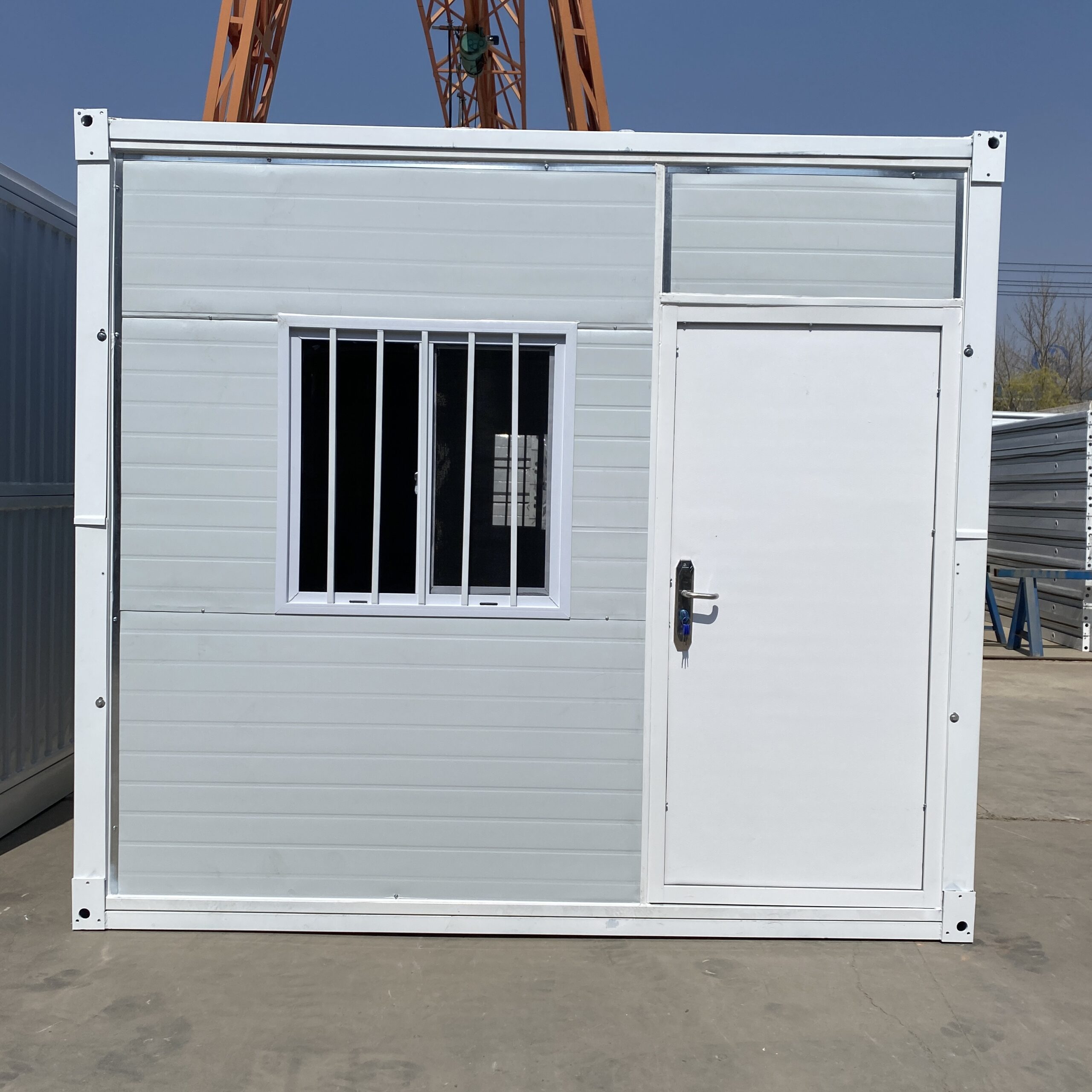
The standard version of the 1400H 14m² sea transportation container house offers an excellent balance of affordability and functionality. Here’s a detailed breakdown of its specifications:
Exterior and Structure
The standard version features a clean, modern aesthetic with a white frame complemented by light gray wall panels. This color scheme not only looks professional but also helps reflect sunlight, contributing to better temperature regulation in Australia’s often harsh climate. The structure includes:
- Simple finishing with color steel walls, roof, and cement flooring
- Foldable frame structure for easy installation and reduced transportation costs
- Q235 fully galvanized steel pipe frame with spray paint finish, offering a 10-year lifespan
Dimensions and Space Utilization
Understanding the exact dimensions is crucial when calculating container house cost per square foot. The 1400H standard version offers:
- Expanded dimensions: Length 5900mm × Width 2480mm × Height 2540mm
- Internal dimensions: Length 5720mm × Width 2360mm × Height 2410mm
- Folded dimensions: Length 5900mm × Width 2480mm × Height 340(-5)mm
This compact design when folded significantly reduces shipping costs, making it an economical choice for transportation to remote Australian locations.
Interior Features
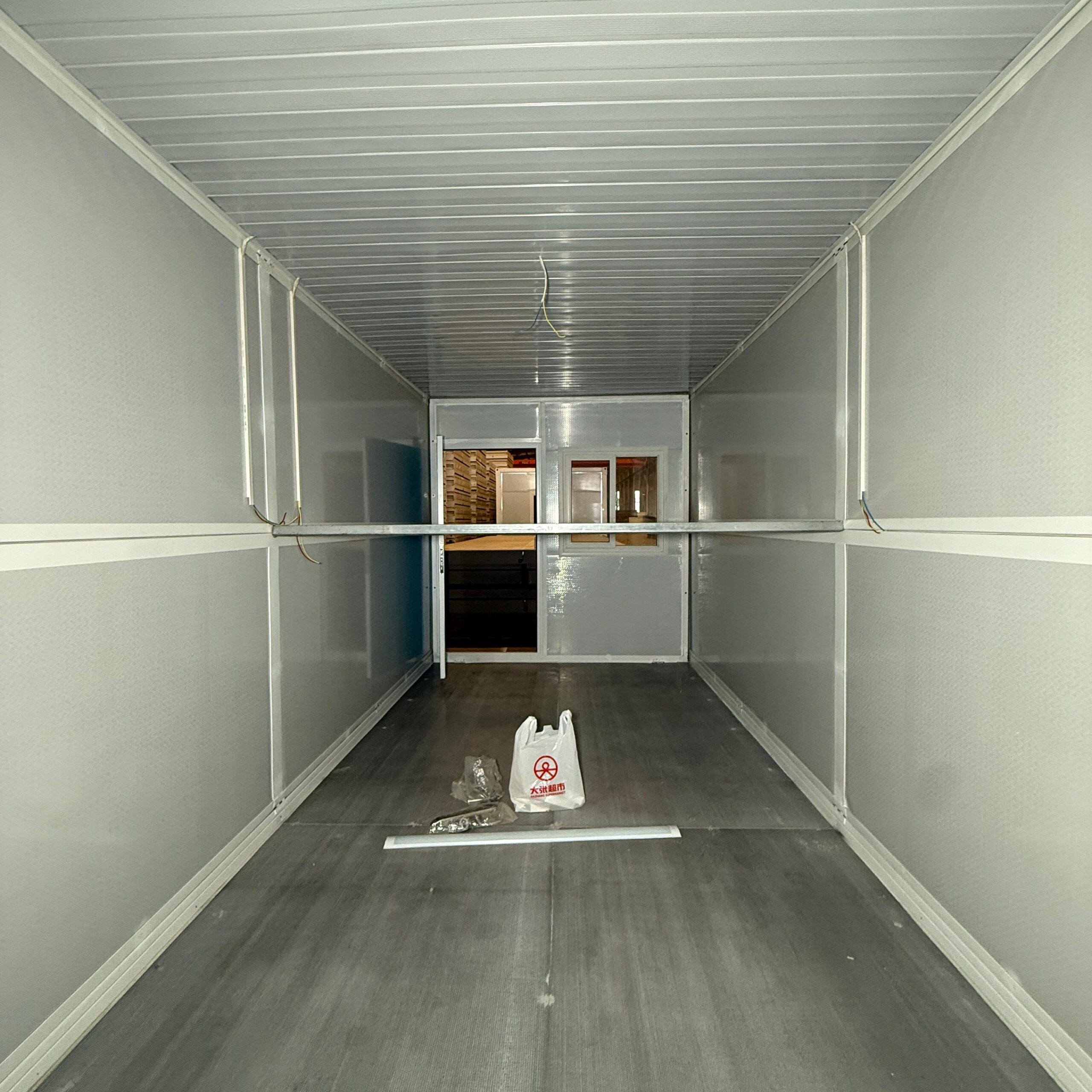
The interior of the standard version is designed for functionality and comfort:
- W970×H1970 steel security door for safety and durability
- European standard electrical outlets with proper wiring:
- Main line: 4mm² national standard soft copper wire
- Lighting wire: 1.5mm² national standard soft copper wire
- Socket wire: 2.5mm² national standard soft copper wire
- Ground wire: 1.5mm² national standard soft copper wire
- 32A circuit breaker for safety
- Lighting: Two 900×900mm plastic steel windows for natural light and a 21W strip light for interior illumination
Insulation and Weatherproofing
Given Australia’s diverse climate conditions, proper insulation is essential. The standard version includes:
- Front and rear walls: 65mm thick EPS purified board with 12kg density
- Left and right walls: 50mm thick EPS purified board with 12kg density
- Roof: 14kg/m³ 75mm glass wool roll
- PVC plastic steel window frames with double-layer hollow glass
- Sealing technology: D-type rubber strip + structural sealant filling (dustproof and waterproof)
Additional Specifications
- Drainage design: Unorganized natural drainage
- Declaration information:
- Packing size: 5.9×2.48×0.35M
- CBM: 5.12 m³
- Sea freight code: 9406900090
- Weight: >900kg
- Material: Metal
- Transportation solution: Sea container, 12 units/40HC
1400H Pro 14m² Sea Transportation Enhanced Version
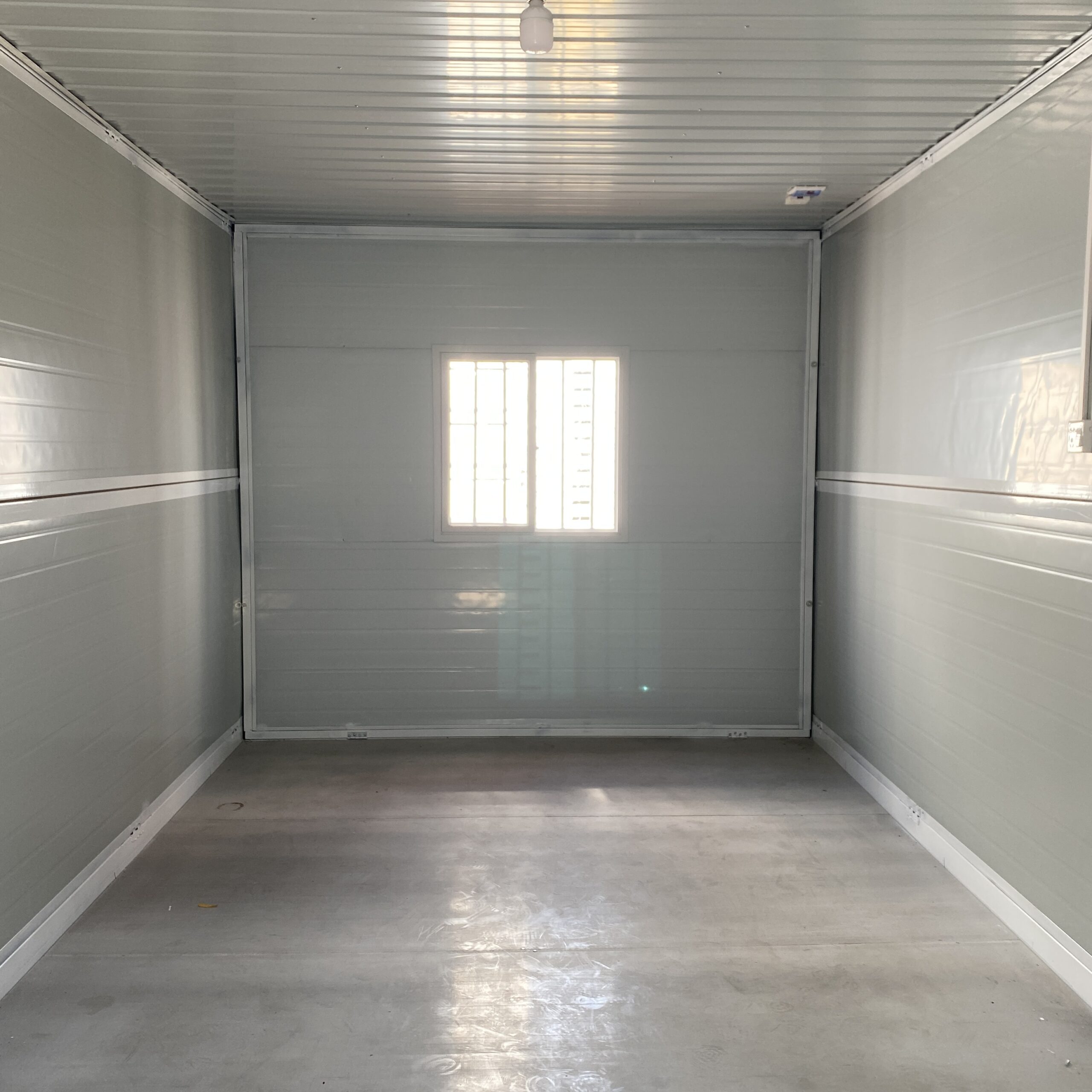
For those seeking additional features and enhanced durability, the Pro version offers several upgrades that justify its slightly higher price point. Let’s examine what sets this version apart:
Exterior and Structure Enhancements
The Pro version maintains the same white frame and light gray wall panels as the standard version but adds a 16mm metal embossed panel (customer-installed) for enhanced aesthetics and protection:
- Simple finishing with color steel walls, roof, and plastic flooring (upgrade from cement)
- Foldable frame structure for easy installation and reduced transportation costs
- Q235 fully galvanized steel pipe frame with spray paint finish + external wall protection board, offering an impressive 30-year lifespan (three times longer than standard)
Dimensions and Space Utilization
The dimensions remain identical to the standard version, ensuring consistency in planning and transportation:
- Expanded dimensions: Length 5900mm × Width 2480mm × Height 2540mm
- Internal dimensions: Length 5720mm × Width 2360mm × Height 2410mm
- Folded dimensions: Length 5900mm × Width 2480mm × Height 340(-5)mm
Interior Features
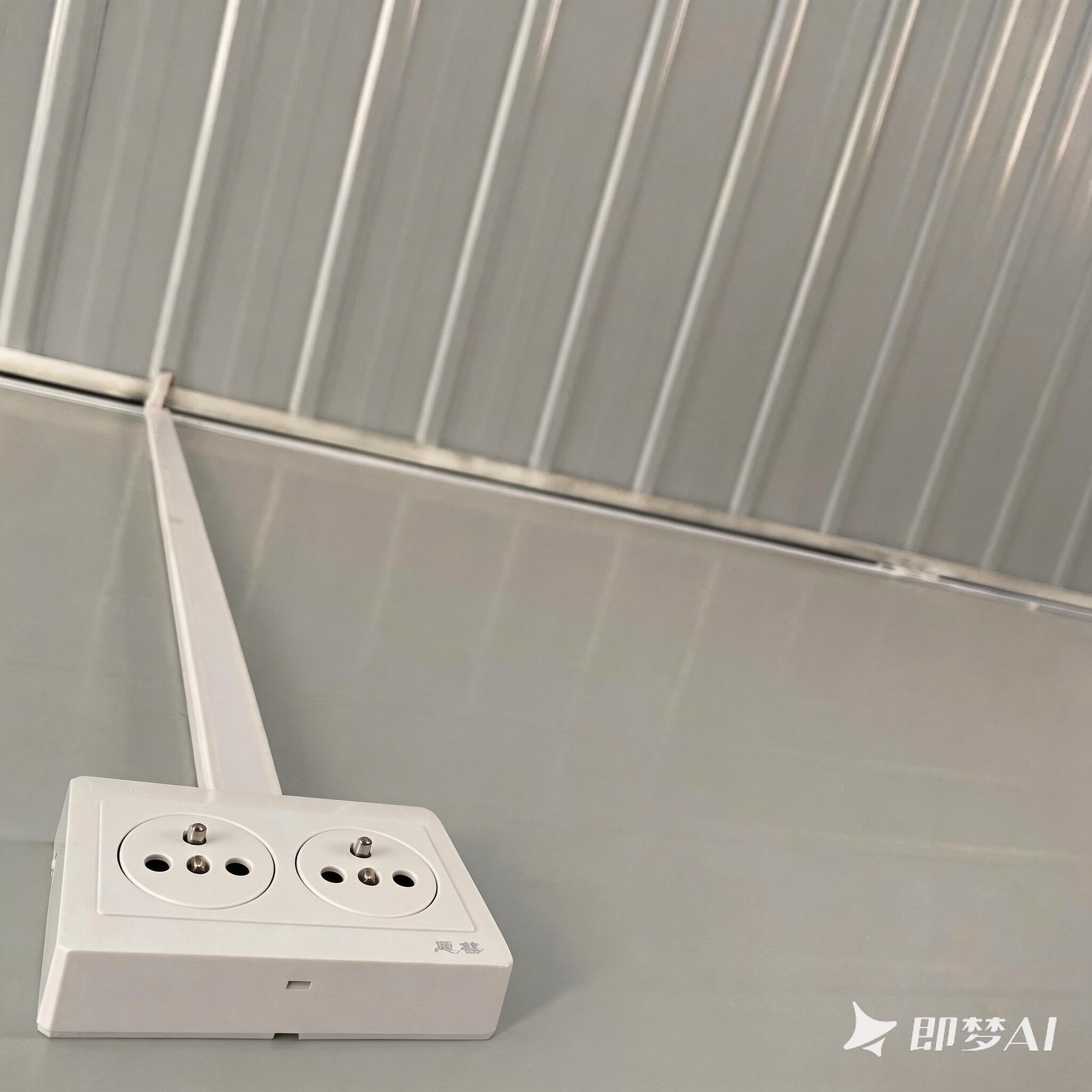
The Pro version maintains the same electrical specifications as the standard but with enhanced interior finishing:
- W970×H1970 steel security door
- European standard electrical outlets with identical wiring specifications as the standard version
- Lighting: Two 900×900mm plastic steel windows for natural light and a 21W strip light
Enhanced Insulation and Weatherproofing
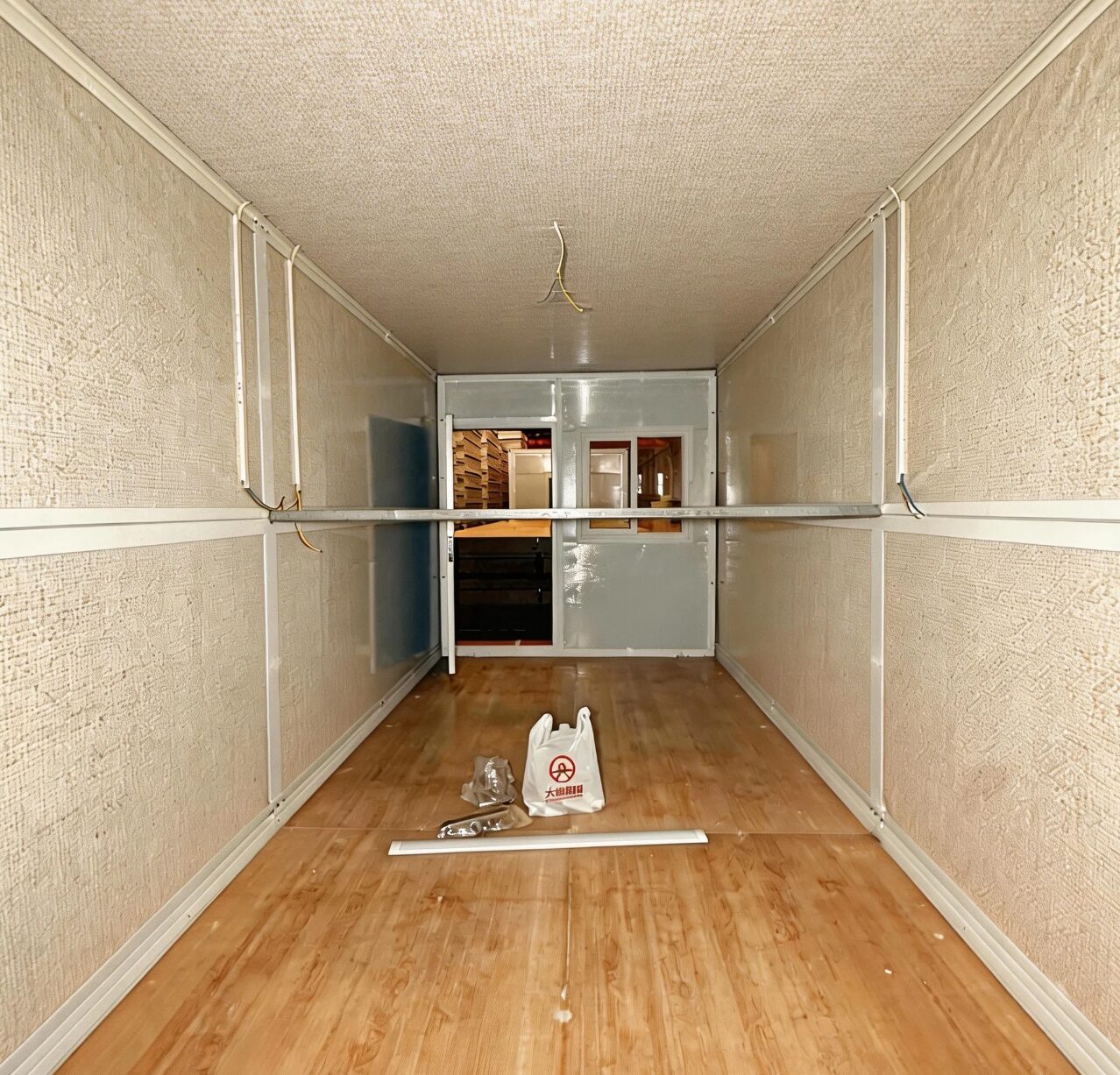
The Pro version significantly improves insulation and weatherproofing, making it more suitable for Australia’s extreme climate conditions:
- Front and rear walls: 65mm thick EPS purified board with 12kg density
- Left and right walls: 50mm thick EPS purified board with 12kg density
- Roof: 14kg/m³ 75mm glass wool roll
- PVC plastic steel window frames with double-layer hollow glass
- Additional external wall: 16mm polyurethane insulation metal embossed panel
- Roof enhancement: Great Wall aluminum tiles
- Sealing technology: D-type rubber strip + structural sealant filling (dustproof and waterproof)
Additional Specifications
- Drainage design: Unorganized natural drainage
- Declaration information:
- Packing size: 5.9×2.48×0.35M
- CBM: 5.12 m³
- Sea freight code: 9406900090
- Weight: >900kg
- Material: Metal
- Transportation solution: Sea container, 10 units/40HC (reduced from 12 due to enhanced features)
Cost Analysis: Container House Cost Per Square Foot
Now that we’ve examined both versions in detail, let’s analyze the container house cost per square foot for each model to help you make an informed decision based on your budget and requirements.
1400H Standard Version Cost Breakdown
The 1400H standard version offers 14m² (approximately 150.7 square feet) of usable space. When calculating the cost per square foot, we need to consider both the initial purchase price and any additional expenses:
- Base unit cost: Approximately $8,000 – $10,000 AUD
- Delivery and installation: $500 – $1,500 AUD (depending on location in Australia)
- Optional upgrades: $500 – $2,000 AUD
This brings the total cost to approximately $9,000 – $13,500 AUD for a complete unit. When divided by the 150.7 square feet of usable space, the container house cost per square foot for the standard version ranges from $60 – $90 AUD ($45 – $67 USD).
1400H Pro Version Cost Breakdown
The Pro version offers the same 14m² (150.7 square feet) of space but with enhanced features and durability:
- Base unit cost: Approximately $12,000 – $15,000 AUD
- Delivery and installation: $500 – $1,500 AUD
- Optional upgrades: $500 – $1,500 AUD
This brings the total cost to approximately $13,000 – $18,000 AUD for a complete unit. When divided by the 150.7 square feet of usable space, the container house cost per square foot for the Pro version ranges from $86 – $119 AUD ($64 – $89 USD).
Cost Comparison and Value Analysis
While the Pro version has a higher initial cost per square foot, it’s important to consider the long-term value:
- The Pro version’s 30-year lifespan compared to the standard version’s 10-year lifespan means significantly better long-term value
- Enhanced insulation in the Pro version reduces heating and cooling costs, especially important in Australia’s climate extremes
li>The upgraded flooring and additional exterior protection in the Pro version reduce maintenance requirements over time
When amortized over the lifespan of each unit, the Pro version actually offers better value for money, especially for those planning to use the container house for more than a few years.
Application Scenarios and Advantages
Both versions of the 1400H 14m² sea transportation foldable container house offer unique advantages for various applications across Australia. Let’s explore some of the most common use cases:
Emergency Response and Public Safety
Australia’s susceptibility to natural disasters like bushfires, floods, and cyclones makes emergency housing a critical need. The 1400H models excel in this context due to:
- Extreme transportation efficiency: Multiple units can be shipped quickly to affected areas
- Minute-level rapid deployment: Can be set up almost immediately upon arrival
- Reusability: Can be deployed for emergency response and then reused for future needs
The “transport and arrive, unfold and use” capability makes these units perfect for emergency management agencies across Australia.
Construction Site Temporary Facilities
With Australia’s ongoing infrastructure development and construction boom, temporary facilities at construction sites are in high demand. The 1400H models offer:
- Quick establishment of site offices, worker accommodations, and storage facilities
- Cost-effective alternative to traditional temporary structures
- Easy relocation as construction phases progress
The foldable design means these units can be moved between construction sites as needed, maximizing their utility.
Tourism and Commercial Temporary Structures
Australia’s thriving tourism industry often requires temporary structures that can be deployed seasonally or for special events. The 1400H models are ideal for:
- Pop-up shops and kiosks in tourist areas
- Temporary ticketing or information centers
- Seasonal accommodation in remote tourist locations
The aesthetic appeal of these units, especially the Pro version with its metal embossed panels, makes them suitable for commercial applications where appearance matters.
Urban Renewal and Public Services
As Australian cities continue to grow and evolve, temporary structures play an important role
本文由人工智能技术生成,基于公开技术资料和厂商官方信息整合撰写,以确保信息的时效性与客观性。我们建议您将所有信息作为决策参考,并最终以各云厂商官方页面的最新公告为准。