
Discover how Australia’s innovative 1400H 14m² foldable container houses with integrated solar panels revolutionize sustainable living. Compare the Standard and Pro models designed for sea transport, rapid deployment, and eco-conscious applications across diverse Australian landscapes.
In the sun-drenched landscapes of Australia, where sustainable living meets practical innovation, eco-friendly container houses with solar panels are transforming how we think about housing. These compact yet functional dwellings offer a perfect blend of environmental responsibility, cost efficiency, and adaptability – ideal for Australia’s diverse climates from the outback to coastal regions. Today, we’re exploring two groundbreaking models: the 1400H 14m² Standard and Pro versions, engineered specifically for sea transportation and rapid deployment across Australia’s vast territories.
Why Australia Embraces Eco-Friendly Container Homes
Australia’s unique geography – spanning remote mining sites, coastal communities, and disaster-prone areas – demands versatile housing solutions. The 1400H series answers this call with its ingenious foldable design that drastically reduces shipping costs while maintaining structural integrity. When paired with solar panels, these units become self-sufficient power stations, perfect for off-grid locations where traditional infrastructure is impractical. From temporary worker accommodations in Western Australia’s Pilbara region to emergency shelters in cyclone-affected Queensland communities, these container houses demonstrate remarkable adaptability while minimizing environmental footprint.
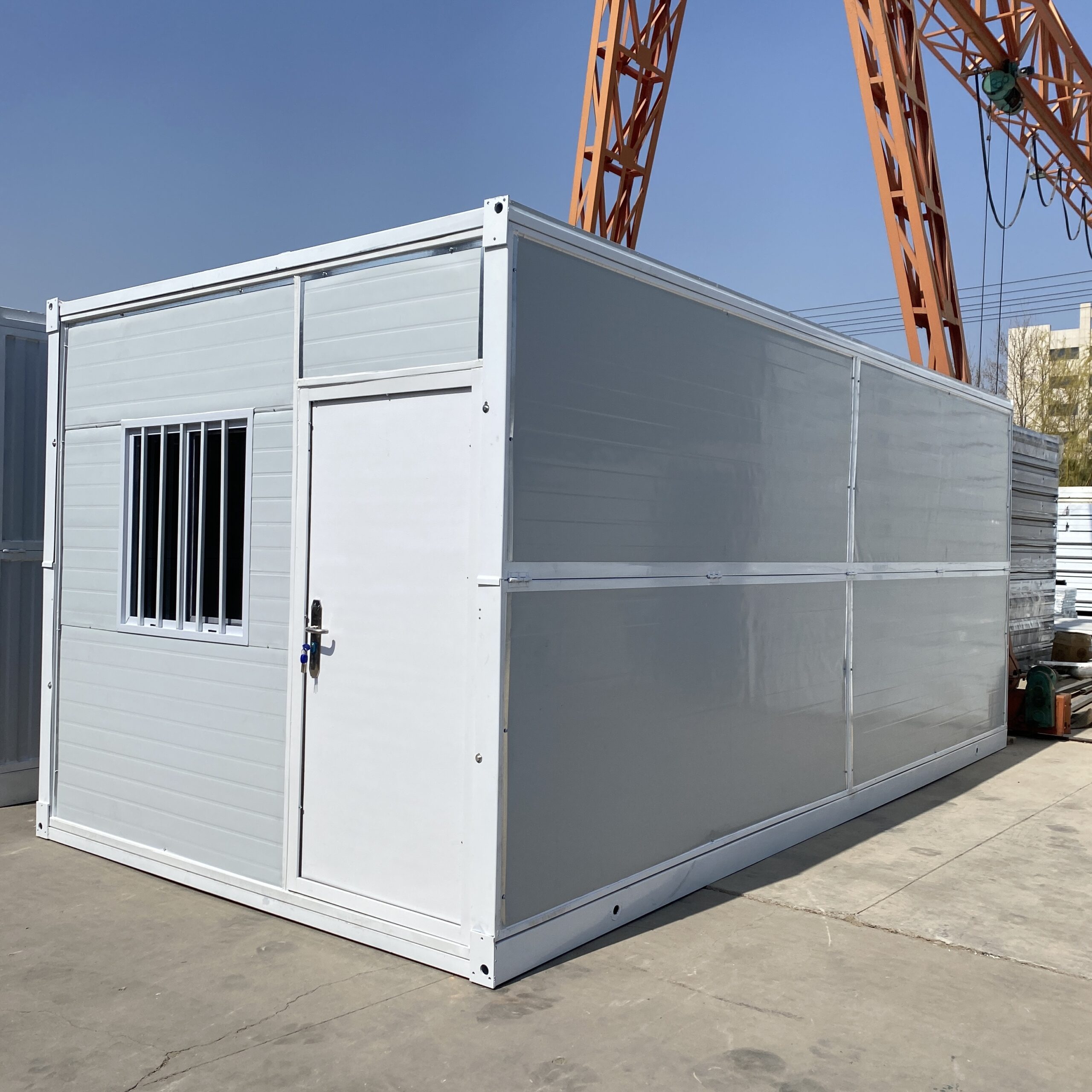
The 1400H Standard model’s clean white frame and light gray panels blend seamlessly into Australian landscapes
Introducing the 1400H 14m² Sea Transportation Series
Engineered for maximum efficiency in global shipping, both models share core advantages: collapsible frames that reduce transport volume by over 80%, standardized sea freight packaging, and deployment times measured in minutes rather than days. What sets them apart is how they balance affordability with enhanced sustainability features. Let’s examine each model in detail:
1400H Standard: The Eco-Friendly Workhorse
The Standard model delivers exceptional value without compromising essential features. Its minimalist white frame with light gray wall panels creates a modern aesthetic suitable for various Australian settings – from urban infill projects in Melbourne to remote research stations in Tasmania.
Key Technical Specifications:
- Structure: Foldable Q235 galvanized steel frame with powder coating (10-year lifespan)
- Dimensions: 5900×2480×2540mm (expanded), 5900×2480×340mm (folded)
- Interior: 5720×2360×2410mm functional living space
- Walls & Roof: Color steel panels with cement flooring
- Insulation: 65mm EPS panels (front/back), 50mm EPS (sides), 75mm glass wool roof
- Windows: Dual 900×900mm PVC double-glazed windows
- Electrical: European-standard outlets with 32A circuit breaker
- Security: W970×H1970mm steel security door
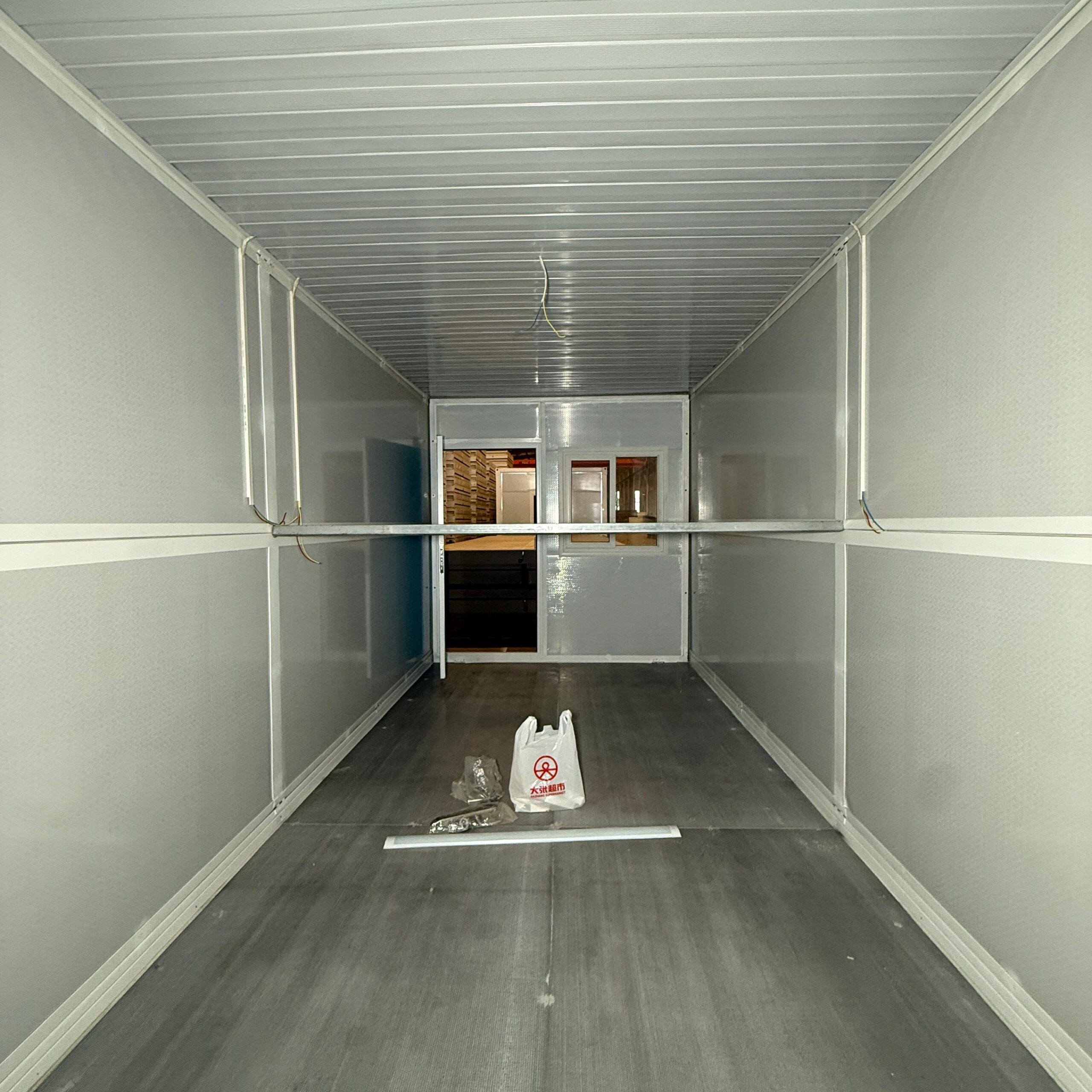
Standard model interior featuring efficient space utilization with European-standard electrical outlets
1400H Pro: The Premium Eco-Upgrade
For those seeking enhanced durability and thermal performance, the Pro model adds significant upgrades while maintaining the same footprint. Its extended 30-year lifespan makes it ideal for long-term installations in harsh Australian environments like the Nullarbor Plain or alpine regions of Victoria.
Key Technical Specifications:
- Structure: Galvanized frame with external protective panels (30-year lifespan)
- Exterior: Light gray walls with 16mm metal carved accent panels (customer-installed)
- Roof Upgrade: Great Wall aluminum tiles for superior weather resistance
- Enhanced Insulation: Additional 16mm polyurethane metal carved boards on exterior walls
- Flooring: PVC plastic flooring replacing standard cement
- Electrical: Same robust system as Standard model
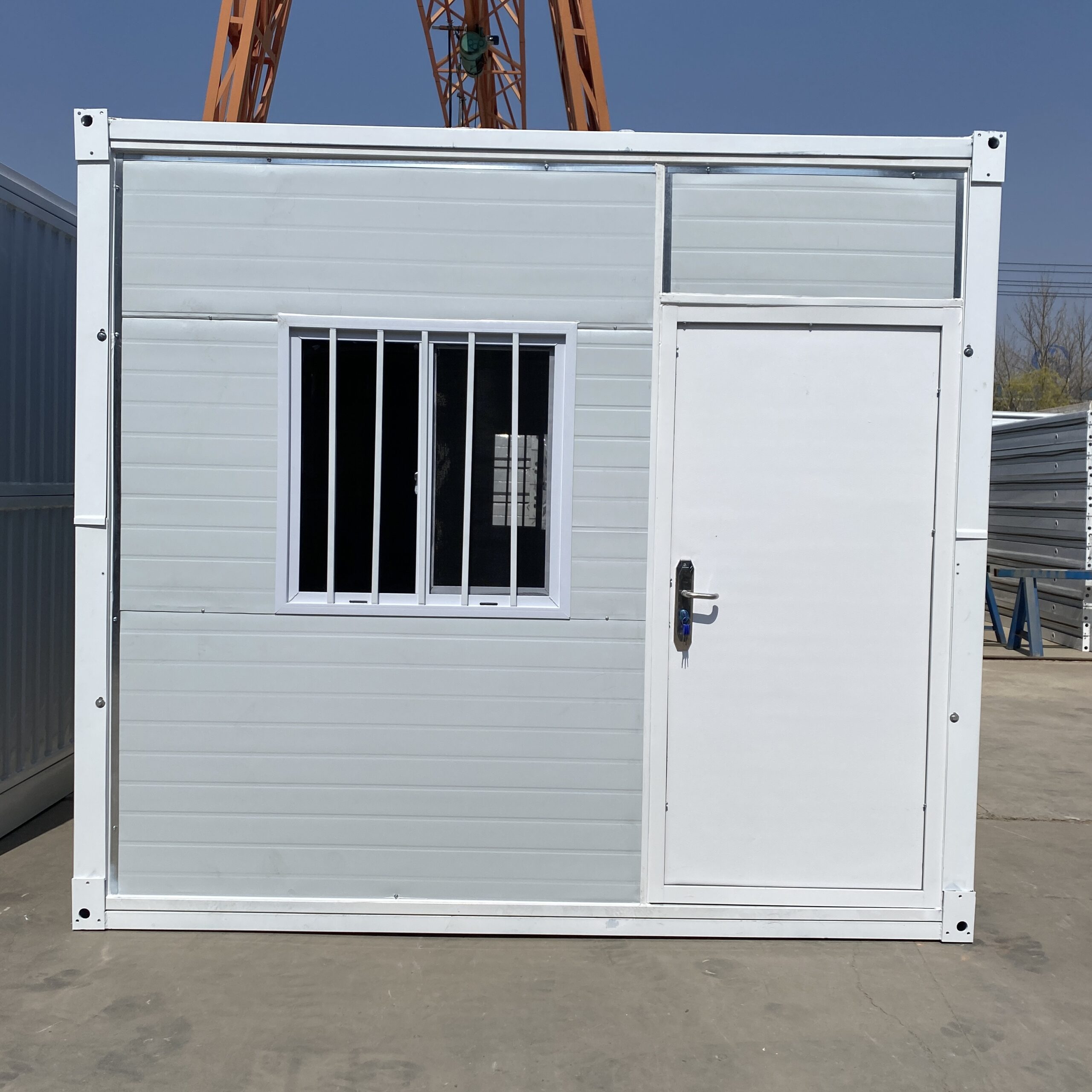
Pro model with upgraded metal carved panels ready for Australian outback conditions
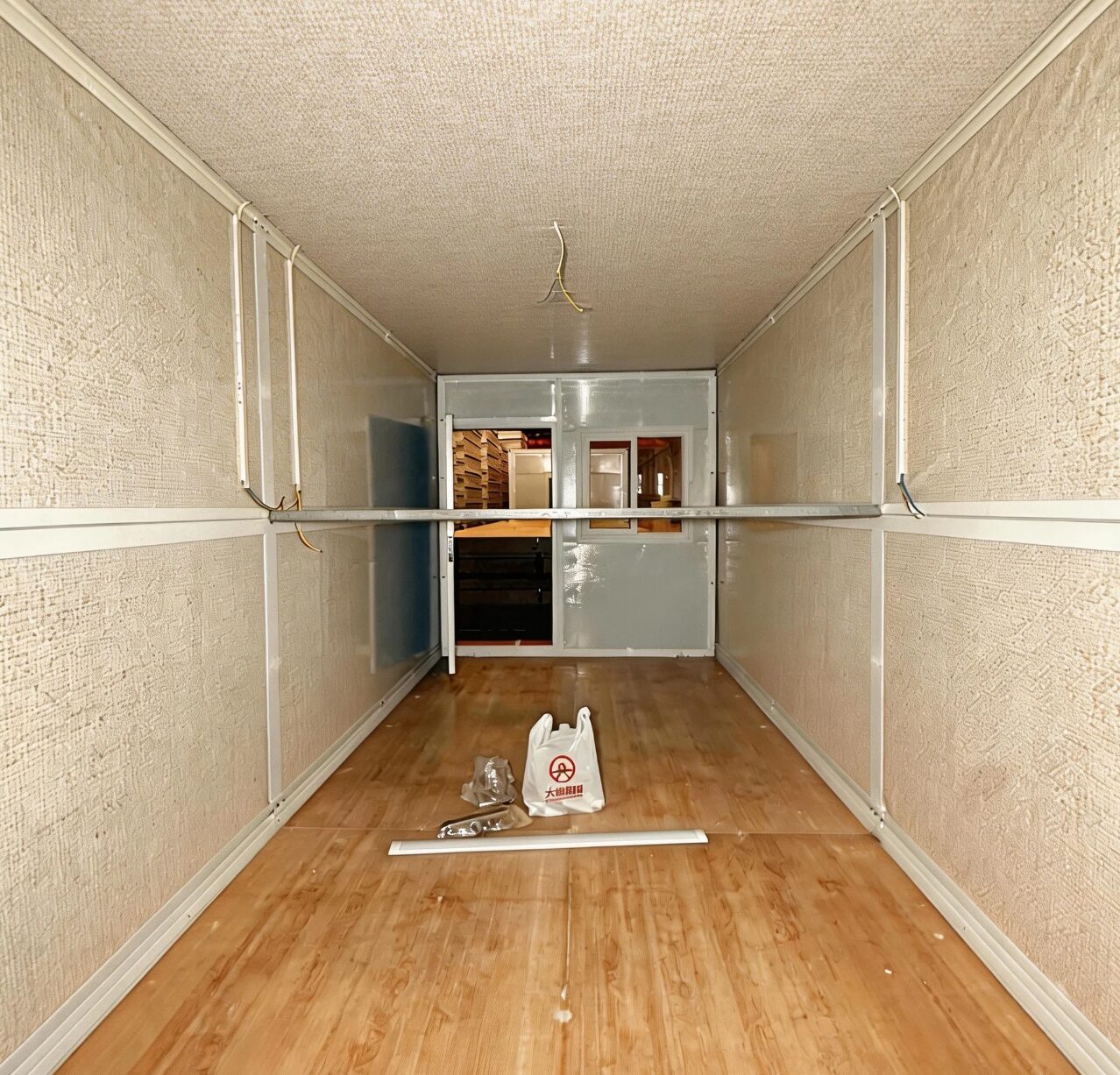
Pro model interior with upgraded PVC flooring and enhanced insulation for Australian climate extremes
Solar Integration: Powering Sustainable Living
While both models come solar-ready, their efficient electrical systems with European-standard outlets make connecting photovoltaic panels straightforward. The 32A circuit breaker safely handles typical solar setups for off-grid living. Imagine harvesting Australia’s abundant sunshine in the Northern Territory – these container houses become self-sufficient power hubs perfect for:
- Remote tourism operators in Kakadu National Park
- Research stations in the Australian Antarctic Territory
- Eco-retreats in the Blue Mountains
- Agricultural workers in the Murray-Darling Basin
Head-to-Head Comparison: Standard vs Pro
| Feature | 1400H Standard | 1400H Pro |
|---|---|---|
| Frame Lifespan | 10 years | 30 years |
| Exterior Finish | Basic color steel | Metal carved accent panels |
| Roofing | Standard color steel | Great Wall aluminum tiles |
| Wall Insulation | 65mm EPS | 65mm EPS + 16mm polyurethane |
| Flooring | Cement | PVC plastic |
| Shipping Capacity | 12 units/40HC container | 10 units/40HC container |
| Ideal Climate | Moderate coastal areas | Extreme heat/cold zones |
Real-World Applications Across Australia
These container houses shine in scenarios where traditional construction is impractical:
Emergency Response & Disaster Relief
When bushfires devastate New South Wales communities or floods impact Queensland, the rapid deployment capability becomes lifesaving. Units can be airlifted or trucked to affected areas and operational within hours, providing secure shelter with solar power for lighting and communication.
Remote Workforce Accommodation
Mining operations in Western Australia’s resource-rich regions benefit from these durable, relocatable units. Their foldable design reduces transport costs by over 60% compared to traditional modular buildings, while solar integration minimizes generator dependency in off-grid sites.
Tourism & Eco-Retreats
Imagine luxury eco-pods in Tasmania’s wilderness or glamping units in South Australia’s wine regions. The Pro model’s enhanced insulation and stylish exterior make it perfect for high-end sustainable tourism ventures.
Urban Pop-Up Spaces
In Sydney or Melbourne’s evolving urban landscapes, these units serve as temporary retail spaces, pop-up cafes, or community centers. Their small footprint (14m²) maximizes land use in dense environments while solar panels reduce grid dependency.
Key Considerations for Australian Buyers
Before investing in these innovative structures, keep these factors in mind:
Budget vs Longevity
The Standard model offers immediate cost savings, ideal for short-term projects (2-5 years). The Pro model’s 30-year lifespan provides better value for permanent installations despite higher initial investment. Calculate total cost of ownership including maintenance and potential relocation.
Climate Compatibility
Choose based on your region: Standard suits temperate zones like Victoria, while Pro handles extremes in the Northern Territory or alpine areas. Enhanced insulation in the Pro model reduces energy needs for heating/cooling – critical in Australia’s climate variability.
Regulatory Compliance
Australian building codes vary by state. Ensure your chosen model meets local requirements for temporary structures, especially regarding wind ratings in cyclone-prone areas like Queensland or fire resistance in bushfire zones.
Transport Logistics
Both models optimize sea freight (12/10 units per 40HC container), but consider last-mile delivery to remote sites. Factor in road transport regulations for oversized loads when moving folded units across Australia’s vast distances.
Solar System Integration
While units come solar-ready, plan your photovoltaic system based on location. A unit in sunny Alice Springs needs different panel capacity than one in cloudy Hobart. Consult Australian Clean Energy Council accredited installers.
The Future of Sustainable Housing Down Under
As Australia transitions toward net-zero emissions, innovations like the 1400H series demonstrate how practical solutions can meet environmental goals without sacrificing functionality. These container houses embody the “reduce, reuse, recycle” philosophy – repurposing shipping containers while minimizing new material use through efficient design.
Whether you’re a disaster relief organization, mining company, tourism operator, or eco-conscious homeowner, these solar-ready units offer unprecedented flexibility. Their ability to be deployed anywhere from the Kimberley coastline to the Snowy Mountains, powered by Australia’s abundant sunshine, represents a new paradigm in sustainable living.
The choice between Standard and Pro ultimately depends on your specific needs: short-term economy versus long-term resilience. Both models deliver on the promise of eco-friendly housing with solar integration – proving that sustainable solutions can be both practical and accessible across Australia’s diverse landscapes.
{1
本文由人工智能技术生成,基于公开技术资料和厂商官方信息整合撰写,以确保信息的时效性与客观性。我们建议您将所有信息作为决策参考,并最终以各云厂商官方页面的最新公告为准。