
Discover the essential foundation requirements for shipping container houses in Australia, with a focus on the innovative 20ft Apple Capsule. Learn about soil types, local regulations, and cost-effective foundation solutions tailored for this modular home, featuring its lightweight design, rapid installation, and adaptability to diverse Australian terrains.
Building a shipping container house in Australia? Whether you’re in Sydney’s coastal suburbs or the rugged outback of Queensland, getting the foundation right is non-negotiable. Today, we’re diving into the critical foundation requirements for container homes—specifically for the sleek, modern 20ft Apple Capsule that’s revolutionizing modular living. Let’s break down what you need to know to ensure your Apple Capsule stands strong and compliant Down Under.
Why Foundations Matter for Container Homes in Australia
Australia’s diverse landscapes—from sandy beaches to clay-rich plains—demand tailored foundation solutions. Unlike traditional brick-and-mortar homes, container houses like the Apple Capsule offer unique advantages, but they still require solid groundwork to prevent shifting, corrosion, or structural issues. Local councils across states like Victoria and New South Wales enforce strict building codes (e.g., NCC 2022), so understanding soil tests, load capacity, and drainage is crucial before you even think about placement.
Enter the 20ft Apple Capsule: Its lightweight, modular design (thanks to carbon fiber composites and a 70mm polyurethane insulation core) significantly reduces foundation demands compared to traditional containers. But don’t mistake “lightweight” for “no foundation needed.” Even this cutting-edge pod requires strategic groundwork to handle Australia’s extreme weather—think cyclonic winds in Darwin or soil movement in Adelaide.
Key Foundation Requirements for Your Apple Capsule
Here’s the lowdown on the non-negotiables:
1. Soil Assessment & Load Capacity
First up, conduct a soil test. Australian soils vary wildly: reactive clay in Melbourne expands when wet, while Perth’s sandy soils need extra reinforcement. The Apple Capsule weighs ~3.5 tonnes (fully furnished), but foundations must support additional loads like furniture and snow (rare but possible in alpine regions like Tasmania). Aim for a minimum load capacity of 10 kPa per square meter—your engineer will confirm this based on site specifics.
2. Foundation Types Suited for the Apple Capsule
Thanks to its streamlined design, the Apple Capsule works with simpler, cost-effective foundations:
- Concrete Piers or Pads: Ideal for sloped sites (e.g., Brisbane’s hilly terrains). These concrete blocks support each corner, minimizing ground disturbance and cost. Perfect for temporary setups too.
- Helical Piles: Screw into the ground for stability in soft soils (common in coastal NSW). They’re adjustable, eco-friendly, and cyclone-resistant—a must for northern Australia.
- Concrete Slab: Best for permanent installations in flat areas like Canberra. Provides a seamless base for plumbing/electrical but adds cost and time.
Pro Tip: The Apple Capsule’s modular frame allows for independent foundations—no need for a full slab! This cuts installation time to hours, not weeks.
3. Drainage & Moisture Control
Australia’s heavy rains (hello, monsoon season!) demand robust drainage. Install gravel French drains or sloped foundations to direct water away from the base. The Apple Capsule’s seamless waterproofing (with Low-E glass and thermal breaks) adds a layer of protection, but poor drainage can still cause rust or mold.
4. Compliance & Permits
Check local council rules. In Perth, container homes often fall under “temporary structures,” easing permits. In contrast, Sydney might require development applications. Always verify Bushfire Attack Level (BAL) ratings if you’re in fire-prone zones like Victoria. The Apple Capsule’s non-combustible materials help meet BAL standards.
Showcase: The 20ft Apple Capsule in Action
Why is this pod perfect for Australian foundations? Let’s look at its features:
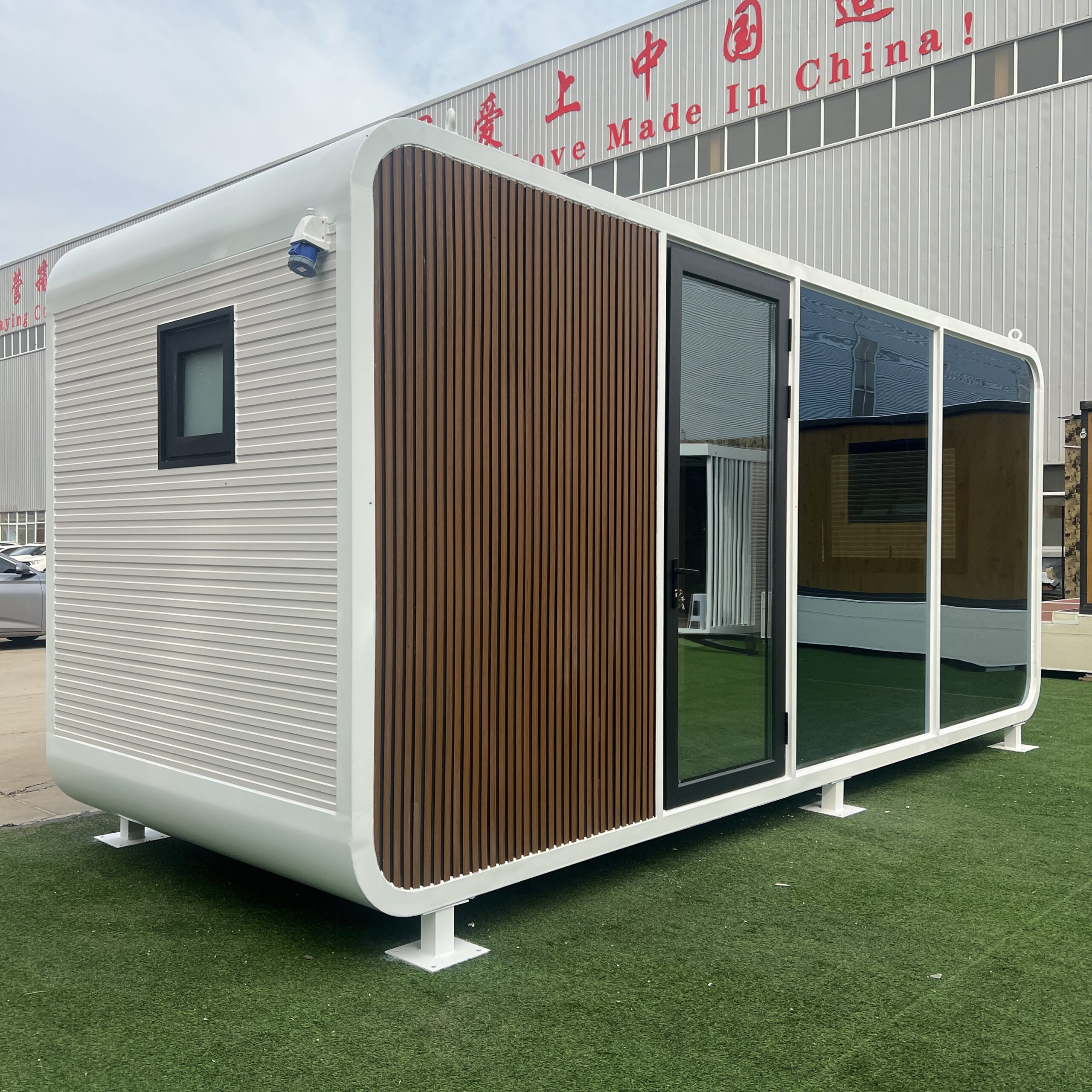
Exterior: Curved, modern design with panoramic windows—blends into coastal or bush landscapes.
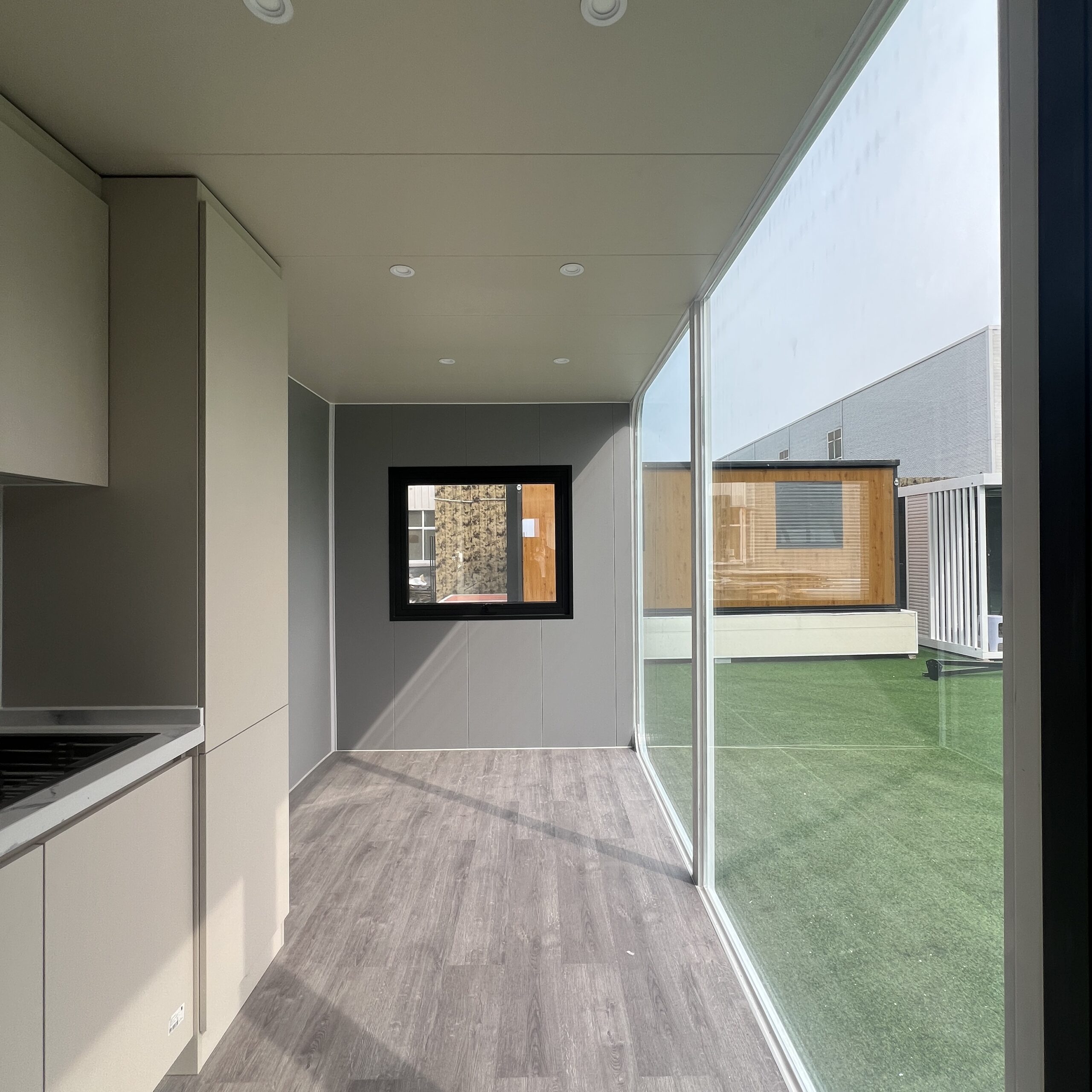
Interior: Open-plan layout with no columns—90% space utilization thanks to clever engineering.
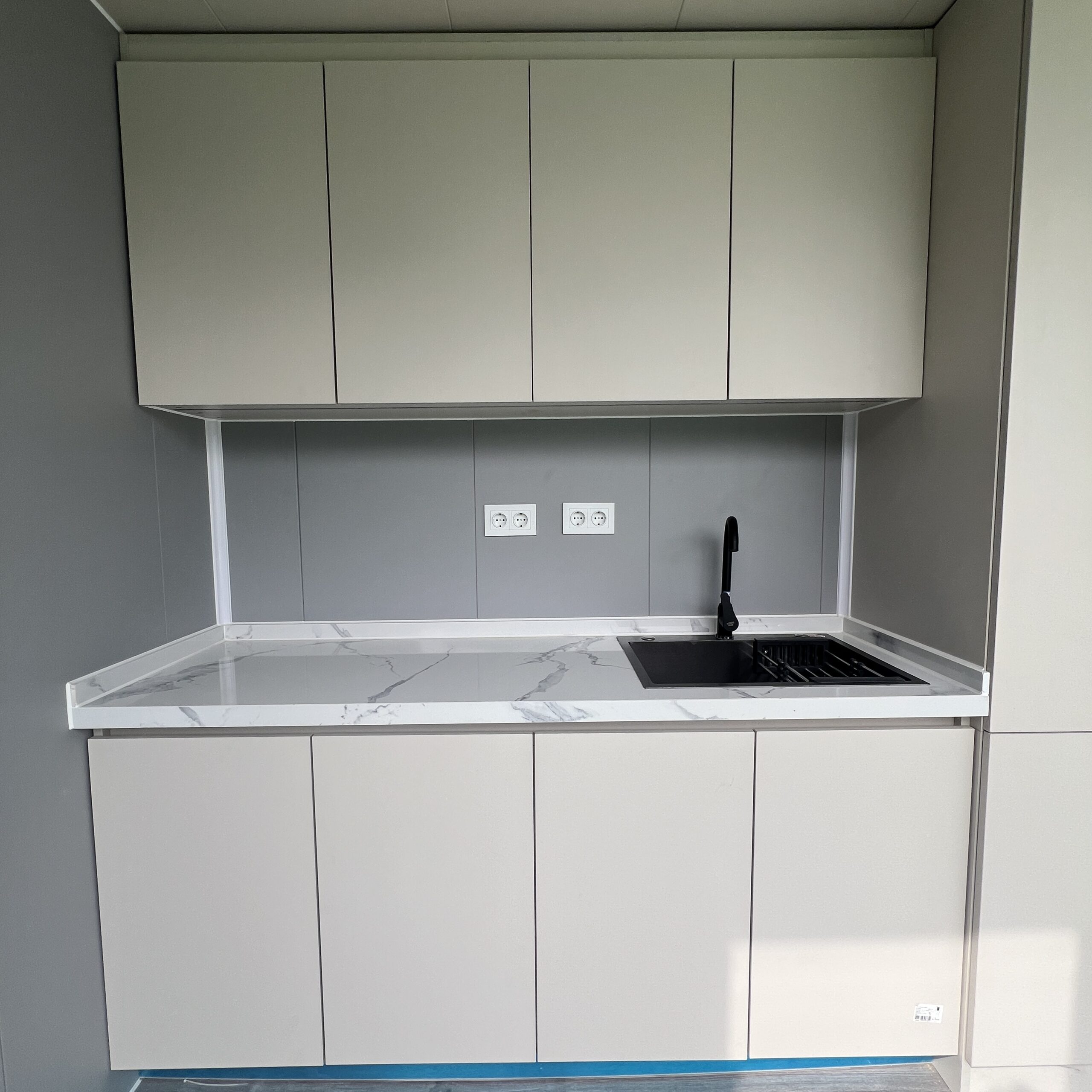
Kitchen: Fully integrated with energy-efficient appliances—ideal for off-grid living.
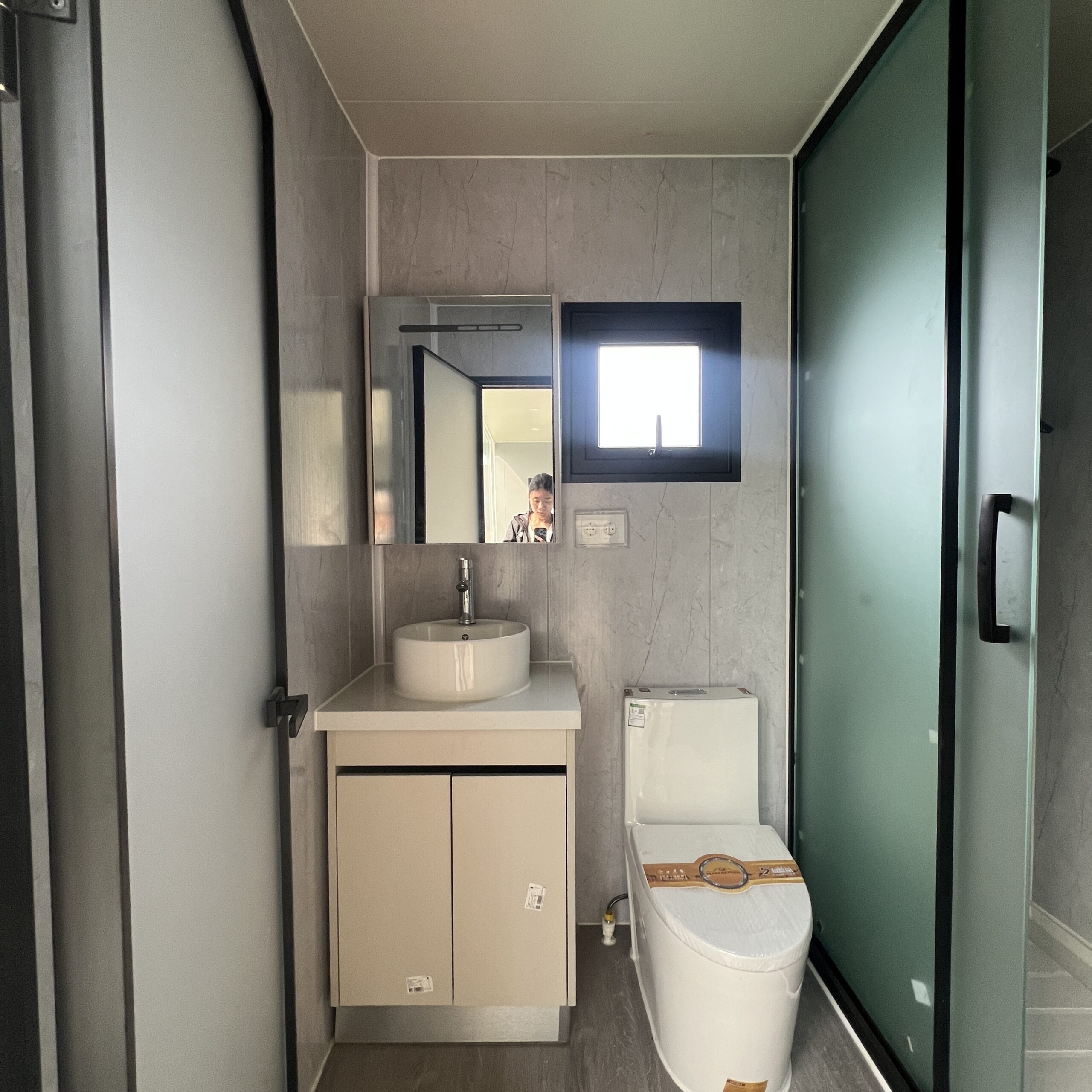
Bathroom: Waterproof, low-maintenance design—perfect for Australia’s humidity.
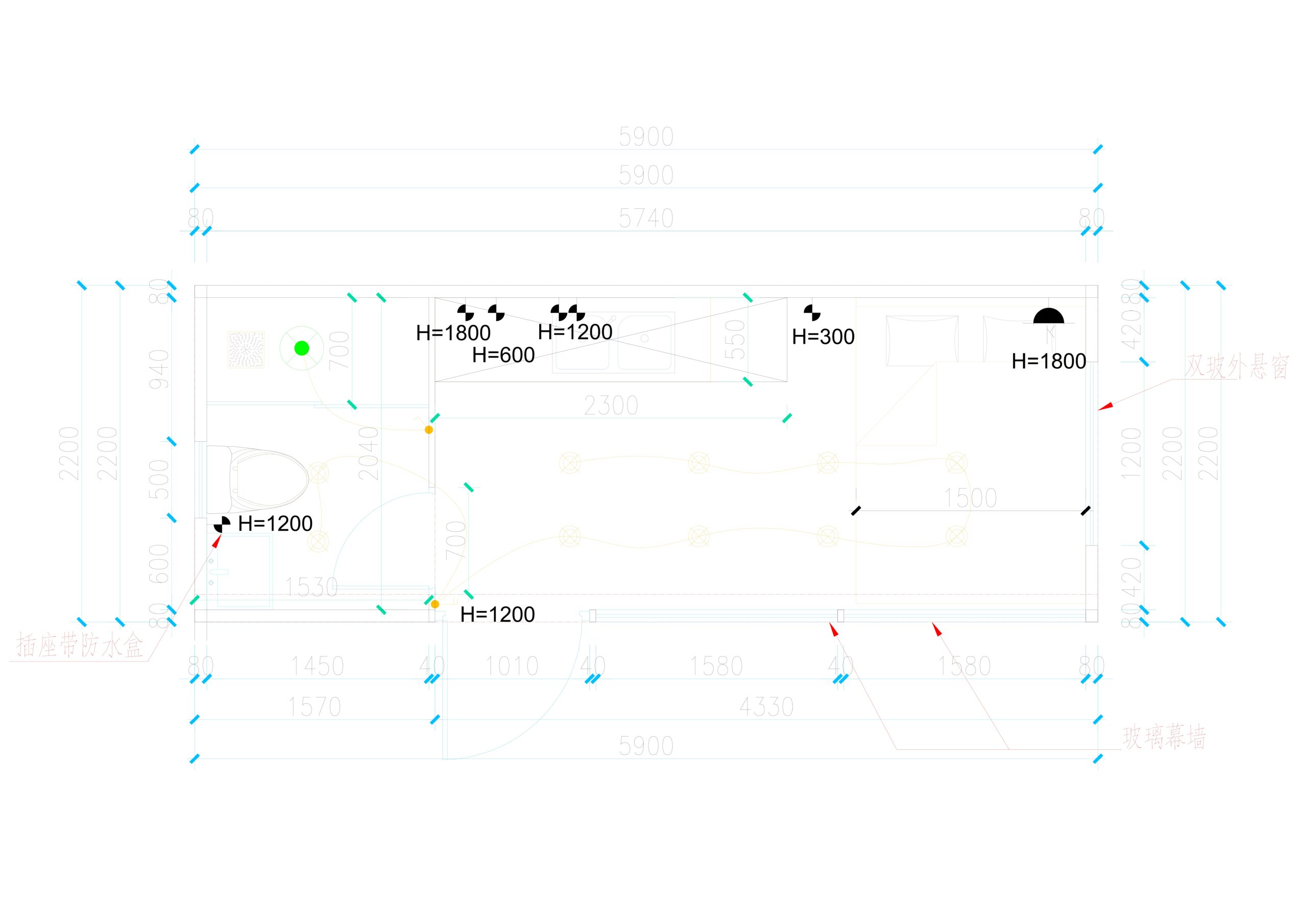
Layout: Smart 20ft design with living, kitchen, and bath zones—no wasted space.
Why This Pod Excels on Australian Foundations
- Lightweight & Low-Impact: At 30% lighter than steel containers, it reduces foundation costs by up to 40%.
- Thermal Efficiency: K-value of 0.25 W/(m²·K) keeps interiors cool in Darwin summers and warm in Melbourne winters.
- Quick Installation: With 95% factory pre-fabrication, it’s crane-ready in hours—ideal for remote sites.
- Durability: Galvanized steel frame withstands corrosion from salty coastal air (think Gold Coast) and termite-prone areas.
Cost & Timeline: What to Expect
For a 20ft Apple Capsule in Australia:
- Foundation Costs: AUD $3,000–$8,000 (pier/pad systems) vs. $15,000+ for slabs.
- Installation: 1 day for foundations, 4–6 hours for pod placement.
- Total Savings: 30–50% less than traditional container homes due to reduced groundwork.
Final Tips for Success
Always work with a local engineer familiar with Australian standards. Prioritize:
- Soil tests (geotechnical report).
- Wind/earthquake ratings (AS/NZS 1170.2 for wind loads).
- Termite barriers if in high-risk zones.
The 20ft Apple Capsule isn’t just a stylish home—it’s a practical, foundation-friendly solution for Australia’s challenging conditions. With the right groundwork, you’ll enjoy a comfortable, compliant space that’s ready for anything from a Bondi Beach pop-up to a Kimberley research station.
本文由人工智能技术生成,基于公开技术资料和厂商官方信息整合撰写,以确保信息的时效性与客观性。我们建议您将所有信息作为决策参考,并最终以各云厂商官方页面的最新公告为准。