
Explore the comprehensive comparison between container houses and traditional houses, focusing on pros, cons, and real-world applications in Australia. Discover how innovative solutions like the 20-foot double-wing expansion container home revolutionize modern living with unmatched flexibility, sustainability, and cost-efficiency.
Australia’s housing market is undergoing a radical transformation as homeowners, investors, and developers seek alternatives to conventional construction. The rising popularity of container houses – particularly innovative designs like the 20-foot customized double-wing expansion room – challenges traditional building norms. This comprehensive analysis dissects the advantages, drawbacks, and practical considerations of both housing types, with special focus on how modular solutions are reshaping residential, commercial, and emergency accommodation landscapes Down Under.
Understanding the Housing Revolution: Container vs Traditional
Traditional stick-built houses have dominated Australia’s residential scene for centuries, characterized by on-site construction using timber frames, brick veneer, and concrete slabs. Container houses, conversely, repurpose industrial shipping containers into habitable structures through modifications like insulation, window installations, and space optimization. The latest evolution – the double-wing expansion container – takes this concept further with fold-out sections that dramatically increase usable space while maintaining transportability. To understand their impact, let’s examine core differences through critical lenses: construction methodology, environmental footprint, and lifestyle compatibility.
Core Construction Differences
Traditional Australian homes typically involve:
- Extended construction timelines (6-12 months)
- Weather-dependent processes
- Multiple subcontractor coordination
- Fixed location permanence
- Customizable but rigid foundational requirements
Container houses, especially double-wing models, feature:
- Factory-based prefabrication (85-95% completion)
- Weather-independent manufacturing
- Single-point accountability
- Modular mobility and reusability
- Flexible deployment without permanent foundations
These fundamental differences create distinct operational profiles for each housing type.
The Double-Wing Expansion Game-Changer
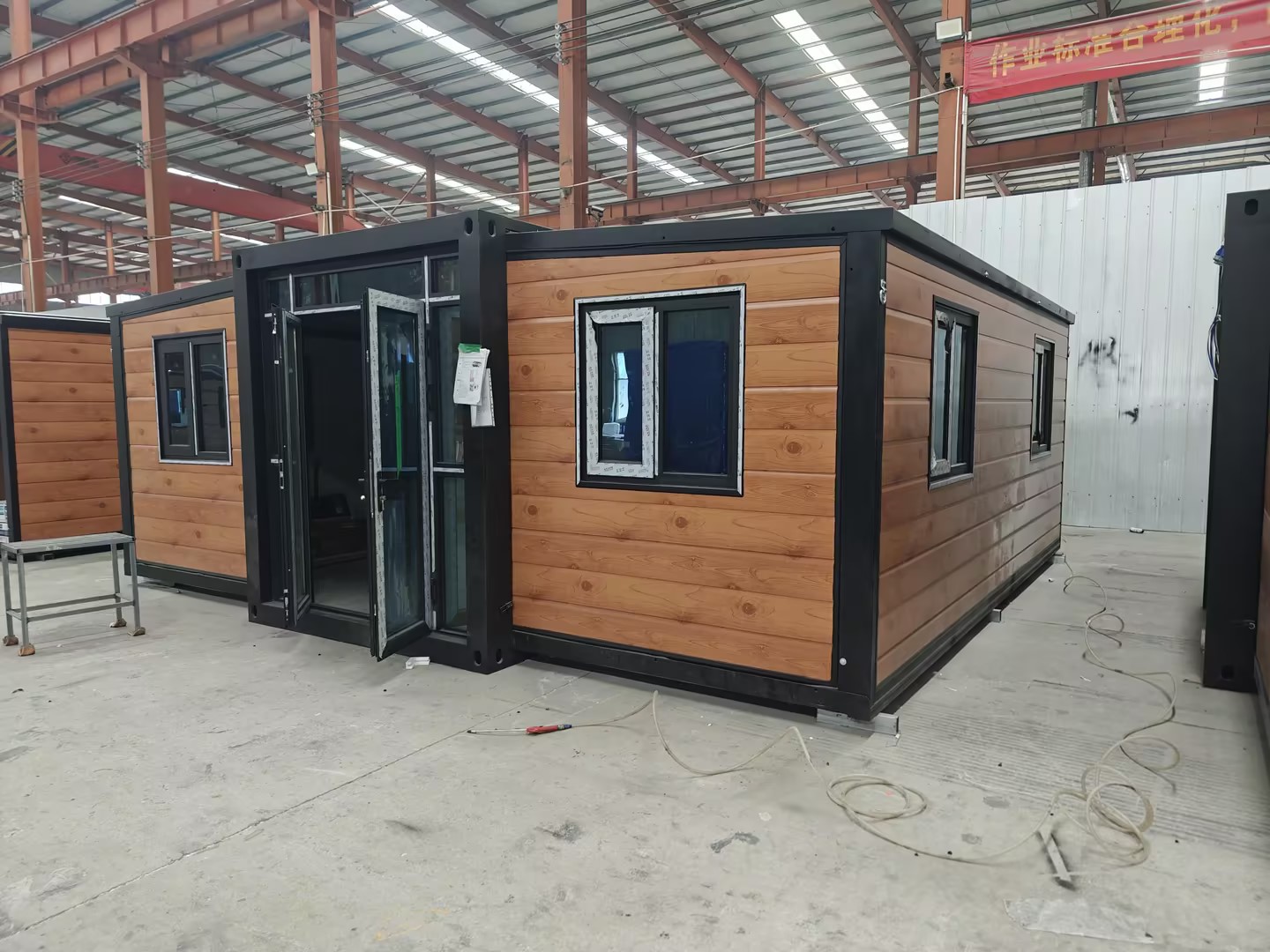
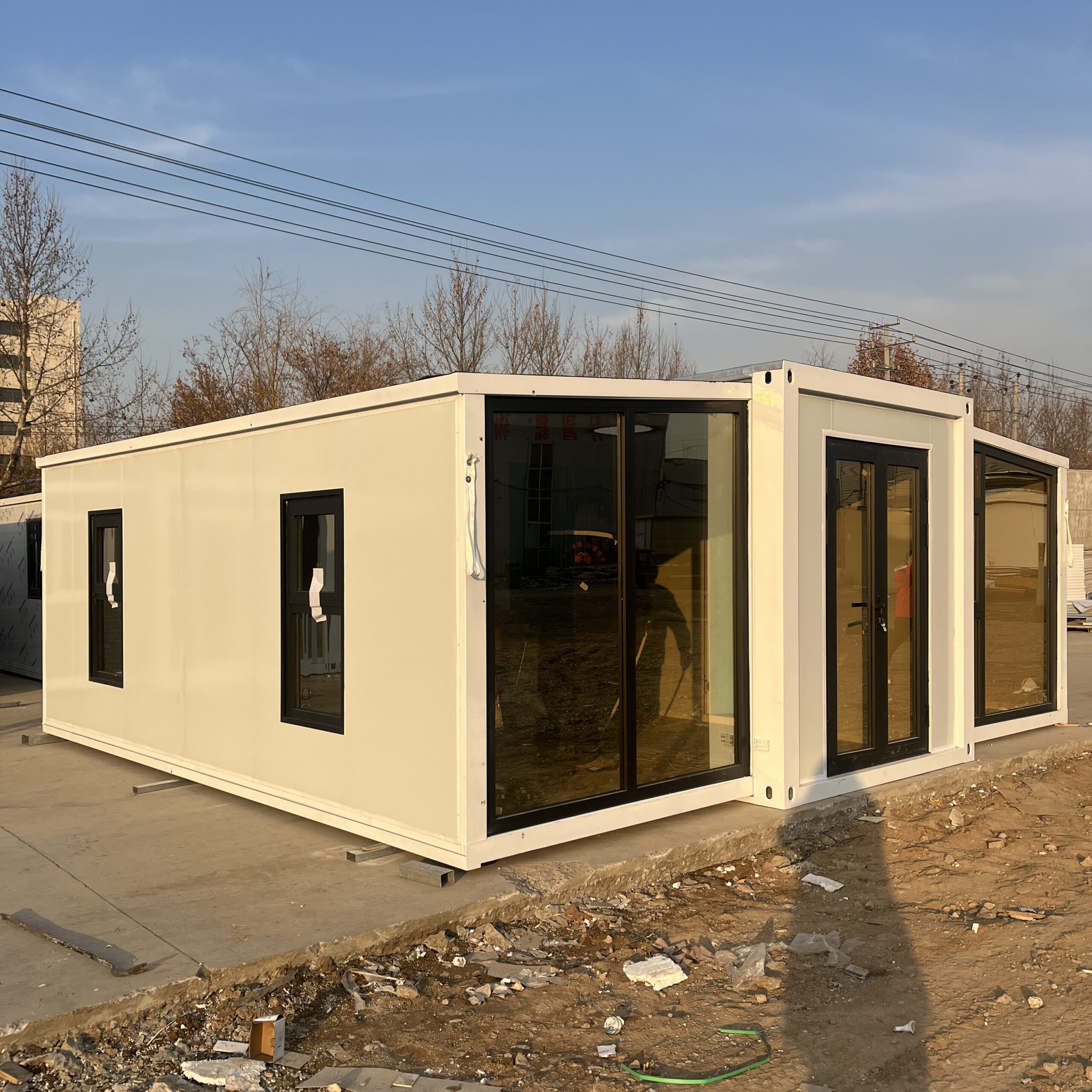
Before diving into comparative analysis, let’s spotlight the innovative 20-foot customized double-wing expansion container home redefining modular living in Australia. This engineering marvel transforms compact transport dimensions into spacious living areas through its signature “wing” deployment mechanism.
Technical Specifications & Features
Dimensions & Structure:
- Unfolded: 6340mm (W) × 5900mm (L) × 2480mm (H)
- Transport Mode: 2200mm (W) × 5900mm (L) × 2480mm (H)
- Space Expansion: 70-80% increase in usable area
- Frame: Galvanized steel or carbon fiber composite
- Compliance: Australian road transport regulations
Materials & Sustainability:
- Structure: Lightweight galvanized steel skeleton
- Insulation: Polyurethane or rock wool core panels
- Windows: Double-glazed Low-E argon-filled units
- Sealing: Seamless waterproof membrane system
- Recyclability: 90%+ material recovery potential
Deployment Efficiency
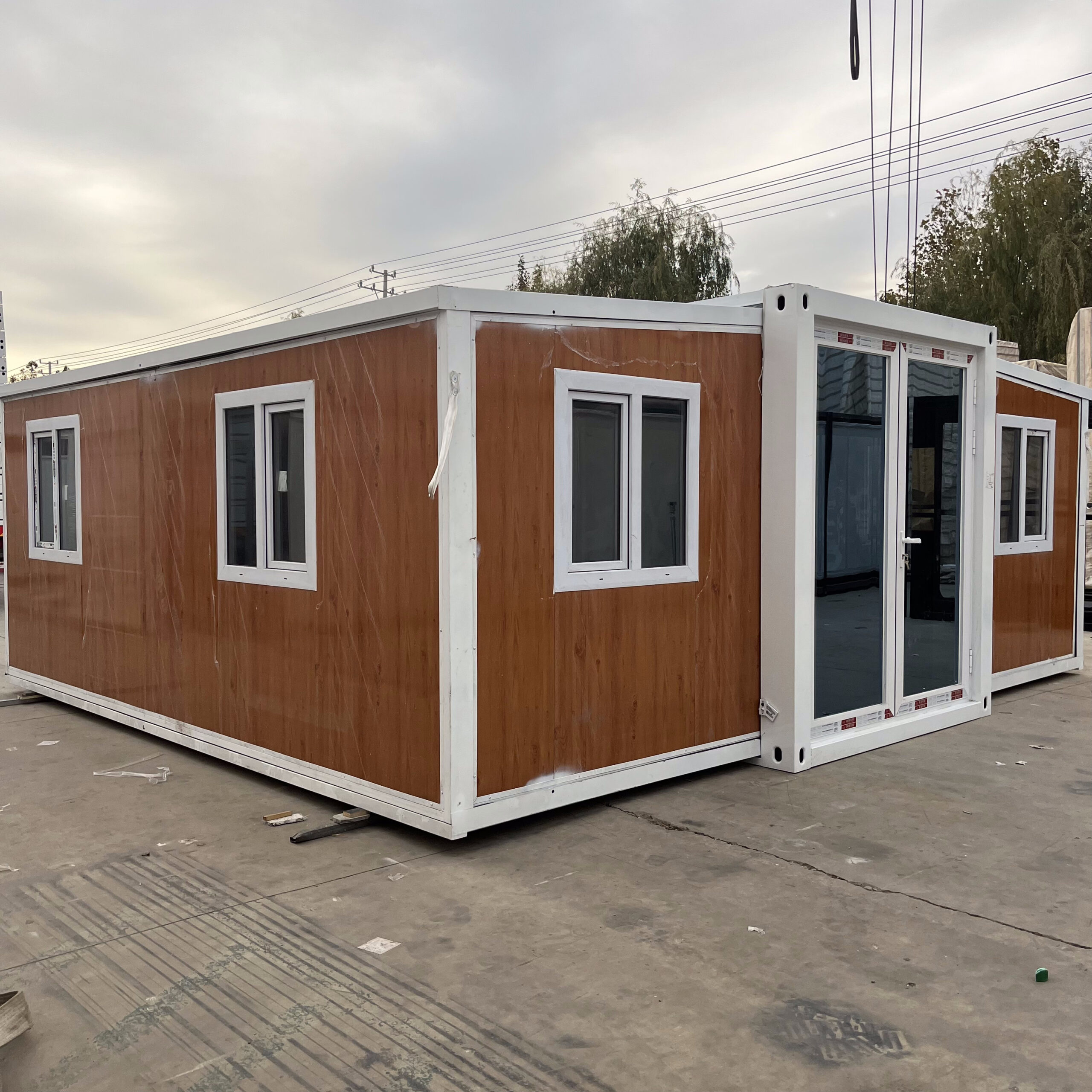
The most striking advantage is its rapid deployment capability – watch this 70-second demonstration video showing full expansion from transport to living-ready state:
Your browser does not support the video tag.
This deployment speed makes it ideal for emergency housing, pop-up businesses, and temporary accommodations across Australia’s vast territories.
Container Houses: Advantages & Disadvantages
Container homes offer compelling benefits but come with unique challenges. Let’s examine both sides of the equation.
Pros of Container Housing
1. Cost Efficiency
- 30-40% lower overall construction costs vs traditional builds
- Reduced labor expenses through factory assembly
- Minimal site preparation requirements
- Predictable pricing with fewer budget overruns
2. Speed & Convenience
- 95% factory completion rate
- On-site installation in hours/days vs months
- Immediate occupancy post-deployment
- No weather delays during critical phases
3. Sustainability Credentials
- Upcycling of industrial materials
- Reduced construction waste (60-80% less)
- Superior insulation lowers energy consumption
- Smaller carbon footprint during manufacturing
4. Mobility & Flexibility
- Relocatable without structural loss
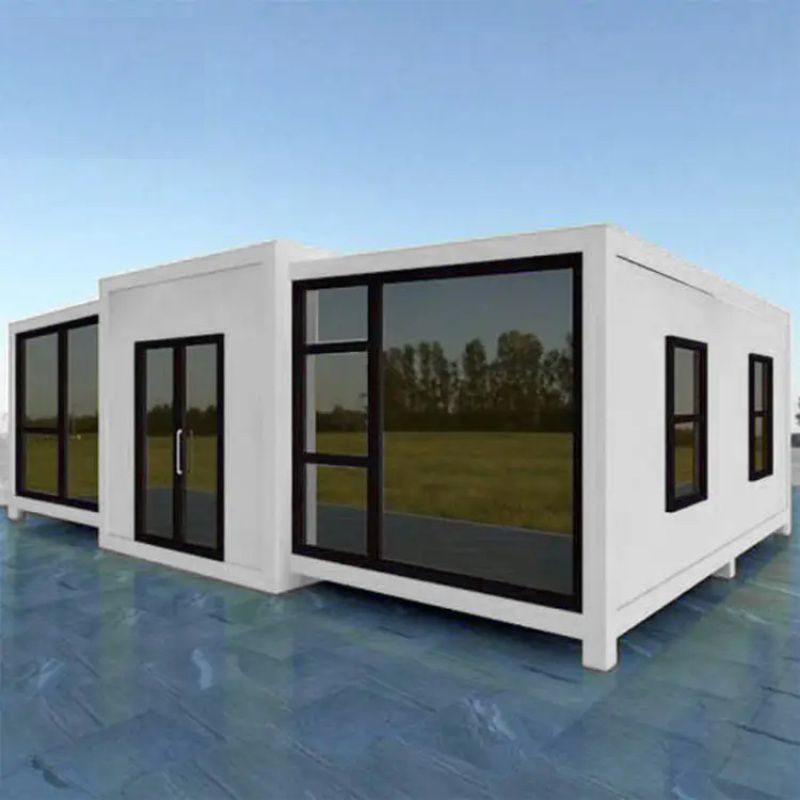
- Modular expandability (like double-wing designs)
- Temporary or permanent installation options
- Adaptable to challenging terrains (slopes, flood zones)
Cons of Container Housing
1. Design Limitations
- Modular constraints on room dimensions
- Structural modifications require engineering
- Perception challenges in some communities
- Limited resale market in certain areas
2. Regulatory Hurdles
- Complex approval processes in some Australian councils
- Building code compliance variations
- Zoning restrictions for temporary structures
- Insurance complexities for non-traditional homes
3. Practical Considerations
- Potential condensation without proper ventilation
- Thermal bridging risks at connection points
- Transportation logistics for remote locations
- Specialized maintenance requirements
Traditional Houses: Advantages & Disadvantages
Conventional housing remains the benchmark for comparison. Let’s evaluate its strengths and weaknesses in the Australian context.
Pros of Traditional Housing
1. Design Freedom
- Complete architectural customization
- Unrestricted interior layouts
- Traditional aesthetic appeal
- Established neighborhood compatibility
2. Financing & Value
- Standardized mortgage products
- Proven appreciation track records
- Broader buyer acceptance
- Established valuation methodologies
3. Durability Perception
- Centuries of structural performance data
- Weather-tested construction methods
- Established repair techniques
- Long-term material behavior understanding
Cons of Traditional Housing
1. Cost & Time Burdens
- Higher per-square-meter construction costs
- Extended project timelines
- Unpredictable budget overruns
- Financing carrying costs during construction
2. Environmental Impact
- Significant construction waste generation
- Higher embodied carbon in materials
- Site disturbance impacts
- Less energy-efficient envelopes (often)
3. Inflexibility Factors
- Permanent location commitment
- Difficult/expensive modifications
- Weather-dependent construction
- Multi-phase project management complexity
Head-to-Head Comparison: Critical Decision Factors
To simplify decision-making, let’s compare container and traditional housing across key parameters relevant to Australian homeowners:
| Factor | Container House | Traditional House |
|---|---|---|
| Construction Timeline | Days/Weeks | Months/Years |
| Initial Cost (3BR) | $120,000 – $180,000 AUD | $250,000 – $400,000 AUD |
| Energy Efficiency | High (R4+ insulation standard) | Variable (R1.5-R3 typical) |
| Design Flexibility | Modular constraints | Virtually unlimited |
| Resale Value | Emerging market | |
| Financing Options | Limited/specialized | Widely available |
| Environmental Impact | Lower (60-80% reduction) | Higher |
| Disaster Resilience | Superior (seismic/wind) | Moderate |
Real-World Applications: Beyond Traditional Living
Container housing innovations like the double-wing expansion model unlock possibilities beyond conventional residential use:
1. Disaster Response Housing
Australia’s bushfire and flood-prone regions benefit from rapid-deployment container villages. The double-wing design provides immediate, dignified shelter with:
- 24-hour emergency deployment
- Integrated kitchen and bathroom facilities
- Climate resilience for extreme conditions
- Community clustering capabilities
2. Tourism & Hospitality
From Queensland’s beaches to Tasmania’s wilderness, container accommodations offer unique guest experiences:
- Off-grid eco-lodges
- Glamping pods with luxury finishes
- Seasonal pop-up resorts
- Minimal environmental footprint
3. Commercial & Retail
Urban centers like Melbourne and Sydney utilize container structures for:
- Pop-up retail spaces
- Temporary event venues
- Construction site offices
- Mobile food & beverage outlets
Interior Excellence: Beyond Industrial Stereotypes
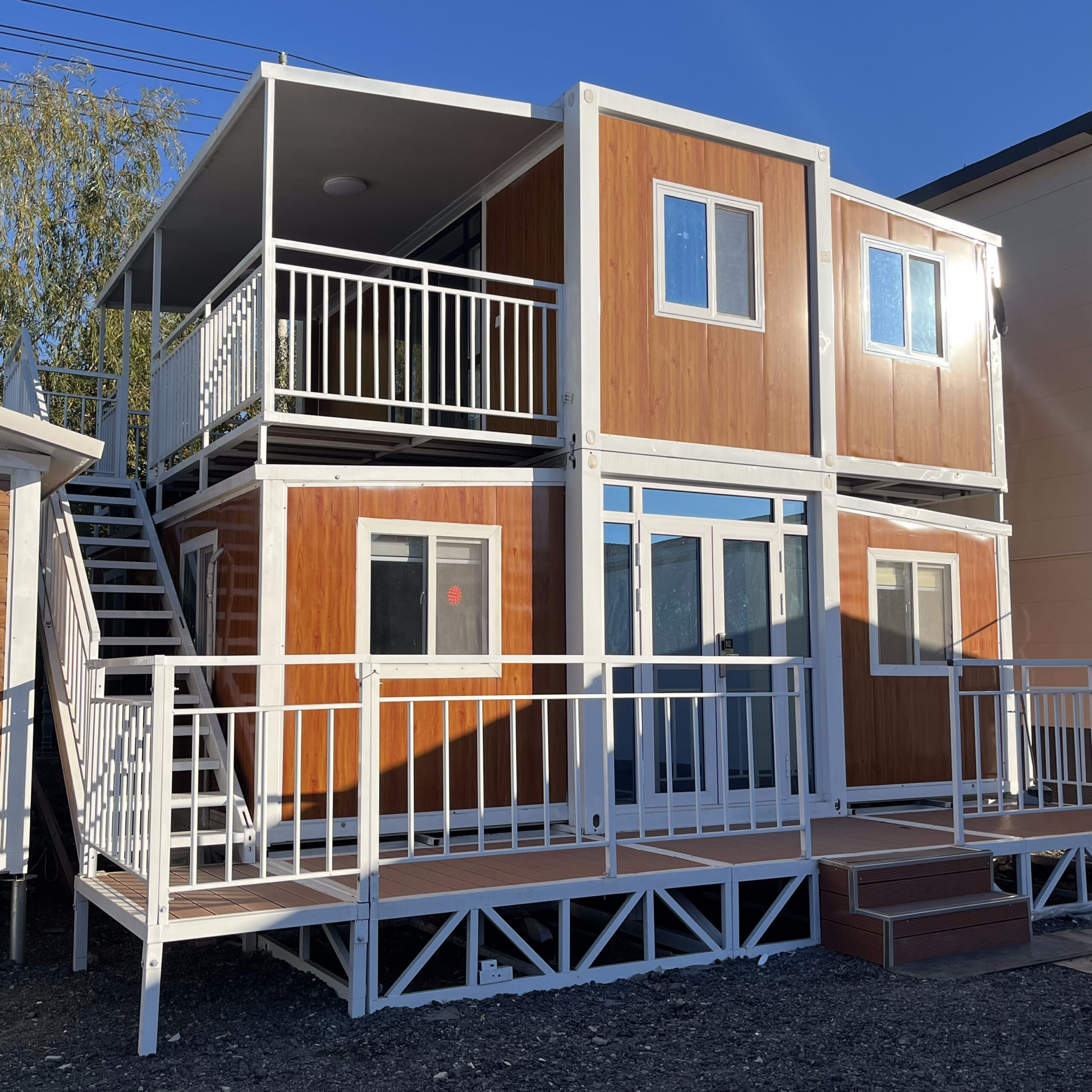
Modern container interiors defy outdated perceptions, offering comfort and sophistication comparable to traditional homes:
Living Spaces
The double-wing design creates expansive open-plan areas with:
- Column-free layouts maximizing space
- Large glazing for natural light
- High-end finishes (wood, stone, metal accents)
- Smart home integration capabilities

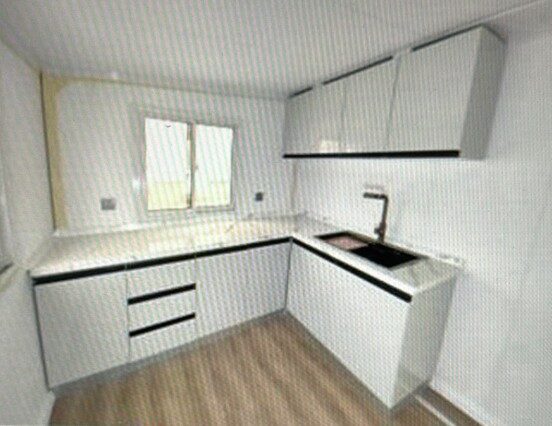
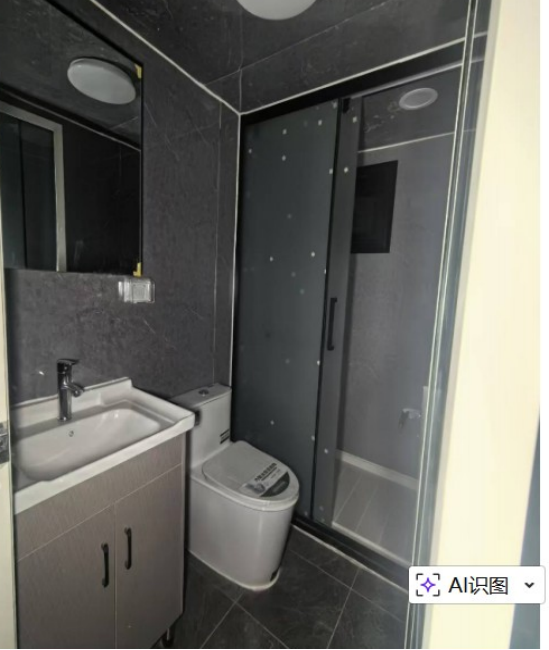
Kitchens & Bathrooms
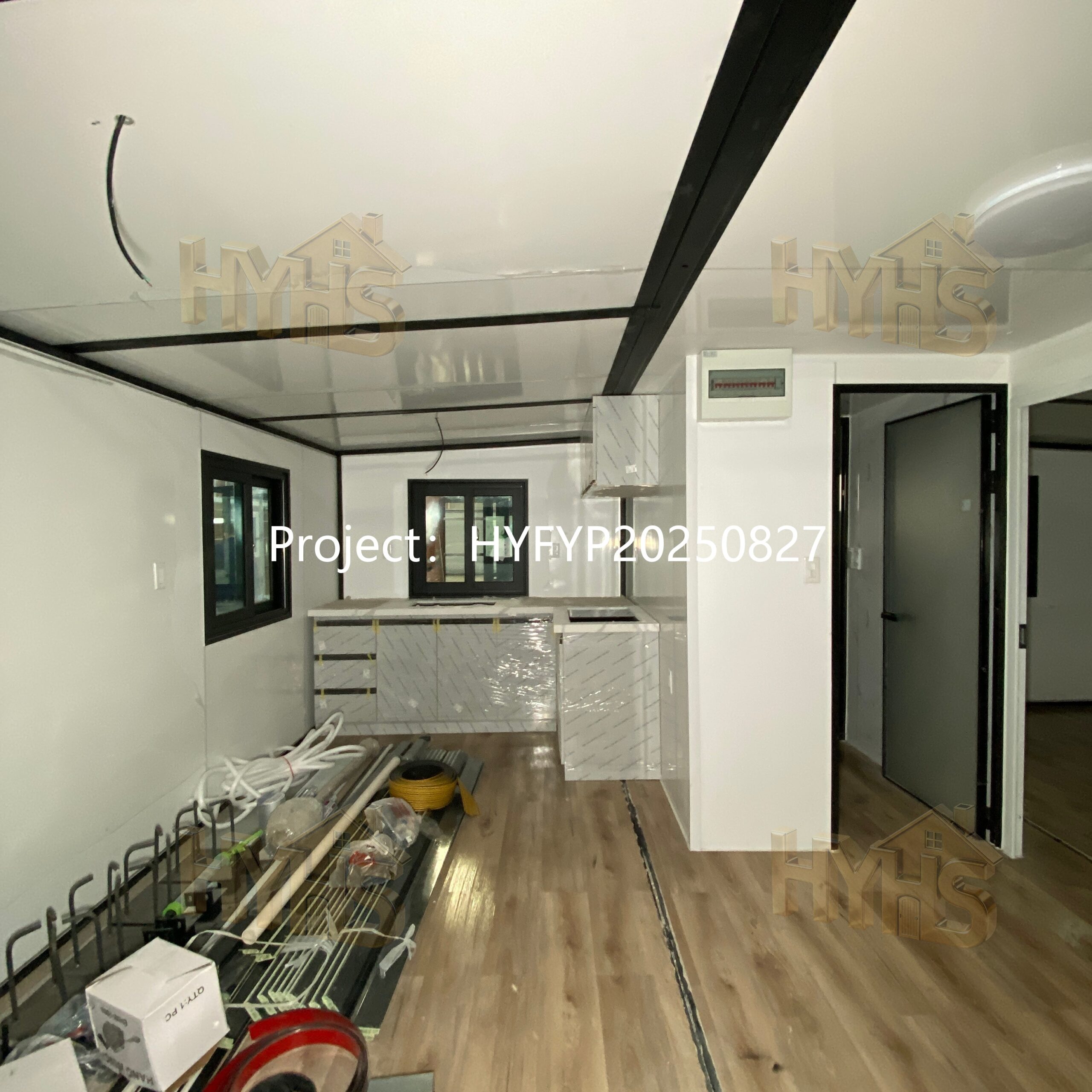
Factory-installed modules feature:
- Full-sized appliances and cabinetry
- Water-efficient fixtures
- Non-porous, easy-clean surfaces
- Plumbing pre-installed and tested
Customization Possibilities
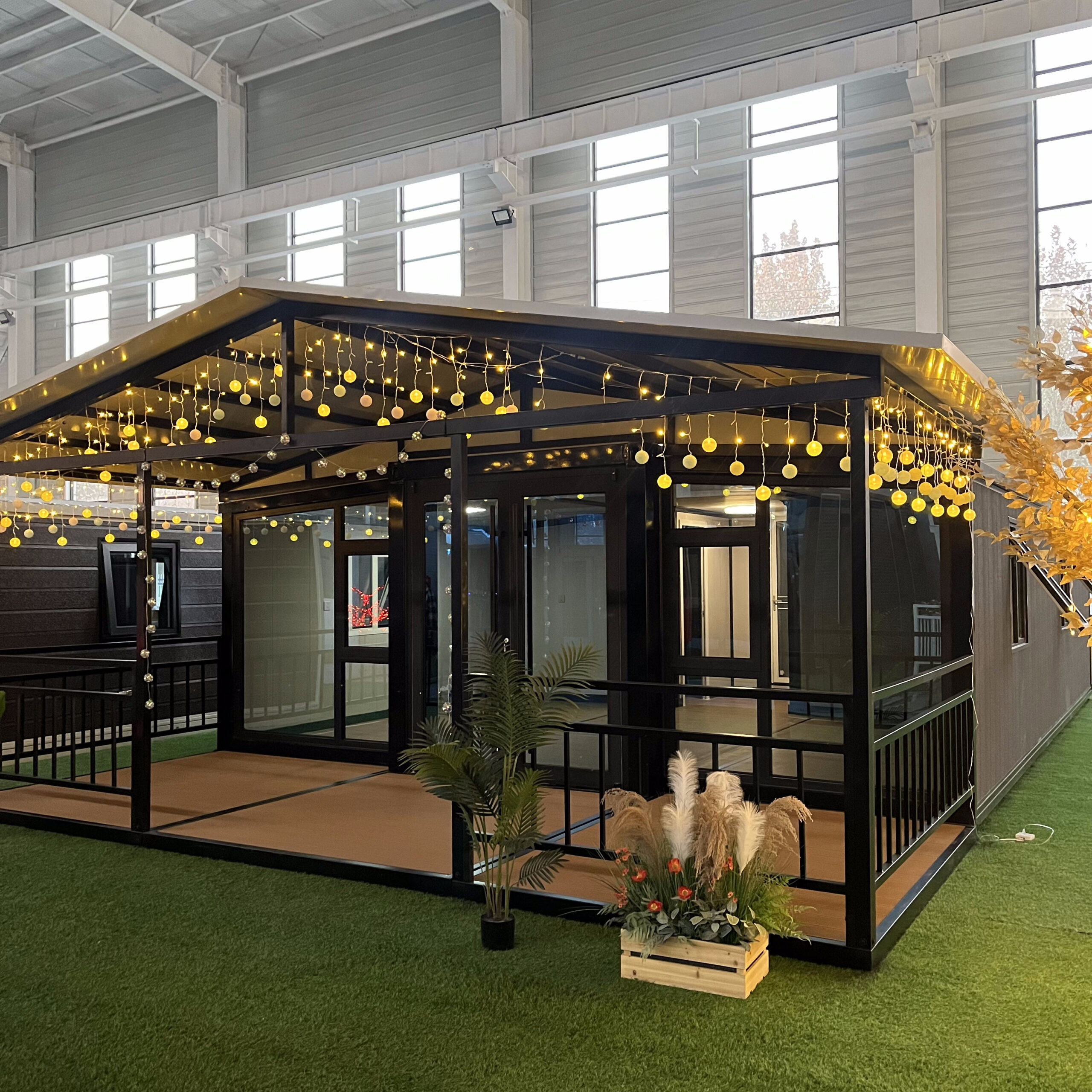
Contrary to modular stereotypes, container homes offer extensive personalization:
- Exterior cladding (timber, stone, composite)
- Interior partition configurations
- Specialized functional areas (home offices, gyms)
- Technology integration packages
Regulatory Landscape: Navigating Australian Requirements
Understanding building regulations is crucial for container housing adoption:
National Construction Code (NCC) Compliance
Container structures must meet:
- Structural integrity standards (AS/NZS 1170)
- Energy efficiency requirements (NatHERS)
- Fire safety regulations (AS 1530)
- Accessibility provisions (AS 1428)
Council Approval Variations
Regulations differ significantly across Australian states:
- NSW: More progressive policies in some LGAs
- QLD: Specific provisions for transportable homes
- WA: Remote area exemptions
- VIC: Focus on sustainability incentives
Financing & Insurance Considerations
Container home financing requires:
- Specialized construction loans
- Engineering certification documentation
- insurer-approved compliance certificates
- Permanent foundation documentation
Cost Analysis: Breaking Down the Numbers
A detailed financial comparison reveals container housing advantages:
Initial Construction Costs
| Cost Component | Container House | Traditional House |
|---|---|---|
| Design/Engineering | $5,000 – $15,000 | $15,000 – $40,000 |
| Materials | $60,000 – $90,000 | $120,000 – $200,000 |
| Labor | $20,000 – $35,000 | $80,000 – $150,000 |
| Site Preparation | $5,000 – $15,000 | $20,000 – $50,000 |
| Permits/Approvals | $3,000 – $8,000 | $5,000 – $15,000 |
| Total | $93,000 – $163,000 | $240,000 – $455,000 |
Long-Term Operational Expenses
Container homes typically show 20-30% lower ongoing costs due to:
- Superior insulation reducing energy bills
- Minimal maintenance requirements
- Reduced repair frequency
- Water-efficient fixtures
Environmental Impact: Sustainability Showdown
Container housing offers compelling environmental advantages critical for Australia’s carbon reduction goals:
Carbon Footprint Comparison
- Embodied Carbon: Container homes show 40-60% reduction
- Construction Waste: 70-80% less landfill contribution
- Material Recycling: 90%+ recyclability vs 40-50% for traditional builds
- Operational Energy: 25-35% reduction through high-performance envelopes
Resource Efficiency Metrics
| Resource | Container House | Traditional House |
|---|---|---|
| Water Usage (Construction) | 2,000 – 4,000L | 15,000 – 30,000L |
| Timber Consumption | 0.5 – 1.5 m³ | 15 – 30 m³ |
| Concrete Volume | 2 – 5 m³ | 40 – 80 m³ |
| Energy Input (GJ) | 15 – 25 | 45 – 85 |
Future-Proofing: Adapting to Australia’s Changing Needs
Container housing aligns with emerging Australian trends:
Demographic Shifts
- Aging population requiring accessible, low-maintenance homes
- Millennials/Gen Z prioritizing sustainability and flexibility
- Remote work enabling rural/semi-rural living
- Housing affordability crisis demanding innovative solutions
Climate Resilience
Container structures excel in:
- Bushfire-prone areas (non-combustible materials)
- Flood zones (elevated installation options)
- Cyclonic regions (superior wind resistance)
- Drought-affected areas (water conservation features)
Decision Framework: Choosing Your Housing Path
Use this framework to determine which option best suits your needs:
Choose Container Housing If:
- You prioritize speed of occupancy
- Budget constraints are significant
- Sustainability is a core value
- You need future relocation flexibility
- You’re building in remote/accessible-challenged areas
- You desire innovative, modern aesthetics
Choose Traditional Housing If:
- Architectural uniqueness is paramount
- You require specific neighborhood integration
- Traditional financing is essential
- You prefer established construction methods
- Resale value predictability is critical
- You’re building in highly regulated urban areas
Conclusion: Embracing Australia’s Housing Evolution
The container house vs traditional house debate reveals no universal winner – each serves distinct purposes in Australia’s diverse housing ecosystem. However, innovations like the 20-foot double-wing expansion container demonstrate how modular solutions are closing the gap with conventional builds while offering unique advantages in speed, cost, sustainability, and adaptability.
As Australia faces housing affordability challenges, climate imperatives, and changing lifestyle demands, container housing represents not just an alternative but often the optimal solution for specific scenarios. From disaster relief in bushfire-ravaged Victoria to eco-tourism in Queensland’s Daintree, from urban pop-ups in Sydney to remote mining camps in Western Australia, these versatile structures are proving their worth.
The decision ultimately