
Discover the innovative 20-foot customized double-wing expansion room revolutionizing prefabricated housing in Australia. This modular marvel combines rapid deployment, sustainable materials, and versatile design for villas, offices, and emergency shelters. Learn how its foldable “wing” structure expands living space by 70-80%, with factory-installed amenities and eco-friendly features for modern living.
The prefabricated housing landscape in Australia is undergoing a seismic shift, driven by innovative solutions like the 20-foot customized double-wing expansion room. As urban density increases and sustainability becomes non-negotiable, Australian homeowners and developers are turning to these modular marvels that blend efficiency, aesthetics, and adaptability. From the sun-drenched coasts of Queensland to the bustling suburbs of Sydney, these expandable structures are redefining how we think about temporary and permanent living spaces.
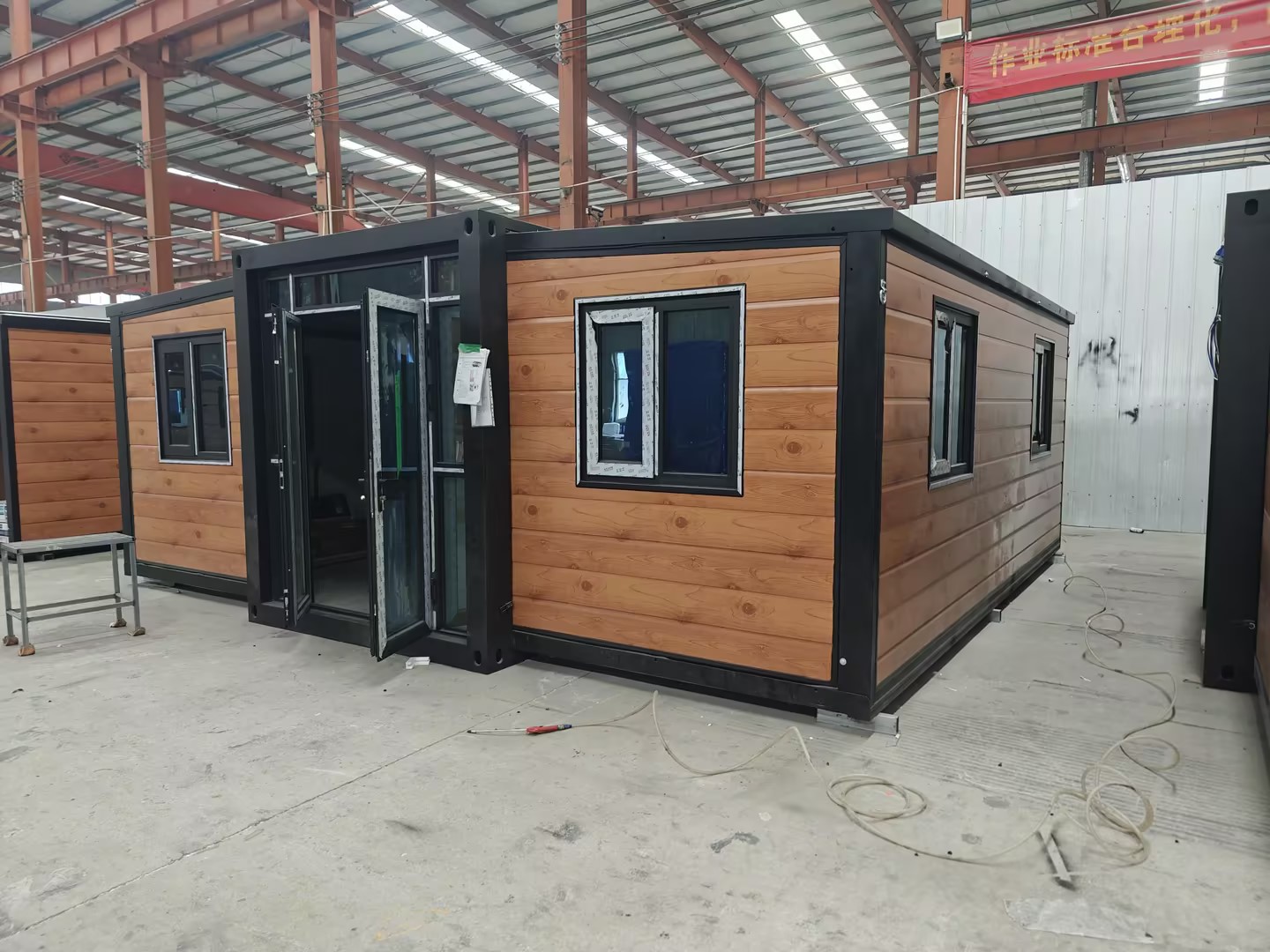
The Double-Wing Phenomenon: Beyond Traditional Prefabs
Imagine arriving at a pristine beachfront property in Byron Bay and witnessing a compact container transform into a spacious villa within hours. This isn’t science fiction—it’s the reality of double-wing expandable prefabs. Unlike conventional container homes, these structures feature lateral “wings” that unfold like origami, dramatically increasing usable floor area. When folded for transport, they maintain standard 20-foot container dimensions (W2200L5900H2480mm), complying with Australia’s strict road transport regulations. Once deployed, the wings extend to create a generous W6340L5900H2480mm living space—perfect for Australian lifestyles that value indoor-outdoor flow.
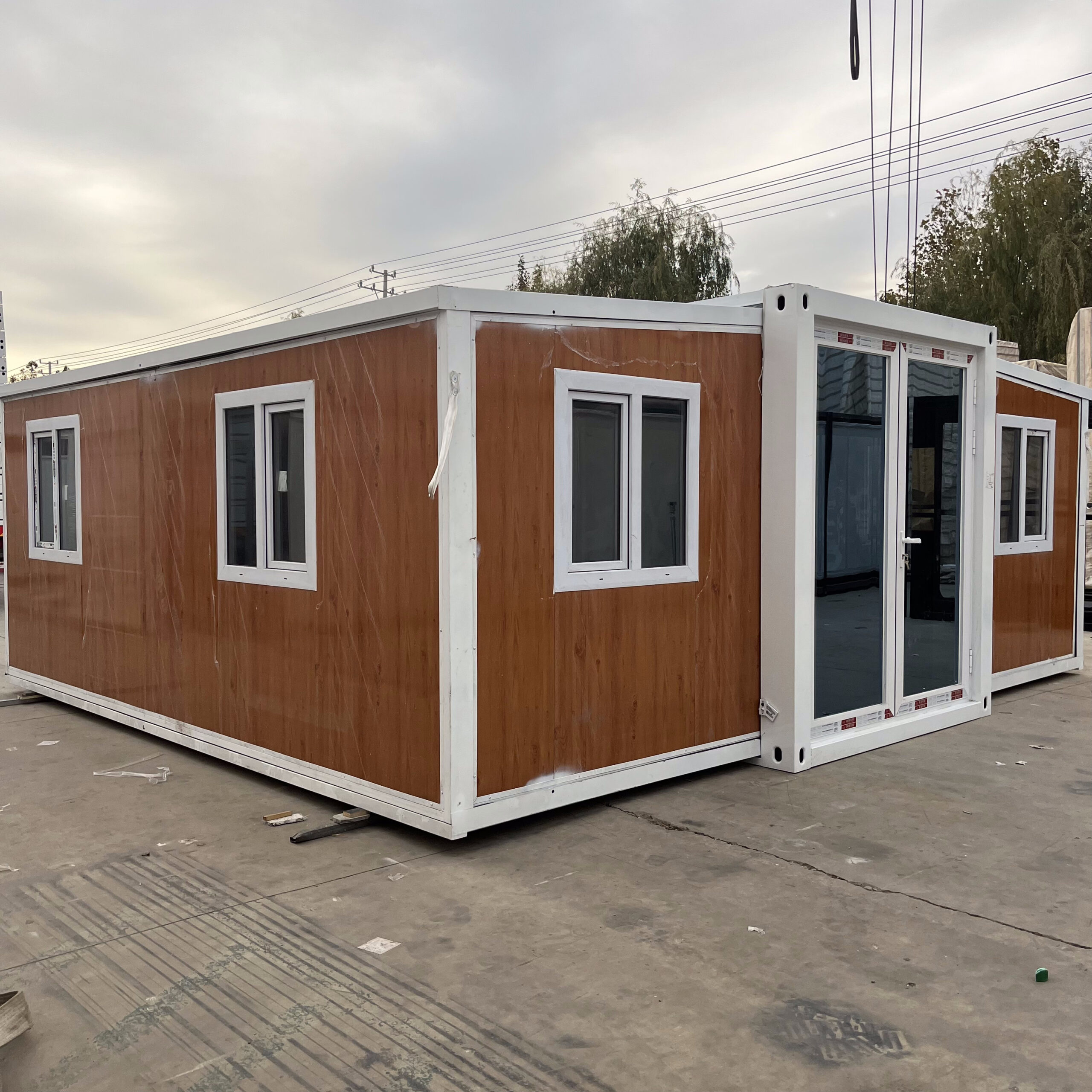
The genius lies in its dual-state design: compact mobility meets expansive comfort. During Australia’s notorious bushfire season, these units can be quickly relocated to safer zones. Post-disaster, they serve as rapid-response shelters in communities across New South Wales and Victoria. This adaptability makes them particularly valuable in a country prone to extreme weather events.
Engineering Excellence: Materials Built for Australian Conditions
Australian prefabs demand resilience against harsh UV exposure, cyclonic winds, and termite threats. The double-wing expansion room rises to the challenge with:
- Galvanized Steel Framework: Hot-dipped galvanized steel skeletons resist corrosion from coastal salt air and outback humidity, ensuring 20-30 year lifespans even in tropical Queensland or arid Western Australia.
- Advanced Insulation: Polyurethane or rock wool cores provide R-values exceeding Australian Building Code requirements, keeping interiors cool during Darwin’s 35°C+ summers and warm in Tasmania’s winter chills.
- Seamless Waterproofing: Proprietary interlocking systems prevent leaks during Queensland’s monsoon seasons, while raised foundations combat flooding—a critical feature in low-lying areas like Melbourne’s western suburbs.
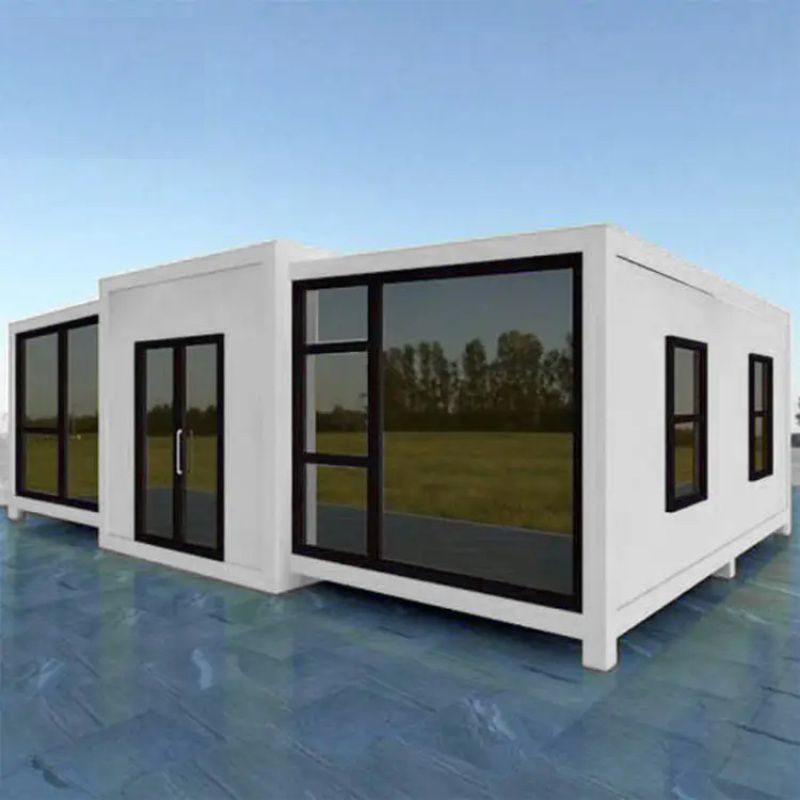
The manufacturing process mirrors Australia’s commitment to precision: 85% of construction occurs in factory-controlled environments, including plumbing, electrical, and finishes. This reduces on-site waste by 60% compared to traditional builds—aligning perfectly with the country’s National Waste Policy targets.
Interior Design: Where Function Meets Australian Aesthetics
Step inside and discover interiors that challenge every stereotype about container living. The open-plan design maximizes the 70-80% expanded space, featuring:
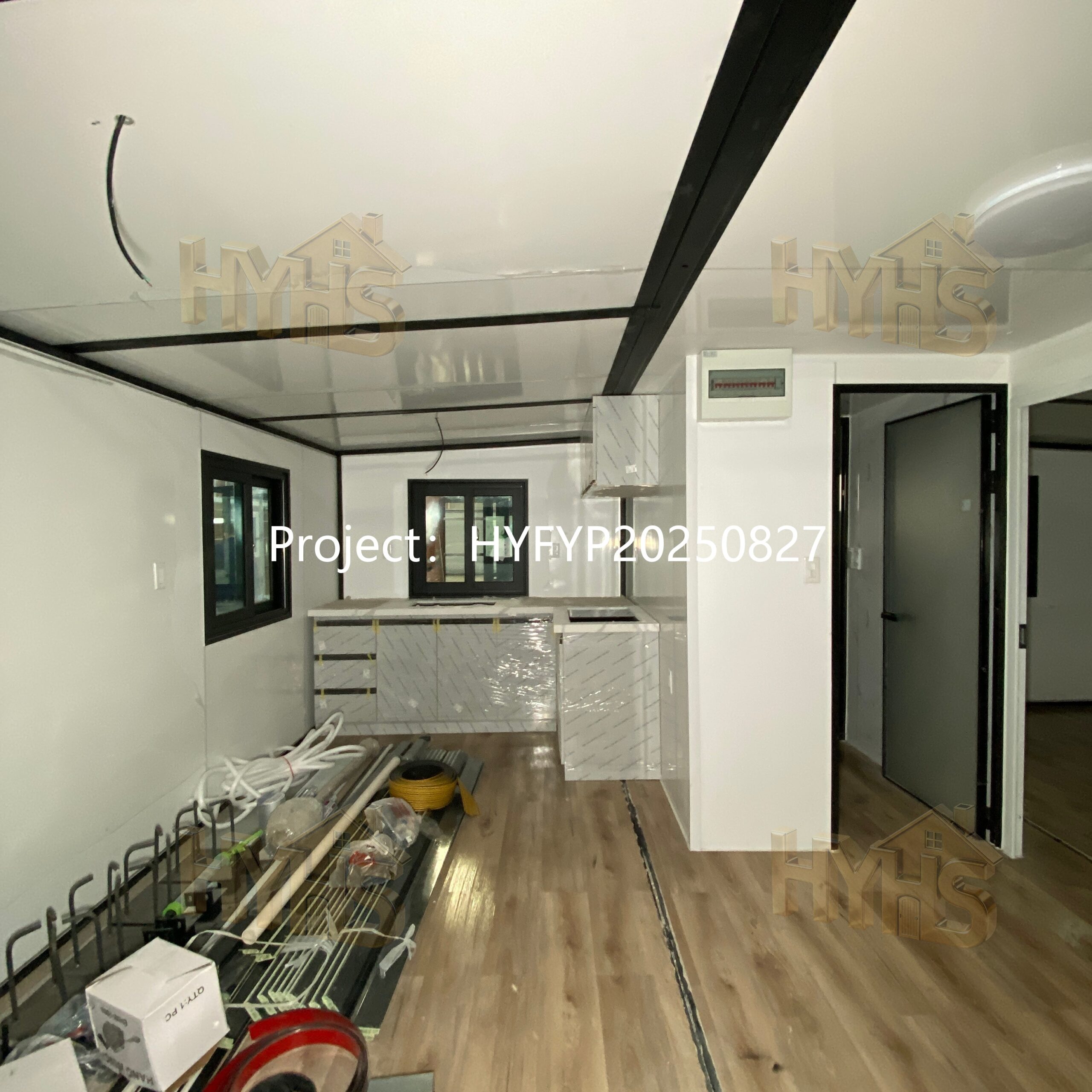
- Column-Free Living: Innovative engineering eliminates internal pillars, creating unobstructed spaces ideal for entertaining—a staple of Australian social culture.
- Integrated Kitchenettes: Compact yet functional kitchens with stone benchtops and energy-efficient appliances, designed for everything from beachside barbies to gourmet cooking.
- Smart Bathrooms: Water-saving fixtures meet Australia’s stringent WELS (Water Efficiency Labelling) standards, with dry composting toilets available for off-grid applications in remote areas like the Kimberley.

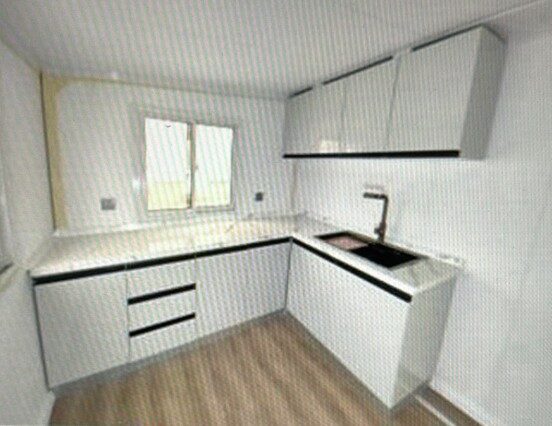
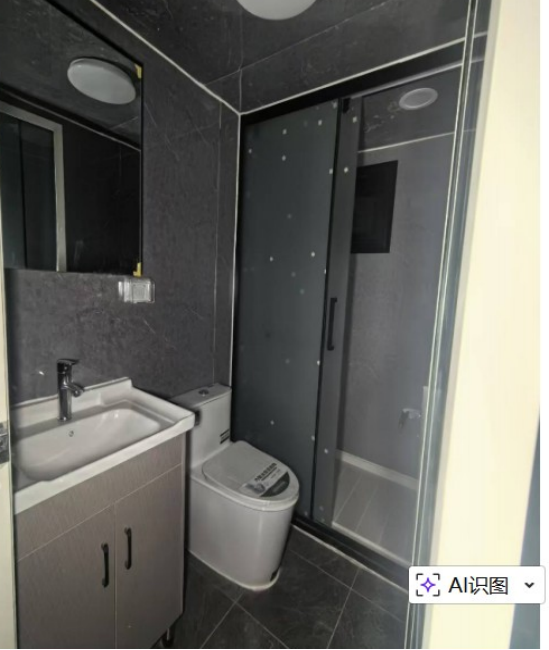
Customization options reflect Australia’s diverse landscapes: timber cladding for alpine Victoria, corrugated iron for outback aesthetics, or coastal-inspired whites for seaside properties. Each unit becomes a canvas for regional expression.
Deployment Speed: Solving Australia’s Housing Urgency
With Australia facing a housing shortfall exceeding 170,000 dwellings, speed is paramount. The double-wing expansion room delivers:
- Same-Day Installation: Foundation preparation takes hours using screw piles common in Australian geotechnical conditions. The unit itself unfolds in under 10 minutes, as demonstrated in this time-lapse:
Your browser does not support the video tag.
- Minimal Site Disruption: Perfect for sensitive ecological zones like Kangaroo Island, where traditional construction would damage fragile ecosystems.
- Scalability: Multiple units interconnect to create larger complexes—ideal for worker accommodations in mining regions like Pilbara or tourist villages in Tasmania.
This rapid deployment addresses critical needs across sectors: emergency housing after cyclones in Far North Queensland, pop-up clinics during health crises, or temporary classrooms in growing suburbs like Brisbane’s outer corridors.
Sustainability Credentials: Green Building for the Australian Climate
Australia’s commitment to net-zero emissions by 2050 makes sustainable construction essential. These prefabs excel through:
- Energy Efficiency: Low-E double-glazed windows reduce heat transfer by up to 40%, cutting cooling costs in Australia’s energy-intensive climate. Solar integration supports off-grid living in remote communities.
- Material Circularity: 90% of materials are recyclable, with steel frames often incorporating recycled content from Australian scrap metal programs.
- Low Embodied Carbon: Factory production slashes transportation emissions—vital in Australia’s vast distances. A single Sydney to Perth delivery saves 12 tons of CO2 compared to traditional building material transport.
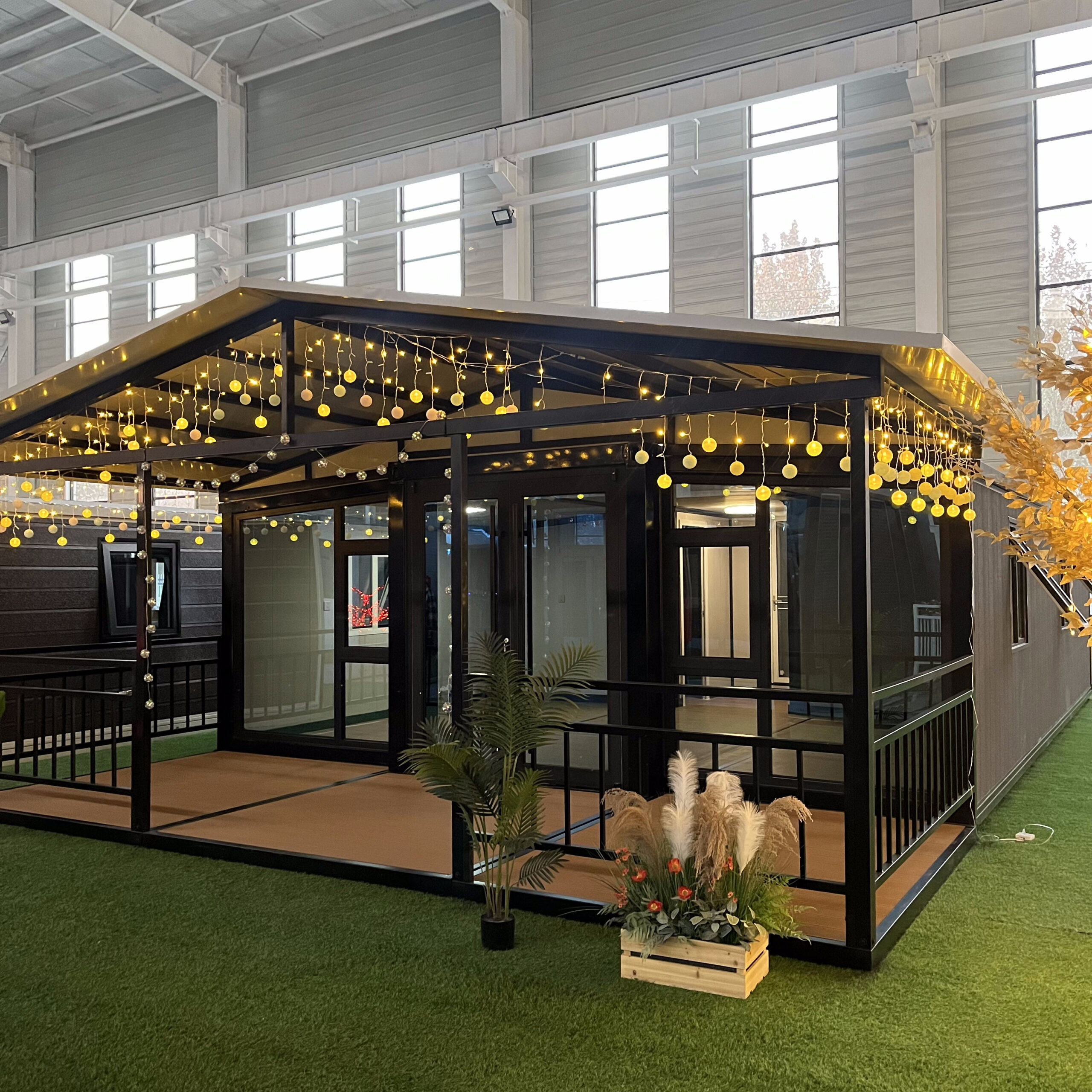
These features align with Australia’s National Construction Code (NCC) and Green Star ratings, making them eligible for sustainability grants in states like South Australia and Victoria.
Customization: Tailored for Australian Lifestyles
From surf shacks in Gold Coast to artist studios in Adelaide Hills, customization possibilities are endless:
- Exterior Finishes: Choose from timber veneers, Colorbond steel, or textured composites that withstand Australia’s UV index. Custom colors match local palettes—think ochres for Central Australia or blues for coastal Victoria.
- Layout Configurations: One-bedroom retreats, two-room offices, or open studios with fold-down decks that maximize indoor-outdoor living.
- Climate Adaptations: Enhanced insulation for Tasmania’s winters, cyclone-rated fittings for Queensland’s north, or bushfire-resistant materials for Victoria’s high-risk zones.
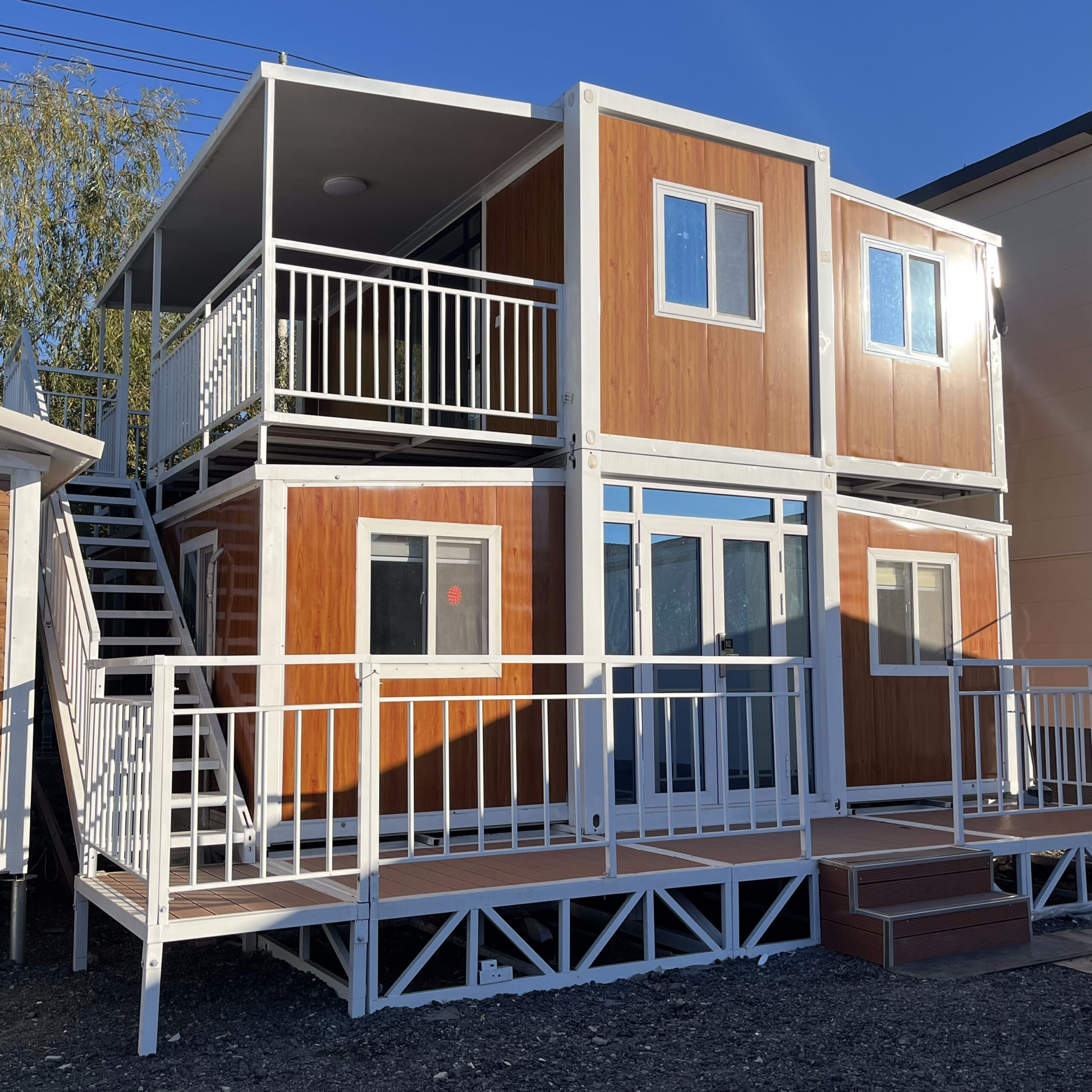
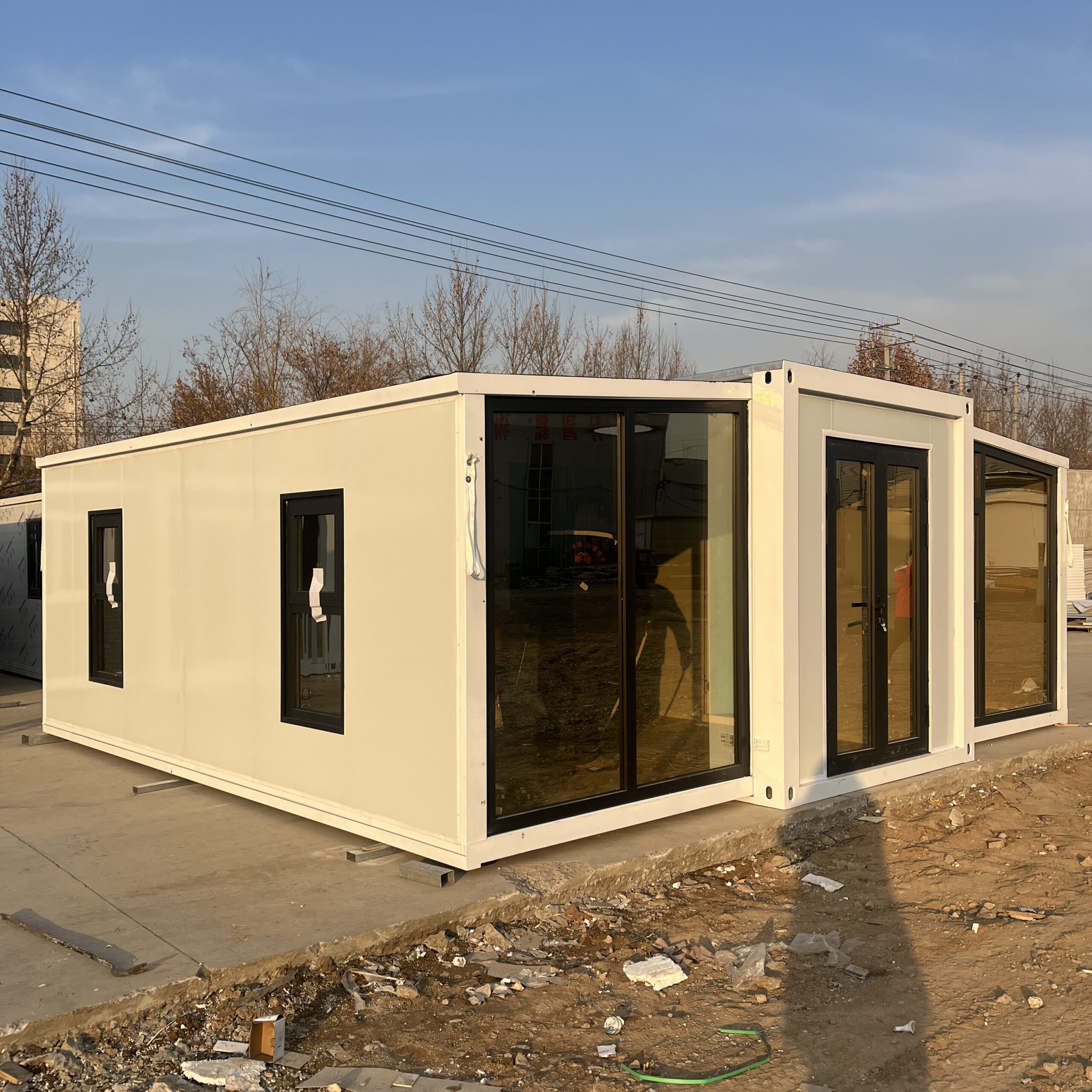
This flexibility makes them ideal for Australia’s diverse markets: luxury eco-resorts in Daintree Rainforest, affordable housing initiatives in Perth, or research stations in Antarctica (managed by Australian Antarctic Division).
Economic Advantages: Smart Investment for Australian Markets
With Australia’s construction costs soaring 15% annually, the financial benefits are compelling:
- Cost Savings: 30-40% cheaper than traditional builds, with Sydney projects saving AUD $80,000+ on average. Reduced labor costs address Australia’s skilled trades shortage.
- Rapid ROI: Deployable in days instead of months, accelerating rental income for Airbnb properties in tourist hotspots like Byron Bay or Margaret River.
- Depreciation Benefits: As plant and equipment under Australian tax law, these structures offer accelerated depreciation for investors—up to 20% per annum.
For Australian farmers needing seasonal worker housing or event planners requiring temporary venues, this model turns capital expenditure into revenue-generating assets within weeks.
Regulatory Navigation: Compliant Across Australian States
Australia’s fragmented building regulations pose challenges, but these units simplify compliance:
- NCC Certification: Engineered to meet National Construction Code requirements for structural integrity, fire safety, and accessibility.
- State-Specific Approvals: Pre-approved designs fast-track permits in Queensland’s QBCC system or Victoria’s VCAT processes.
- Temporary Use Permits: Ideal for events like Adelaide Fringe Festival or Melbourne Grand Prix, where short-term structures face stringent regulations.
Manufacturers provide documentation packages covering everything from Bushfire Attack Level (BAL) ratings to cyclonic wind loads—critical for approvals in high-risk Australian regions.
Real-World Australian Applications
These versatile structures are already making impacts across Australia:
- Disaster Response: Deployed as emergency housing after Lismore floods, with units operational within 48 hours.
- Tourism: Luxury glamping pods in Tasmania’s Freycinet Peninsula, offering five-star amenities with minimal environmental footprint.
- Remote Operations: Worker accommodations in Western Australia’s mining camps, reducing fly-in/fly-out costs and improving staff retention.
- Education: Temporary classrooms during school renovations in Brisbane, ensuring uninterrupted learning.
Each application leverages the core strengths: speed, adaptability, and resilience—qualities essential for success in Australia’s dynamic environments.
Future-Proofing: Adapting to Australia’s Changing Needs
As Australia confronts climate change and population shifts, these prefabs offer scalable solutions:
- Climate Resilience: Upgradable insulation and renewable energy systems prepare for increasing temperatures and extreme weather events.
- Aging Population: Accessibility features like step-free entries and wider doorways support Australia’s growing senior demographic.
- Urban Density: Backyard granny flats in Sydney and Melbourne address multigenerational living needs without compromising privacy.
The modular design allows for future expansions or reconfigurations—crucial as Australian lifestyles evolve post-pandemic with more remote work and multigenerational cohabitation.
Conclusion: The Australian Prefab Revolution Has Arrived
The 20-foot customized double-wing expansion room represents more than just architectural innovation—it’s a response to Australia’s unique challenges: vast distances, climate extremes, and urgent housing needs. By combining rapid deployment, sustainable materials, and intelligent design, these structures offer a blueprint for the future of Australian living.
From luxury eco-villas in Noosa to functional shelters in outback communities, they demonstrate that prefabricated housing can be both beautiful and pragmatic. As Australia continues to lead in sustainable building practices, these expandable units will undoubtedly play a central role in shaping resilient, adaptable communities for decades to come.
For developers, homeowners, and organizations across Australia, the message is clear: the future of housing isn’t just built—it’s deployed. And with the double-wing expansion room, that future arrives faster, smarter, and more sustainably than ever before.
本文由人工智能技术生成,基于公开技术资料和厂商官方信息整合撰写,以确保信息的时效性与客观性。我们建议您将所有信息作为决策参考,并最终以各云厂商官方页面的最新公告为准。