
Exploring the key differences between shipping container homes and traditional houses in Australia, with detailed analysis of innovative foldable container solutions like the 1400H 14m² standard and pro models. Discover cost, installation, durability and application comparisons for modern housing needs.
When it comes to housing options in Australia, the debate between shipping container homes and traditional houses has gained significant traction in recent years. As housing costs soar and environmental awareness grows, many Aussies are exploring innovative alternatives to conventional brick-and-mortar structures. Today, we’ll dive deep into this comparison while introducing two revolutionary products: the 1400H 14m² sea transportation version foldable container houses – available in both standard and enhanced editions. Let’s unpack how these modern solutions stack up against traditional housing.
The Great Australian Housing Debate: Container vs Traditional
In cities like Sydney and Melbourne, where property prices have skyrocketed, the appeal of alternative housing has never been stronger. Traditional houses offer familiarity and space but come with hefty price tags and lengthy construction timelines. On the flip side, shipping container homes present a faster, more affordable alternative – though they come with their own set of considerations.
Traditional Australian homes typically cost between $1,200-$2,500 per square meter to build, with construction timelines stretching 6-12 months. They offer excellent insulation and customization but require significant resources and land preparation. Container homes, meanwhile, can reduce costs by 30-50% and be installed in days rather than months. However, early container designs faced challenges with insulation, space limitations, and social perception.
This is where next-generation solutions like the 1400H series come in – addressing historical pain points while maximizing the inherent advantages of container construction. Let’s examine these two innovative models that are changing the game across Australian states from Queensland to Western Australia.
Meet the 1400H Series: Foldable Container Innovation
The 1400H 14m² sea transportation version represents a significant leap forward in container housing technology. Designed specifically for efficient shipping and rapid deployment, these units come in two configurations: the standard model and the enhanced pro version. Both share core advantages over traditional housing:
- Transport efficiency: Foldable design reduces shipping volume by 85%
- Speed: Installation in under 60 minutes
- Cost: 40-60% cheaper than comparable traditional structures
- Sustainability: Recyclable materials with minimal site disturbance
Before we dive into the specific differences between the two models, let’s visualize these innovative structures:
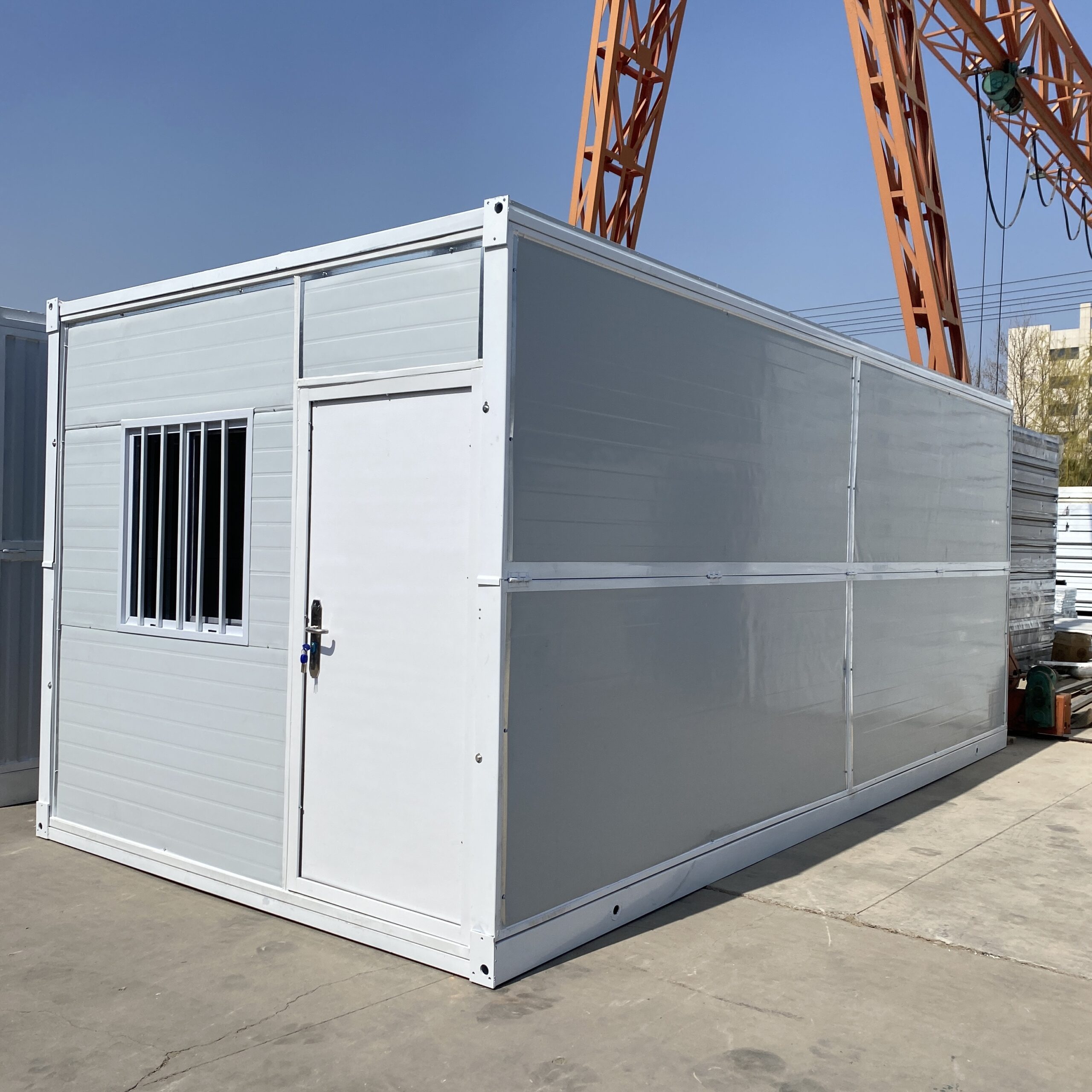
Standard 1400H exterior with white frame and light gray wall panels
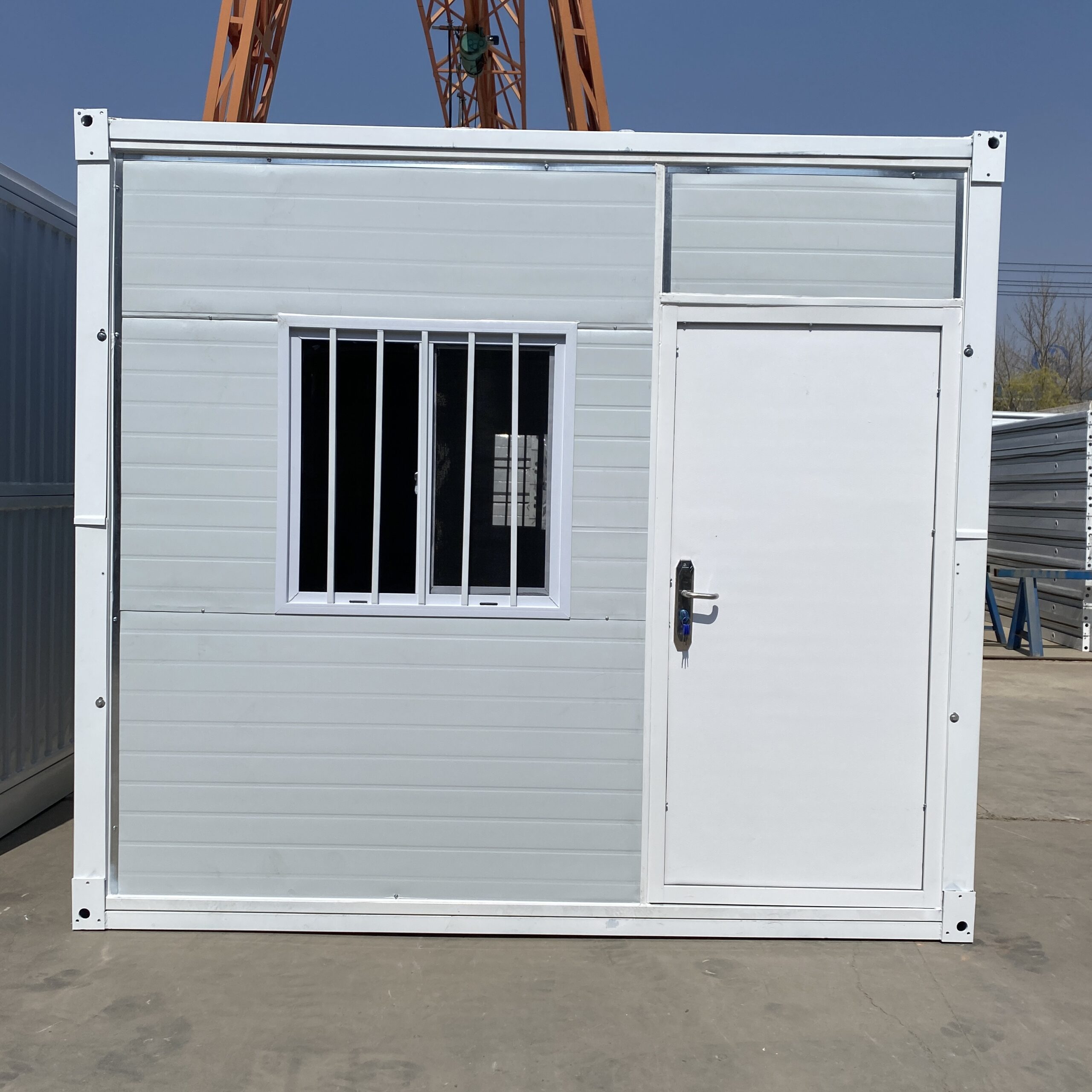
Enhanced 1400H Pro with additional metal carved board cladding
1400H Standard vs Pro: Key Differences Explained
While both models share the same core dimensions and foldable frame technology, several important distinctions set them apart. Understanding these differences will help Australian buyers choose the right solution for their specific needs – whether for a remote mining camp in Western Australia or a temporary retail space in Brisbane.
Core Specifications (Shared by Both Models)
- Expanded Dimensions: 5900mm (L) x 2480mm (W) x 2540mm (H) externally
- Internal Space: 5720mm (L) x 2360mm (W) x 2410mm (H)
- Folded Size: 5900mm x 2480mm x 340mm (reducing shipping volume dramatically)
- Frame: Q235 galvanized steel with spray paint finish
- Door: W970xH1970mm steel security door
- Electrical: European standard sockets with 4mm² main line, 32A circuit breaker
- Windows: Two 900x900mm PVC double-glazed windows
- Lighting: 21W LED strip light
- Sealing: D-type rubber strips + structural sealant for dust/waterproofing
- Drainage: Natural gravity drainage system
Standard Model Features
The 1400H 14m² standard version offers excellent value for budget-conscious Australian buyers without compromising essential functionality:
- Exterior Finish: White frame with light gray wall panels
- Flooring: Cement ground finish
- Insulation: 65mm EPS panels (front/back), 50mm EPS (sides), 75mm glass wool roof
- Frame Lifespan: 10 years (galvanized steel with spray paint)
- Shipping Density: 12 units per 40HC container
- Best For: Short-term projects, budget-limited applications, basic shelter needs
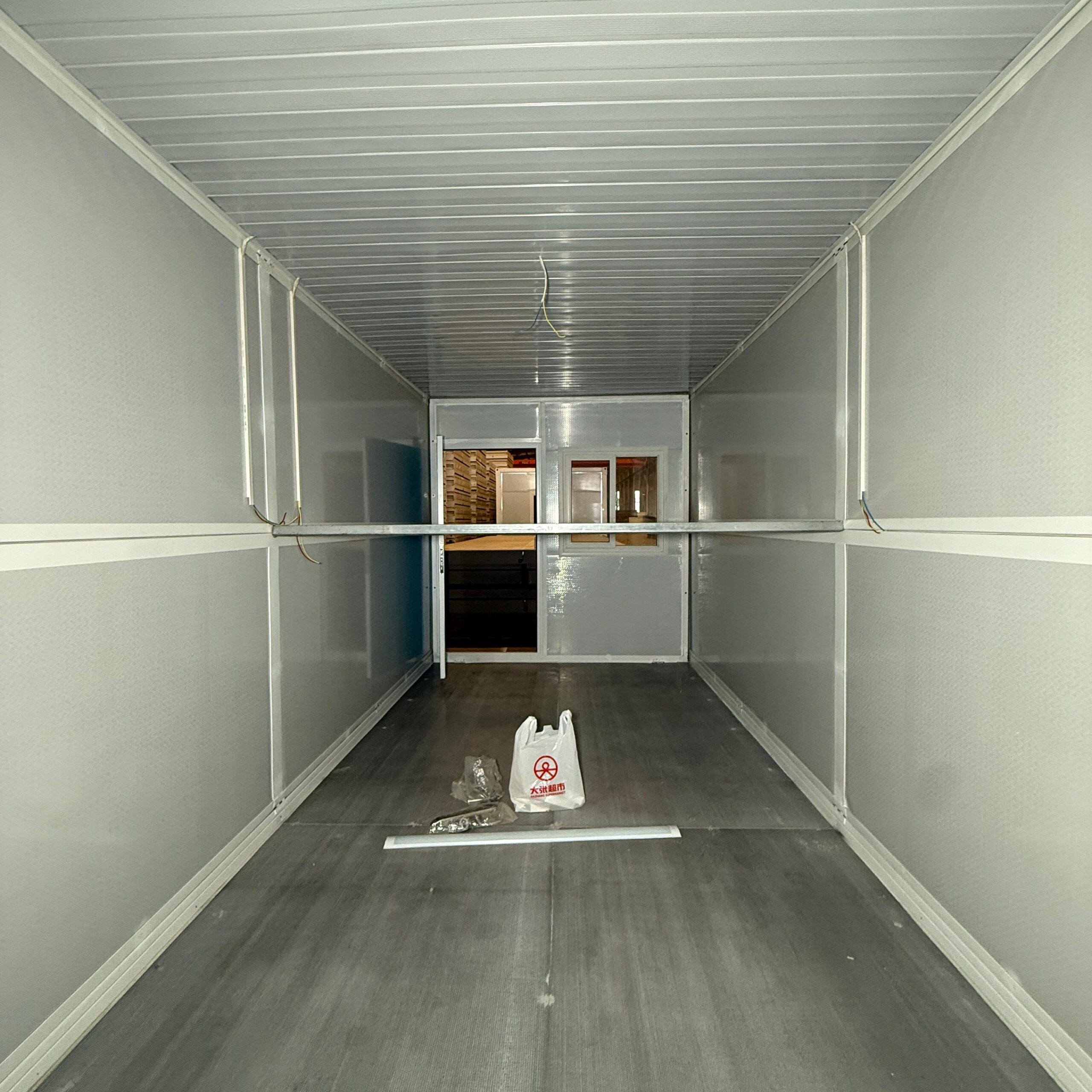
Standard model interior with cement flooring and basic finishes
Pro Model Enhancements
The 1400H Pro version adds premium features for enhanced durability, insulation, and aesthetics – ideal for Australian conditions:
- Exterior Finish: White frame, light gray panels PLUS 16mm metal carved board (customer-installed)
- Flooring: Upgraded plastic flooring (more durable and comfortable than cement)
- Enhanced Insulation: Adds 16mm polyurethane insulation metal carved board to exterior walls
- Roof Upgrade: Great Wall aluminum tiles for superior weather protection
- Frame Lifespan: 30 years (additional exterior protective boards)
- Shipping Density: 10 units per 40HC container (due to enhanced features)
- Best For: Long-term installations, extreme weather areas, premium applications
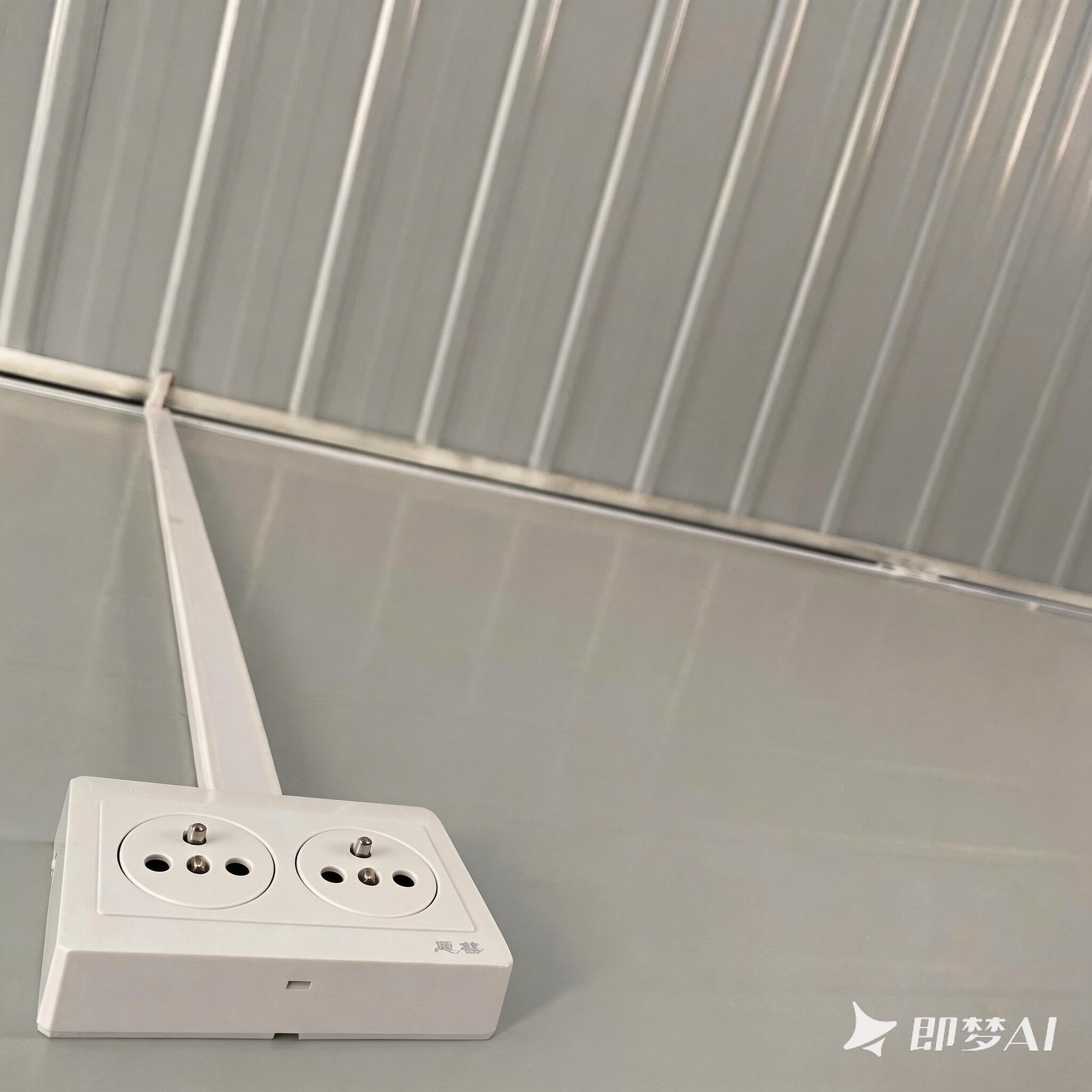
Pro model interior showing upgraded flooring and European standard outlets
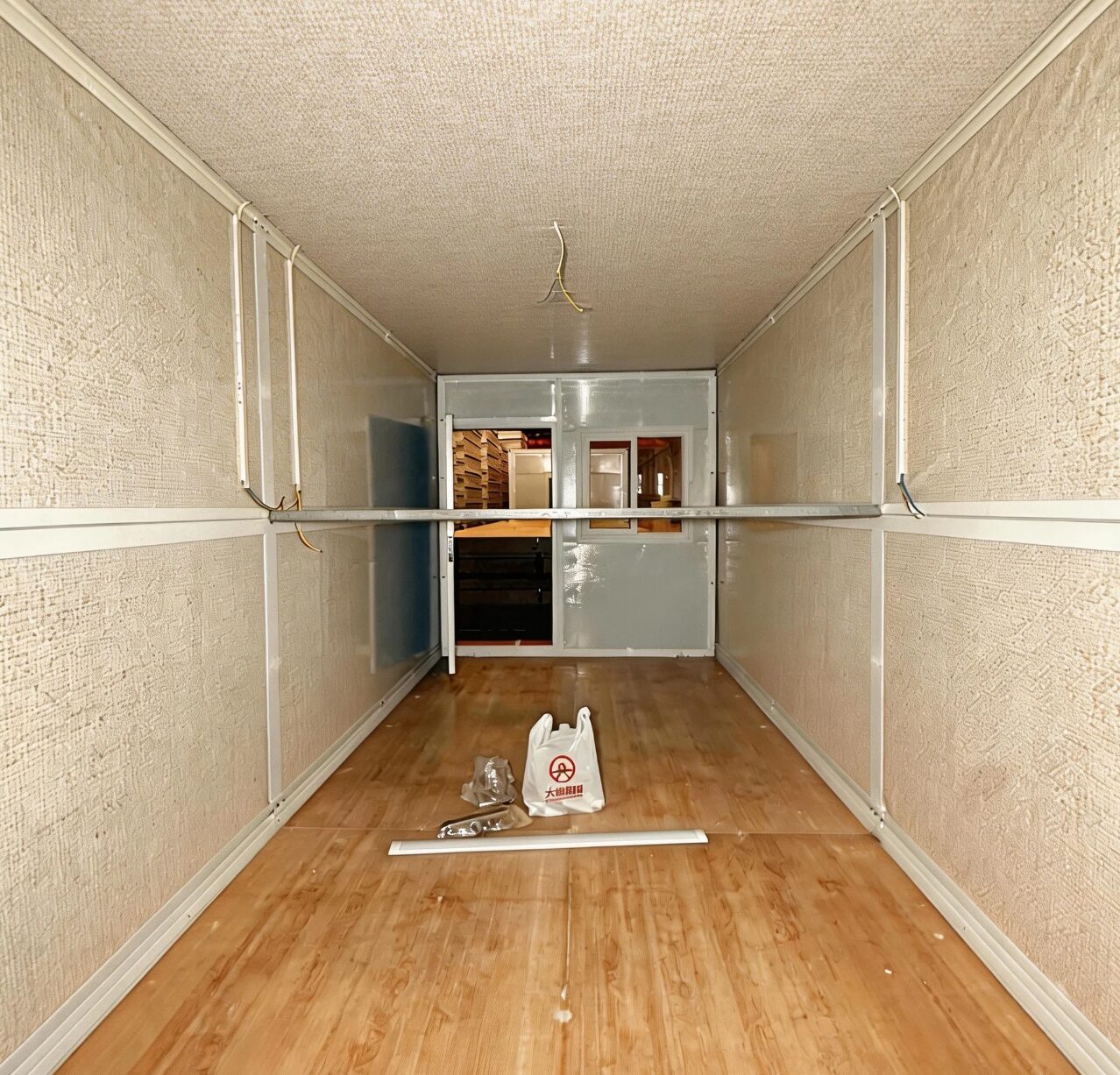
Enhanced pro interior with premium finishes and improved insulation
Container vs Traditional: Head-to-Head Comparison
Now that we understand the 1400H models, let’s directly compare these innovative container solutions against traditional Australian housing across key factors:
1. Cost Efficiency
Traditional House: The average new build in Australia costs $320,000-$500,000+ for a basic home. Additional costs include land preparation ($20,000-$50,000), utilities connection ($10,000-$30,000), and ongoing maintenance.
1400H Container: Complete units cost $15,000-$25,000 (standard) to $22,000-$35,000 (pro), including delivery. Minimal site prep required – just level ground. No foundation costs typical of traditional builds.
Winner: Container homes by a significant margin, especially for temporary or auxiliary structures.
2. Installation Speed
Traditional House: 6-12 months from permit to occupancy, weather-dependent. Requires multiple tradespeople and constant supervision.
1400H Container: Unfolded and installed in under 60 minutes by 2-3 people. Ready for immediate occupancy after basic utility connections. Perfect for rapid deployment in disaster scenarios or temporary projects.
Winner: Container homes – the speed difference is measured in months vs. minutes.
3. Durability & Lifespan
Traditional House: 50+ years with proper maintenance. Vulnerable to termites, rot, and weather damage over time.
1400H Container: Standard model: 10+ years; Pro model: 30+ years. Galvanized steel structure resists pests, rot, and extreme weather. Pro version’s enhanced cladding provides additional protection against Australia’s harsh conditions.
Winner: Traditional houses for very long-term (50+ year) permanence; Pro containers for 20-30 year installations with superior resilience.
4. Portability & Flexibility
Traditional House: Permanent structure. Relocation costs $50,000+ and often isn’t feasible. Modifications require major construction.
1400H Container: Designed for mobility. Folded dimensions (5900x2480x340mm) allow easy transport. Can be relocated for $3,000-$8,000 depending on distance. Modular design enables easy expansion by connecting additional units.
Winner: Container homes – the foldable design makes them uniquely adaptable to changing needs.
5. Environmental Impact
Traditional House: High carbon footprint from materials (concrete, bricks) and construction waste. Significant land disturbance.
1400H Container: Primarily recyclable steel construction. Minimal site disturbance. Foldable design reduces transport emissions by 85% compared to non-foldable containers. Pro version’s enhanced insulation improves energy efficiency.
Winner: Container homes – significantly lower environmental impact throughout lifecycle.
Real-World Applications Across Australia
The versatility of the 1400H series makes them ideal for diverse Australian scenarios. Here are five prime applications where these foldable containers outperform traditional construction:
1. Emergency & Disaster Response
When bushfires or floods strike communities like those in New South Wales or Victoria, rapid shelter deployment is critical. Traditional temporary shelters often lack durability and insulation. The 1400H Pro units can be transported folded, installed in
本文由人工智能技术生成,基于公开技术资料和厂商官方信息整合撰写,以确保信息的时效性与客观性。我们建议您将所有信息作为决策参考,并最终以各云厂商官方页面的最新公告为准。