
摘要: Discover how a 40-foot double-wing expansion container house with integrated solar panels revolutionizes off-grid living in Australia. This customizable, eco-friendly dwelling combines rapid deployment, weather resilience, and energy independence for remote locations, offering a sustainable alternative to traditional housing.
Imagine waking up to sun-drenched vistas in Australia’s rugged Outback or coastal wilderness, completely untethered from utility grids – yet enjoying modern comforts in a stylish, expandable home. The 40-foot customized double-wing expansion container house with solar panels makes this dream a tangible reality. Engineered for off-grid pioneers, this innovative dwelling merges industrial durability with residential luxury, offering rapid deployment, exceptional weather resistance, and complete energy autonomy. Whether nestled in the Blue Mountains, perched along the Great Ocean Road, or stationed in the Kimberley, this solar-powered habitat redefines sustainable living.
The Evolution of Off-Grid Living: Why Container Homes?
Off-grid living has surged in popularity as Australians seek escape from urban congestion and rising energy costs. Traditional construction, however, poses challenges in remote areas: lengthy build times, logistical hurdles, and environmental disruption. Container homes address these pain points through modular design, factory precision, and inherent portability. The 40-foot double-wing model elevates this concept further, transforming a compact shipping container into a spacious, multi-room residence in hours – not months.
What sets this design apart? Its ingenious “wing” mechanism allows the structure to expand 70-80% in width after transport, creating an open-plan living area that rivals conventional homes. When folded for transit, it maintains standard container dimensions (11.8m x 2.2m x 2.48m), ensuring seamless delivery via road, rail, or sea to Australia’s most isolated corners. This adaptability makes it ideal for:
- Remote eco-retreats in Tasmania’s wilderness
- Research stations in the Nullarbor Plain
- Sustainable tourism pods in Far North Queensland
- Disaster-relief housing in cyclone-prone regions
Meet the Game-Changer: Double-Wing Expansion Technology
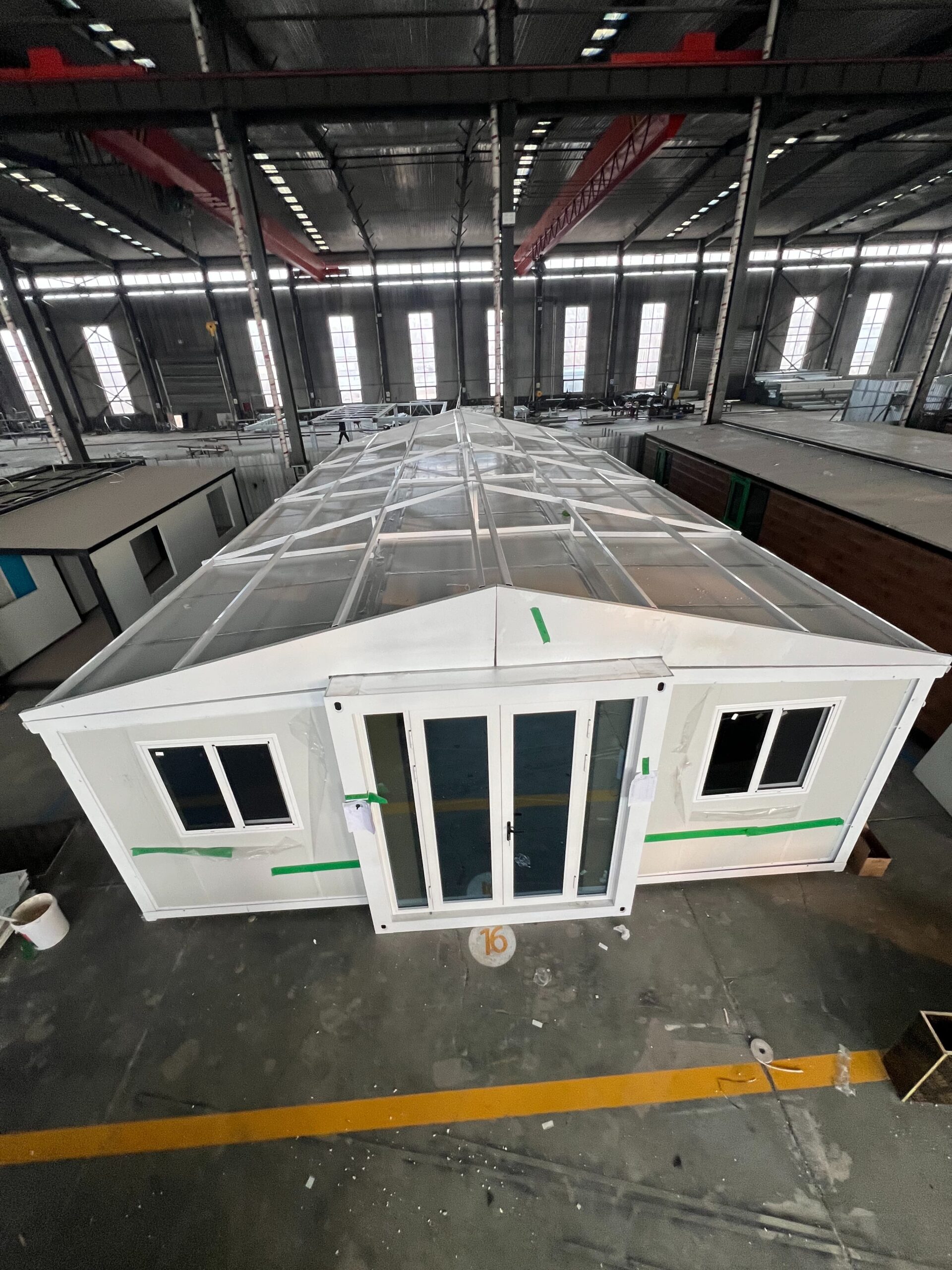
The double-wing container house is a marvel of engineering innovation. Its core feature – two hydraulically or manually deployable side panels – unfolds like wings, instantly expanding the footprint from a compact 2.2m width to an impressive 6.24m. This metamorphosis creates a 70m² living space (unfolded dimensions: 11.8m x 6.24m x 2.48m) that feels spacious and airy, thanks to 2.2m ceiling heights and strategic window placements.
Structural Brilliance: Built for Australia’s Extremes
Crafted from hot-dip galvanized steel frames, this dwelling withstands Australia’s harsh conditions – from blistering heat in the Pilbara to gale-force winds in Bass Strait. The corrosion-resistant structure boasts:
- Seismic resilience: Withstands Richter scale 8.0 earthquakes
- Wind resistance: Engineered for 10-12 cyclonic conditions
- Thermal efficiency: Polyurethane or rock wool insulation (50-100mm thickness) maintains interior temperatures
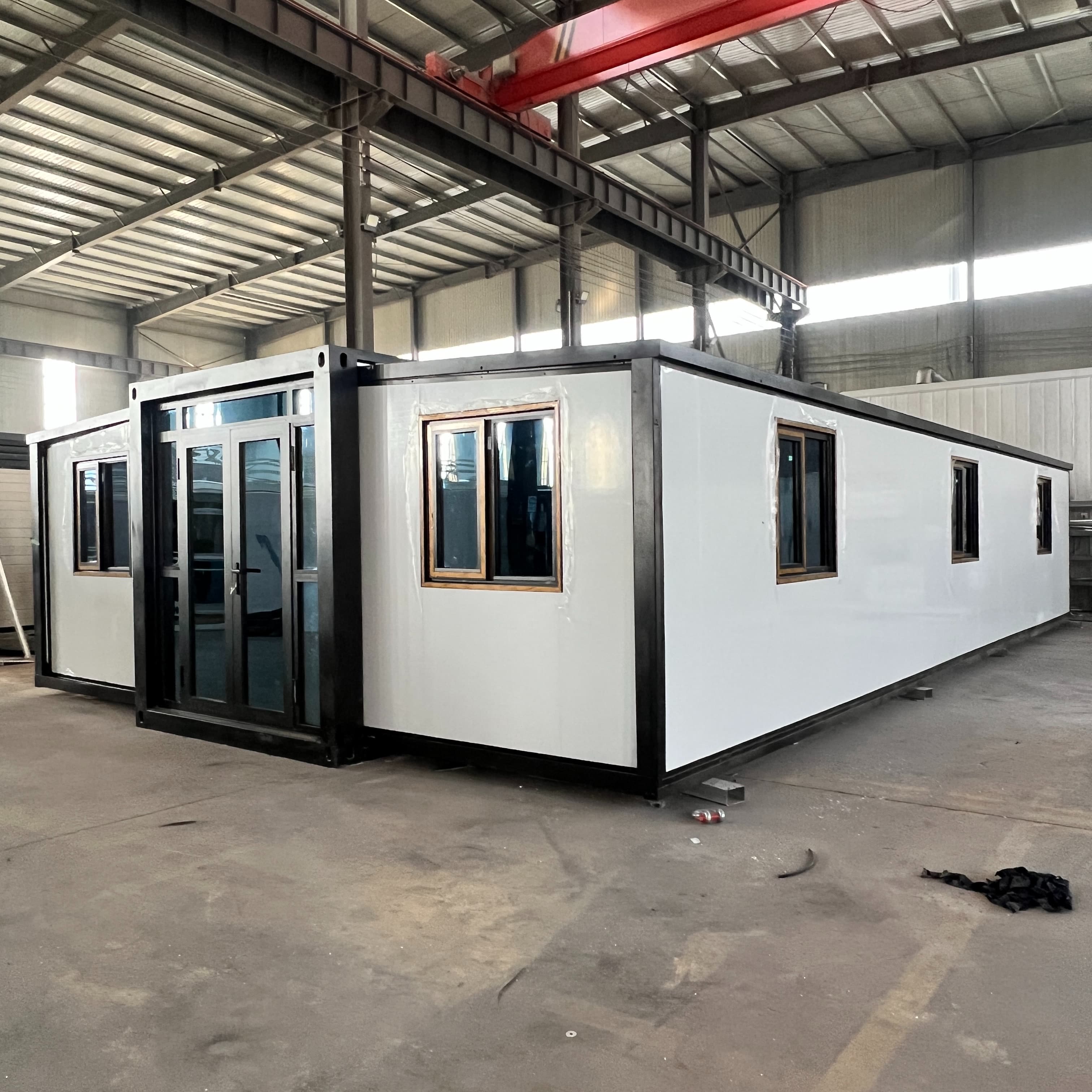
Design Flexibility: Pitched vs. Flat Roof Options
Choose between two roof styles to match your climate and aesthetic:
- Pitched roof: Ideal for high-rainfall regions (e.g., Victorian Alps) with excellent water runoff and optional loft space
- Flat roof: Perfect for solar panel integration and minimalist aesthetics in arid zones like South Australia’s Flinders Ranges
Both options feature seamless waterproofing through welded joints and high-grade sealants, eliminating leaks during monsoonal downpours.
Solar Integration: The Heart of Off-Grid Independence
True off-grid freedom demands reliable energy. This container house comes pre-configured for solar panel integration, with:
- Roof reinforcement: Supports 5-10kW solar arrays (adjustable based on location)
- Wiring conduits: Pre-installed channels for solar cables
- Battery compartment: Dedicated, ventilated space for lithium-ion battery banks
For Australian conditions, we recommend:
- 8kW solar array (generates 30-40 kWh/day in most regions)
- 20kWh lithium battery storage
- 5kW hybrid inverter with grid fallback capability
This system powers everything from air conditioning to kitchen appliances, ensuring year-round comfort. In Darwin’s tropical climate, it runs cooling units continuously; in Hobart’s winter, it heats the space efficiently. Optional smart monitoring apps track energy production and consumption via satellite.
Interior Transformation: From Container to Comfort Zone
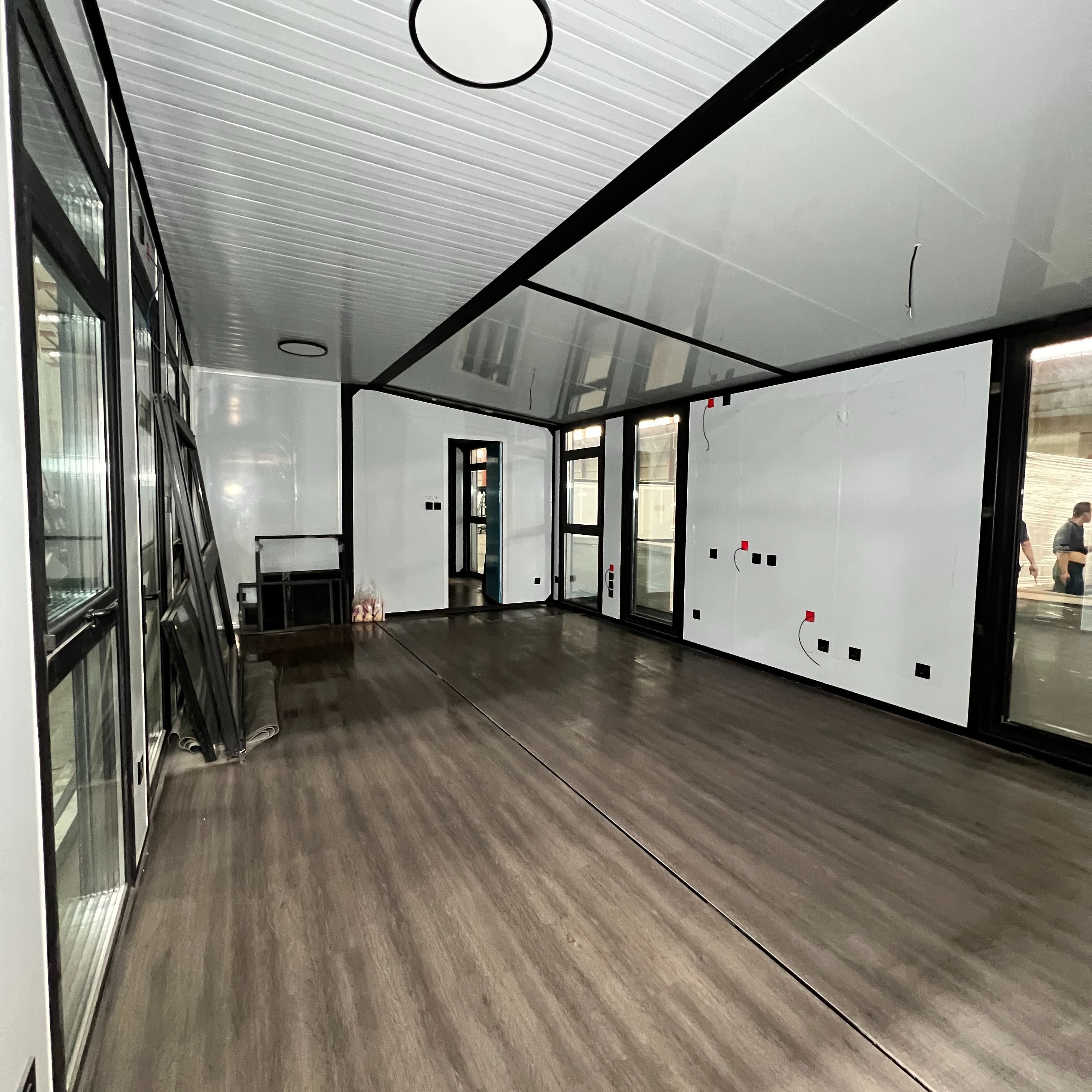
While the exterior impresses with industrial strength, the interior surprises with residential refinement. Factory pre-fitting completes 85% of construction before delivery, including:
- Electrical systems: LED lighting, USB ports, and 240V outlets
- Plumbing: PEX water lines with greywater recycling hooks
- Finishes: Bamboo flooring, moisture-resistant wall panels
Kitchen: Off-Grid Culinary Hub
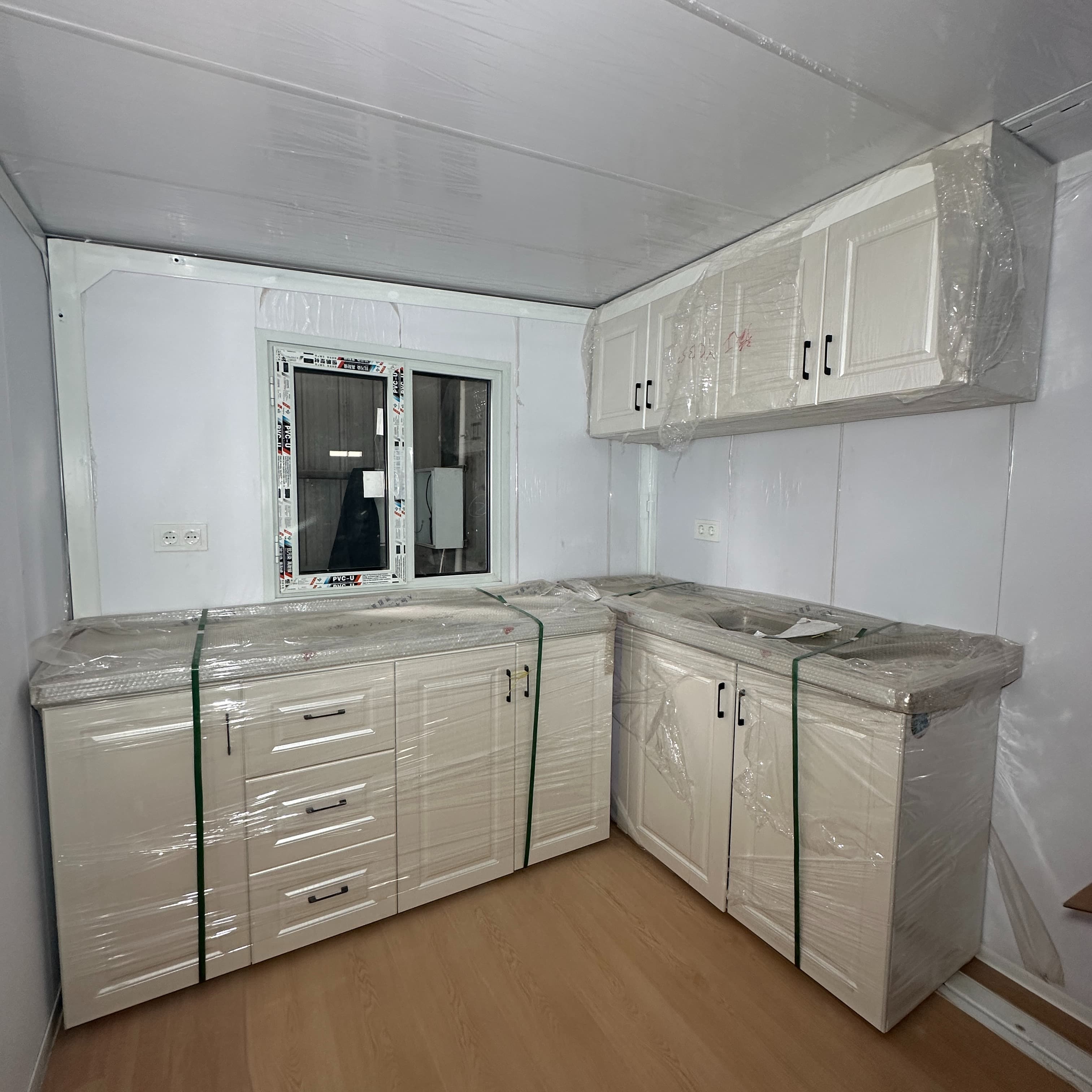
The galley kitchen maximizes efficiency without sacrificing style:
- Induction cooktop (runs on solar power)
- 12V/240V refrigerator-freezer
- Composite stone countertops with integrated sink
- Low-flow faucet with water filtration system
Optional upgrades include propane cooktops for gas enthusiasts and composting toilets for water conservation.
Bathroom: Sustainable Sanctuary
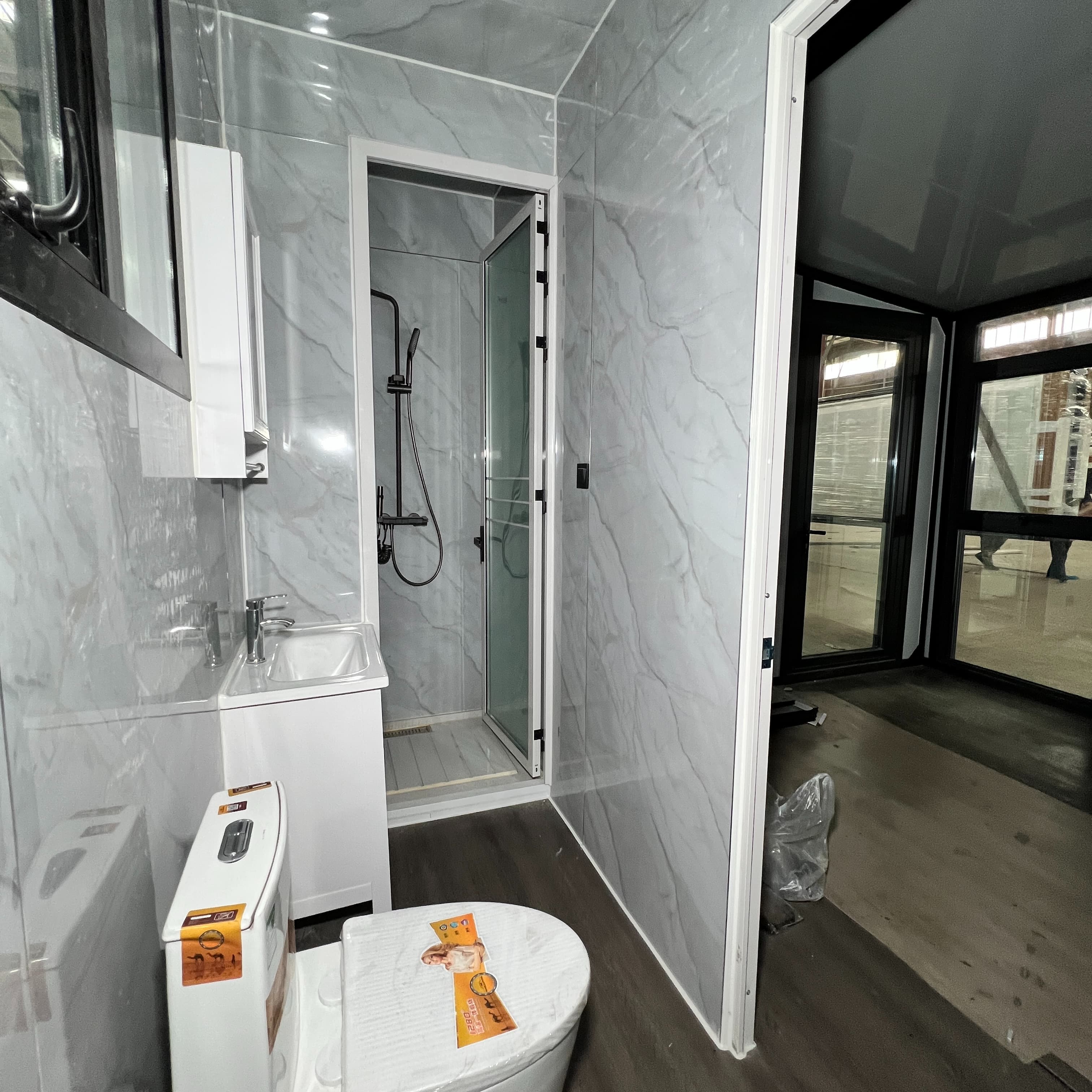
Designed for water conservation and easy maintenance:
- Water-saving showerhead (7L/min flow)
- Composting or low-flush toilet
- Ventilation skylight with rain sensor
- Wet-area wall panels for mold resistance
Living & Sleeping Zones
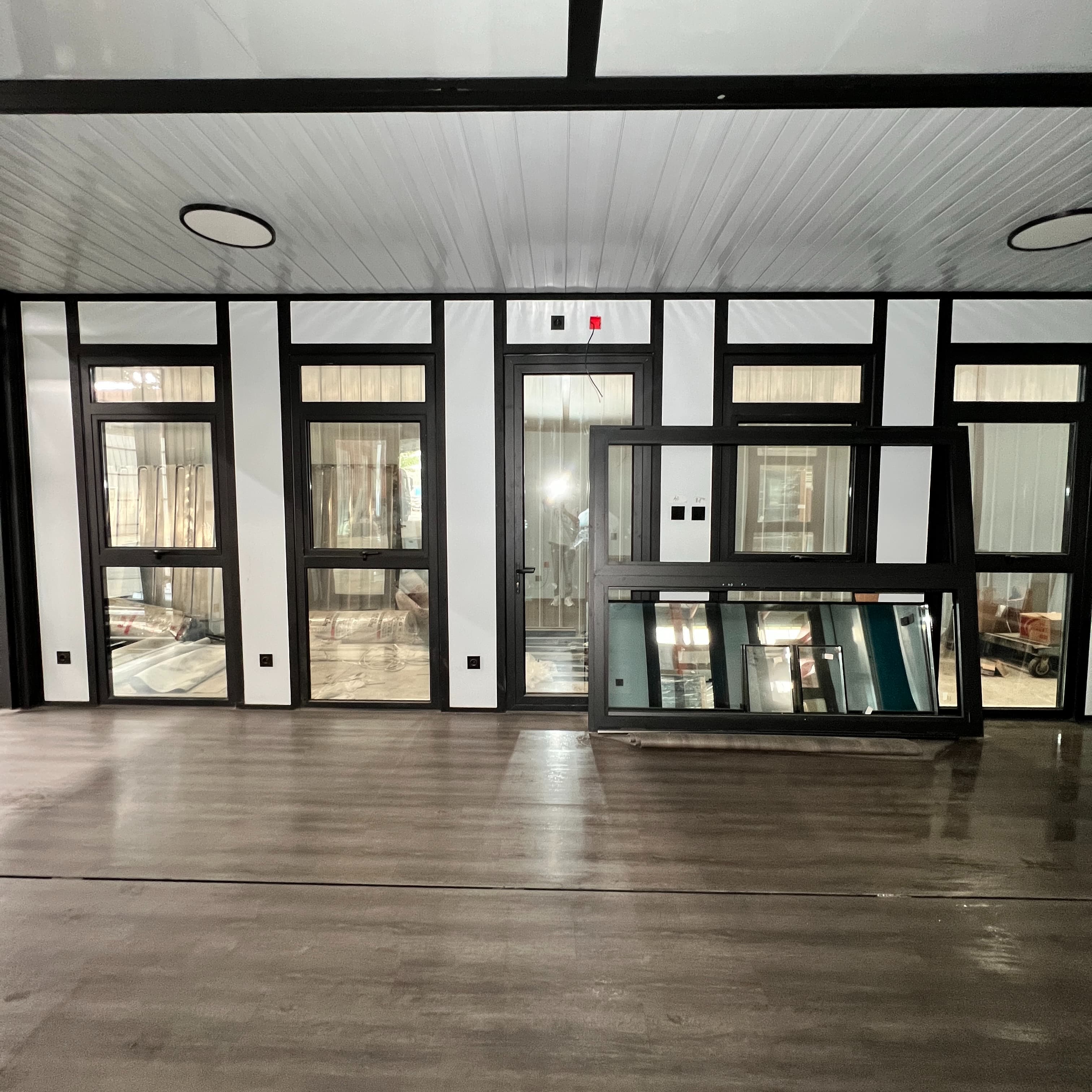
The column-free design allows flexible layouts:
- Option 1: Open-plan studio with Murphy bed
- Option 2: One-bedroom with separate living area
- Option 3: Loft configuration for additional storage
Large double-glazed windows with Low-E coatings flood spaces with natural light while minimizing heat transfer. In Australia’s intense sun, these windows reduce UV penetration by 95% and heat transfer by 40% compared to standard glass.
Why Australia? The Perfect Off-Grid Laboratory
Australia’s diverse climates make it the ultimate testing ground for off-grid housing. From the humidity of Queensland to the aridity of Western Australia, this container house excels:
- Desert resilience: In Coober Pedy, the insulated interior stays 15°C cooler than outside during 45°C days
- Coastal durability: Galvanized steel resists salt corrosion in places like Kangaroo Island
- Alpine performance: Maintains warmth in Thredbo’s -5°C winters with minimal heating
Case Study: A double-wing unit installed near Alice Springs sustained 48°C summer temperatures with interior comfort maintained using only solar-powered cooling. The same unit experienced -2°C winter nights with a 2kW heater running efficiently on stored solar energy.
Deployment Speed: From Delivery to Dwelling in Hours
Traditional Australian builds face average 6-12 month timelines. This container house redefines speed:
- Factory Prep: 95% completion at manufacturing plant (4-6 weeks)
- Transportation: Standard container shipping to any Australian port or inland location
- Site Setup: Level ground with compacted gravel or concrete piers (no full foundation needed)
- Expansion: Wings deploy in 2-4 hours using hydraulic jacks or manual levers
- Connection: Solar panels and systems activated in 1-2 days
Total time from arrival to move-in readiness: 48-72 hours. This rapid deployment is invaluable for:
- Bushfire recovery housing in New South Wales
- Mining camps in Western Australia
- Tourism pop-ups during peak seasons
Economic & Environmental Advantages
Cost Efficiency
Compared to traditional Australian construction:
- 30-40% lower overall cost (reduced labor, materials, site work)
- 60-70% faster occupancy (accelerating rental/income potential)
- Minimal maintenance: Galvanized steel requires no repainting for 10+ years
Sustainability Credentials
This container house embodies circular economy principles:
- 90% recyclable steel structure (vs. 30% in traditional buildings)
- 50% lower embodied carbon through repurposed shipping containers
- Zero operational emissions when paired with solar/wind systems
- Rainwater harvesting: Roof design channels water into storage tanks
For environmentally conscious Australians, this translates to a carbon footprint 70% smaller than conventional homes.
Customization: Tailored to Your Australian Lifestyle
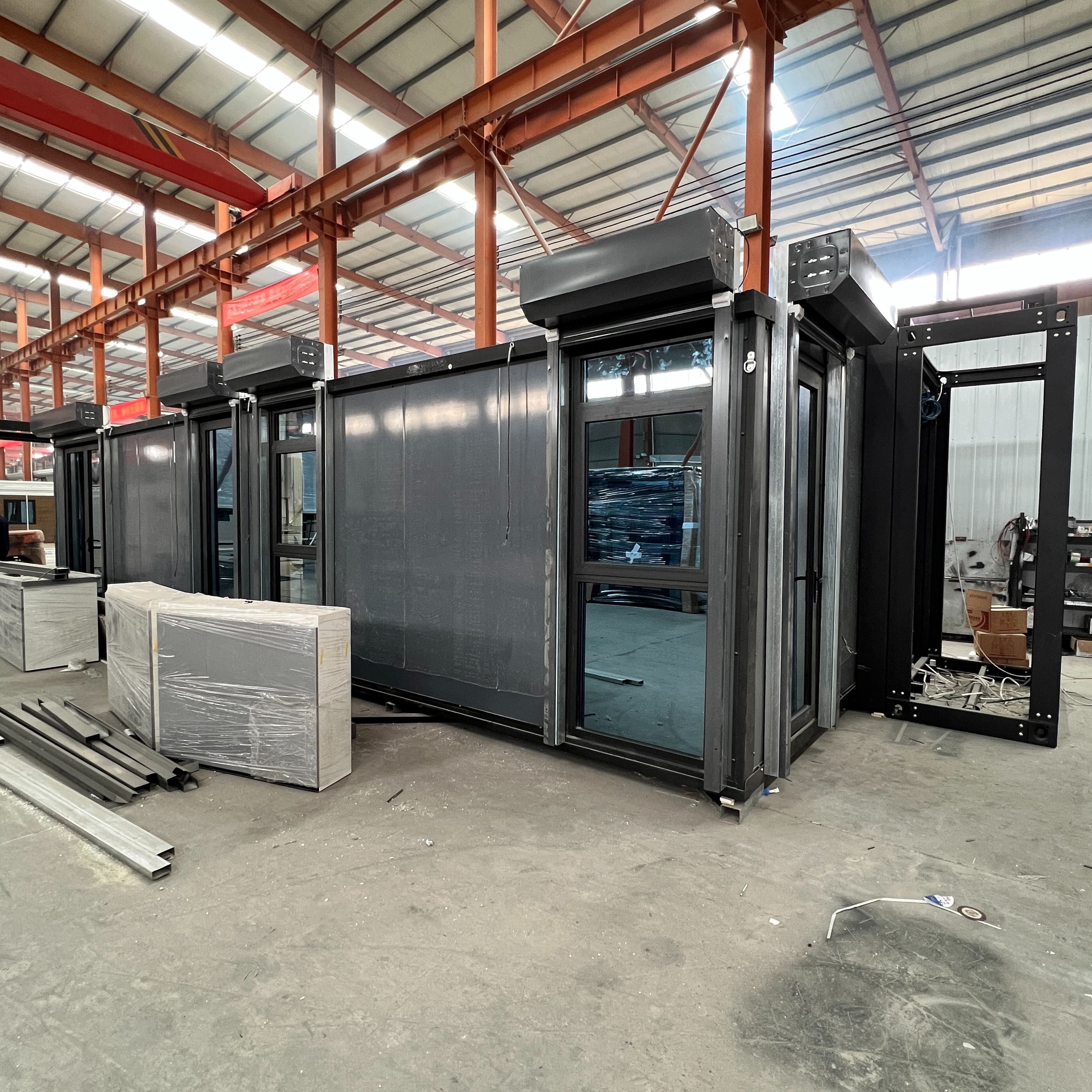
One size never fits all – especially in Australia’s varied landscapes. This container home offers extensive customization:
- Exterior finishes: Timber cladding for coastal aesthetics, Corten steel for outback durability, or vibrant colors for urban settings
- Layout configurations: Studio, 1-bed, 2-bed, or commercial setups
- Climate packages: Enhanced insulation for Tasmania, ventilation systems for Darwin, or snow load reinforcements for Mount Buller
- Off-grid add-ons: Wind turbines, biodiesel generators, or satellite internet
Popular Australian customizations include:
- Wrap-around verandahs for insect-free outdoor living
- Security screens for termite-prone northern regions
- Fire-resistant cladding for bushfire zones (BAL-FZ rated)
Single-Wing Alternative: Compact Efficiency
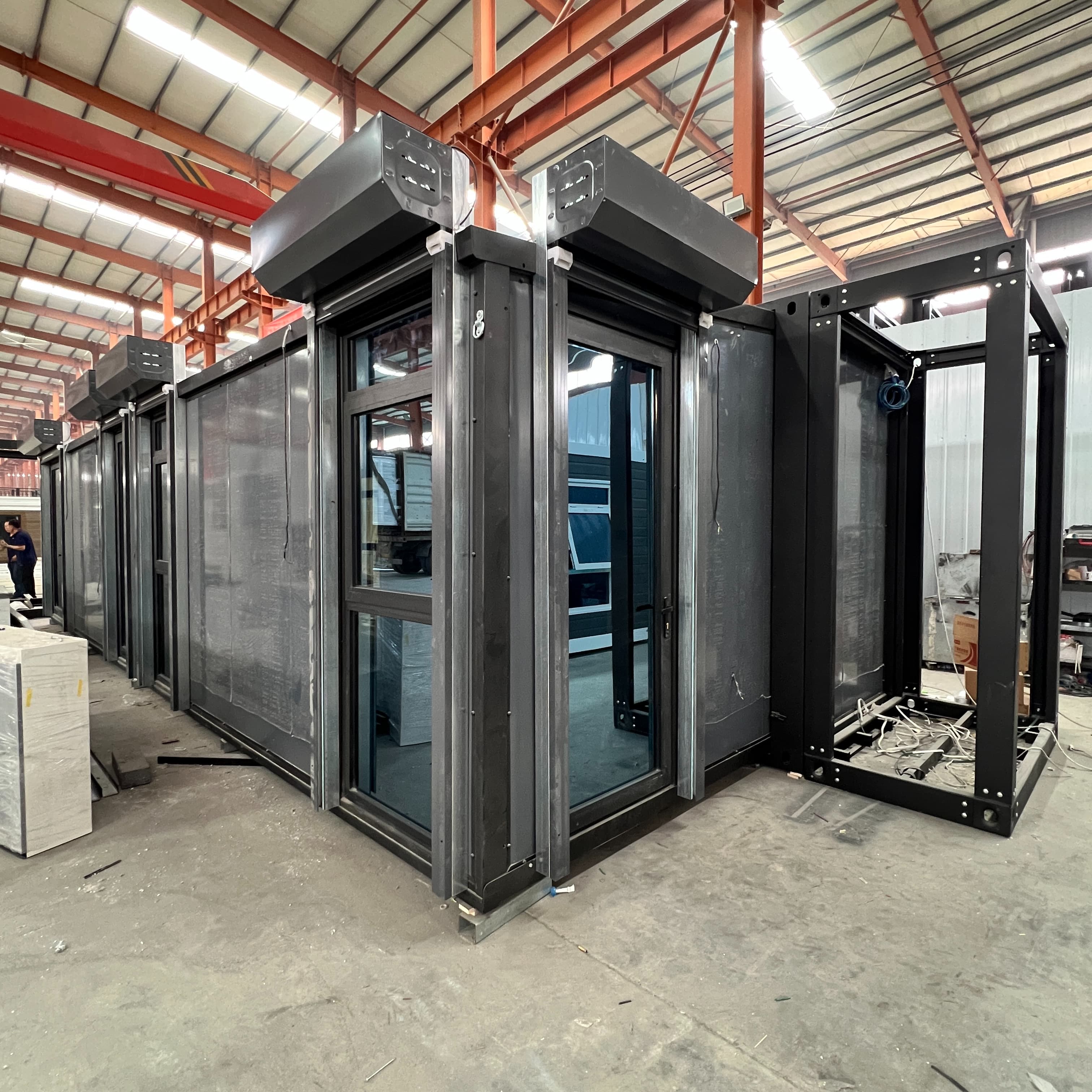
For smaller sites or tighter budgets, the single-wing model offers similar benefits in a streamlined package:
- Expands 1.5x width (folded: 2.2m, deployed: 3.3m)
- Ideal for guest houses, offices, or studios
- 15% lower cost than double-wing version
- Same solar integration capabilities
Popular applications in Australia include:
- Artist studios in Byron Bay
- Farmworker accommodation in Riverina
- Surf school facilities in Torquay
Real-World Applications: Beyond Residential Use
This versatile structure adapts to diverse Australian needs:
Tourism & Hospitality
Transform into luxury eco-accommodation with:
- Glamping pods in Kangaroo Island
- Winery tasting rooms in Barossa Valley
- Wilderness lodges in Tasmania’s Tarkine
Their rapid deployment allows seasonal pop-ups during peak tourist periods without permanent construction.
Commercial & Remote Work
Create professional spaces anywhere:
- Mining site offices in Pilbara
- Research stations in Antarctica (via Australian bases)
- Construction site offices in Sydney metro projects
Integrated solar ensures uninterrupted operations during grid outages.
Emergency & Community Response
When disasters strike, speed saves lives:
- Post-bushfire housing in East Gippsland
- Flood evacuation centers in Northern New South Wales
- Mobile medical clinics in remote Aboriginal communities
Pre-fabrication enables mass deployment within 72 hours of crisis declaration.
Practical Considerations for Australian Buyers
Regulations & Approvals
While container homes simplify construction, Australian regulations vary:
- Building Code of Australia (BCA): Meets Class 1a (residential) or Class 10a (non-habitable) standards
- Council approvals: Required in most urban areas; streamlined in rural zones
- Off-grid exemptions: Many states offer simplified permits for self-sufficient dwellings
Always consult local authorities before purchasing – especially in heritage areas like Adelaide Hills or environmentally sensitive zones like Daintree.
Site Preparation
Minimal site work is needed, but consider:
- Ground stability: Avoid flood-prone or landslide-risk areas
- Solar access: Ensure year-round sun exposure (critical for energy autonomy)
- Access roads: Confirm delivery truck access (especially in mountainous regions)
For challenging sites, heli-lifting is possible at additional cost.
Long-Term Maintenance
Durability features reduce upkeep, but regular checks ensure longevity:
- Annual roof seal inspection (especially before wet season in northern Australia)
- Solar panel cleaning every 6 months in dusty areas like Broken Hill
- Steel frame inspection for corrosion in coastal zones
With proper care, these structures reliably serve 20-30 years in Australian conditions.
The Investment: Cost vs. Value
Pricing for the 40-foot double-wing model in Australia:
- Base model: AUD 45,000 – 55,000 (standard finishes, basic solar)
- Mid-range: AUD 65,000 – 85,000 (premium insulation, 5kW solar, custom interiors)
- High-end: AUD 95,000 – 120,000 (luxury finishes, 10kW solar, smart systems)
While initial costs exceed basic caravans, long-term savings are substantial:
- Zero electricity bills (solar offset)
- Reduced water costs (rainwater harvesting)
- Higher rental yields (eco-tourism premium)
Financing options include green home loans with reduced rates for sustainable builds.
Conclusion: Your Australian Off-Grid Journey Starts Here
The 40-foot double-wing expansion container house with solar panels isn’t just a building – it’s a lifestyle enabler. It embodies the Australian spirit of self-reliance while embracing modern sustainability. Whether you’re establishing a remote homestead in the Kimberley, creating an eco-retreat in the Dandenongs, or developing resilient housing in cyclone-prone Queensland, this innovative dwelling delivers freedom, flexibility, and future-proof design.
By choosing this solution, you’re investing in:
- Energy independence through solar integration
- Environmental stewardship via recyclable materials and minimal site impact
- Financial freedom from reduced utility and maintenance costs
- Peace of mind with structures engineered for Australia’s extremes
Ready to transform your off-grid dream into reality? Contact Australian distributors for site assessments and custom quotes. Embrace the freedom of sustainable, solar-powered living – wherever your Australian adventure leads.
本文由人工智能技术生成,基于公开技术资料和厂商官方信息整合撰写,以确保信息的时效性与客观性。我们建议您将所有信息作为决策参考,并最终以各云厂商官方页面的最新公告为准。