
Discover how Australia’s innovative 20-foot double-wing expansion container house combines solar power and water systems to create the ultimate off-grid living solution. This comprehensive guide explores design features, sustainability benefits, and real-world applications for remote Australian landscapes.
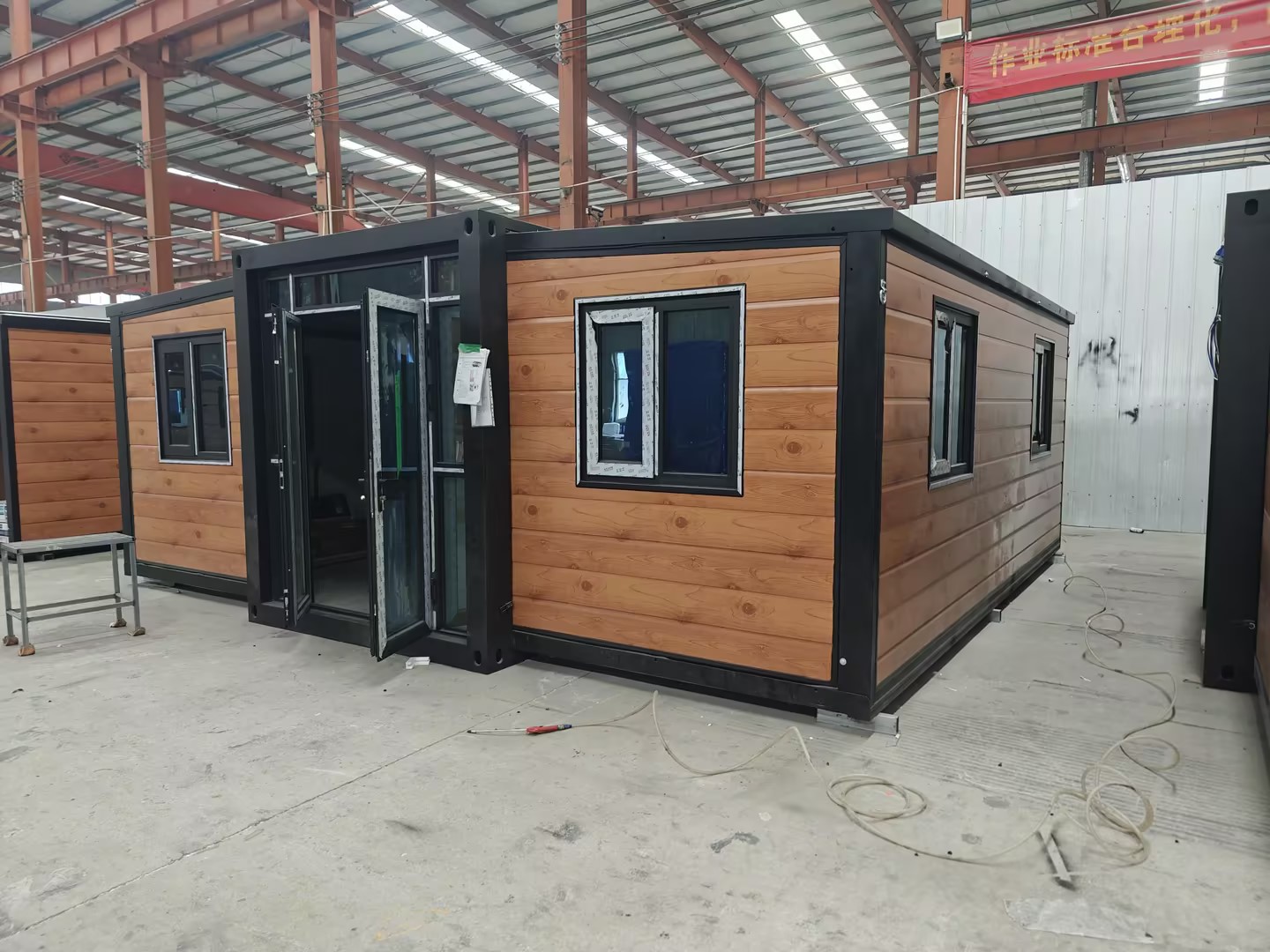
In the vast, sun-drenched landscapes of Australia, where remote communities stretch from the red deserts of the Outback to the coastal wilderness of Tasmania, a revolutionary approach to sustainable living is taking shape. The 20-foot customized double-wing expansion container house represents not just a dwelling, but a complete off-grid ecosystem engineered for Australia’s unique environmental challenges. This innovative structure combines cutting-edge solar power systems with advanced water management technology, creating a self-sufficient habitat that redefines possibilities for off-grid living across the continent.
The Double-Wing Revolution: Beyond Traditional Container Living
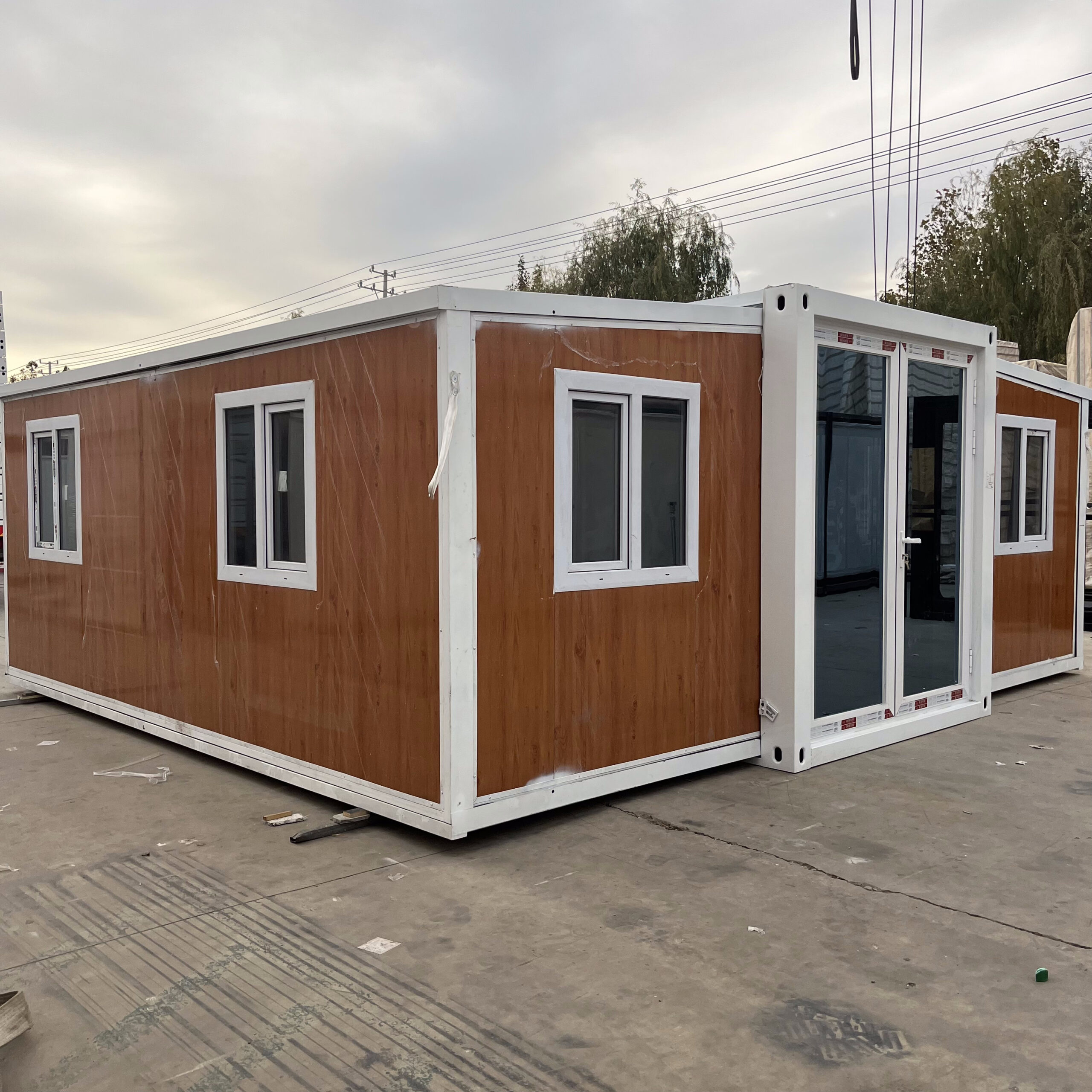
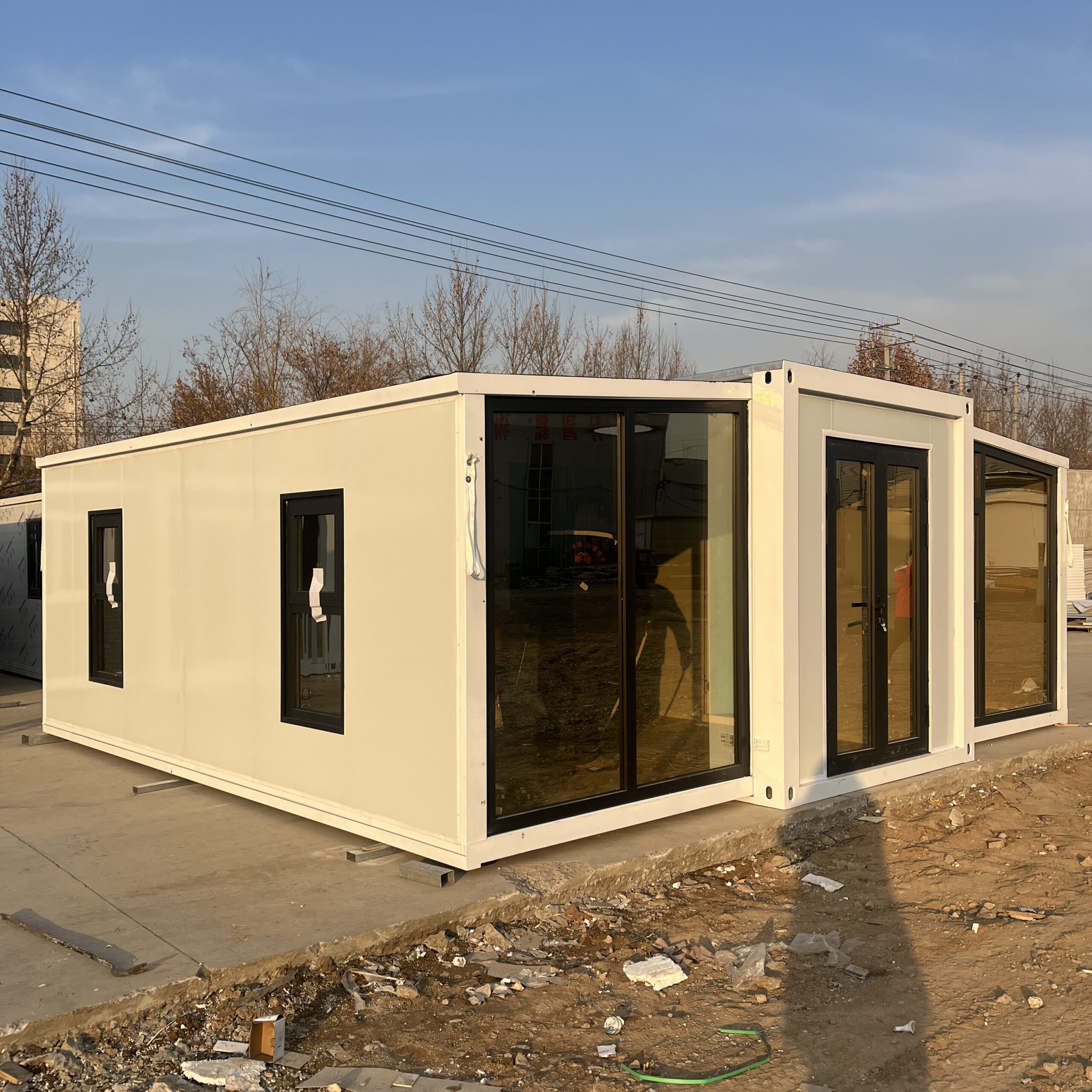
When most people imagine container homes, they picture static, boxy structures with limited space and comfort. The double-wing expansion system shatters these preconceptions through ingenious engineering that transforms compact transport dimensions into spacious living quarters. As demonstrated in this deployment video, the “wings” unfold in under 90 seconds, revealing a living space that expands by 70-80% compared to its folded configuration.
Your browser does not support the video tag.
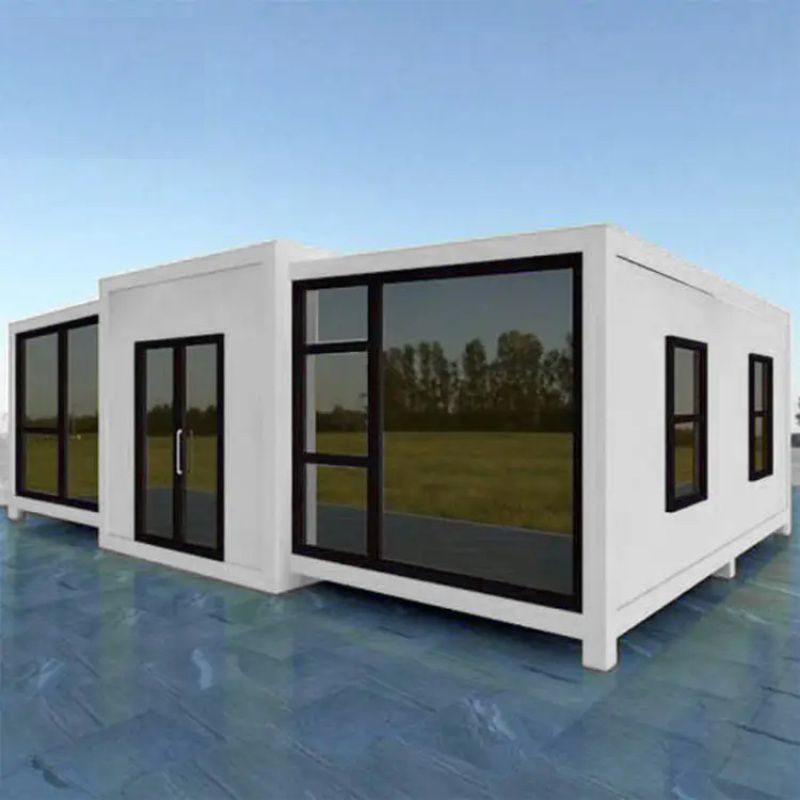
The magic lies in the precision engineering: two wing-like sections fold flush against the central container during transport, maintaining standard dimensions (W2200L5900H2480mm) compliant with Australian road regulations. Upon arrival at sites ranging from the Kimberley region of Western Australia to the Victorian High Country, these wings deploy outward, creating an expanded footprint (W6340L5900H2480mm) that accommodates comfortable living areas, kitchen facilities, and private sleeping quarters – all within a structure that can be relocated as needs change.
Solar Power Systems: Harnessing Australia’s Abundant Sunshine
Australia boasts some of the highest solar irradiance levels globally, making photovoltaic systems an obvious choice for off-grid power generation. The double-wing container house integrates solar technology at multiple levels:
Rooftop Photovoltaic Integration
The expanded roof surface provides ideal positioning for monocrystalline solar panels with efficiency ratings exceeding 22%. A typical installation includes:
– 6-8 kW array capacity (expandable based on location)
– MPPT charge controllers for maximum energy harvest
– Lithium iron phosphate (LiFePO4) battery banks (10-15 kWh storage)
– Hybrid inverter systems supporting both AC and DC loads
Energy Management System
A proprietary energy management system optimizes power usage through:
– Real-time consumption monitoring via touchscreen interface
– Automated load shedding during low-production periods
– Smart appliance scheduling (e.g., running washing machines during peak sun hours)
– Remote system diagnostics accessible via mobile app
Backup Solutions
For extended cloudy periods common in regions like Tasmania’s southwest or the Atherton Tablelands, integrated solutions include:
– Silent propane generators with automatic switchover
– Vertical axis wind turbines for hybrid renewable systems
– Vehicle-to-grid (V2G) capability using electric vehicles as backup power
Water Systems: Self-Sufficiency in Australia’s Diverse Climates
Water security remains paramount across Australia, where drought cycles can persist for years. The container house incorporates a comprehensive water management system designed for both arid and tropical regions:
Rainwater Harvesting
The expanded roof structure creates an ideal catchment surface:
– 8,000-10,000 liter storage capacity (expandable)
– First-flush diverters to prevent contamination
– Multi-stage filtration including sediment, carbon, and UV sterilization
– Pressure tanks for consistent water flow
Greywater Recycling
All wastewater undergoes treatment through:
– Aerobic treatment systems breaking down organic matter
– Membrane bioreactors producing reusable water
– Subsurface irrigation for non-potable applications
– Zero-discharge options for environmentally sensitive areas
Water Conservation Features
– Low-flow fixtures reducing consumption by 40%
– Dual-flush composting toilets (eliminating blackwater)
– Smart leak detection with automatic shut-off
– Rainwater monitoring with usage analytics

Interior Design: Comfort Meets Functionality
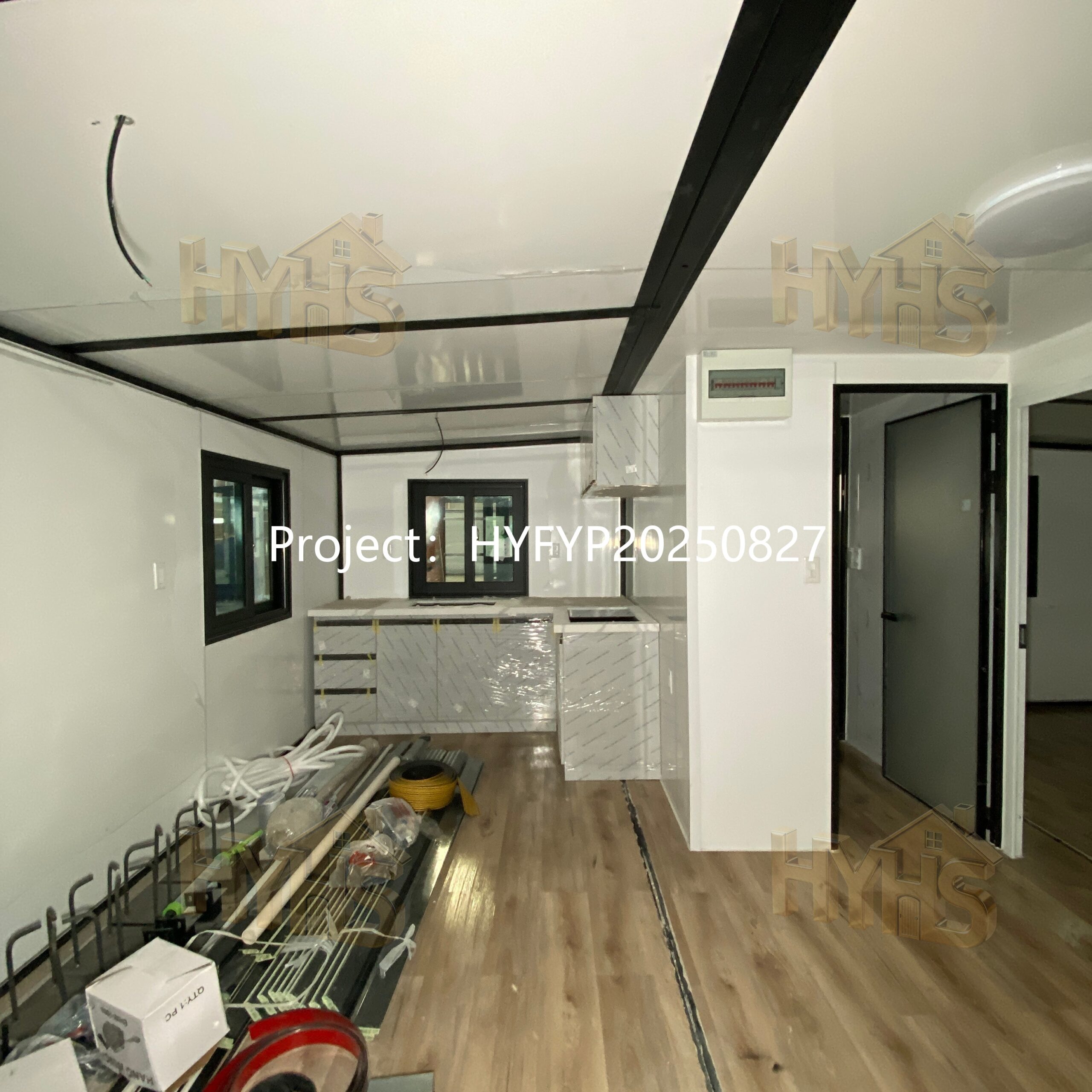
The expanded interior challenges conventional container home limitations through thoughtful space utilization:
Open-Plan Living Area
The central module creates a bright, airy living space featuring:
– Floor-to-ceiling Low-E glazing maximizing natural light
– Thermally broken aluminum frames preventing condensation
– Recessed LED lighting with circadian rhythm adjustment
– Fold-down furniture optimizing space utilization
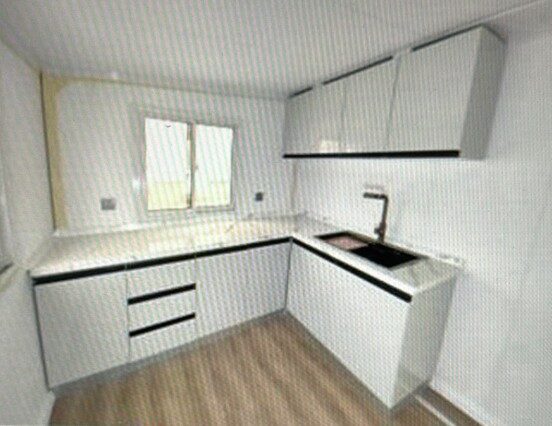
Gourmet Kitchen Module
Despite compact dimensions, the kitchen includes:
– Energy-efficient induction cooktops
– Propane oven backup for cloudy days
– High-capacity DC refrigerator/freezer
– Bamboo countertops with recycled content
– Pull-out pantry maximizing storage
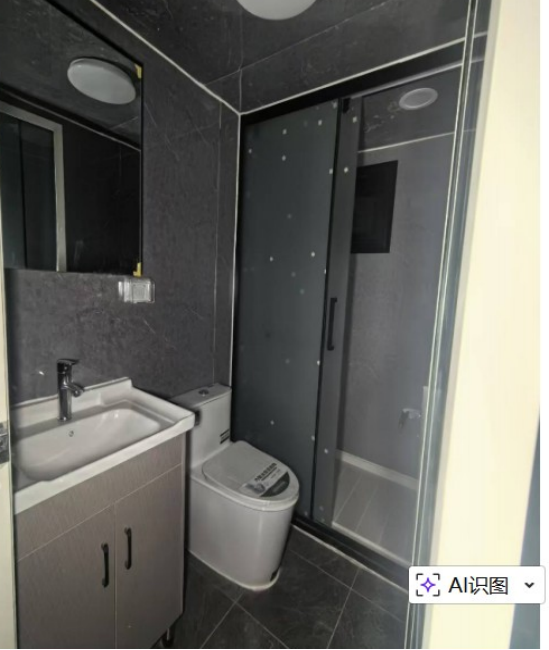
Spa-Grade Bathroom
Water conservation meets luxury in the bathroom featuring:
– Recirculating shower system reducing water use by 70%
– Composting toilet with urine diversion
– On-demand water heater powered by solar
– Ventilation system preventing humidity buildup
Customization: Tailoring to Australian Environments
No two Australian landscapes are identical, and the double-wing system adapts through extensive customization options:
Climate-Specific Configurations
– Arid Zones (e.g., Coober Pedy, Broken Hill): Enhanced insulation, evaporative cooling, deep shade structures
– Tropical Regions (e.g., Cairns, Darwin): Elevated foundations, mosquito screening, dehumidification systems
– Alpine Areas (e.g., Snowy Mountains, Tasmania): Triple glazing, heated floors, snow load reinforcement
– Coastal Locations (e.g., Great Ocean Road, Ningaloo): Corrosion-resistant materials, cyclone anchoring
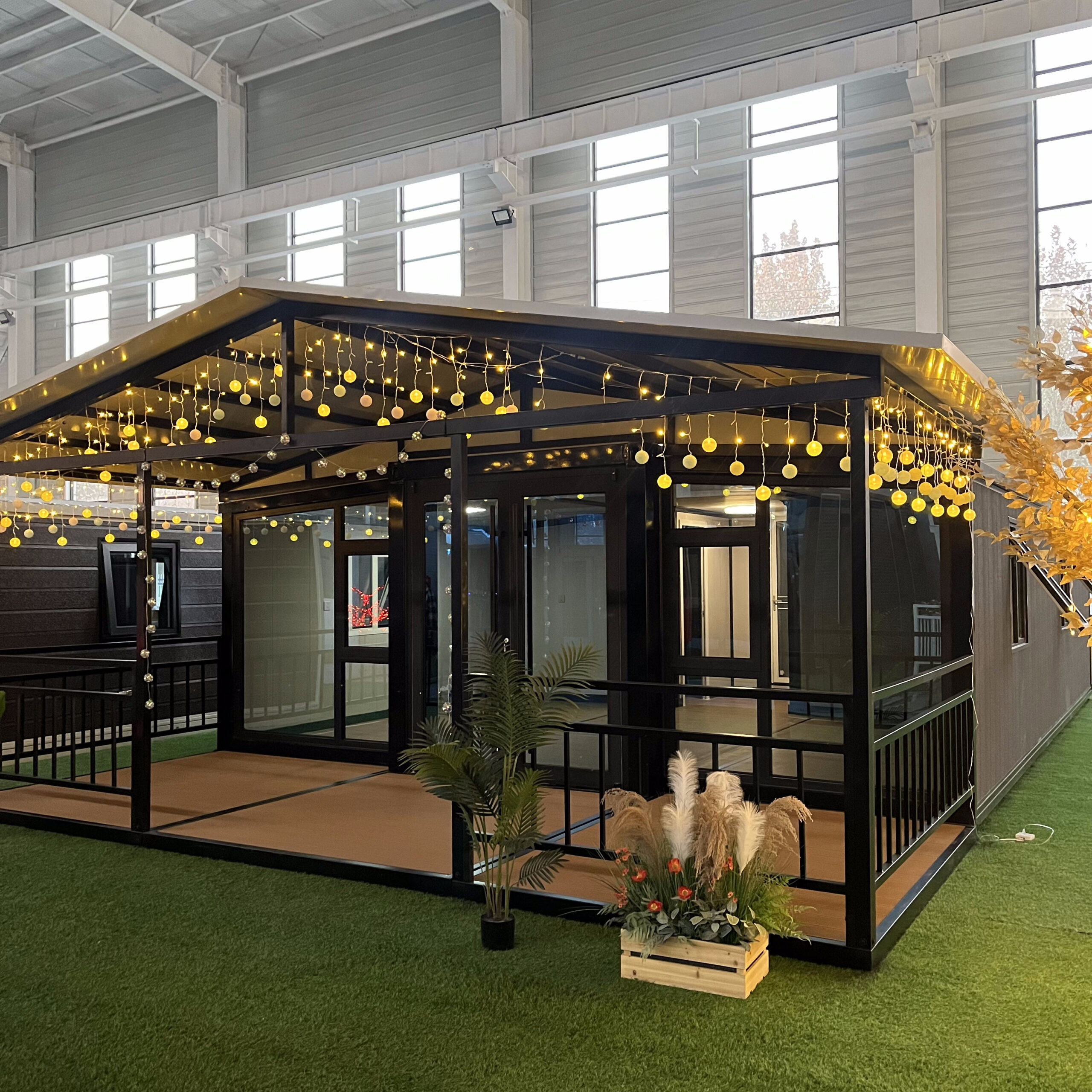
Exterior Finishes
The modular panels accept various cladding options:
– Recycled timber for natural aesthetics
– Colorbond steel matching Australian landscapes
– Corten steel developing protective patina
– Photovoltaic-integrated facades generating additional power
Expansion Capabilities
The modular design supports future growth:
– Additional wings creating multi-room layouts
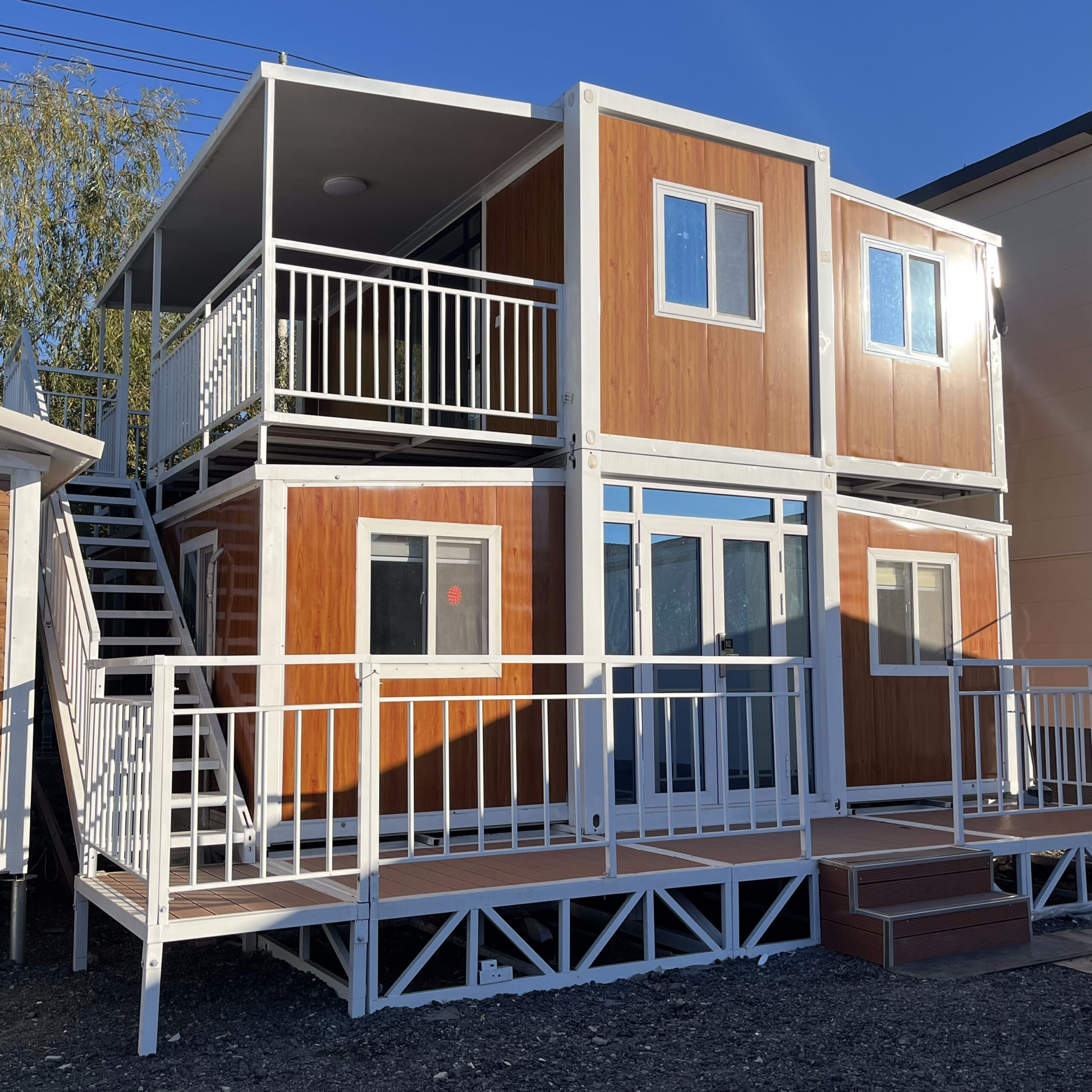
– Stackable configurations for two-story dwellings
– Interconnected modules forming community clusters
– Retractable awnings extending outdoor living space
Deployment: From Factory to Remote Australian Locations
The deployment process showcases the system’s logistical advantages:
Factory Pre-Fabrication
Completed at 85% before leaving the facility:
– Structural frame assembly with hot-dip galvanized steel
– Installation of electrical and plumbing systems
– Interior finishing including cabinetry and fixtures
– Quality testing of all mechanical systems
Transportation Solutions
Standard container dimensions enable:
– Road transport on conventional flatbed trucks
– Rail shipping to remote Australian railheads
– Barge delivery to coastal communities
– Helicopter placement in truly inaccessible areas
Site Preparation
Minimal site requirements include:
– Level compacted area (no concrete slab needed)
– Perimeter drainage channels
– Anchor points for wind resistance
– Utility connection points (even if not immediately used)
Installation Process
The rapid deployment sequence:
1. Positioning and anchoring (2-4 hours)
2. Wing expansion and locking (30 minutes)
3. Utility connections (solar, water) (3-4 hours)
4. Final systems testing (1-2 hours)
5. Commissioning and handover (same day)
Sustainability: Environmental Stewardship in Action
The double-wing container house embodies sustainability principles through:
Circular Economy Integration
– 90% recyclable steel structure
– Reused shipping containers forming core modules
– Modular components replaceable without demolition
– End-of-life disassembly for material recovery
Energy Performance
– Passive solar design reducing heating/cooling needs
– R-6 insulation exceeding Australian Building Code
– Air exchange heat recovery system
– Energy consumption 60% below conventional homes
Water Conservation
– Closed-loop water systems minimizing waste
– Native landscaping requiring no irrigation
– Permeable surfaces preventing runoff
– Water efficiency exceeding National Construction Code standards
Biodiversity Protection
– Minimal site disturbance during installation
– Elevated foundations preserving soil ecology
– Dark-sky compliant lighting protecting nocturnal wildlife
– Native habitat integration through design
Real-World Applications Across Australia
The versatility of this system shines in diverse Australian contexts:
Eco-Tourism Ventures
– Outback Glamping (e.g., Uluru region): Luxury accommodations with minimal environmental footprint
– Coastal Retreats (e.g., Kangaroo Island): Cyclone-resistant structures for remote tourism
– Rainforest Cabins (e.g., Daintree): Elevated dwellings preserving forest floor ecology
Agricultural Applications
– Sheep Stations (e.g., New South Wales pastoral lands): Worker housing with solar-powered water pumping
– Vineyards (e.g., Margaret River): Manager residences with climate control for wine storage
– Horticulture (e.g., Murray-Darling Basin): Research stations with integrated water monitoring
Mining and Resources
– Exploration Camps (e.g., Pilbara): Rapidly deployable accommodation for remote operations
– Environmental Monitoring (e.g., Great Barrier Reef catchments): Research stations with low-impact installation
– Emergency Response (e.g., bushfire recovery): Temporary housing for displaced residents
Conservation Initiatives
– Wildlife Sanctuaries (e.g., Mon Repos turtle rookery): Researcher accommodations during breeding seasons
– Indigenous Land Management (e.g., Arnhem Land): Ranger bases supporting traditional ecological knowledge
– Reforestation Projects (e.g., Australian Wildlife Conservancy): Volunteer housing during planting seasons
Economic Considerations: Investment Value Analysis
While initial costs may exceed traditional caravans or tents, the long-term economics prove compelling:
Cost Comparison
– Traditional Building: $2,500-4,000/m² (including remote location premiums)
– Double-Wing Container: $1,800-2,500/m² (fully equipped with off-grid systems)
– Ongoing Savings: $3,000-5,000/year (eliminated utility bills, reduced maintenance)
Return on Investment Scenarios
– Tourism Rental: 15-25% ROI in high-demand Australian regions
– Agricultural Labor Housing: 100% ROI through improved worker retention
– Corporate Remote Sites: 40-60% savings over traditional camp construction
Financing Options
– Australian green building grants and rebates
– Sustainable tourism development funds
– Rural development incentives
– Carbon credit programs for energy efficiency
Maintenance and Durability: Built for Australian Conditions
The system’s engineering addresses Australia’s environmental challenges:
Structural Integrity
– Hot-dip galvanized steel frame resisting corrosion
– Seismic reinforcement (Australian Earthquake Code compliant)
– Cyclone-rated construction (Region D compliance)
– Termite-proof materials eliminating pest concerns
System Longevity
– 25-year solar panel performance warranty
– 10-year battery system life expectancy
– 30-year structural warranty
– Modular component replacement extending service life
Maintenance Requirements
– Quarterly: Solar panel cleaning, water filter replacement
– Biannual: System diagnostics, sealant inspection
– Annual: Structural inspection, battery capacity testing
– Five-year: Major service including refrigerant recharge
The Future of Off-Grid Living in Australia
As climate change intensifies Australia’s weather extremes and populations seek sustainable lifestyles, the double-wing container house represents more than temporary shelter—it’s a blueprint for resilient, adaptable habitation:
Technological Evolution
– Integration of smart home systems with AI energy management
– Atmospheric water harvesting for arid regions
– Vertical agriculture modules for food production
– Telehealth connectivity for remote medical support
Community Applications
– Eco-villages sharing microgrid infrastructure
– Disaster recovery housing clusters
– Research outposts studying climate adaptation
– Indigenous community housing preserving cultural connection to Country
Policy Alignment
– Meets National Construction Code requirements
– Complies with remote area building standards
– Qualifies for sustainable development incentives
– Supports Australia’s Net Zero 2050 commitments
Conclusion: A New Paradigm for Australian Off-Grid Living
The 20-foot double-wing expansion container house transcends traditional notions of temporary shelter, offering a comprehensive solution for sustainable off-grid living across Australia’s diverse landscapes. By integrating advanced solar power systems with sophisticated water management in a rapidly deployable, highly customizable structure, this innovation addresses critical challenges facing remote communities, eco-tourism operators, agricultural enterprises, and conservation initiatives alike.
From the sun-baked expanses of the Kimberley to the misty forests of Tasmania, this system demonstrates how thoughtful engineering can harmonize human habitation with environmental stewardship. As Australia continues to lead in renewable energy adoption and sustainable development, the double-wing container house stands as both a practical solution and a symbol of possibility—proving that off-grid living doesn’t mean sacrificing comfort, security, or connection to the landscapes that make Australia extraordinary.
For those seeking to embrace Australia’s off-grid potential while minimizing environmental impact, this innovative dwelling offers not just shelter, but a pathway to sustainable resilience in an increasingly uncertain world. The wings may fold for transport, but the possibilities they unfold for off-grid living in Australia are truly boundless.
本文由人工智能技术生成,基于公开技术资料和厂商官方信息整合撰写,以确保信息的时效性与客观性。我们建议您将所有信息作为决策参考,并最终以各云厂商官方页面的最新公告为准。