
Discover the revolutionary 40-foot double-wing expansion container home with integrated solar panels, designed for sustainable living in Australia. This eco-friendly modular dwelling combines rapid deployment, exceptional energy efficiency, and customizable luxury – perfect for off-grid adventures, urban infill projects, or eco-tourism ventures. Explore how solar-powered container architecture is redefining sustainable housing across diverse Australian landscapes.
In the sun-drenched landscapes of Australia, where environmental consciousness meets innovative design, a new housing revolution is taking shape. Picture this: a stunning, modern dwelling that unfolds like origami from a compact container, powered entirely by the sun, and ready for habitation within hours of arrival. Welcome to the world of the 40-foot customized double-wing expansion container home – a game-changer for sustainable living that’s capturing imaginations from the beaches of Byron Bay to the outback of Alice Springs.
As Australia continues to lead in renewable energy adoption (with solar panels now gracing over 30% of homes nationally), the integration of photovoltaic technology with modular architecture represents the next logical evolution in eco-housing. This isn’t just about reducing carbon footprints; it’s about creating resilient, adaptable, and genuinely beautiful living spaces that harmonize with our unique environment. Today, we’re diving deep into one of the most exciting innovations in this space – the solar-powered double-wing expansion container home that’s turning heads across the continent.
The Double-Wing Revolution: Redefining Modular Living
At first glance, the double-wing expansion container home appears deceptively simple – a sleek, industrial-chic box that hints at something more. But when activated, it transforms dramatically, revealing an architectural marvel that expands its usable floor area by up to 80%. This “bird unfolding its wings” mechanism isn’t just visually striking; it’s a brilliant solution to one of modular housing’s greatest challenges: maximizing living space while maintaining transportability.
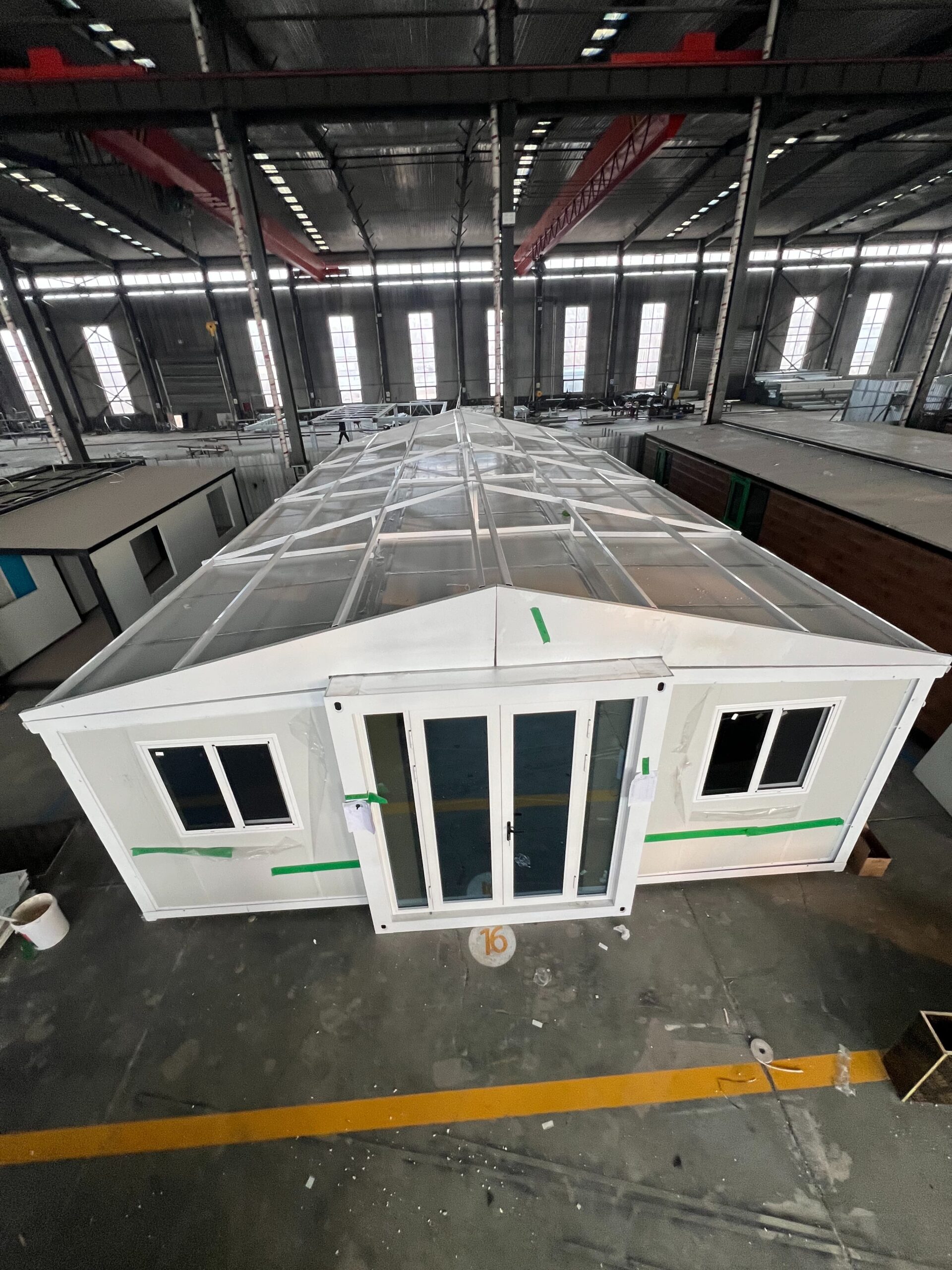
The magic begins with its core structure: a robust 40-foot (12-meter) container base crafted from hot-dip galvanized steel – the same material trusted in Australia’s harshest mining and construction environments. This isn’t your average shipping container conversion; it’s a precision-engineered habitat designed to withstand everything from cyclonic winds in Far North Queensland to the desert heat of Western Australia. When folded for transport, it maintains standard container dimensions (11,800mm long x 2,200mm wide x 2,480mm high), allowing easy movement via conventional trucks or even rail across Australia’s vast distances.
But the real showstopper happens when those wings unfold. Within minutes, hydraulic mechanisms (or manual systems for off-grid simplicity) extend the side walls, transforming the compact unit into a spacious 6,240mm-wide haven. The resulting 115.4m² interior (nearly 1,250 square feet) feels less like a container and more like a thoughtfully designed studio apartment or compact family home – all achieved without permanent foundations or extensive site preparation.
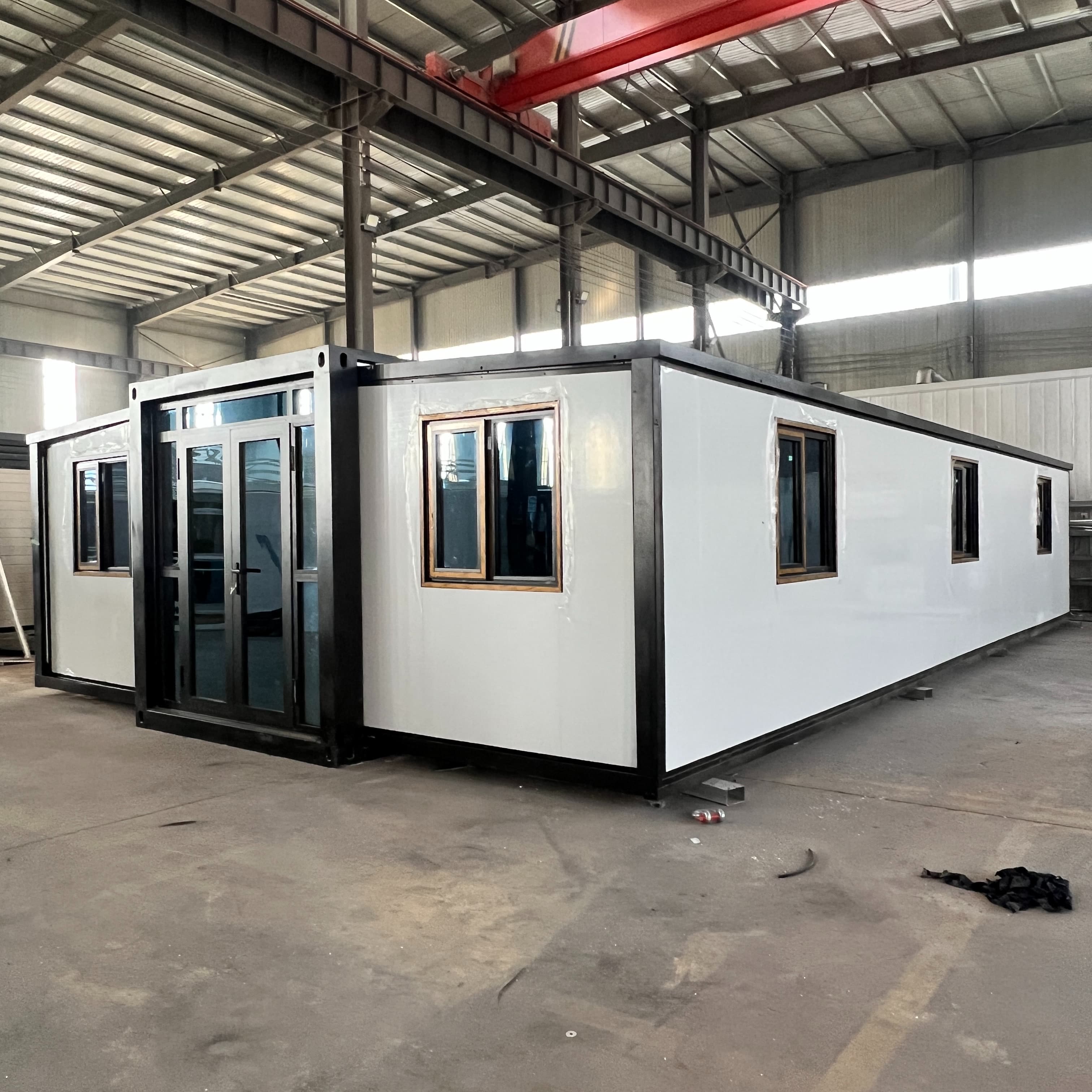
This expandable design solves multiple challenges simultaneously. For Australian property owners, it means avoiding lengthy council approvals often associated with traditional builds. For eco-tourism operators in sensitive areas like Kangaroo Island or the Daintree, it enables rapid deployment with minimal environmental disruption. And for those seeking off-grid lifestyles in remote areas like the Kimberley or Tasmania’s wilderness, it delivers habitable space quickly and efficiently – crucial when weather windows are tight.
Solar Integration: Powering Australian Dreams Sustainably
What truly elevates this container home from innovative to revolutionary is its seamless integration with solar technology. Australia boasts some of the highest solar irradiance levels on Earth, making photovoltaic systems not just an eco-choice but a practical necessity for energy independence. The double-wing design isn’t just about space expansion – it’s a solar platform engineered to maximize energy capture.
The standard configuration features a 6kW rooftop solar array, utilizing high-efficiency monocrystalline panels specifically selected for Australian conditions. These aren’t slapped-on additions; they’re integrated into the roofing structure during manufacturing, with wiring channels concealed within the insulated roof cavity. The system includes:
- Smart Inverter Technology: Hybrid inverters that manage solar input, battery storage, and grid connection (where available), with remote monitoring via smartphone apps.
- Battery Storage: A 10kWh lithium-ion battery bank (expandable to 20kWh) providing 2-3 days of autonomy – essential during cloudy periods or Australia’s occasional wild weather events.
- Energy Management: Automated load shifting to run high-demand appliances (like air conditioning) during peak solar production hours.
This solar configuration isn’t one-size-fits-all. For installations in Darwin’s tropical climate, panels can be angled to maximize capture during the wet season. In Melbourne’s variable weather, additional battery capacity might be recommended. For remote mining camps in the Pilbara, systems can be scaled to 15kW with diesel generator backup – demonstrating the adaptability that makes these homes so versatile across Australian contexts.
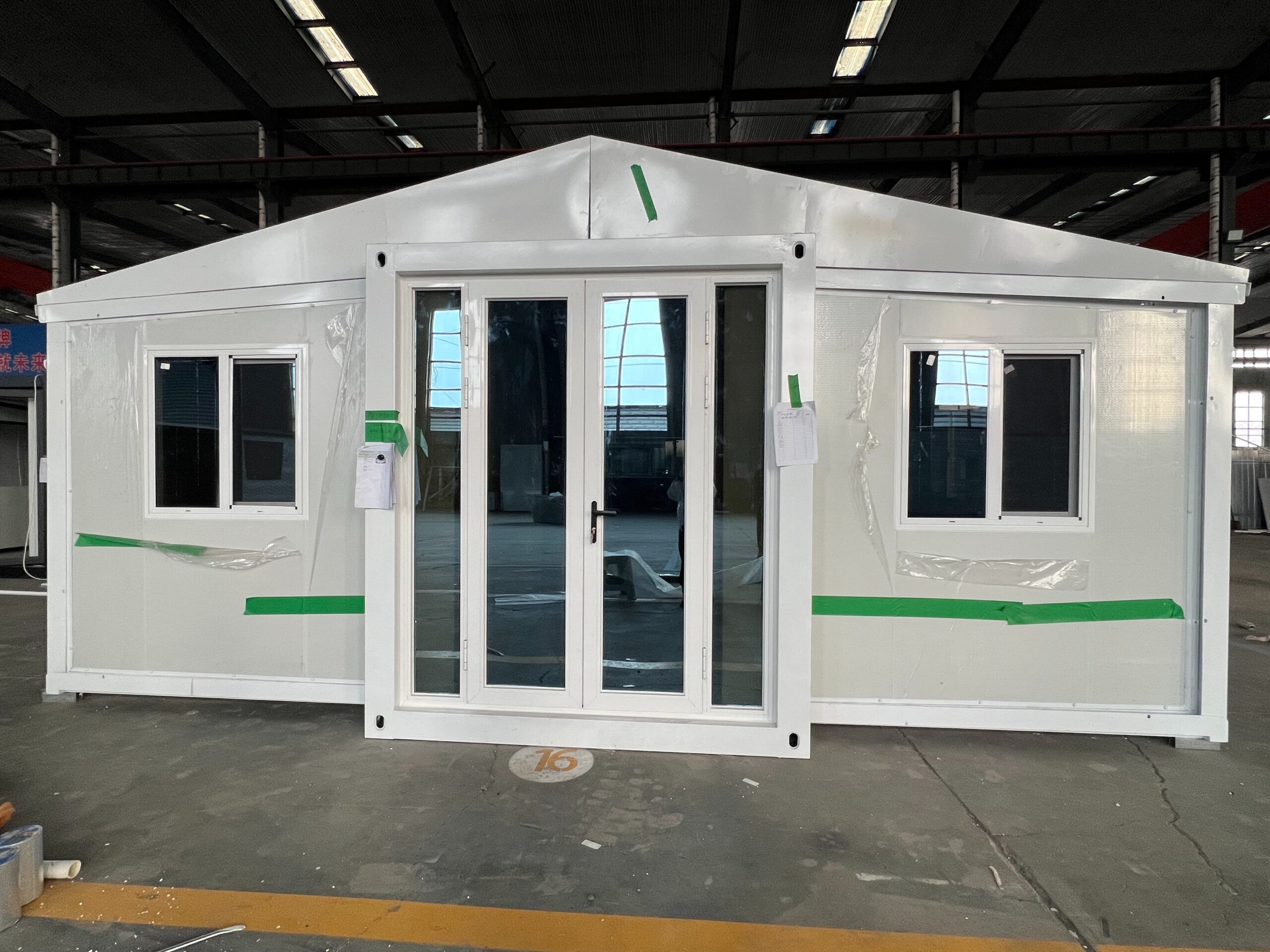
The energy savings are substantial. Owners report reducing grid dependence by 70-100%, with many achieving net-zero energy status. In a country where electricity prices have surged over 80% in the past decade, this translates to significant financial benefits alongside environmental ones. For eco-conscious Australians, it represents tangible progress toward the nation’s goal of 50% renewable energy by 2030.
Eco-Friendly Engineering: Materials That Respect the Environment
Sustainability extends far beyond solar panels in this container home. Every material choice reflects a commitment to environmental responsibility without compromising durability or aesthetics – crucial in Australia’s diverse climates, from the corrosive salt air of coastal areas to the termite-prone tropics.
Structural Integrity Meets Eco-Consciousness:
- Galvanized Steel Frame: The backbone uses 95% recycled steel, treated with non-toxic galvanization that prevents rust for 30+ years – outperforming traditional timber frames in longevity and fire resistance.
- Insulation Innovation: Walls feature 100mm polyurethane foam insulation (R-value 4.2) made with cyclopentane blowing agents (zero ozone depletion potential), achieving thermal performance exceeding Australia’s National Construction Code requirements.
- Healthy Interiors: All interior panels use formaldehyde-free bonded wood fiberboard, while paints and finishes are low-VOC (Volatile Organic Compound), ensuring indoor air quality exceeds Australian Green Building Council standards.
Water Wisdom: In drought-prone Australia, water conservation is paramount. The standard eco-package includes:
- 5,000-liter rainwater harvesting system with first-flush diverters and UV filtration.
- Greywater recycling for garden irrigation.
- Water-efficient fixtures (4-star WELS rating) reducing consumption by 40% compared to conventional homes.
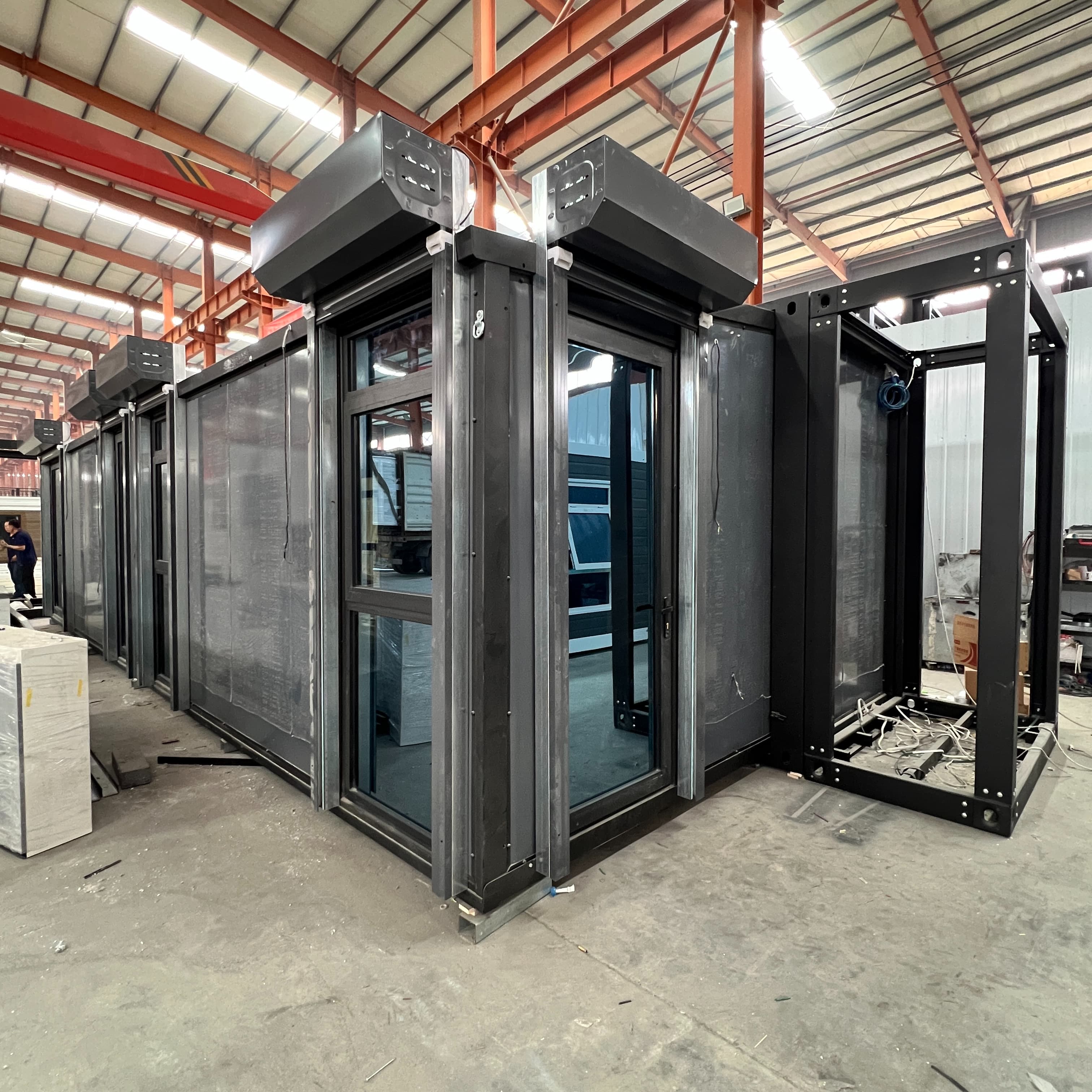
Even the exterior finishes contribute to sustainability. Options include recycled timber cladding from sustainably managed Australian forests, fiber-cement composites with 40% recycled content, or durable powder-coated steel in colors reflecting the Australian landscape. These materials not only minimize environmental impact but also reduce maintenance needs – a significant advantage in Australia’s harsh UV conditions.
Inside the Eco-Haven: Smart Design Meets Australian Living
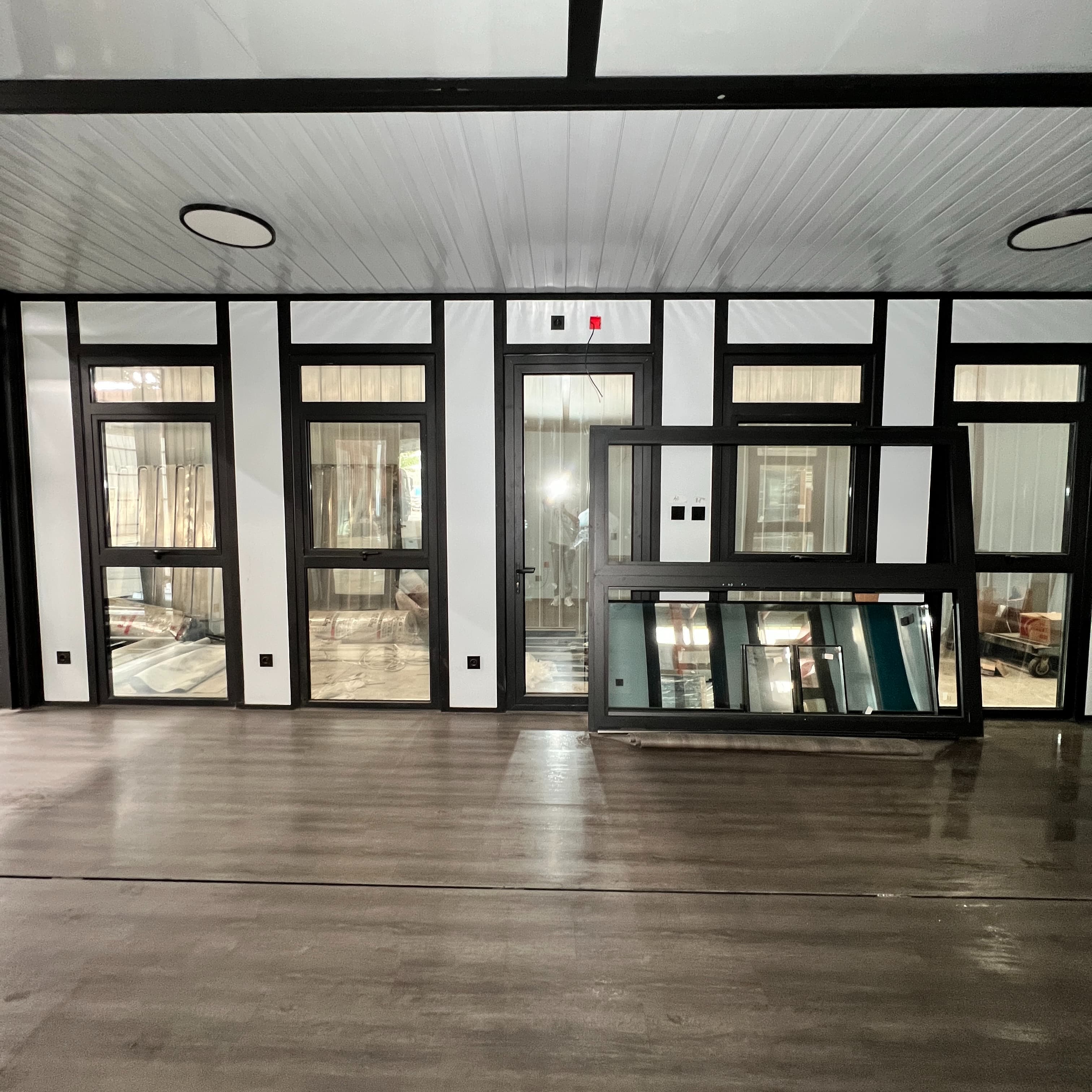
Step inside, and you’ll discover that sustainability doesn’t mean sacrificing comfort or style. The double-wing expansion creates a surprisingly spacious interior that feels more like a designer apartment than a container home. With ceiling heights of 2.2 meters and no internal support columns (thanks to the engineered wing structure), the space is remarkably open and adaptable.
Flexible Living Zones:
The standard layout maximizes the expanded footprint with distinct zones:
- Open-Plan Living Area: Features large sliding glass doors (double-glazed with Low-E coating) that connect to outdoor decks, blurring the boundary between inside and out – perfect for Australia’s indoor-outdoor lifestyle.
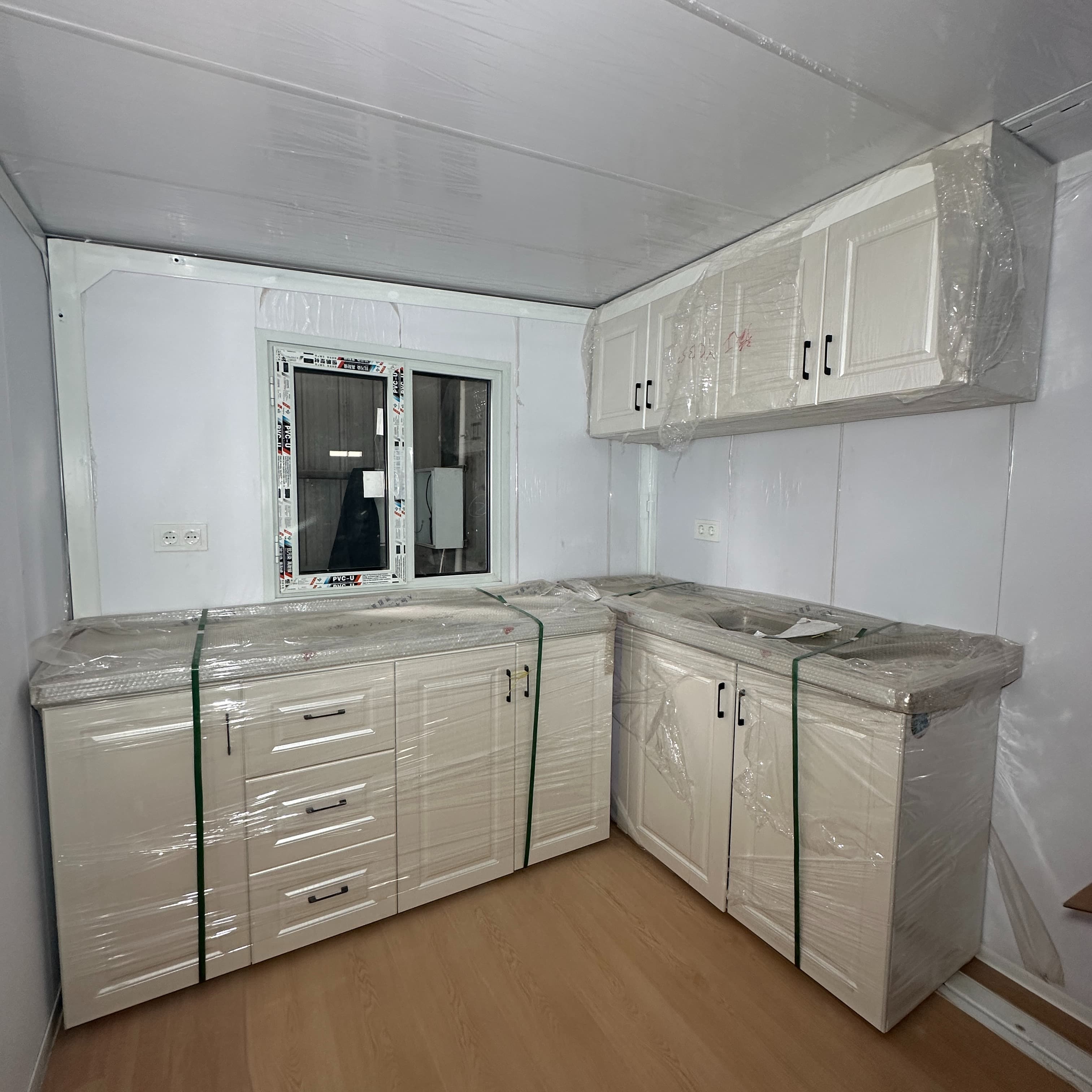
- Gourmet Kitchen: Designed with Australian culinary culture in mind, featuring energy-efficient induction cooktops, Bosch appliances, and recycled glass countertops. The layout accommodates everything from casual breakfasts to dinner parties.
- Comfortable Bedroom: The wing design allows for a separate sleeping area with built-in storage and blackout blinds – essential for those summer nights when the sun sets late in southern Australia.
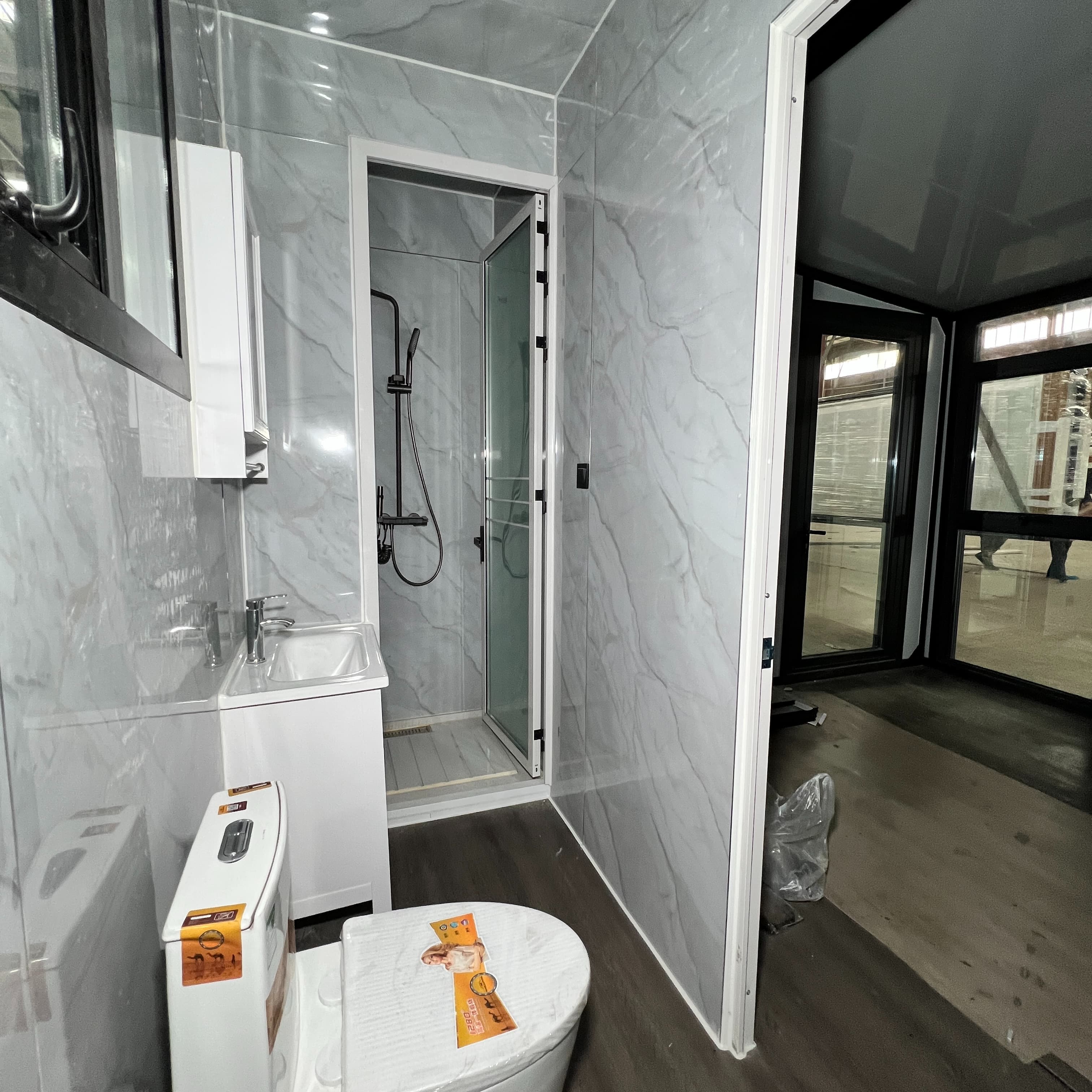
- Modern Bathroom: Includes water-saving fixtures, a spacious shower, and optional composting toilet for off-grid locations.
Climate Control for Australian Extremes:
Australian climates demand exceptional thermal performance. This container home delivers through:
- Superior Insulation: The polyurethane core maintains comfortable temperatures year-round, reducing heating/cooling needs by up to 60% compared to standard containers.
- Strategic Ventilation: Operable skylights, louvered windows, and cross-ventilation design harness natural breezes, minimizing air conditioning use.
- Smart HVAC Integration: Optional reverse-cycle systems with solar compatibility ensure comfort during extreme heatwaves or cold snaps – increasingly common with climate change.
Technology Integration:
Modern Australian living demands connectivity and automation. The home includes:
- Smart home hub controlling lighting, security, and energy management.
- High-speed internet connectivity with satellite options for remote areas.
- USB charging stations throughout and wireless charging surfaces.
Deployment Advantages: Speed Meets Sustainability
In a country where construction delays can stretch months and costs frequently balloon, the speed of deployment offered by these container homes is nothing short of revolutionary. The entire process – from order to habitation – typically takes 4-6 weeks, compared to 6-12 months for traditional builds. This efficiency isn’t just convenient; it’s fundamentally more sustainable.
The Deployment Process:
- Factory Precision (85% Completion): Units arrive 85% finished, with electrical wiring, plumbing, insulation, and interior finishes completed in controlled factory conditions. This reduces waste by 30% compared to on-site construction.
- Rapid Site Preparation: Requires only minimal ground leveling – no concrete slabs needed. In many Australian council areas, this classifies as a temporary structure, streamlining approvals.
- Single-Day Installation: A small crew can position, anchor, and unfold the unit within hours. Solar panels are usually installed simultaneously.
- Immediate Occupancy: With factory-installed appliances and fixtures, the home is ready for move-in the same day – a game-changer for disaster recovery scenarios or urgent housing needs.
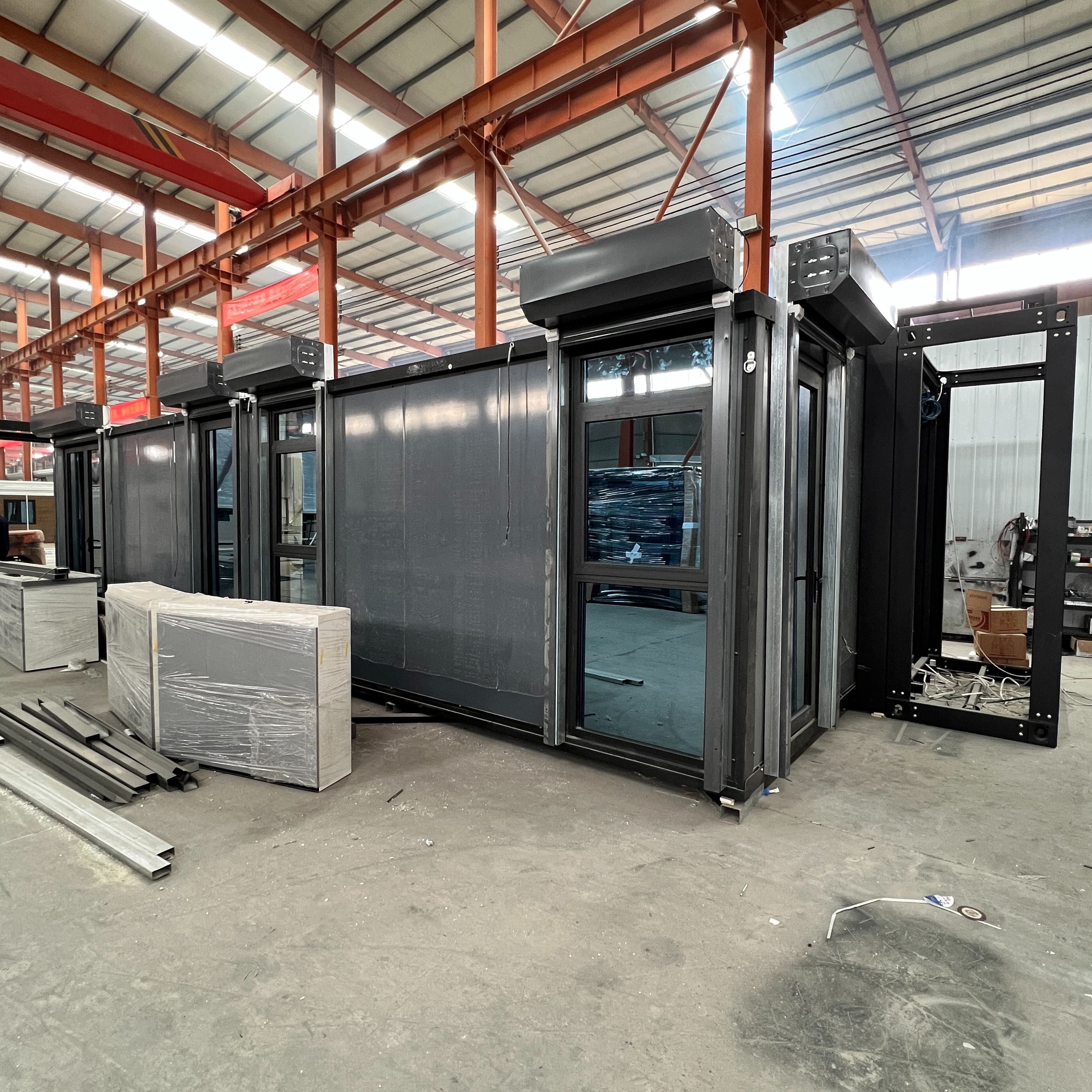
This speed has profound environmental benefits. Reduced on-site activity means less disturbance to surrounding ecosystems – critical when building in fragile environments like the Great Barrier Reef coast or Tasmania’s ancient forests. The factory-controlled environment also minimizes material waste and prevents weather-related damage common in traditional Australian construction.
Australian Applications: Where These Homes Shine
The versatility of the solar-powered double-wing container home makes it suitable for an astonishing range of Australian contexts – from urban infill projects to remote wilderness retreats. Here’s where they’re making the biggest impact:
1. Eco-Tourism & Glamping:
Australia’s natural wonders attract millions of visitors annually, but traditional accommodation often strains fragile ecosystems. These container homes offer a solution:
- Minimal Footprint Luxury: Operators like those in Kangaroo Island’s post-bushfire recovery are using these homes for high-end eco-lodges that can be removed without trace.
- Off-Grid Experiences: In the Kimberley or Flinders Ranges, solar-powered units provide comfort without grid dependency or generator noise.
- Rapid Seasonal Setup: Perfect for temporary pop-up accommodations during peak seasons in places like the Whitsundays or Victorian High Country.
2. Remote Housing & Workforce Accommodation:
Australia’s mining, agriculture, and infrastructure sectors often require housing in isolated areas:
- Mining Camps: Companies in the Pilbara are replacing temporary dongas with permanent-feel container villages that improve worker retention and reduce environmental impact.
- Agricultural Stations: Cattle stations in the Outback use them as managers’ residences or shearers’ quarters with reliable solar power.
- Research Facilities: Scientific outposts in places like Arnhem Land or Antarctica (via Australian bases) benefit from rapid deployment and extreme weather resistance.
3. Urban Infill & Granny Flats:
In Australia’s expensive cities, these units provide elegant solutions:
- Backyard Studios: Sydney and Melbourne homeowners are adding them as home offices, teen retreats, or rental units – often with council approval under ADU (Accessory Dwelling Unit) regulations.
- Rooftop Additions: In Brisbane or Perth, where land is scarce, lightweight units can be installed on existing building roofs.
- Community Housing: Not-for-profits in Adelaide or Hobart use them for rapid homeless accommodation or transitional housing.
4. Disaster Recovery:
With bushfires, floods, and cyclones regularly affecting Australian communities, rapid-response housing is critical:
- Immediate Shelter: After the 2019-2020 Black Summer bushfires, container homes provided faster, more dignified housing than caravans or tents.
- Resilient Rebuilding: In cyclone-prone areas like Far North Queensland, their engineered strength offers better protection than many traditional homes.
- Temporary to Permanent: Units can serve as interim housing during rebuilding, then become guest accommodation or rental properties.
Financial & Environmental Benefits: The Australian Advantage
While the eco-credentials are impressive, the practical benefits make these container homes genuinely compelling for Australians. The combination of cost efficiency, durability, and energy independence addresses some of the most pressing housing challenges nationwide.
Cost Comparison:
- Traditional Build: $1,500 – $3,000+ per square meter (varies greatly by location and quality).
- Container Home: $1,200 – $1,800 per square meter including solar and basic finishes.
- Time Savings: 4-6 weeks vs 6-12 months = significant rental cost avoidance or earlier revenue generation.
Energy Independence Value:
With Australian electricity prices among the highest in the world (averaging 30c/kWh), the solar system provides substantial savings:
- Typical household savings: $2,000 – $3,500 annually.
- Off-grid locations: Avoids $30,000+ grid connection fees common in remote areas.
- Increased property value: Solar-equipped homes attract 10-15% premiums in many markets.
Environmental Impact Reduction:
The sustainability metrics are impressive:
- Carbon Footprint: 50-70% lower than traditional construction due to material efficiency and solar operation.
- Water Conservation: Integrated systems reduce consumption by 40-60% compared to Australian averages.
- Waste Reduction: Factory production cuts construction waste by 30%+, while recyclability exceeds 90% at end-of-life.
Government Incentives:
Australian government programs enhance the financial appeal:
- Solar Rebates: Federal STCs (Small-scale Technology Certificates) can reduce solar system costs by $1,000 – $3,000.
- State Grants: Programs like Victoria’s Solar Homes Program or NSW’s Empowering Homes offer additional subsidies.
- Depreciation Benefits: For investment properties, accelerated depreciation applies to both the structure and solar assets.
Considerations for Australian Buyers
While the benefits are substantial, prospective owners should consider several factors specific to Australian conditions:
1. Council Regulations:
Rules vary dramatically between states and even local councils:
- Urban Areas: Often treated as caravans or temporary structures in backyards, requiring development applications if used long-term.
- Rural Zones: Generally more flexible, especially in agricultural areas where “temporary accommodation” is permitted.
- Heritage or Conservation Areas: May face restrictions – always check before purchasing.
2. Site Preparation:
While minimal site work is needed, Australian conditions demand attention:
- Termite Management: Essential in northern Australia – requires physical barriers or treated steel piers.
- Flood Prone Areas: May need elevated footings to meet minimum floor height regulations.
- Bushfire Zones: In BAL (Bushfire Attack Level) rated areas, additional fire-resistant cladding and ember guards may be required.
3. Climate-Specific Customization:
Australia’s climate diversity requires tailored solutions:
- Tropical North: Enhanced ventilation, cyclone tie-downs, and humidity-resistant materials.
- Arid Interior: Extra water storage, reflective roof coatings, and shade structures.
- Temperate South: Higher insulation values, double glazing, and efficient heating systems.
4. Long-Term Value:
Consider the investment horizon:
- Depreciation: While structures depreciate, land typically appreciates – position as land improvement.
- Relocatability: The ability to move the home adds flexibility but requires transport costs ($5,000 – $15,000 nationally).
- Resale Market: Growing demand for sustainable housing improves resale prospects, especially with solar included.
Real Australian Success Stories
Theory is one thing, but real-world applications demonstrate the true potential of these solar-powered container homes across Australia:
Case Study 1: Byron Bay Eco-Retreat
A luxury tourism operator installed six double-wing units on a coastal property, creating a high-end glamping experience just 10 minutes from Byron Bay. Key outcomes:
- Occupancy rates 35% higher than traditional cabins due to unique design and eco-credentials.
- Energy independence allowed premium pricing ($450/night vs $280 for grid-dependent competitors).
- Rapid deployment enabled operation within 8 weeks of concept approval – capturing peak season demand.
Case Study 2: Pilbara Mining Camp