
摘要: Discover how innovative 1400H foldable container houses are transforming disaster response in New Zealand. Explore two sea-transportable models designed for rapid deployment, extreme durability, and versatile applications in emergency scenarios, construction sites, and temporary communities.
The Urgent Need for Disaster-Resilient Housing in New Zealand
New Zealand’s seismic vulnerability and exposure to cyclones make emergency housing solutions critical. Traditional disaster response often struggles with speed, cost, and reusability. Enter the anti-disaster house concept – specifically engineered foldable container units that redefine rapid shelter deployment. These 1400H models represent a breakthrough in combining sea-transport efficiency with structural resilience, perfectly suited for New Zealand’s challenging geography and disaster preparedness initiatives.
Introducing the 1400H 14m² Sea Transportation Standard Model
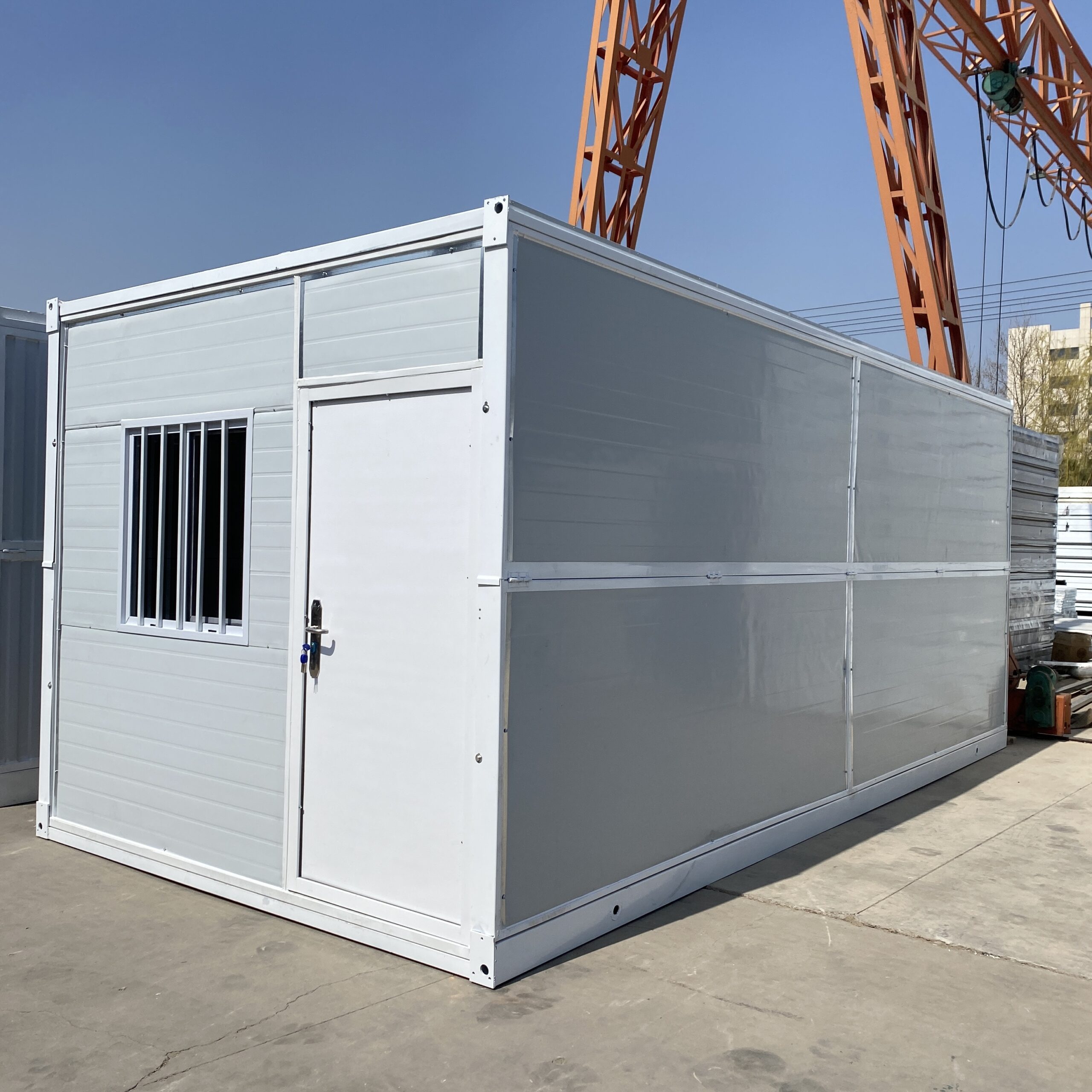
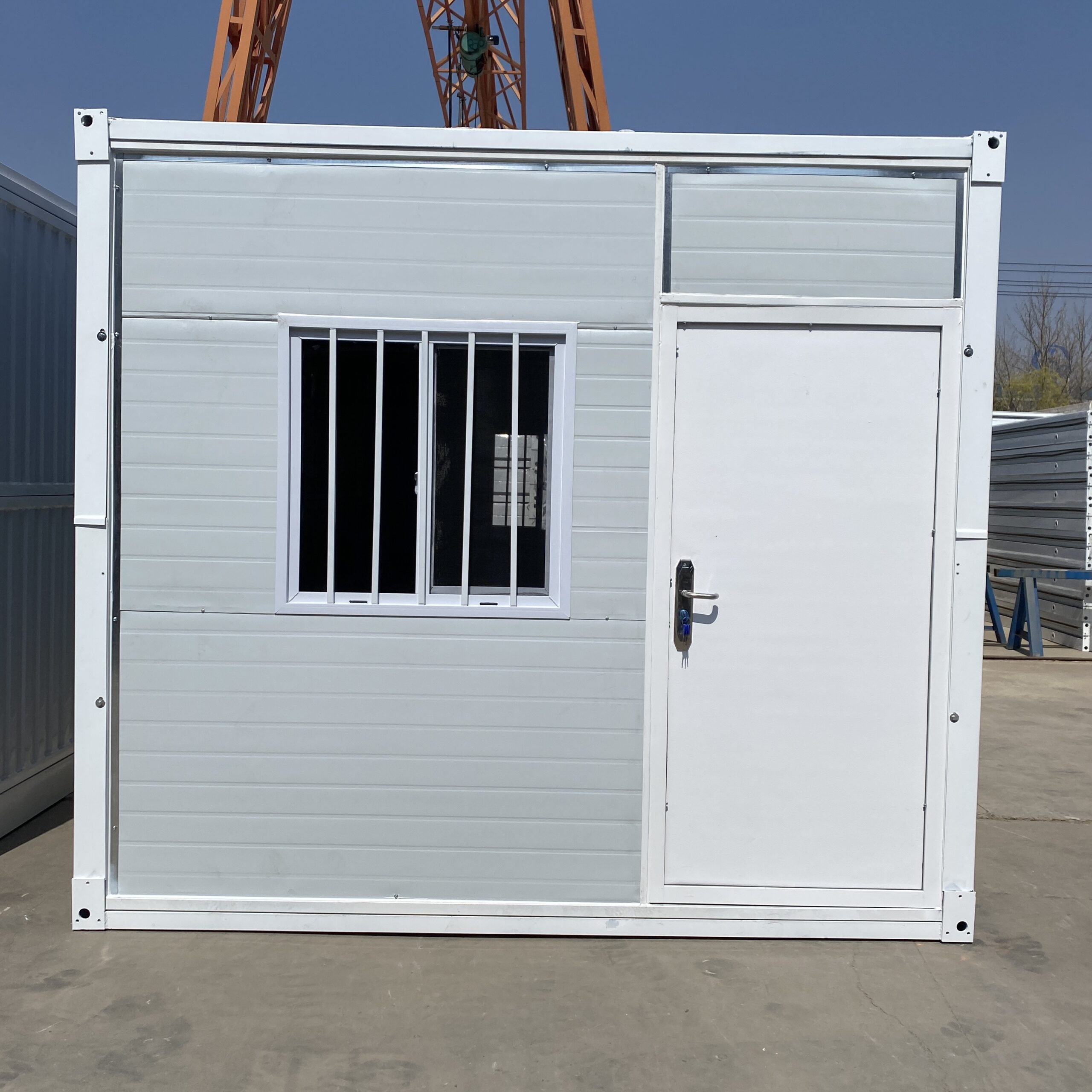
This baseline model delivers exceptional value for emergency response scenarios across New Zealand’s diverse landscapes. Its white frame and light gray wall panels create a neutral, professional appearance suitable for both urban and rural deployment.
Structural Engineering & Durability
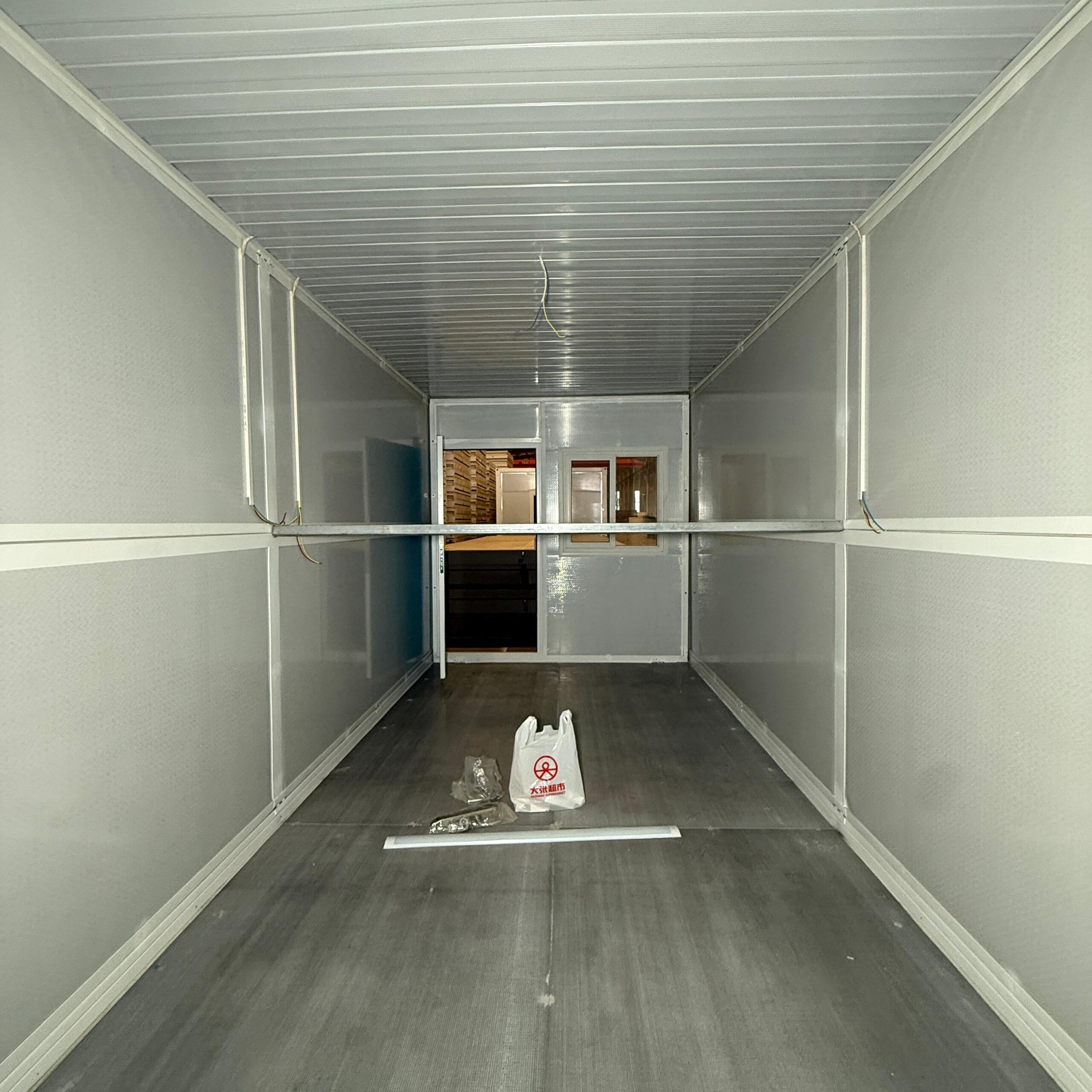
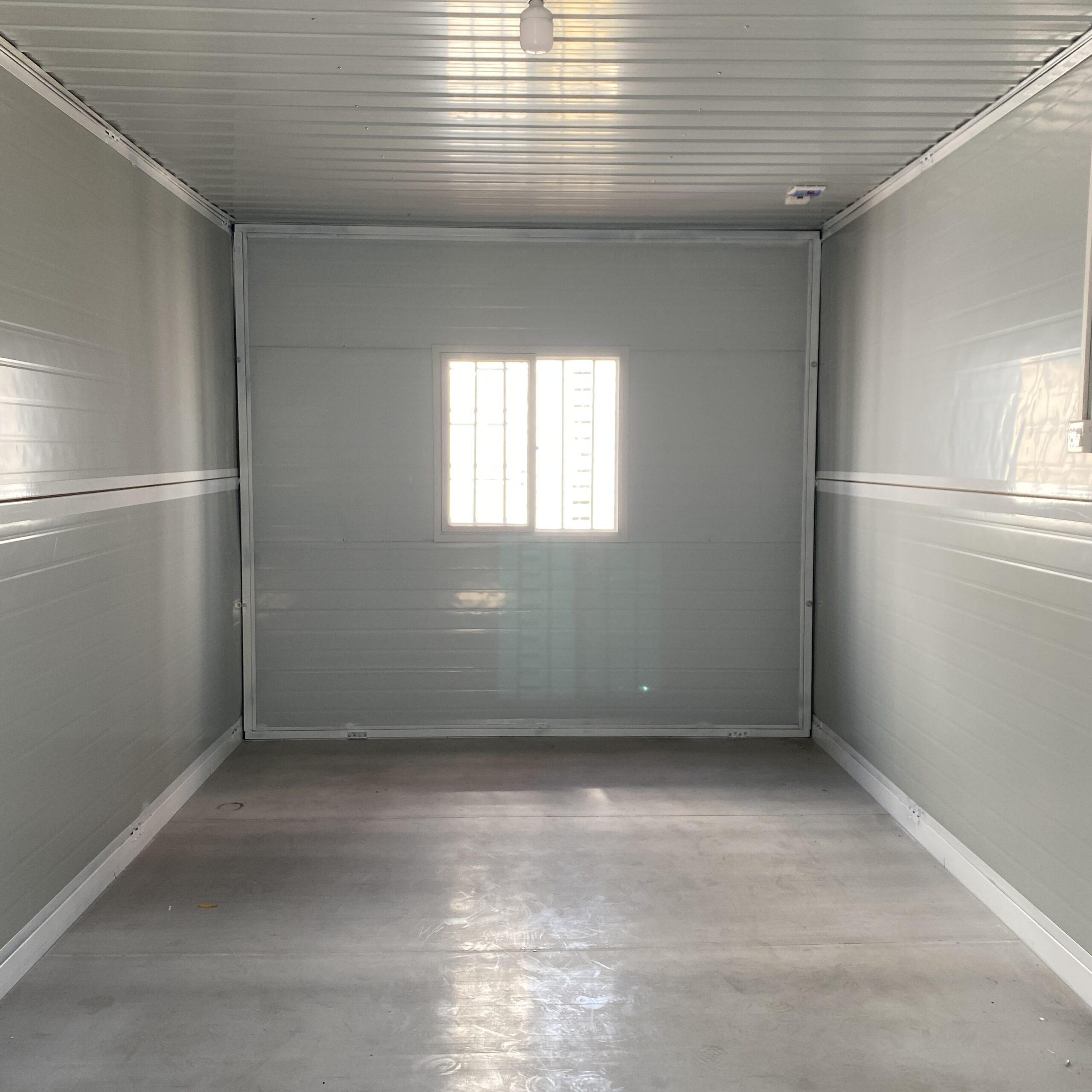
The Q235 galvanized steel frame with powder-coated finish ensures a 10-year service life even in New Zealand’s corrosive coastal environments. The foldable design reduces shipping volume by 80%, allowing 12 units per 40HC container – a game-changer for Pacific disaster relief logistics. When deployed, the 5.9m x 2.48m footprint provides 14m² of usable space with 2.41m ceiling height, comfortable for temporary accommodation or emergency operations centers.
Climate Resilience Features
– Insulation System: 65mm EPS panels (12kg/m³) in front/rear walls with 50mm side walls
– Roof Protection: 75mm glass wool (14kg/m³) for thermal regulation
– Weatherproofing: D-type rubber seals + structural silicone for dust/water resistance
– Windows: Dual-glazed PVC units (900x900mm) with steel reinforcement
– Drainage: Natural runoff system suitable for heavy rainfall events
Electrical & Safety Specifications
Engineered with New Zealand electrical safety standards in mind, featuring:
– European standard sockets (compatible with NZ transformers)
– 4mm² copper main wiring with 32A circuit breaker
– Dedicated 1.5mm² lighting circuits with 21W LED strip
– 2.5mm² socket wiring with protective earth
– Steel security door (970x1970mm) with multi-point locking
Upgrading to the 1400H Pro: Enhanced Performance Demands
For New Zealand’s high-risk zones like the Alpine Fault region or cyclone-prone Northland, the Pro version offers critical upgrades while maintaining identical footprint and folding efficiency.

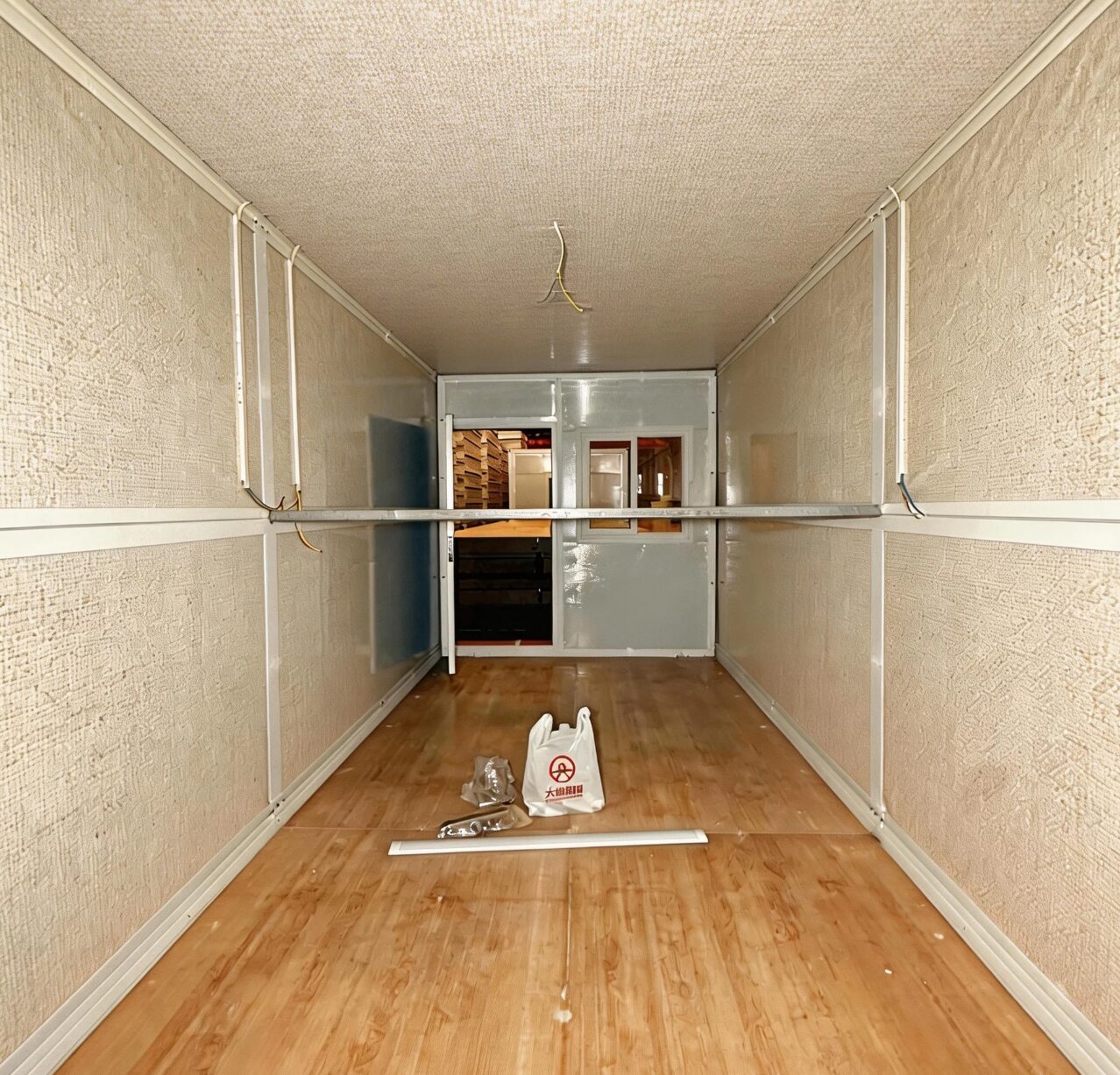
Critical Structural Enhancements
The Pro model’s frame incorporates additional protective cladding, extending service life to 30 years – triple the standard version. This makes it ideal for long-term recovery housing in areas like Kaikōura or Christchurch where rebuilding takes years.
Superior Weather Protection
– Exterior Armor: 16mm polyurethane-insulated metal carved panels (customer-installed)
– Roof Upgrade: Aluminum “Great Wall” tiles for extreme weather resistance
– Enhanced Insulation: All standard insulation PLUS external thermal barriers
– Flooring: PVC composite flooring replacing concrete for better thermal performance
Operational Differences
While sharing the same core dimensions, the Pro version ships 10 units per 40HC container due to additional protective components. The metal carved panels require on-site installation but provide unparalleled protection against flying debris in cyclone events – a crucial factor for New Zealand’s climate adaptation strategy.
Head-to-Head Comparison: Standard vs Pro
| Feature | Standard Model | Pro Model |
|---|---|---|
| Frame Life | 10 years | 30 years |
| Exterior Finish | Color steel panels | 16mm metal carved panels |
| Flooring | Cement | PVC composite |
| Roof System | Standard glass wool | Aluminum tiles + wool |
| Insulation Rating | Good (R-2.1) | Excellent (R-3.8) |
| Shipping Density | 12 units/40HC | 10 units/40HC |
| Best For | Short-term emergency | Long-term recovery |
Real-World Applications Across New Zealand
These anti-disaster houses excel in scenarios demanding immediate shelter solutions:
Emergency Response Scenarios
During Cyclone Gabrielle recovery in Hawke’s Bay, standard units provided critical shelter within 48 hours. Their sea-transport design allowed direct deployment from Auckland port to flood-isolated communities. The Pro versions now serve as temporary community centers in Esk Valley, with enhanced weathering performance during ongoing aftershocks.
Construction & Remote Operations
On the Canterbury Plains rebuild projects, these units serve as:
– Site offices with integrated power systems
– Worker accommodation camps
– Equipment storage with climate control
– First aid stations meeting NZS 5815 standards
Tourism & Commercial Pop-Ups
Queenstown’s seasonal events utilize Pro models for:
– Festival ticketing booths
– Temporary retail spaces
– Mobile tourism information centers
Their weatherproofing withstands Central Otago’s temperature swings while maintaining visual appeal.
Urban & Community Services
Wellington City Council employs these units as:
– Temporary libraries during renovations
– Pop-up healthcare clinics
– Community meeting spaces in earthquake-prone suburbs
International Deployment
From New Zealand’s ports, these units support Pacific disaster response:
– Fiji cyclone recovery housing
– Tonga volcanic eruption shelters
– Samoan tsunami response bases
The folding design enables rapid air/sea deployment to neighboring island nations.
Key Considerations for New Zealand Deployment
While these anti-disaster houses offer transformative potential, proper implementation requires attention to:
Regulatory Compliance
New Zealand’s Building Code requires specific certifications:
– MBIE approval for temporary structures
– Local council consents for placement >30 days
– Electrical safety certification under AS/NZS 3000
Always verify current requirements with MBIE before deployment.
Site Preparation Essentials
– Grounding: Level compacted surface or concrete pad
– Utilities: Pre-installed power/water hookups
– Access: Minimum 3m clearance for unfolding
– Wind Rating: Standard models require additional anchoring in Wellington’s wind corridor
Cost-Benefit Analysis
| Factor | Standard Model | Pro Model |
|——–|—————-|———–|
| Initial Cost | Lower | 25-30% higher |
| Lifespan | 5-7 years | 15-20 years |
| Maintenance | Annual checks | Bi-annual servicing |
| Resale Value | Moderate | High |
| Best ROI | Short-term use | Long-term deployment |
Customization Limitations
While adaptable, modifications must consider:
– Structural integrity impacts
– Weight distribution for transport
– Electrical load capacity
– Compliance with NZBC Clause B1 (Structure)
Maximizing Anti-Disaster House Performance
To get the most from these units in New Zealand conditions:
Deployment Best Practices
1. Pre-Transport Inspection: Verify all seals and connections
2. Site Assessment: Conduct geotechnical surveys in liquefaction zones
3. Weather Monitoring: Use MetService alerts for cyclone preparation
4. Utility Planning: Install rainwater collection systems for off-grid use
5. Community Integration: Incorporate Māori design elements for cultural fit
Maintenance Protocols
– Quarterly seal integrity checks
– Bi-annual electrical testing
– Post-storm damage assessments
– Frame corrosion prevention in coastal areas
– Window seal replacement every 3 years
Conclusion: Building Resilience Through Innovation
New Zealand’s position in the Pacific Ring of Fire demands innovative disaster preparedness solutions. The 1400H anti-disaster houses represent a paradigm shift in emergency shelter – combining rapid deployment, structural resilience, and operational versatility. Whether responding to Alpine Fault earthquakes, Northland cyclones, or supporting Pacific neighbors, these foldable container units deliver when traditional construction fails. The standard model offers immediate relief capabilities, while the Pro version provides long-term recovery solutions. As climate challenges intensify, investing in such adaptable infrastructure becomes not just practical, but essential for safeguarding communities across Aotearoa and beyond.
{1, anti-disaster house}
{2, emergency housing New Zealand}
{3, foldable container house}
{4, disaster relief shelter}
{5, 1400H sea transport}
{6, rapid deployment housing}
{7, cyclone resistant shelter}
{8, temporary accommodation NZ}
{9, earthquake housing}
{10, portable disaster unit}