
Discover how to build a container house DIY using innovative 40-foot double-wing expansion technology. This comprehensive guide covers everything from planning and installation to customization, featuring Australia’s leading modular housing solution that transforms compact shipping containers into luxurious, expandable living spaces in hours.
Ever dreamt of building your own container house but felt overwhelmed by the complexity? Welcome to the revolutionary world of DIY container homes where innovation meets simplicity. Today, we’re exploring Australia’s groundbreaking 40-foot customized double-wing expansion room – a game-changer that’s redefining sustainable, affordable housing. Whether you’re a seasoned DIY enthusiast or a complete beginner, this modular marvel makes building your dream home surprisingly achievable.
Imagine unfolding a compact container into a spacious, fully-equipped living area in just hours. That’s the magic of double-wing expansion technology. Developed to address Australia’s growing need for flexible housing solutions, these structures combine industrial durability with residential comfort. Perfect for everything from coastal retreats in Queensland to urban studios in Melbourne, they’re proving that container houses can be both practical and luxurious.
What Makes the Double-Wing Container House Revolutionary?
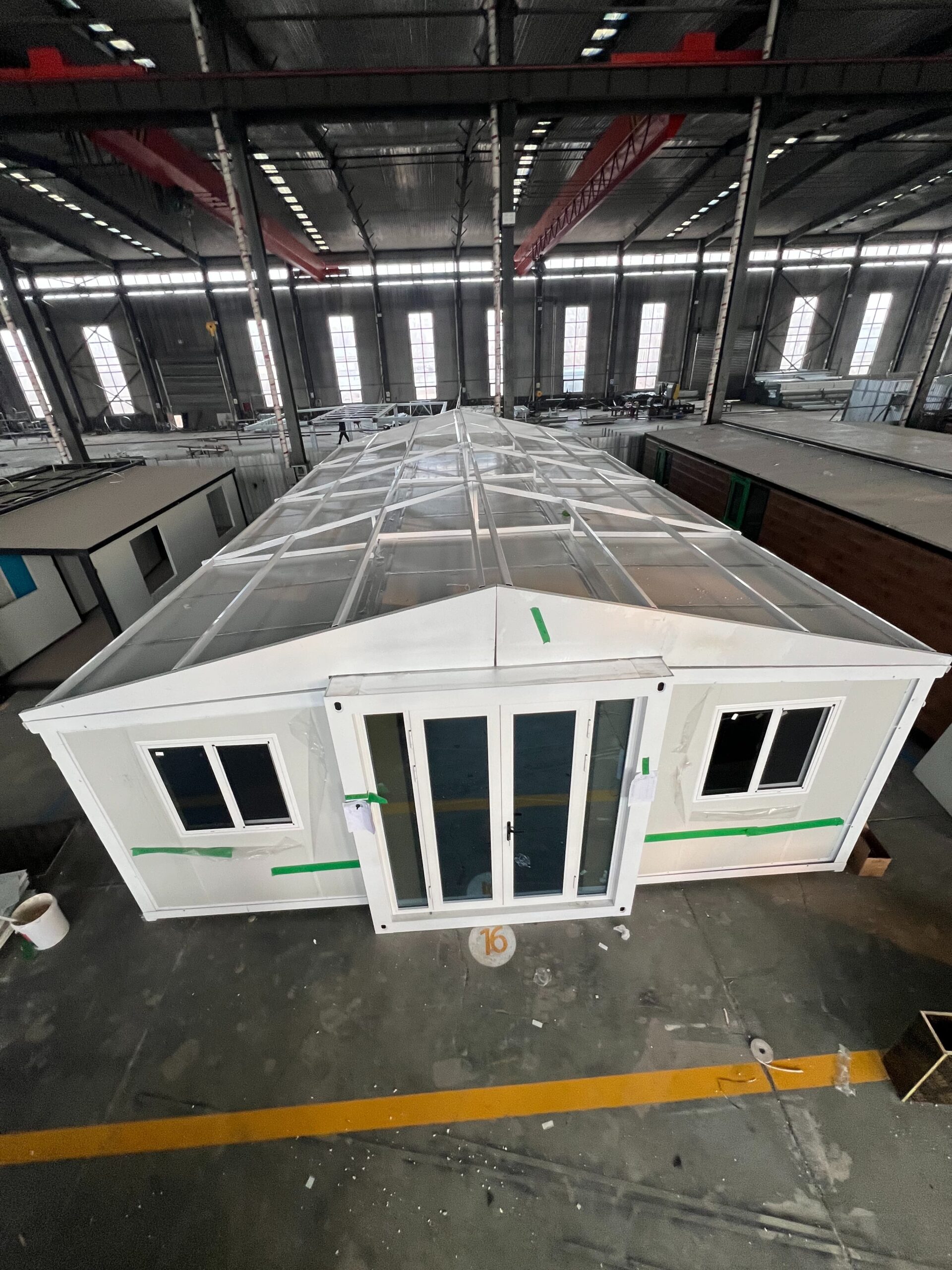
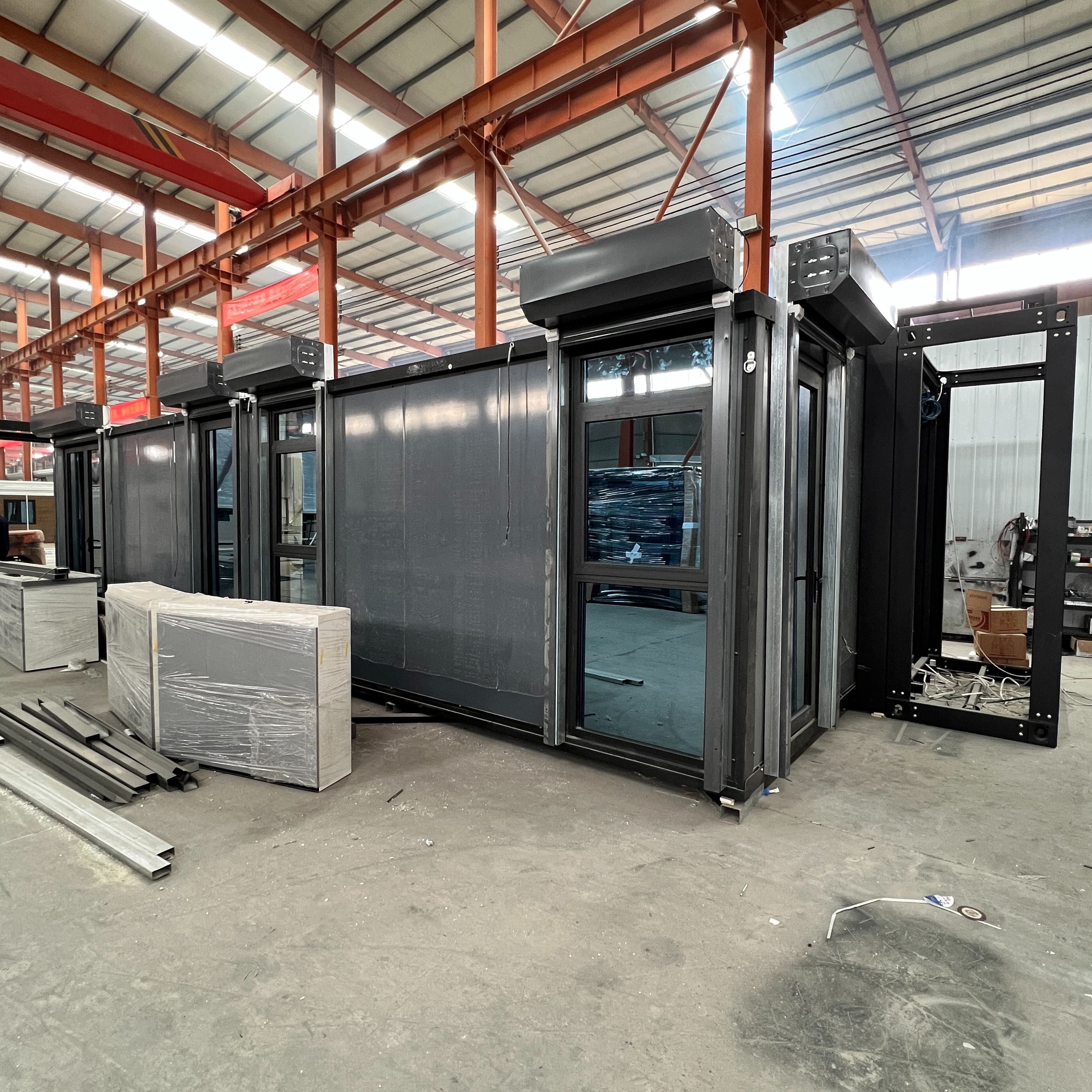
Traditional container houses often sacrifice space for mobility, but the double-wing design shatters this limitation. Picture a standard 40-foot shipping container that transforms into a 6.24-meter wide living space when deployed – nearly tripling its footprint! This innovation comes from Australia’s leading modular housing manufacturers who’ve re-engineered shipping containers into intelligent, expandable habitats.
The core genius lies in its folding mechanism. During transport, both “wings” fold inward, maintaining standard container dimensions (11.8m × 2.2m × 2.48m) for easy road and sea shipping. Once on-site, these wings unfold like wings of an aircraft, creating a cavernous 11.8m × 6.24m living area with 2.2m ceilings – all while maintaining structural integrity through aerospace-grade hydraulic systems.
Key Structural Features
- Space Transformation: Expands from 26m² to 74m² (185% increase) in under 30 minutes
- Robust Framework: Hot-dip galvanized steel skeleton with carbon fiber reinforcements
- Transport Compliance: Maintains ISO shipping container dimensions when folded
- Weather Resistance: Engineered to withstand Australia’s extreme conditions from cyclonic winds to bushfire zones
DIY Installation: Step-by-Step Guide
Building your container house DIY style has never been easier. The double-wing system arrives 95% pre-fabricated, minimizing on-site work. Here’s how to transform your property:
Step 1: Site Preparation
Unlike traditional construction, these units require minimal groundwork. In Australia’s sandy outback or rocky coastal areas, you’ll only need:
- Level ground (within 5cm tolerance)
- Compact gravel or concrete pads for support points
- Utility access points (power, water, sewage)
No deep foundations needed! This makes them perfect for environmentally sensitive areas like Tasmania’s wilderness or fragile dune systems.
Step 2: Delivery & Positioning
Using standard container handling equipment:
- Position the folded unit on prepared pads
- Ensure 2m clearance around all sides for wing deployment
- Secure with ground anchors (included in DIY kit)
The entire process takes under 2 hours with basic equipment available at any Australian hire shop.
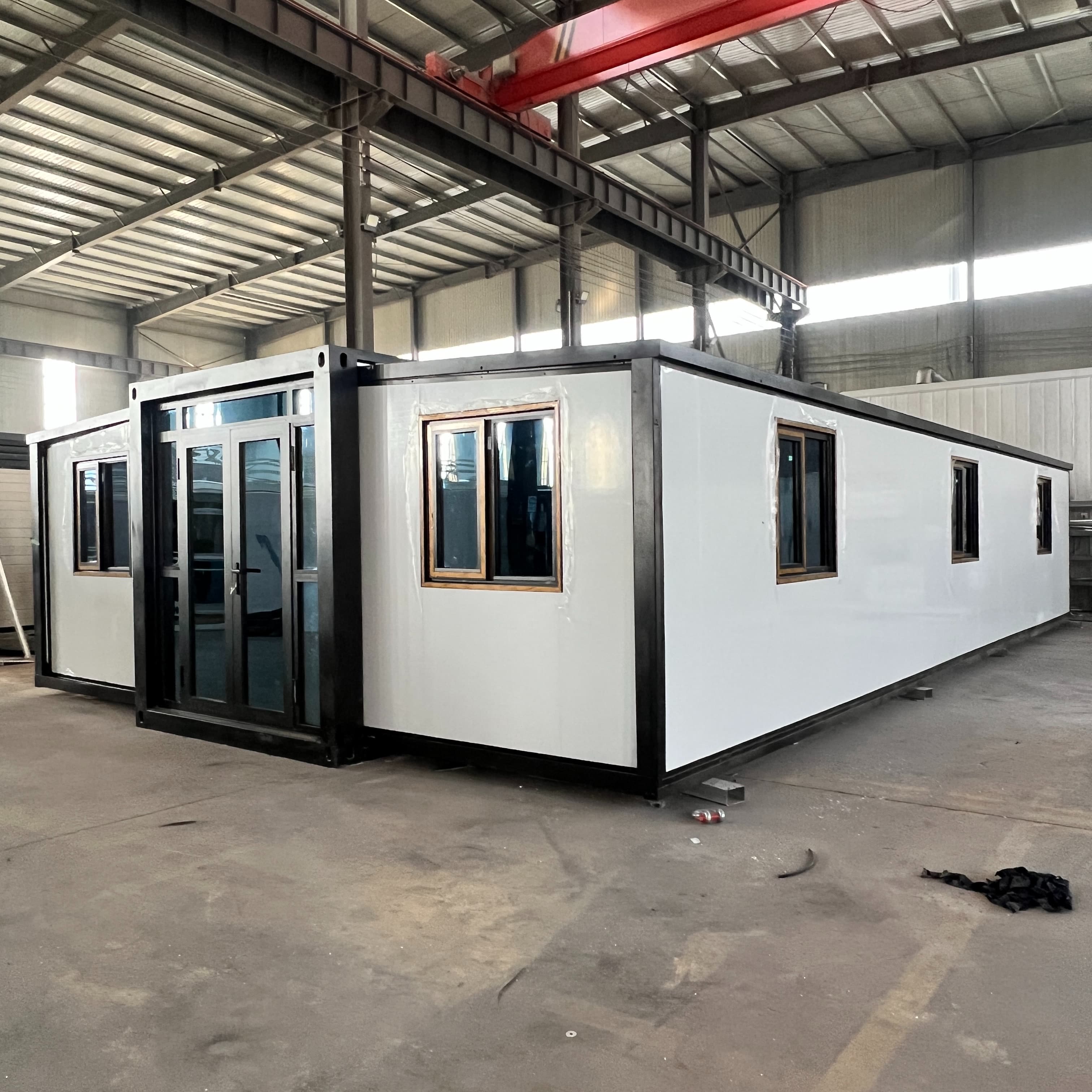
Step 3: Unfolding the Wings
This is where the magic happens! Using the provided hydraulic pump:
- Release safety locks on both wings
- Engage hydraulic system (operates on standard 240V power)
- Wings automatically deploy in synchronized motion
- Lock into final position with mechanical pins
Step 4: Interior Activation
The unit arrives with integrated systems ready for connection:
- Electrical: Plug-and-play system with circuit breaker panel
- Plumbing: Pre-installed PEX pipes with shut-off valves
- Climate: Ducted mini-split AC/heat pump system
Most DIYers complete this phase in 3-4 hours using basic tools.
Step 5: Finishing Touches
Personalize your space with:
- Modular furniture systems (optional)
- Window treatments (pre-measured kits available)
- Exterior decking (composite options recommended for Australian weather)
Material & Construction Excellence
Australian manufacturers have perfected these structures using advanced materials science:
Superior Frame Technology
The hot-dip galvanized steel frame undergoes a 14-stage treatment process:
- Shot blasting to SA2.5 standard
- Zinc coating (85µm minimum)
- Epoxy primer application
- Polyurethane topcoat in selected RAL colors
This ensures 30+ year corrosion resistance – crucial for Australia’s harsh coastal conditions from Perth to Cairns.
Advanced Insulation System
Walls feature 100mm polyurethane foam injection (R-value 6.5) combined with:
- Reflective radiant barrier
- Thermal break framing
- Seamless vapor barrier
This creates an energy-efficient envelope meeting Australia’s NatHERS 7-star rating, reducing heating/cooling costs by up to 60% compared to traditional brick homes.
Weatherproof Engineering
Every seam incorporates triple-seal technology:
- Primary butyl rubber seal
- Secondary silicone gasket
- Tertiary flashing system
Tested to withstand 200km/h winds and 500mm/hr rainfall – exceeding Australian cyclonic region requirements.
Interior Design Possibilities
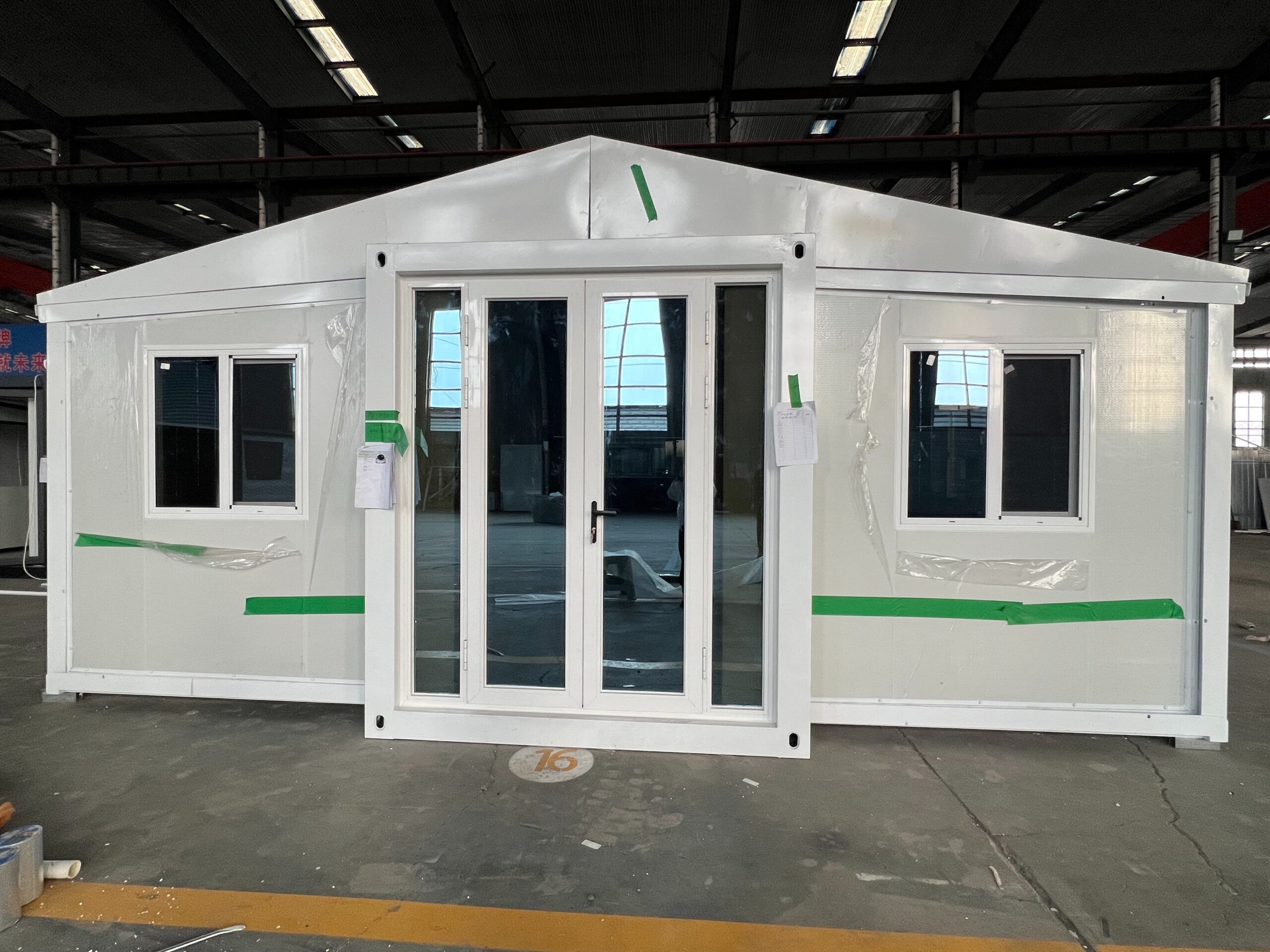
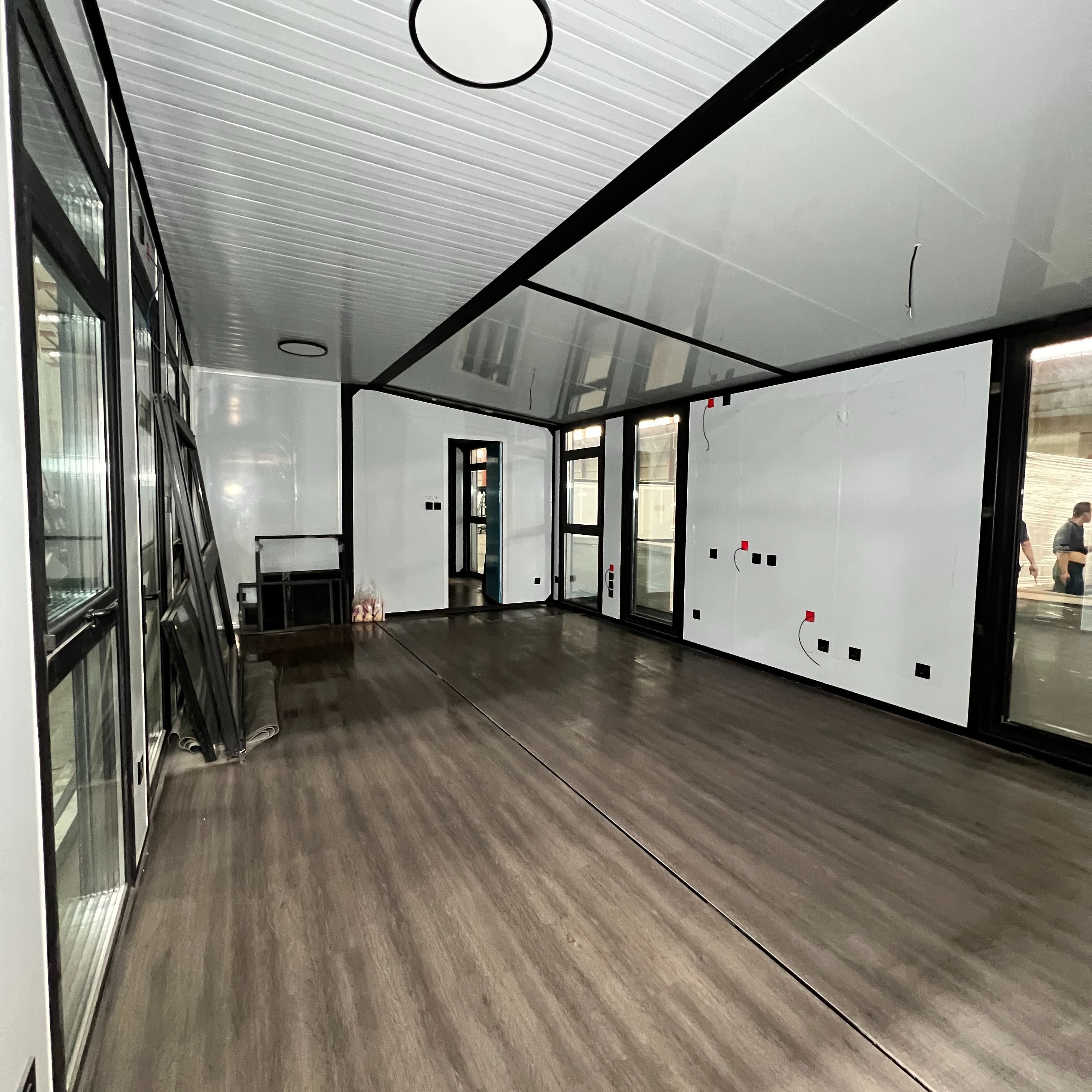
The beauty of this system lies in its adaptable interior. With no central columns, you enjoy 100% usable space. Popular Australian configurations include:
Open-Plan Living
Perfect for entertainers, featuring:
- Expansive living area (35m²)
- Gourmet kitchen island
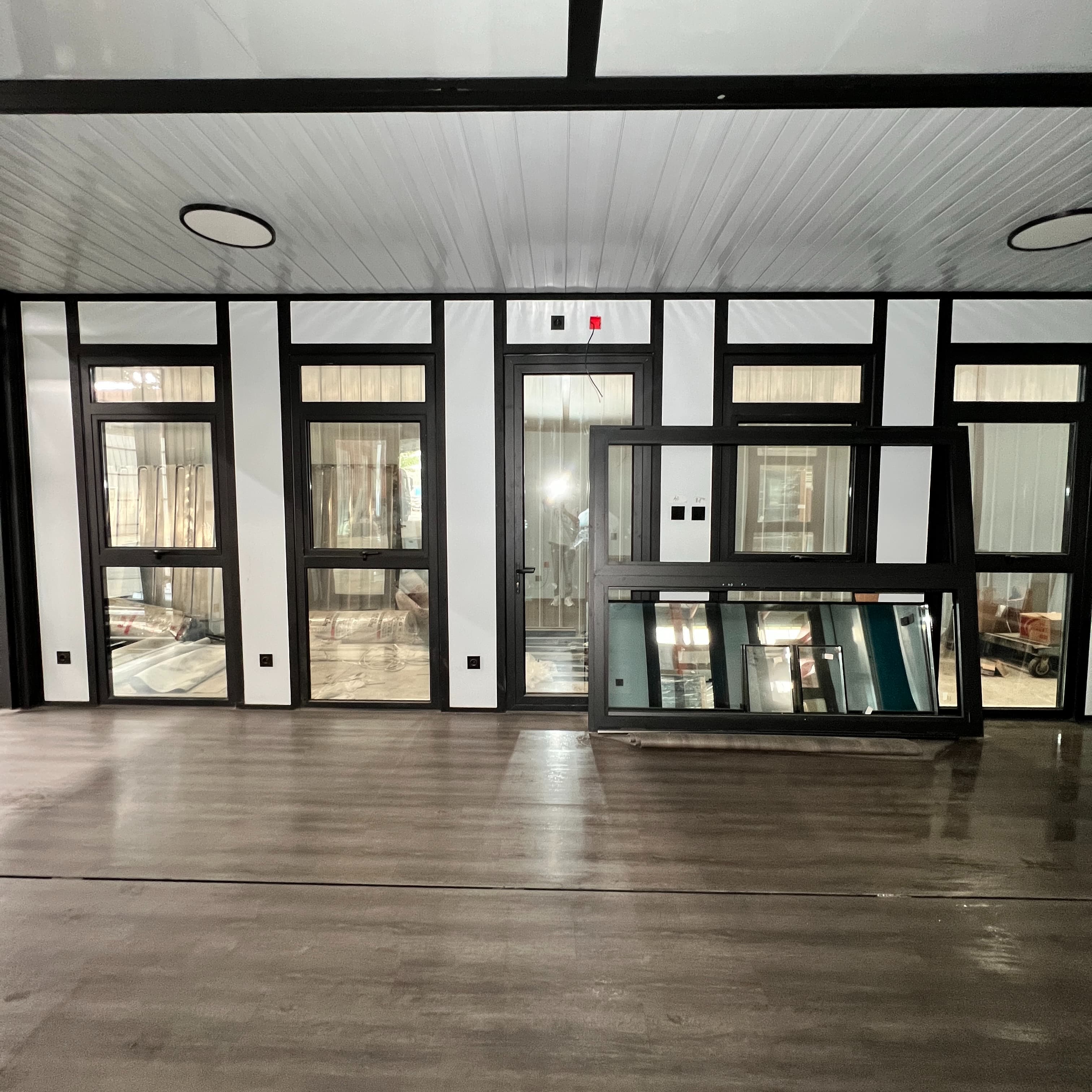
- Floor-to-ceiling sliding glass doors
Two-Bedroom Layout
Ideal for families or guest accommodation:
- Master bedroom (12m²) with walk-in robe
- Second bedroom (10m²)
- Shared bathroom with laundry
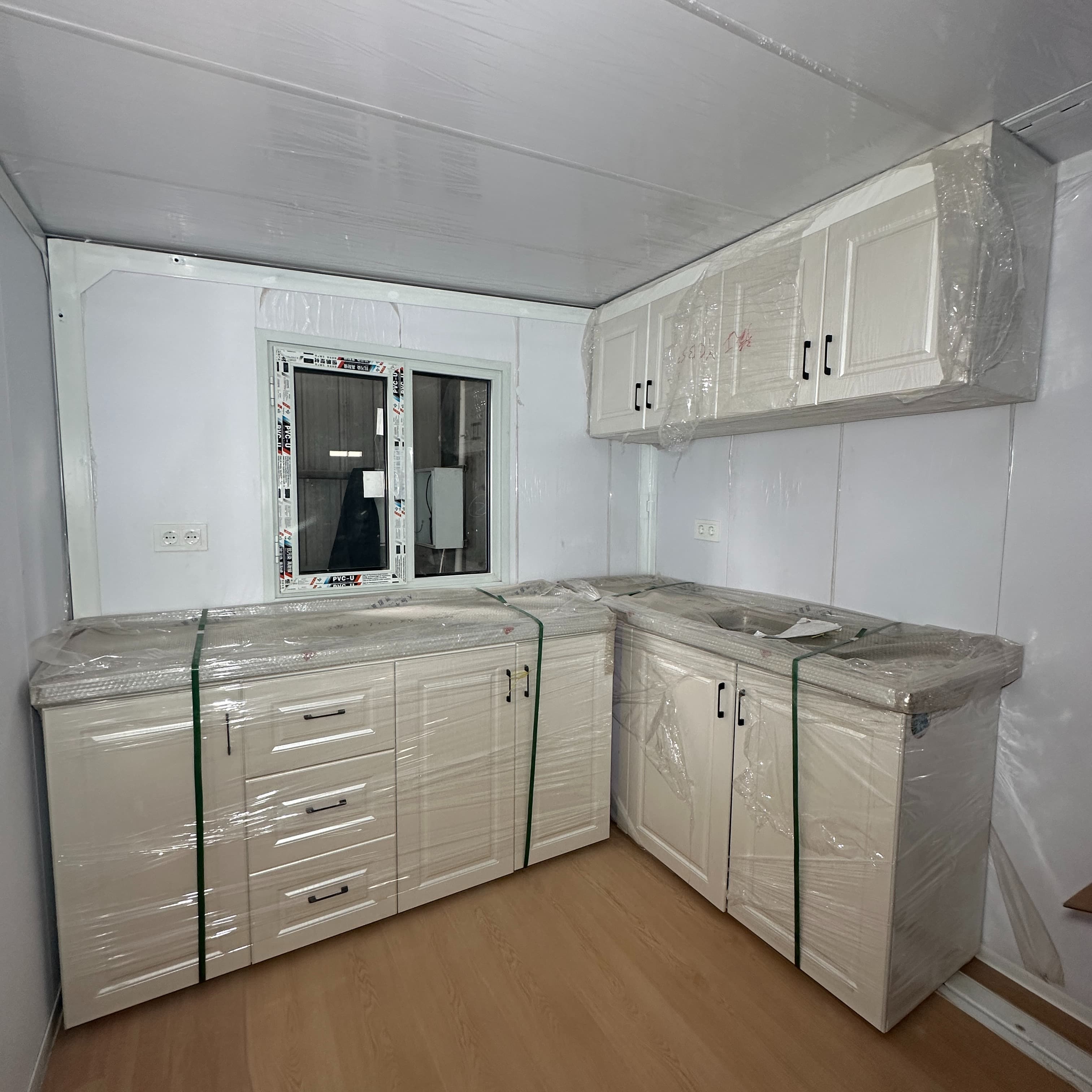
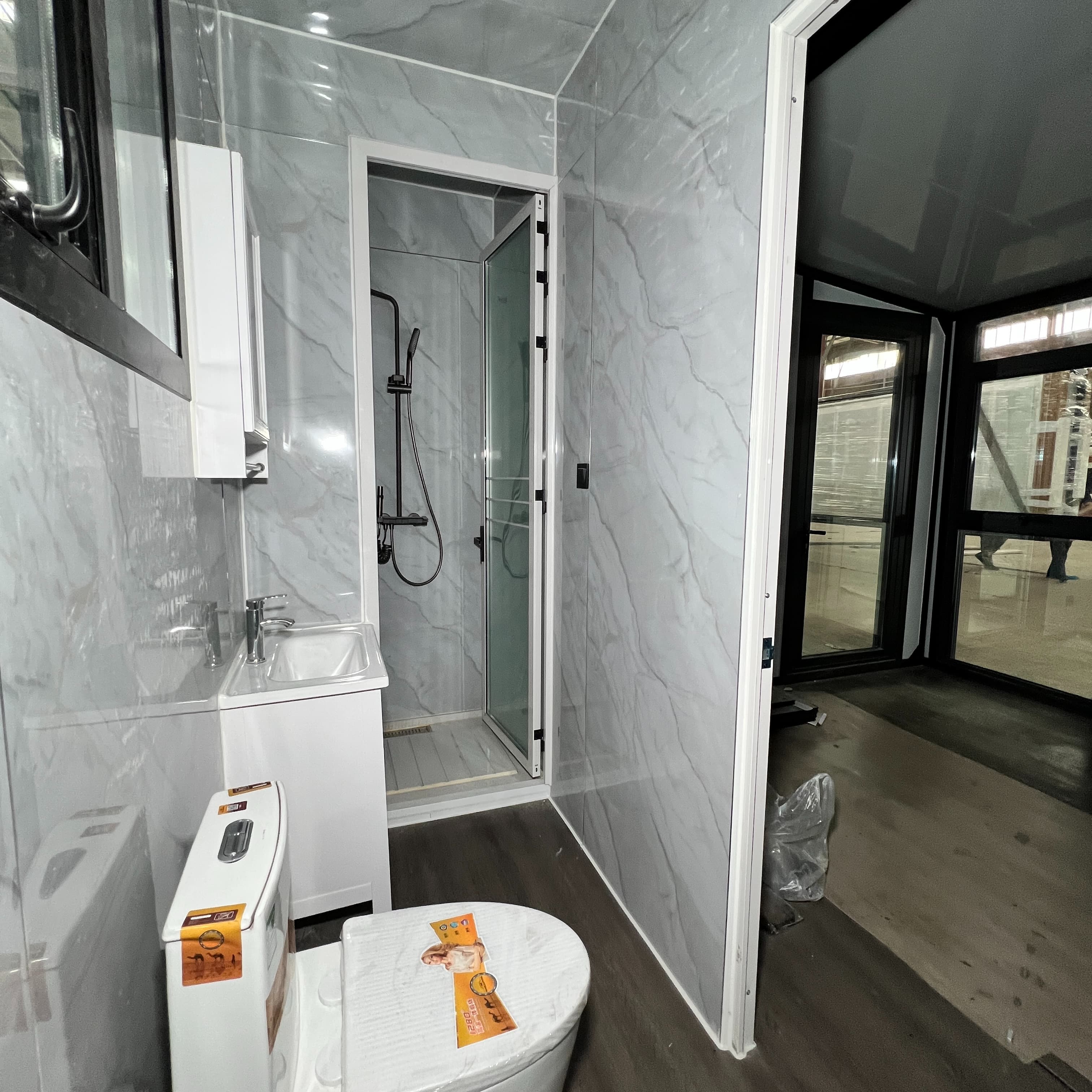
Luxury Kitchen & Bath
High-end finishes come standard:
- Kitchen: Stone benchtops, soft-close drawers, induction cooktop
- Bathroom: Frameless glass shower, wall-hung vanity, heated towel rails
Cost & Time Efficiency
Compared to traditional Australian construction:
| Factor | Traditional Build | Double-Wing Container |
|---|---|---|
| Construction Time | 6-12 months | 2-5 days |
| Cost/m² | $2,500-$4,000 AUD | $1,800-$2,500 AUD |
| Labor Requirements | 15+ trades | 2-3 people DIY |
| Waste Generated | 15-20 tons | Under 1 ton |
Real-world example: A Sydney couple built their coastal retreat in 4 days at $220,000 AUD – 40% less than comparable stick-built homes in the area.
Versatile Applications Across Australia
These adaptable structures shine in diverse scenarios:
Permanent Residences
Increasingly popular as primary homes in regional Australia:
- Bush Blocks: Quick setup without disturbing native vegetation
- Coastal Properties: Corrosion-resistant for salt-air environments
- Urban Infill: Fits tight lots where traditional construction isn’t feasible
Tourism & Hospitality
Australia’s glamping boom embraces container architecture:
- Luxury Eco-Lodges: Kangaroo Island wilderness retreats
- Beachside Cabins: Byron Bay boutique accommodation
- Winery Stays: Barossa Valley vineyard guesthouses
Commercial & Emergency Use
Businesses and government agencies appreciate rapid deployment:
- Pop-Up Retail: Melbourne festival markets
- Site Offices: Mining camps in Western Australia
- Disaster Relief: Bushfire recovery housing in Victoria
Sustainability & Environmental Impact
Container houses represent Australia’s shift toward circular economy principles:
Carbon Footprint Reduction
- Repurposes retired shipping containers (saving 8,000kg steel per unit)
- 85% less construction waste versus traditional builds
- Energy-efficient design reduces operational emissions by 40-60%
Resource Efficiency
- Water-saving fixtures reduce consumption by 30%
- Solar-ready design for off-grid capability
- Materials sourced from 90% recycled content where possible
Biodiversity Protection
Minimal site disturbance preserves native ecosystems – critical for Australia’s fragile environments from the Daintree to Tasmania’s wilderness.
Regulatory Considerations in Australia
Navigating regulations is crucial for DIY success:
Building Codes
All units comply with:
- National Construction Code (NCC) Volume Two
- AS/NZS 1170 (Structural Design Actions)
- Local council variations (check Queensland’s MP1.2 or Victoria’s VBA requirements)
Permitting Process
Typical pathway:
- Development Application (DA) submission
- Building permit approval
- Plumbing/draining certification
- Final occupancy inspection
Many Australian councils offer fast-track approvals for modular structures – often cutting processing time by 70%.
Land Use Regulations
Important considerations:
- Rural zones often have fewer restrictions
- Urban areas may require design overlays
- Flood/fire zones need special engineering certifications
Customization Options
Make your container house uniquely yours with Australian-made options:
Exterior Finishes
- Color Schemes: From Outback red to Ocean blue
- Cladding: Timber look, Corten steel, or composite panels
- Roof Styles: Flat (modern) or pitched (traditional)
Interior Packages
- Budget: Essential finishes with DIY-friendly materials
- Standard: Mid-range appliances and fixtures
- Luxury: Stone surfaces, smart home integration, premium appliances
Technical Upgrades
- Solar power systems (5-15kW arrays)
- Rainwater harvesting (5,000-20,000L tanks)
- Off-grid wastewater treatment
Maintenance & Longevity
Protect your investment with simple maintenance:
Annual Checklist
- Inspect hydraulic systems and seals
- Clean roof and gutter systems
- Test all mechanical components
- Verify corrosion protection integrity
5-Year Service
Recommended professional service includes:
- Hydraulic fluid replacement
- Seal renewal
- Structural inspection
- System recalibration
With proper care, these structures easily outlast traditional Australian homes – many come with 25-year structural warranties.
Real Australian Success Stories
Inspiration from across the country:
Beachside Retreat (Sunshine Coast, QLD)
A retired teacher built her dream home in 7 days. “The unfolding process was like magic – watching my compact container transform into a spacious beach house was unforgettable,” she reports. Total cost: $195,000 AUD including premium finishes.
Alpine Eco-Lodge (Thredbo, NSW)
A hospitality group created luxury accommodation pods. “The double-wing design gave us twice the space without twice the footprint,” explains the developer. Units maintain 22°C internally even at -10°C outside.
Outback Research Station (Kimberley, WA)
A university deployed 12 units as remote labs. “They survived Cyclone Damien with zero damage – traditional buildings would’ve been destroyed,” notes the project manager. Solar-powered systems operate completely off-grid.
Getting Started with Your DIY Container Project
Ready to build? Follow this Australian roadmap:
Phase 1: Research & Planning (2-4 weeks)
- Define your needs and budget
- Research manufacturers (look for Australian Standards certification)
- Consult local council regulations
- Secure financing options
Phase 2: Design & Approvals (4-8 weeks)
- Select your model and customizations
- Engage designer/draftsperson if needed
- Submit development application
- Arrange site surveys
Phase 3: Site Preparation (1-2 weeks)
- Clear and level building area
- Install utility connections
- Prepare access routes for delivery
Phase 4: Delivery & Installation (3-5 days)
- Coordinate delivery logistics
- Supervise placement and unfolding
- Complete utility connections
- Conduct final inspections
Phase 5: Move-In & Enjoy!
Most Australian DIYers complete the entire process in 3-4 months – compared to 12+ months for traditional construction.
Conclusion: The Future of Australian Housing
The 40-foot double-wing expansion container represents more than just a building – it’s a housing revolution. By combining industrial durability with residential comfort, rapid deployment with long-term value, and affordability with luxury, these structures are perfectly positioned to address Australia’s unique challenges: remote locations, climate extremes, and the need for sustainable development.
For DIY enthusiasts, they offer an unprecedented opportunity to create high-quality housing without specialized construction skills. Whether you’re building a permanent home in the Adelaide Hills, a holiday rental on the Gold Coast, or an eco-retreat in Tasmania, the double-wing container delivers unmatched versatility and value.
As Australia continues to lead in modular housing innovation, these expandable containers prove that the future of housing isn’t about bigger houses – it’s about smarter, more adaptable spaces that respect both our environment and our lifestyles. Your container house DIY journey isn’t just about building a structure; it’s about embracing a more sustainable, efficient way of living that’s distinctly Australian.
Ready to unfold your dream home? The double-wing revolution awaits – and it’s more accessible than you ever imagined.