Corporate Culture | Inside the HUAYING Container House Factory
“A container house is welded, insulated and wired by people before it is ever a product.”
Most container house websites show you a catalogue. We would rather show you the workshop. Fucheng Huaying Integrated Housing Co., Ltd. has been manufacturing prefabricated modular buildings in Hebei Province since 2003 – which means the habits behind every module we ship were formed long before container housing became a trend.
This section is about how this factory works: who builds the units, how quality is decided, and why an order placed in Sydney or Nairobi depends on decisions made on a welding jig in Fucheng County.
Why a manufacturer’s culture is a buyer’s risk control
When you import a modular building, you are not buying steel. You are buying the process that assembled it, in a factory you will probably never visit, 8,000 kilometres away. That gap is where most import problems start: a frame welded without a jig, insulation compressed into a cavity too thin for its rated R-value, wiring that passes at the factory and fails at handover.
Certifications address part of that risk. Culture addresses the rest. A works with a stable, long-tenured workforce and a documented quality routine will reproduce the same module on the 300th unit as on the 1st. That reproducibility is what a spec sheet cannot show you – and it is what we have spent two decades building.
What this factory actually is
| Item | Detail |
|---|---|
| Legal name | Fucheng Huaying Integrated Housing Co., Ltd. |
| Established | 2003 – over two decades of modular manufacturing |
| Location | Fucheng County, Hebei Province, China |
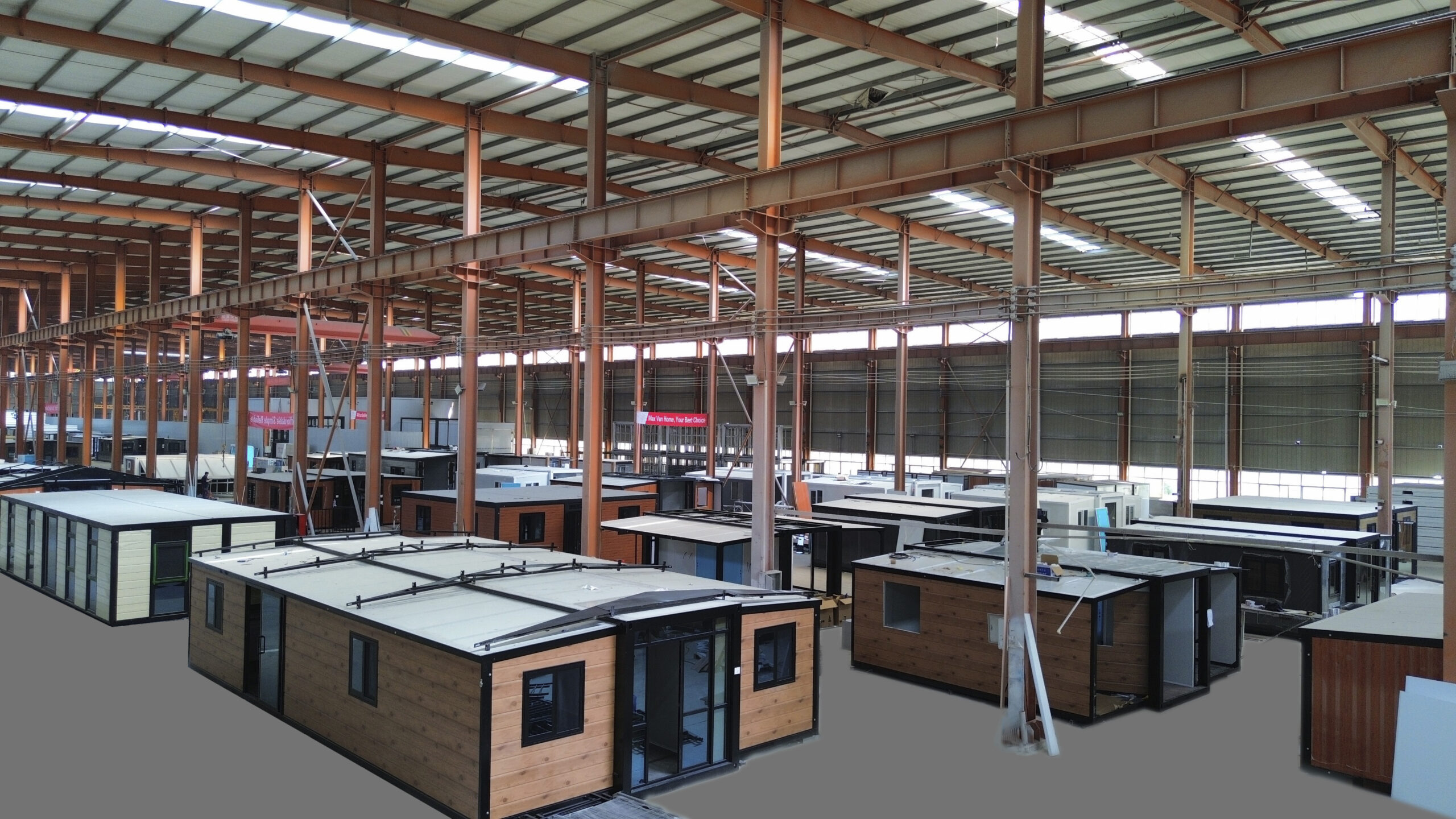
| Production plant | 35,000 m² of covered fabrication and assembly space |
| Workforce | 500+ employees, including 20 in-house engineers |
| Annual output | 180,000+ units |
| Export markets | 50+ countries across North America, Europe, Australia, the Middle East, Southeast Asia and Africa |
| Quality systems | CE (Declaration of Performance), EN ISO 3834-2 welding quality management, EN 1090; 24 patent certificates |
| Port of loading | Tianjin, China – FOB and CIF terms |
Two numbers here matter more than the rest. The first is 20 in-house engineers: structural drawings, wind and snow calculations, and compliance responses for markets like Australia or Canada are produced here, not outsourced to a trading desk. The second is the EN ISO 3834-2 welding quality system, because for a steel-framed building the weld is the building.
What a stable workforce means for your order
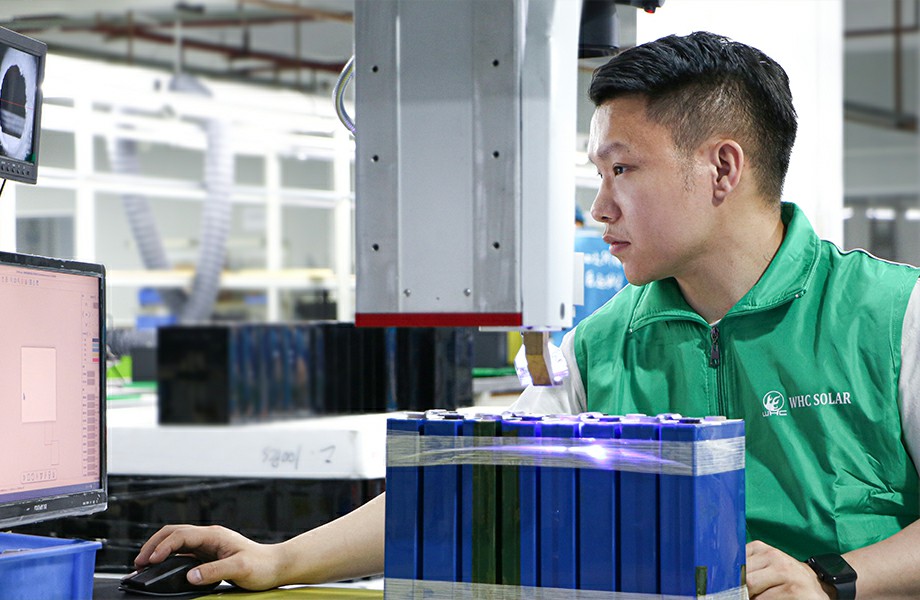
The prefabricated housing industry in China is full of small workshops that appear for one season and vanish the next. That volatility produces a specific failure mode buyers rarely see coming: the team that quotes your project is not the team that builds it, and the drawings that were priced are not the drawings that ship.
A workforce that stays is not a sentimental point. It is the mechanism behind three things you can actually verify in a contract:
- Repeatable tolerances. The same crews weld the same jigs, so a 10 ft module ordered in March matches the 10 ft module ordered in November – relevant when you are assembling a camp or village in phases.
- Training that compounds. New standards (for example a customer’s AS/NZS compliance requirement) are absorbed into routine, instead of being re-learned by a new crew each order.
- Accountability with a name. Every production batch carries a work order number. A question about a specific unit can be traced back to the shift that made it.
Quality as routine, not as inspection
The industry norm is to inspect quality at the end: run the unit through a checklist, fix what fails, ship it. That model treats defects as inevitable and catches them late, when rework is most expensive.
Our approach inverts the sequence. Quality gates sit inside production:
- Steel and incoming material check before cutting – thickness, grade, coating class.
- Jig and frame check before welding closes – squareness and diagonal tolerance, because a frame that is out of square cannot be rescued by cladding.
- Weld verification under the EN ISO 3834-2 system, with traceability to the operator.
- Insulation and vapour control check before the wall is closed – the stage where most cold-climate and tropical failures are actually created.
- Electrical and plumbing pressure/continuity test at the module, before it is folded or packed.
- Fold/unfold cycle test on expandable and folding units, since deployment is where field failures cluster.
The reason this matters commercially: a defect caught at gate 4 costs a few hours of labour. The same defect discovered on site in Chile costs an engineer’s flight, a crane re-hire and a schedule slip. Buyers pay for our quality system either way – the choice is whether they pay for it in the factory or on their own site.
(‘
‘,)
People, not just plant
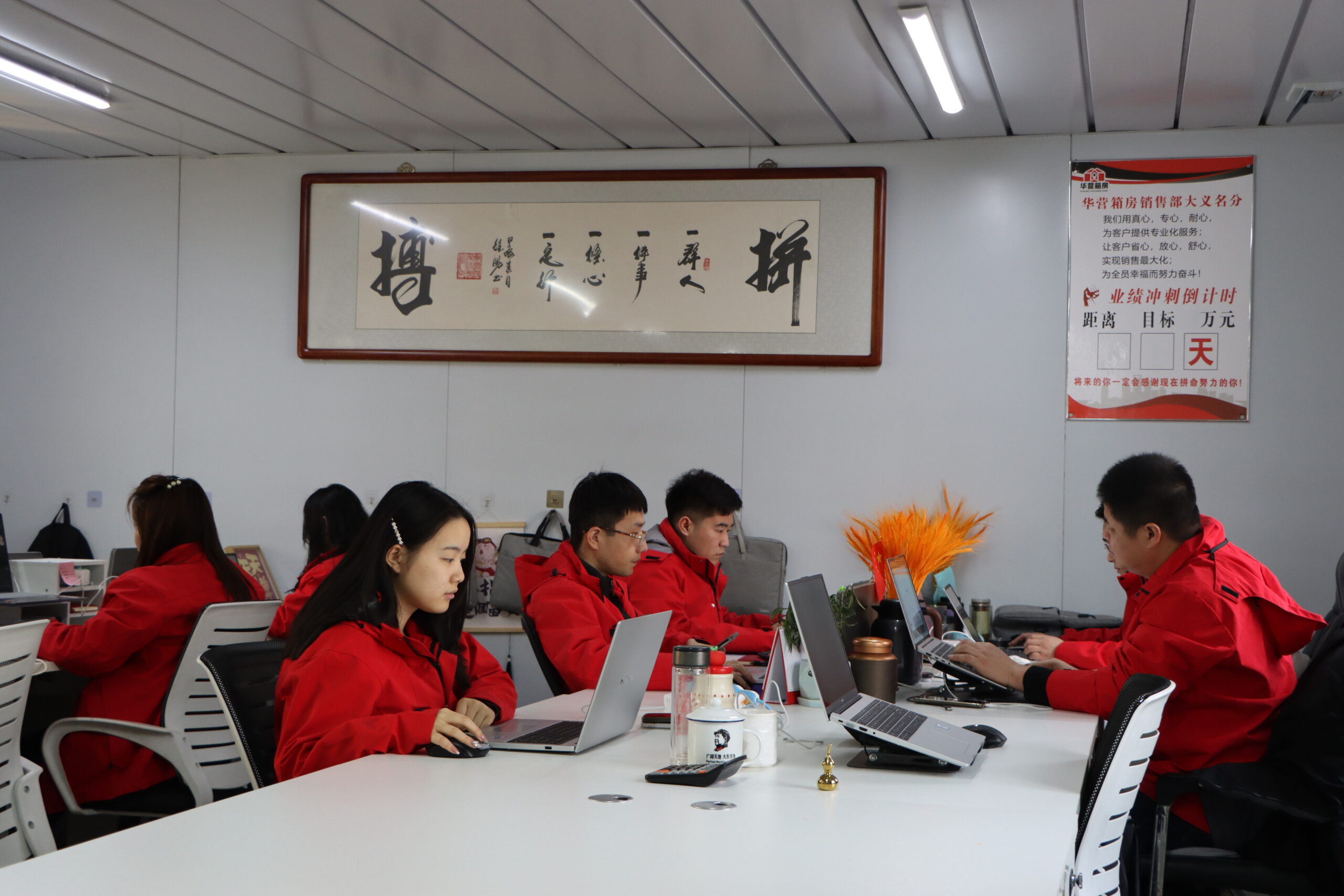
Manufacturing capacity is easy to photograph; the capability that makes it useful is not. Behind the 35,000 m² floor sits a structure that buyers interact with at every stage:
- 20 engineers producing structural drawings, load calculations and market-specific compliance responses.
- Export and documentation staff preparing the certificate of origin, declaration of conformity and shipping documents that determine whether your container clears customs without a demurrage bill.
- After-sales support that answers installation questions during the first weeks of a build, when a photo and a phone call prevent most site errors.
We have written about these people before, because the culture of a factory is only credible as evidence when it is specific. The two articles below describe how Huaying links employee recognition to the design work buyers eventually receive, and how the recurring-team model sustains long projects.
Read the culture stories
Our corporate culture writing covers the people side of prefabricated manufacturing – how a factory’s internal habits show up in delivered buildings:
- From Employee Gifts to Cultural Pillars: How Hebei Huaying Shapes Home Designs Through People-First Values – how employee recognition translates into design and finish quality.
- From Festival Gifts to Cultural Pride: Hebei Huaying’s Prefabricated House Village Camping Spirit – how shared traditions survive inside a growing plant.
- From Gifts to Greatness: How Hebei Huaying Nurtures Culture Through Employee Appreciation – the link between staff retention and repeatable build quality.
Evidence you can check, and one you can visit
Claims about culture are cheap. Three things here are not:
- Certification with numbers. We publish system names and certificate numbers (EN ISO 3834-2, CE DoP, EN 1090, AS-approved plumbing and cabling components), so a buyer’s compliance officer can verify them rather than trust them.
- Traceable production. Every unit carries a work order number; factory photos we publish for projects are tied to real production batches rather than stock imagery.
- An open door. Buyers are welcome to inspect the plant before placing a major order. We collect from Shijiazhuang Zhengding Airport (SJW) or Hengshui North Railway Station for factory visits, and we will walk you through the fabrication bays, the welding stations and the fold-test rig yourself.
That last item is the point of this whole section. Culture is the part of a supplier you cannot audit from a spreadsheet – so we would rather you came and looked at it.
Work with a factory you can trace
If you are specifying a modular building and want to discuss engineering capacity, production scheduling, compliance documentation or a factory visit, send us the details and we will reply with a concrete answer – dated drawings, work order allocations and certification references included.
Email jack@huayinghouse.com or WhatsApp +86 153-0318-4505. We reply within 12 hours, and we will tell you plainly if a project is not a fit for our plant.