
Queensland has experienced a 330% surge in granny flat applications over the past 12 months, with 886 Development Applications lodged statewide. Unlike NSW and Victoria, Queensland does not have a single statewide granny flat rule — each council sets its own size limits, setback requirements, and approval pathways. This 2026 guide covers everything you need to know about Queensland granny flat regulations, including accepted development vs DA pathways, council-by-council size limits, the September 2022 rental reform, and how expandable container houses fit into the QLD market.
Queensland’s Granny Flat Boom: What’s Driving It
Queensland’s granny flat market has exploded in 2026 for several reasons:
- Record population growth: QLD added 137,000 new residents in 2025 — the highest interstate migration in Australia, driven by affordability and lifestyle
- Brisbane housing crisis: Median house price in Greater Brisbane hit $950,000, with rental vacancy rates below 1.0%
- Olympics 2032 pipeline: Infrastructure investment across SEQ (South East Queensland) is driving demand for flexible, fast housing solutions
- September 2022 rental reform: Secondary dwellings can now be rented to anyone — not just family members — unlocking the investment potential
- NCC 2022 energy standards: 7-star NatHERS requirement (since May 2024) applies to all new secondary dwellings, raising quality standards
Logan City Council alone accounts for two-thirds of all QLD granny flat applications — processing over 1,040 tracked DAs in the past year. The city’s combination of affordable land, progressive planning scheme, and strong rental demand makes it Queensland’s granny flat capital.
Approval Pathways: Accepted Development vs DA
Queensland has a two-pathway system for granny flats (called “secondary dwellings” in planning terminology):
| Factor | Accepted Development | Development Application (DA) |
|---|---|---|
| Planning approval needed? | No — straight to building certifier | Yes — full council assessment |
| Processing time | 10-15 business days (building permit) | 35+ business days (statutory timeframe) |
| Public notification | Not required | Usually not required (code assessable) |
| Size limit | Typically 70-80m² (varies by council) | Up to 90-100m² in some councils |
| Proximity to main house | Within 20m (most councils) | No proximity limit |
| Cost (approvals) | $1,000-$2,500 | $3,000-$8,000 |
Accepted Development is the fastest path — if your granny flat meets all council criteria, you skip the DA entirely and go directly to building approval from a licensed private building certifier.
Council-by-Council Size Limits in SEQ
Queensland has no single size limit. Here are the key differences across South East Queensland councils:
| Council | Max Size (Accepted Dev) | Min Lot Size | Notes |
|---|---|---|---|
| Brisbane City | 80m² | 450m² | Most popular metro council; clear planning scheme |
| Gold Coast | 80m² | 450m² | Overlay-dependent; check flood/bushfire |
| Sunshine Coast | 80m² | 600m² | Strict character and environmental overlays |
| Logan City | 70m² (residential) 100m² (other zones) | 400m² | QLD granny flat capital — 1,040+ DAs/year |
| Moreton Bay | 80m² (lots <800m²) 100m² (lots 800m²+) | 400m² | Tiered model since Oct 2024 amendment |
| Ipswich | Varies | Varies | Contact council for specific zone requirements |
| Townsville | Varies | Varies | Contact council; different climate requirements |
Key rule: Even within accepted development, the granny flat must remain subordinate to the primary dwelling — it cannot exceed the main house in scale or function.
Queensland Granny Flat Requirements at a Glance
| Requirement | Value |
|---|---|
| Maximum size (accepted development) | 70-80m² (varies by council) |
| Minimum lot size | 400-600m² (varies by council) |
| Planning permit required? | No if accepted development; yes if DA needed |
| Building permit required? | Yes — always |
| Proximity to main dwelling | Within 20m (for accepted development) |
| Fire separation | Minimum 1.8m from primary dwelling |
| Car parking required? | 1 off-street space |
| Rental restriction? | None (since September 2022) |
| Energy rating | Minimum 7-star NatHERS (since May 2024) |
| Subdivision allowed? | No |
September 2022 Rental Reform: What Changed
Prior to September 2022, Queensland granny flats could only be occupied by family members of the primary dwelling’s residents. This severely limited their investment potential. The Planning Regulation amendment removed this restriction entirely. Now:
- Anyone can live in or rent the granny flat — no family connection required
- Standard Queensland tenancy laws apply
- Short-stay accommodation (Airbnb) is permitted, subject to local council rules
- The change applies across all council areas in Queensland
This reform was the single biggest catalyst for Queensland’s granny flat boom. Before September 2022, most granny flats were built for elderly parents or dependent family members. Now they are genuine investment assets.
Setback and Siting Requirements
Requirements vary by council, but general rules for accepted development secondary dwellings in QLD include:
- Side setbacks: Minimum 1.5m (may increase with height)
- Rear setbacks: Minimum 4-6m (varies by council and lot size)
- Front setback: Must align with existing dwelling or minimum 6m
- Height: Maximum 8.5m (single storey) — varies by zone
- Site cover: Total site cover (main house + granny flat) usually limited to 50-60%
- Private open space: Minimum 16-24m² for the secondary dwelling
- Overlooking: Must manage overlooking of neighbouring properties
Check your specific council’s planning scheme for exact figures — they vary significantly between Brisbane, Gold Coast, Sunshine Coast, and regional councils.
Cost Breakdown: Container Granny Flat in Queensland (60m²)
| Cost Item | Amount (AUD) |
|---|---|
| 20ft Expandable Container House (FOB China) | $18,000-$22,500 |
| Ocean Freight + Insurance (Shanghai → Brisbane) | $4,500-$6,000 |
| Import Duty (0%) + GST (10%) | $2,250-$3,250 |
| Customs Clearance + Brisbane Port Handling | $800-$1,200 |
| Inland Transport to Site (Brisbane metro) | $800-$1,500 |
| Site Preparation + Concrete Slab Foundation | $5,000-$10,000 |
| Installation + Utility Connections | $2,500-$5,000 |
| Building Approval + Certifier Fees | $1,200-$2,500 |
| DA Application (if required) | $3,000-$6,000 |
| Total Landed Cost (accepted dev) | $35,850-$51,950 AUD |
Traditional brick granny flats in Queensland cost $160,000-$280,000 — the container option saves 68-78%. And since container houses arrive pre-finished, they minimise site disturbance and construction time.
Container Granny Flats and Queensland’s Climate
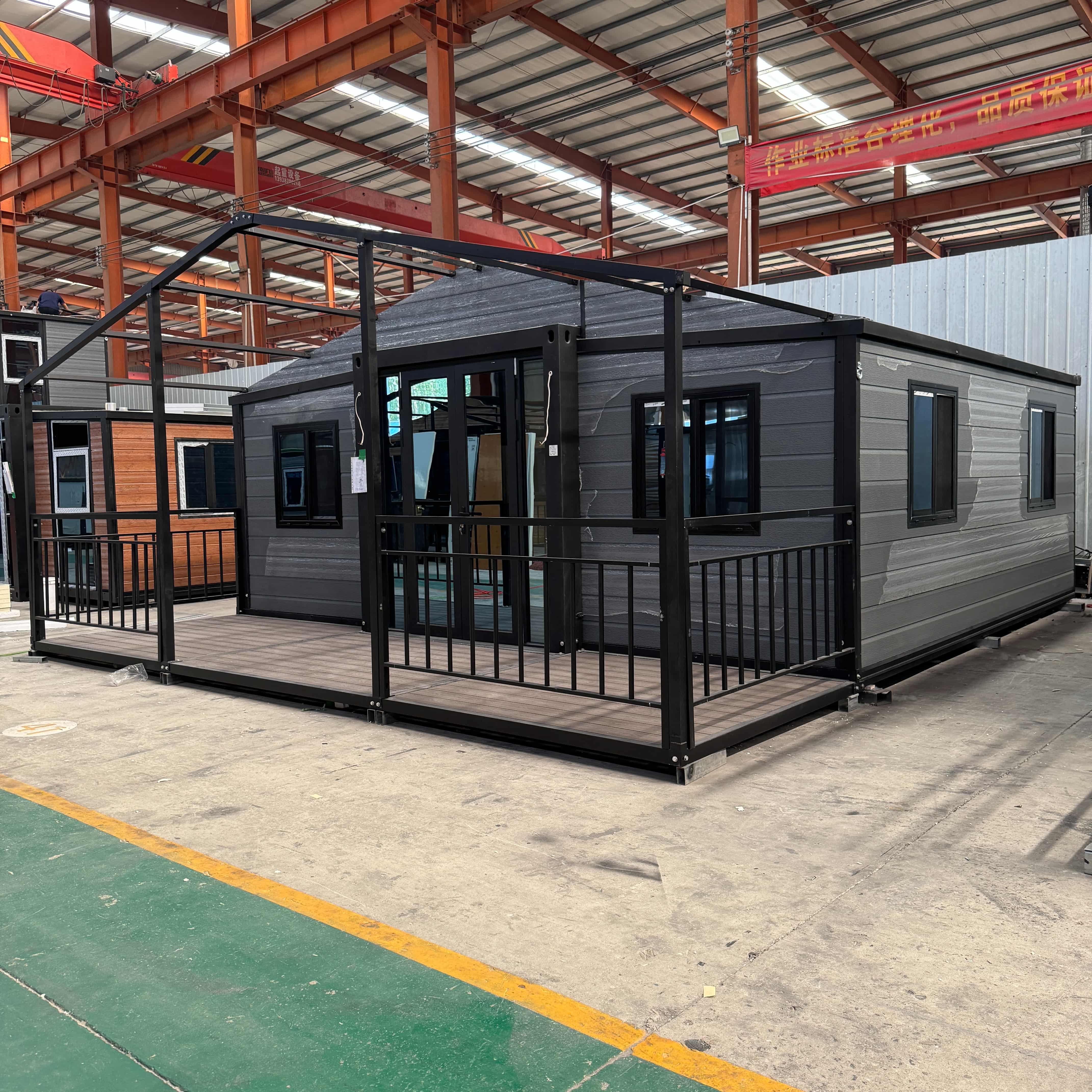
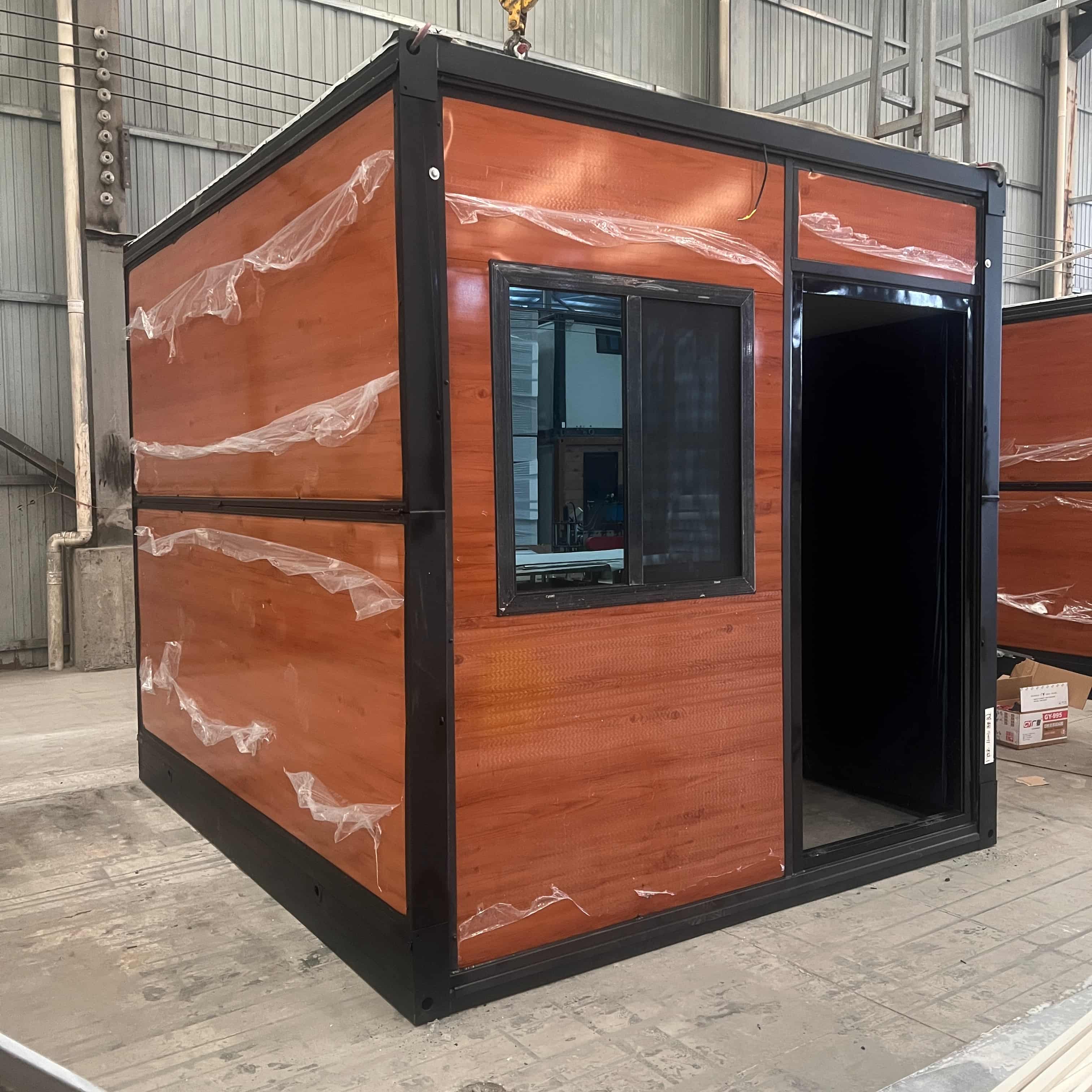
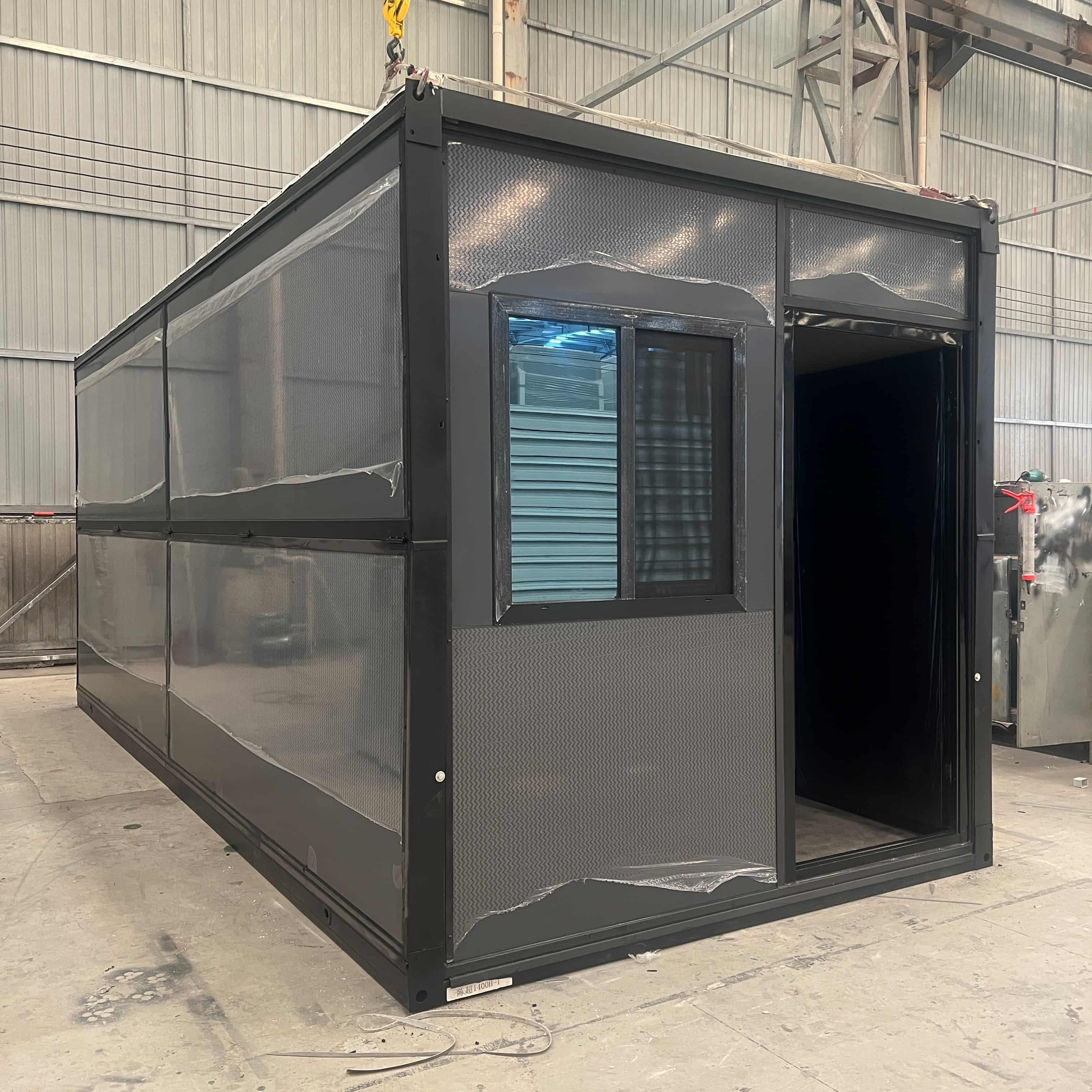
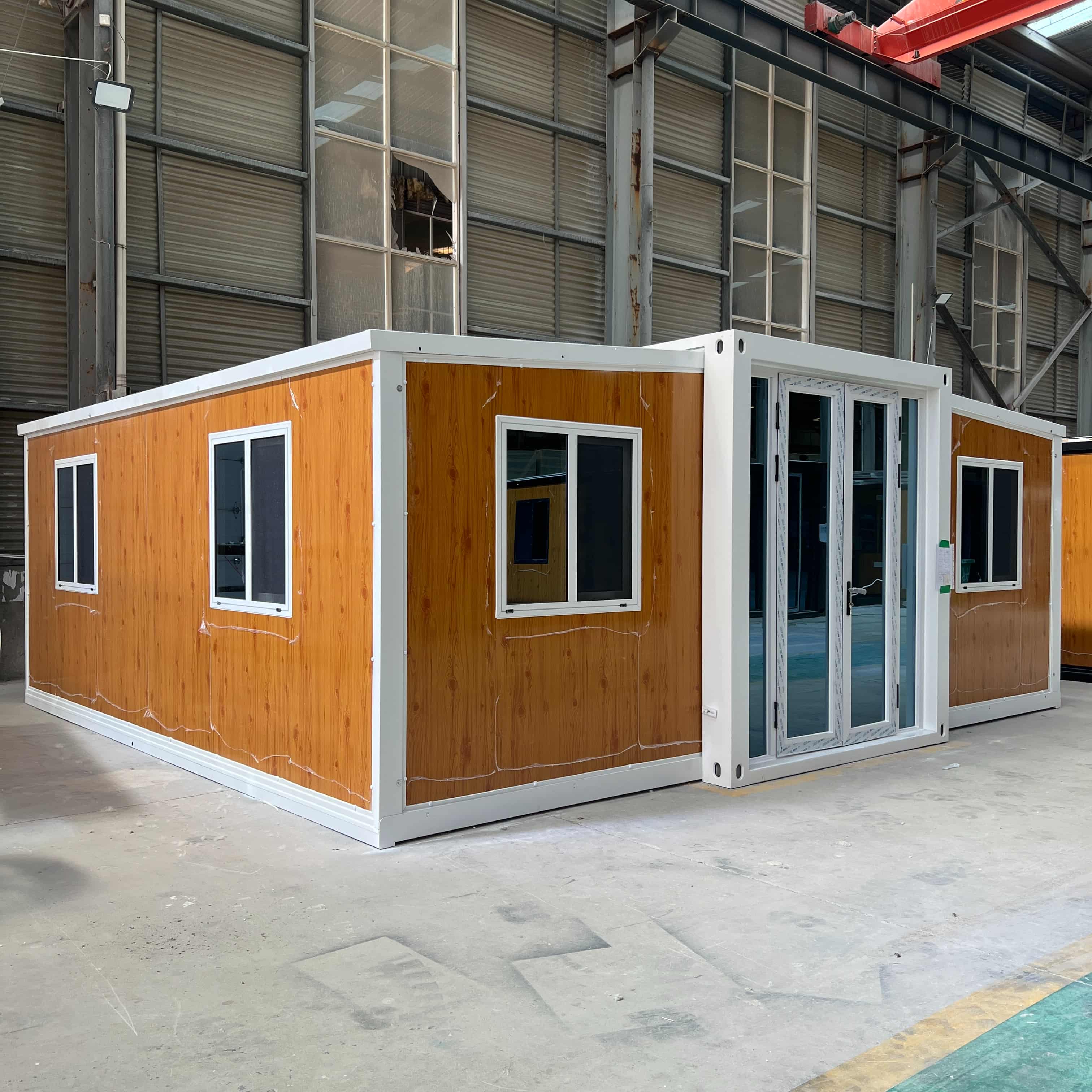
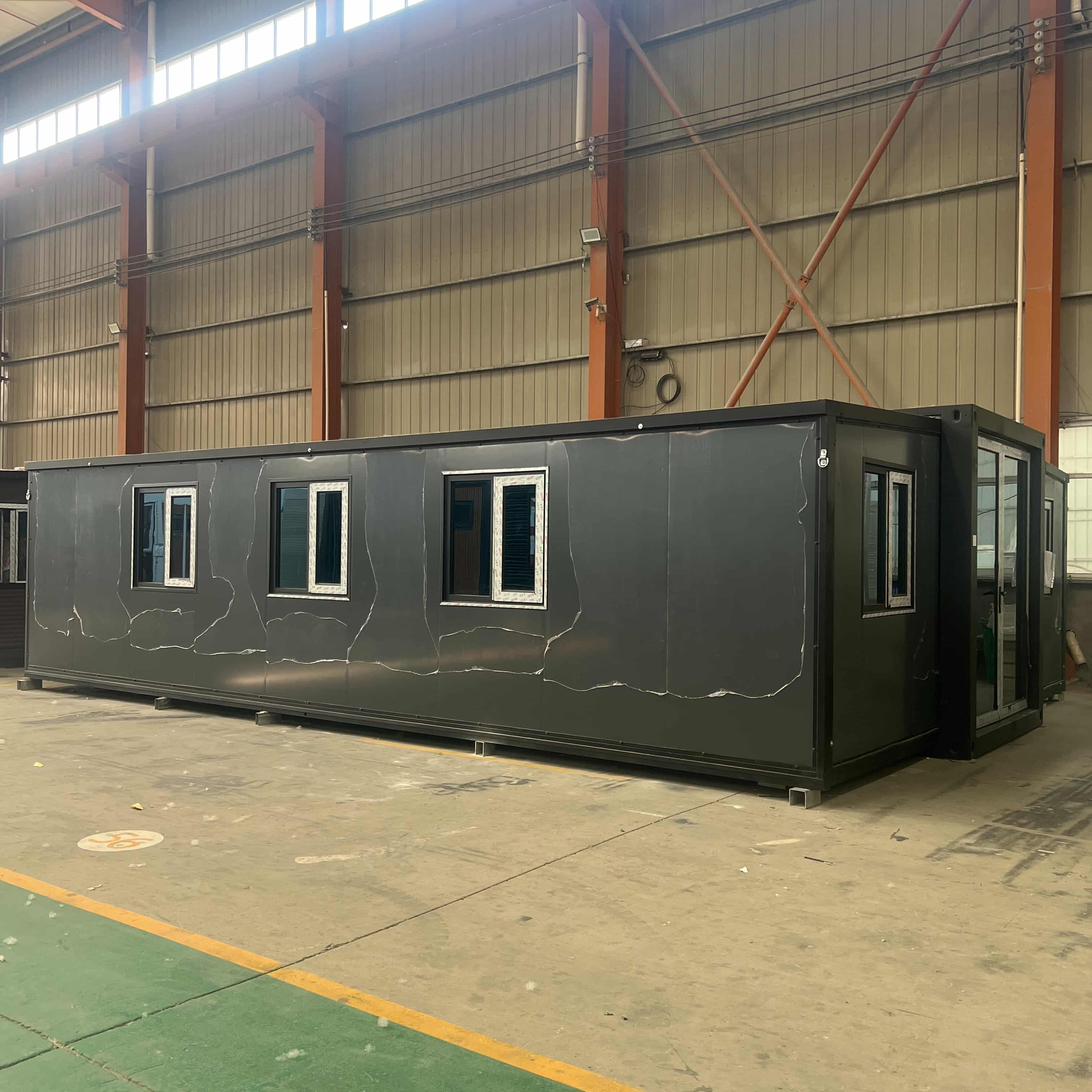
Queensland’s subtropical climate (hot summers, humid conditions, cyclone risk in the north) requires specific design features — all standard in HuaYing expandable container houses:
- Insulated steel frame: Full mineral wool insulation meets 7-star NatHERS even in QLD’s climate zone
- Cyclone-rated connections: Structural engineering certified to NCC wind loading requirements for QLD regions
- Termite-resistant construction: Steel frame eliminates termite risk — a major advantage in QLD’s termite-prone environment
- Elevated floor design: 400mm+ clearance above ground for flood resilience and ventilation
- Cross-ventilation: Operable windows on both sides for natural airflow in humid conditions
- Solar-ready: All-electric design pre-wired for 5-10kW solar systems (QLD has Australia’s best solar insolation)
Case Study: Container Granny Flat in Logan City
A homeowner in Logan Reserve (Logan City Council, 500m² lot) wanted a rental granny flat to supplement their retirement income. They selected a HuaYing 20ft expandable container house with 2BR/1BA layout (58m² — under Logan’s 70m² cap). The project was accepted development — no DA required. Total cost: AUD $42,300 all-in, including building approval. The granny flat is now rented at AUD $380/week, generating AUD $19,760/year. The owner reports the approval process took 3 weeks from initial certifier engagement to building permit issuance.
Frequently Asked Questions
Can I rent my granny flat to someone who is not family in Queensland?
Yes. Since September 2022, the family-only restriction was removed statewide. You can rent your secondary dwelling to anyone under standard Queensland tenancy laws.
Do I need a Development Application for a granny flat in QLD?
Not necessarily. Many councils allow secondary dwellings as “accepted development” if they meet size, setback, and proximity requirements. Building approval is always required regardless.
What is the maximum size for a granny flat in Queensland?
There is no single statewide limit. Brisbane and Gold Coast allow 80m², Logan allows 70m² (residential), Moreton Bay uses a tiered system (80-100m² depending on lot size). Check your specific council.
What is the minimum lot size for a granny flat in QLD?
Typically 450-600m² for accepted development, but varies by council. Some councils like Moreton Bay allow 400m² lots. Logan City requires 400m² minimum.
Can I build a container house as a granny flat in Queensland?
Yes. Expandable container houses are ideal for Queensland granny flats. They meet the size limits, comply with 7-star NatHERS, and the steel frame construction is naturally termite-resistant — a major advantage in QLD’s climate.
Does a granny flat need a car parking space in QLD?
Generally yes — most councils require at least one dedicated off-street parking space for the secondary dwelling. This can be a tandem space on the existing driveway.
Does a granny flat increase property value in Queensland?
Yes. A legally approved granny flat typically increases a Queensland property’s value by $100,000-$180,000 — significantly more than the $35k-$52k build cost.
How does Queensland’s 7-star energy rating affect granny flats?
Since May 2024, all new dwellings including secondary dwellings must achieve 7-star NatHERS. HuaYing expandable container houses with full insulation meet this standard without modification.
What is the approval time for a QLD granny flat?
For accepted development: 3-4 weeks (building approval only). For projects requiring a DA: 2-4 months depending on council workload. Logan City has the fastest processing times.
How does container house construction handle Queensland’s weather?
Container houses with insulated steel frames perform well in QLD’s climate. They are cyclone-rated, termite-proof, flood-resilient (elevated installation), and come solar-ready for QLD’s excellent sun exposure.
Free Queensland Granny Flat Quote
Ready to build a granny flat on your Queensland property? Contact HuaYing for a custom quotation including FOB pricing, shipping to Port of Brisbane, and landed cost estimate with building-certifier-ready documentation.
Email: jack@huayinghouse.com
WhatsApp: +86 153-0318-4505
Related reading: Container House Design for Tropical Cyclone Climates: Australia’s Northern Coast Guide 2026 — a site-specific guide to cyclone-region wind classes and what they add to the footing and frame.
HuaYing Container House Factory — Premium expandable container houses for Queensland granny flats. NCC-compliant, 7-star NatHERS rated, cyclone-certified. Factory-direct pricing.