
摘要: Discover how innovative container houses like the 20ft Apple Capsule can be safely installed atop existing structures, offering sustainable and stylish living solutions in urban areas like Sydney. This guide explores feasibility, benefits, and real-world applications.
If you’ve ever gazed at a flat-roofed building in Sydney and wondered, “Could a container house actually be built up there?” – you’re not alone. As cities grapple with housing shortages and rising land costs, creative vertical solutions are gaining traction. The answer is a resounding yes, and the sleek 20ft Apple Capsule container house is leading this architectural revolution. Let’s unpack how this works, why it makes sense, and what you need to know before transforming that empty rooftop into a dream space.
Why Building on Buildings Makes Sense
Imagine turning underutilized rooftops into vibrant living or working spaces without demolishing a single brick. That’s the magic of adding container houses to existing structures. In dense urban hubs like Sydney, where every square meter counts, this approach maximizes land efficiency. Instead of sprawling outwards, we build upwards – sustainably and swiftly. The 20ft Apple Capsule, with its compact yet functional design, is perfect for these scenarios. It’s lightweight enough for most reinforced rooftops yet robust enough to withstand Sydney’s coastal winds.
Meet the 20ft Apple Capsule: A Vertical Living Marvel
Designed for modern minimalists, this 20ft (6-meter) unit redefines container living. Its curved, pod-like exterior isn’t just eye-catching – it’s engineered for structural integrity and weather resistance. Check out these stunning views:
- Exterior:
 Its aerodynamic shape reduces wind load, crucial for elevated installations. The modular design allows stacking or standalone placement.
 - Interior: Bright, open-plan living with large windows floods the space with natural light. Smart storage solutions make every inch count.
- Kitchen: A fully equipped galley with sleek finishes, proving compact doesn’t mean compromised.
- Bathroom: Space-efficient with modern fixtures, including a shower and eco-friendly fittings.
- Layout:
 The logical flow zones living, dining, and sleeping areas seamlessly.
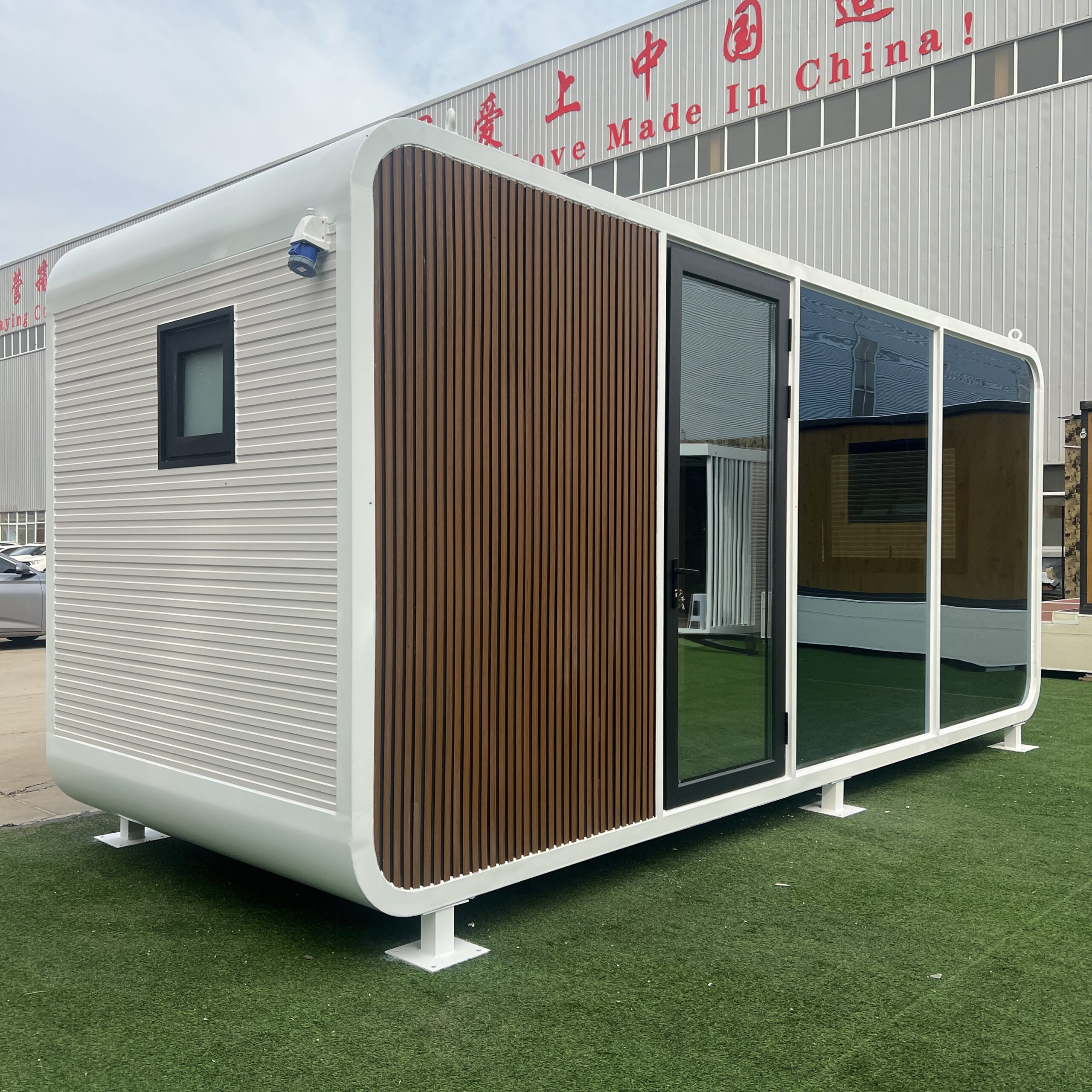 Its aerodynamic shape reduces wind load, crucial for elevated installations.
 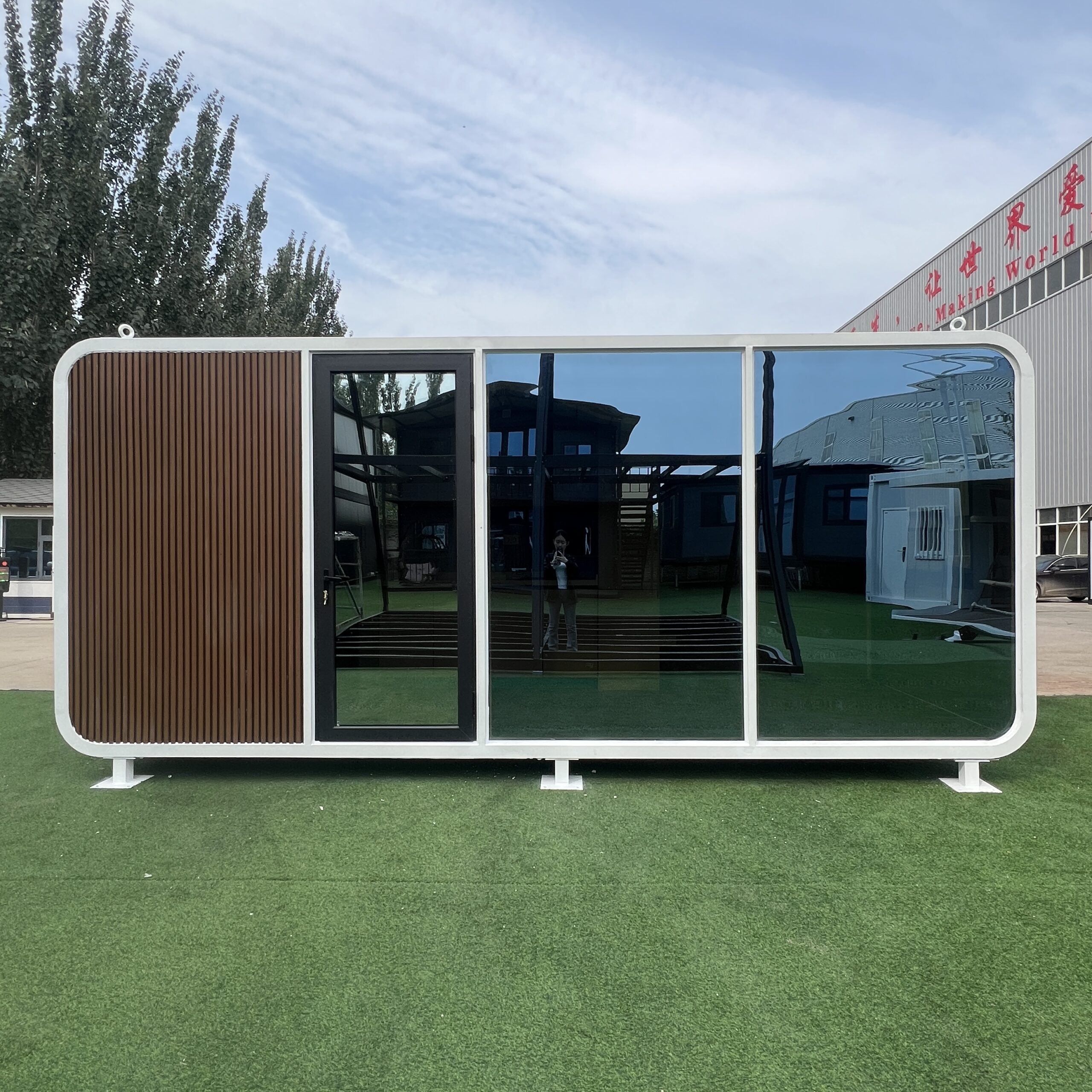 The modular design allows stacking or standalone placement.
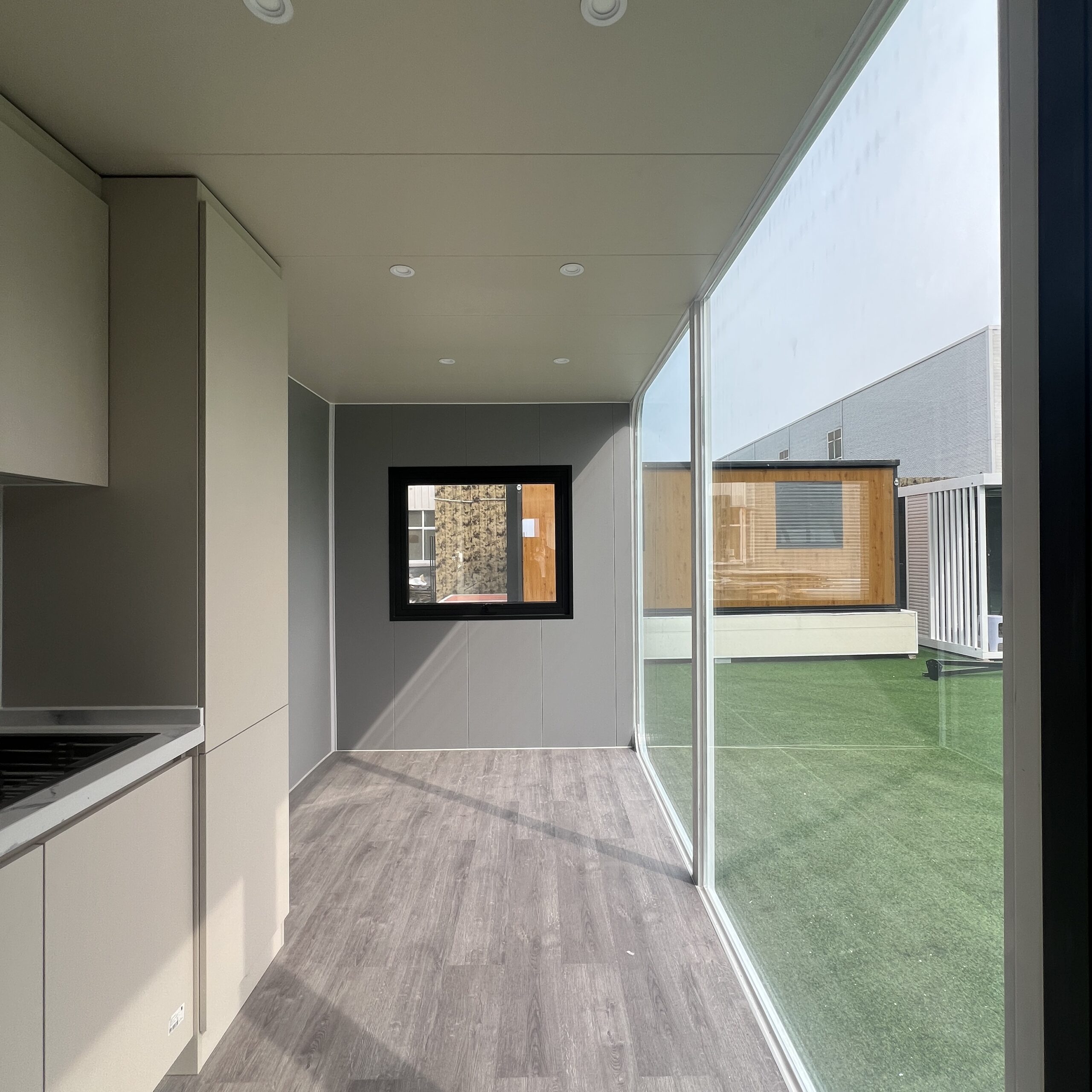 Bright, open-plan living with large windows floods the space with natural light.
 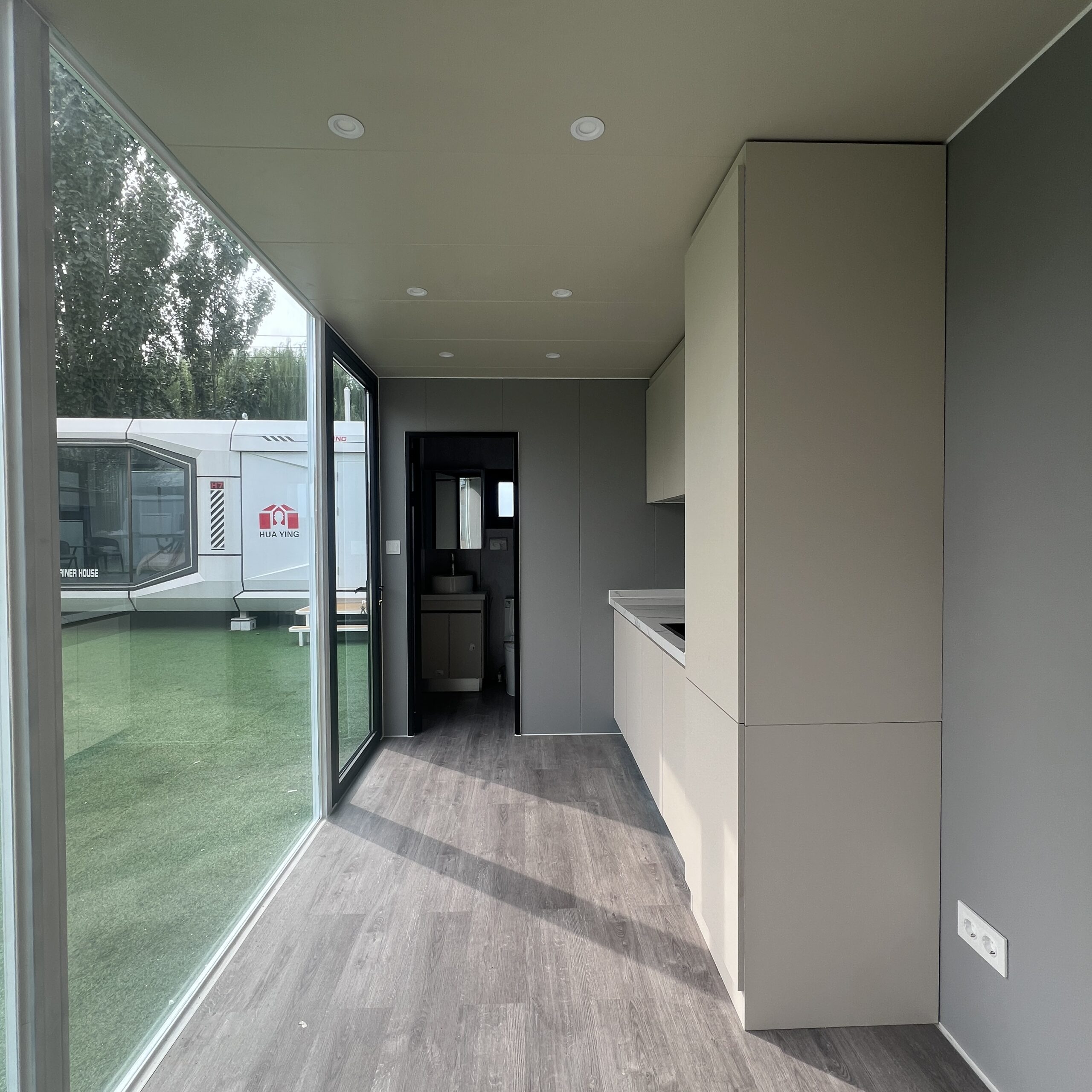 Smart storage solutions make every inch count.
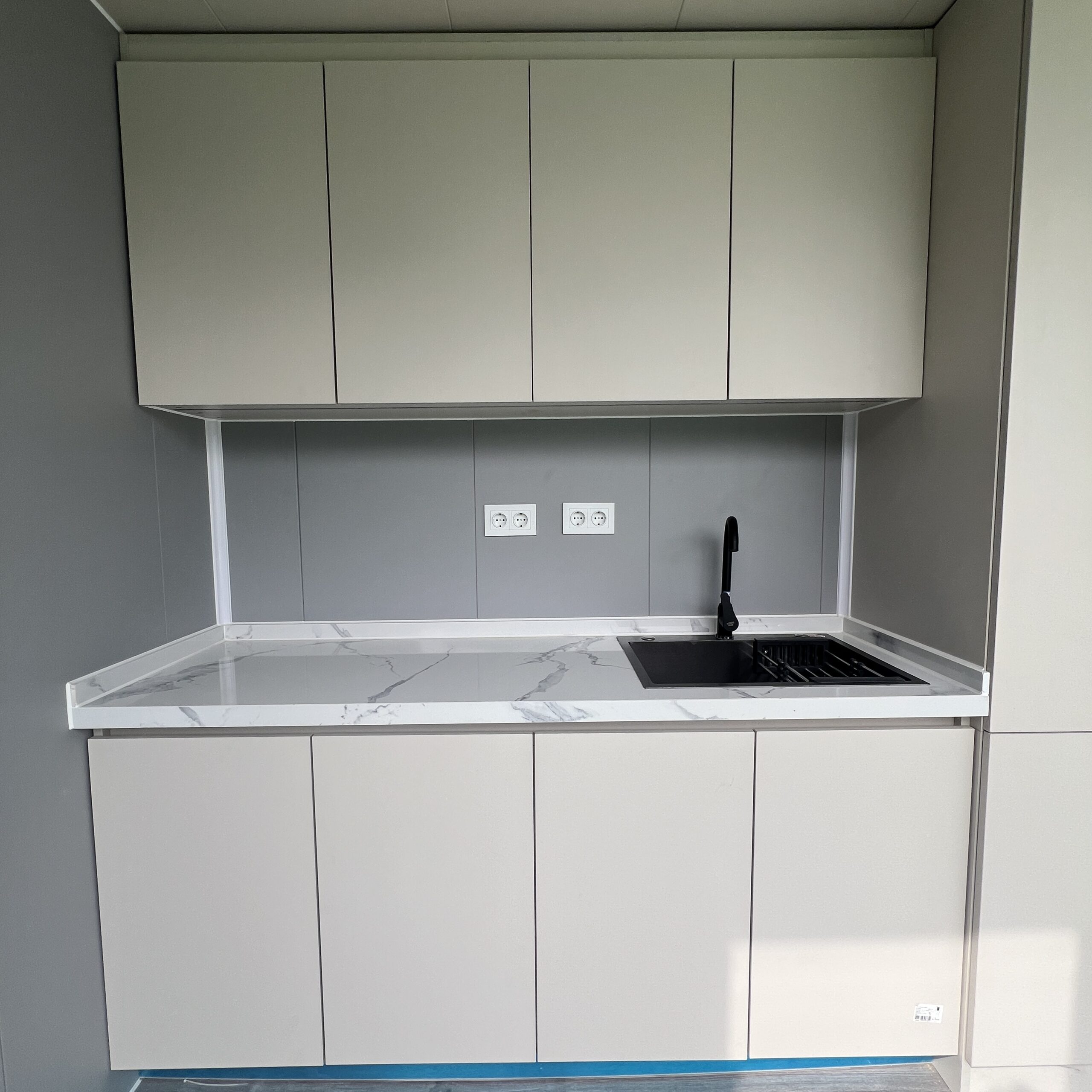 A fully equipped galley with sleek finishes, proving compact doesn’t mean compromised.
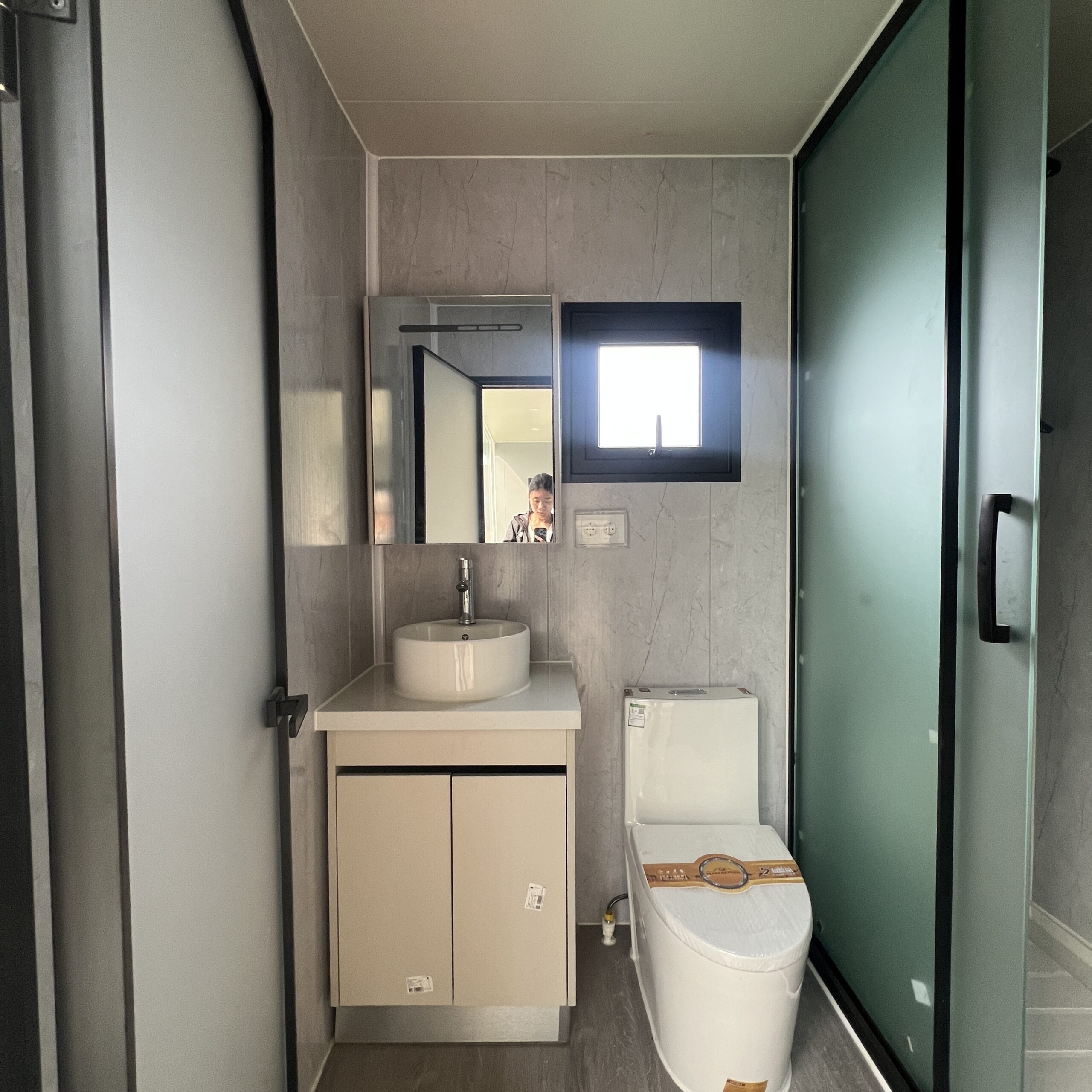 Space-efficient with modern fixtures, including a shower and eco-friendly fittings.
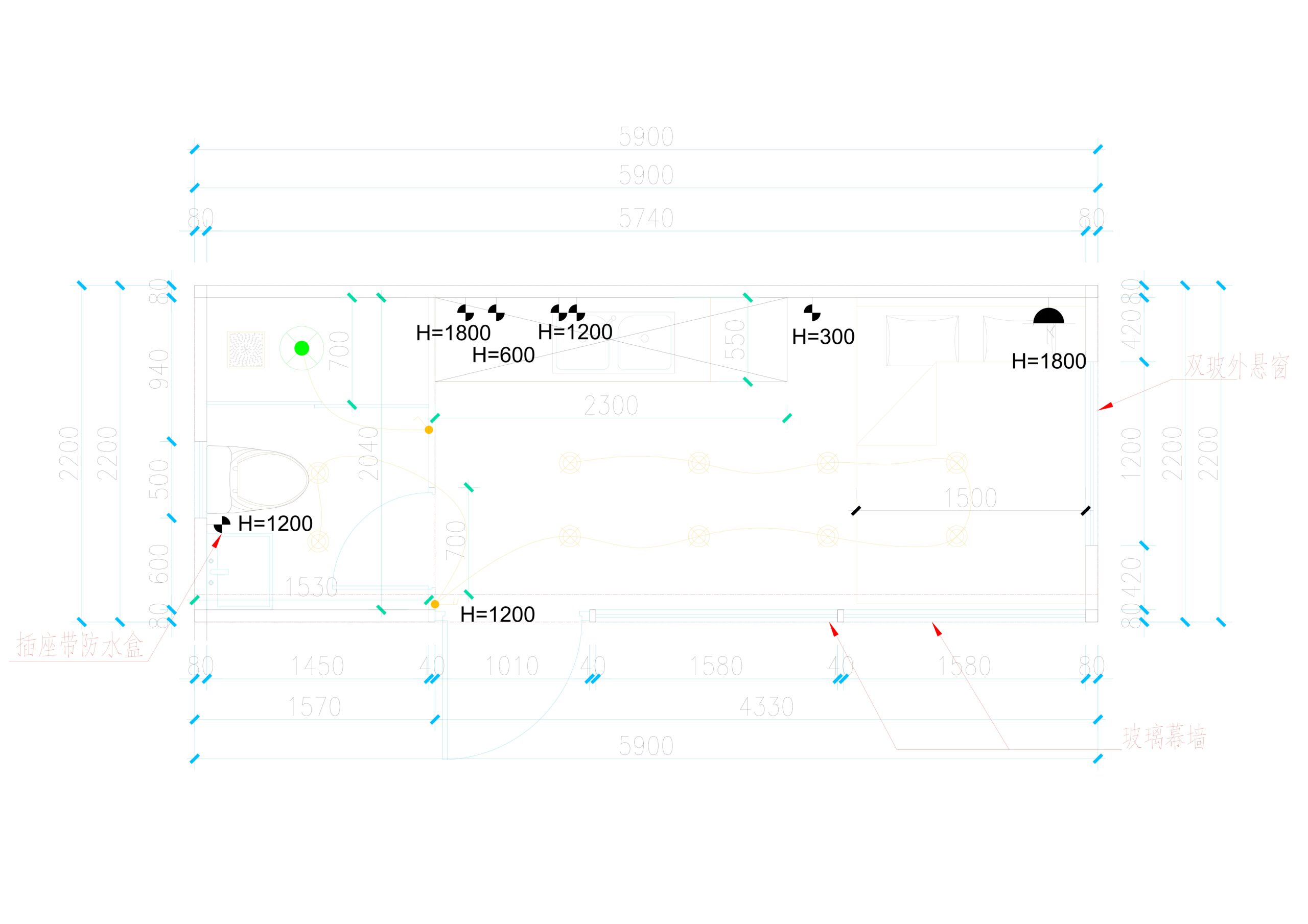 The logical flow zones living, dining, and sleeping areas seamlessly.
Key Considerations for Elevated Installation
Before placing a container house on a building, three pillars must be addressed:
- Structural Integrity: Engage a structural engineer to assess the building’s load-bearing capacity. The 20ft Apple Capsule weighs approximately 3.5 tons – manageable for most concrete or steel-framed roofs in Sydney’s commercial or residential buildings.
- Regulations & Permits: In Australia, council approvals vary by location. Sydney’s local councils often support sustainable infill projects. You’ll need permits for height restrictions, fire safety, and utilities connections. Pro tip: The capsule’s prefabricated nature speeds up compliance!
- Access & Logistics: Cranes or helicopters may be needed for rooftop placement. The 20ft size simplifies transport, but urban sites like Sydney’s CBD require careful traffic planning.
Real-World Benefits: Why Sydney’s Embracing This Trend
From Surry Hills to Parramatta, Sydneysiders are unlocking potential with elevated container homes:
- Cost-Efficiency: Avoid land acquisition costs. A rooftop addition can be 30-50% cheaper than ground-up construction.
- Sustainability: Repurposing containers reduces waste. The Apple Capsule uses solar-ready roofs and rainwater harvesting systems, aligning with Australia’s green building codes.
- Speed: Installation takes days, not months. Minimal disruption to existing occupants.
- Flexibility: Create a home office, Airbnb rental, or granny flat atop your property. One Sydney artist even uses their rooftop capsule as a studio with harbor views!
Is the 20ft Apple Capsule Right for Your Building?
While technically feasible for many structures, it’s ideal for:
– Commercial buildings with flat, reinforced roofs (e.g., warehouses, offices).
– Residential apartments with strong concrete decks.
– Properties in urban zones where adding height is permitted.
Avoid buildings with historical significance or fragile foundations. Always consult professionals – but rest assured, the engineering behind these units is rock-solid. In fact, similar installations thrive in cities like Melbourne and Auckland, proving Australia’s climate and regulations are well-suited for this innovation.
Conclusion: Elevate Your Living, Literally
So, can a container house be built on a building? Absolutely – and the 20ft Apple Capsule is proof. It’s not just about adding space; it’s about reimagining urban living sustainably and stylishly. For Sydneysiders looking to maximize property potential without sacrificing aesthetics or ethics, this solution checks all the boxes. Ready to transform your rooftop? Start with a structural assessment, then let the Apple Capsule’s blend of form and function take your vision to new heights.
本文由人工智能技术生成,基于公开技术资料和厂商官方信息整合撰写,以确保信息的时效性与客观性。我们建议您将所有信息作为决策参考,并最终以各云厂商官方页面的最新公告为准。