
Discover how innovative container houses are revolutionizing backyard guest accommodations in Sydney. This comprehensive guide explores the 40-foot customized double-wing expansion room – a modular, eco-friendly solution offering rapid deployment, flexible layouts, and hotel-like comfort. Learn why Australian homeowners are choosing these expandable structures for creating stunning, sustainable guest spaces without traditional construction hassles.
Imagine transforming your unused backyard into a chic, self-contained guest retreat within days – not months. For Sydney homeowners facing space constraints or seeking flexible accommodation solutions, the 40-foot customized double-wing expansion container house emerges as a game-changer. This ingenious modular structure combines industrial aesthetics with residential comfort, offering a sophisticated alternative to conventional guest house construction.
The Rise of Backyard Container Guest Houses in Australia
Australia’s urban landscapes, particularly in cities like Sydney, Melbourne, and Brisbane, have seen a surge in container architecture. Driven by housing affordability challenges and the growing trend of multigenerational living, homeowners are maximizing their properties through smart, sustainable additions. The 40-foot double-wing expansion model stands out for its unique ability to transform from a compact transport unit into a spacious living area, perfectly suited for guest accommodations.
What makes these structures particularly appealing in the Australian context? Beyond their striking visual appeal, they address key local needs: bushfire resilience, termite resistance, and adaptability to varied terrains – from Sydney’s coastal plots to the Blue Mountains’ sloped gardens. Their modular nature also aligns perfectly with Australia’s love for outdoor living, creating seamless indoor-outdoor transitions.
Meet the 40-Foot Double-Wing Expansion: Engineering Meets Elegance
At first glance, this appears as a sleek, modern container unit. But its genius lies in the transformative “wing” mechanism. As the name suggests, the double-wing model features two foldable side sections that expand outward, dramatically increasing usable floor space. Let’s break down its architectural brilliance:
1. Structural Innovation: The Wing System
The double-wing design operates like mechanical origami. During transport, the unit maintains standard container dimensions (11,800mm L x 2,200mm W x 2,480mm H), complying with road regulations without special permits. Once positioned, hydraulic or manual mechanisms deploy the wings, expanding the footprint to an impressive 11,800mm L x 6,240mm W x 2,480mm H – effectively doubling the living area.
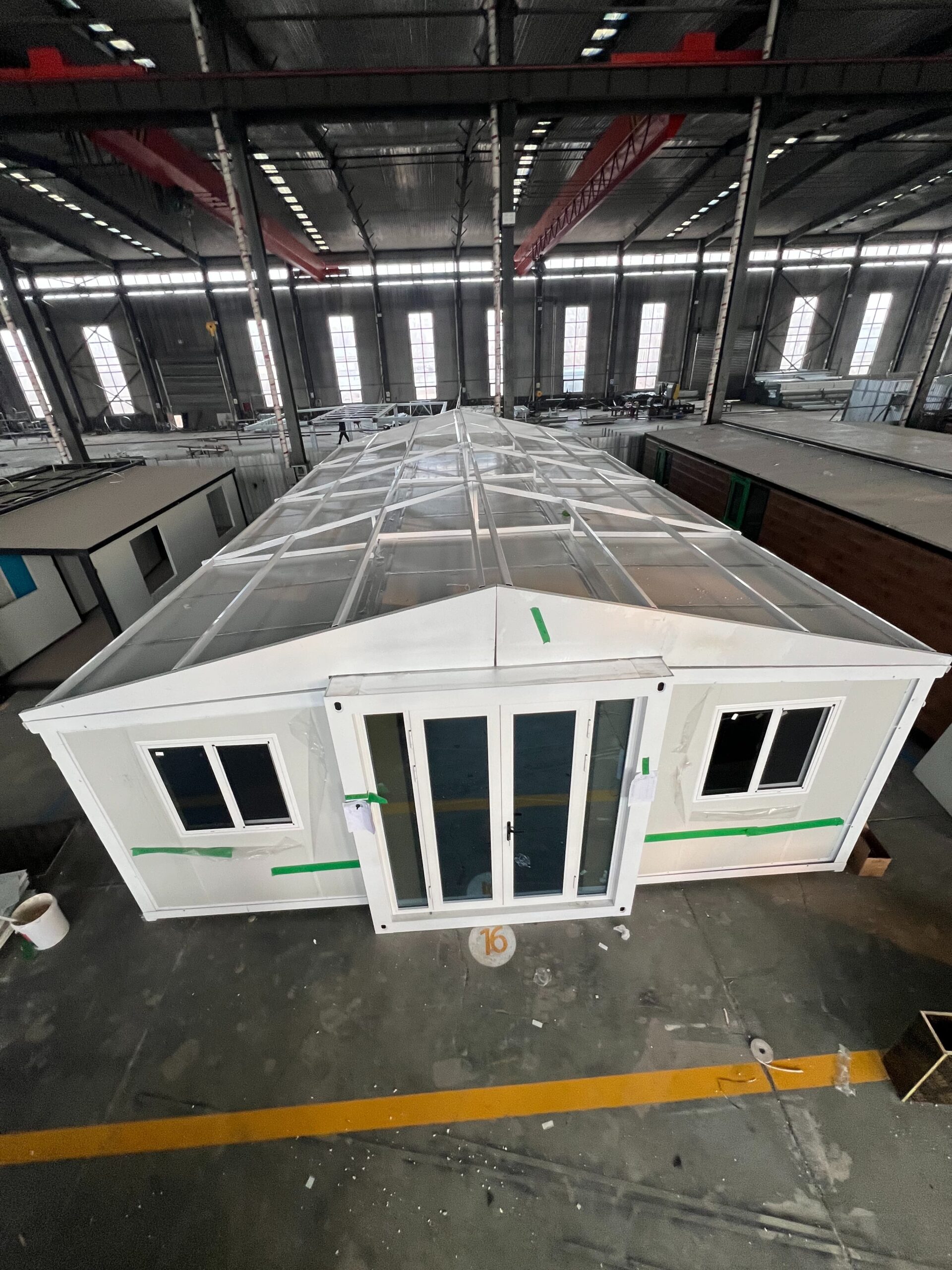
The double-wing flat-top model fully expanded in a Sydney backyard, showcasing its seamless integration with outdoor spaces.
For those preferring a more traditional roofline, the pitched roof variant offers enhanced drainage and aesthetic appeal, especially in regions with heavier rainfall like northern New South Wales. The single-wing version provides a more compact solution while still delivering 1.5x space expansion, ideal for smaller urban lots.
2. Material Excellence: Built for Australian Conditions
Engineered with Australia’s harsh climate in mind, these units feature:
- Galvanized Steel Framework: Hot-dipped galvanization protects against Sydney’s coastal corrosion and inland humidity, ensuring 20-30 year structural integrity.
- Advanced Insulation: Polyurethane or rock wool panels provide superior thermal efficiency, crucial for Sydney’s temperature swings – keeping guests cool in 40°C summers and warm during chilly winters.
- Weatherproofing: Seamless joint technology combined with aluminum-clad Low-E windows creates a fully sealed envelope, achieving 6+ star energy ratings when properly installed.
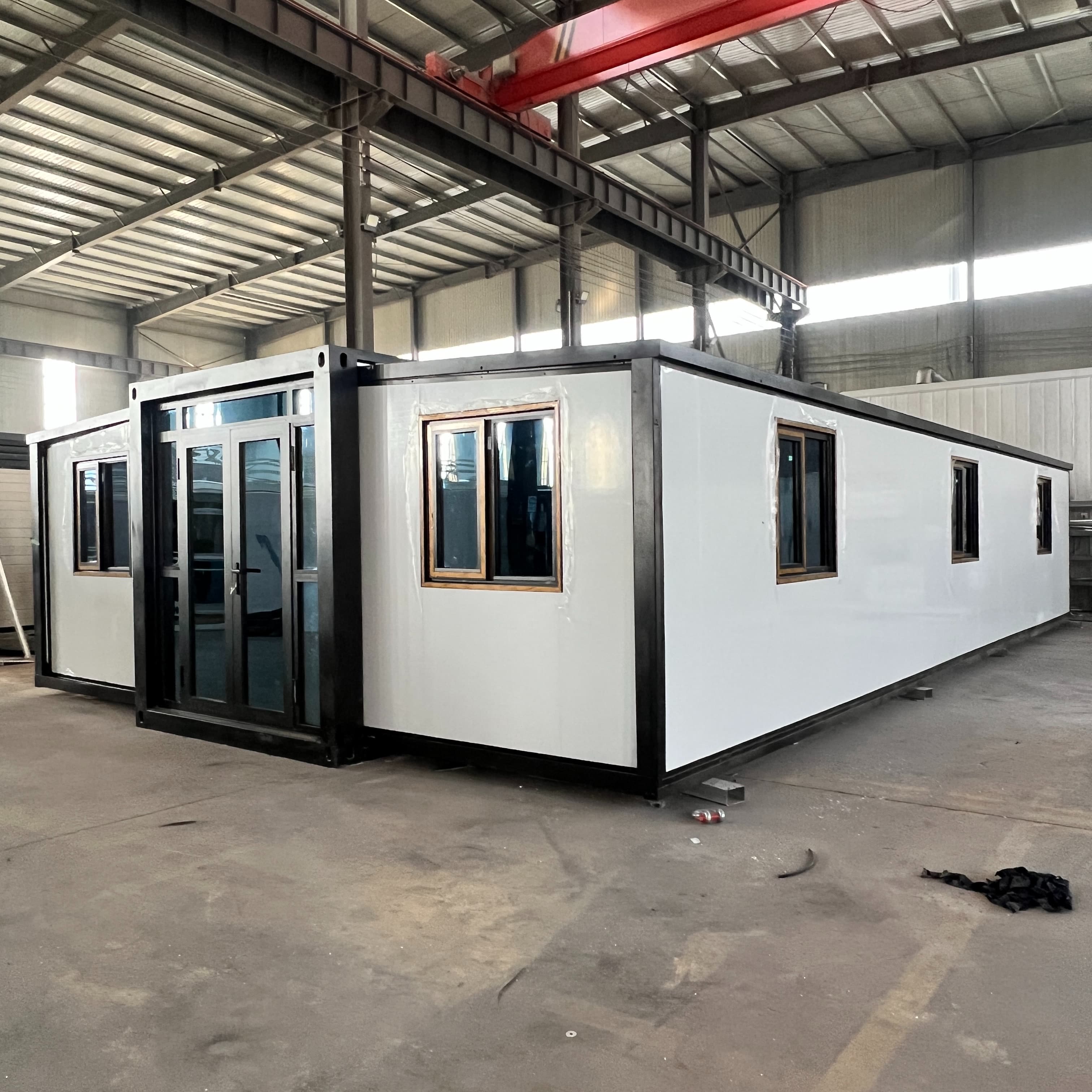
Pitched roof variant offering enhanced aesthetics and weather protection for diverse Australian climates.
3. Interior Transformation: From Container to Comfort Zone
The magic truly unfolds inside. Forget any preconceptions about cramped container living – the expanded interior rivals traditional constructions:
- Spacious Layouts: With internal dimensions of 11,540mm L x 6,080mm W x 2,200mm H, the double-wing model comfortably accommodates a bedroom, living area, and kitchenette – all without interior columns.
- Finishes & Fixtures: Factory-installed elements include premium vinyl flooring, LED lighting, and pre-plumbed bathrooms. The modular kitchen comes equipped with stone countertops and energy-efficient appliances.
- Customization: From loft designs to open-plan studios, layouts adapt to specific needs – whether hosting international guests in Sydney or creating a teenager’s retreat in Perth.
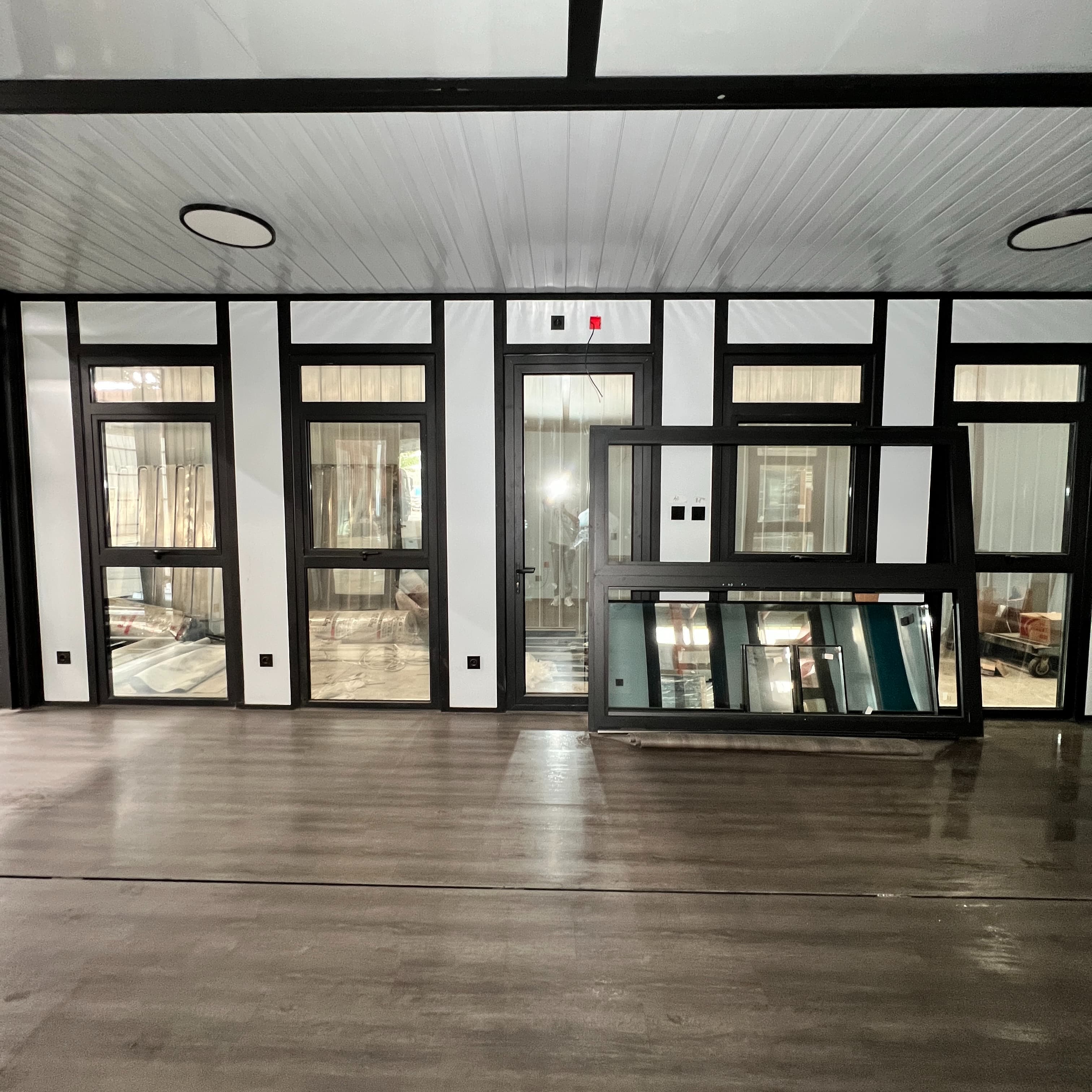
Interior view highlighting the spacious living area with large windows maximizing natural light.
Why Australians Choose Container Guest Houses: Key Advantages
The growing popularity isn’t just about novelty – these structures deliver tangible benefits that resonate with Australian homeowners:
1. Speed of Deployment: From Concept to Completion in Days
Traditional renovations often drag on for months, causing disruption and cost overruns. In contrast:
- 95% Factory Completion: Units arrive with electrical wiring, plumbing, and finishes installed. Site work reduces to foundation preparation and connection hookups.
- Installation Timeline: A single unit can be fully operational within 48 hours of delivery – perfect for last-minute guest arrivals or seasonal rental opportunities.
This rapid deployment proved invaluable during recent bushfire seasons when temporary housing was urgently needed in New South Wales and Victoria.
2. Financial Efficiency: Smart Investment for Property Owners
Cost comparisons reveal compelling advantages:
| Construction Type | Average Cost/m² (Sydney) | Timeline |
|---|---|---|
| Traditional Brick Extension | $2,500 – $4,000 | 6-12 months |
| Modular Container House | $1,800 – $2,800 | 1-4 weeks |
Beyond initial savings, consider:
- Reduced Labor Costs: Factory assembly minimizes on-site tradespeople.
- Lower Maintenance: Galvanized steel requires less upkeep than timber structures.
- Rental Income Potential: Airbnb hosts in Sydney report 30% faster ROI compared to traditional conversions.
3. Environmental Sustainability: Green Building for the Future
Australia’s commitment to sustainable construction makes these units particularly attractive:
- Recycled Materials: Up to 85% steel content comes from recycled sources.
- Energy Efficiency: Superior insulation reduces heating/cooling loads by up to 60% compared to uninsulated structures.
- Minimal Site Disturbance: Requires less excavation and generates minimal construction waste.
For eco-conscious homeowners in Byron Bay or Tasmania, these structures align perfectly with off-grid and permaculture lifestyles.
4. Unmatched Flexibility: Adaptable to Diverse Needs
The modular nature allows incredible versatility:
- Temporary vs Permanent: Install for visiting family, then relocate or repurpose as needs change.
- Scalability: Start with one unit, add more later as family or business grows.
- Location Freedom: Suitable for urban backyards, rural properties, or even remote outback stations.
Real-World Applications: Beyond Guest Accommodation
While perfect for hosting visitors, these units shine in various Australian contexts:
1. Home Office & Creative Studios
With remote work now mainstream, Sydney professionals are converting these units into inspiring home offices. The soundproofed interiors and separate entrances create ideal work-life balance zones.
2. Tourism & Hospitality
From luxury eco-resorts in Queensland’s Daintree Rainforest to glamping sites in Victoria’s High Country, operators leverage these units for:
- Rapid Setup: Deploy seasonal accommodations before peak tourist periods.
- Unique Experiences: Offer guests distinctive “container stays” with premium amenities.
3. Emergency & Community Housing
During recent floods in Northern NSW, these structures provided critical temporary housing due to their quick deployment and durability. Their reusable nature makes them cost-effective for disaster relief.
4. Commercial & Retail Spaces
Entrepreneurs in Melbourne and Adelaide are using them as:
- Pop-up Shops: Mobile retail units for markets and events.
- Food & Beverage Kiosks: Fully equipped cafes with commercial kitchens.
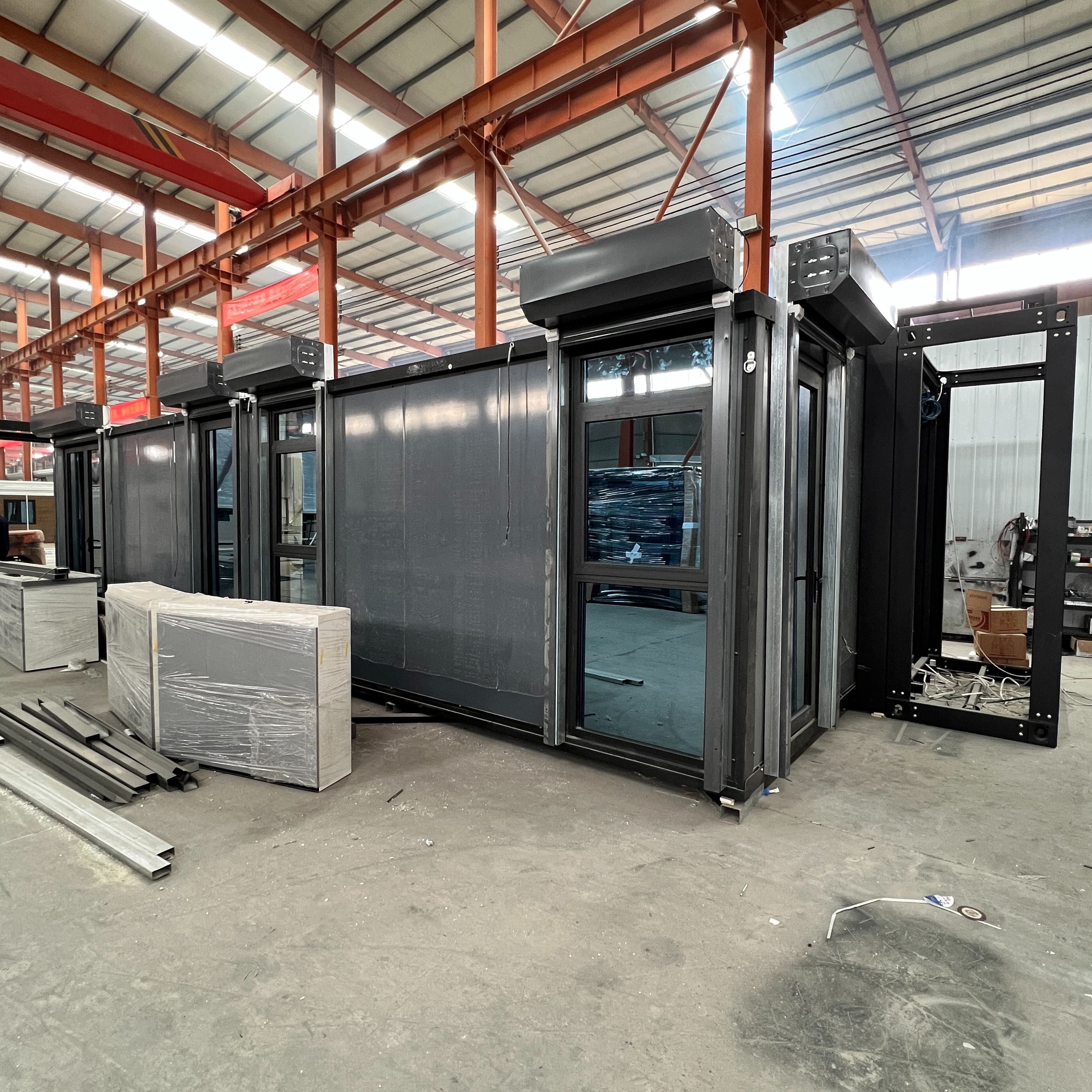
Single-wing model serving as a stylish home office, demonstrating commercial adaptability.
Design Customization: Creating Your Perfect Space
One of the most compelling aspects is the degree of personalization available:
Exterior Styling
Move beyond industrial aesthetics with options like:
- Timber Cladding: Australian hardwood or composite finishes for natural integration.
- Color Schemes: Custom paint colors to match existing architecture.
- Outdoor Living Integration: Add decks, awnings, or even rooftop gardens.
Interior Layouts
Popular configurations include:
- Studio Apartment: Open-plan living with kitchenette and ensuite.
- One-Bedroom Suite: Separate bedroom with lounge/dining area.
- LOFT Design: Maximizing vertical space with sleeping mezzanines.
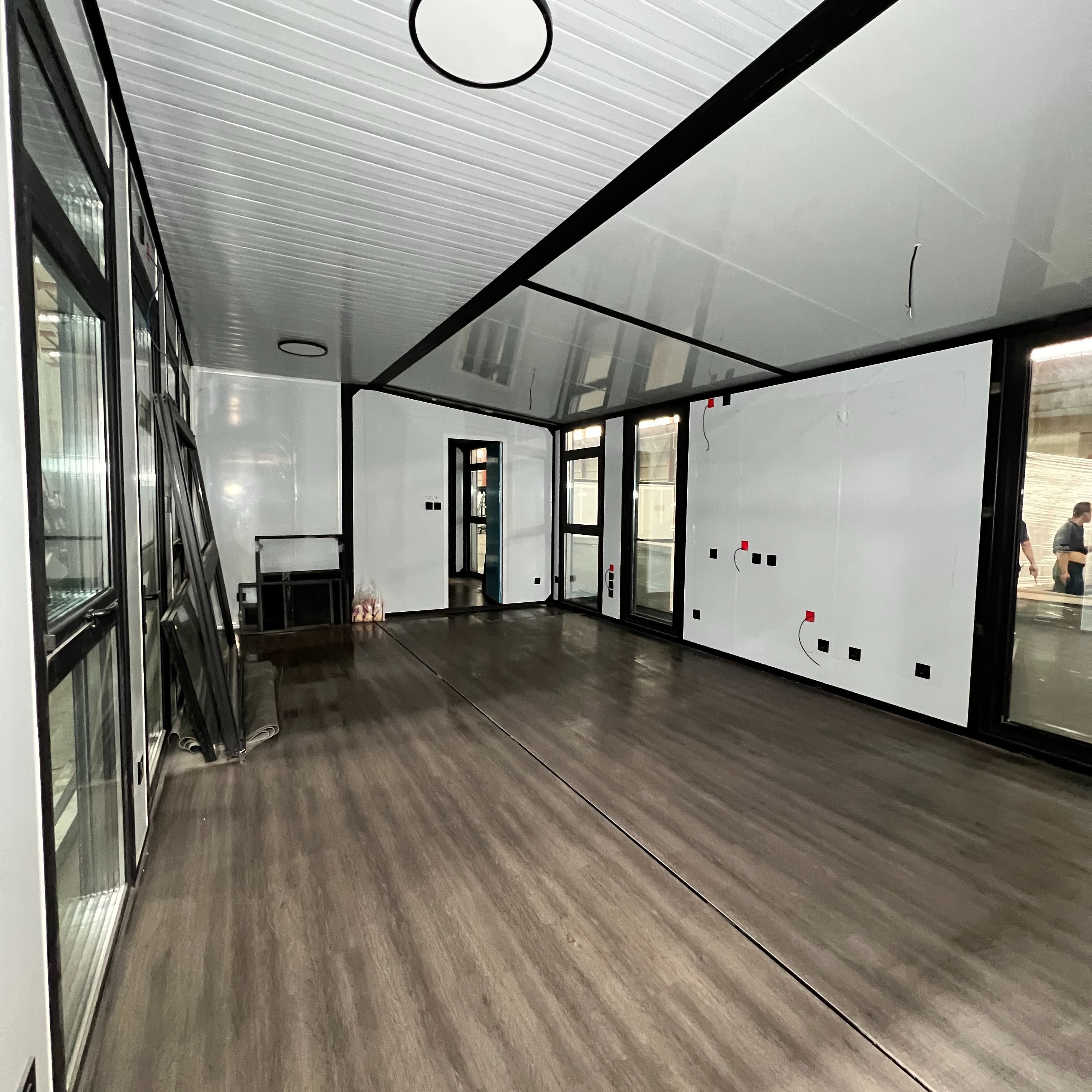
LOFT configuration showcasing intelligent space utilization in compact footprint.
Functional Additions
Elevate comfort with premium features:
- Kitchen Upgrades: Induction cooktops, dishwashers, and stone benchtops.
- Luxury Bathrooms: Frameless glass showers, heated towel rails, and rainwater systems.
- Smart Technology: Integrated climate control, security, and entertainment systems.
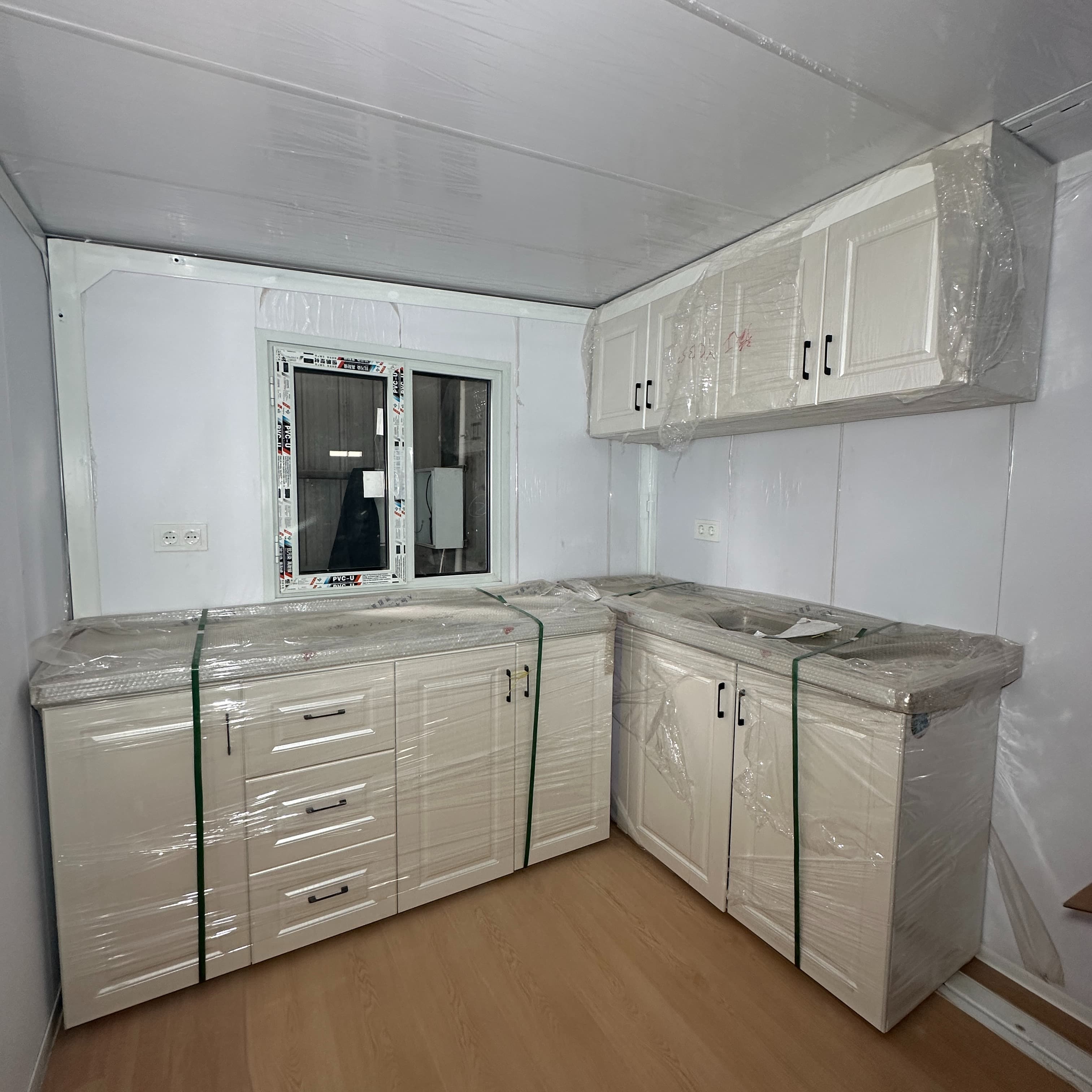
Fully equipped kitchen featuring contemporary appliances and durable finishes.
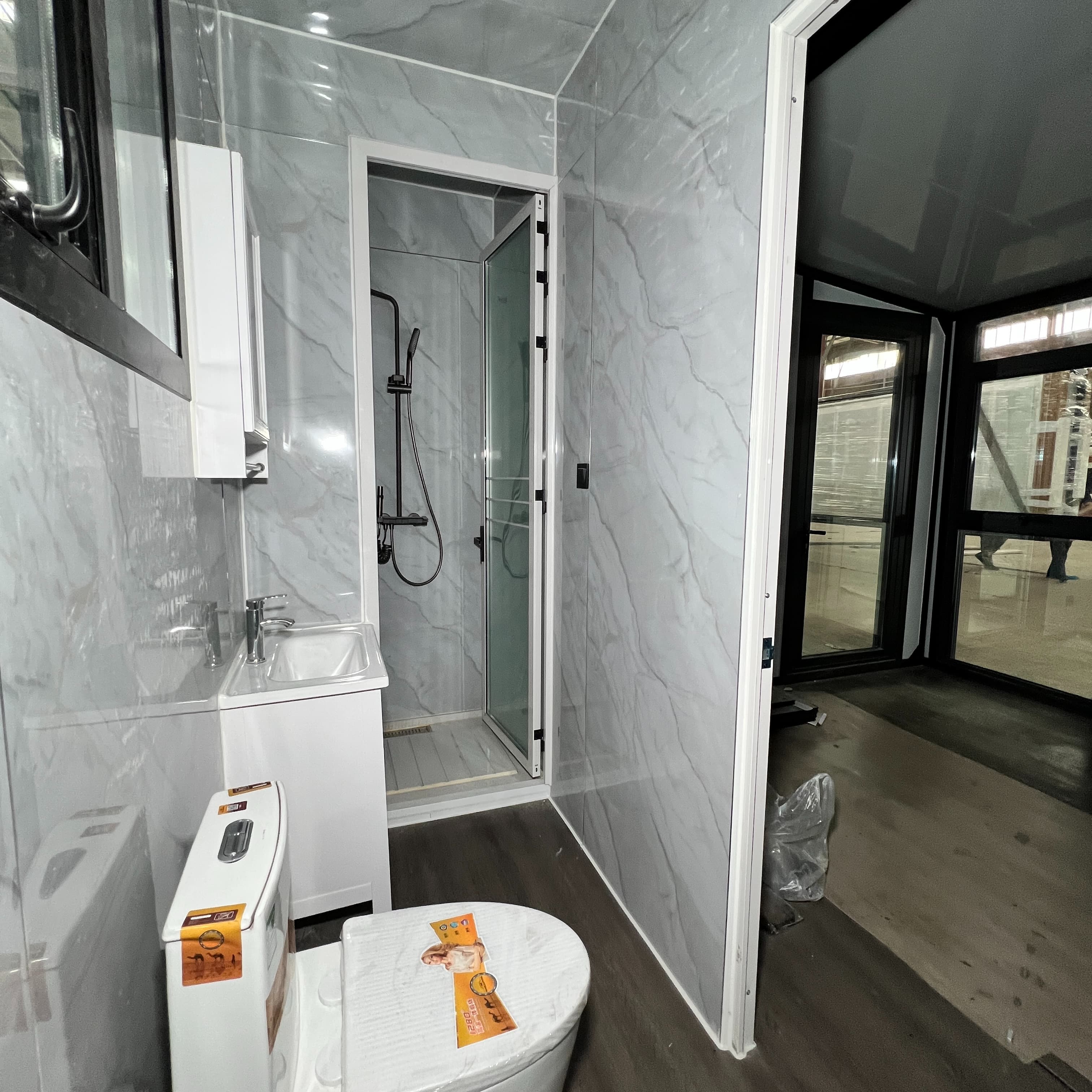
Stylish bathroom with space-efficient design and high-quality fixtures.
Installation Process: What to Expect
Understanding the installation journey helps set realistic expectations:
1. Site Preparation (1-2 weeks)
- Survey & Planning: Check council regulations (many Australian councils now have specific ADU policies).
- Foundation Work: Options include concrete slabs, screw piles, or adjustable footings – chosen based on soil conditions.
- Utility Planning: Arrange electrical, water, and sewer connections.
2. Manufacturing & Delivery (4-8 weeks)
- Customization Finalization: Approve design plans and material selections.
- Factory Production: Unit constructed with 95% completion.
- Transport Logistics: Specialized trucks deliver to site using cranes or forklifts.
3. Installation & Commissioning (1-3 days)
- Positioning: Unit placed on prepared foundations.
- Expansion: Wings deployed and secured.
- Connections: Utilities linked and systems tested.
4. Handover & Enjoyment
After final inspection, your guest house is ready for immediate use – often within 24 hours of installation completion.
Navigating Regulations in Australia
While regulations vary between states and territories, general guidelines include:
New South Wales
Sydney homeowners benefit from relatively streamlined ADU (Accessory Dwelling Unit) policies. Key considerations:
- Units under 60m² often qualify as exempt development.
- Must meet setback requirements from boundaries.
- Compliance with Building Code of Australia (BCA) essential.
Victoria
Melbourne regulations focus on:
- ResCode standards for appearance and amenity.
- Permeable area requirements for drainage.
- Heritage overlay considerations in inner suburbs.
Queensland
Brisbane and Gold Coast areas emphasize:
- Flood planning requirements in vulnerable zones.
- Termite management strategies.
- Tropical cyclone wind ratings for northern regions.
Always consult local councils and engage certified builders – many container specialists offer regulatory guidance as part of their service.
Cost Considerations: Investment Breakdown
While prices vary based on customization, typical costs for a 40-foot double-wing unit in Australia include:
Base Unit Pricing
- Single-Wing Basic: $35,000 – $45,000 AUD
- Double-Wing Standard: $55,000 – $75,000 AUD
- Premium Configurations: $80,000 – $120,000+ AUD
Additional Costs
- Site Preparation: $5,000 – $15,000 AUD
- Utility Connections: $3,000 – $10,000 AUD
- Permits & Approvals: $1,000 – $5,000 AUD
- Delivery & Installation: $2,000 – $8,000 AUD
Financing Options
Many Australian banks now offer specialized loans for modular constructions. Green building grants may also apply in certain states.
Maintenance & Longevity: Protecting Your Investment
These structures are designed for minimal maintenance, but regular care ensures decades of service:
Annual Maintenance Checklist
- Exterior: Inspect seals, clean gutters, check for corrosion.
- Roof: Clear debris, inspect flashing and joints.
- Interior: Test smoke detectors, service appliances, check for leaks.
- Systems: Annual HVAC servicing, plumbing pressure tests.
Warranty Considerations
Reputable manufacturers typically offer:
- 10-15 year structural warranties
- 5-7 year waterproofing guarantees
- 1-2 year appliance and fixture coverage
Choosing the Right Supplier: Key Selection Criteria
With growing market options, vet suppliers carefully:
Essential Qualifications
- Australian Certification: Look for NCC (National Construction Code) compliance.
- Engineering Expertise: Structural calculations for wind, snow, and seismic loads.
- Local Experience: Knowledge of regional regulations and climate challenges.
Questions to Ask
- What insulation values do you achieve for Australian climate zones?
- Can you provide recent Sydney/Melbourne/Brisbane project references?
- What warranty covers structural components?
- Do you handle council applications?
- What’s your lead time for custom orders?
The Future of Backyard Living in Australia
As urban density increases and property values climb, container guest houses represent more than just accommodation – they symbolize a shift toward smarter, more adaptable housing solutions. Australian architects and homeowners are embracing these structures for their ability to:
- Preserve Green Space: Minimize site disturbance while adding functional areas.
- Support Multigenerational Living: Provide independence for elderly parents or adult children.
- Create Revenue Streams: Generate income through short-term rentals.
- Future-Proof Properties: Adaptable spaces that evolve with changing needs.
For Sydney homeowners considering backyard development, the 40-foot double-wing expansion container house offers a compelling blend of innovation, practicality, and style. It’s not just about adding space – it’s about reimagining how we live, work, and host in the modern Australian context.
Whether you’re accommodating international visitors, creating a home office, or establishing an eco-friendly retreat, these modular structures deliver speed, value, and design flexibility that traditional construction simply cannot match. As Australia continues to lead in sustainable building practices, container architecture stands poised to transform our backyards into vibrant, functional extensions of our homes.
Ready to explore the possibilities? Consult with certified container specialists in your area to discover how this innovative solution can unlock your property’s potential while embracing the future of Australian living.
本文由人工智能技术生成,基于公开技术资料和厂商官方信息整合撰写,以确保信息的时效性与客观性。我们建议您将所有信息作为决策参考,并最终以各云厂商官方页面的最新公告为准。