
Discover innovative container house interior design ideas for the revolutionary 20-foot customized double-wing expansion room. Explore how this modular marvel transforms compact spaces into stylish, functional habitats with its expandable wings, premium finishes, and smart layouts. Perfect for Sydney’s urban dwellers and beyond, this eco-friendly solution combines Scandinavian minimalism with industrial chic, offering unparalleled flexibility for homes, offices, or retreats. Dive into expert tips, material insights, and real-world applications that redefine sustainable architecture.
The global shift toward sustainable, efficient living has sparked a renaissance in container architecture, and Sydney is at the forefront of this movement. Among the most exciting innovations is the 20-foot customized double-wing expansion room – a game-changer that challenges conventional perceptions of modular housing. This isn’t just a shipping container with windows; it’s a meticulously engineered living space that transforms from a compact transportable unit into a spacious, luxurious habitat in minutes. Let’s explore how this architectural marvel is redefining interior design possibilities for tiny homes, urban dwellings, and off-grid retreats across Australia and beyond.
The Double-Wing Revolution: Beyond Standard Container Homes
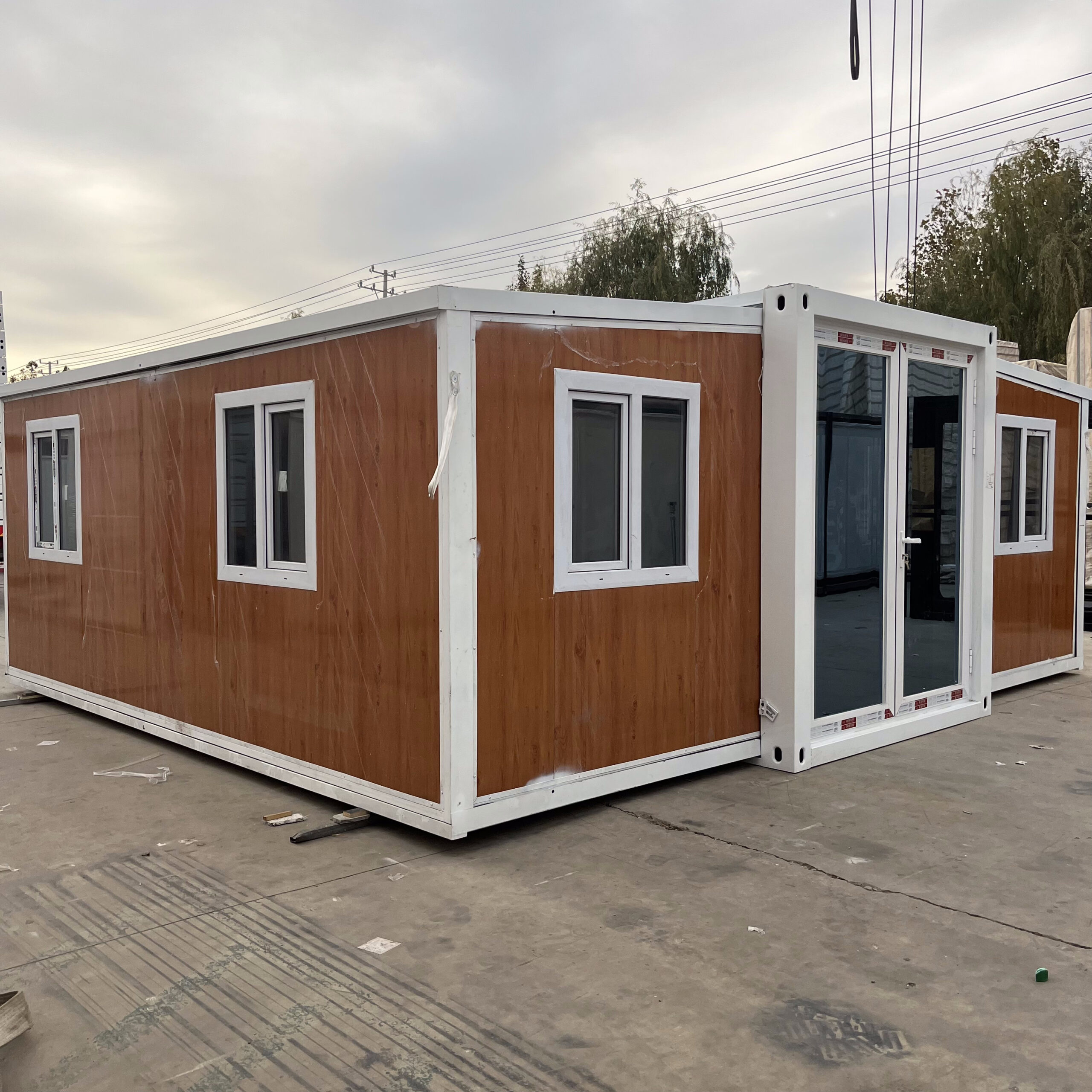
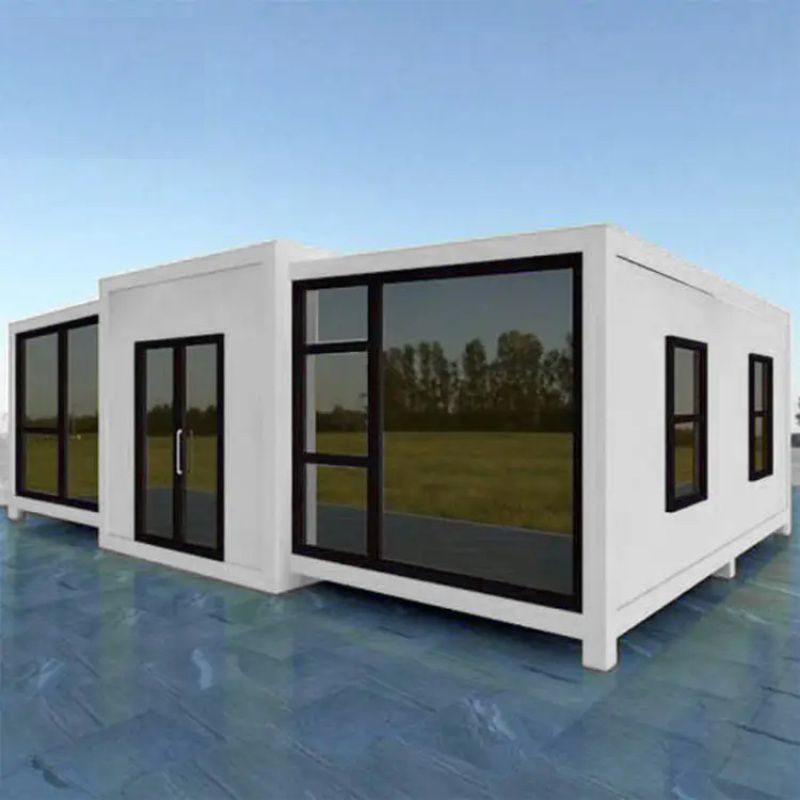
Traditional container homes often face criticism for feeling cramped or boxy. The double-wing expansion system shatters these limitations through ingenious engineering. Imagine a standard 20-foot container (6m x 2.2m) that, when deployed, unfurls two “wings” from its sides, expanding the living area by up to 80%. This metamorphosis creates an open-plan space spanning approximately 37.4m² – comparable to a small apartment – while retaining the mobility and sustainability benefits of modular construction.
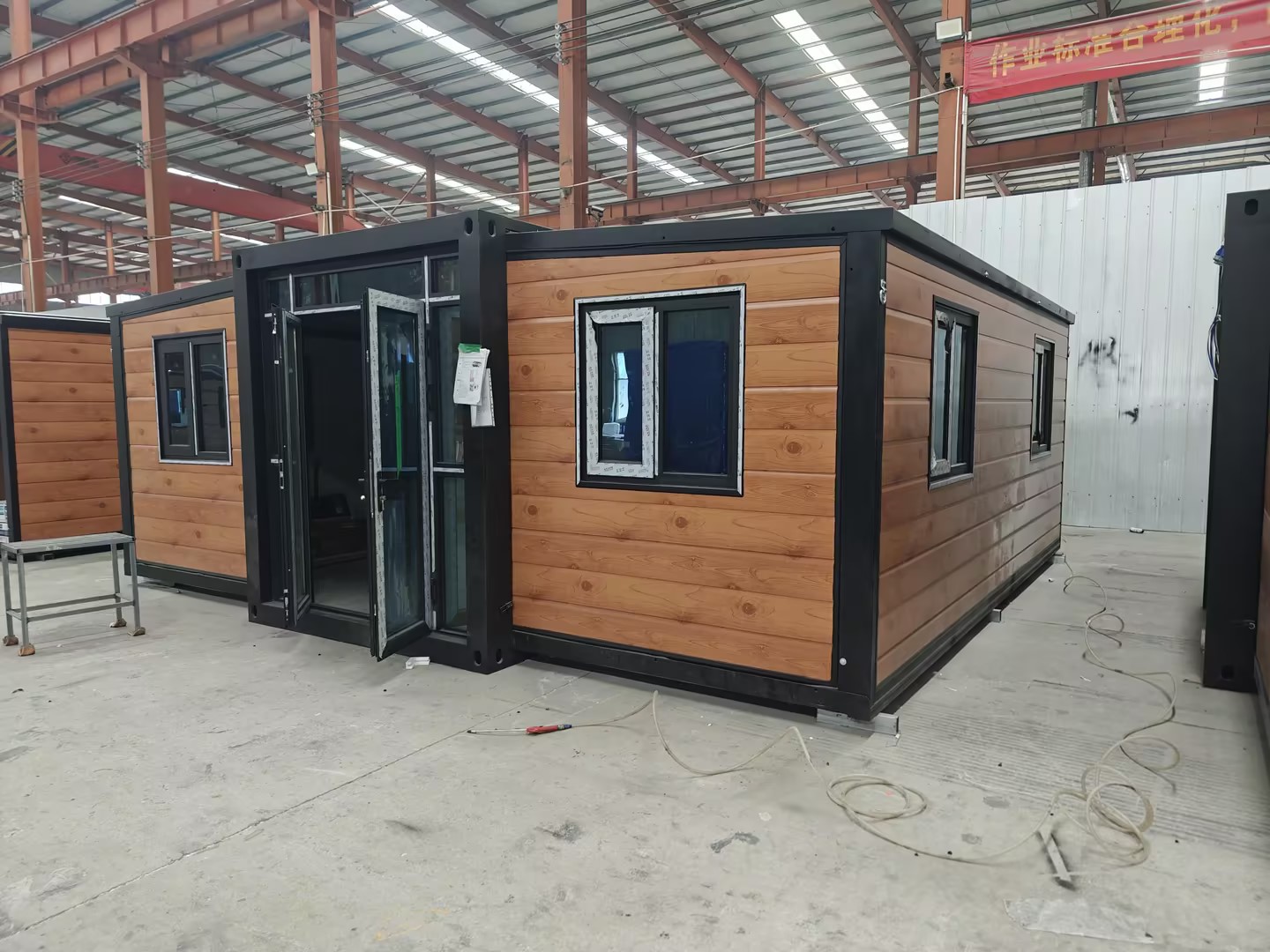
The magic lies in the hydraulic folding mechanism. During transport, the wings nestle securely against the main structure, maintaining standard container dimensions for easy shipping via truck, rail, or sea. Upon arrival, a simple deployment process (demonstrated in our video below) reveals the expanded living space. This dual-state functionality makes it ideal for Sydney’s dynamic urban landscape, where space is at a premium, and for remote Australian properties where traditional construction is logistically challenging.
Your browser does not support the video tag.
Structural Brilliance: Engineering Meets Aesthetics
The double-wing system isn’t just about space; it’s a triumph of intelligent design. The core framework uses hot-dip galvanized steel – the same material trusted in Sydney’s iconic Harbour Bridge – ensuring corrosion resistance against coastal humidity and bushfire-prone areas. Thermal bridging is eliminated through advanced insulation: injected polyurethane foam (PU) in walls and rock wool in the wings, achieving R-values exceeding 4.5 – crucial for Australia’s temperature extremes from Darwin’s tropics to Tasmania’s winters.
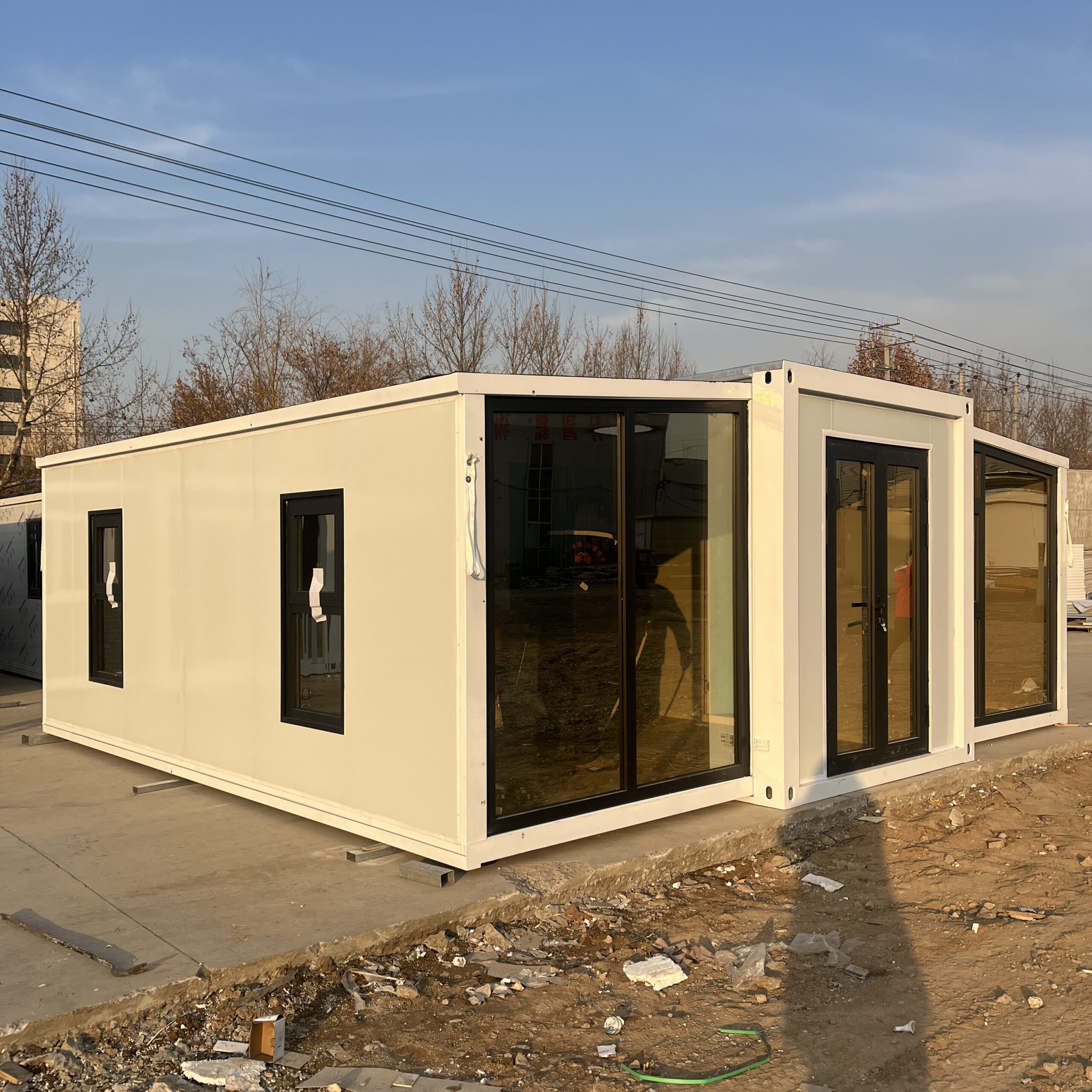
What truly sets this apart is the column-free interior. Unlike traditional containers with intrusive corner posts, the double-wing design creates an unobstructed 6m x 5.9m living space when expanded. This architectural freedom allows for open-plan layouts that feel luxurious rather than utilitarian. Large-format Low-E double-glazed windows flood the space with natural light while maintaining thermal efficiency – a must for energy-conscious Sydneysiders facing rising electricity costs.
Interior Design Concepts: Crafting Spaces with Purpose
Designing the interior of a double-wing container requires balancing creativity with spatial intelligence. Here are transformative ideas that maximize every square centimeter while reflecting personal style:
1. Scandinavian-Industrial Fusion: Sydney’s Urban Oasis
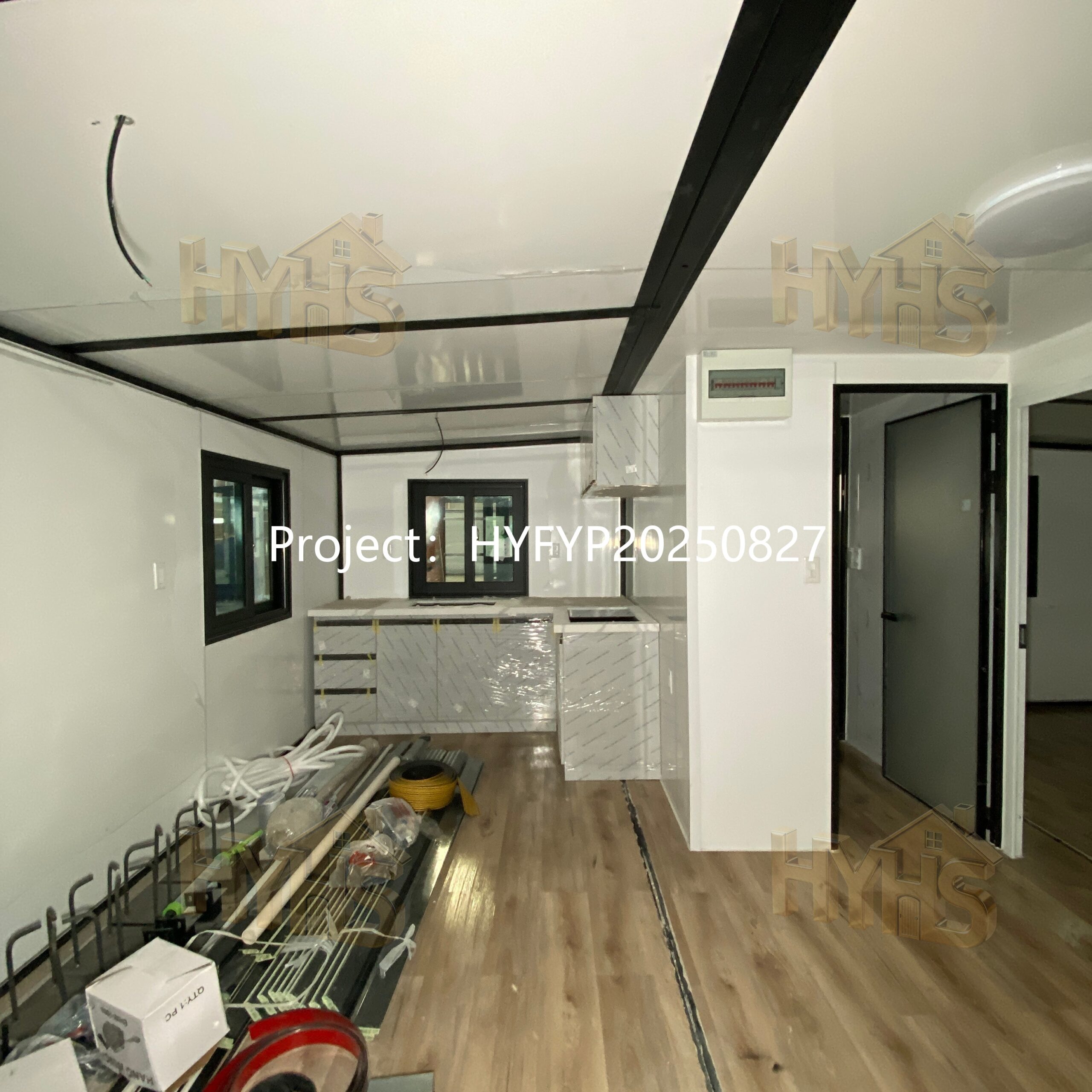
Embrace Sydney’s love for indoor-outdoor living with a palette of bleached oak, matte black fixtures, and crisp whites. The expanded wings create perfect zones: one wing houses a modular sofa system with hidden storage, while the other accommodates a sleek dining nook. A central kitchen island serves as both workstation and social hub, featuring waterfall countertops and integrated appliances. The key? Verticality – wall-mounted shelves and hanging planters draw the eye upward, creating an illusion of spaciousness. This style resonates particularly well in suburbs like Surry Hills or Newtown, where industrial heritage meets contemporary minimalism.
2. Coastal Retreat: Bringing the Beach Inside
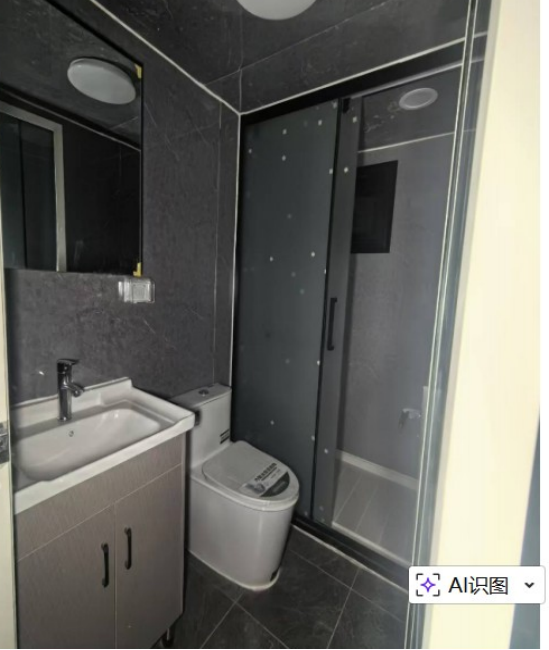
For coastal properties from Bondi to Byron Bay, channel relaxed sophistication with a palette inspired by Australian beaches: driftwood grays, ocean blues, and sandy neutrals. The expanded wings become panoramic viewing platforms with floor-to-ceiling windows framing water views. Use sustainable materials like reclaimed timber for feature walls and rattan for light fixtures. The bathroom (shown below) becomes a spa-like sanctuary with large-format tiles mimicking sandstone and a rainfall showerhead – proving compact spaces can deliver luxury experiences.
3. Smart Space Optimization: The Art of Multi-Functionality
In tiny living, every element must earn its place. Consider these clever solutions:
- Murphy Bed Integration: A queen-sized wall bed folds seamlessly into the main structure, freeing floor space during daytime. When paired with a fold-down desk, it creates a home office that transforms into a guest room.
- Convertible Dining: The dining table nests within the kitchen island, extending to seat six when entertaining. Matching benches provide storage while maintaining clean sightlines.
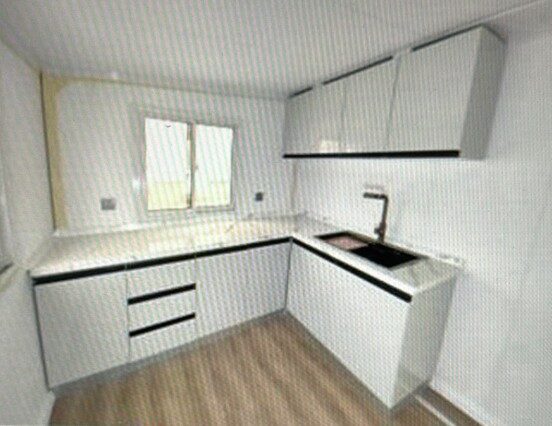
- Kitchen Efficiency: The galley kitchen (shown below) maximizes the 2.2m width with custom cabinetry reaching the ceiling. Pull-out pantries, integrated appliances, and a fold-down prep counter create a functional workspace without clutter.
4. Biophilic Design: Connecting with Nature
Australian architecture increasingly embraces biophilic principles – connecting occupants with nature. The double-wing container excels here with its ability to open entirely to the outdoors. Consider:
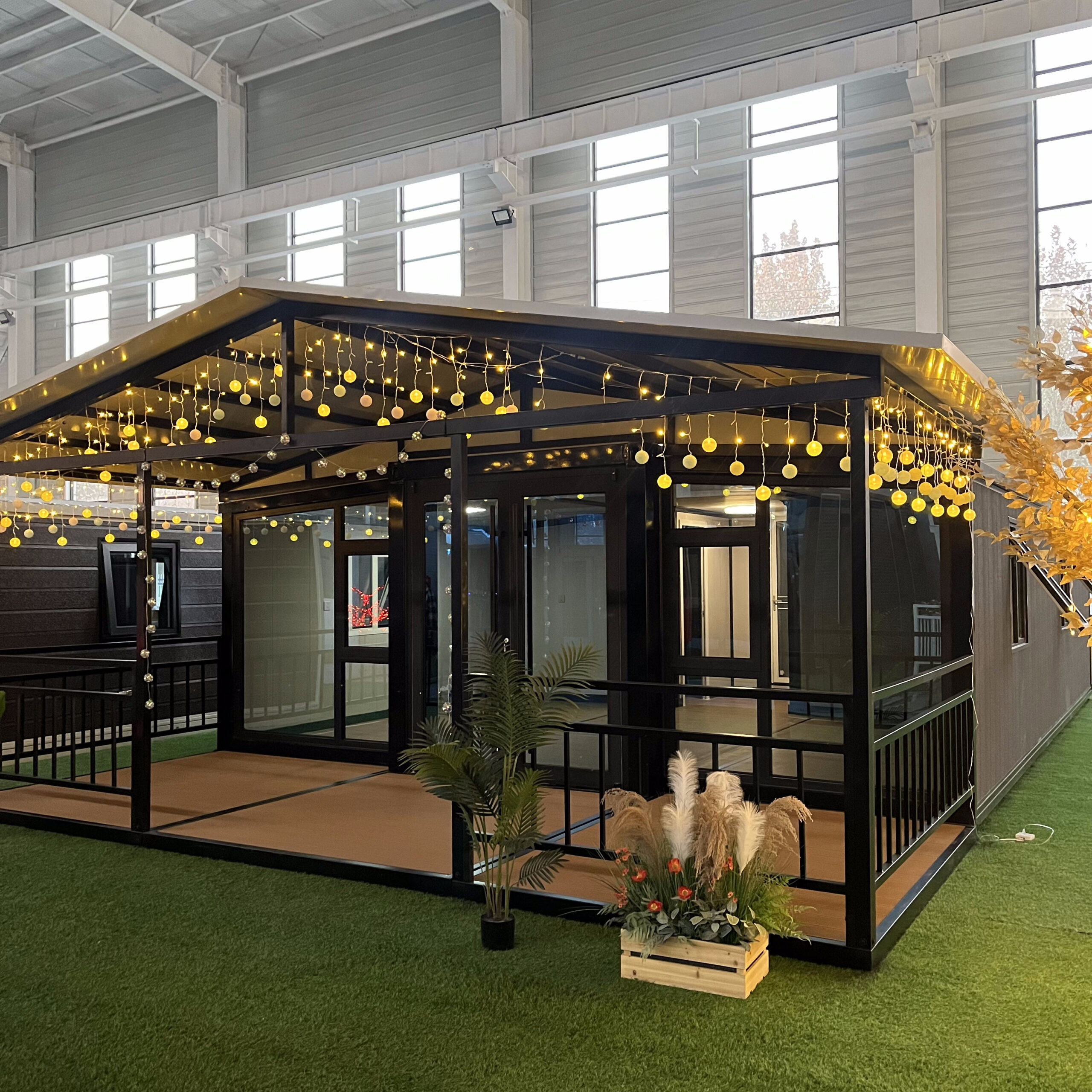
- Installing operable glass walls in one wing, creating a seamless transition to an extended deck.
- Using living walls or vertical gardens to purify air and add organic texture.
- Specifying natural materials like cork flooring (sustainable and soft underfoot) and wool textiles.
Material Innovations: Beauty Meets Performance
The choice of materials in a double-wing container goes beyond aesthetics – it impacts durability, comfort, and environmental footprint. Here’s how premium selections elevate the experience:
Walls and Finishes
The interior walls feature magnesium oxide (MgO) boards – a superior alternative to drywall. This fire-resistant, mold-proof material provides excellent thermal mass, moderating temperature fluctuations. For visible surfaces, consider:
- Textured Wall Panels: 3D fluted panels add depth while hiding imperfections. In metallic finishes, they reflect light, enhancing spatial perception.
- Reclaimed Timber Cladding: Sourced from demolished Australian structures, this adds history and character while reducing waste.
Flooring Solutions
Flooring must withstand expansion/contraction cycles and heavy use. Top recommendations:
- Hybrid Rigid Core Planks: 100% waterproof and dimensionally stable, these click-lock floors install over the subfloor without adhesives. Wood-look designs (like spotted gum or blackbutt) bring Australian timber aesthetics without maintenance concerns.
- Polished Concrete: For industrial-chic spaces, this durable option works with underfloor heating systems. Integral color and sealers prevent dusting while adding thermal mass.
Lighting Design
Strategic lighting transforms small spaces. Layer these elements:
- Ambient: Recessed LED strips along ceiling perimeters create even illumination without visual clutter.
- Task: Under-cabinet lighting in kitchens and adjustable reading sconces beside seating areas.
- Accent: Spotlights highlighting artwork or architectural features like the wing mechanisms – turning functional elements into design statements.

Real-World Applications: Beyond Traditional Housing
The versatility of the 20-foot double-wing container extends far beyond primary residences. Its rapid deployment and customization make it ideal for:
1. Sydney Backyard Studios & ADUs
With Sydney’s property prices soaring, homeowners are maximizing existing lots. A double-wing unit serves as a stylish home office, gym, or teenage retreat – adding functional space without major construction. Council approvals are streamlined due to its transportable nature, often classified as a temporary structure.
2. Eco-Tourism Accommodations
From the Blue Mountains to Kangaroo Island, tourism operators are embracing these units for glamping sites and boutique accommodations. The model shown below, with its glass curtain walls, immerses guests in nature while providing luxury amenities. Operators love the scalability – units can be added as demand grows.
3. Disaster Relief & Remote Housing
Australia’s vast distances and climate challenges make rapid-response housing critical. These units deploy in under 3 hours post-arrival, providing immediate shelter with full amenities. Their durability withstands cyclonic conditions (up to 12-grade winds) and seismic activity – vital for regions like Far North Queensland.
4. Pop-Up Commercial Spaces
Sydney’s entrepreneurs utilize these units as temporary retail stores, cafes, or event spaces. The wings create covered outdoor areas perfect for al fresco dining or product displays. Custom branding options – from printed façades to architectural lighting – ensure standout presence in competitive markets.
Customization: Tailoring Your Vision
While standard configurations impress, true magic happens through customization. The double-wing system accommodates extensive modifications:
Exterior Personalization
Transform the exterior to match architectural styles:
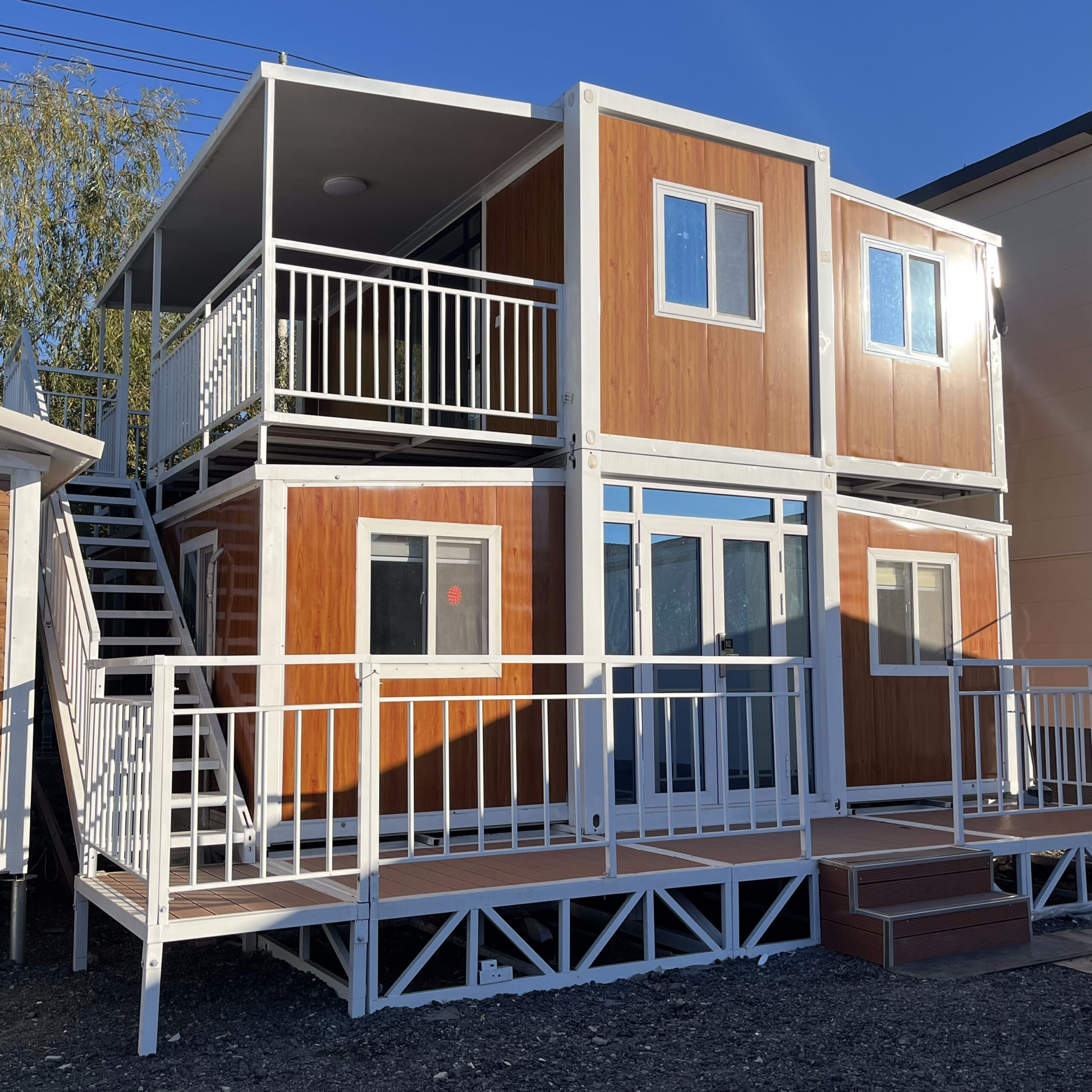
- Timber Cladding: Blackbutt or Spotted Gum battens create warm, contemporary facades.
- Corten Steel: This weathering steel develops a protective rust-like patina, perfect for blending into natural landscapes.
- Living Roofs: Sedum mats reduce heat absorption and stormwater runoff while adding biodiversity.
Interior Layout Options
Beyond open-plan designs, consider specialized configurations:
- Loft Integration: A mezzanine level in the main structure creates a sleeping loft, freeing ground-floor space for living areas.
- Wet Room Bathrooms: Space-saving designs combine shower, toilet, and vanity in one waterproof zone.
- Kitchen Variations: From minimalist galley styles to full chef’s kitchens with islands and pantries.
Technology Integration
Modern living demands smart solutions:
- Home Automation: Control lighting, climate, and security via smartphone apps.
- Off-Grid Systems: Solar packages with lithium batteries and rainwater harvesting enable true independence.
- Expandable Connectivity: Pre-wired for high-speed internet and entertainment systems.
Sustainability: Beyond Greenwashing
Container housing inherently reduces environmental impact, but the double-wing system takes this further:
Embodied Carbon Reduction
Repurposing shipping containers prevents steel waste – each container recycles approximately 3,500kg of steel. Combined with local material sourcing (e.g., Australian plantation timbers), the carbon footprint is 40-60% lower than conventional construction.
Operational Efficiency
Superior insulation and airtight construction minimize energy consumption. Real-world monitoring shows these units use 30-50% less energy for heating/cooling than similarly sized brick structures in Sydney’s climate. When paired with renewable energy systems, they approach net-zero operation.
Water Conservation
Standard greywater systems recycle shower and sink water for irrigation. Low-flow fixtures and dual-flush toilets reduce consumption by up to 40% compared to traditional homes – crucial in drought-prone Australia.
Practical Considerations: Making It Work
While the double-wing container offers incredible potential, success requires careful planning:
Site Preparation
Unlike traditional buildings, these units require minimal foundations:
- Level ground with compacted gravel or concrete piers
- Utility connections (power, water, data) brought to a central point
- Access clearance for delivery truck (minimum 3.5m width, 4m height)
Regulatory Compliance
Australian regulations vary by state and council. Key considerations:
- NSW (Sydney): Units under 20m² often don’t require DA if used as ancillary dwellings. Larger units or primary residences need full approval.
- Victoria (Melbourne): Transportable units fall under specific caravan park legislation or building codes depending on permanence.
Budget Realities
While cost-effective long-term, initial investment varies:
- Base model (basic finishes): $35,000 – $45,000 AUD
- Mid-range with premium materials: $50,000 – $70,000 AUD
- High-end custom with smart tech/off-grid: $75,000+ AUD
Compare this to Sydney’s average construction cost of $1,500-$3,000/m², and the value becomes clear – especially considering mobility and reusability.
The Future of Container Living in Australia
As Australian cities grapple with housing affordability and sustainability challenges, innovations like the 20-foot double-wing expansion room represent more than just architectural novelty – they’re practical solutions for modern living. Sydney’s embrace of these units reflects a broader cultural shift toward valuing experiences over excess space, flexibility over permanence, and environmental responsibility over unchecked consumption.
Looking ahead, we’ll see increased integration of:
- Advanced materials like phase-change insulation for enhanced thermal performance
- AI-driven space optimization algorithms for personalized layouts
- Community developments using multiple units to create eco-villages with shared amenities
Conclusion: Your Space, Your Rules
The 20-foot customized double-wing expansion room isn’t just housing – it’s a lifestyle enabler. For Sydneysiders seeking an inner-city studio without the mortgage burden, for retirees wanting a coastal retreat, or for entrepreneurs needing flexible commercial space, this solution delivers unprecedented versatility. By marrying innovative engineering with thoughtful interior design, it proves that small spaces can live large – offering comfort, style, and sustainability without compromise.
As Australia continues to lead in container home innovation, the question isn’t whether these modular marvels will become mainstream, but how quickly they’ll transform our relationship with the spaces we inhabit. The double-wing container doesn’t just provide shelter; it redefines what home can be – adaptable, responsible, and uniquely yours.
本文由人工智能技术生成,基于公开技术资料和厂商官方信息整合撰写,以确保信息的时效性与客观性。我们建议您将所有信息作为决策参考,并最终以各云厂商官方页面的最新公告为准。