
Discover innovative container house floor plans with the 40-foot customized double-wing expansion room, featuring rapid deployment, modular flexibility, and eco-friendly design. Perfect for Australian landscapes, these expandable structures transform compact shipping containers into spacious living or commercial spaces with customizable layouts, premium materials, and all-weather durability.
When it comes to modern container house floor plans, innovation isn’t just a buzzword—it’s a necessity. As urban spaces shrink and sustainability demands grow, architects and homeowners are turning to modular solutions that balance aesthetics, functionality, and adaptability. Enter the game-changing 40-foot customized double-wing expansion room, a design marvel that’s redefining container living across Australia’s diverse landscapes—from the sun-kissed beaches of Queensland to the rugged outbacks of the Northern Territory. This isn’t your average shipping container conversion; it’s a transformative space that unfolds like a puzzle, offering unparalleled flexibility for those seeking efficient, stylish, and eco-conscious habitats.
The Double-Wing Revolution: Beyond Standard Container Homes
Traditional container homes often face a common dilemma: how to maximize space without compromising mobility or aesthetics. The 40-foot double-wing expansion room solves this brilliantly. Imagine a standard shipping container that, when deployed, unfurls two “wings” from its sides, nearly doubling its usable area. It’s like watching a butterfly emerge from its chrysalis—compact during transport, majestic in its final form.
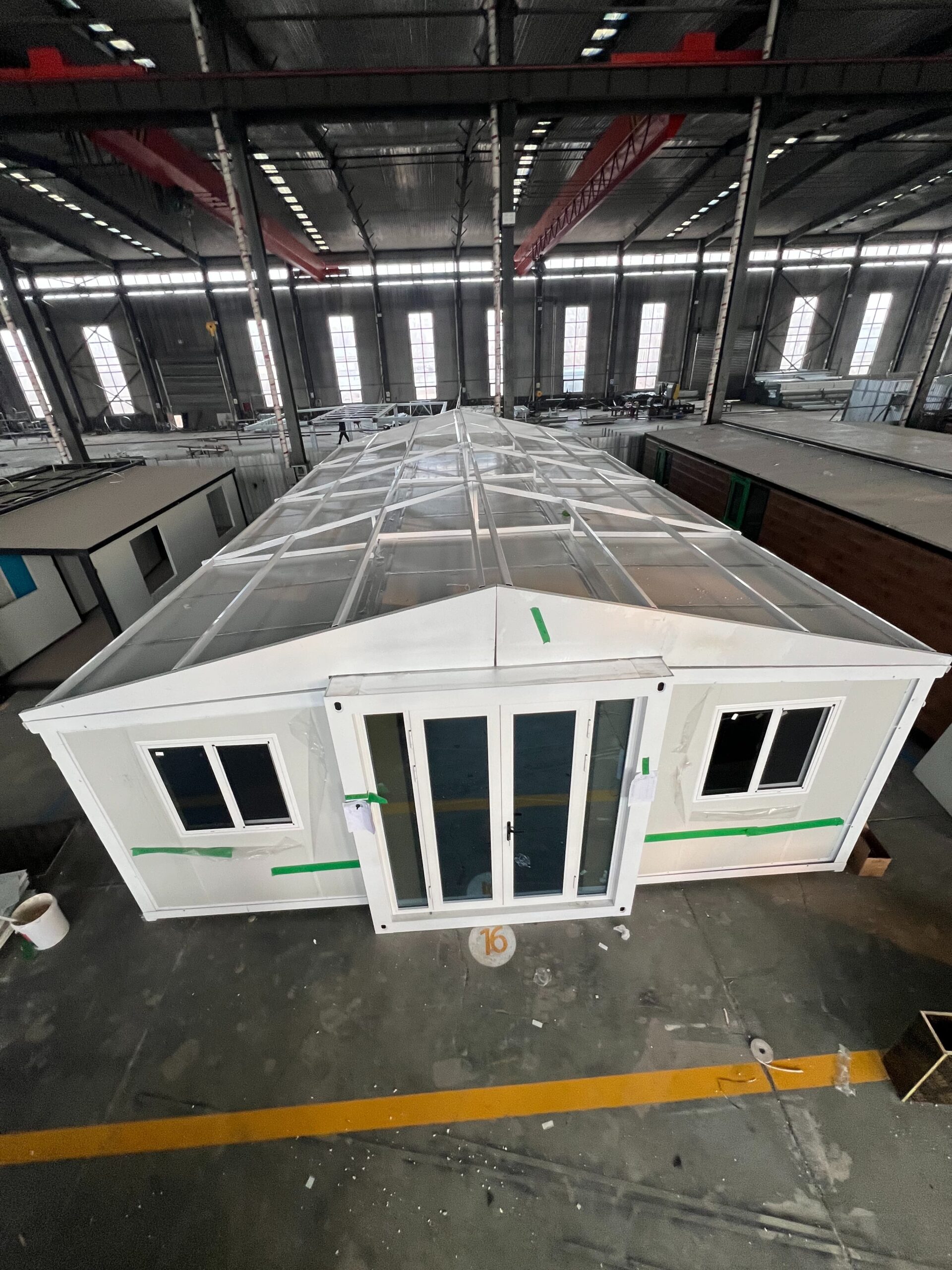
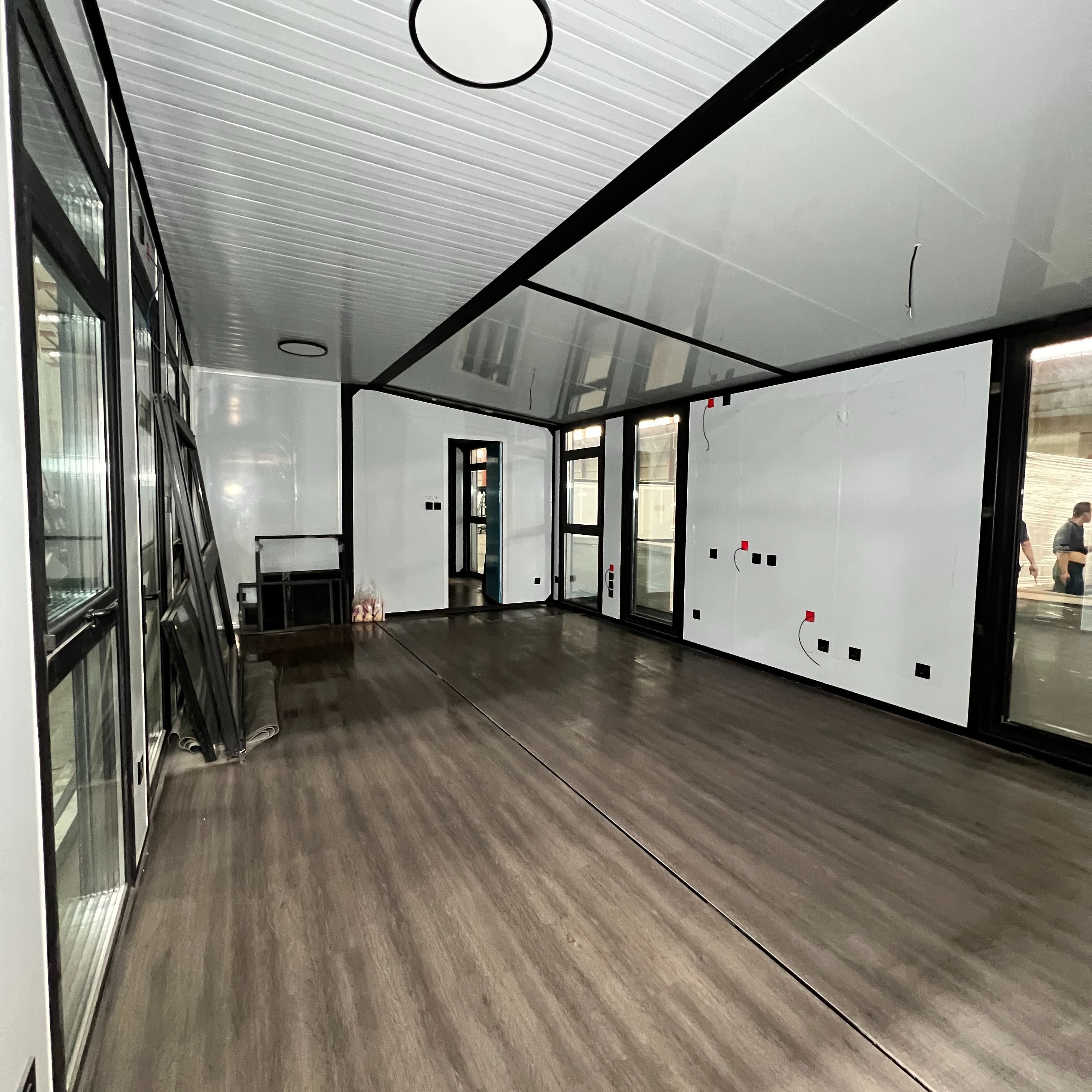
This design isn’t just about square footage; it’s about intelligent space utilization. The wings fold inward during transport, maintaining standard container dimensions (11800mm x 2200mm x 2480mm) for hassle-free road or rail movement. Once on-site, they expand outward to create a sprawling 11800mm x 6240mm living area. That’s over 70% more space than a static container, achieved in mere hours. For Australian properties where land use regulations can be stringent, this expandable feature offers a clever workaround—maximizing habitable area without permanent foundations.
Single vs. Double-Wing: Tailoring Your Container House Floor Plans
While the double-wing model steals the spotlight, its single-wing sibling deserves equal attention. The single-wing variant is the minimalist’s dream—ideal for solo adventurers, remote offices, or compact guest suites. It offers a 1.5–2x space expansion from its folded state, making it perfect for smaller plots or supplementary units. Picture this nestled in a Sydney backyard: a sleek, modern studio that unfolds to reveal a surprisingly spacious interior, complete with kitchenette and bath.
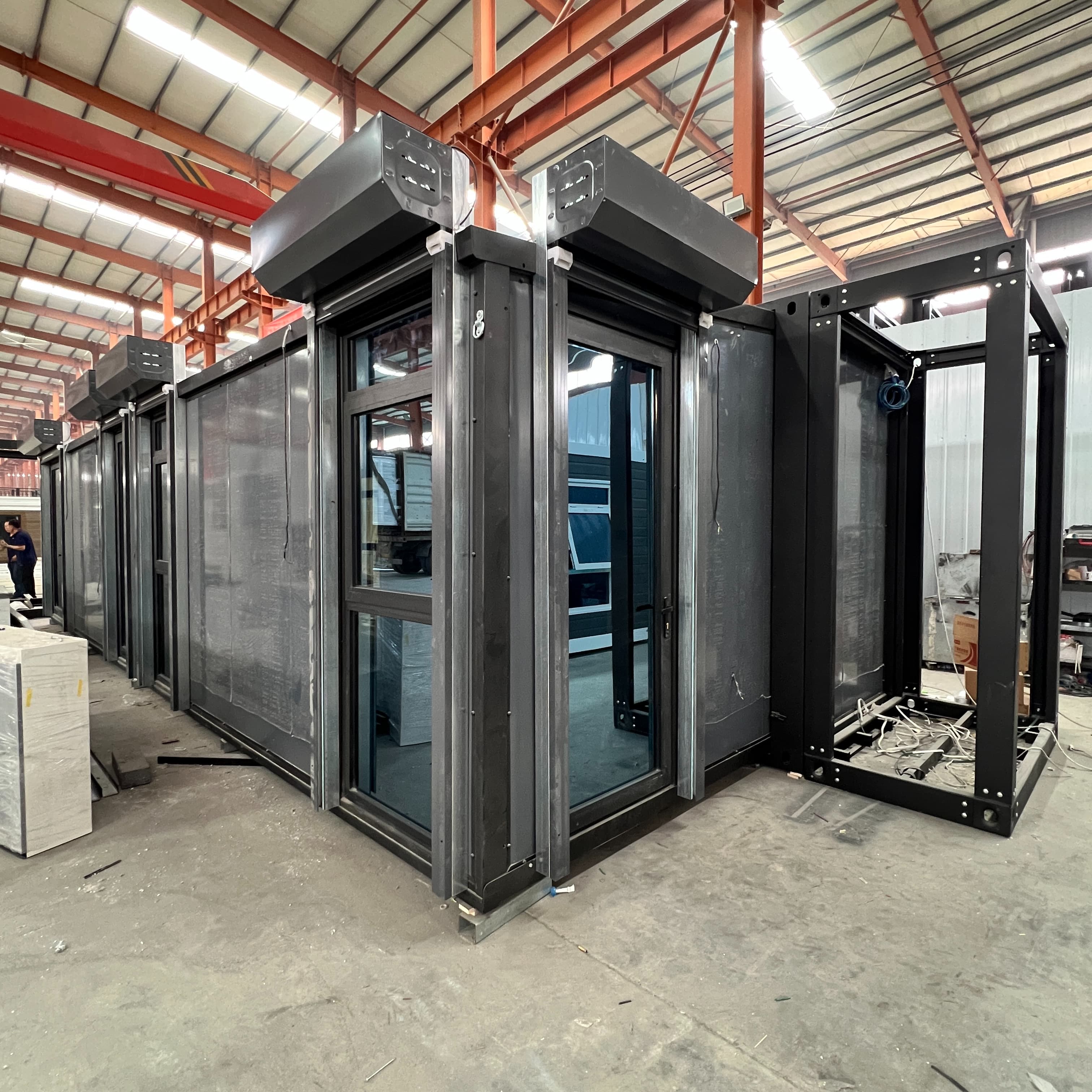
The double-wing, conversely, is the showstopper. With symmetrical wings, it creates a balanced layout ideal for families, co-working spaces, or even pop-up retail. Its expanded dimensions (11540mm x 6080mm interior) comfortably accommodate a one-bedroom setup or an open-plan living area. Both models come in flat-top or pitched-roof designs, offering stylistic versatility. The flat-top suits urban environments with its clean lines, while the pitched version adds charm to rural settings, especially in areas like Tasmania’s countryside where traditional aesthetics blend with modern innovation.
Inside the Innovation: Features That Define Excellence
Structural Brilliance: Built to Last
At the heart of these container house floor plans lies a robust framework. Crafted from hot-dip galvanized steel or carbon fiber composites, the structure resists corrosion, termites, and even Australia’s harsh UV exposure. This isn’t just durable—it’s engineered for longevity, with a lifespan of 20–30 years. The modular design allows for easy expansion too; units can be linked horizontally or vertically to create multi-room complexes.
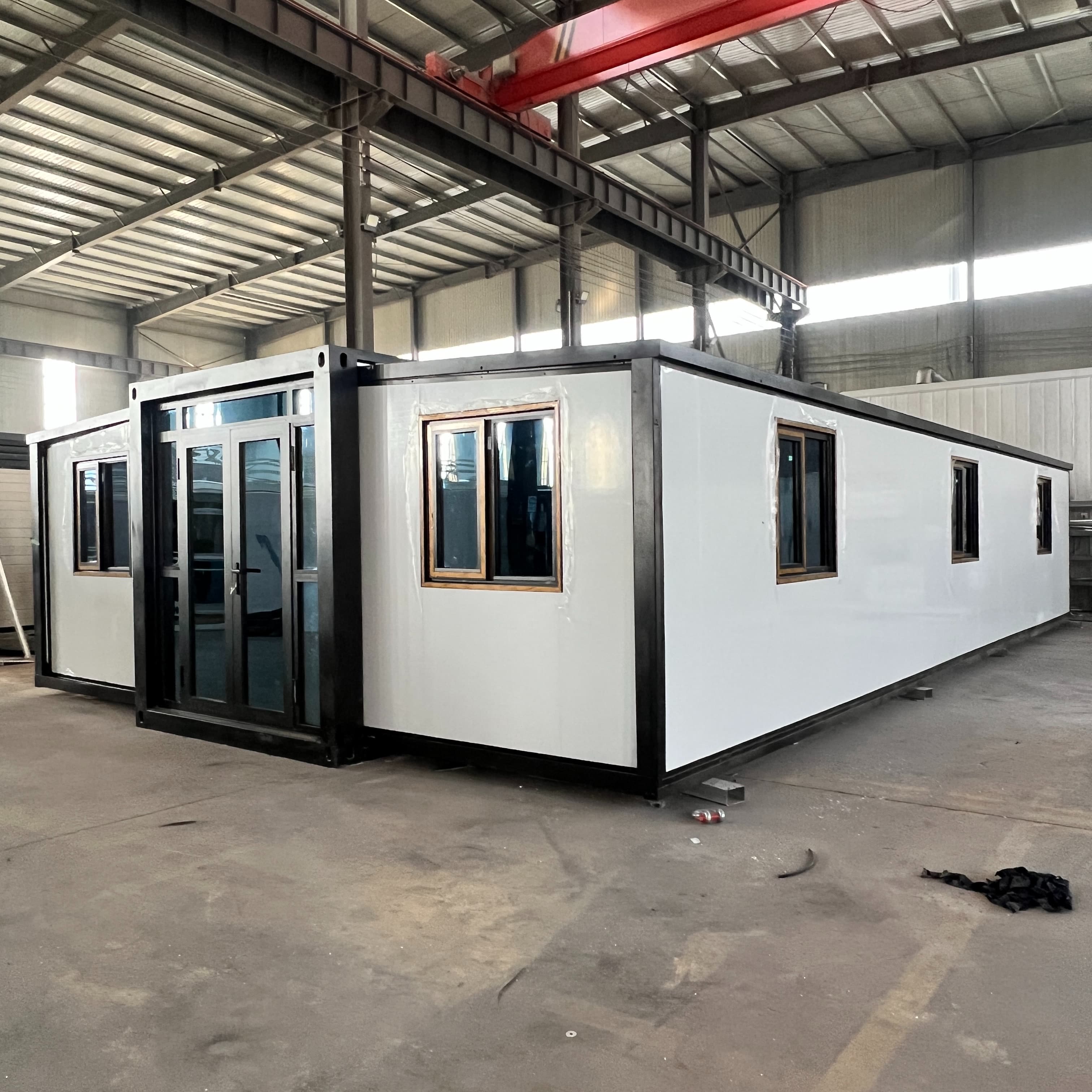
Waterproofing is another standout feature. Using seamless joint technology and double-sealed doors/windows, these containers stay dry even during Queensland’s monsoon seasons. Windows feature double-glazed, Low-E glass for thermal efficiency, while walls sandwich polyurethane or rock wool insulation, maintaining comfortable interiors year-round. No more sweltering summers or chilly winters—just consistent, energy-efficient comfort.
Smart Interiors: Where Function Meets Flair
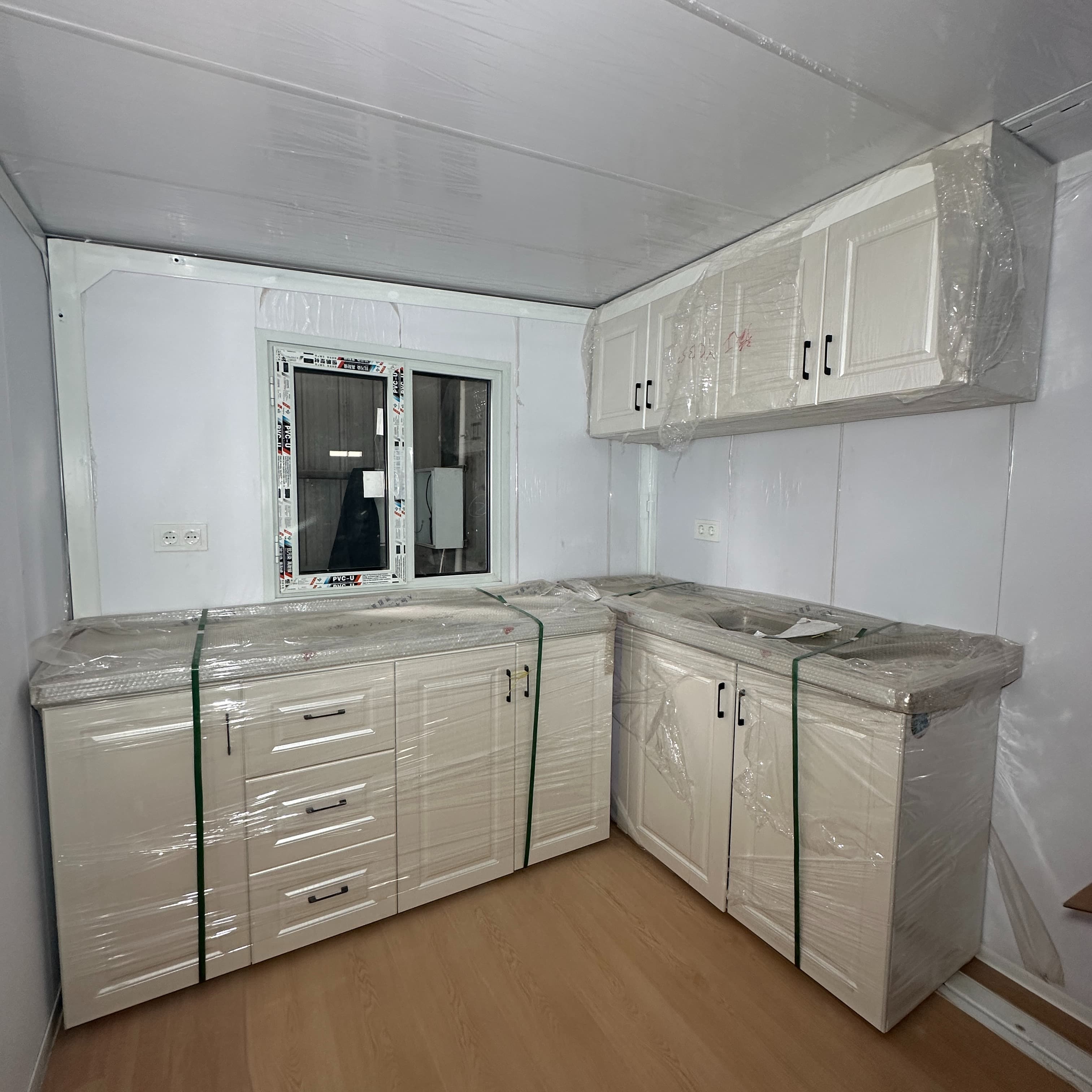
Step inside, and the magic continues. The factory-prefabricated approach means 85% of finishes are completed before delivery—think pre-installed plumbing, electrical systems, and even cabinetry. For owners, this translates to near-instant usability. Within hours of delivery, your container house is move-in ready.
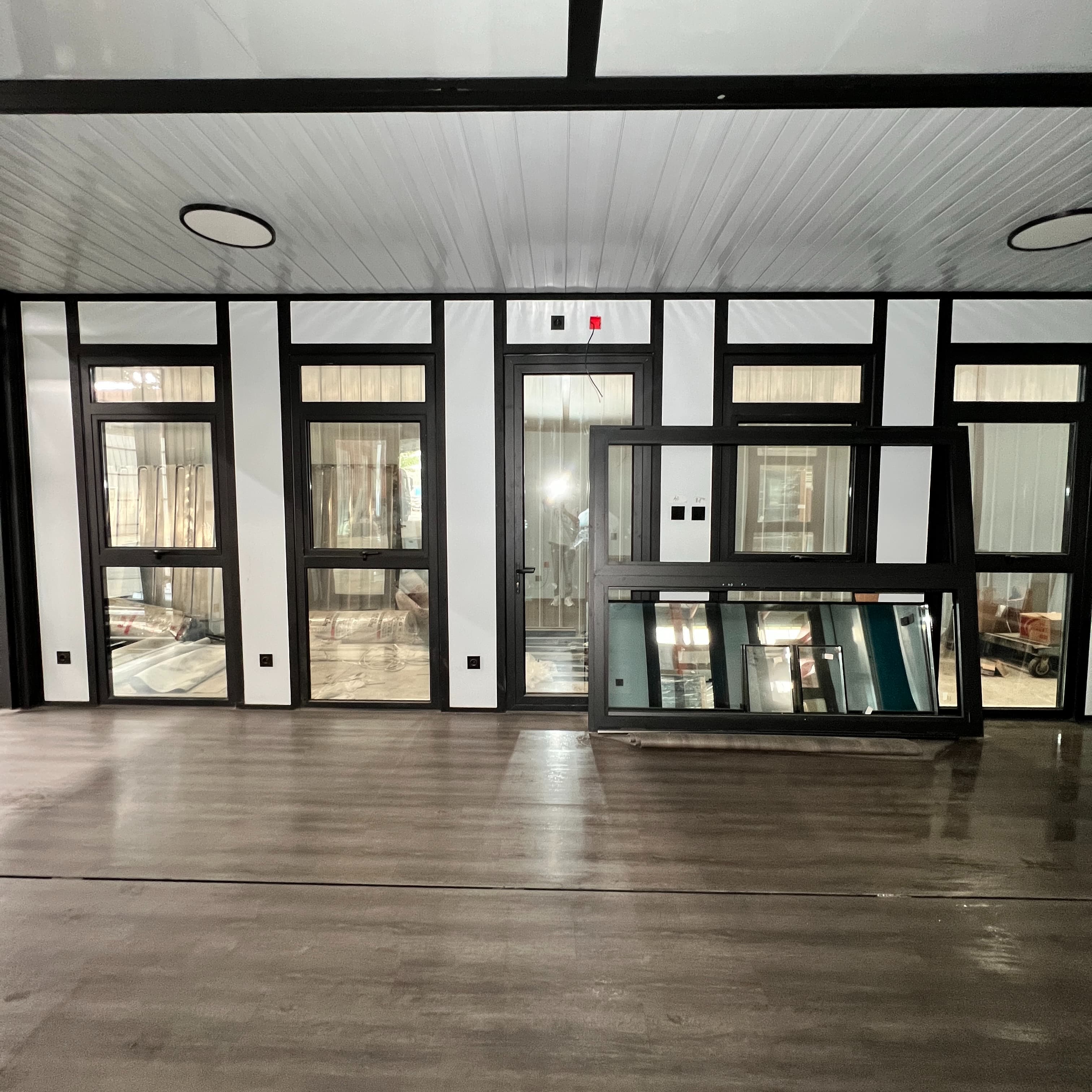
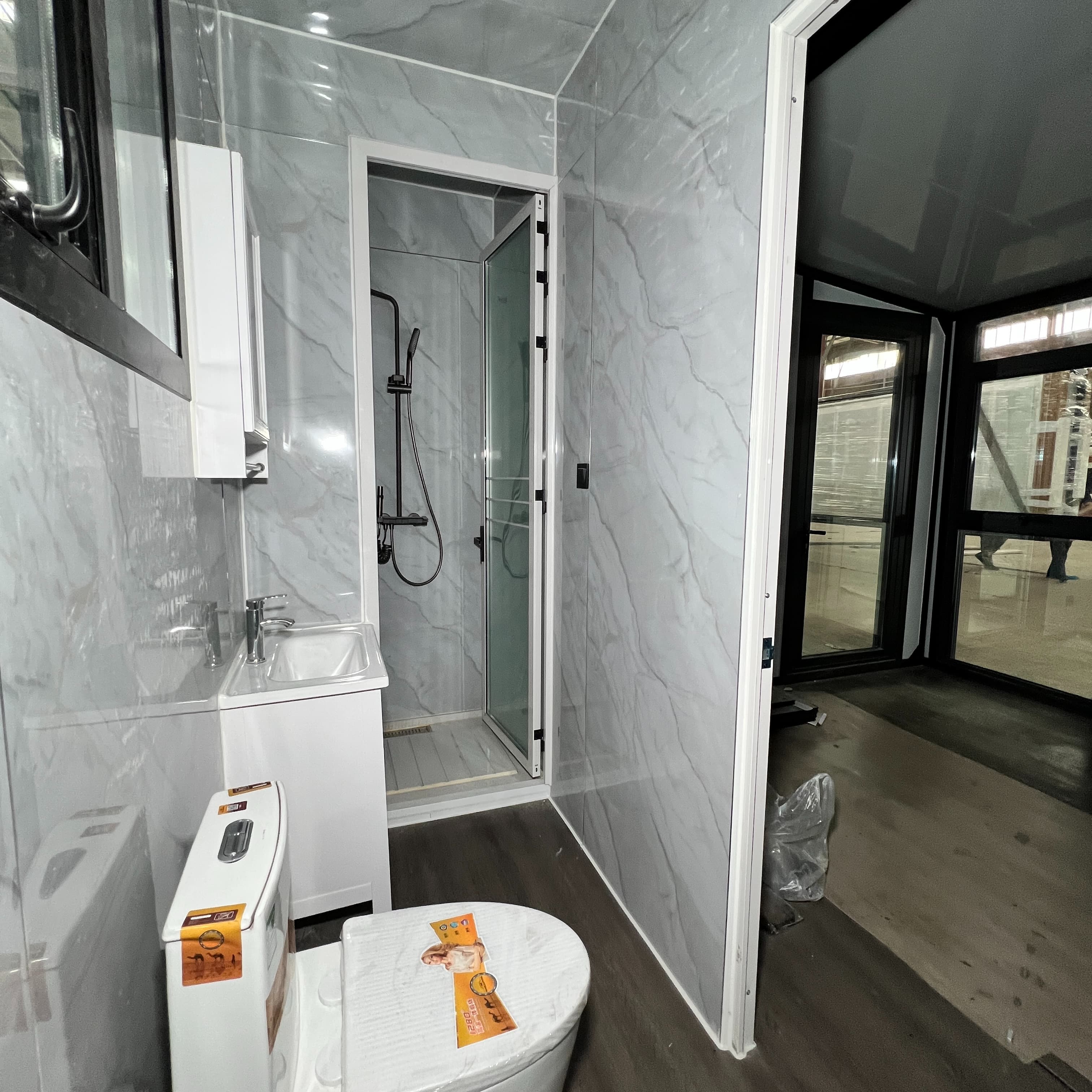
The kitchen is a chef’s delight, even in compact footprints. With integrated appliances, sleek countertops, and smart storage, it maximizes every inch. The bathroom, though compact, doesn’t skimp on luxury—featuring modern fixtures, water-saving fittings, and easy-clean surfaces. For those prioritizing sustainability, options like solar-ready wiring and rainwater harvesting systems can be incorporated.
Eco-Conscious Design: Green by Default
In today’s climate-aware world, these container house floor plans shine. Materials are 90% recyclable, from the steel frame to insulation. Energy efficiency is baked into the design—insulation reduces heating/cooling needs by up to 40%, while solar compatibility slashes grid reliance. For Australian eco-villages or off-grid communities, this makes the double-wing expansion room a natural fit.
Deployment Scenarios: From Urban to Outback
Residential Retreats: Living Large in Small Spaces
Imagine waking up in a double-wing container home overlooking the Great Ocean Road. With wings unfolded, you’re greeted by panoramic views through floor-to-ceiling windows. The open-plan living area flows into a fully equipped kitchen, while a separate wing houses a serene bedroom. For families, the layout adapts—add a loft for kids or partition the space for privacy.
In urban settings like Melbourne, these units serve as stylish granny flats or home offices. Their minimal footprint complies with local regulations, while rapid deployment (under 24 hours) avoids construction disruptions. For remote workers, a single-wing office in the backyard offers separation without isolation—high-speed internet pre-wiring keeps you connected.
Commercial Ventures: Pop-Up Perfection
Businesses love the flexibility. A double-wing unit transforms into a chic café in Byron Bay, complete with service counter, seating, and storage. When the season ends, fold it up and relocate—no long-term lease commitments. Similarly, retailers use them as mobile showrooms in Perth’s pop-up markets, drawing crowds with their futuristic aesthetics.
Emergency & Remote Solutions: Hope in a Box
In disaster-prone regions like New South Wales, these containers are lifelines. Post-bushfire, they deploy rapidly as temporary shelters or clinics. Their all-steel construction withstands extreme conditions, while insulation protects against heatwaves. For mining or research sites in the Outback, they offer durable, comfortable bases—resisting dust, wind, and temperature swings.
Key Advantages: Why Australians Choose This Design
Speed & Savings
Traditional builds take months; these take days. With 95% factory completion, on-site work is minimal—just positioning, unfolding, and connecting utilities. This slashes labor costs by 30–40% and avoids weather delays. For a Sydney homeowner needing quick accommodation, this is transformative.
Mobility Meets Stability
Unlike permanent structures, these containers relocate effortlessly. Need to move? Fold the wings, hire a crane, and transport. Yet once deployed, they’re rock-solid—withstanding cyclonic winds (up to 120 km/h) and seismic activity. This duality appeals to nomadic lifestyles and temporary projects alike.
Customization Without Compromise
Forget one-size-fits-all. Want timber cladding for a Queensland rainforest retreat? Done. Prefer industrial chic for a Brisbane warehouse? Achievable. From window placements to color schemes, every detail aligns with your vision. Even floor plans adjust—loft beds, fold-down desks, or wheelchair-accessible layouts are all feasible.
Practical Considerations Before You Buy
While these container house floor plans are revolutionary, a few factors ensure success:
- Budgeting: Prices vary based on materials (e.g., carbon fiber costs more than steel) and customizations. Entry-level single-wing units start at AUD 25,000, while premium double-wing models with smart tech can exceed AUD 80,000. Always request itemized quotes.
- Site Prep: Though minimal foundation is needed (concrete pads or screw piles suffice), ensure ground stability. Sloped sites may require minor leveling—consult a local engineer in Perth or Adelaide.
- Regulations: Check council rules. In Australia, temporary structures often have streamlined approvals, but permanent dwellings need permits. Use the “transportable building” classification for faster processing.
- Longevity: Opt for hot-dip galvanization over painted steel to prevent rust. Annual inspections of seals and joints prevent leaks—especially crucial in coastal areas like the Gold Coast.
The Future is Unfolding: Australia’s Container Home Movement
As housing affordability crises grip cities like Sydney and Melbourne, container homes offer a viable, stylish alternative. The 40-foot double-wing expansion room epitomizes this shift—proving that sustainability, speed, and sophistication can coexist. Whether you’re a retiree seeking a coastal haven, an entrepreneur launching a mobile business, or a community leader planning disaster relief, this design adapts, endures, and inspires.
In the land of innovation, where kangaroos roam and architects dream big, container house floor plans are no longer about repurposing boxes—they’re about reimagining living. So unfold your ambitions. Your Australian adventure starts here.
本文由人工智能技术生成,基于公开技术资料和厂商官方信息整合撰写,以确保信息的时效性与客观性。我们建议您将所有信息作为决策参考,并最终以各云厂商官方页面的最新公告为准。