
Discover how innovative 40ft double-wing expansion container homes are transforming Australian living spaces. This comprehensive guide explores customizable modular designs, rapid deployment advantages, and versatile applications from coastal Queensland to urban Sydney, showcasing sustainable architecture that combines mobility with luxury.
In the dynamic landscape of Australian architecture, where innovation meets sustainability, the 40ft container home emerges as a groundbreaking solution for modern living. Particularly in regions like the Sunshine Coast of Queensland or the outskirts of Melbourne, these modular structures are redefining how we perceive portable dwellings. Today, we spotlight an exceptional innovation: the 40ft customized double-wing expansion container home – a prefabricated marvel that combines industrial aesthetics with residential comfort.
Imagine arriving at your Byron Bay property to find a compact container transforming into a spacious two-bedroom retreat within hours. This isn’t science fiction; it’s the reality offered by next-generation expandable container homes. The double-wing model, with its ingenious fold-out “wings,” represents the pinnacle of portable architecture, delivering up to 80% more usable space than standard containers while maintaining full mobility – perfect for Australia’s diverse landscapes from the Kimberley wilderness to Tasmanian highlands.
Understanding the Double-Wing Innovation
At first glance, the double-wing container home resembles a standard shipping container. However, its transformative magic lies in the hydraulic or mechanical wing system. When deployed for living, these “wings” unfold like origami, creating expansive living areas that challenge conventional notions of container housing. Available in both pitched and flat-top configurations, these structures adapt seamlessly to Australian environments – whether braving Darwin’s tropical storms or withstanding Adelaide’s variable climates.
The single-wing variant offers a streamlined alternative, ideal for smaller plots or as auxiliary units. With its single-side expansion, it provides 1.5-2 times the original footprint while maintaining easier transport through Australia’s regional road networks. Both versions come factory-fitted with essential utilities, making them “plug-and-play” solutions for remote Australian properties where traditional construction faces logistical challenges.
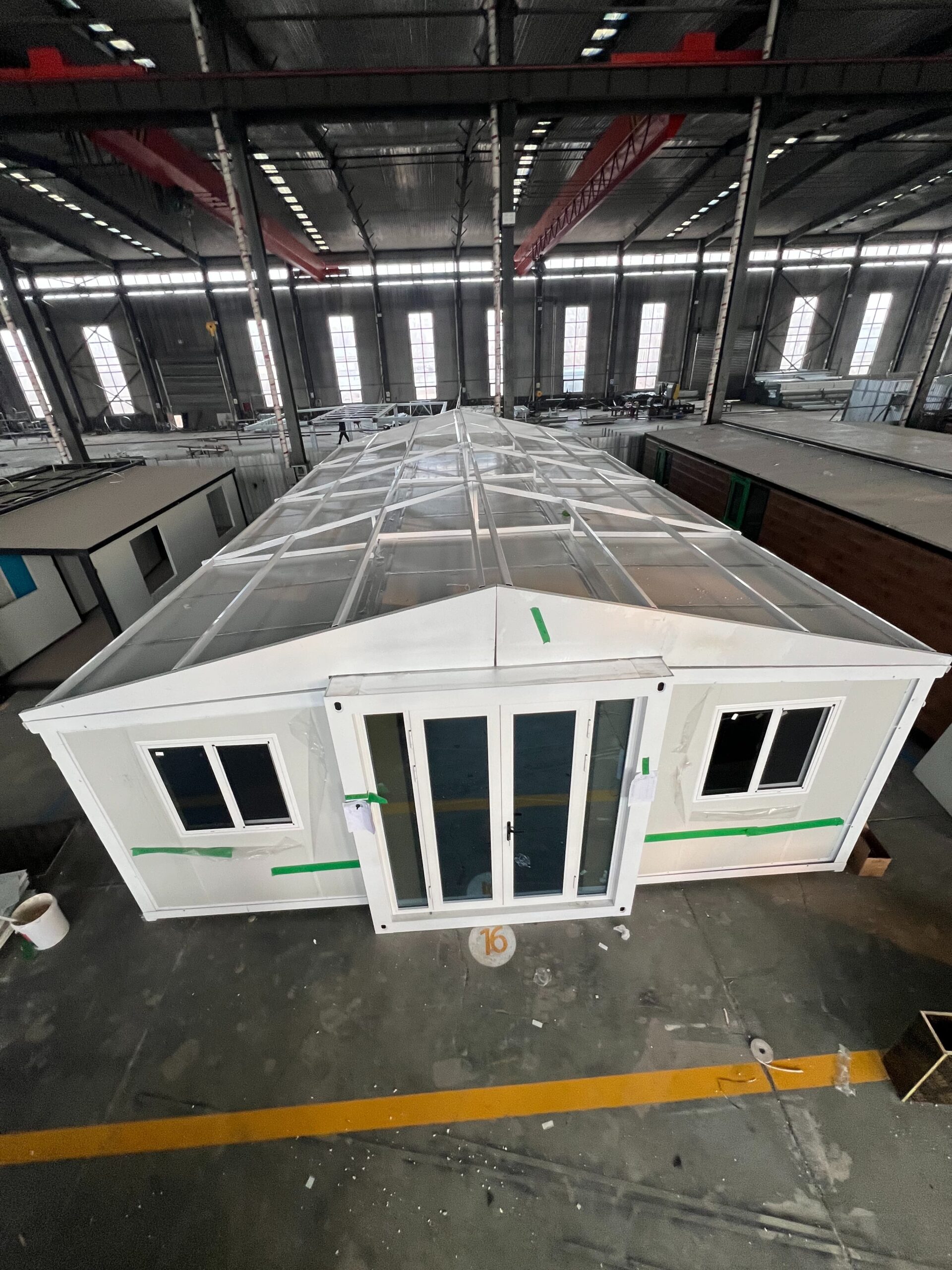
The flat-top double-wing model demonstrates clean, modern lines perfect for Australian coastal properties
Architectural Brilliance: Core Features Redefined
1. Transformative Space Engineering
The genius of these homes lies in their spatial mathematics. In transport mode, they comply perfectly with Australian road regulations (standard 40ft dimensions: 12m x 2.4m x 2.6m). Once deployed, the wings extend to create a remarkable 6.24m width – nearly tripling the functional area. This metamorphosis converts a simple container into a comfortable one or two-bedroom residence, complete with living room, kitchen, and bathroom facilities.
Consider a Perth property owner installing one in their backyard: within hours, they gain a self-contained guest house or home office that doesn’t permanently alter their landscape. The internal dimensions (11.54m x 6.08m x 2.2m) provide ceiling heights comparable to traditional Australian homes, eliminating the claustrophobic feel often associated with container living.
2. Structural Integrity Meets Australian Conditions
Built with hot-dip galvanized steel frames, these homes withstand Australia’s harsh environmental challenges. From cyclonic winds in Far North Queensland to bushfire-prone areas of New South Wales, the structural engineering exceeds Australian Building Code standards. The steel framework, often reinforced with carbon fiber composites in premium models, provides seismic resilience up to magnitude 8 – crucial for earthquake-vulnerable regions like South Australia’s Flinders Ranges.
Insulation technology represents another breakthrough. Utilizing polyurethane foam or rock wool cavity insulation, these homes achieve R-values exceeding Australian National Construction Code requirements. This thermal efficiency translates to significant energy savings – a vital consideration given Australia’s rising electricity costs, particularly in temperature-extreme regions like Alice Springs or Canberra.
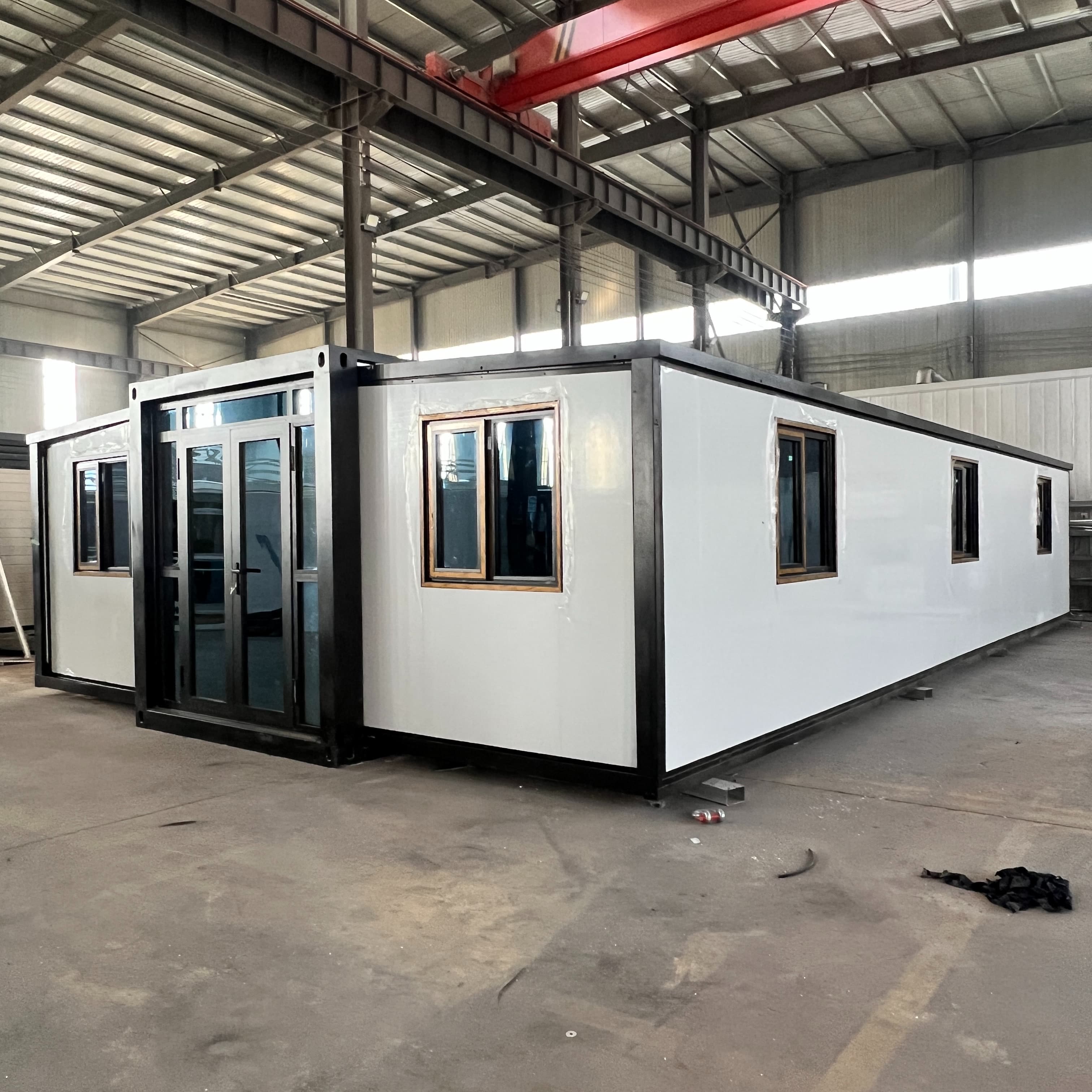
Pitched roof option enhances rainwater harvesting – ideal for water-conscious Australian communities
3. Precision Manufacturing & Quality Control
Each unit undergoes rigorous factory testing before leaving the production facility. With 85% of construction completed off-site – including plumbing, electrical systems, and interior finishes – Australian buyers avoid the unpredictability of on-site construction. This controlled manufacturing process ensures consistent quality, from the steel frame corrosion protection to the installation of European-style kitchens with stone countertops and premium appliances.
The modular nature allows for incredible customization. Buyers can specify everything from flooring materials (bamboo, polished concrete, or Australian hardwood) to window configurations featuring double-glazed, Low-E argon-filled units that maximize natural light while minimizing heat transfer – perfect for Australia’s intense sun.
The Competitive Edge: Five Pillars of Advantage
1. Unmatched Deployment Speed
In Australia’s fast-paced development landscape, time equals money. Traditional construction in Sydney or Melbourne can take 6-12 months, facing weather delays and labor shortages. In contrast, a double-wing container home arrives ready for installation. Foundation preparation might take a few days, but the actual unit installation occurs within hours. For a FIFO (Fly-In/Fly-Out) camp in Western Australia’s Pilbara region, this rapid deployment means worker accommodations become operational almost immediately.
Consider disaster recovery scenarios: after bushfires in Victoria or floods in New South Wales, these homes can provide emergency shelter within days rather than months. Their stackable design allows for rapid community establishment while permanent rebuilding occurs.
2. Ultimate Mobility & Site Flexibility
Unlike traditional structures, these homes embrace Australia’s mobile lifestyle. A family in Brisbane might install one as a granny flat, then relocate it to their Gold Coast holiday home years later. The transport-friendly design (folded dimensions: 11.8m x 2.2m x 2.48m) complies with national road regulations without special permits.
Site versatility proves revolutionary for challenging Australian terrains. Whether positioned on sloping Tasmanian hillsides, sandy Perth beaches, or rocky Outback stations, these units adapt with minimal ground preparation. Their lightweight design (compared to traditional buildings) reduces foundation requirements, making them ideal for environmentally sensitive areas like Kangaroo Island or the Daintree Rainforest.
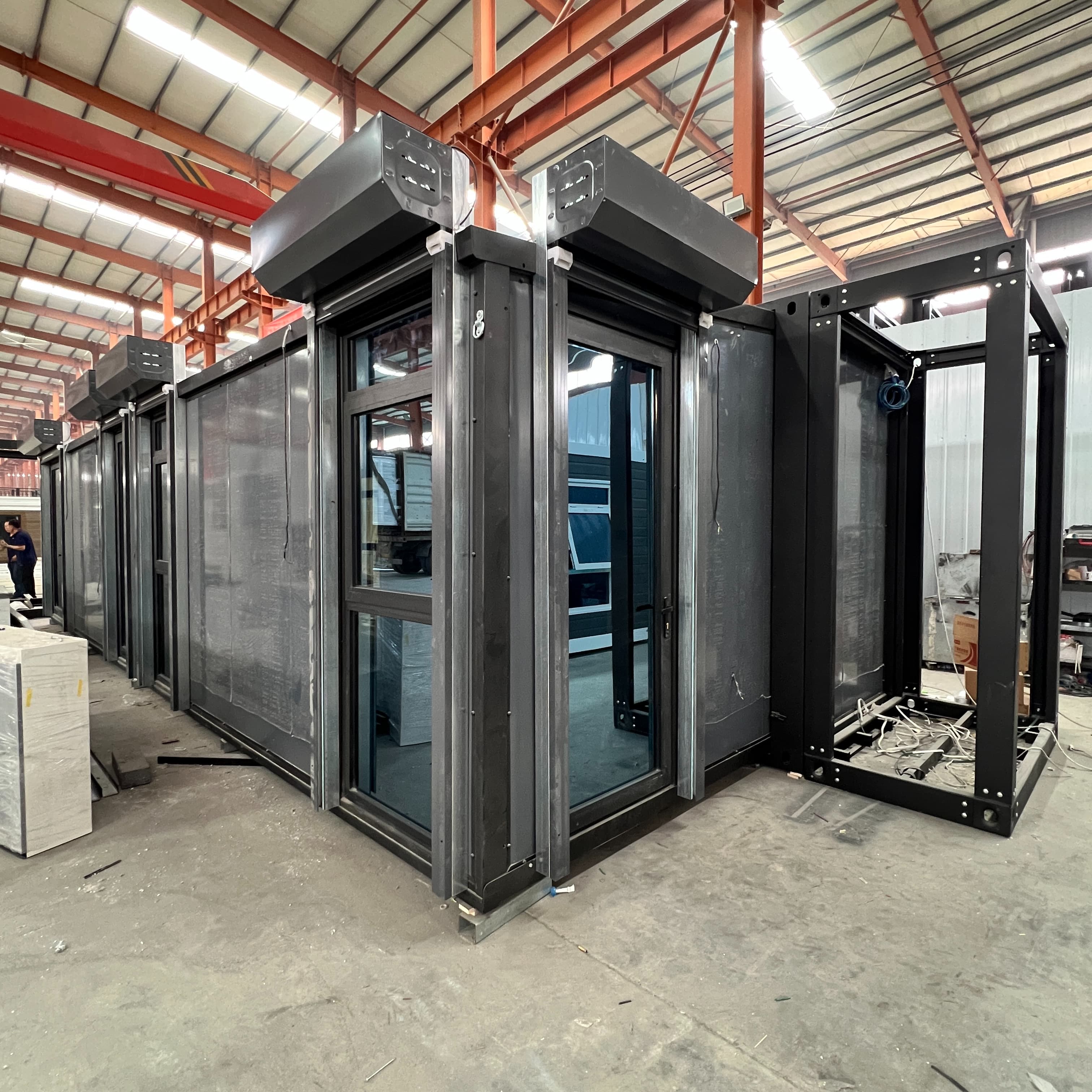
Single-wing model blends harmoniously with Australian bushland settings
3. Sustainable Living by Design
Environmental consciousness drives Australian building trends, and these container homes excel in sustainability. The steel frames contain up to 85% recycled materials, while the modular construction process generates 70% less waste than traditional building methods. For eco-conscious buyers in Byron Bay or Margaret River, this represents significant carbon footprint reduction.
Energy efficiency features include:
– Solar panel integration with battery storage systems for off-grid capability
– Rainwater harvesting roofs compatible with Australian water tank standards
– Passive design elements like cross-ventilation optimized for Australian wind patterns
– LED lighting and energy-efficient appliances exceeding Australian MEPS standards
4. Financial Intelligence
Cost analysis reveals compelling advantages. A traditional Australian home averages $1,500-$3,000 per square meter to build, with regional variations. These container homes typically cost 30-40% less per square meter while delivering comparable functionality. For a young family in Adelaide looking to enter the property market, this could mean owning a debt-free home sooner.
Additional financial benefits include:
– Reduced construction loan interest due to shorter build times
– Lower insurance premiums for non-permanent structures
– Potential tax advantages for investment properties
– Depreciation benefits for commercial applications
5. Resilience & Longevity
Australian conditions demand durability. These homes feature:
– Marine-grade corrosion protection for coastal properties in Cairns or Fremantle
– Termite-proof construction (vital for Queensland and Northern Territory)
– Fire-resistant materials meeting Australian Bushfire Attack Level (BAL) standards
– Wind load engineering for cyclonic regions up to Category 2
With a design life of 20-30 years and minimal maintenance requirements, they represent sound long-term investments across Australia’s diverse climates.
Interior Excellence: Where Function Meets Aesthetics
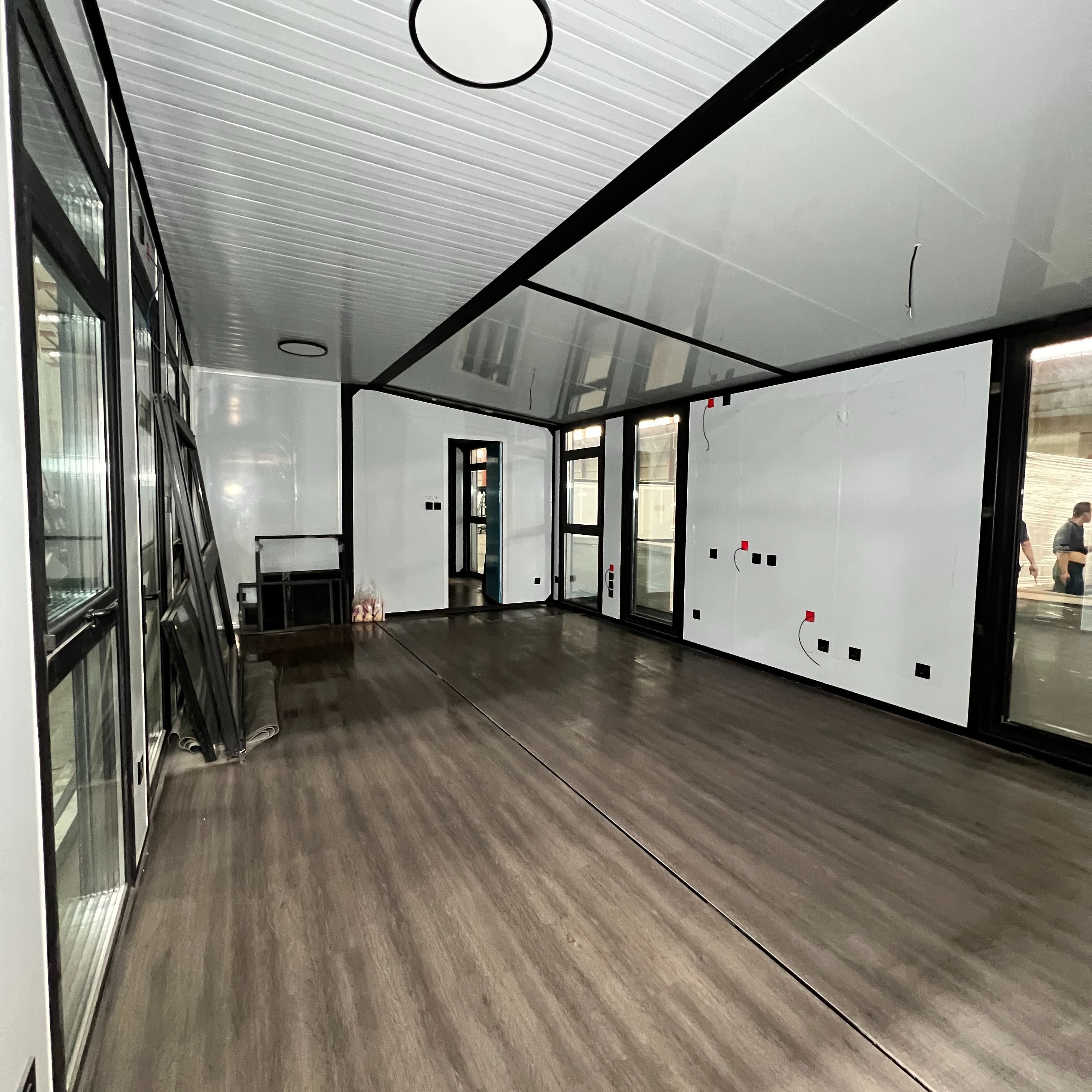
Stepping inside reveals interiors that challenge container home stereotypes. The 2.2m ceiling height creates an airy atmosphere, while the absence of internal support columns allows for flexible furniture arrangements. Australian interior designers have embraced these spaces, creating layouts that maximize both functionality and style.
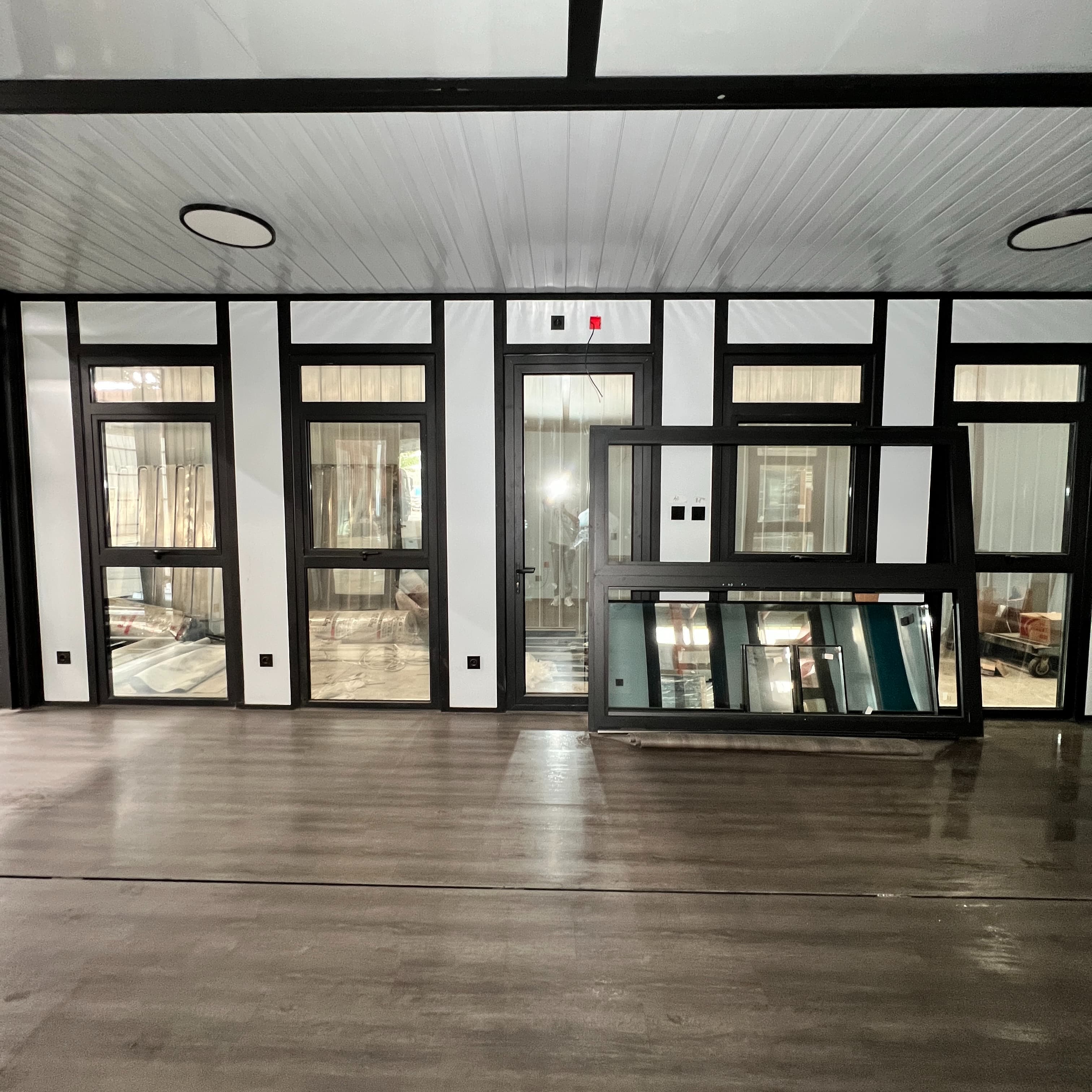
Open-plan living area demonstrates residential comfort in modular design
Kitchens That Inspire
Gone are the days of cramped container kitchens. Modern designs feature:
– Full-size European appliances (dishwashers, ovens, refrigerators)
– Stone or composite countertops matching Australian residential standards
– Custom cabinetry maximizing storage in compact spaces
– Integrated breakfast bars for casual dining
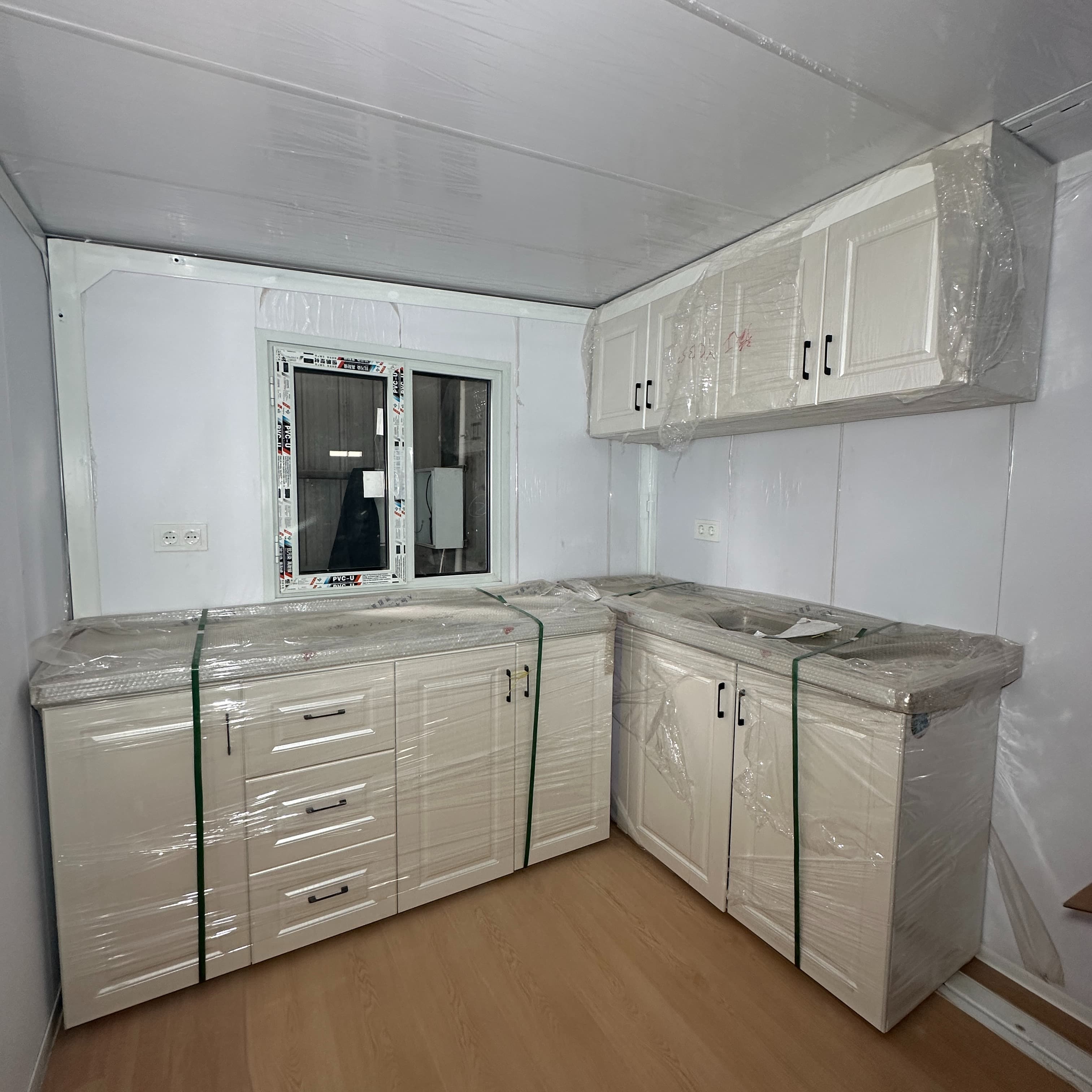
Chef-ready kitchen with premium appliances and stylish finishes
Luxury Bathrooms
Bathrooms incorporate high-quality fixtures often found in premium Australian homes:
– Full-size showers with glass screens and rainfall showerheads
– Water-saving toilets meeting Australian WELS standards
– Stylish vanities with stone tops
– Efficient ventilation systems preventing humidity buildup
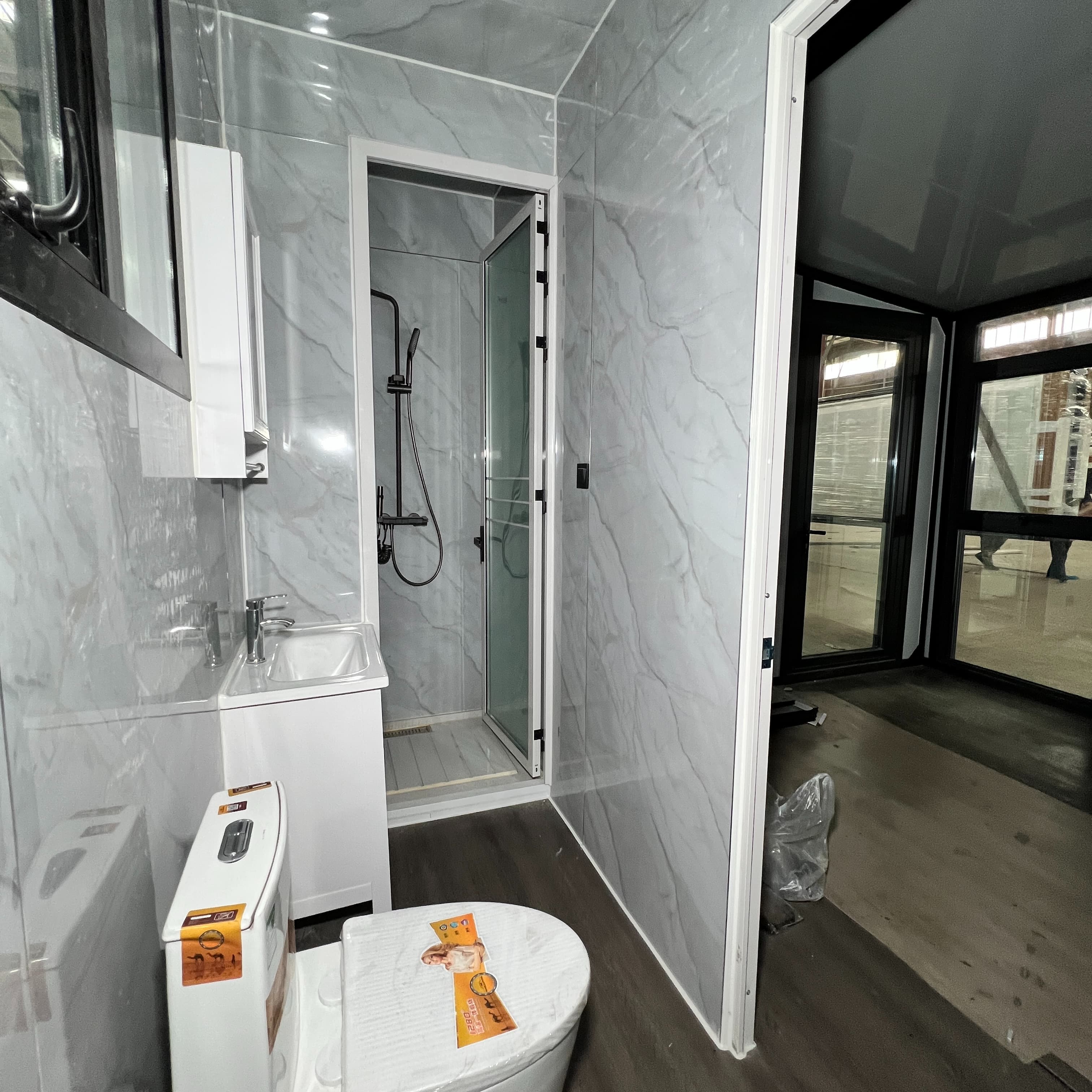
Spa-like bathroom with premium fixtures and intelligent space planning
Bedroom Sanctuaries
Bedrooms feature thoughtful design elements:
– Built-in wardrobes with sliding doors
– Sound insulation for peaceful sleep
– Large windows for natural light and ventilation
– Pre-wiring for entertainment systems
Tranquil bedroom maximizing comfort in compact footprint
Real-World Applications Across Australia
1. Residential Solutions
Granny Flats: In Sydney’s space-constrained suburbs, these provide independent living for elderly relatives while maintaining family proximity. The quick installation avoids lengthy council approvals often required for traditional extensions.
First Homes: For young Australians in Hobart or Darwin facing affordability challenges, container homes offer an accessible entry into property ownership with minimal debt.
Holiday Retreats: Imagine a coastal escape in Noosa or a mountain hideaway in the Blue Mountains – these homes create instant vacation properties without years of construction disruption.
2. Commercial Innovation
Pop-Up Retail: Melbourne’s laneway culture embraces temporary retail spaces. These containers transform into stylish boutiques or cafes, relocating as trends change.
Construction Site Offices: Major infrastructure projects like Melbourne’s Metro Tunnel utilize these as durable, relocatable site offices that withstand harsh conditions.
Tourism Accommodation: From eco-resorts in Tasmania to glamping sites in the Kimberley, these provide unique, low-impact tourist accommodations with minimal environmental footprint.
3. Community & Emergency Solutions
Disaster Relief: After Cyclone Yasi or Black Saturday bushfires, rapid deployment provided critical shelter while communities rebuilt.
Remote Housing: For indigenous communities in Central Australia or mining operations in the Pilbara, these offer dignified, climate-appropriate housing solutions.
School Classrooms: In rapidly growing suburbs like Brisbane’s outskirts, they provide temporary classrooms during school construction phases.
Customization: Your Vision, Our Execution
The true power of these container homes lies in their adaptability. Australian buyers can specify:
– Exterior finishes ranging from corrugated metal for industrial aesthetics to timber cladding for bushland harmony
– Roof styles (flat for urban settings, pitched for traditional appeal and rainwater harvesting)
– Window configurations maximizing views whether overlooking Sydney Harbour or the Great Barrier Reef
– Interior layouts from studio apartments to two-bedroom family homes
– Sustainability features including solar packages, composting toilets, and greywater systems
One notable project involved a winery in Barossa Valley: a double-wing container transformed into a tasting room with floor-to-ceiling windows overlooking vineyards – installed between grape harvest and vintage season without disrupting operations.
Important Considerations Before Purchase
While advantages abound, Australian buyers should consider:
Regulatory Compliance
Building regulations vary between Australian states and territories. In Victoria, these may be classified as caravans under certain conditions, while in Queensland, they might require building approvals. Always consult local authorities before purchase.
Site Preparation
While minimal site work is needed, factors like soil stability (especially in Perth’s sandy areas), drainage (crucial in tropical Queensland), and access for installation equipment must be evaluated.
Customization Costs
Standard models offer excellent value, but extensive customization (like premium appliances or specialized cladding) increases costs. Establish priorities and budget accordingly.
Long-Term Planning
Consider future needs: will the structure be permanent or temporary? Does it need to accommodate family growth? While relocation is possible, it involves transportation costs and potential site modifications.
The Australian Advantage: Why These Homes Thrive Down Under
Australia’s unique characteristics make it particularly suited to container home innovation:
- Geographic Scale: Vast distances between cities make prefabricated, transportable housing practical.
- Climate Diversity: From tropical Darwin to temperate Hobart, modular designs adapt through material specifications.
- Urban Density: Space constraints in Sydney and Melbourne maximize granny flat potential.
- Resource Awareness: Australian environmental consciousness drives sustainable building choices.
- Innovation Culture: Cities like Adelaide and Brisbane embrace progressive housing solutions.
Conclusion: The Future of Australian Living
The 40ft double-wing expansion container home represents more than just housing – it’s a paradigm shift in how Australians approach property development. From the red center to the golden coast, these structures offer solutions to pressing challenges: affordability, sustainability, and rapid urbanization. They embody the Australian spirit of innovation and adaptability, proving that world-class living doesn’t require traditional construction methods.
As we look toward Australia’s housing future, particularly in the face of climate change and population growth, these modular marvels stand ready to provide comfortable, resilient, and environmentally responsible shelter. Whether as a permanent residence in suburban Perth, a holiday retreat in Byron Bay, or emergency housing in disaster-prone regions, the 40ft container home has secured its place in the Australian architectural landscape – not as a temporary trend, but as a lasting solution for the way we live, work, and play in the 21st century.
For Australians seeking housing that combines cutting-edge design with practical functionality, the double-wing expansion container home offers an unparalleled opportunity to own property that’s as mobile as it is magnificent, as sustainable as it is spacious, and uniquely suited to the Australian way of life.
本文由人工智能技术生成,基于公开技术资料和厂商官方信息整合撰写,以确保信息的时效性与客观性。我们建议您将所有信息作为决策参考,并最终以各云厂商官方页面的最新公告为准。