
摘要: Discover the eco-friendly features of a revolutionary 40-foot double-wing expansion container house, designed for sustainable living with recyclable materials, energy efficiency, and zero-waste construction. Perfect for Canada’s diverse landscapes, this modular marvel combines rapid deployment with luxurious, customizable spaces.
In an era where environmental consciousness shapes modern architecture, innovative solutions like the 40-foot customized double-wing expansion container house are transforming sustainable living across Canada. From the rugged terrains of British Columbia to the urban landscapes of Toronto, these eco-friendly structures offer a harmonious blend of functionality, aesthetics, and planetary responsibility. Let’s explore how this modular marvel is setting new standards for green construction.
The Eco-Revolution: Why Container Houses Lead Sustainable Design
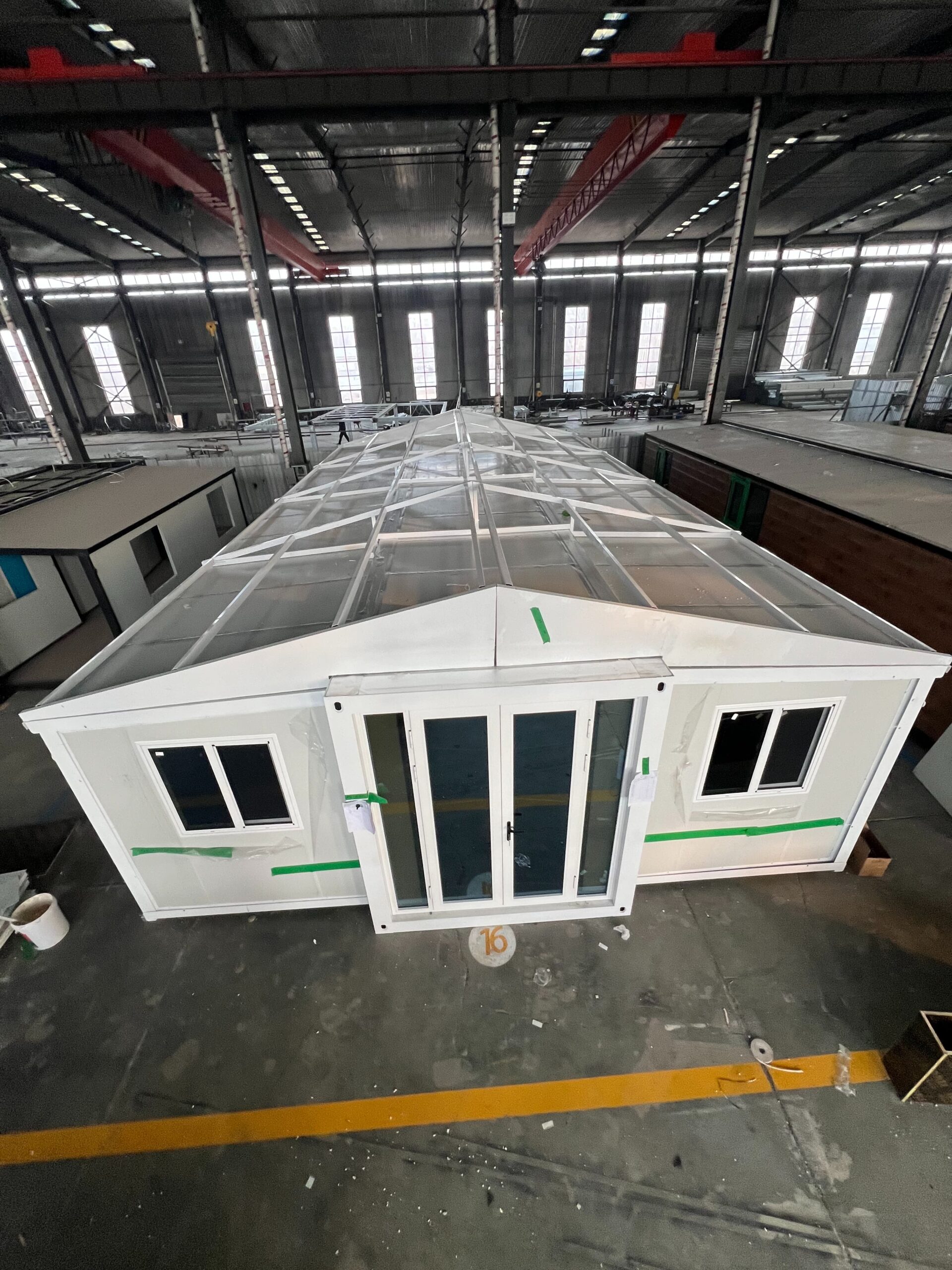
Traditional construction generates staggering waste – up to 40% of landfill content in developed nations. Container houses flip this narrative by repurposing industrial shipping containers, preventing tons of steel from entering waste streams. The 40-foot double-wing model takes this further with its transformative design: folded compactly during transport to minimize carbon footprint, then expanding to create spacious living areas without new materials. This “fold-and-expand” philosophy embodies the core of eco-friendly architecture – doing more with less.
But sustainability isn’t just about recycling. It’s about creating energy-efficient, healthy spaces. This container house integrates cutting-edge eco-features that reduce environmental impact while enhancing occupant comfort – a perfect match for Canada’s commitment to green building practices under programs like LEED and Net Zero Energy Home standards.
Core Eco-Friendly Features: Green Engineering in Action
1. Recyclable & Low-Impact Materials
The framework uses hot-dip galvanized steel – 100% recyclable at end-of-life – creating a circular economy backbone. Insulation employs either polyurethane (with zero ozone-depleting agents) or rock wool (made from volcanic rock and recycled slag), both offering exceptional thermal performance. Wall panels utilize formaldehyde-free composite boards, ensuring indoor air quality remains pristine. Even the optional carbon fiber composite components provide lightweight strength with lower embodied energy than conventional materials.
2. Energy Efficiency Masterclass
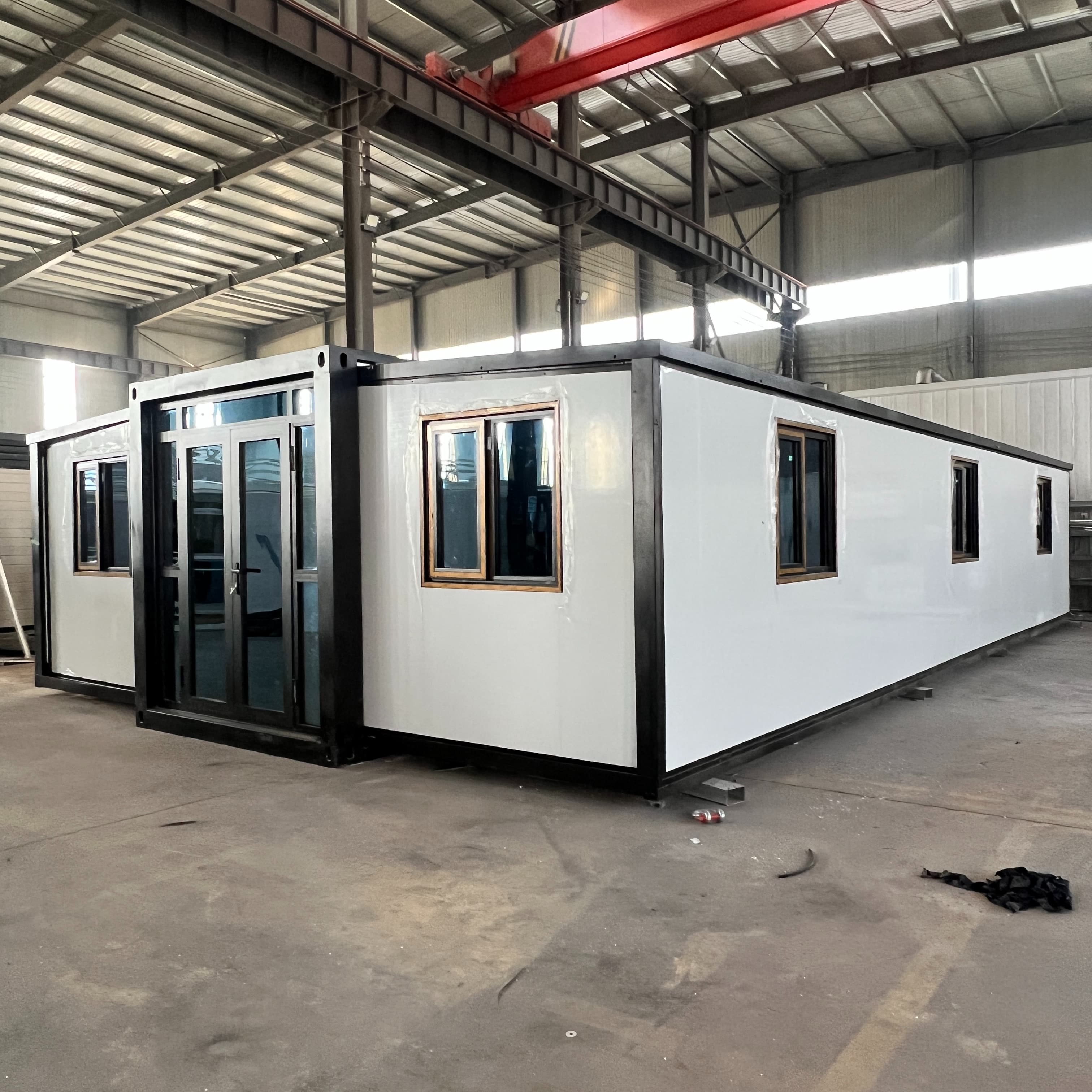
Thermal bridging is eliminated through advanced sealing techniques, while Low-E double-glazed aluminum windows maximize solar gain in winter and minimize heat transfer in summer. The insulation layer (R-15 equivalent in walls, R-30 in roof) slashes heating/cooling demands by up to 50% compared to traditional structures. Pre-installed solar-ready wiring allows seamless integration of photovoltaic panels, turning these units into net-zero energy homes – especially valuable in remote Canadian off-grid communities.
3. Water Conservation Systems
Standard configurations include low-flow fixtures and dual-flush toilets, reducing water consumption by 35%. Greywater recycling options can be factory-integrated, directing sink/shower water for landscape irrigation. Rainwater harvesting systems are easily added via modular roof connections, crucial for water-scarce regions like the Okanagan Valley in British Columbia.
Smart Expansion: Space Efficiency Meets Ecology
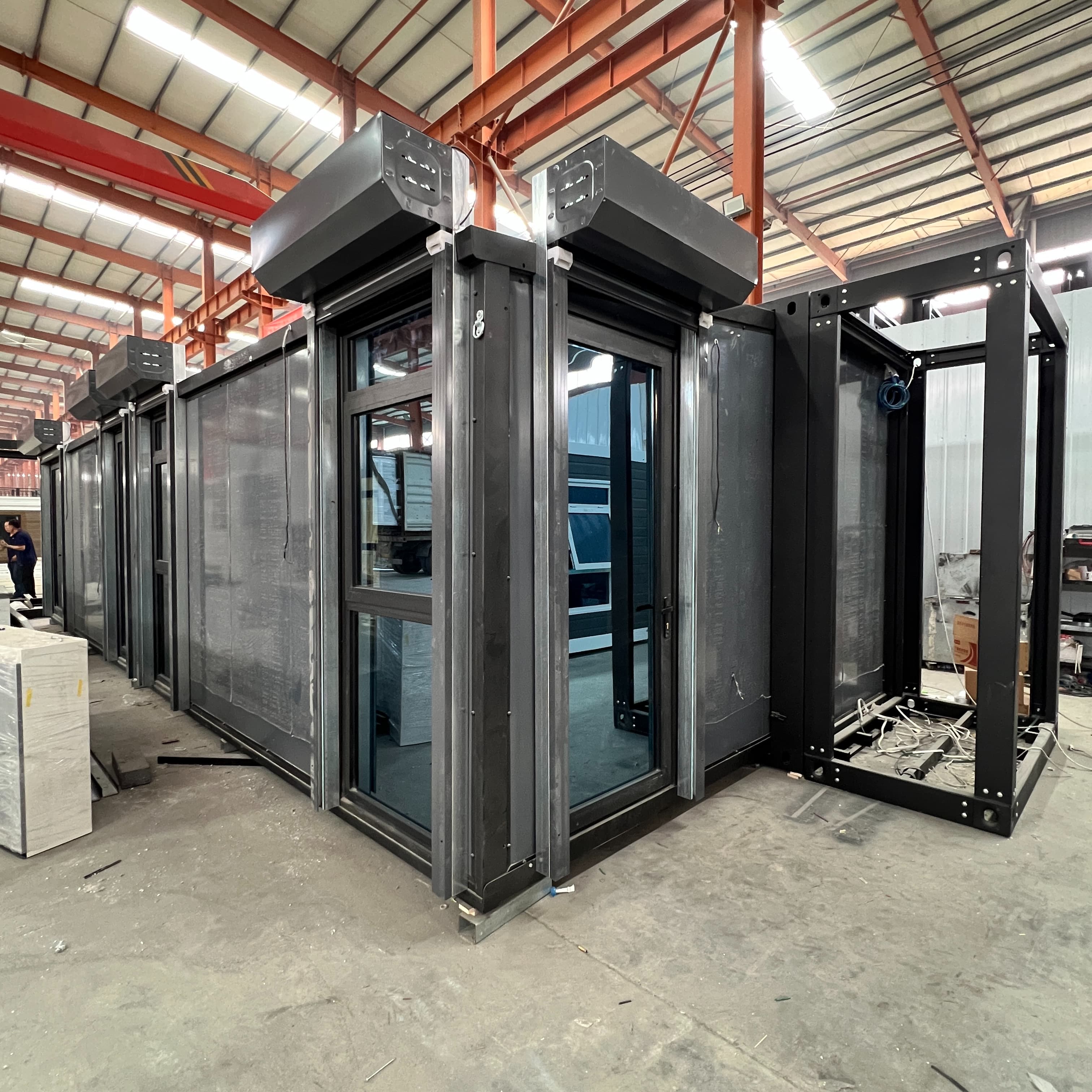
The double-wing mechanism isn’t just innovative – it’s inherently sustainable. By expanding 70-80% in usable space without additional foundation work, it minimizes land disturbance. Folded dimensions (11.8m x 2.2m x 2.48m) allow transport via standard trucks, reducing logistics emissions. Once deployed, the 11.8m x 6.24m footprint creates spacious interiors while preserving surrounding ecosystems – a vital consideration in sensitive environments like Banff National Park or the Laurentian Mountains.
Single vs. Double-Wing: Eco-Flexibility
While the double-wing maximizes space for families or offices, the single-wing variant (expanding 1.5x) offers lighter environmental impact for smaller footprints. Its reduced material use makes it ideal for eco-tourism lodges in Algonquin Park or research stations in the Arctic, where minimal site disruption is paramount. Both versions share the same sustainable DNA: factory-built with 85% completion, drastically reducing on-site waste and pollution.
Inside the Green Living Experience
Step inside to discover how sustainability translates to daily living:
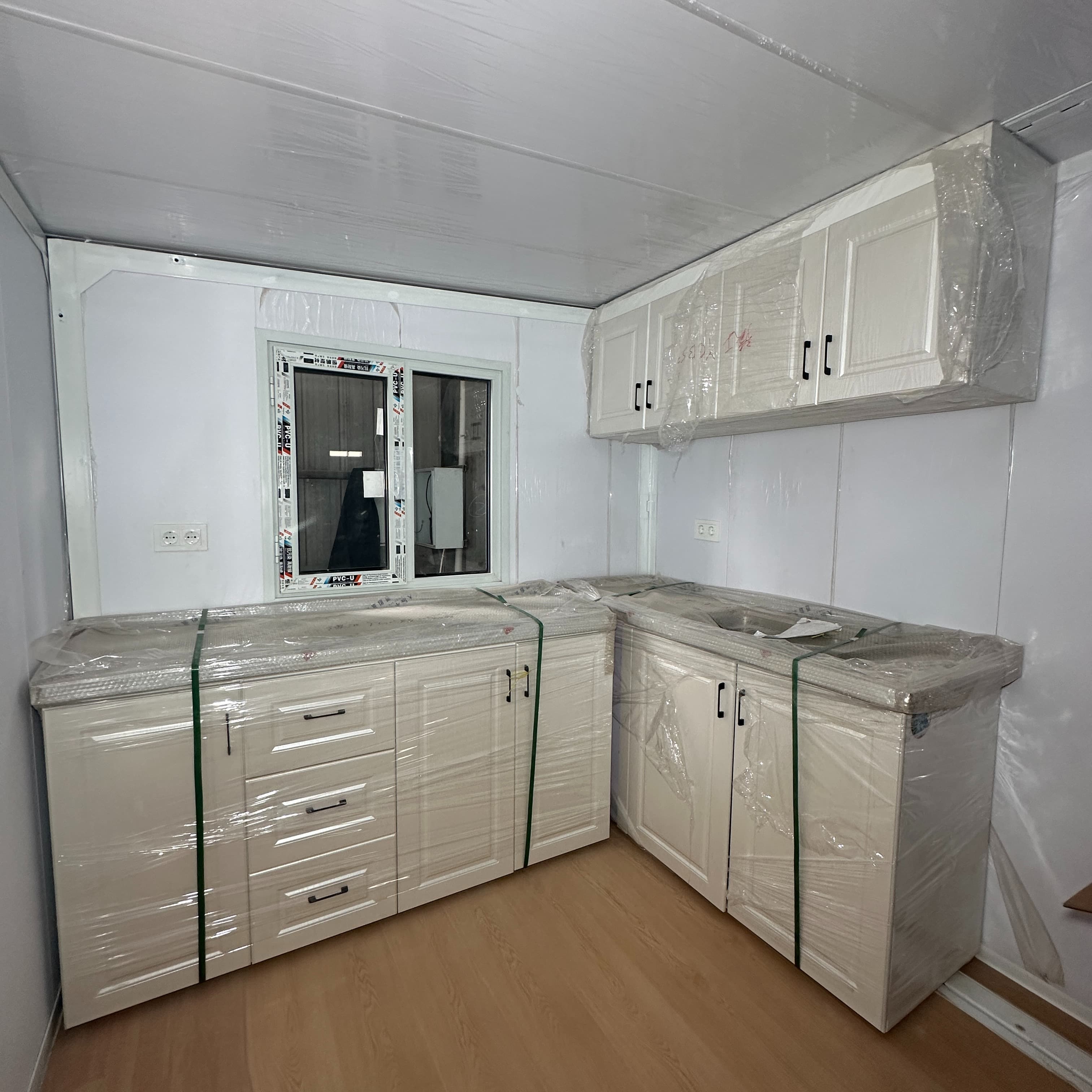
- Kitchen: Features energy-efficient appliances, recycled glass countertops, and non-toxic cabinetry finishes. The modular design allows composting systems integration.
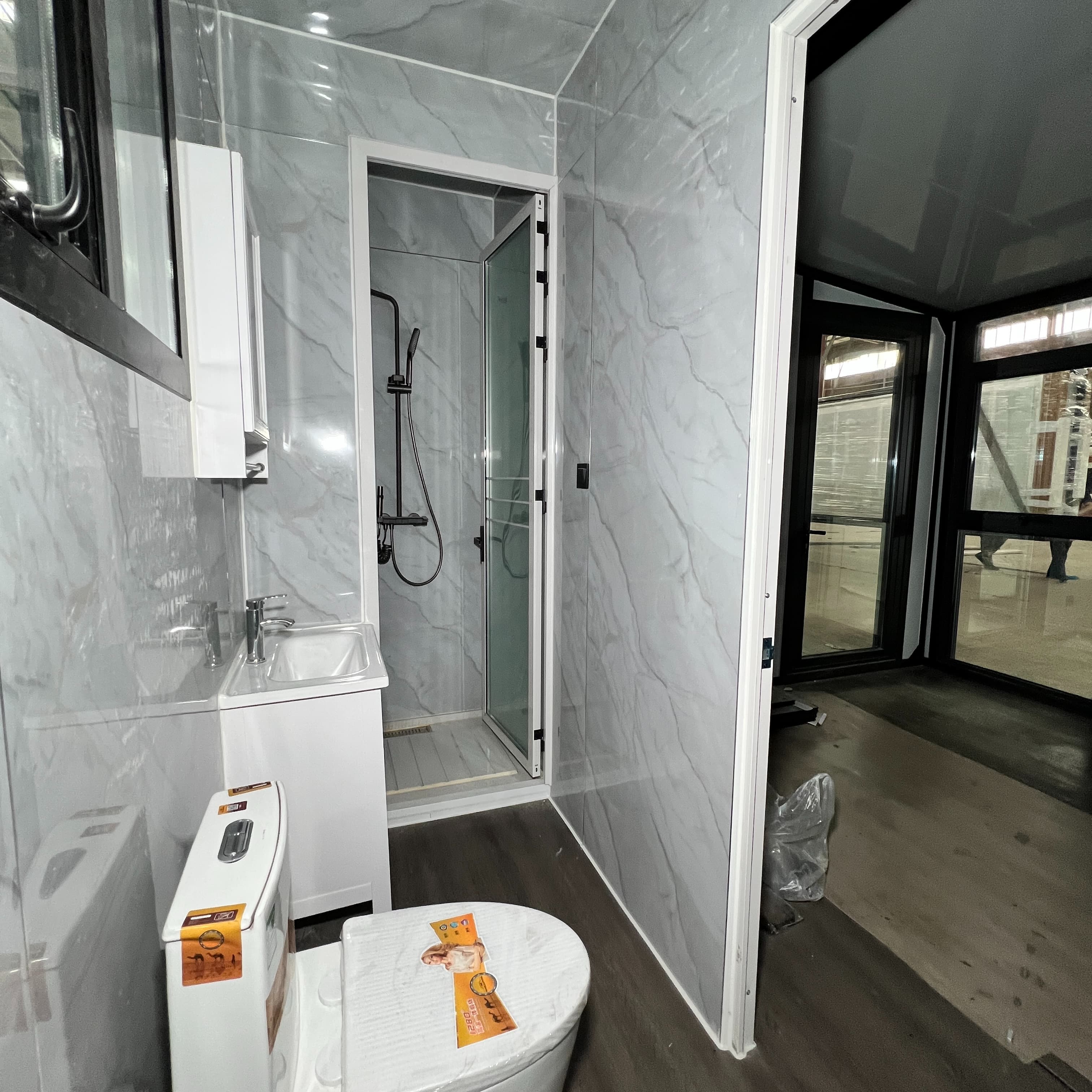
- Bathroom: Equipped with water-saving fixtures, LED lighting, and ventilation systems preventing mold without harsh chemicals.
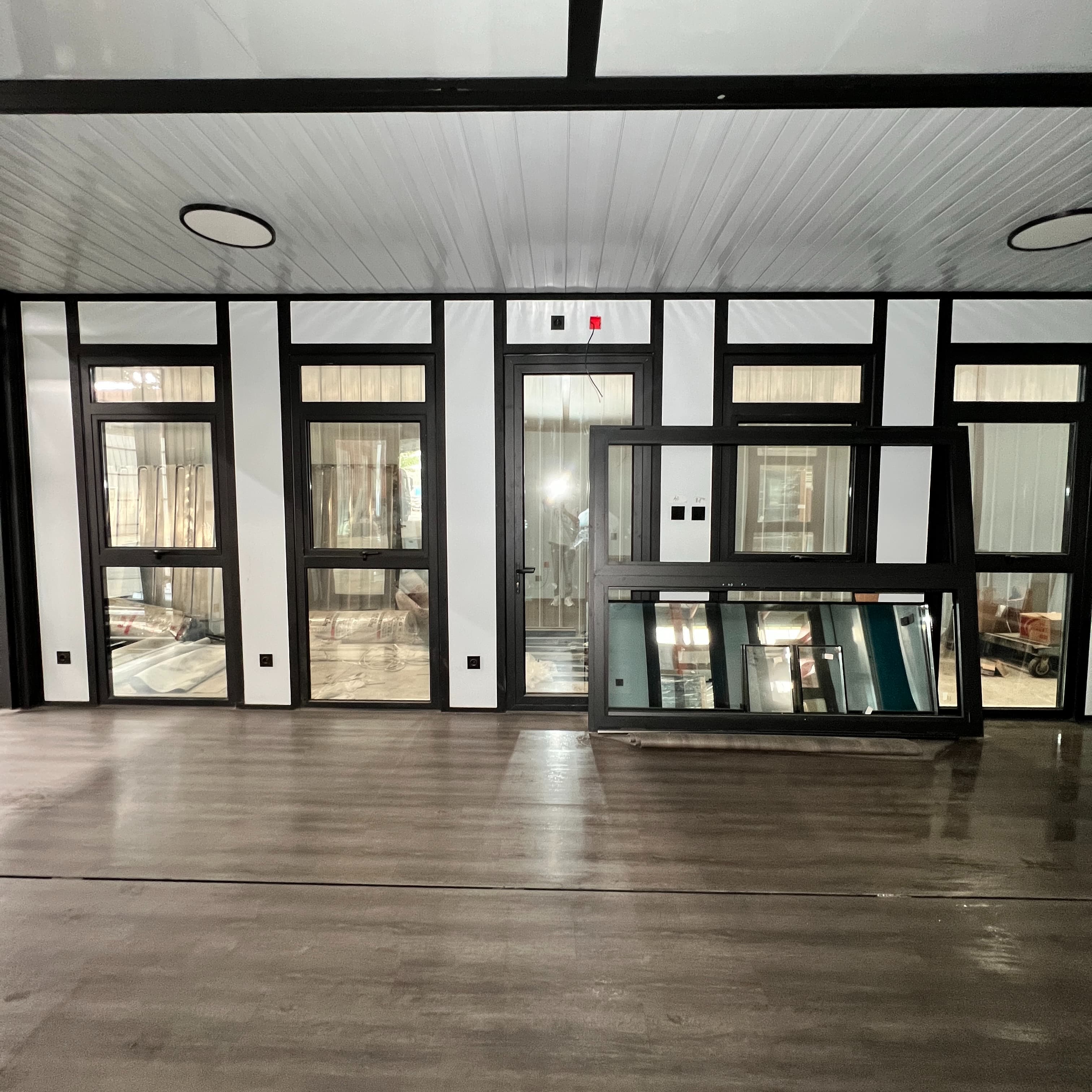
- Living Spaces: Open layouts maximize natural light, reducing daytime electricity needs. Large windows frame nature views, strengthening occupants’ environmental connection.
Deployment Advantages: Speed Meets Sustainability
Traditional construction can take months, generating continuous noise, dust, and emissions. This container house changes the game:
- 95% Factory Completion: Assembly occurs in controlled environments, minimizing waste and energy use. Transported near-complete, on-site work drops to hours, not weeks.
- No Foundation Required: Adjustable footings or helical piles eliminate concrete use, preserving soil health and allowing relocation without ecological damage.
- Rapid Deployment: Perfect for disaster relief in climate-vulnerable areas like Atlantic Canada or wildfire zones, providing safe shelter within days while rebuilding sustainably.
Real-World Eco-Applications Across Canada
1. Off-Grid Wilderness Retreats
In places like Tofino or Whistler, these units serve as eco-lodges with minimal environmental footprints. Solar panels, composting toilets, and rainwater systems create self-sufficient sanctuaries that protect fragile coastal and mountain ecosystems.
2. Urban Sustainable Housing
Montreal and Vancouver are integrating container houses into laneway infill projects, utilizing existing infrastructure while adding density. Their thermal efficiency helps cities meet climate targets, and modular construction reduces neighborhood disruption.
3. Mobile Eco-Businesses
From Calgary’s pop-up farmers’ markets to Toronto’s green festivals, these units serve as zero-waste cafes or educational hubs. Custom branding transforms them into mobile ambassadors for sustainability.
Environmental Impact: By the Numbers
- 70% less construction waste vs. traditional buildings
- 50% reduction in energy consumption through passive design
- 90% recyclable materials at end-of-life
- 60% lower embodied carbon footprint
- 80% less site disturbance during deployment
Future-Proofing: Adapting to Climate Challenges
As Canada faces increasing climate extremes, these structures offer resilience. Their steel frames withstand 8+ magnitude earthquakes and 12-grade winds – crucial in regions like Quebec or the Prairies. Superior insulation handles temperature swings from -40°C in Yukon to +40°C in southern Ontario, reducing reliance on fossil fuels. The modular design allows future upgrades like green roofs or advanced water systems as technologies evolve.
Conclusion: A Blueprint for Sustainable Living
This 40-foot double-wing expansion container house isn’t just architecture – it’s a climate solution. By prioritizing recyclable materials, energy efficiency, and minimal ecological disruption, it demonstrates how human habitats can coexist with nature. Whether as a family home in Ontario, a research station in Nunavut, or an eco-resort in the Rockies, it embodies Canada’s green future: innovative, responsible, and utterly livable. For anyone seeking to reduce their environmental footprint without sacrificing comfort or style, this eco-friendly marvel offers the path forward.
本文由人工智能技术生成,基于公开技术资料和厂商官方信息整合撰写,以确保信息的时效性与客观性。我们建议您将所有信息作为决策参考,并最终以各云厂商官方页面的最新公告为准。