
Discover the ultimate off-grid living solution with a 40-foot customized double-wing expansion container house, complete with a solar power system setup. This modular marvel offers rapid deployment, eco-friendly materials, and versatile applications across Australia’s diverse landscapes. Learn how its innovative design combines sustainability, mobility, and luxury for off-grid homes, resorts, and emergency shelters.
In the sun-drenched expanses of Australia, where off-grid living meets cutting-edge design, the 40-foot customized double-wing expansion container house emerges as a game-changer. This architectural marvel redefines sustainable living, blending mobility, luxury, and resilience with a state-of-the-art solar power system setup. Whether nestled in the Outback, perched along the Great Ocean Road, or overlooking the Whitsundays, this modular structure offers unparalleled freedom for eco-conscious adventurers, resort developers, and emergency responders. Let’s explore how this innovative dwelling transforms off-grid living through its ingenious design, solar integration, and unmatched adaptability.
The Double-Wing Expansion: Engineering Meets Elegance
At first glance, the 40-foot double-wing container house appears as a standard shipping container—compact, sturdy, and ready for transport. But unfold its “wings,” and it blossoms into a spacious sanctuary, expanding its usable area by 70-80% to create a sprawling 11800x6240mm living space. This metamorphosis is made possible by its patented folding mechanism, where两侧翼板 (side panels) extend outward like an eagle taking flight, transforming a compact unit into a luxurious one- or two-bedroom haven.
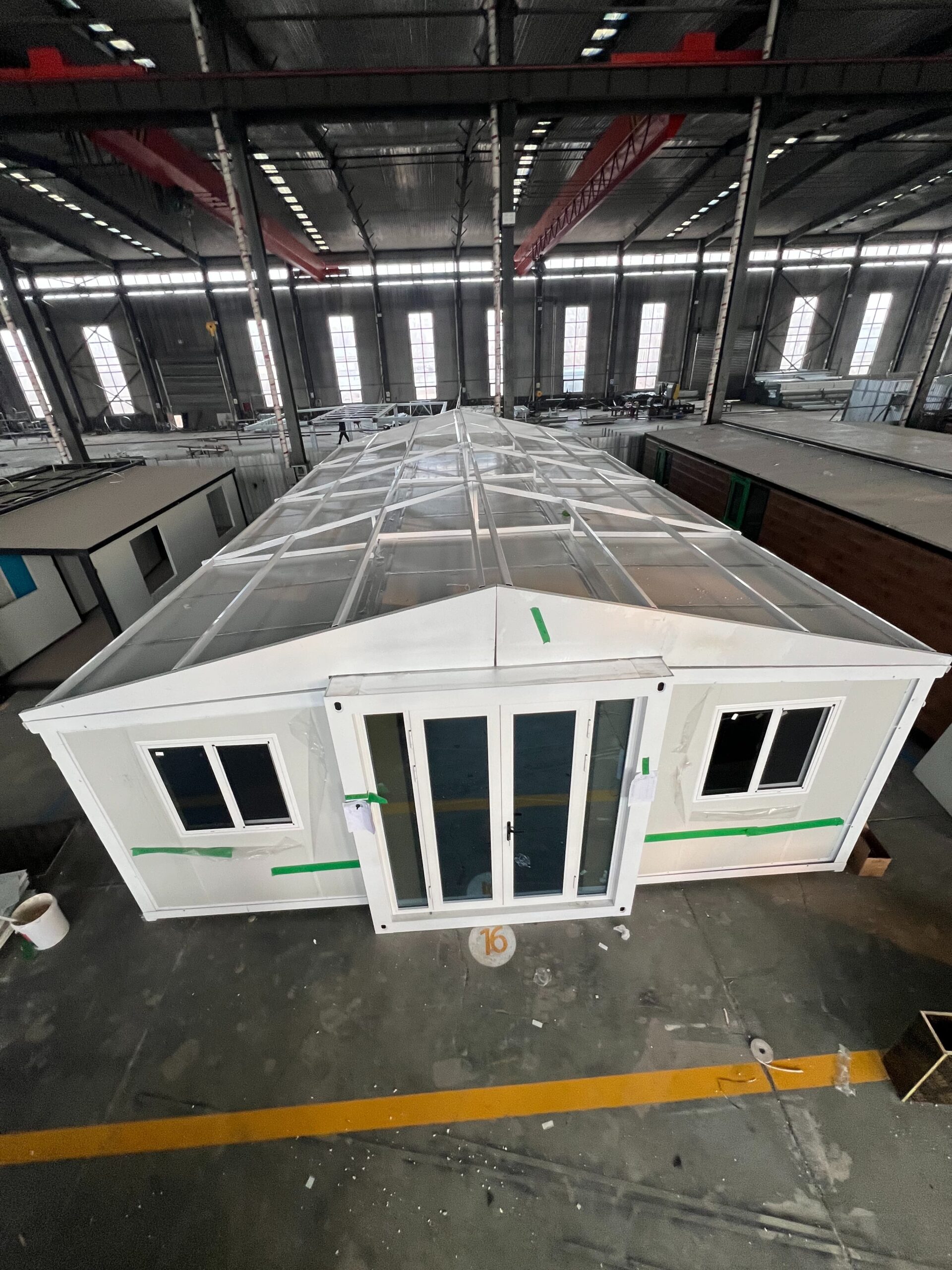
Figure 1: The double-wing flat-top model unfolded in Australia’s rugged terrain, showcasing its seamless integration with nature.
Structurally, the house boasts a hot-dip galvanized steel frame reinforced with carbon fiber composites in premium models. This isn’t just about durability—it’s about defying Australia’s harsh conditions. From cyclonic winds in Queensland to seismic shifts in Victoria, the frame withstands 8-grade earthquakes and 12-grade gales. The walls feature polyurethane or rock wool insulation (50-100mm thickness), maintaining comfortable interiors despite desert heat or alpine chills. For aesthetics, customizable façades mimic timber, stone, or contemporary finishes, ensuring the house complements environments from Bondi Beach to the Blue Mountains.
Solar Power System Setup: The Heart of Off-Grid Independence
What truly sets this container house apart is its integrated off-grid solar power system, engineered for Australia’s abundant sunshine. Unlike retrofitted solutions, this system is factory-installed with 95% completion, minimizing on-site labor. Here’s how it works:
1. Solar Array Configuration
The flat-top model (standard) accommodates up to 8kW of photovoltaic panels, while the pitched-roof variant optimizes sun exposure with adjustable tilt angles. Using monocrystalline PERC panels (22% efficiency), the system generates 30-40 kWh daily—sufficient to power air conditioning, kitchen appliances, and electronics. For remote Australian locations like the Kimberley or Tasmania, bifacial panels capture reflected light from surrounding terrain, boosting yield by 15%.
2. Energy Storage & Management
A lithium iron phosphate (LiFePO4) battery bank (10-20 kWh capacity) stores excess energy, providing 3-5 days of autonomy during cloudy weather. The smart inverter prioritizes solar usage, automatically switching to batteries or a backup generator if needed. For Australian summers, where temperatures soar, the system includes thermal management to prevent battery degradation. Real-time monitoring via a mobile app lets users track energy production and consumption from Uluru to the Sydney Opera House.
3. Plug-and-Play Installation
Factory pre-wiring means the solar system activates within hours of deployment. Panels fold during transport and unfold with the house, eliminating manual mounting. This efficiency is critical for projects in remote areas like Kakadu National Park, where logistics are challenging. The entire setup—panels, batteries, and inverters—fits within the folded container, reducing transport costs by 40% compared to traditional builds.
4. Eco-Efficiency & Cost Savings
With solar covering 90% of energy needs, residents save $3,000-$5,000 AUD annually on grid power. The system’s carbon footprint is 70% lower than diesel generators, aligning with Australia’s Renewable Energy Target (RET). For resorts in Lord Howe Island or eco-lodges in Daintree Rainforest, this sustainability becomes a marketing goldmine.
Single vs. Double-Wing: Tailoring to Australian Lifestyles
While the double-wing model excels in luxury, the single-wing variant offers a streamlined solution for smaller footprints. Ideal for solo travelers or temporary work sites, it expands 1.5-2x post-deployment, reaching 11800x3000mm. Both models share core features:
- Rapid Deployment: Unfolds in 2-4 hours using a crane or forklift.
- Modular Flexibility: Units can connect horizontally or vertically to create complexes.
- Interior Customization: Open-plan layouts with no pillars maximize space (90% utilization).
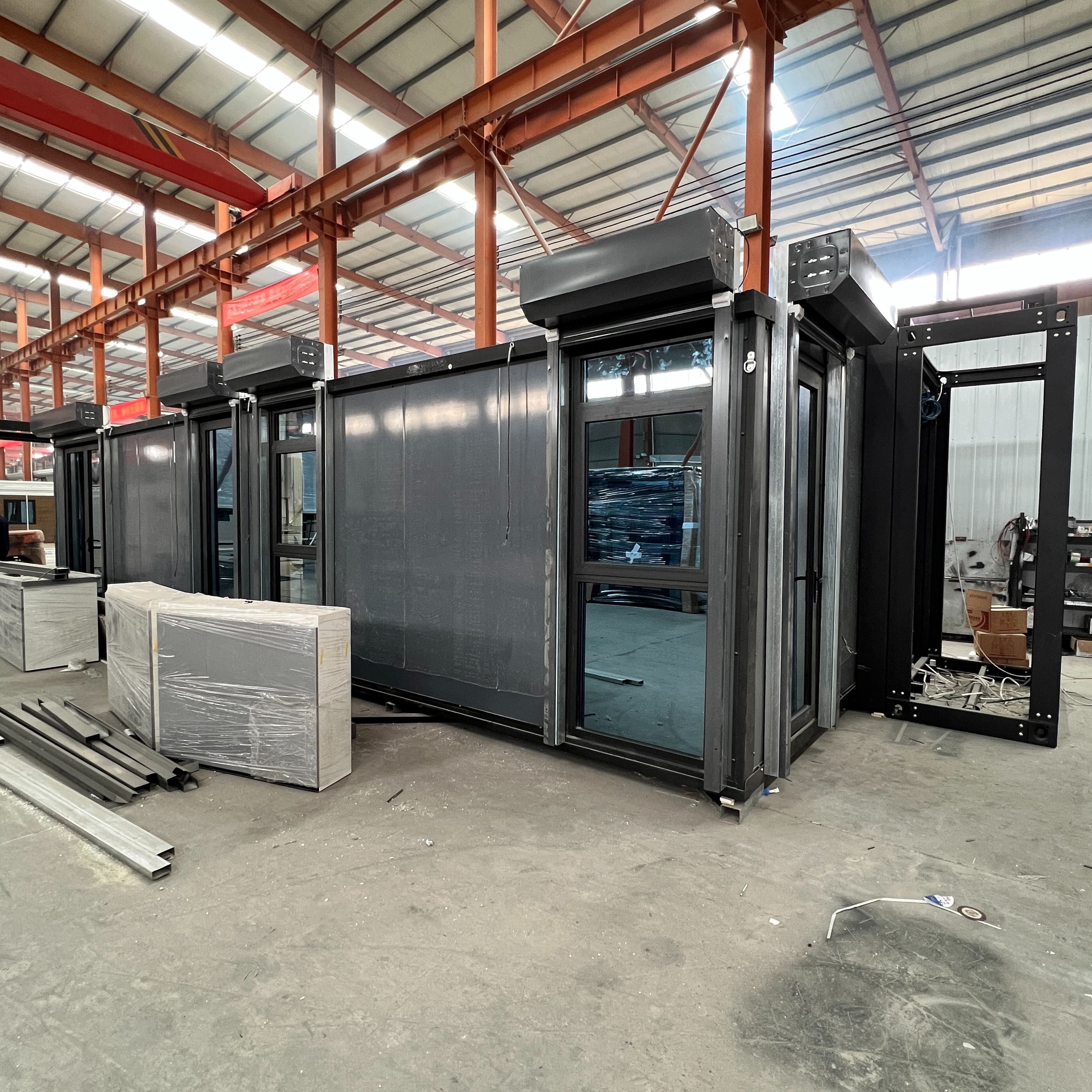
Figure 2: The single-wing model’s interior, featuring a modern kitchen and living space optimized for Australian coastal living.
Kitchen & Bathroom Integration
Every unit includes a fully equipped kitchen and bathroom, pre-installed during factory fabrication. Kitchens feature stainless steel countertops, induction cooktops, and energy-efficient refrigerators—perfect for preparing fresh barramundi or bush tucker. Bathrooms come with water-saving fixtures, composting toilets, and solar-heated showers, reducing reliance on external utilities. For luxury resorts in Noosa or Margaret River, upgrades include stone vanities and rain showers.
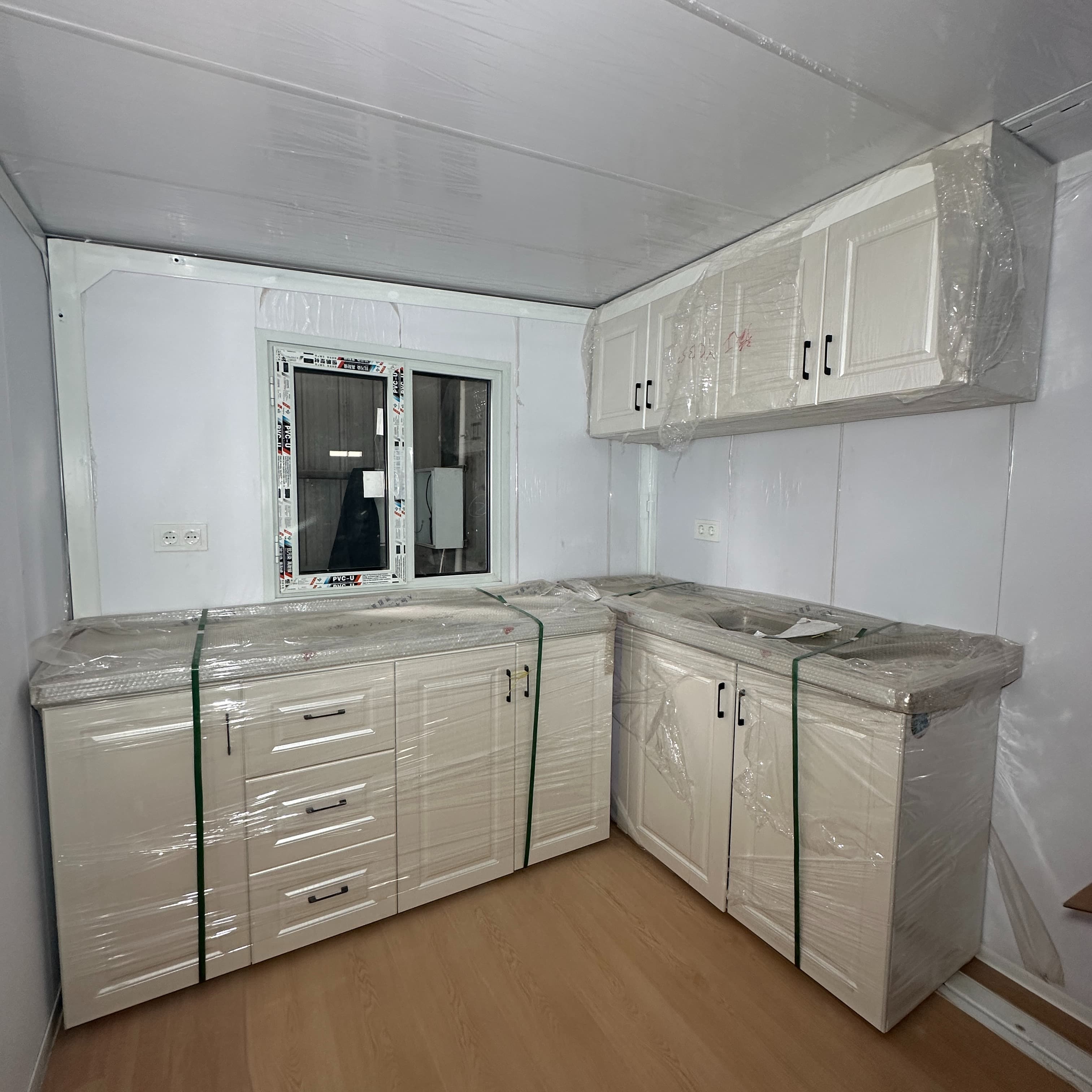
Figure 3: Factory-fitted kitchen using sustainable materials, designed for Australian off-grid living.
Advantages That Redefine Off-Grid Living
This container house isn’t just a structure—it’s a lifestyle enabler. Here’s why Australians are embracing it:
1. Unmatched Mobility & Speed
Traditional builds in Australia take 6-12 months; this unit deploys in under 24 hours. Its folded size (11800x2200x2480mm) complies with road transport regulations, allowing relocation from Perth mines to Byron Bay festivals without permits. For disaster response in bushfire-prone areas like New South Wales, rapid deployment saves lives.
2. Eco-Sustainability
Beyond solar power, the house uses recyclable materials (90% steel recyclability) and low-VOC paints. Insulation reduces HVAC energy use by 40%, critical in Australia’s climate extremes. Rainwater harvesting systems can be added, making it self-sufficient in drought-affected regions.
3. Cost Efficiency
Compared to site-built homes, costs drop 30-40% due to factory precision and reduced labor. Maintenance is minimal—galvanized steel resists rust, and modular components replace easily. For farmers in the Murray-Darling Basin or tourism operators in Tasmania, this means faster ROI.
4. Resilience & Safety
With fire-resistant materials (rock wool insulation) and cyclone-rated engineering, the house withstands Australia’s natural disasters. In flood-prone areas like Queensland, elevated foundations keep it dry. Security features include reinforced doors and shatter-proof windows.
Applications Across Australia: From Resorts to Research Stations
This container house’s versatility shines in diverse Australian contexts:
Luxury Eco-Resorts
Imagine a cluster of double-wing units overlooking Hamilton Island, each with private decks and panoramic windows. Their solar-powered luxury attracts eco-tourists willing to pay premiums for sustainability. Customizable aesthetics—think corrugated iron for Outback charm or timber cladding for rainforest elegance—blend with surroundings.
Remote Work & Research
For scientists in the Australian Antarctic Territory or miners in the Pilbara, these units provide comfortable, off-grid bases. Solar systems power labs, while modular designs allow expansion as teams grow. In the Nullarbor Desert, they serve as weather stations or wildlife observatories.
Emergency & Humanitarian
During floods in Lismore or fires in Adelaide Hills, rapid-deployment units offer immediate shelter. Solar power ensures medical equipment and communication stay operational when grids fail. Their mobility aids recovery efforts across vast distances.
Commercial & Retail
In Melbourne’s laneways or Surfers Paradise, pop-up stores use single-wing units as mobile shops. Solar-powered lighting and POS systems operate without grid reliance, perfect for events or seasonal markets.
Setting Up Your Off-Grid System: A Practical Guide
Integrating solar power requires planning. Here’s a step-by-step approach for Australian conditions:
Step 1: Assess Energy Needs
Calculate daily usage: Air conditioning (3-5 kWh/day), refrigerator (1.5 kWh), lighting (0.5 kWh), etc. Tools like the Australian PV Institute’s SunSPOT help size systems based on location.
Step 2: Optimize Panel Placement
In northern Australia (Darwin), tilt panels at 10-15° to capture overhead sun. In southern areas (Hobart), 30-40° angles maximize winter yield. Avoid shading from trees or hills.
Step 3: Battery Sizing
For a family of four, 15 kWh batteries suffice. Use LiFePO4 for longevity (4,000+ cycles) and safety. In cyclone zones, secure batteries in reinforced compartments.
Step 4: Regulatory Compliance
Follow Australian Standards (AS/NZS 5033) for solar installations. In remote Indigenous communities, engage local councils for land-use approvals. Grid-connected systems may require utility agreements.
Step 5: Maintenance
Clean panels quarterly (more in dusty areas like Broken Hill). Check battery health annually. Most systems include 10-year warranties, with Australian support networks in Sydney, Brisbane, and Perth.
Considerations & Best Practices
While the double-wing container house offers incredible benefits, keep these factors in mind:
- Customization Costs: Premium materials (e.g., carbon fiber) or complex layouts increase prices. Balance desires with budget.
- Transport Logistics: Remote areas may require special permits. Plan routes avoiding low bridges or narrow roads.
- Local Regulations: In heritage zones (e.g., Port Arthur), aesthetic controls may apply. Consult councils before deployment.
- Long-Term Durability: Coastal areas (Cairns) demand extra corrosion protection. Specify marine-grade steel if near oceans.
- Solar Expansion: Design systems with 20% extra capacity for future needs (e.g., EV chargers).
Conclusion: The Future of Australian Living
The 40-foot double-wing expansion container house, paired with an off-grid solar power system, isn’t just a building—it’s a revolution in how Australians inhabit their vast, beautiful, and often challenging landscape. From the red sands of Uluru to the turquoise waters of the Great Barrier Reef, this structure offers freedom without sacrifice: luxury without waste, mobility without compromise. As Australia strides toward a net-zero future, such innovations embody the nation’s pioneering spirit—resilient, sustainable, and unapologetically bold. Whether you’re a resort developer, a farmer, or an off-grid dreamer, this container house turns the sun-drenched Australian horizon into a place called home.
本文由人工智能技术生成,基于公开技术资料和厂商官方信息整合撰写,以确保信息的时效性与客观性。我们建议您将所有信息作为决策参考,并最终以各云厂商官方页面的最新公告为准。