
Discover the innovative 20-foot double-wing expansion container home, featuring sustainable materials, rapid deployment, and versatile applications. Explore how this eco-friendly modular building solution is revolutionizing housing in Australia with its energy-efficient design, customizable layouts, and resilience against extreme weather conditions.
In the evolving landscape of sustainable architecture, Australia has emerged as a global pioneer in reimagining container homes. Today, we’re diving deep into one of the most groundbreaking innovations: the 20-foot customized double-wing expansion room. This marvel of modular design isn’t just a structure – it’s a testament to how sustainability, functionality, and aesthetics can harmoniously coexist in modern housing solutions. As we explore its features, you’ll discover why this eco-friendly dwelling is capturing attention from Sydney’s urban planners to the Outback’s remote communities.
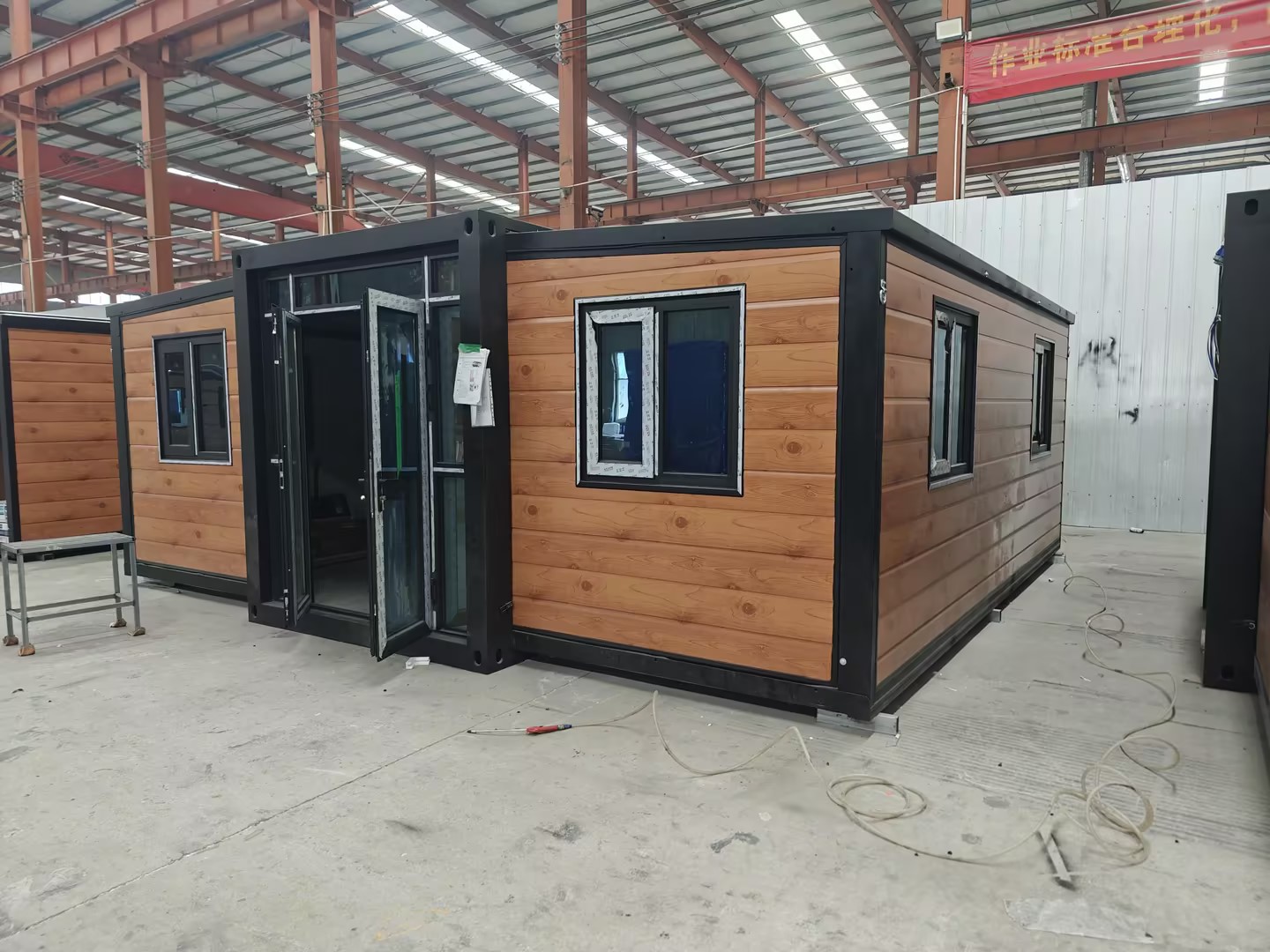
The Genesis of Sustainable Container Living
Before we unpack the specifics of this double-wing marvel, let’s contextualize its place in Australia’s sustainable housing movement. With climate change concerns mounting and urban density increasing, Aussies have been seeking alternatives to traditional construction. Container homes emerged as a solution, but early designs often sacrificed livability for sustainability. That’s where the double-wing expansion concept changes the game – it addresses the core challenge of container living: spatial limitations.
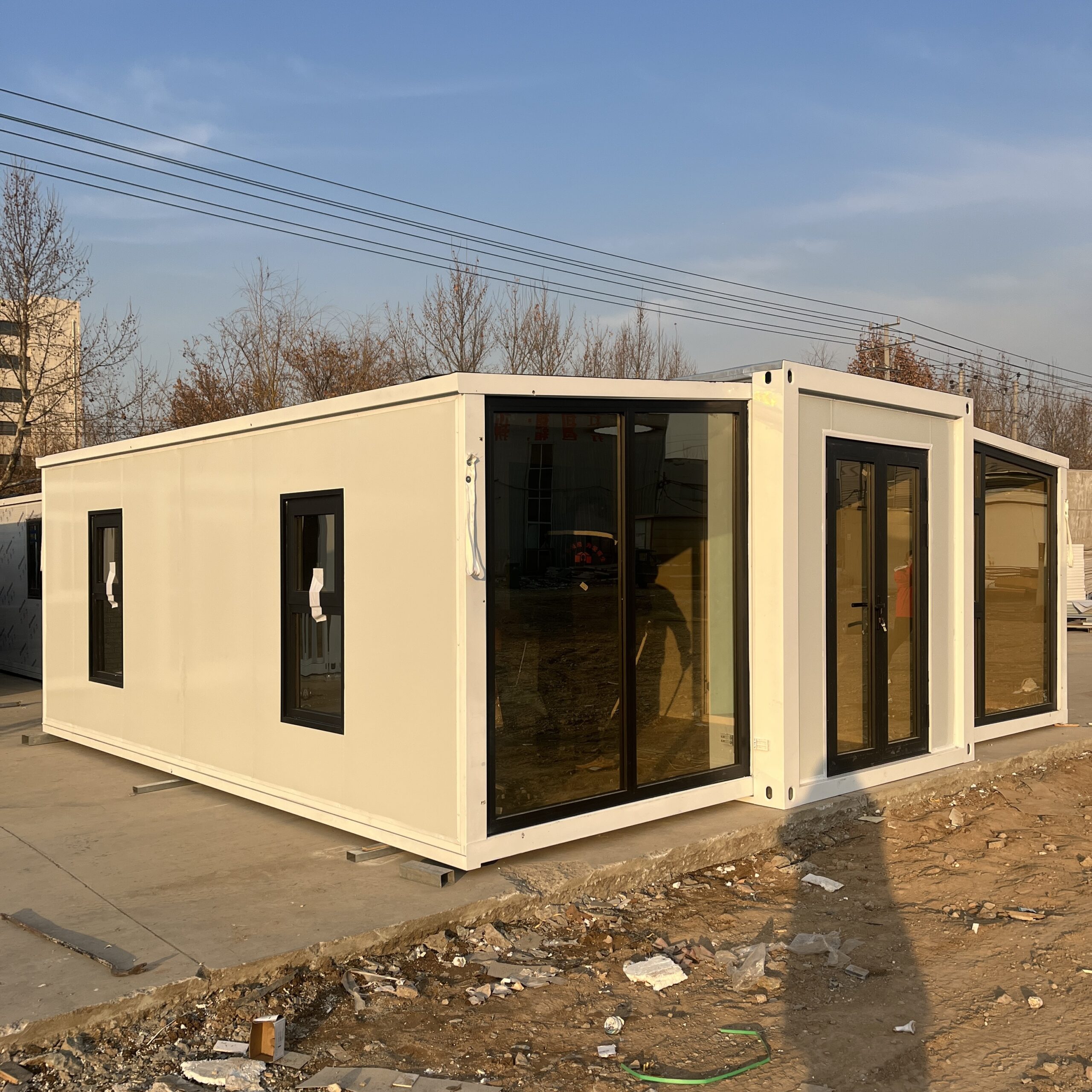
This 20-foot unit transforms from a compact transportable module into a spacious dwelling through its ingenious wing-like extensions. When folded, it maintains standard container dimensions (2200x5900x2480mm), making it road-transportable across Australia’s vast landscapes. Upon arrival, these “wings” unfold to expand the living area by up to 80%, creating a 6340x5900x2480mm space that rivals conventional studio apartments. This adaptability makes it perfect for everything from Adelaide’s suburban infill projects to Darwin’s temporary worker accommodations.
Core Sustainable Features Redefining Green Living
What truly sets this double-wing container apart is its comprehensive approach to sustainability. Every element has been meticulously designed to minimize environmental impact while maximizing human comfort – a balance that Australian eco-conscious homeowners demand.
1. Eco-Conscious Material Selection
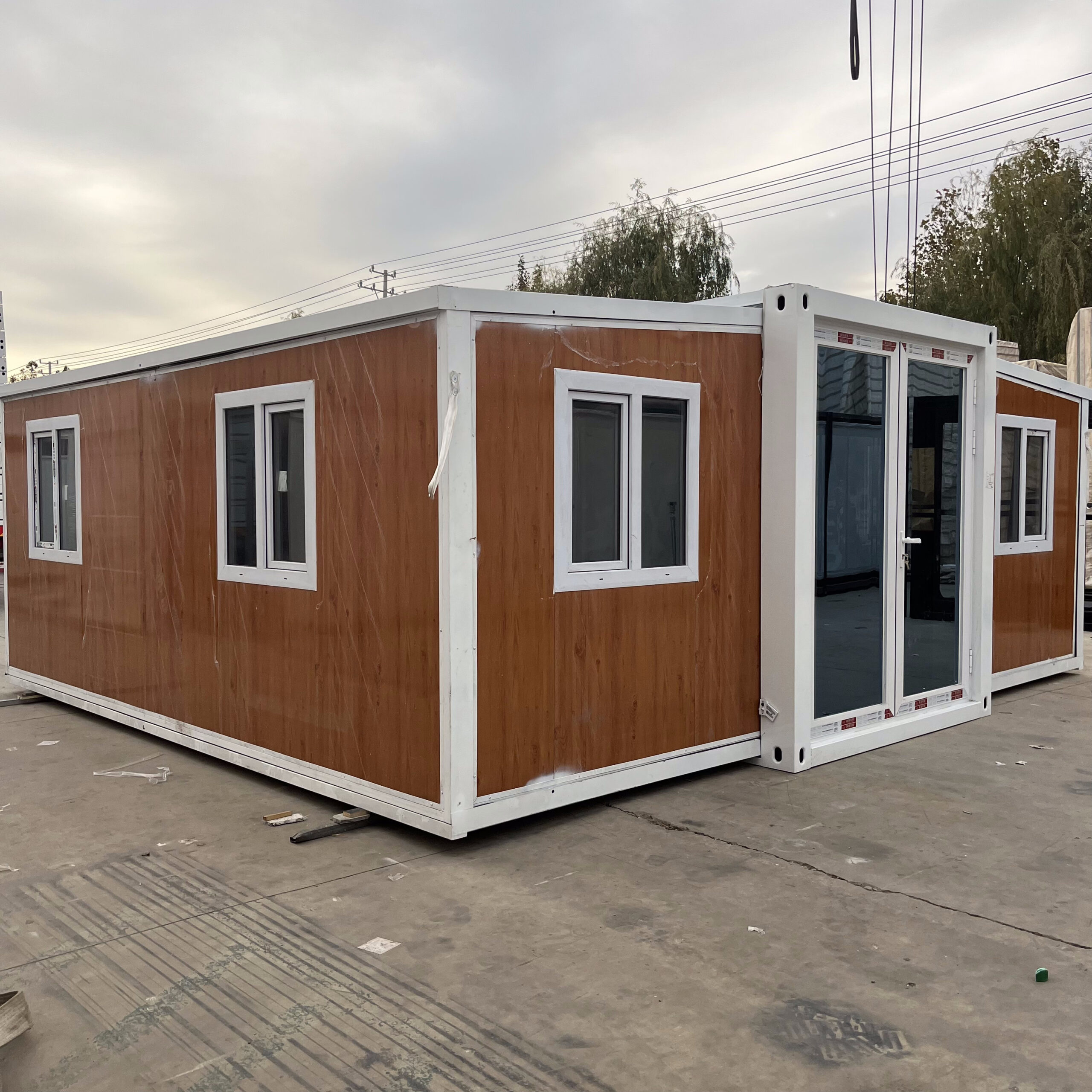
The structural framework utilizes hot-dipped galvanized steel, offering two critical sustainability benefits: exceptional longevity (20-30 year lifespan) and near-complete recyclability at end-of-life. Unlike conventional construction that generates tons of waste, this modular approach uses materials efficiently. The insulation combines polyurethane and rock wool, providing R-values exceeding Australian building codes while using recycled content. Even the interior finishes feature low-VOC boards and formaldehyde-free composites, ensuring indoor air quality meets Green Building Council of Australia standards.
2. Energy-Efficient Design Principles
Passive cooling strategies are ingeniously integrated into the double-wing design. The expanded wings create natural cross-ventilation pathways, reducing reliance on air conditioning in Australia’s harsh summers. When mechanical cooling is needed, the superior insulation (up to 100mm thick in walls) cuts energy consumption by approximately 40% compared to traditional structures. The inclusion of Low-E double-glazed windows in thermally broken aluminum frames further prevents heat transfer, while optional solar panel integration allows for off-grid operation – a game-changer for remote properties in Western Australia or Queensland.
3. Water Conservation Systems
Standard configurations include rainwater harvesting capabilities with built-in filtration systems, storing up to 1000 liters for non-potable uses. Greywater recycling options can further reduce consumption by 30%, making these homes viable even in drought-prone regions like New South Wales’ agricultural areas. The bathroom fixtures are all water-efficient, with dual-flush toilets and aerated taps exceeding Australia’s WELS (Water Efficiency Labelling and Standards) requirements.
Engineering Excellence: Structural & Technical Innovations
Beyond sustainability, this double-wing container home showcases engineering feats that solve common modular building challenges. Its structural integrity is remarkable – the galvanized steel frame with reinforced corner posts achieves seismic resistance up to Richter scale 8, crucial for earthquake-prone areas like South Australia’s Flinders Ranges. Wind load testing confirms resilience against 12-grade gusts (up to 118km/h), making it suitable for cyclonic regions in Northern Australia.
Expansion Mechanism & Deployment Speed
The hydraulic wing system represents the product’s most innovative feature. As demonstrated in the video below, deployment takes under three minutes using a simple crank mechanism or optional motorized system. This rapid setup eliminates weeks of traditional construction time – a critical advantage for disaster recovery scenarios in bushfire-affected communities like those in Victoria.
Your browser does not support the video tag.
Thermal Performance & Climate Adaptation
Australian climates vary dramatically, and this container home adapts through its thermal envelope design. The sandwich-panel walls feature 75mm polyurethane insulation (thermal conductivity: λ=0.022 W/mK), achieving U-values of 0.28 W/m²K – significantly better than most brick veneer homes. For extreme climates, optional upgrades include phase-change materials (PCMs) in walls that regulate temperature fluctuations, and reflective roof coatings that reduce heat absorption by up to 60% in tropical zones.
Interior Design: Maximizing Space & Sustainability
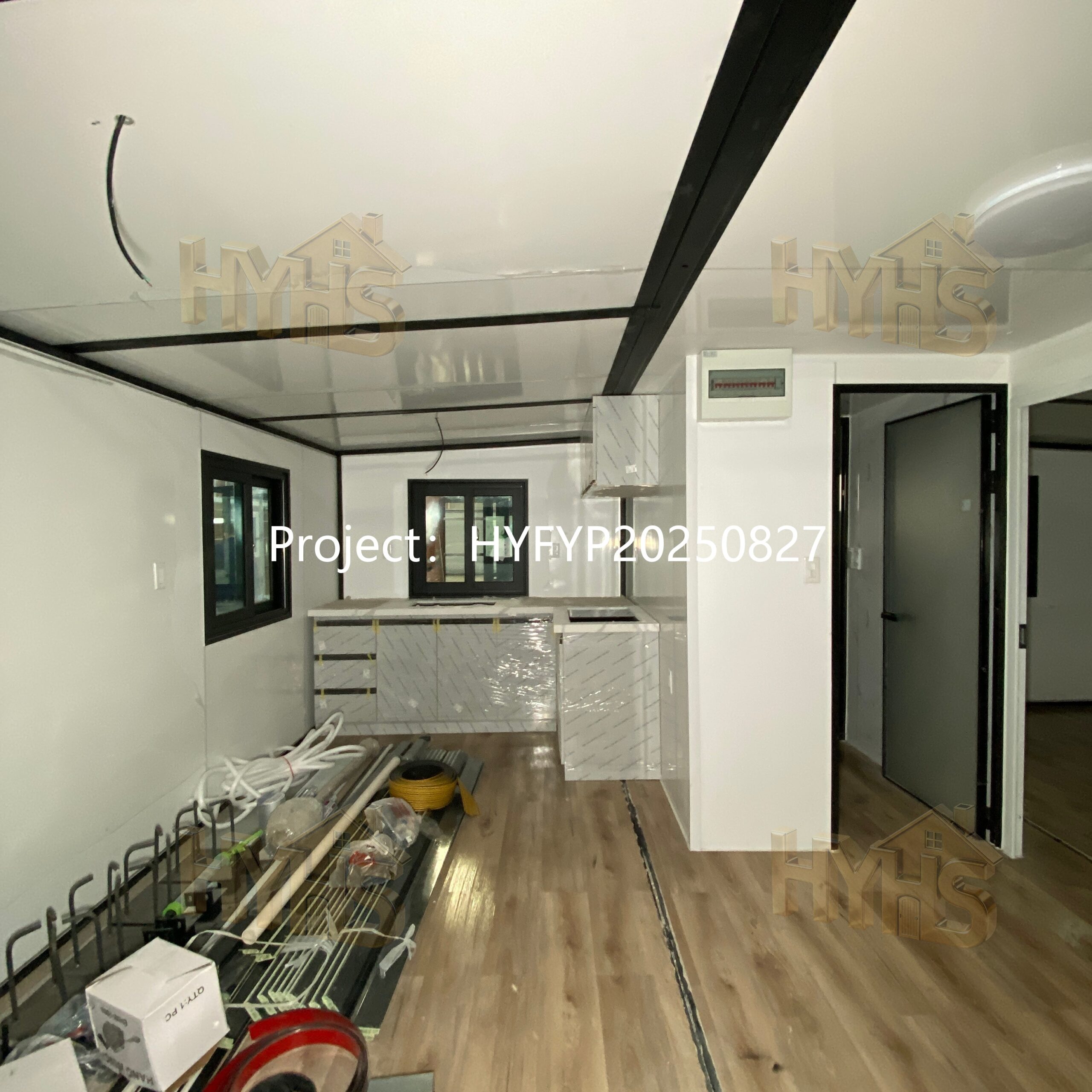
Step inside, and you’ll discover how thoughtful design transforms this compact footprint into a comfortable living space. The absence of internal columns creates an open-plan area where every square meter serves multiple purposes – a philosophy essential in sustainable urban housing.
Smart Space Utilization
The expanded wings create distinct zones: living area, sleeping nook, and functional kitchenette. Built-in storage utilizes otherwise wasted space, while fold-down furniture allows flexibility. For example, the dining table converts to a work desk, and the sofa transforms into a guest bed – perfect for tiny home enthusiasts in Melbourne’s inner-city areas where space is at a premium.
Sustainable Kitchen & Bathroom Solutions
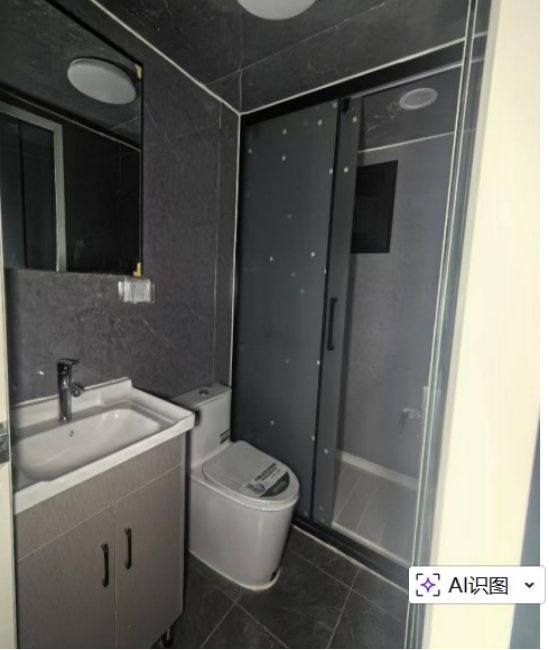
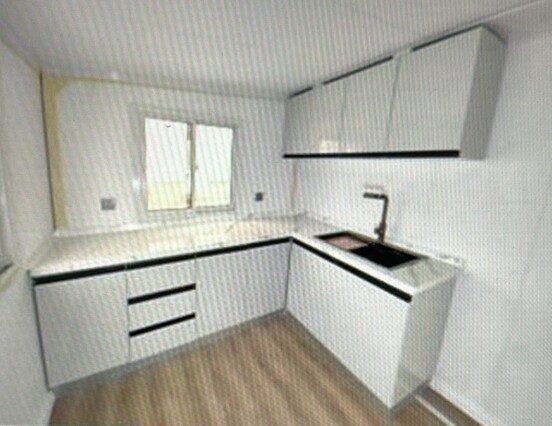
The kitchen module features energy-efficient appliances rated 4+ stars under Australia’s Equipment Energy Efficiency (E3) program. Countertops use recycled glass or bamboo composites, while cabinets employ formaldehyde-free engineered timber. The bathroom incorporates water-saving fixtures and quick-dry surfaces to prevent mold, reducing maintenance needs in humid climates like Queensland’s Gold Coast.
Customization: Tailoring Sustainability to Individual Needs
One of the most compelling aspects of this double-wing container is its adaptability. Unlike cookie-cutter modular homes, it offers extensive customization while maintaining its sustainable core – a feature Australian homeowners particularly value.
Architectural Flexibility
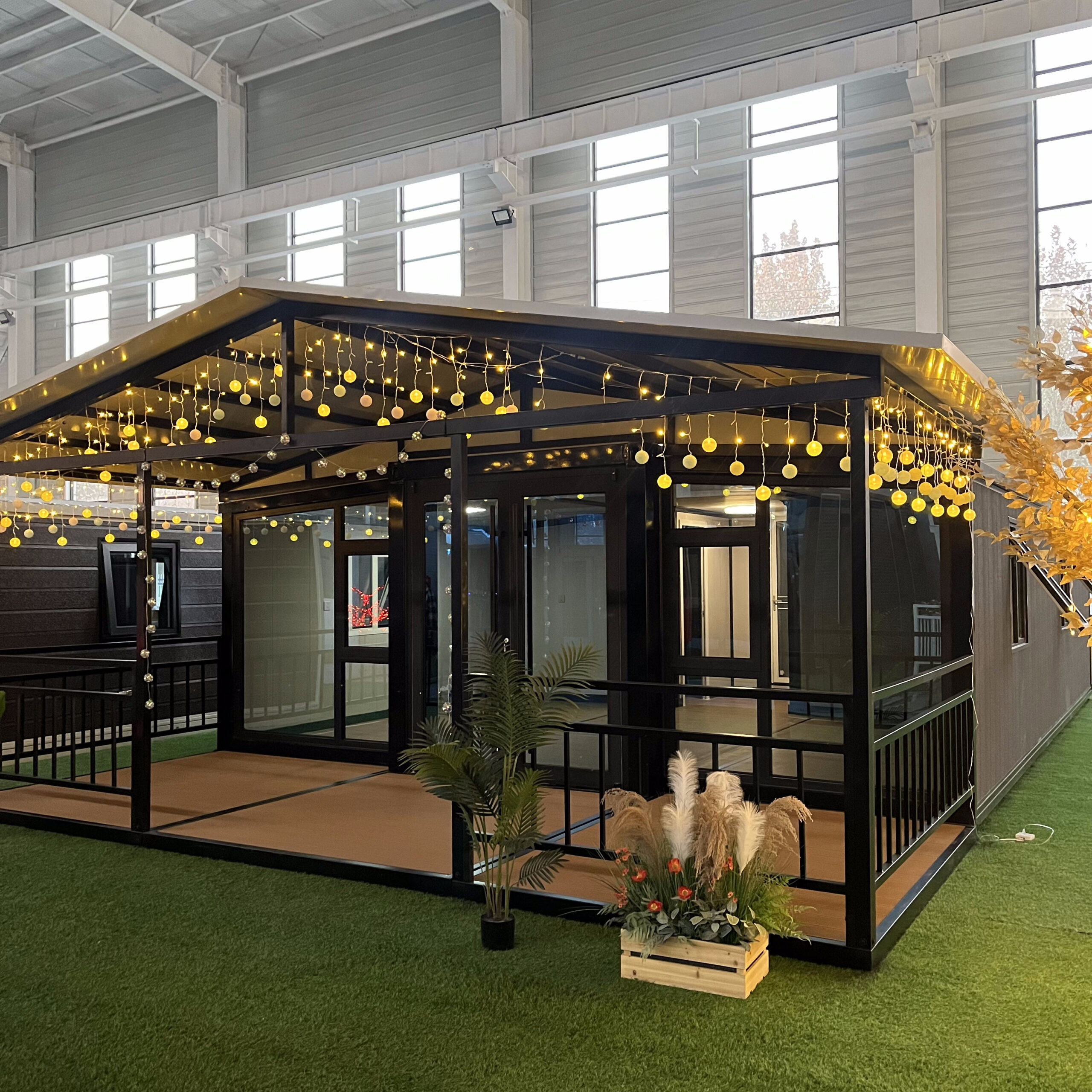
Exterior finishes can mimic traditional Australian materials like corrugated iron, timber cladding, or even stone veneers, allowing the structure to blend into rural landscapes in Tasmania or stand out as modern art in Perth’s cultural precinct. The wing configuration can be adjusted – asymmetric expansions, cantilevered sections, or even vertical LOFT additions – all while preserving the structural integrity and sustainability features.
Off-Grid & Smart Home Integration
For remote properties in Australia’s Outback, complete off-grid packages include solar arrays with lithium battery storage (up to 10kW), rainwater purification systems, and composting toilets. Urban configurations can feature smart home technology – energy monitoring systems, automated climate control, and security integrations that reduce resource consumption while enhancing convenience.
Real-World Applications Across Australia
The versatility of this double-wing container home has led to diverse applications across Australian sectors. Let’s explore how it’s being used innovatively:
Residential Solutions
In Sydney’s Blue Mountains, these units serve as eco-friendly weekend retreats, minimizing site disturbance in sensitive bushland areas. Young professionals in Brisbane are using them as affordable “granny flats” that generate rental income while meeting sustainability criteria. For FIFO workers in Western Australia’s mining regions, they provide comfortable, rapidly deployable accommodation that reduces the environmental footprint of temporary housing camps.
Commercial & Hospitality Uses
Forward-thinking hospitality operators are creating sustainable “glamping” experiences in Victoria’s High Country. These container homes blend luxury with low-impact tourism, attracting eco-conscious travelers. In South Australia’s wine regions, they serve as stylish tasting rooms and event spaces that can be relocated seasonally. Even urban businesses in Melbourne are utilizing them as pop-up retail spaces, combining brand visibility with sustainable construction credentials.
Emergency & Community Housing
After devastating bushfires in New South Wales, these units provided critical temporary housing with deployment times under 24 hours – far faster than traditional reconstruction. Indigenous communities in remote Northern Territory areas benefit from culturally appropriate designs that respect traditional land connections while providing modern, sustainable shelter. Their mobility also makes them ideal for research stations in Antarctica or disaster response across the Pacific.
Cost Analysis: Sustainable Investment Returns
When evaluating sustainable container homes, Australian buyers must consider both upfront and lifecycle costs. While initial investment ($35,000-$65,000 AUD depending on specifications) may seem higher than basic caravans, the long-term value proposition becomes clear:
- Construction Savings: 60-70% faster than traditional builds, reducing labor costs significantly
- Operational Efficiency: 40-50% lower energy bills due to superior insulation and passive design
- Maintenance Reduction: Galvanized steel and quality materials minimize upkeep costs
- Asset Mobility: Ability to relocate the structure preserves its value if property needs change
- Rental Income: Potential for $300-$500/week in tourist areas like Byron Bay
For eco-conscious investors, the return extends beyond finances – each unit prevents approximately 15 tons of construction waste compared to conventional buildings and reduces carbon emissions by 8-12 tons annually through energy efficiency.
Regulatory Considerations in Australia
Navigating building regulations is crucial for container home adoption. Fortunately, Australia’s progressive approach to sustainable housing facilitates these innovations:
- National Construction Code (NCC): These units meet or exceed all relevant NCC provisions for class 1a buildings
- Local Council Approvals: Many councils have fast-tracked processes for sustainable modular dwellings
- Transport Regulations: Folded dimensions comply with all state road transport authorities’ requirements
- Remote Area Incentives: Some states offer grants for sustainable housing in indigenous communities
Key to successful approval is working with manufacturers who provide comprehensive compliance documentation and engineering certifications – services that reputable Australian container home companies include as standard.
Future Innovations in Sustainable Container Living
As Australia continues to lead in sustainable architecture, we’re seeing exciting developments in container home technology:
- Biophilic Integration: Living walls and green roofs that improve air quality and insulation
- Advanced Materials: Carbon fiber composites reducing weight while increasing strength
- AI Optimization: Machine learning systems that predict and adjust energy usage patterns
- Circular Economy Models: Take-back programs ensuring 95% material recyclability
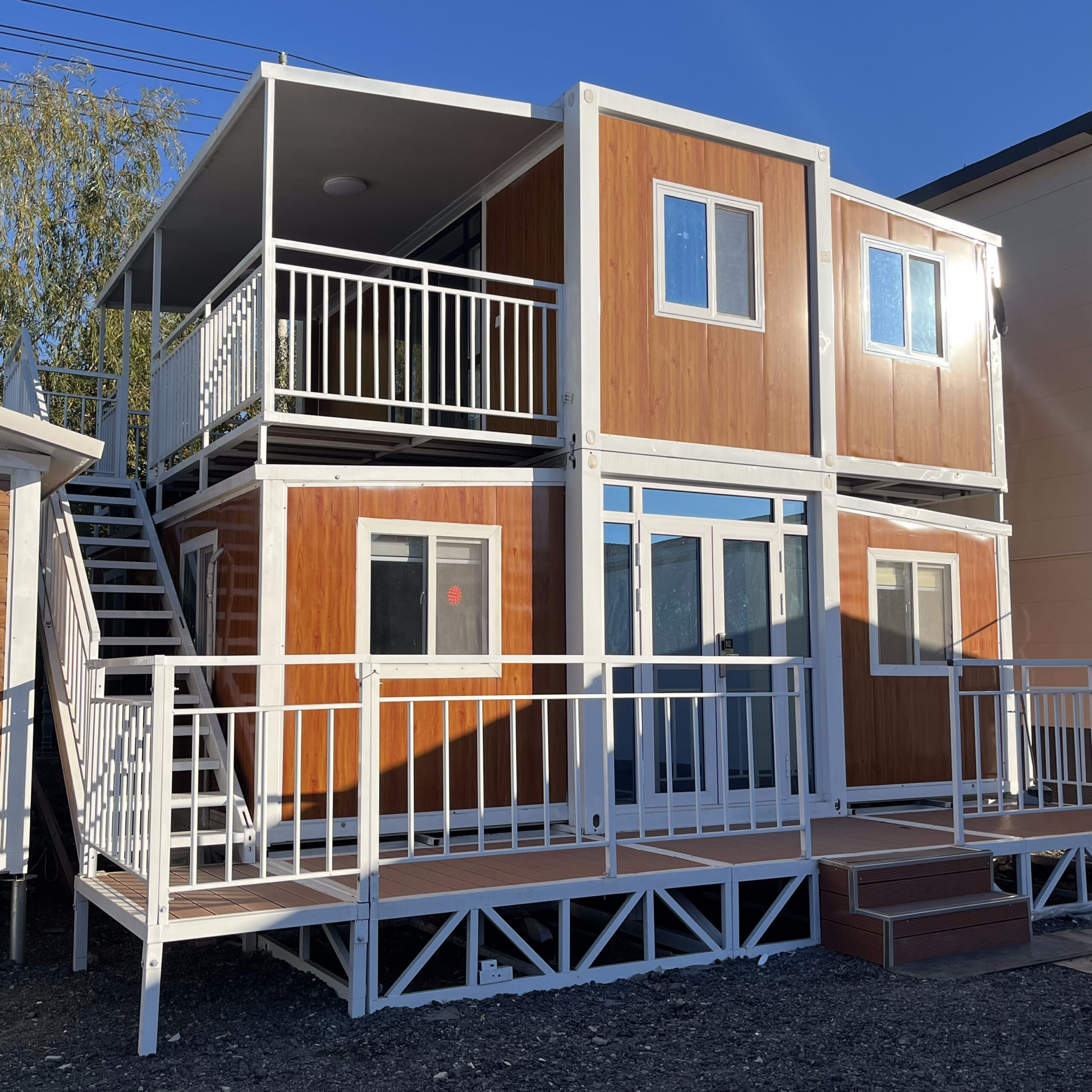
The double-wing expansion concept is evolving too – prototypes now include triple-wing designs and vertical stacking capabilities, creating multi-story sustainable buildings that could transform urban infill development in cities like Adelaide or Perth.

Conclusion: Australia’s Sustainable Housing Revolution
The 20-foot double-wing expansion container home represents more than just architectural innovation – it embodies Australia’s commitment to sustainable living. By combining eco-friendly materials, energy efficiency, rapid deployment, and stunning versatility, this solution addresses critical housing challenges while minimizing environmental impact.
From the sun-scorched landscapes of the Outback to the bustling streets of Sydney, these structures prove that sustainability doesn’t require sacrifice. They offer comfort, style, and resilience – all while reducing carbon footprints and construction waste. For Australians seeking housing alternatives that align with their environmental values, this double-wing container home isn’t just an option; it’s a glimpse into the future of sustainable living.
As we face global climate challenges, innovations like this demonstrate how thoughtful design can create spaces that nurture both people and planet. The double-wing expansion container home is more than a building – it’s a sustainable revolution, one modular unit at a time.
本文由人工智能技术生成,基于公开技术资料和厂商官方信息整合撰写,以确保信息的时效性与客观性。我们建议您将所有信息作为决策参考,并最终以各云厂商官方页面的最新公告为准。