
Discover the revolutionary 40-foot customizable double-wing expansion container homes transforming Australia’s portable housing market. This comprehensive guide explores how these innovative movable container house trailers combine rapid deployment, exceptional durability, and luxurious living spaces – perfect for remote outback stations, coastal retreats, and urban pop-up businesses across Sydney, Melbourne, and beyond. Learn why these modular marvels are redefining sustainable architecture with 70% expandable space, all-weather resilience, and eco-friendly construction.
Revolutionizing Portable Living: Meet Australia’s Next-Gen Container Homes
In the sun-scorched landscapes of Western Australia and the tropical north of Queensland, a housing revolution is quietly unfolding. Forget everything you thought you knew about container homes – the new 40-foot customized double-wing expansion rooms are engineering masterpieces that blend industrial practicality with residential luxury. These aren’t your average shipping containers; they’re precision-engineered habitats that unfold like futuristic wings to create spacious, comfortable living spaces in hours, not months.
Picture this: A sleek, modular structure arrives at your remote Kimberley cattle station or Byron Bay beachfront property. Within hours, what appeared as a standard shipping container transforms into a sprawling 60-square-meter residence with panoramic windows, modern kitchen, and spa-like bathroom. This is the reality of Australia’s most innovative portable housing solution – the double-wing expansion container home.
What Makes These Container Homes Truly Special?
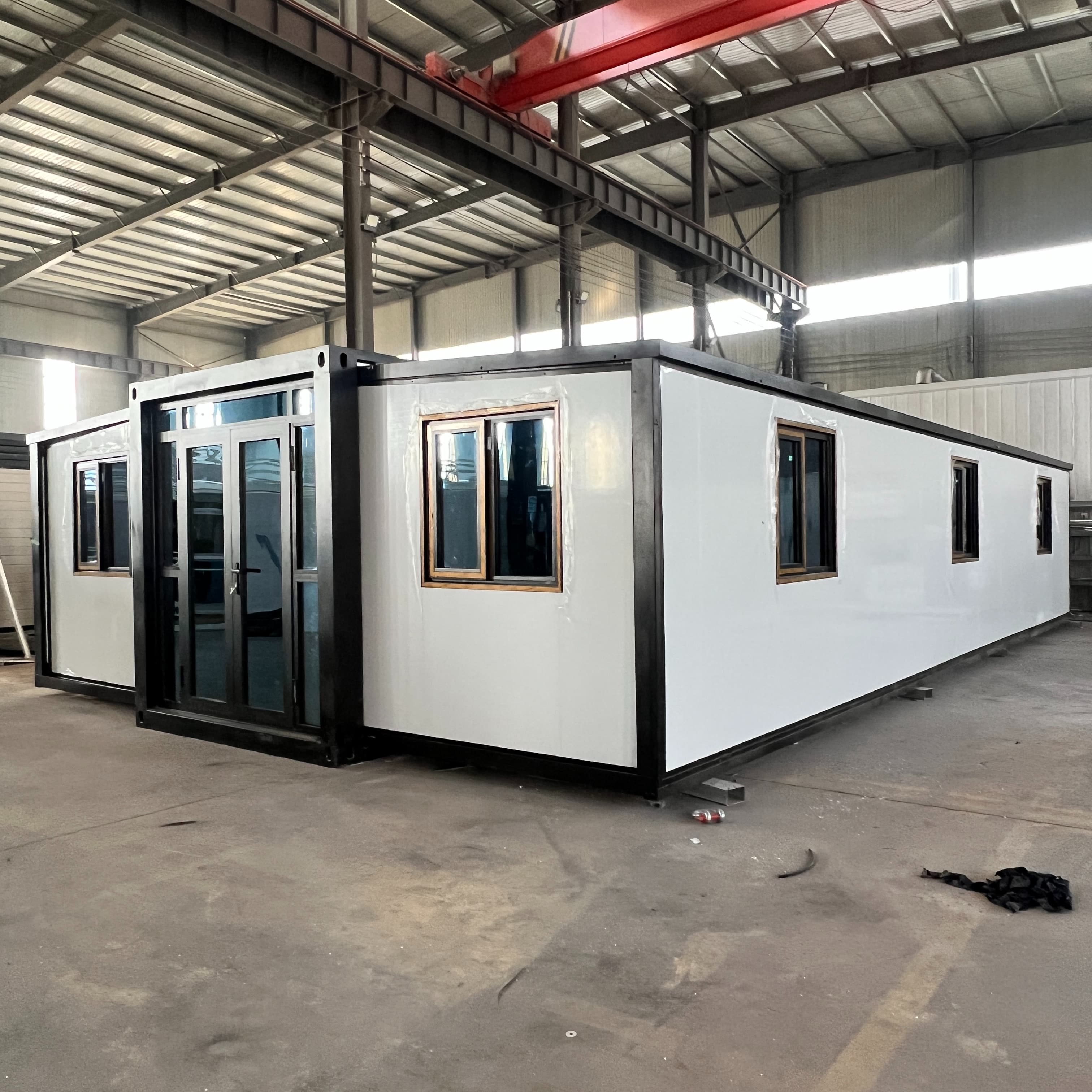
The magic lies in their ingenious “wing” design. Unlike traditional static containers, these feature hydraulically operated side extensions that unfold to nearly triple the usable floor space. It’s architecture meets origami – functional, beautiful, and incredibly efficient. Whether you’re a FIFO worker needing comfortable accommodation in Pilbara mining camps, an eco-tourism operator setting up luxury glamping in Tasmania, or a Sydney entrepreneur creating a pop-up retail space, these adaptable structures deliver unmatched versatility.
Product Deep Dive: The 40-Foot Double-Wing Expansion System
Let’s explore the technical brilliance behind these Australian-designed modular homes. Available in both double-wing and single-wing configurations with flat or pitched roof options, each unit represents the pinnacle of portable construction technology.
Structural Innovation: The Wing Expansion Mechanism
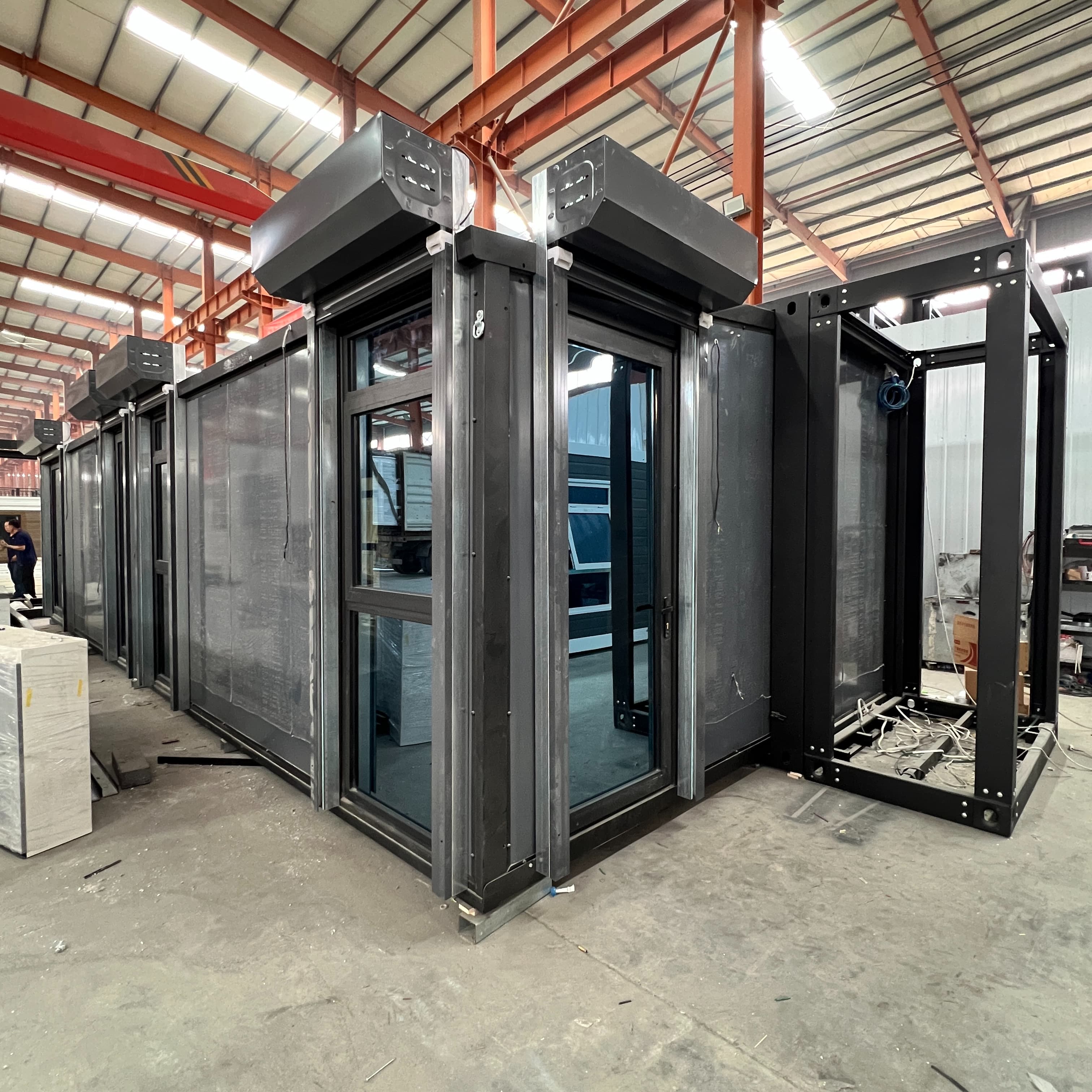
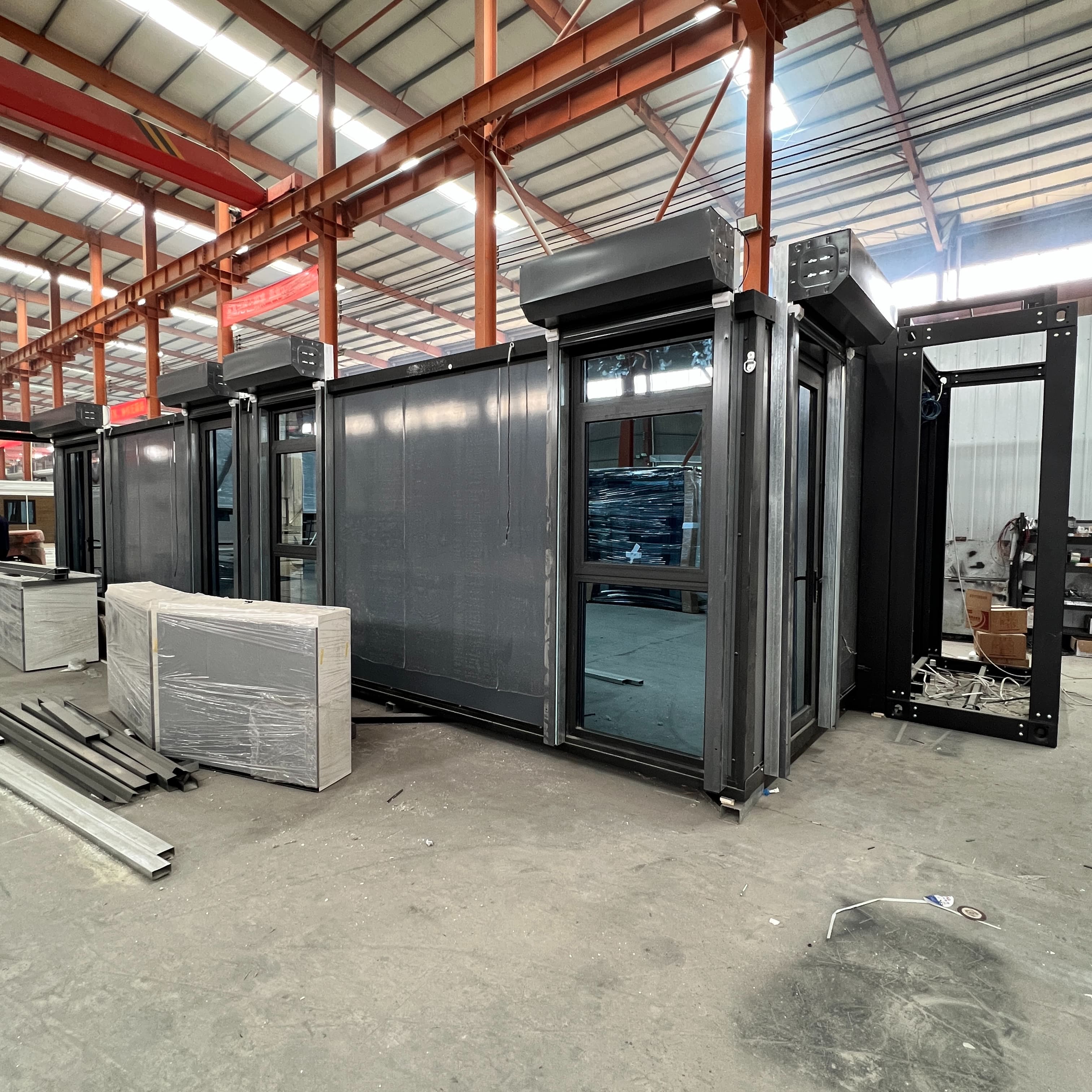
The double-wing system is where engineering poetry meets practical functionality. During transport, both side wings fold inward, maintaining standard container dimensions (11,800mm x 2,200mm x 2,480mm) compliant with Australian road regulations. Upon arrival, these wings unfold smoothly to create an expansive living area measuring 11,800mm x 6,240mm – nearly tripling the original footprint.
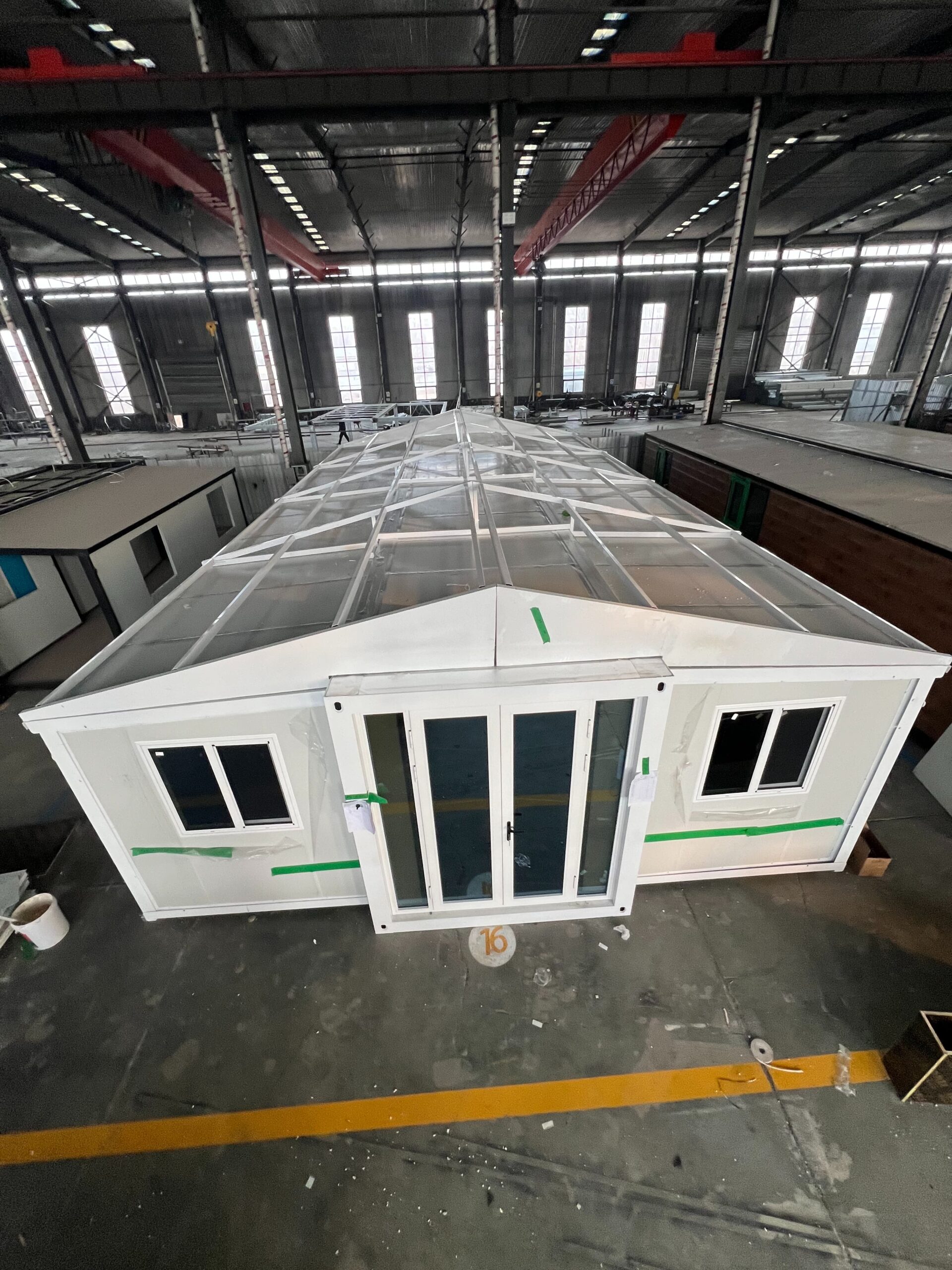
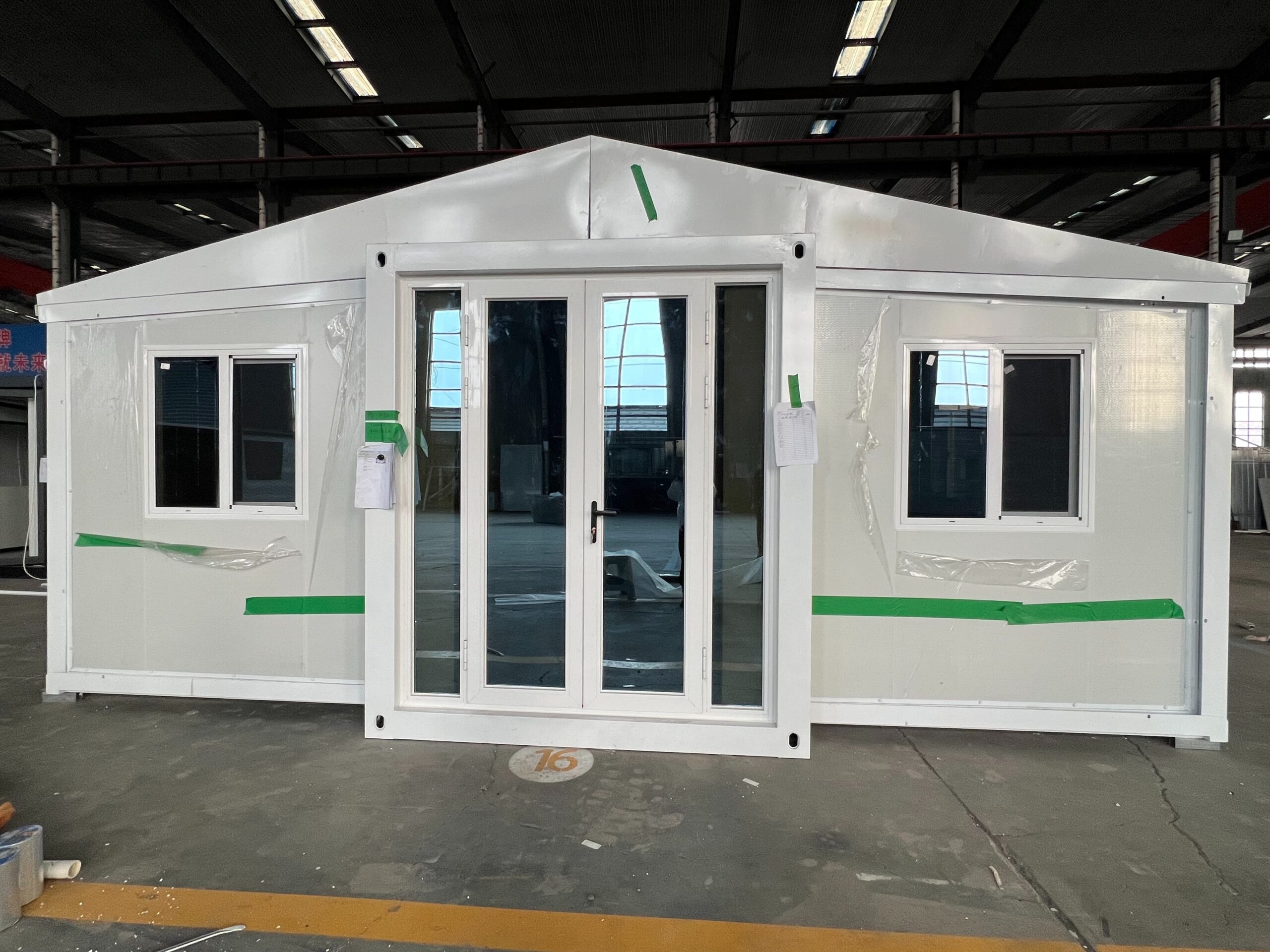
For those requiring more modest space, the single-wing version offers a perfect balance. When folded, it maintains the same compact transport dimensions but extends to create a comfortable living space ideal for solo occupants or couples. The internal living area (11,540mm x 6,080mm x 2,200mm) provides generous headroom and an open-plan layout that feels remarkably spacious.
Robust Construction: Built for Australian Conditions
These container homes aren’t just clever – they’re tough as nails. Engineered with hot-dip galvanized steel frames, they withstand Australia’s harshest elements: from Cyclone Yasi-force winds in Far North Queensland to the corrosive salt air of Great Ocean Road coastal properties. The structural integrity comes from:
– Galvanized Steel Skeleton: Resists rust and degradation even in coastal or tropical environments
– Advanced Insulation: Premium polyurethane or rock wool panels providing R-4.5 thermal resistance
– Seamless Waterproofing: Proprietary joint sealing technology that prevents leaks during Darwin’s monsoon seasons
– Earthquake Resilience: Flexible connections allowing movement during seismic events – crucial for regions like Adelaide or Newcastle
Smart Material Selection: Sustainability Meets Performance
Every component reflects a commitment to environmental responsibility without compromising durability. The wall panels utilize recycled steel and eco-friendly insulation materials, while flooring options include bamboo composites and recycled timber alternatives. Even the windows feature double-glazed Low-E glass that reduces heat transfer by up to 70% – a game-changer for energy efficiency in the scorching heat of Alice Springs or humid tropics of Cairns.
The Game-Changing Advantages: Why Australians Are Choosing These Homes
The benefits of these expandable container homes extend far beyond their innovative design. They’re fundamentally changing how Australians think about housing, business spaces, and temporary structures.
Lightning-Fast Deployment: From Delivery to Living in Hours
Imagine arriving at your remote property in the Blue Mountains at 9 AM and having a fully functional home by lunchtime. That’s the reality with these modular systems. With 95% of construction completed in factory-controlled environments, on-site setup involves simply:
1. Positioning the container on level ground (no complex foundations needed)
2. Unfolding the wing extensions using hydraulic systems
3. Connecting pre-installed utilities (water, electricity, sewer)
4. Completing minor finishing touches
This rapid deployment solves critical pain points for industries across Australia. Mining companies in the Pilbara can establish comfortable worker camps in days instead of months. Disaster relief organizations can provide emergency housing within hours of bushfires or floods striking regional Victoria. Event planners in Melbourne can create pop-up venues overnight.
Unmatched Mobility: Your Home Moves With You
Unlike traditional structures, these container homes embrace Australia’s nomadic spirit. Need to relocate your Byron Bay retreat to Noosa? No problem. Want to move your Adelaide Hills office to the Barossa Valley? Consider it done. The entire structure can be:
– Transported via standard semi-trailers on Australian roads
– Relocated multiple times without structural compromise
– Temporarily positioned during renovations or permanent moves
– Easily stored when not in use
This mobility appeals particularly to Australia’s growing population of “tree-changers” and “sea-changers” who crave flexibility. It’s also perfect for businesses requiring seasonal presence – think ski lodges in Mount Buller or beach kiosks on the Gold Coast.
Environmental Stewardship: Green Living Without Sacrifice
In an era of increasing environmental consciousness, these container homes offer a sustainable alternative to traditional construction. Their eco-credentials include:
– 90% Recyclable Materials: Primarily steel and aluminum components
– Reduced Site Disturbance: Minimal ground impact compared to conventional builds
– Energy Efficiency: Superior insulation cuts heating/cooling costs by up to 60%
– Water Conservation: Optional rainwater harvesting and greywater systems
– Solar Integration: Pre-wired for renewable energy installations
For environmentally conscious Australians – whether running an eco-resort in Tasmania’s Tarkine region or building a sustainable home in Perth’s suburbs – these structures represent responsible luxury.
Real-World Applications: Transforming Spaces Across Australia
The versatility of these expandable container homes makes them suitable for countless scenarios. Let’s explore how Australians are leveraging this technology in creative ways.
Luxury Eco-Tourism: Redefining Outback Experiences
In the vast expanse of the Kimberley region, operators are creating boutique accommodation that combines rugged adventure with five-star comfort. These double-wing containers become stunning retreats featuring:
– Floor-to-ceiling windows framing ancient landscapes
– Spa bathrooms with rain showers and premium fixtures
– Gourmet kitchens perfect for self-catering guests
– Climate-controlled interiors despite 45°C summer heat
Tourists pay premium prices for these “glamping” experiences that immerse them in nature without sacrificing comfort. Similar concepts thrive in the Daintree Rainforest, Flinders Ranges, and Kangaroo Island.
Commercial Innovation: Pop-Up Businesses That Stand Out
Australian entrepreneurs are embracing these structures as eye-catching commercial spaces. In Melbourne’s laneways and Sydney’s beachfront, you’ll find:
– Mobile Cafés & Bars: Fully equipped coffee shops or cocktail bars that appear at festivals and events
– Retail Showrooms: Fashion brands showcasing collections in high-traffic temporary locations
– Tech Hubs: Startup offices that can relocate as companies grow or pivot
– Art Galleries: Exhibition spaces bringing culture to unexpected places
The customizable exteriors allow businesses to create strong brand identities – from sleek urban minimalism to rustic outback charm. When the lease ends or the event concludes, the entire operation simply moves to the next opportunity.
Essential Services: Supporting Remote Communities
In Australia’s vast remote areas, these container homes provide critical infrastructure:
– Health Clinics: Fully equipped medical facilities serving indigenous communities
– School Rooms: Temporary classrooms during school renovations or in remote settlements
– Emergency Housing: Rapid deployment after natural disasters like bushfires or floods
– Research Stations: Scientific outposts in the Antarctic or outback environmental studies
During the 2019-2020 bushfire crisis, similar structures provided immediate shelter and services to displaced communities across New South Wales and Victoria – demonstrating their vital role in national resilience.
Design Possibilities: Creating Your Perfect Australian Space
One of the most compelling aspects of these container homes is their near-limitless customization potential. Whether you’re creating a permanent residence in Margaret River or a temporary office in Brisbane’s CBD, the design options are staggering.
Interior Configurations: Spaces That Work for You
The open-plan interior becomes a blank canvas for your lifestyle needs. Popular configurations include:
– The Entertainer’s Retreat: Expansive living/dining area with gourmet kitchen and wet bar
– The Family Haven: Two-bedroom layout with shared bathroom and kids’ activity zone
– The Professional’s Suite: Home office with separate entrance and meeting space
– The Artist’s Studio: Ground-floor workspace with mezzanine sleeping loft
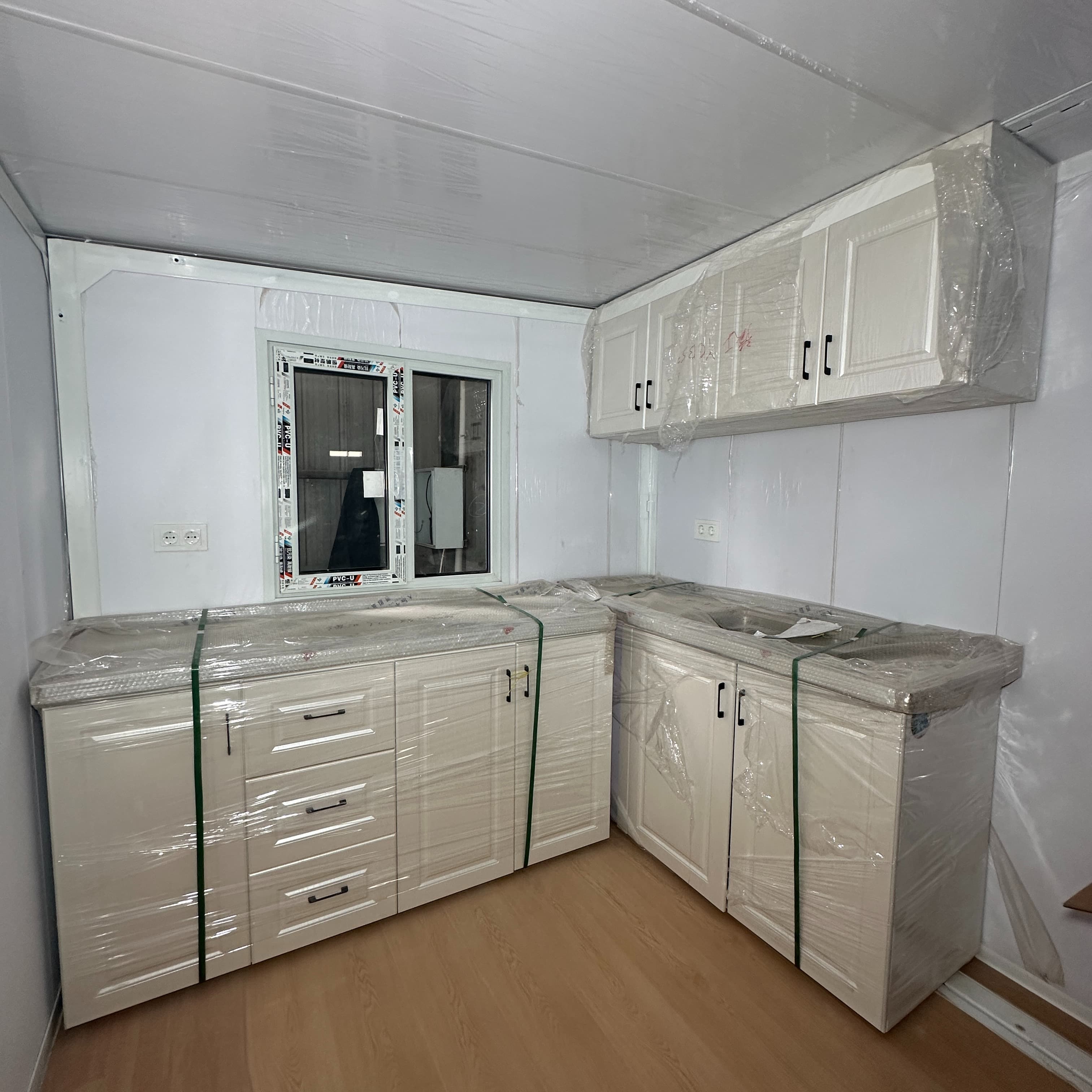
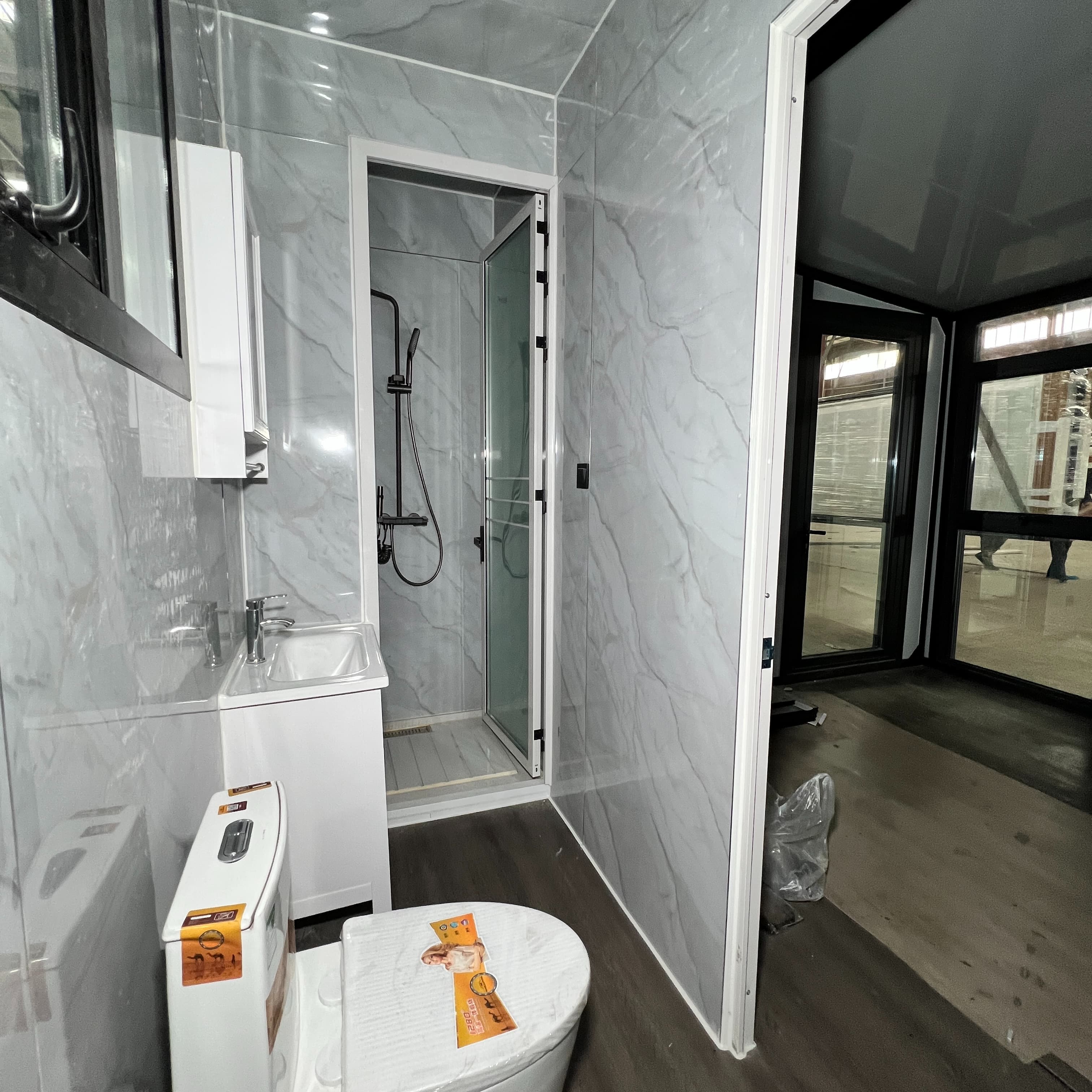
Kitchens rival those in luxury apartments, featuring stone benchtops, premium appliances, and clever storage solutions. Bathrooms offer spa-like experiences with frameless glass showers, designer fixtures, and premium tiling.
Exterior Styling: Blending With Australian Landscapes
The exterior can be customized to complement any Australian setting:
– Coastal Cool: Light timbers, blues, and whites for seaside properties
– Outback Earth: Warm reds, oranges, and natural materials for desert locations
– Urban Industrial: Sleek metals, concrete effects, and bold colors for city settings
– Bushland Blend: Greens, browns, and textured finishes to harmonize with forests
Optional features include wrap-around decks, shade structures, and even green roofs that provide natural insulation while blending with the environment.
Smart Technology Integration: Modern Living Simplified
These homes embrace Australia’s tech-savvy lifestyle with integrated smart systems:
– Climate Control: Zoned air conditioning with remote smartphone operation
– Security: CCTV, smart locks, and monitoring systems accessible from anywhere
– Energy Management: Solar integration with battery storage and real-time usage tracking
– Entertainment: Pre-wired for high-speed internet, home theatre, and multi-room audio
For FIFO workers in remote mining operations, this technology provides vital connections to family and urban life. For retirees in regional Victoria, it offers security and convenience without sacrificing their tree-change lifestyle.
Practical Considerations: Making the Right Choice
While these container homes offer incredible benefits, there are important factors to consider before investing.
Budgeting: Understanding True Costs
Pricing varies significantly based on specifications, but generally ranges from $80,000 to $250,000 AUD for complete installations. Key cost factors include:
– Configuration: Double-wing systems cost approximately 30% more than single-wing
– Customization Level: Premium finishes and specialized features increase investment
– Site Preparation: Remote locations may require additional groundwork
– Utilities Connection: Distance from existing services impacts connection costs
While initial investment may seem higher than basic caravans or sheds, these structures offer far greater longevity and functionality. When compared to traditional construction, they typically save 30-40% overall when factoring in time savings and reduced site works.
Regulatory Navigation: Understanding Australian Requirements
Building regulations vary across Australian states and territories. Generally:
– Temporary Structures: Often have simplified approvals for short-term use
– Permanent Dwellings: Require full building permits and compliance with National Construction Code
– Remote Areas: May have special considerations for indigenous lands or national parks
– Flood/Fire Zones: Require additional engineering and safety features
Working with experienced Australian suppliers familiar with local regulations is crucial. They can navigate the complex approval processes and ensure compliance with requirements from bodies like the Australian Building Codes Board (ABCB) and local councils.
Long-Term Planning: Maximizing Your Investment
For those considering permanent installation, plan for:
– Foundation Systems: While minimal ground preparation is needed, proper footings ensure longevity
– Maintenance Schedule: Regular inspections of seals, moving parts, and exterior finishes
– Upgrade Pathways: Planning for future expansions or technology integration
– Resale Considerations: Choosing timeless designs and quality materials that retain value
The modular nature allows for phased development – start with a single unit and add more as needs change or budget allows.
The Future of Portable Living: Australia Leading the Way
As Australia faces unique challenges – from affordable housing shortages in major cities to service delivery in remote regions – these innovative container homes offer practical solutions. They represent the perfect blend of Australian ingenuity, practicality, and environmental consciousness.
Emerging Trends: What’s Next for Container Architecture?
Australian designers are pushing boundaries with exciting developments:
– Vertical Integration: Multi-story container complexes for urban infill projects
– Off-Grid Systems: Advanced water recycling and energy independence for truly remote locations
– Community Developments: Container home villages addressing homelessness and aged care
– Disaster Resilience: Structures engineered to withstand Australia’s increasingly extreme weather events
In places like Christchurch (post-earthquake) and California (wildfire recovery), similar modular approaches have proven invaluable. Australia is now positioned to lead this global movement with locally-adapted solutions.
Sustainable Development Goals: Aligning with National Priorities
These container homes directly support Australia’s commitment to:
– Reducing Construction Waste: Factory production cuts site waste by over 80%
– Lowering Carbon Footprint: Efficient manufacturing and transportation reduce emissions
– Improving Housing Affordability: Faster delivery reduces holding costs and financing expenses
– Enhancing Regional Development: Making quality housing viable in remote areas
As Australia transitions toward a more sustainable built environment, these modular structures demonstrate how innovation can deliver both environmental and social benefits.
Conclusion: Your Australian Adventure Starts Here
Whether you’re dreaming of a coastal retreat in Noosa, an outback adventure in the Red Centre, or a smart business solution in Sydney’s CBD, the 40-foot double-wing expansion container homes offer unparalleled possibilities. They embody the Australian spirit – adaptable, resilient, and always ready for the next challenge.
From their ingenious expanding design to their robust construction and stunning interiors, these structures represent the future of portable living. They prove that you don’t have to choose between mobility and comfort, sustainability and luxury, or innovation and practicality.
As Australia continues to grapple with housing challenges and environmental responsibilities, these container homes stand as beacons of what’s possible. They’re more than buildings – they’re smart solutions for a dynamic nation.
Ready to transform how you live, work, or play? The Australian container home revolution awaits – and it’s more accessible, affordable, and amazing than you ever imagined.
本文由人工智能技术生成,基于公开技术资料和厂商官方信息整合撰写,以确保信息的时效性与客观性。我们建议您将所有信息作为决策参考,并最终以各云厂商官方页面的最新公告为准。