
Discover revolutionary off-grid container house plans featuring Australia’s most innovative 20-foot customized double-wing expansion room. This comprehensive guide explores modular design, rapid deployment capabilities, and sustainable living solutions perfect for remote Australian landscapes, from the Outback to coastal retreats. Learn how this expandable container home transforms compact transport into spacious off-grid living with 70% more usable area, integrated solar compatibility, and cyclone-rated durability.
When envisioning off-grid container house plans, most people picture cramped, uninspired boxes. But what if I told you about a revolutionary design transforming modular living in Australia’s harsh yet beautiful landscapes? Enter the 20-foot customized double-wing expansion room – a game-changer for sustainable, remote living from the dusty red plains of the Outback to the pristine coastlines of Tasmania.
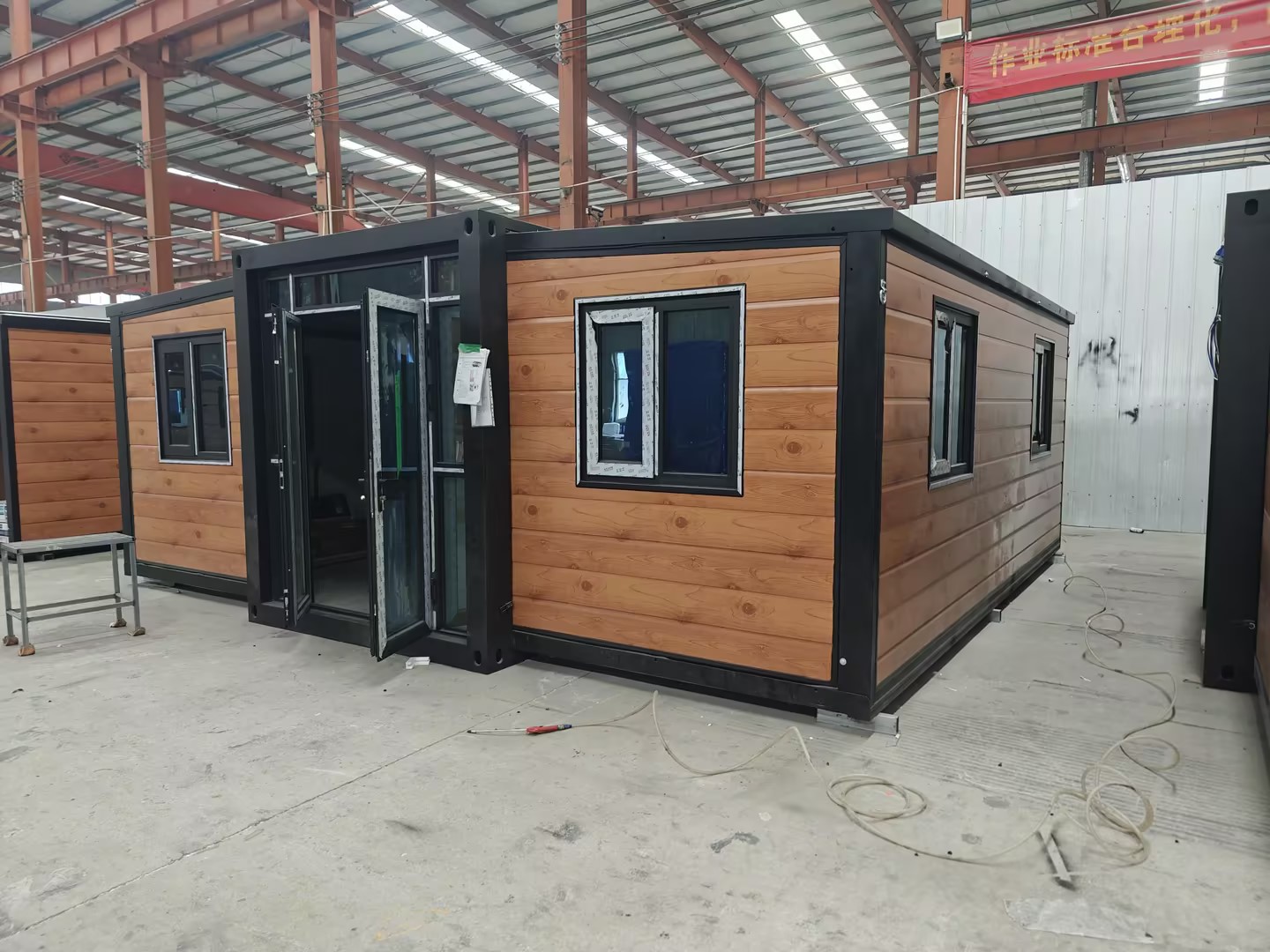
This isn’t your average shipping container home. Picture this: During transport, it’s a compact 20-foot unit fitting standard truck beds. But upon arrival at your off-grid paradise near Alice Springs or the Blue Mountains, it unfolds like a futuristic transformer, expanding its wings to create a spacious, multi-room dwelling. That’s the magic of double-wing technology – perfect for Australia’s diverse off-grid scenarios where traditional construction is impractical or prohibitively expensive.
The Engineering Marvel Behind Double-Wing Expansion
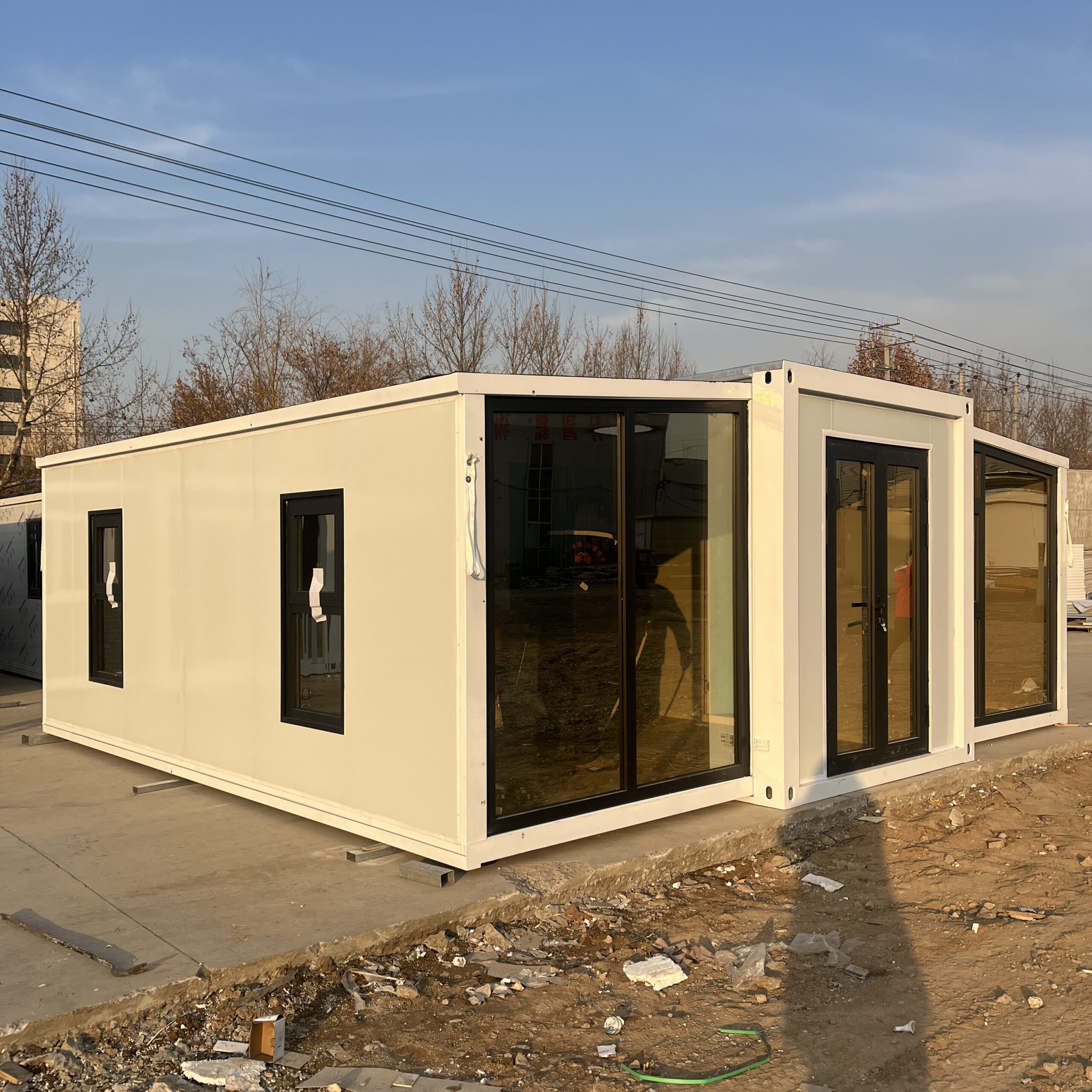
At first glance, this appears to be a standard container, but its hidden genius lies in the hydraulic wing mechanism. Each side houses a fold-out “wing” that expands horizontally, increasing usable floor area by up to 80%. Imagine going from 160 square feet to nearly 300 square feet in under 10 minutes – that’s faster than setting up a tent! This makes it ideal for Australia’s remote mining operations, eco-tourism ventures in Queensland’s Daintree Rainforest, or private retreats in Western Australia’s Kimberley region.
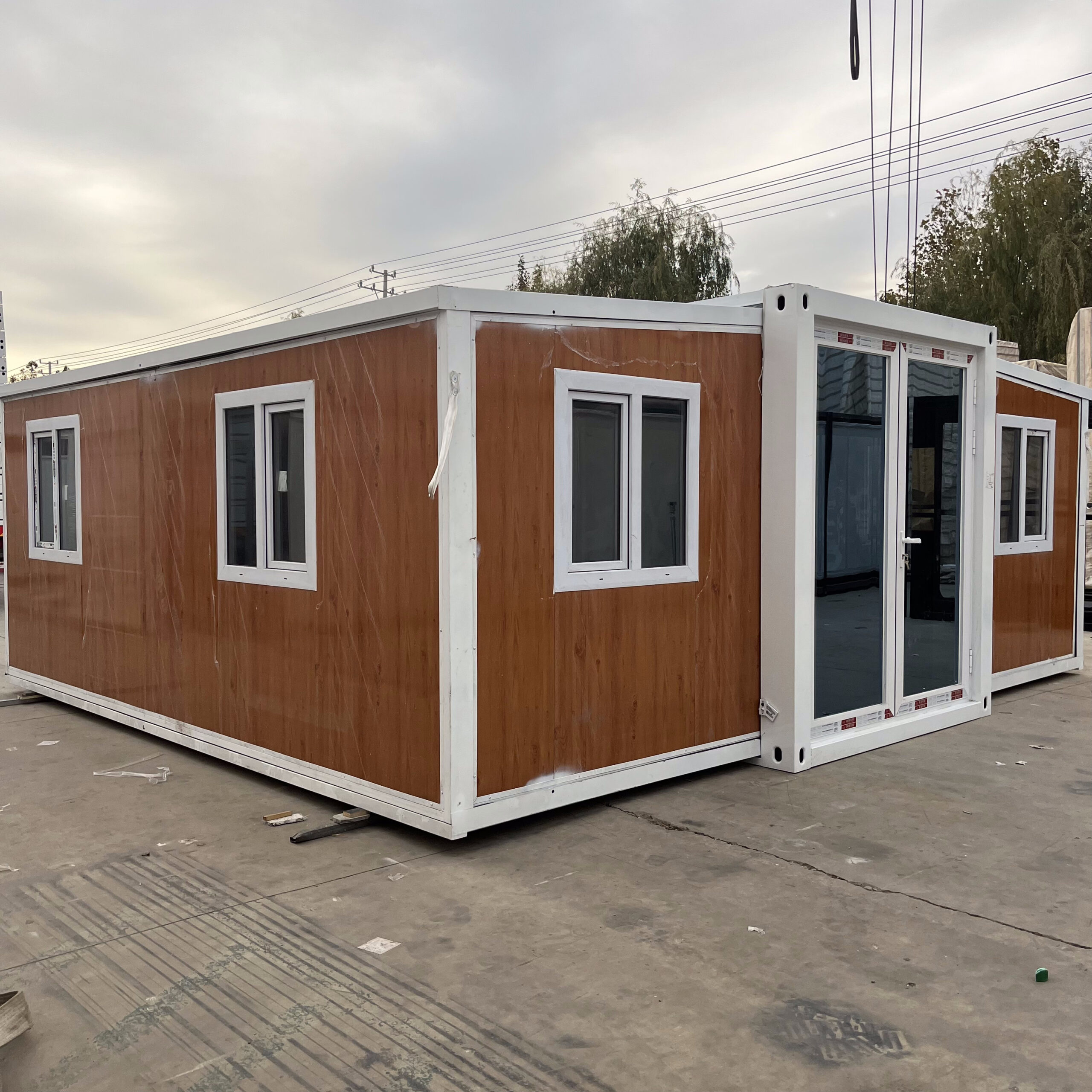
The core structure features hot-dip galvanized steel framing – essential for withstanding Australia’s extreme weather conditions from cyclones in Darwin to corrosive coastal air near Perth. The wings utilize precision-engineered hinges and locking systems that create a seamless, weatherproof seal when expanded. No drafts, no leaks – just secure, comfortable living regardless of whether you’re in arid Broken Hill or tropical Cairns.
Technical Specifications That Matter
For the technically-minded off-grid enthusiast, here’s what makes this container house plan exceptional:
- Expanded Dimensions: 6.34m (W) x 5.9m (L) x 2.48m (H) – generous living space
- Transport Mode: 2.2m (W) x 5.9m (L) x 2.48m (H) – standard road-legal size
- Structure: Galvanized steel frame with optional carbon fiber reinforcement
- Insulation: 100mm polyurethane core (R-value 6.5) or rock wool for fire-prone areas
- Windows: Double-glazed Low-E argon-filled units with UV protection
- Expansion Time: Under 10 minutes with hydraulic assist (manual backup available)
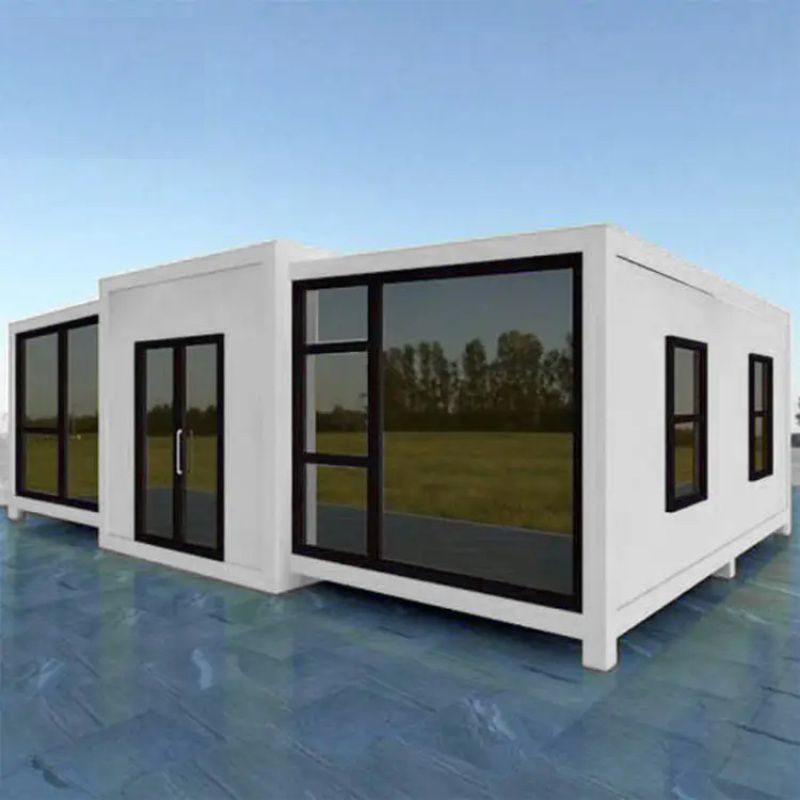
These specifications aren’t just numbers – they translate to real-world benefits for Australian off-grid living. The compact transport size means you can legally move it on any road without special permits, while the expanded footprint provides genuine livability. The insulation performs exceptionally in both the scorching heat of Marble Bar and the chilly winters of the Snowy Mountains.
Interior Design: Where Function Meets Australian Aesthetic
Step inside, and you’ll immediately forget you’re in a container. The expanded wings create an open-plan living area that feels more like a chic apartment than a temporary structure. The absence of internal support pillars (thanks to clever engineering) allows for complete layout flexibility – perfect for adapting to your specific off-grid lifestyle whether you’re an artist in Byron Bay or a farmer in South Australia’s Coonawarra region.
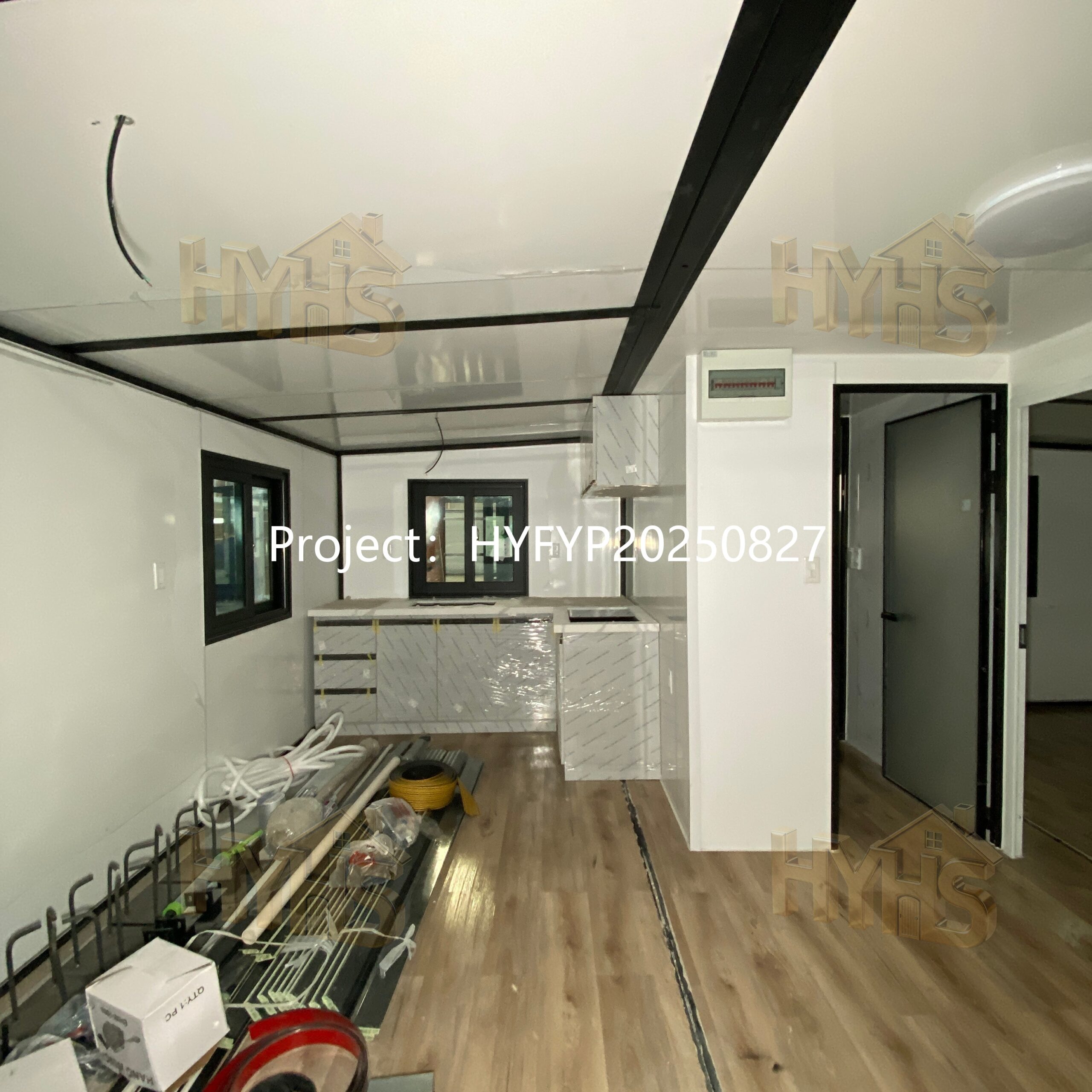
Standard configurations include:
- Master bedroom with built-in storage
- Full bathroom with composting toilet option
- Galley kitchen with energy-efficient appliances
- Living/dining area with fold-down table
But customization is where this truly shines. Need a photography studio in Melbourne’s hinterland? Or a field research station in the Tasmanian wilderness? The modular interior walls can be reconfigured to create separate spaces, open studios, or even bunk accommodations for tour groups.

Kitchen & Bath: Off-Grid Ready
The kitchen comes equipped with:
– Gas or induction cooktop (propane bottle compatible)
– Deep sink with manual pump or 12V electric option
– Space for 12V refrigerator/freezer
– Abundant counter space with food-safe finishes
– Pantry storage designed for bulk supplies
Meanwhile, the bathroom features:
– Composting or cassette toilet (water-saving essential)
– Shower with water-saving head and greywater recycling
– Vanity with sustainable materials
– Ventilation system preventing moisture buildup
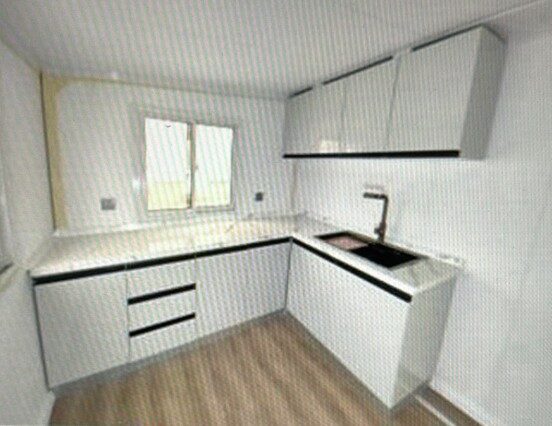
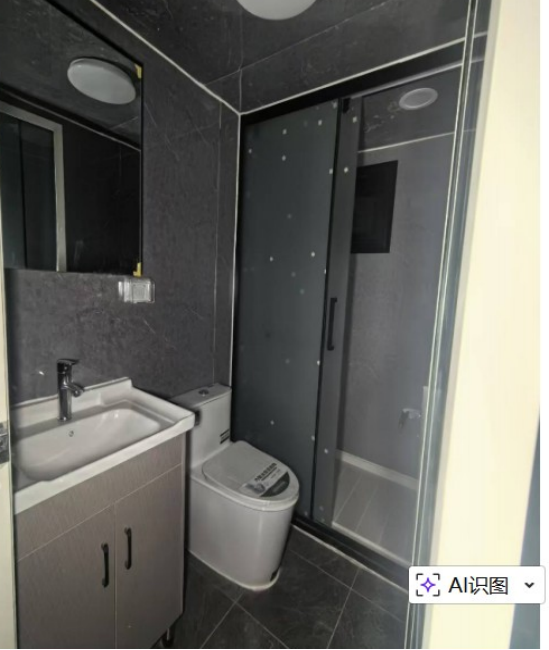
These aren’t afterthoughts – they’re purpose-built for Australian off-grid realities where water conservation and waste management are paramount. The greywater system can be configured to irrigate native gardens, while the composting toilet eliminates the need for complex septic systems in sensitive environments like Kangaroo Island.
Why This Design Excels in Australian Off-Grid Contexts
Australia presents unique challenges for off-grid living: vast distances, extreme weather, and strict environmental regulations. This container house plan addresses each systematically:
Cyclone & Bushfire Resilience
Engineered to withstand Australia’s fiercest conditions:
– Cyclone-rated to Australian Standard AS/NZS 1170.2 (Region D)
– Bushfire-compliant with BAL-29 options for fire-prone areas
– Steel structure won’t ignite like traditional timber frames
– Sealed design prevents ember intrusion during bushfires
This makes it suitable for vulnerable regions like New South Wales’ Blue Mountains or Western Australia’s Margaret River wine region where bushfires are a constant threat.
Thermal Efficiency for Extreme Climates
From the 45°C+ heat of Marble Bar to below-freezing nights in the Victorian Alps, thermal performance is critical:
– 100mm polyurethane insulation (R6.5) exceeds building code
– Reflective roof coating reduces heat absorption by 70%
– Double-glazed windows with thermal breaks
– Optional solar-powered ventilation system
These features mean minimal energy for heating/cooling – crucial when your power comes from solar panels and batteries.
Water & Waste Integration
Australian off-grid living demands smart resource management:
– Roof design optimized for rainwater collection (up to 2,000L storage)
– Greywater system compatible with subsurface irrigation
– Composting toilet eliminates blackwater issues
– Water-saving fixtures reduce consumption by 40% vs standard homes
Perfect for regions like South Australia’s Eyre Peninsula where water is more precious than gold.
Real-World Applications Across Australia
Eco-Tourism & Glamping
Australia’s nature tourism boom demands low-impact accommodations:
– Rapid deployment in national parks like Kakadu
– Minimal site disturbance (no concrete foundations needed)
– Aesthetic designs complementing natural surroundings
– Solar-powered for true eco-credentials
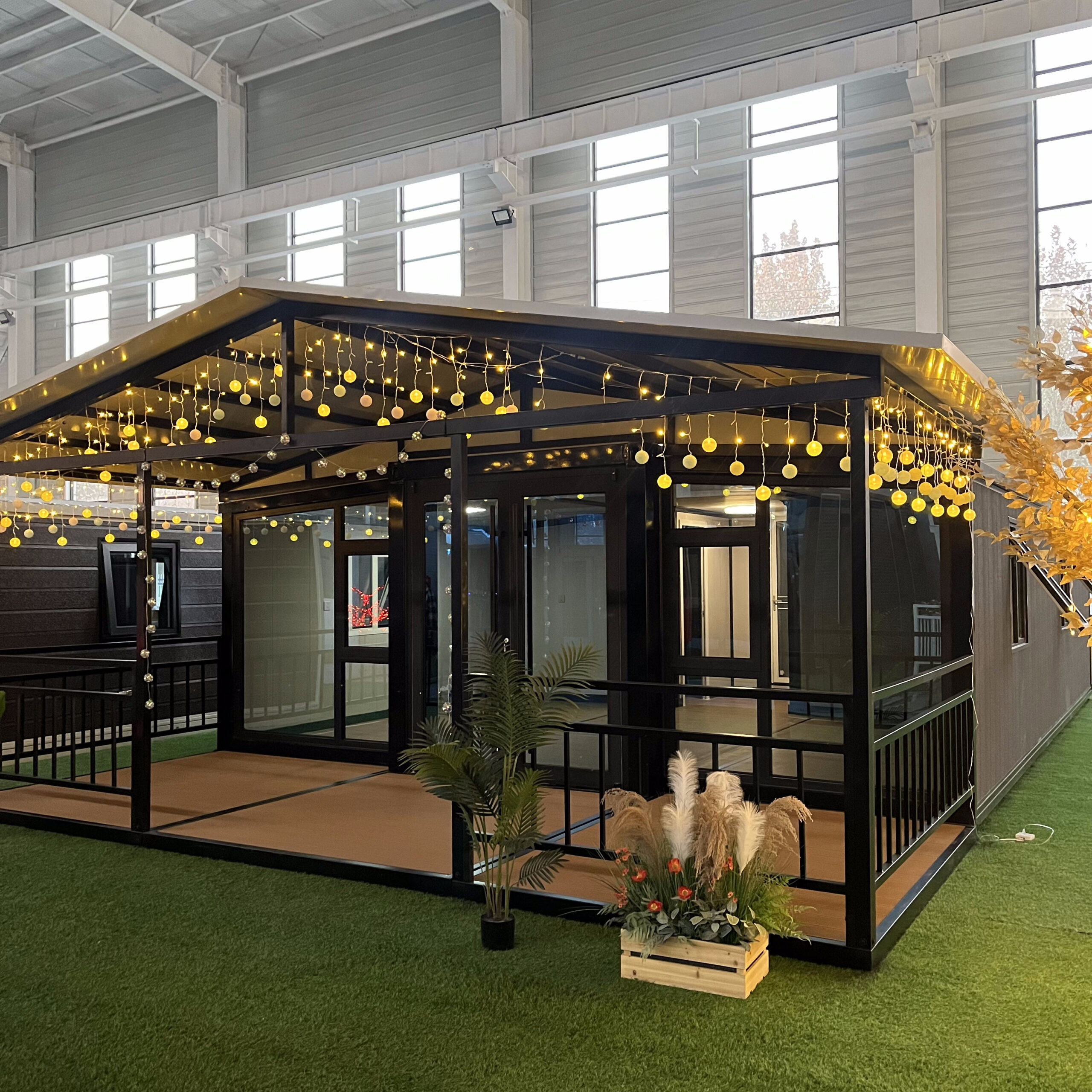
Imagine clusters of these units positioned along Victoria’s Great Ocean Road or Queensland’s Whitsunday Islands – offering luxury without environmental compromise.
Agricultural & Mining Operations
For remote worksites across the Outback:
– Transportable via standard trucks to any location
– Quick setup means immediate accommodation
– Durable enough for harsh conditions
– Configurable as offices, labs, or worker housing
Mining companies in the Pilbara or cattle stations in the Gulf Country benefit from the rapid deployment and durability.
Emergency & Disaster Response
Australia’s climate extremes create emergency scenarios:
– Deployable within hours of natural disasters
– Self-contained with water/power systems
– Stackable for efficient storage when not in use
– Medical unit configurations available
During floods in New South Wales or bushfires in Victoria, these units provide immediate shelter for displaced residents or emergency workers.
Customization: Making It Your Australian Sanctuary
While the standard configuration is impressive, true off-grid living requires personalization. This container house plan offers extensive customization options:
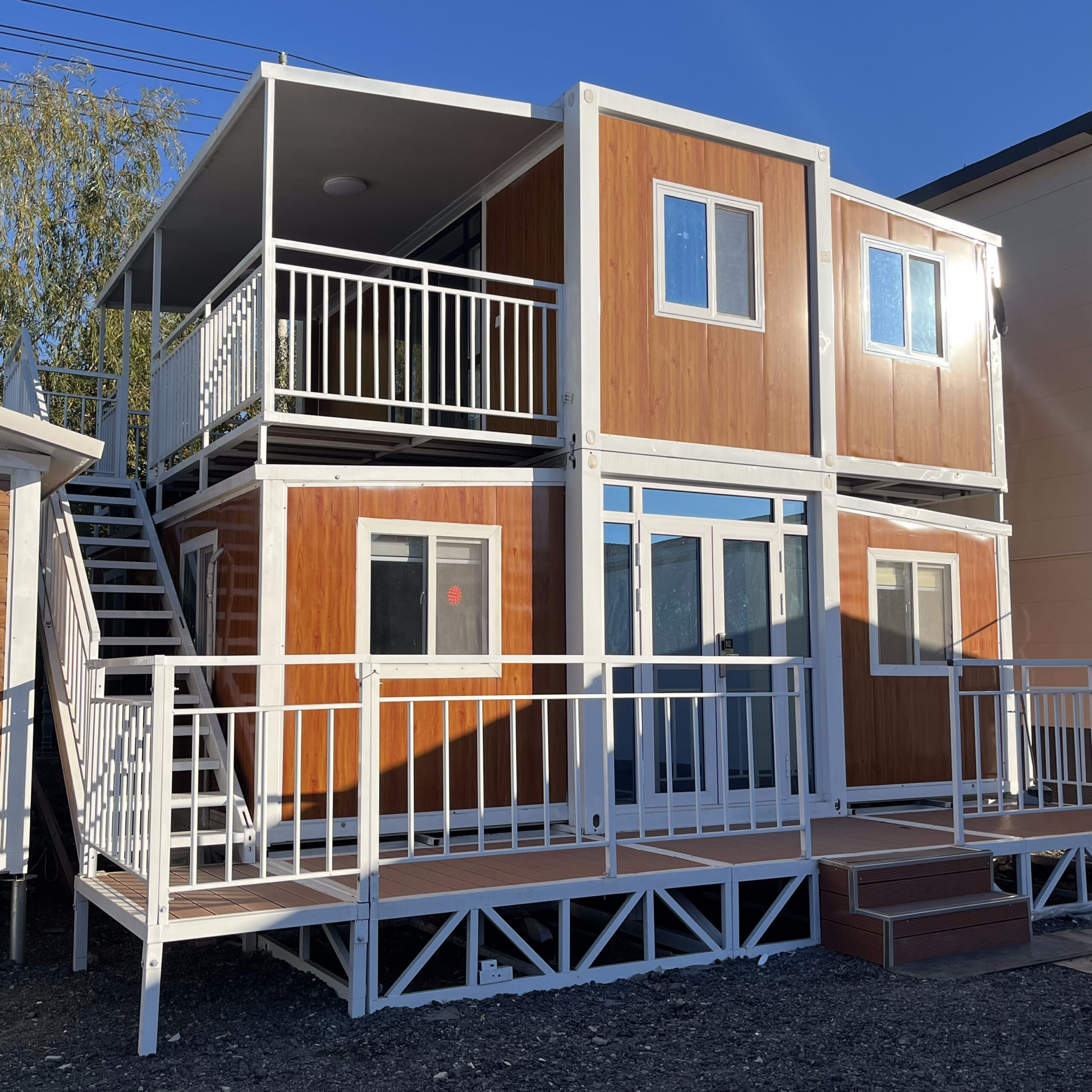
Exterior Finishes
Blend with or stand out in your chosen Australian landscape:
– Wood grain cladding (timber-look but fire-resistant)
– Corrugated metal in Colorbond® shades matching surroundings
– Stone veneer panels for rocky outcrop sites
– Living green roofs for biodiversity in urban settings
Off-Grid System Integration
Complete self-sufficiency packages available:
– Solar arrays (3-10kW) with lithium battery storage
– Rainwater harvesting with filtration systems
– Biogas digesters for cooking gas from organic waste
– Satellite internet for remote connectivity
These systems are sized specifically for Australian conditions – accounting for everything from Darwin’s wet season to Hobart’s winter solar insolation.
Special Configurations
Specialized uses demand tailored solutions:
– Artist studios with north-facing skylights
– Research labs with equipment mounting points
– Medical clinics with examination rooms
– School rooms for remote communities
Installation Process: From Delivery to Livability
One of the most compelling aspects is the speed of deployment. Watch this video to see the expansion in action:
Your browser does not support the video tag.
The typical installation timeline:
1. Site preparation (minimal grading, no concrete needed)
2. Delivery and positioning (standard truck access)
3. Expansion (10 minutes with hydraulic assist)
4. Utility connections (pre-installed systems ready)
5. Commissioning (typically same day)
This means you can go from empty land to functional dwelling in under 24 hours – a game-changer for remote Australian properties where construction crews are scarce and expensive.
Sustainability: Beyond Greenwashing
In an era of climate consciousness, this container house plan delivers genuine sustainability:
– 85% recycled steel content in structure
– Factory-built reduces construction waste by 70%
– Designed for disassembly and relocation
– Solar-ready with net-metering capability
– Materials selected for low embodied carbon
The lifecycle analysis shows a 60% lower carbon footprint compared to traditional Australian construction methods. For environmentally conscious off-gridders in places like Tasmania’s Tarkine region or the Daintree Rainforest, this isn’t just a home – it’s a statement of values.
Cost Considerations & ROI
While initial investment is significant (AUD $65,000-$120,000 depending on specifications), the long-term economics make sense:
– No land development costs (minimal site prep)
– Reduced construction time (saves labor costs)
– Lower ongoing expenses (energy/water independence)
– Potential income as eco-accommodation
– Asset retains value due to portability
Compared to building a traditional off-grid home in remote Australia – where costs can exceed $3,000/m² – this container solution offers exceptional value. The ability to relocate it also provides flexibility for lifestyle changes or property development.
Navigating Australian Regulations
Off-grid container housing exists in a regulatory grey area, but this design addresses key concerns:
– Engineered to exceed National Construction Code (NCC) requirements
– Transport compliance with state road authorities
– Bushfire assessments available for BAL zones
– Waste system approvals for remote areas
Working with specialists familiar with local council requirements (common in Victoria’s Mornington Peninsula or Queensland’s Noosa) ensures smooth approval processes.
The Future of Australian Off-Grid Living
As Australia faces housing affordability crises and climate adaptation challenges, solutions like this double-wing container house represent more than just accommodation – they’re a new paradigm for sustainable, resilient living. Whether you’re seeking independence in the Outback, an eco-retreat in the rainforest, or a mobile base for adventure across this vast continent, this technology delivers.
For serious off-gridders, the 20-foot double-wing expansion container isn’t just a house plan – it’s a comprehensive habitat solution designed specifically for Australia’s unique challenges and opportunities. It combines the mobility of a caravan with the solidity of a permanent structure, the efficiency of a tiny home with the space of a traditional dwelling.
As Australia continues to lead in sustainable architecture and off-grid innovation, this container house plan stands at the forefront – proving that compact doesn’t mean compromised, and mobile doesn’t mean temporary. For those ready to embrace genuine off-grid living without sacrificing comfort or style, the double-wing expansion container offers a practical, beautiful, and thoroughly Australian solution.
本文由人工智能技术生成,基于公开技术资料和厂商官方信息整合撰写,以确保信息的时效性与客观性。我们建议您将所有信息作为决策参考,并最终以各云厂商官方页面的最新公告为准。