
Looking for affordable container house kits for sale? Our comprehensive guide explores the innovative 40-foot customized double-wing expansion room available in Australia. Learn how these cost-effective, modular housing solutions offer versatility, quick deployment, and customizable living spaces without breaking the bank.
In today’s rapidly evolving housing market, finding affordable yet quality living solutions has become a priority for many Australians. The rising costs of traditional construction have led homeowners, property developers, and entrepreneurs to explore alternative building methods that offer both value and versatility. This is where affordable container house kits for sale come into play, revolutionizing how we think about modular living spaces.
Container architecture has transformed from a niche concept into a mainstream housing solution, offering an excellent balance between cost-efficiency and modern design. Among the various options available, the 40-foot customized double-wing expansion room stands out as an innovative solution that combines space efficiency with expandable functionality. Let’s dive deep into this remarkable product and discover why it’s becoming the go-to choice for those seeking affordable, flexible housing solutions in Australia.
The Evolution of Container Housing
Container housing has come a long way since its inception as simple shipping boxes converted into basic shelters. Today’s container homes are sophisticated structures that rival traditional buildings in terms of comfort, aesthetics, and functionality. The 40-foot customized double-wing expansion room represents the pinnacle of this evolution, offering expandable living spaces that can adapt to various needs and preferences.
What makes these container house kits particularly appealing is their affordability compared to conventional construction methods. When you consider that traditional building costs in Australia can range from $1,200 to $3,000 per square meter, container house kits present a significantly more economical alternative, often reducing costs by 30-40% while still delivering quality and durability.
Introducing the 40-Foot Customized Double-Wing Expansion Room
The centerpiece of our discussion is the innovative 40-foot customized double-wing expansion room, a modular building solution that redefines space efficiency. This product is designed for those who need a balance between compact transportation and spacious living arrangements.
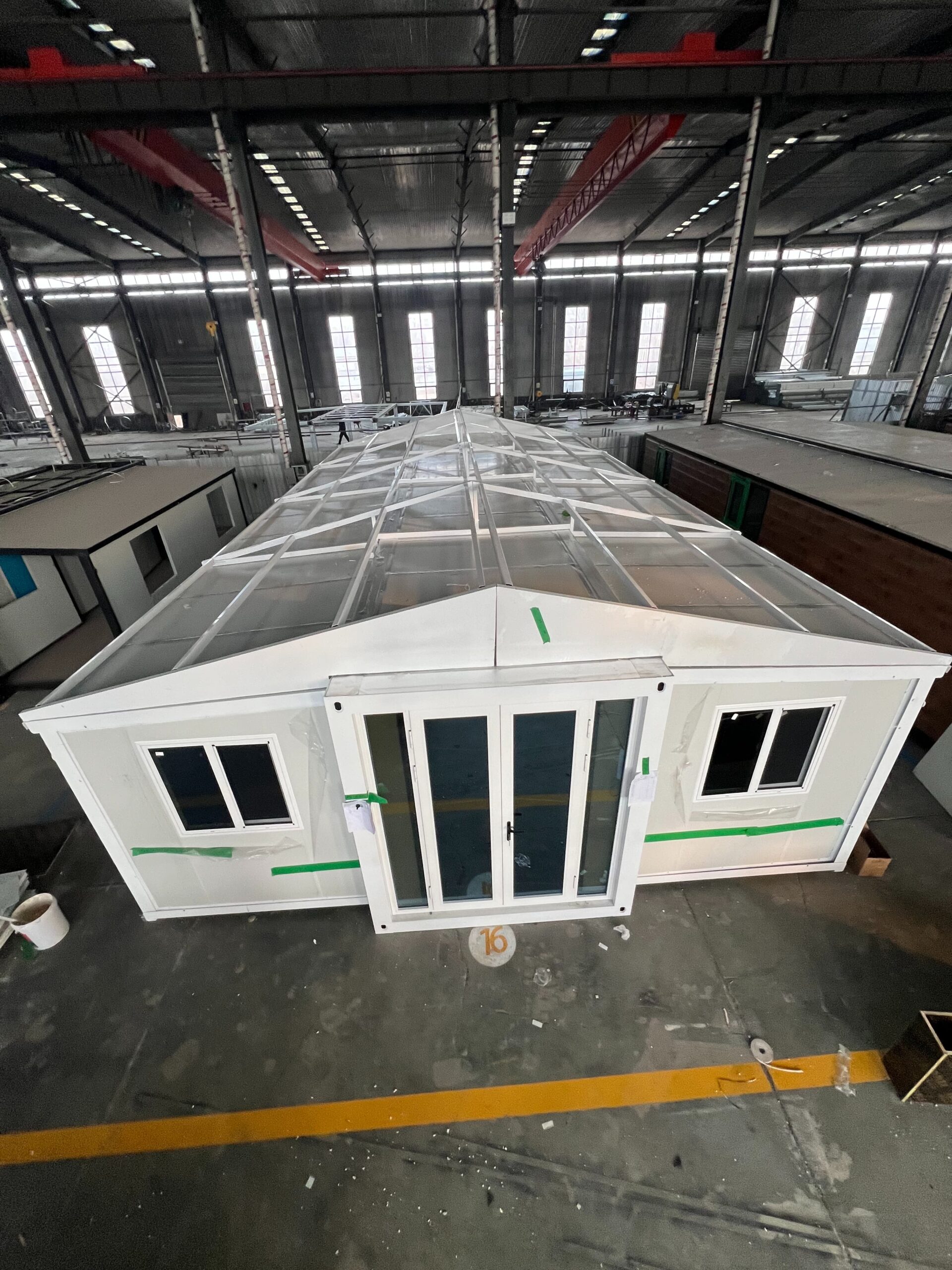
The double-wing expandable folding container house, also known as an expansion box house, features a unique design with “wing-like” structures on both sides that can expand outward. When unfolded, these wings create a remarkably spacious interior, much like a bird spreading its wings to create shelter. This ingenious design allows for maximum space utilization while maintaining the convenience of compact transportation.
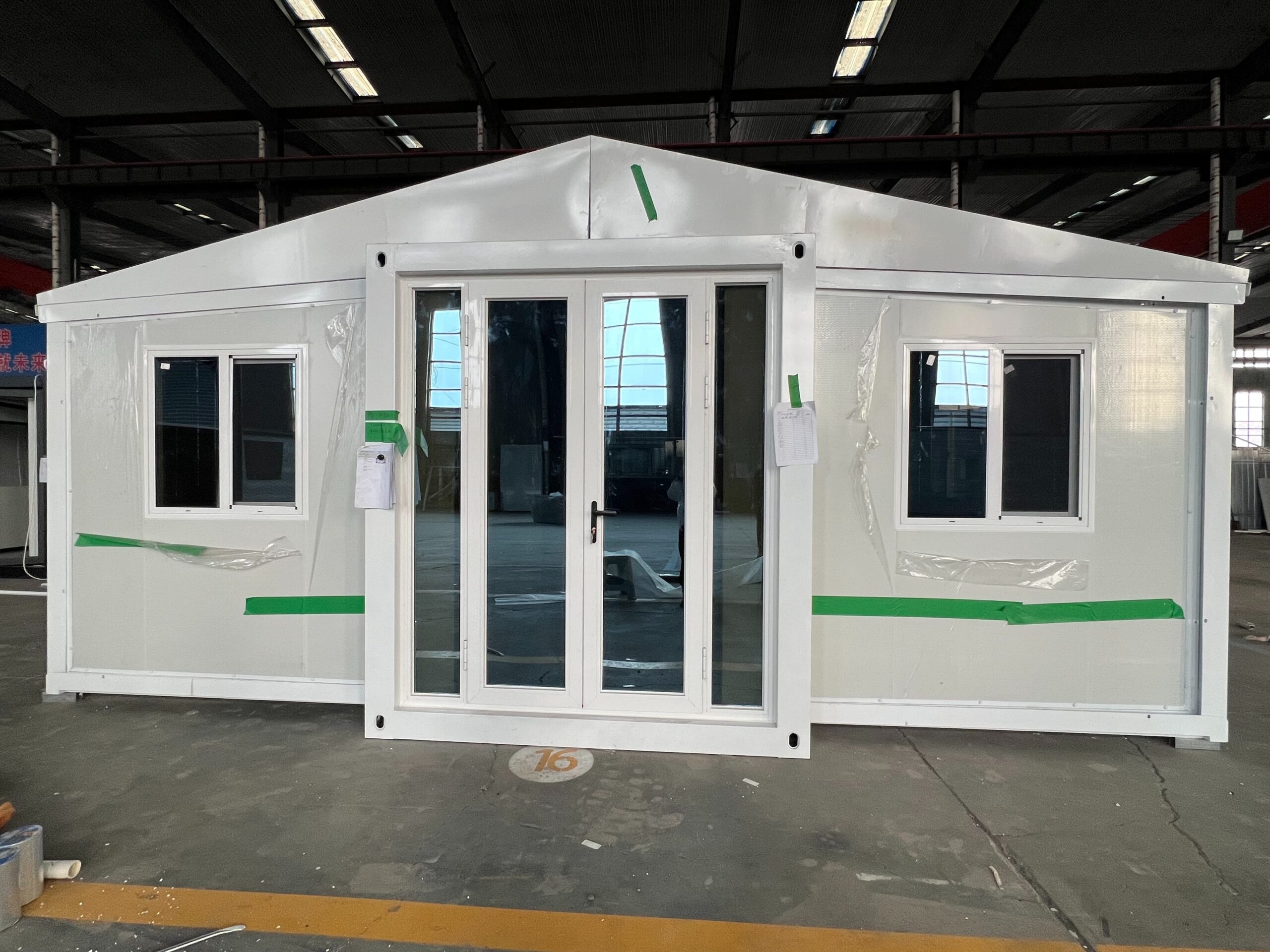
For those who prefer a more streamlined option, the single-wing expandable folding container house offers a lightweight alternative with one expandable side. When folded, it adapts to standard transportation dimensions, and when expanded, it increases the usable space by 1.5-2 times. This makes it perfect for smaller applications such as individual offices or temporary accommodations.
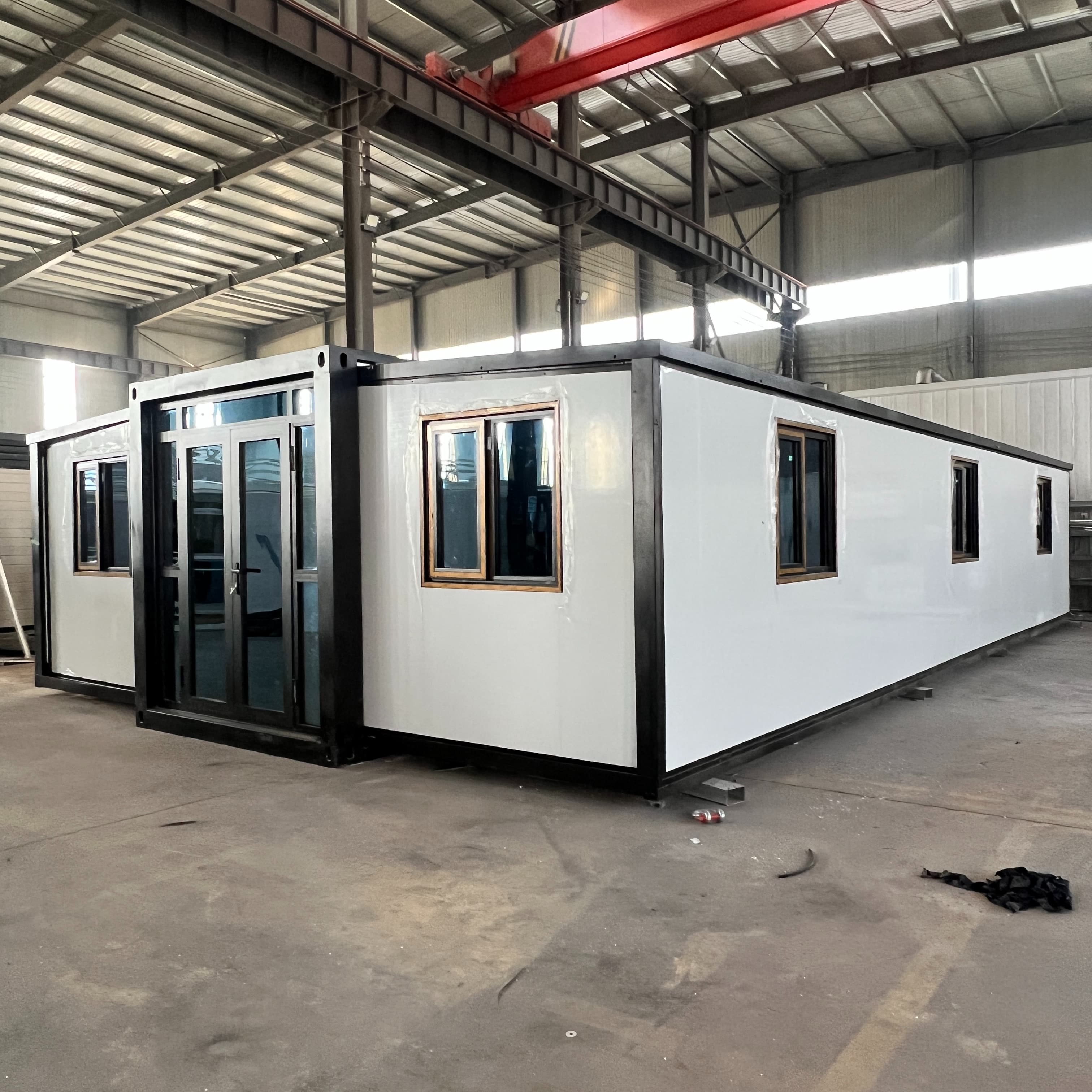
Core Features of the Double-Wing Expansion Room
1. Transformative Space Design
The most striking feature of these container house kits is their ability to transform from a compact unit to a spacious living area. During transportation and storage, both “wings” fold inward, maintaining standard container dimensions for easy handling. Once deployed, the side panels expand outward, increasing the usable area by 70-80%, effectively doubling the available space.
This transformation turns what appears to be a simple container into a comfortable one-bedroom or even two-bedroom living space. The expandable nature of these units makes them ideal for those who need flexibility in their living arrangements without committing to a permanent structure.
2. Modular Structure
Built with high-strength steel frames (hot-dip galvanized steel or carbon fiber composite materials), these container houses are designed for durability and versatility. The modular construction allows for individual use or combination with multiple units, creating larger complexes as needed.
The standard double-wing model features these dimensions:
- Expanded dimensions: Length 11,800mm × Width 6,240mm × Height 2,480mm
- Interior dimensions: Length 11,540mm × Width 6,080mm × Height 2,200mm
- Folded dimensions: Length 11,800mm × Width 2,200mm × Height 2,480mm
With a standard black frame that complies with road transportation regulations, these units can be easily moved to any location within Australia or beyond.
3. Prefabricated Construction
One of the key advantages of these container house kits is their high degree of prefabrication. Over 85% of the construction work is completed in the factory, including water and electrical pipelines, kitchen and bathroom facilities, windows, and doors. This significantly reduces on-site installation time and ensures consistent quality control.
The prefabrication process also contributes to the affordability of these units. By completing most of the construction in a controlled factory environment, manufacturers can reduce labor costs, minimize material waste, and maintain higher quality standards compared to traditional on-site construction.
Materials and Construction Quality
1. Premium Building Materials
The structural integrity of these container houses begins with their materials. The main structure utilizes a lightweight steel frame with full galvanization, combined with insulated panels (polyurethane, rock wool, etc.). Some high-end models even incorporate carbon fiber composite materials for enhanced strength and reduced weight.
The insulation materials are carefully selected to provide excellent thermal performance, keeping the interior comfortable in Australia’s diverse climate conditions. Whether you’re dealing with the tropical heat of Queensland or the cooler temperatures of Tasmania, these container houses can be adapted to maintain comfortable living conditions year-round.
2. Advanced Waterproofing
Waterproofing is a critical consideration for any dwelling, and these container houses excel in this area. They feature seamless connection technology throughout the structure, with windows and doors made of hollow broken bridge aluminum combined with Low-E glass. This advanced glazing system not only provides superior waterproof and anti-seepage performance but also enhances energy efficiency by reducing heat transfer.
The attention to waterproofing details ensures that these container houses can withstand Australia’s sometimes harsh weather conditions, from heavy rains in the northern regions to coastal humidity in areas like Sydney and Melbourne.
Functional Features and Amenities
1. Ready-to-Use Design
One of the most appealing aspects of these container house kits is their “ready-to-use” nature. Factory prefabrication includes integrated water and electrical pipelines, air conditioning, lighting, and even smart control systems. This means that once the unit is delivered and expanded, it’s immediately habitable with minimal additional work required.
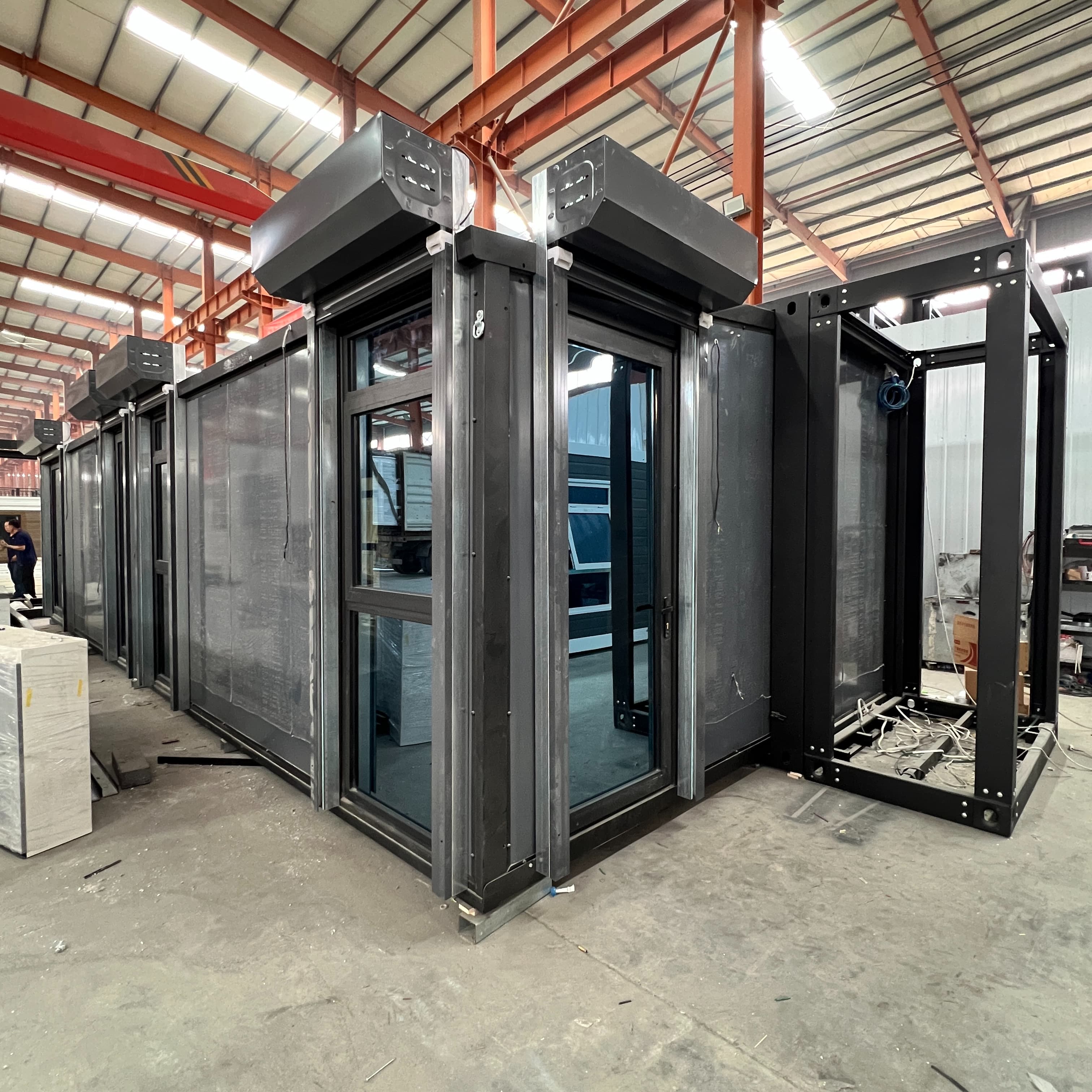
For homeowners and businesses in Australia, this translates to significant time savings. Instead of waiting months for traditional construction, you can have a fully functional living or working space in a matter of days.
2. Flexible Interior Layout
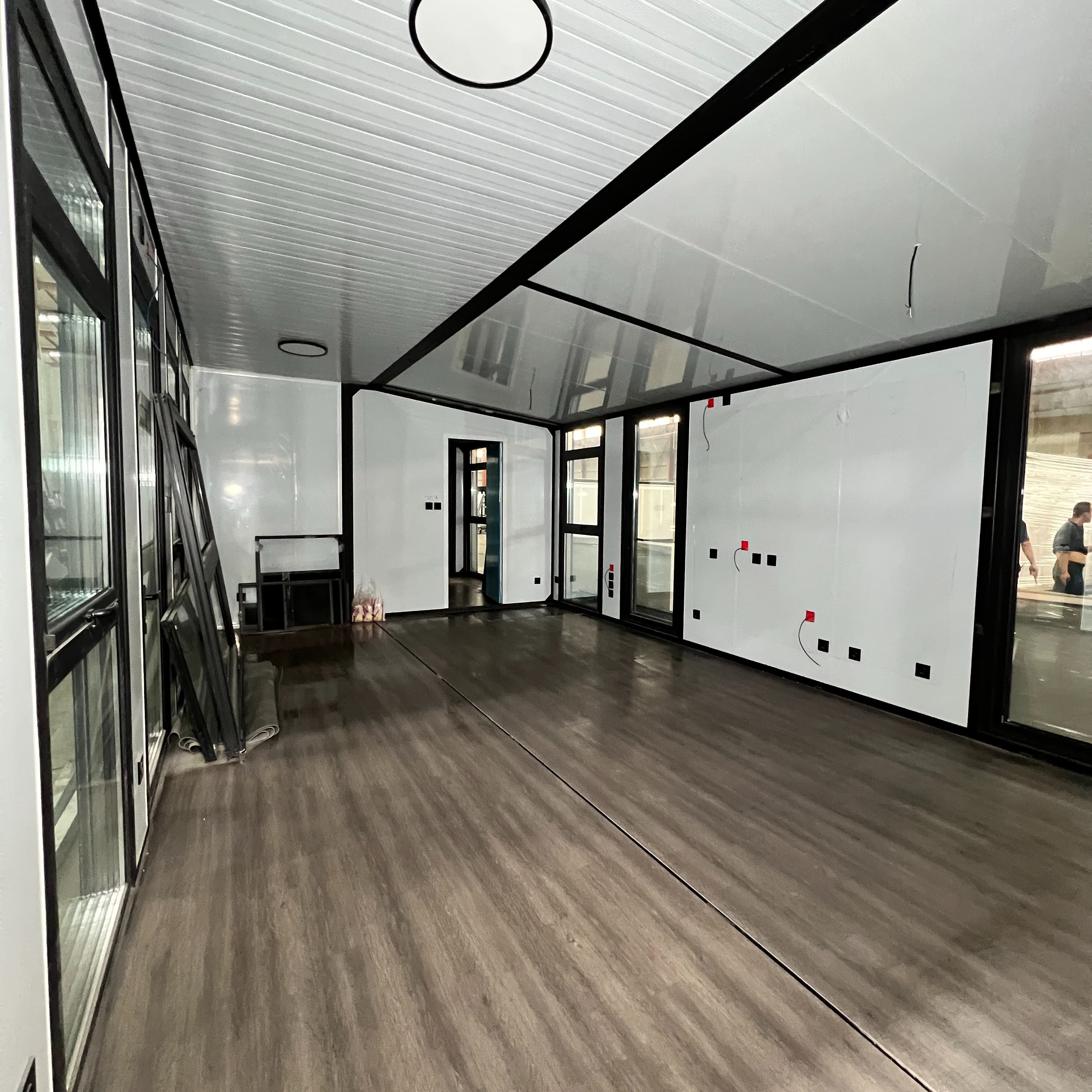
The interior of these container houses is designed with flexibility in mind. The pillar-free design maximizes space utilization, reaching up to 90% efficiency. This allows for various layout options, including LOFT designs, one-bedroom living rooms, or open-plan spaces that can be customized to suit individual needs.
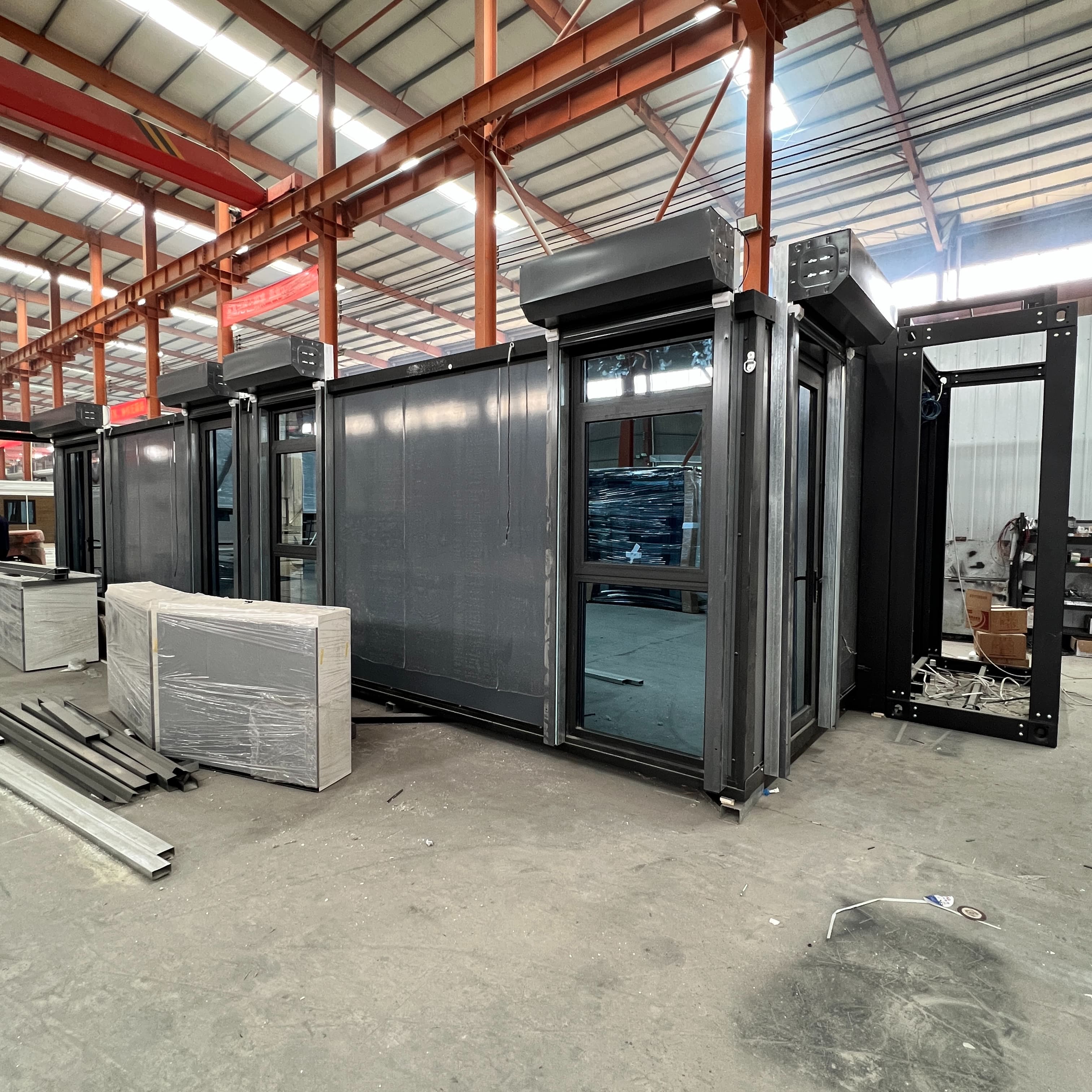
The adaptability of the interior space makes these container houses suitable for a wide range of applications, from family homes to offices, retail spaces, or even temporary accommodations for events and festivals.
3. Complete Living Amenities
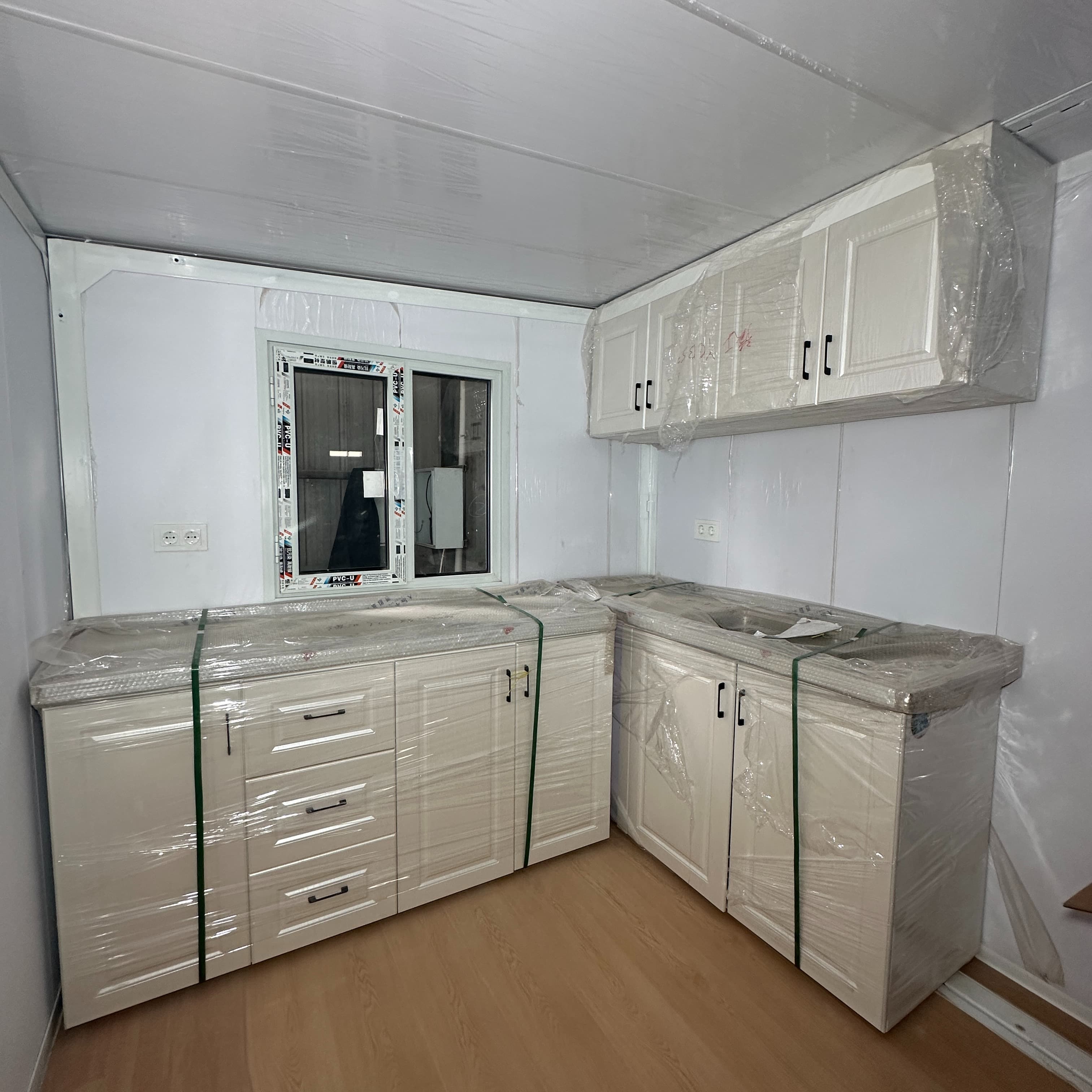
These container houses come equipped with all the essential amenities for comfortable living. The kitchen area includes modern fixtures and appliances, designed for both functionality and style.
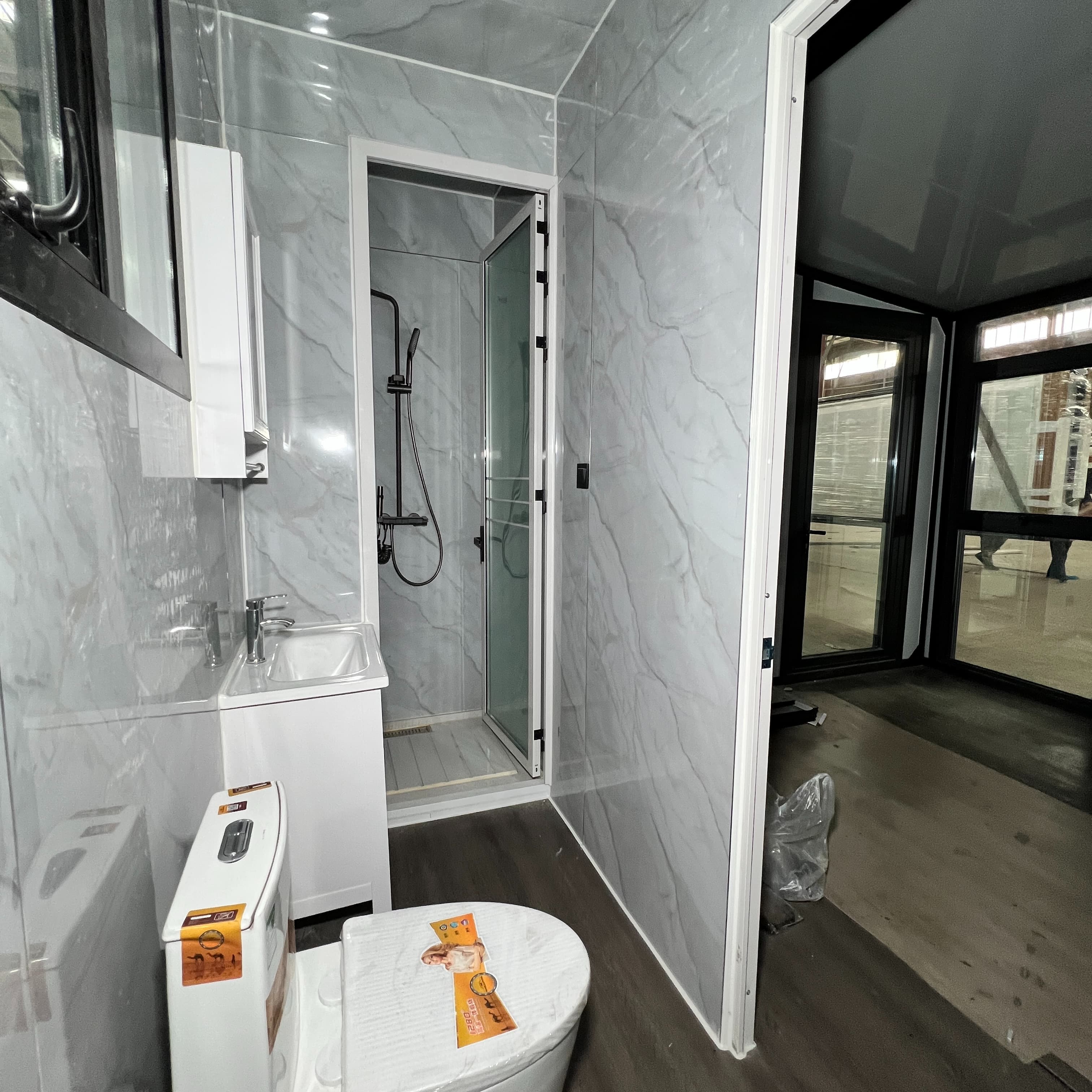
The bathroom facilities are equally well-appointed, featuring contemporary fixtures and efficient use of space.
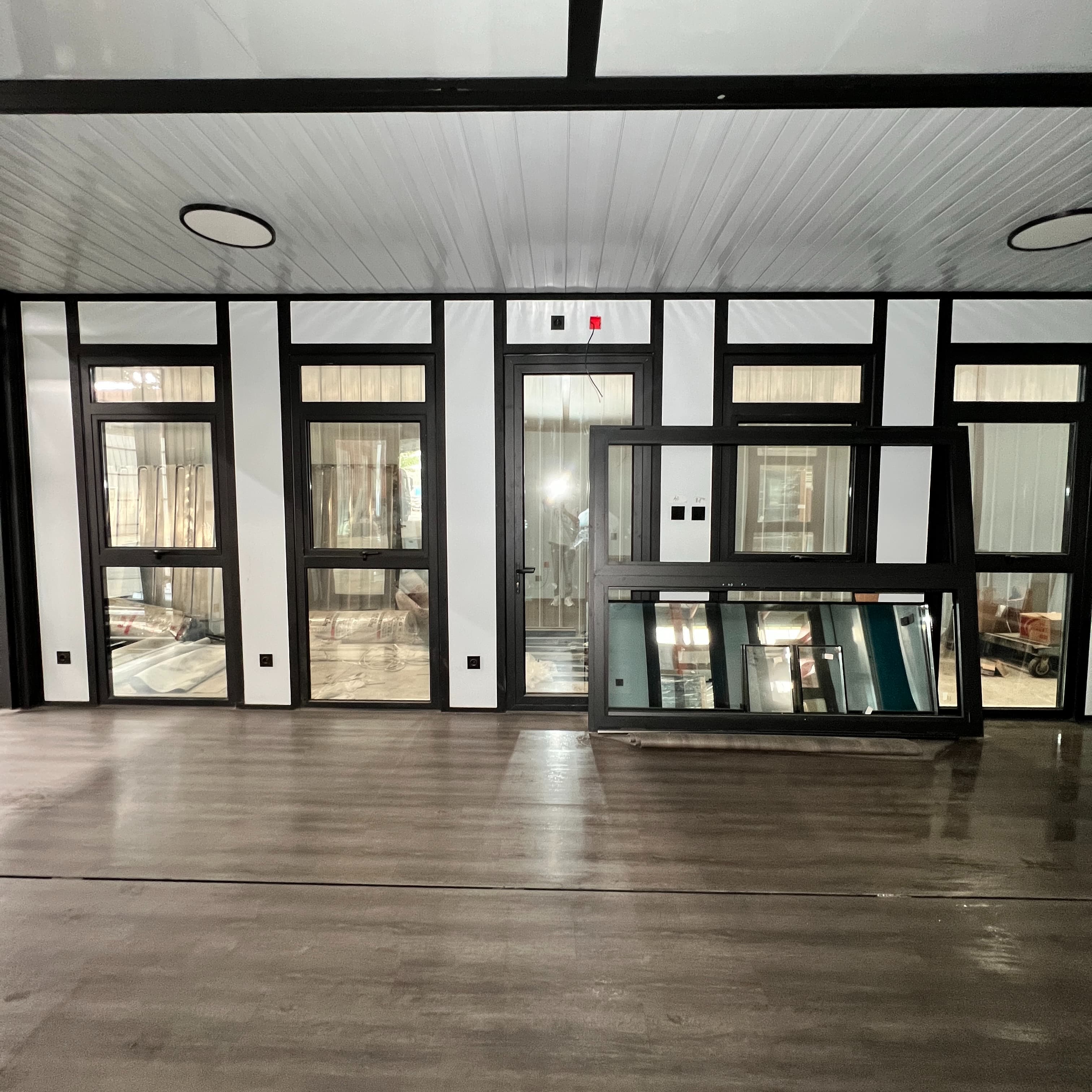
These amenities are carefully integrated during the prefabrication process, ensuring that everything fits perfectly and functions as intended. The result is a living space that feels like a traditional home rather than a temporary structure.
Key Advantages of Container House Kits
1. Rapid Deployment
Perhaps the most significant advantage of these container house kits is their rapid deployment capability. With 95% of the construction completed in the factory, on-site work is limited to simple hoisting and connection procedures. A single unit can be installed in just a few hours, while a combination of multiple units typically takes only 1-3 days to complete.
This speed of deployment is particularly valuable in Australia’s dynamic property market, where timing can be critical for both residential and commercial projects. Whether you need emergency housing after natural disasters, temporary accommodations for workers, or a quick solution for a growing family, these container houses provide an almost immediate answer.
2. Minimal Foundation Requirements
Unlike traditional buildings that require extensive foundation work, these container houses can be installed with minimal ground preparation. Many models use independent foundations or simple pads, significantly reducing the civil engineering workload and associated costs.
This feature makes these container houses ideal for locations where traditional construction would be challenging or prohibitively expensive. In remote areas of Australia, for instance, the reduced foundation requirements can make the difference between a feasible project and an impossible one.
3. Mobility and Flexibility
The inherent mobility of container houses is another compelling advantage. These structures can be moved as a whole unit through hoisting, allowing for multiple relocations throughout their lifespan. This flexibility is perfect for businesses that need to relocate periodically or for individuals who desire the freedom to change their living environment without investing in new construction.
Additionally, container houses can adapt to various terrains, including mountainous areas, slopes, and grasslands. This versatility in site selection opens up numerous possibilities for placement in some of Australia’s most beautiful and remote locations.
4. Simplified Regulatory Process
In many regions of Australia, container houses classified as temporary buildings benefit from a simplified approval process compared to permanent structures. While regulations vary by location, the temporary nature of these dwellings often means less red tape and faster implementation.
However, it’s essential to research local building codes and regulations before purchasing a container house kit. Working with reputable suppliers who understand the Australian regulatory landscape can help ensure compliance and avoid potential legal issues.
Environmental and Sustainability Benefits
1. Energy Efficiency
Modern container houses are designed with energy efficiency in mind. The polyurethane insulation layer effectively reduces air conditioning energy consumption, providing significant savings on both cooling in summer and heating in winter. This energy efficiency not only benefits the environment but also results in lower utility bills for occupants.
In a country like Australia, where energy costs can be substantial and climate varies dramatically across regions, the energy-efficient design of these container houses makes them an economically and environmentally sound choice.
2. Recyclable Materials
Sustainability is a key consideration in modern construction, and container houses excel in this regard. The steel structure used in these units has a recycling rate of over 90%, meaning that at the end of its life cycle, the majority of the materials can be repurposed rather than ending up in landfills.
Furthermore, many container house manufacturers incorporate other recycled or sustainable materials in their designs, reducing the environmental impact of the construction process.
3. Green Building Standards
Many container house models use environmentally friendly panels with low formaldehyde emissions, meeting green building standards. This focus on healthy indoor air quality is particularly important for families with children, elderly residents, or individuals with respiratory sensitivities.
As Australia continues to emphasize sustainable development and environmental responsibility, container houses represent a building method that aligns with these values while still providing affordable and comfortable living spaces.
Durability and Longevity
1. Extended Structural Life
When properly maintained, container houses offer impressive longevity. The hot-dip galvanized steel structure provides excellent corrosion resistance, with a potential service life of 20-30 years. This durability makes container houses a sound long-term investment rather than a temporary solution.
In Australia’s diverse climate conditions, from the humid coastal areas to the arid interior, the corrosion-resistant properties of galvanized steel are particularly valuable, ensuring that the structure remains sound regardless of environmental challenges.
2. Seismic Resistance
The steel frame construction of container houses provides excellent seismic performance. The flexible connections within the structure allow it to withstand seismic forces up to magnitude 8, making these units suitable for earthquake-prone areas of Australia.
While Australia is not typically associated with severe seismic activity, certain regions do experience earthquakes, making this structural resilience an important safety feature for occupants.
3. Wind Resistance
Container houses are engineered to withstand strong winds, with the ability to resist force 10-12 gales. This wind resistance is crucial in Australia, where certain regions experience severe weather events including cyclones and intense storm systems.
The robust construction and anchoring systems ensure that these container houses remain safe and secure even in challenging weather conditions, providing peace of mind for occupants in areas prone to high winds.
Economic Advantages
1. Cost Efficiency
When compared to traditional construction methods, container houses offer significant cost savings. The construction period is typically reduced by 60-70%, while overall costs are 30-40% lower. This cost efficiency makes container houses an attractive option for budget-conscious individuals and organizations.
In Australia’s competitive real estate market, where property prices continue to rise in many areas, the affordability of container houses provides an accessible entry point to homeownership or business premises without compromising on quality or functionality.
2. Reduced Maintenance Costs
The modular design of container houses allows for individual component replacement, making maintenance more straightforward and cost-effective. Unlike traditional buildings where repairs can be complex and expensive, container houses can be maintained with minimal specialized labor or equipment.
This reduced maintenance requirement translates to lower long-term ownership costs, further enhancing the economic appeal of container houses as a sustainable housing solution.
3. Quick Return on Investment
For commercial applications, the rapid deployment of container houses means faster utilization and quicker return on investment. Whether used as rental properties, retail spaces, or temporary offices, these units can begin generating income almost immediately after installation.
In Australia’s dynamic business environment, where speed to market can be a critical success factor, the ability to establish functional premises quickly provides a competitive advantage for entrepreneurs and established businesses alike.
Customization and Versatility
1. Breaking Free from Fixed Layouts
One of the most exciting aspects of modern container houses is their potential for customization. These structures break free from the limitations of fixed layouts, offering truly personalized construction based on specific needs. From exterior appearance to internal configuration and functional features, almost every aspect can be tailored to individual preferences.
This level of customization allows Australian homeowners and businesses to create spaces that reflect their unique style and requirements, rather than settling for generic designs.
2. Scenario-Based Customization
Container houses can be customized for various scenarios, quickly transforming into dormitories, offices, guesthouses, commercial spaces, or even educational facilities. This adaptability makes them suitable for a wide range of applications across different sectors.
In Australia’s diverse economic landscape, this versatility allows container houses to serve multiple purposes throughout their lifecycle, adapting to changing needs and maximizing their utility and value.
3. Design Flexibility
From overall shape to detailed configuration, container houses offer remarkable design flexibility. Exterior finishes can mimic traditional materials like wood or stone, while interior layouts can be adjusted to accommodate specific furniture arrangements or functional requirements.
This design flexibility enables the creation of visually striking structures that blend seamlessly with their surroundings, whether in urban settings like Melbourne or Sydney, or in more rural and coastal areas of Australia.
Applications and Use Cases
1. Residential Solutions
For residential applications, container houses offer an affordable alternative to traditional homes. They can serve as primary residences, secondary dwellings (granny flats), or holiday accommodations. Their quick deployment makes them ideal for situations where housing is needed urgently, such as after natural disasters or for growing families.
In Australia’s expensive housing market, particularly in major cities, container houses provide an opportunity for homeownership that might otherwise be out of reach for many individuals and families.
2. Commercial and Retail Spaces
The commercial applications for container houses are virtually limitless. They can be used as pop-up shops, permanent retail outlets, offices, cafes, or restaurants. Their eye-catching design and quick setup make them perfect for businesses looking to establish a presence quickly or create a unique brand identity.
In Australia’s vibrant retail and hospitality sectors, container houses offer entrepreneurs a cost-effective way to launch businesses with lower initial investment and greater flexibility than traditional brick-and-mortar establishments.
3. Tourism and Hospitality
The tourism industry has embraced container houses as innovative accommodation options. Their customizable appearance, combined with large windows and open layouts, makes them perfect for creating “Instagram-worthy” accommodations that attract younger travelers. Their ability to be placed in scenic locations without extensive site preparation allows for the development of unique lodging experiences in natural settings.
In Australia’s thriving tourism market, from the beaches of Queensland to the vineyards of South Australia, container houses provide an opportunity for distinctive accommodation offerings that stand out in a competitive industry.
4. Emergency and Temporary Housing
Container houses excel in emergency situations where temporary housing is needed quickly. Their rapid deployment, mobility, and durability make them ideal for disaster relief efforts, refugee accommodations, or temporary housing during infrastructure projects.
In a country as vast as Australia, where natural disasters like bushfires and floods can displace communities, the ability to quickly provide safe and comfortable housing is crucial. Container houses offer a practical solution to these challenging situations.
5. Remote and Rural Applications
For remote and rural areas where traditional construction is logistically challenging or prohibitively expensive, container houses provide an excellent alternative. They can be transported to difficult-to-reach locations and installed with minimal equipment or specialized labor.
In Australia’s vast outback and remote communities, container houses offer a practical solution for housing, schools, medical facilities, and other essential infrastructure that might otherwise be difficult to establish.
Purchasing Considerations
1. Price Variations
When considering affordable container house kits for sale, it’s important to understand that prices can vary significantly between manufacturers and configurations. Basic models will naturally cost less than those with premium features and finishes. It’s essential to establish a clear budget and prioritize features accordingly.
In Australia’s market, container house prices typically range from $20,000 to $80,000 depending on size, features, and customization options. While this represents a significant investment, it’s substantially less than the cost of traditional construction for comparable space.
2. Customization Requirements
While customization is one of the key advantages of container houses, extensive modifications can increase both cost and production time. If you require special dimensions or unique features, be prepared for potential price increases and longer delivery times.
Working with a reputable manufacturer who has experience with the Australian market can help you navigate customization options while keeping costs reasonable and delivery times manageable.
3. Transportation Considerations
Before purchasing a container house kit, consider the logistics of transportation to your desired location. Oversized units may require special transportation permits, particularly in certain regions of Australia. It’s important to factor these potential additional costs and requirements into your planning.
Experienced suppliers typically handle transportation arrangements, but it’s wise to confirm these details upfront to avoid unexpected expenses or delays.
4. Local Regulations
Building regulations can vary significantly between different states and territories in Australia. Some areas have specific requirements for temporary buildings or alternative construction methods. Before finalizing your purchase, research local regulations and ensure your container house will comply with all relevant codes.
Many reputable container house suppliers are familiar with regulations across Australia and can provide guidance on compliance requirements for your specific location.
5. Long-Term Usage Planning
If you plan to use your container house for an extended period, consider long-term maintenance requirements and durability. While container houses are generally low-maintenance, periodic inspections and upkeep are necessary to ensure they remain in good condition throughout their lifespan.
Discuss maintenance recommendations with your supplier and establish a schedule for regular inspections to address any issues before they become significant problems.
Conclusion: The Future of Affordable Housing
As we’ve explored throughout this article, affordable container house kits for sale represent a revolutionary approach to modern living and working spaces. The 40-foot customized double-wing expansion room exemplifies the innovation and practicality that make container houses such an attractive option in today’s market.
For Australians seeking affordable, flexible, and sustainable housing solutions, these container house kits offer a compelling alternative to traditional construction methods. Their combination of rapid deployment, cost efficiency, customization potential, and environmental benefits makes them suitable for a wide range of applications, from residential homes to commercial spaces and emergency accommodations.
As the housing landscape continues to evolve, container houses are positioned to play an increasingly important role in meeting the diverse needs of Australia’s population. Whether you’re a first-time homebuyer, a business owner, or someone seeking a unique lifestyle solution, container houses provide an opportunity to create functional, comfortable, and distinctive spaces without the substantial costs and time commitments associated with traditional construction.
By embracing the innovation and practicality of container house kits, you’re not just investing in a building—you’re investing in a flexible, sustainable, and affordable solution that can adapt to your changing needs over time. In a country as dynamic and diverse as Australia, this adaptability and affordability are more valuable than ever.
{10、container home kits
本文由人工智能技术生成,基于公开技术资料和厂商官方信息整合撰写,以确保信息的时效性与客观性。我们建议您将所有信息作为决策参考,并最终以各云厂商官方页面的最新公告为准。