
Navigating container house regulations and building codes in Australia is crucial for deploying innovative modular structures like the 40-foot double-wing expansion room. This comprehensive guide explores Sydney-specific compliance requirements while showcasing a revolutionary expandable container home that combines rapid deployment with architectural flexibility, offering solutions for residential, commercial, and emergency applications across diverse Australian terrains.
As Australia embraces sustainable and flexible housing solutions, container homes have emerged as a revolutionary alternative to traditional construction. In metropolitan hubs like Sydney, where housing affordability and space optimization are critical concerns, expandable container structures like the 40-foot double-wing expansion room represent the pinnacle of modular innovation. However, navigating Australia’s complex regulatory landscape remains the primary challenge for enthusiasts and developers. This guide demystifies container house regulations across Australian states while introducing a game-changing expandable container solution engineered for compliance and adaptability.
Understanding Australia’s Container House Regulatory Framework
Australia’s building codes operate through a multi-tiered system where national standards intersect with state-specific legislation and local council requirements. The National Construction Code (NCC) forms the foundation, but its implementation varies significantly between states. For container homes in Sydney, compliance involves three critical dimensions:
1. National Construction Code (NCC) Compliance
The NCC classifies container homes under Class 1a (single dwellings) or Class 4 (residential annexes), mandating compliance with:
- Structural Integrity: AS/NZS 1170 structural design standards for wind loads (critical in cyclone-prone Queensland) and seismic requirements
- Thermal Performance: Nationwide House Energy Rating Scheme (NatHERS) minimum 6-star energy efficiency
- Fire Safety: AS 3959 bushfire attack level (BAL) ratings, especially vital for regional Victoria and NSW bushfire zones
- Accessibility: AS 1428 disability access provisions for permanent installations
2. State-Specific Variations
Each Australian state interprets the NCC differently:
- New South Wales (Sydney): Requires Development Applications (DA) for permanent dwellings. Temporary structures under 20m² may qualify as exempt development in rural zones.
- Victoria (Melbourne): Strict enforcement of ResCode standards for setbacks and site coverage. Container homes in flood-prone areas like Gippsland require elevated foundations.
- Queensland (Brisbane): Cyclonic construction standards (Region C/D) mandate additional tie-downs and reinforced frames in coastal areas.
- Western Australia (Perth): Simplified process for transportable buildings through the Transportable Homes Act.
3. Local Council Requirements
Sydney councils impose additional constraints:
- Waverley Council: Prohibits shipping containers in residential zones without special exemption
- Blacktown Council: Allows secondary dwellings (granny flats) under the State Environmental Planning Policies (SEPP)
- Blue Mountains Council: Requires BAL-FZ compliance for bushfire-prone properties
Introducing the 40-Foot Double-Wing Expansion Room: A Compliance-Engineered Solution
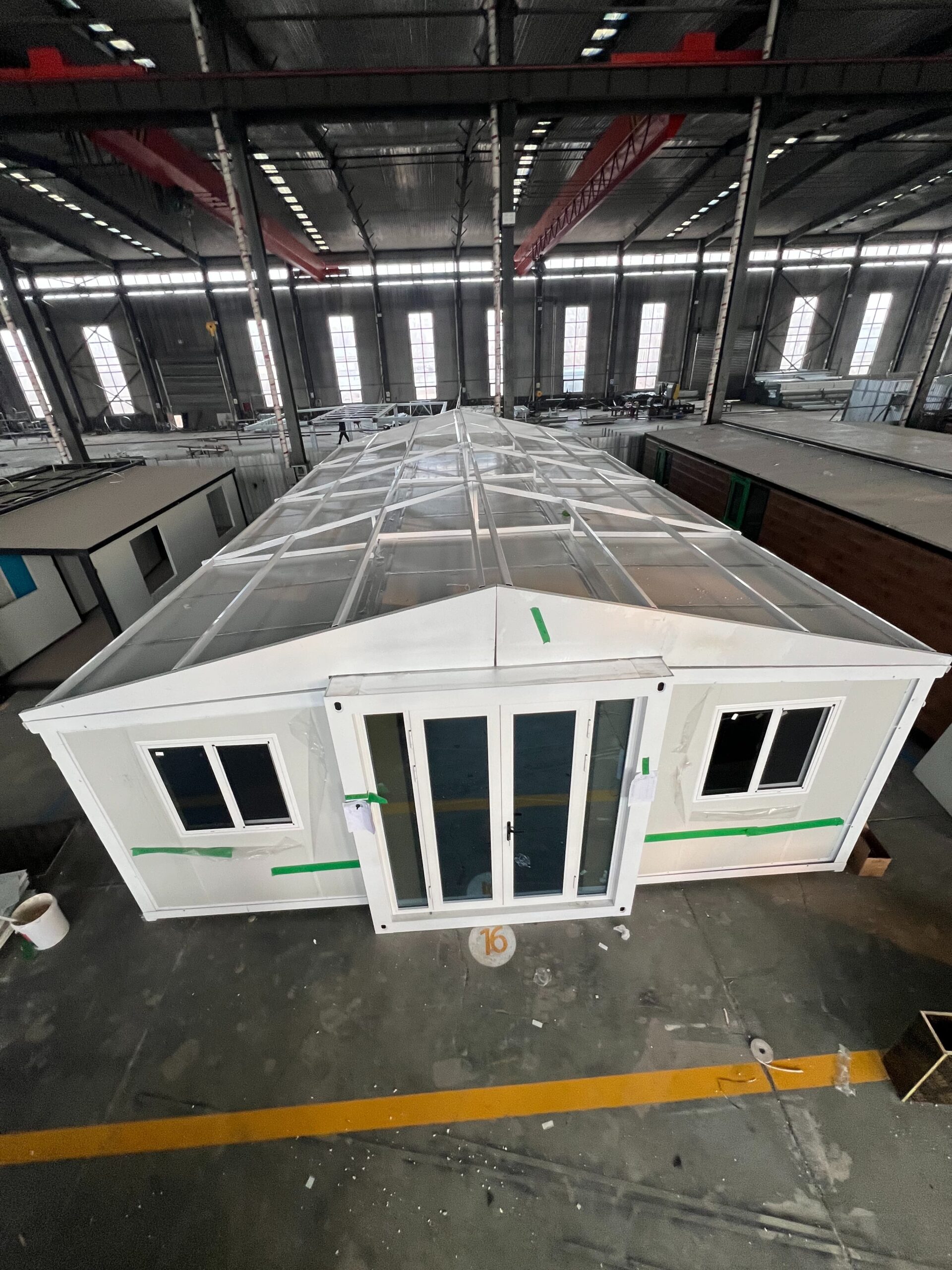
Amidst this regulatory complexity, the 40-foot customized double-wing expansion room emerges as a meticulously engineered solution designed to meet Australian building codes while delivering unprecedented spatial flexibility. This innovative modular structure transforms from a compact shipping container into a spacious dwelling through its unique wing-expansion mechanism.
Revolutionary Design Philosophy
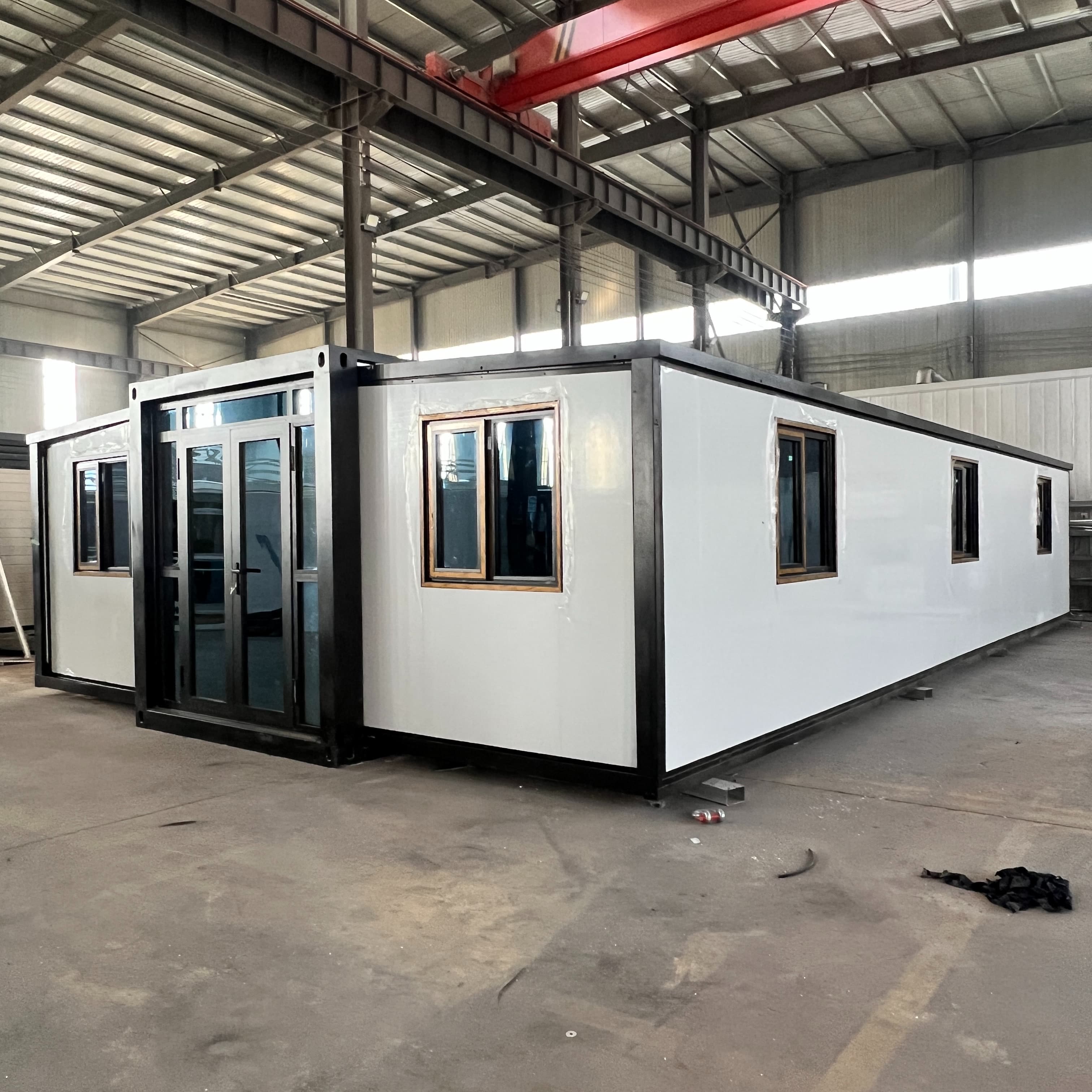
The double-wing expandable container house represents a paradigm shift in modular architecture. Its “wing” mechanism allows the structure to expand from a standard 40-foot container footprint (12m x 2.4m) into a spacious 6.24m width, effectively doubling the living area. This transformation occurs while maintaining structural integrity and compliance with Australian transport regulations.
Technical Specifications
| Specification | Details |
|---|---|
| Expanded Dimensions | 11,800mm (L) x 6,240mm (W) x 2,480mm (H) |
| Internal Dimensions | 11,540mm (L) x 6,080mm (W) x 2,200mm (H) |
| Folded Dimensions | 11,800mm (L) x 2,200mm (W) x 2,480mm (H) |
| Frame Material | Hot-dip galvanized steel (compliant with AS/NZS 4679) |
| Wall Insulation | 80mm polyurethane foam (R-value 2.8, exceeding NCC requirements) |
| Windows | Double-glazed Low-E aluminum (compliant with AS 2047) |
Compliance-Driven Engineering Features
The double-wing expansion room incorporates several critical design elements specifically engineered for Australian regulatory compliance:
1. Cyclonic Reinforcement
The hot-dip galvanized steel frame features reinforced corner posts and diagonal bracing engineered to withstand AS/NZS 1170.2 wind loads up to Region D cyclonic conditions. This makes the unit suitable for deployment in Queensland’s coastal areas like Cairns and Townsville without additional modifications.
2. Bushfire Resistance
Standard wall assemblies achieve BAL-12.5 rating under AS 3959, with optional BAL-29 upgrades available for properties in high-risk zones like the Adelaide Hills or Blue Mountains. The steel frame and mineral wool insulation provide inherent fire resistance exceeding timber structures.
3. Thermal Performance
The 80mm polyurethane insulation combined with double-glazed Low-E windows achieves a 7.2 NatHERS rating when oriented correctly, surpassing the 6-star minimum requirement. This reduces heating/cooling costs by up to 45% compared to conventional container homes.
4. Transport Compliance
The folded configuration (2.2m width) complies with NHVR road transport regulations, allowing movement without special permits. The flat-top variant maintains a 2.48m height for bridge clearance compliance nationwide.
Single-Wing Configuration: Streamlined Compliance
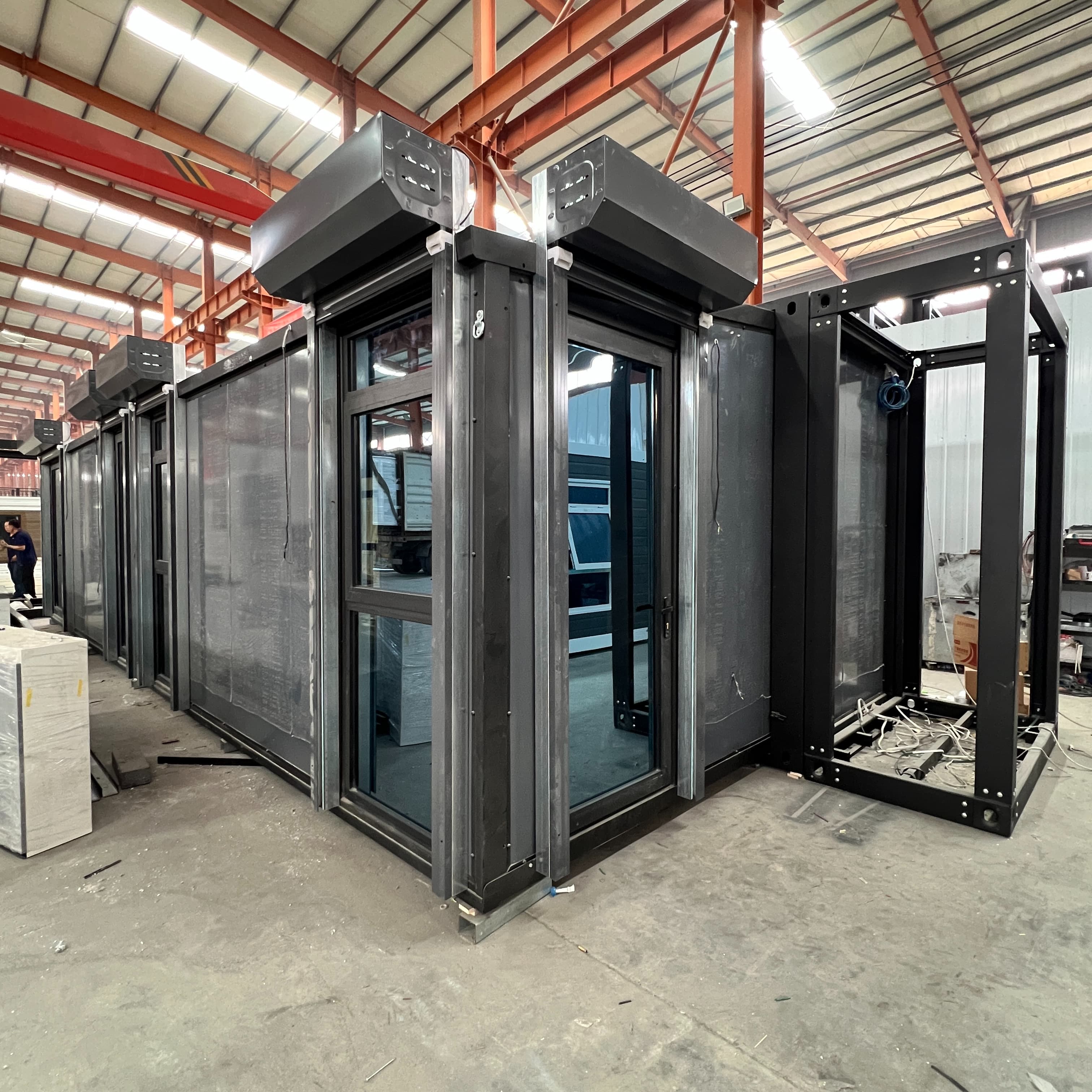
For projects with tighter space constraints or budget considerations, the single-wing expansion model offers a simplified alternative while maintaining regulatory compliance:
Key Advantages:
- 1.5x space expansion from standard container footprint
- Faster deployment (single hydraulic mechanism)
- Lower transport costs (reduced weight)
- Ideal for granny flats under NSW SEPP
Interior Design & Functional Compliance
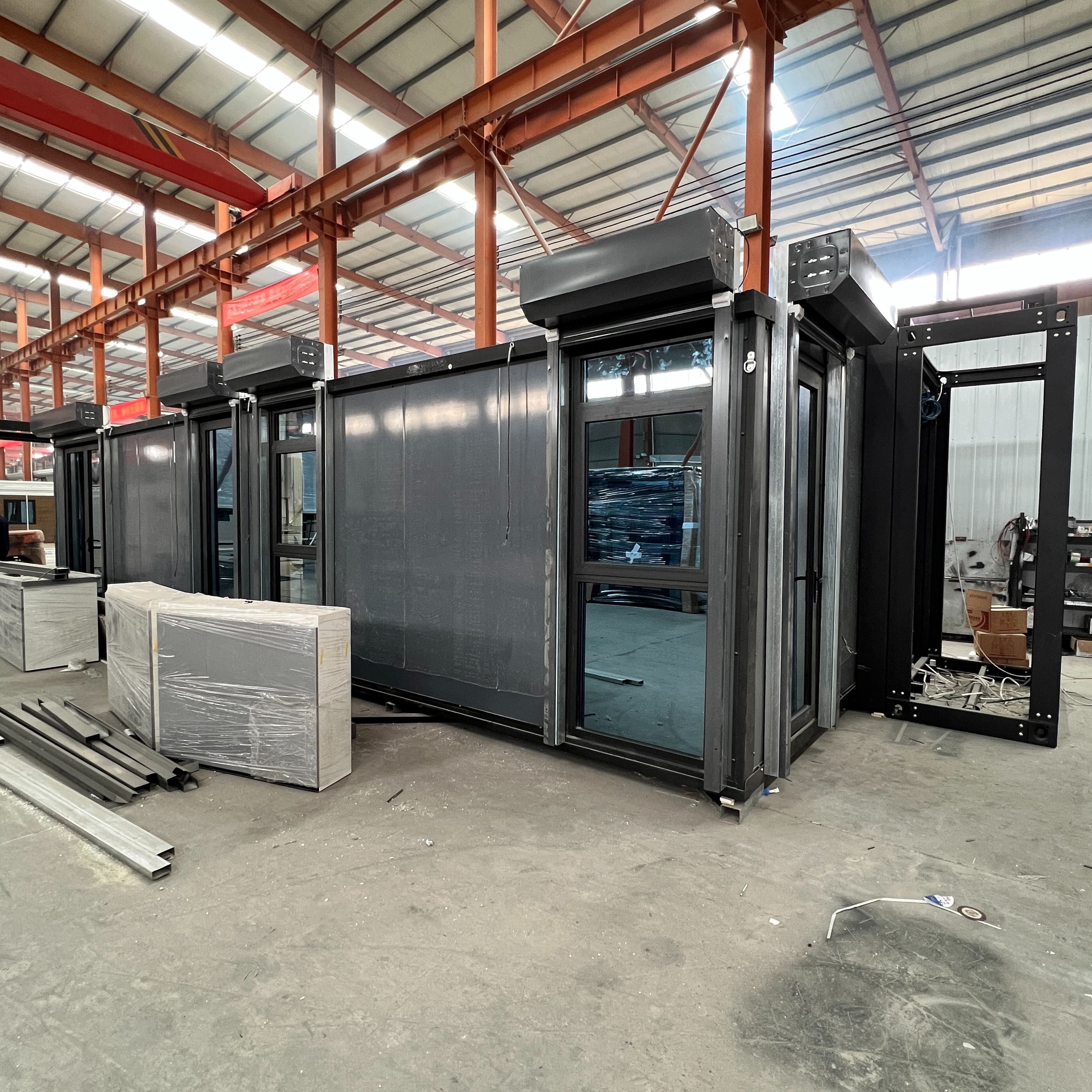
The factory-prefabricated interiors integrate Australian building code requirements with premium aesthetics. Every unit arrives with 95% of components pre-installed, dramatically reducing on-site construction time and potential compliance issues.
Living Space Optimization
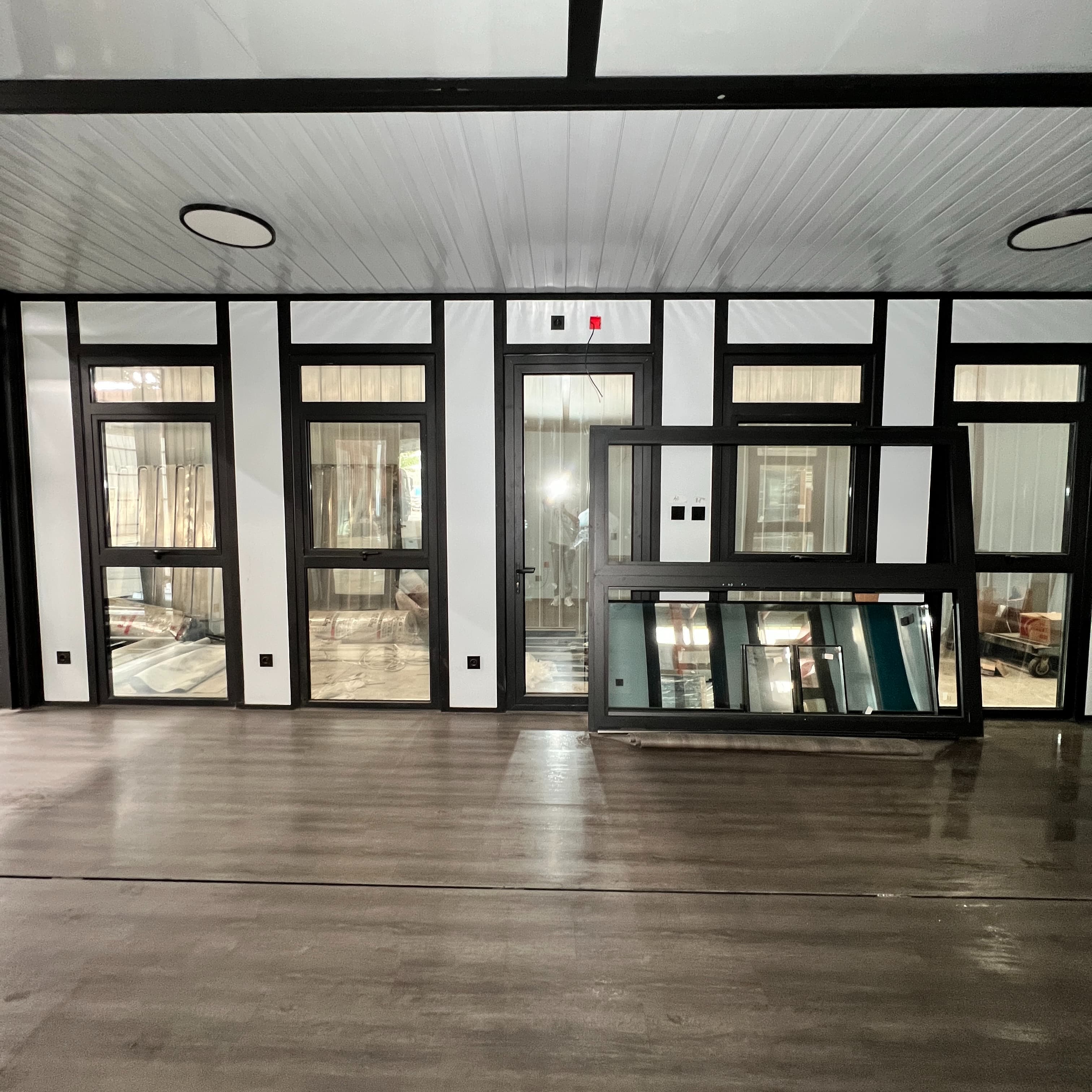
The column-free design achieves 90% spatial efficiency, with flexible layouts accommodating:
- One-bedroom apartments (28m² expanded)
- Two-bedroom configurations (with loft option)
- Open-plan studio layouts
Kitchen Compliance
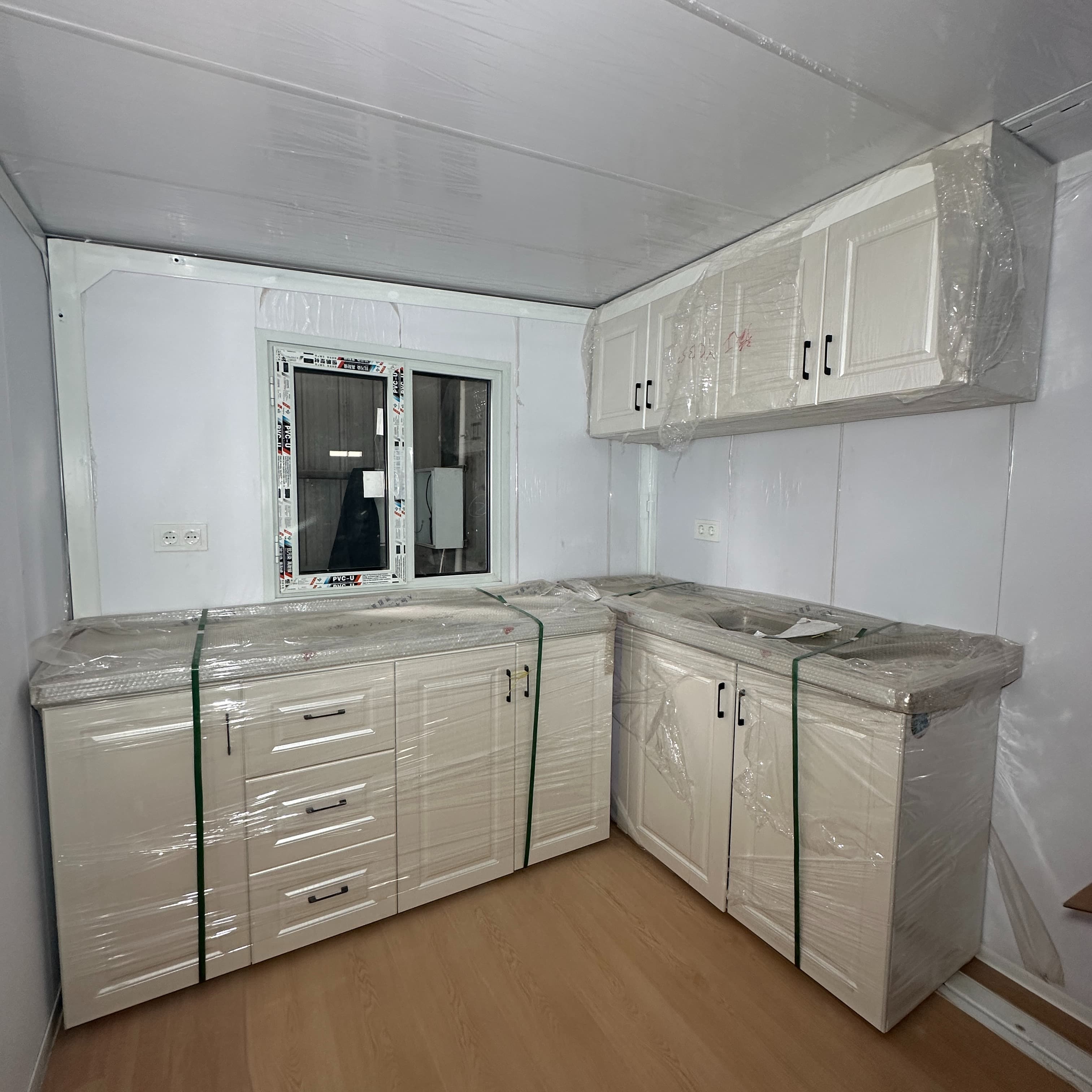
Modular kitchens integrate:
- AS/NZS 5601 compliant gas installations
- AS 3718 certified tapware and fixtures
- Fire-resistant cabinetry (AFRDI certified)
- Adequate ventilation per AS 1668.2
Bathroom Solutions
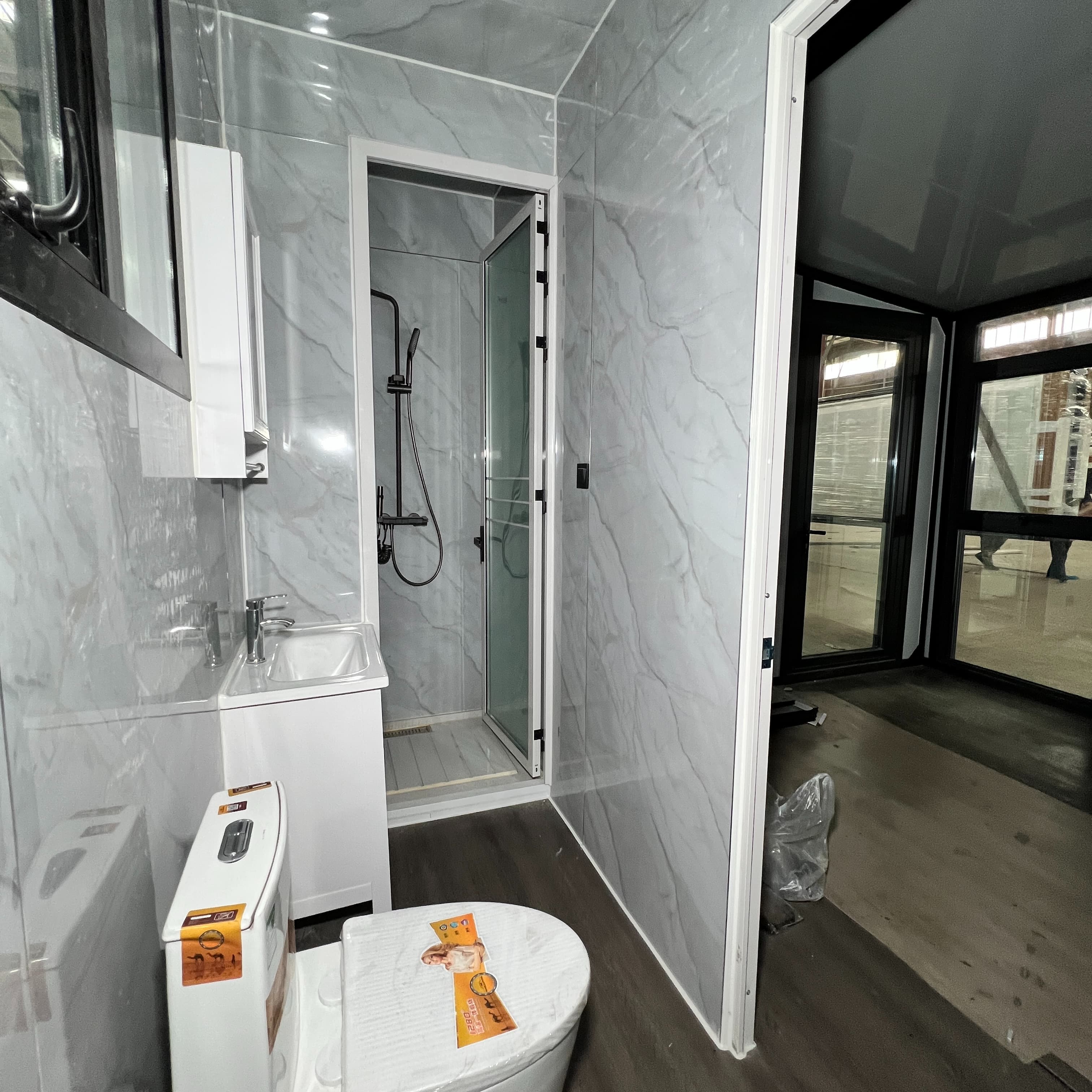
Pre-fabricated bathroom pods meet:
- AS 3500 plumbing standards
- WaterMark certified fixtures
- Water efficiency requirements (WELS 3-star+)
- Waterproofing compliance (AS 3740)
Regulatory Pathways for Deployment in Australia
Successfully installing an expandable container home in Australia requires strategic navigation of regulatory pathways. The double-wing expansion room offers multiple compliance approaches:
1. Permanent Dwelling Pathway
For long-term residential use in Sydney:
- Submit Development Application (DA) to local council
- Provide structural engineer certification (PE certified)
- Submit energy efficiency report (NatHERS accredited)
- Obtain plumbing approval (NSW Fair Trading)
- Finalize with Construction Certificate (CC)
Typical timeline: 6-12 months. Costs: $15,000-$30,000 (consultancy fees)
2. Transportable Building Pathway
For semi-permanent installations (e.g., rural properties):
- Register as transportable building under relevant state act
- Obtain transport permit (NHVR)
- Comply with local health regulations
- Install approved wastewater system
Advantages: Faster approval (2-4 weeks), lower costs ($3,000-$8,000)
3. Temporary Structure Pathway
For short-term use (events, construction sites):
- Exempt development in many NSW councils if under 20m²
- No building approval required
- Must be removed within 6 months
Ideal for: Construction site offices, event accommodation, disaster relief
State-by-State Regulatory Analysis
While the double-wing expansion room is engineered for national compliance, understanding state-specific nuances is critical:
New South Wales (Sydney Focus)
Sydney presents the most complex regulatory environment in Australia:
- Permanent Dwellings: Require full DA/CC process
- Granny Flats: Can be approved under SEPP (Affordable Rental Housing) if under 60m²
- Transportable Buildings: Must comply with Local Government Act 1993
- Key Councils:
- City of Sydney: Strict heritage considerations
- Blacktown: Streamlined granny flat approvals
- Waverley: Prohibits containers in residential zones
The double-wing’s modular certification significantly streamlines Sydney approvals.
Victoria (Melbourne)
Melbourne’s regulations emphasize urban planning integration:
- Must comply with ResCode (clause 54-56)
- Strict setback requirements (front/rear/side)
- BAL ratings mandatory in fire-prone areas
The unit’s compact folded footprint facilitates compliance with setback requirements.
Queensland
Queensland’s regulations focus on climate resilience:
- Region C/D cyclonic requirements
- Queensland Development Code mandatory
- Flood planning requirements in coastal areas
The double-wing’s reinforced frame meets cyclonic standards without modification.
Western Australia
Western Australia offers the most container-friendly regulations:
- Transportable Homes Act simplifies approvals
- No DA required for rural properties over 100 hectares
- Perth requires building permit but simplified process
Ideal for rapid deployment in remote mining sites.
Practical Applications Across Australian Environments
The 40-foot double-wing expansion room’s versatility enables deployment across diverse Australian scenarios:
1. Urban Infill Housing (Sydney/Melbourne)
As backyard granny flats or laneway housing:
- Maximizes underutilized urban space
- Meets secondary dwelling regulations
- Provides rental income (yield 5-8% p.a.)
Case Study: A Blacktown property owner added a double-wing unit as a granny flat, achieving 6.2% rental yield within 3 months of installation.
2. Regional Housing (Bendigo, Toowoomba)
Addressing regional housing shortages:
- Rapid deployment for essential workers
- Transportable building compliance
- Lower cost than traditional construction
Advantage: 70% cost reduction compared to site-built homes.
3. Tourism Accommodation (Byron Bay, Margaret River)
As luxury glamping units:
- High-end finishes attract premium rates ($250-$450/night)
- Compliant with tourism accommodation standards
- Minimal environmental footprint
The unit’s aesthetic customization creates unique “Instagrammable” experiences.
4. Disaster Relief (NSW North Coast)
Rapid emergency accommodation:
- Deployable within 48 hours of flood/fire
- Compliant with emergency housing standards
- Relocatable as recovery progresses
Efficiency: 10 units can be installed per day by small crew.
5. Commercial Applications (Perth FIFO)
Mining site accommodation:
- Transportable building compliance
- Withstands harsh outback conditions
- Reconfigurable for changing workforce needs
Lifespan: 20+ years in remote conditions with minimal maintenance.
Compliance Documentation & Certification
Successful deployment requires comprehensive documentation. The double-wing expansion room comes with:
1. Pre-Engineered Certification
- Structural engineer certification (PE certified)
- Thermal performance report (NatHERS 6+ star)
- Electrical compliance (AS/NZS 3000)
- Plumbing certification (WaterMark)
2. Transport Approvals
- NHVR permit application assistance
- Load restraint certification (AS/NZS 4380)
- Mass management documentation
3. Installation Compliance
- Foundation engineering (suitable for various soil types)
- Site inspection checklist
- Final compliance certificate
Cost-Benefit Analysis: Compliance vs. Traditional Construction
While regulatory compliance adds upfront costs, the expandable container home delivers superior long-term value:
| Cost Factor | Container Home | Traditional Build |
|---|---|---|
| Base Construction | $85,000-$120,000 | $180,000-$250,000 |
| Compliance Costs | $8,000-$15,000 | $20,000-$40,000 |
| Time to Completion | 8-12 weeks | 8-12 months |
| Annual Maintenance | $800-$1,200 | $2,500-$4,000 |
| Energy Costs | $1,200-$1,800 | $2,200-$3,500 |
Net savings: 40-50% over 10-year lifecycle, excluding land value.
Common Regulatory Challenges & Solutions
Despite the product’s compliance engineering, owners may encounter regulatory hurdles:
1. Heritage Overlay Restrictions
Challenge: Many Sydney suburbs have heritage controls prohibiting modern structures.
Solution: Utilize the unit’s transportable building classification for temporary placement while pursuing heritage variance.
2. Bushfire Zones (BAL-FZ)
Challenge: Extreme fire zones require non-combustible exteriors.
Solution: Optional steel cladding package achieves BAL-FZ compliance.
3. Flood Planning
Challenge: Flood-prone areas require elevated structures.
Solution: Adjustable steel piers raise units 600-1200mm above flood level.
4. Sewer Connection Delays
Challenge: Municipal sewer approvals can delay projects 6+ months.
p>Solution: Pre-installed advanced wastewater treatment system (AWTS) for immediate occupation.
Future-Proofing: Adapting to Evolving Regulations
Australian building codes continuously evolve. The double-wing expansion room incorporates forward-thinking features:
1. Modular Upgradability
Components can be upgraded individually as regulations change:
- Insulation thickness (from 80mm to 120mm)
- Renewable energy integration (solar pre-wiring)
- Water recycling systems
2. Smart Compliance Technology
Integrated monitoring systems automate compliance reporting:
- Energy consumption tracking
- Structural integrity sensors
- Water usage monitoring
3. Circular Economy Compliance
Design meets anticipated circular economy regulations:
- 90% material recyclability
- Component disassembly for reuse
- Low-carbon manufacturing
Conclusion: The Compliance Advantage of Expandable Container Homes
The 40-foot double-wing expansion room represents a breakthrough in Australian modular housing, offering unparalleled regulatory compliance without sacrificing design flexibility or comfort. Its engineering specifically addresses the complexities of the National Construction Code while accommodating state and local variations. For Sydney property owners seeking granny flat solutions, regional developers addressing housing shortages, or tourism operators creating unique accommodations, this innovative structure provides a faster, more cost-effective pathway to compliant, quality housing.
As Australia continues to grapple with housing affordability and climate resilience challenges, expandable container homes like the double-wing model offer a sustainable, adaptable solution. By combining factory precision with on-site flexibility, these structures meet the highest building code requirements while delivering superior performance in Australia’s diverse environments. The future of Australian housing lies in such innovative, compliance-engineered modular solutions that balance regulatory demands with human needs.