Discover innovative container house foundation options in Sydney, Australia, featuring our 1400H foldable container homes. Compare standard vs. pro models designed for sea transport, rapid deployment, and versatile applications in construction, disaster relief, and commercial sectors.
When considering container house foundation options in Sydney, Australia, the innovative 1400H foldable container series presents game-changing solutions for modern housing challenges. These sea-transportable units revolutionize temporary and semi-permanent structures with their efficient design, minimal foundation requirements, and rapid deployment capabilities. Let’s explore how these foldable homes address diverse needs while offering practical foundation solutions for Australian terrains and global applications.
Understanding Container House Foundations in Australian Context
Traditional container housing often requires extensive concrete foundations, but foldable designs like our 1400H series minimize groundwork. In Sydney’s variable soil conditions – from sandy coastal areas to rocky inner-city plots – these lightweight structures (under 900kg) offer remarkable flexibility. Typical foundation approaches include:
- Gravel Pads: Cost-effective for temporary installations, providing drainage and stability
- Concrete Pier Blocks: Ideal for uneven terrain, distributing weight without full slabs
- Screw Piles: Perfect for sensitive environmental areas with minimal ground disturbance
- Adjustable Supports: Allow quick leveling on existing concrete surfaces or compacted soil
The 1400H’s foldable design reduces foundation costs by up to 60% compared to traditional containers, making it particularly valuable for Sydney’s high-construction-cost environment and remote Australian mining sites.
Introducing the 1400H 14m² Foldable Container Series
Engineered for global logistics, these sea-transportable units arrive flat-packed yet unfold into fully functional spaces within hours. The series includes two variants tailored to different project requirements:
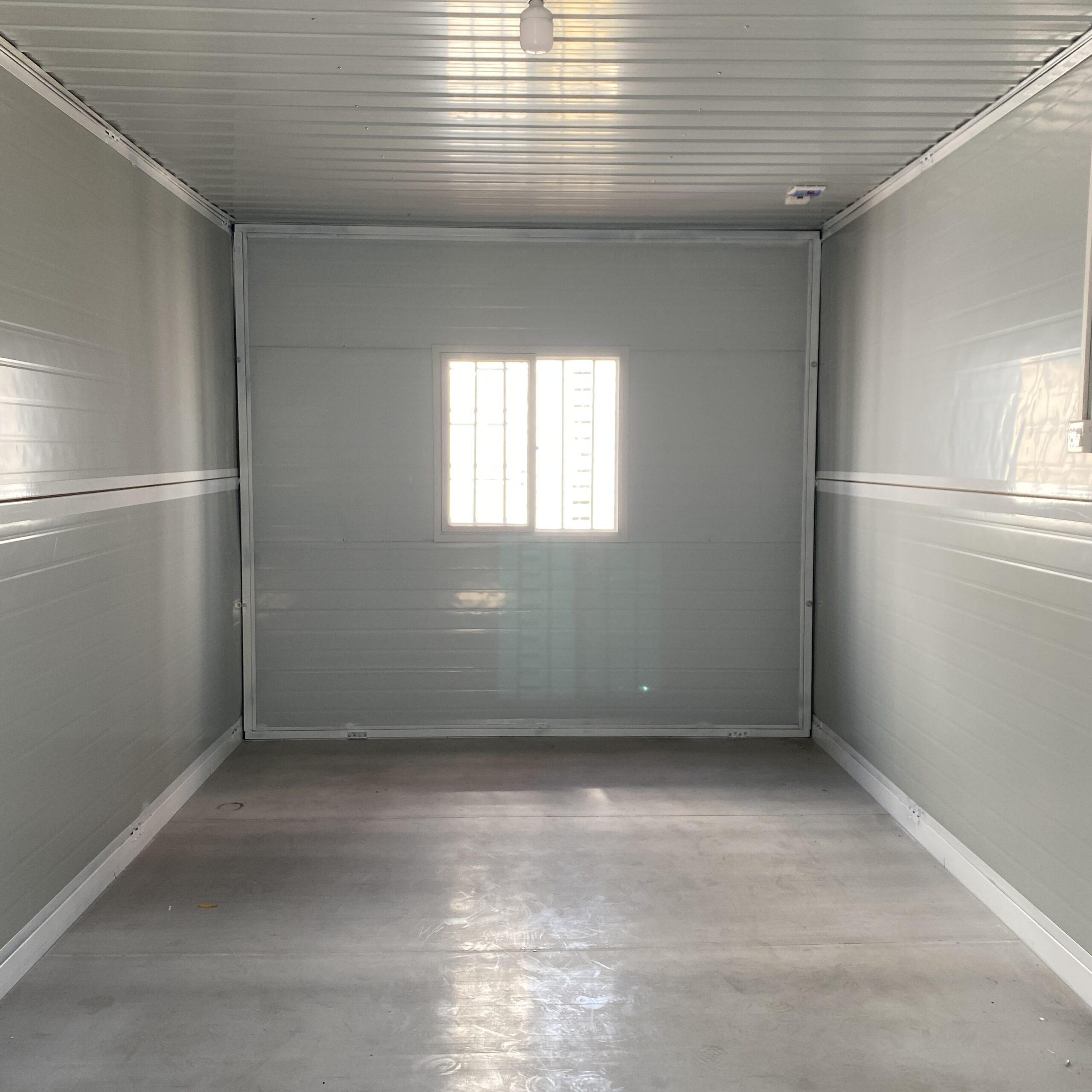
1400H 14m² Sea Transportation Standard Version
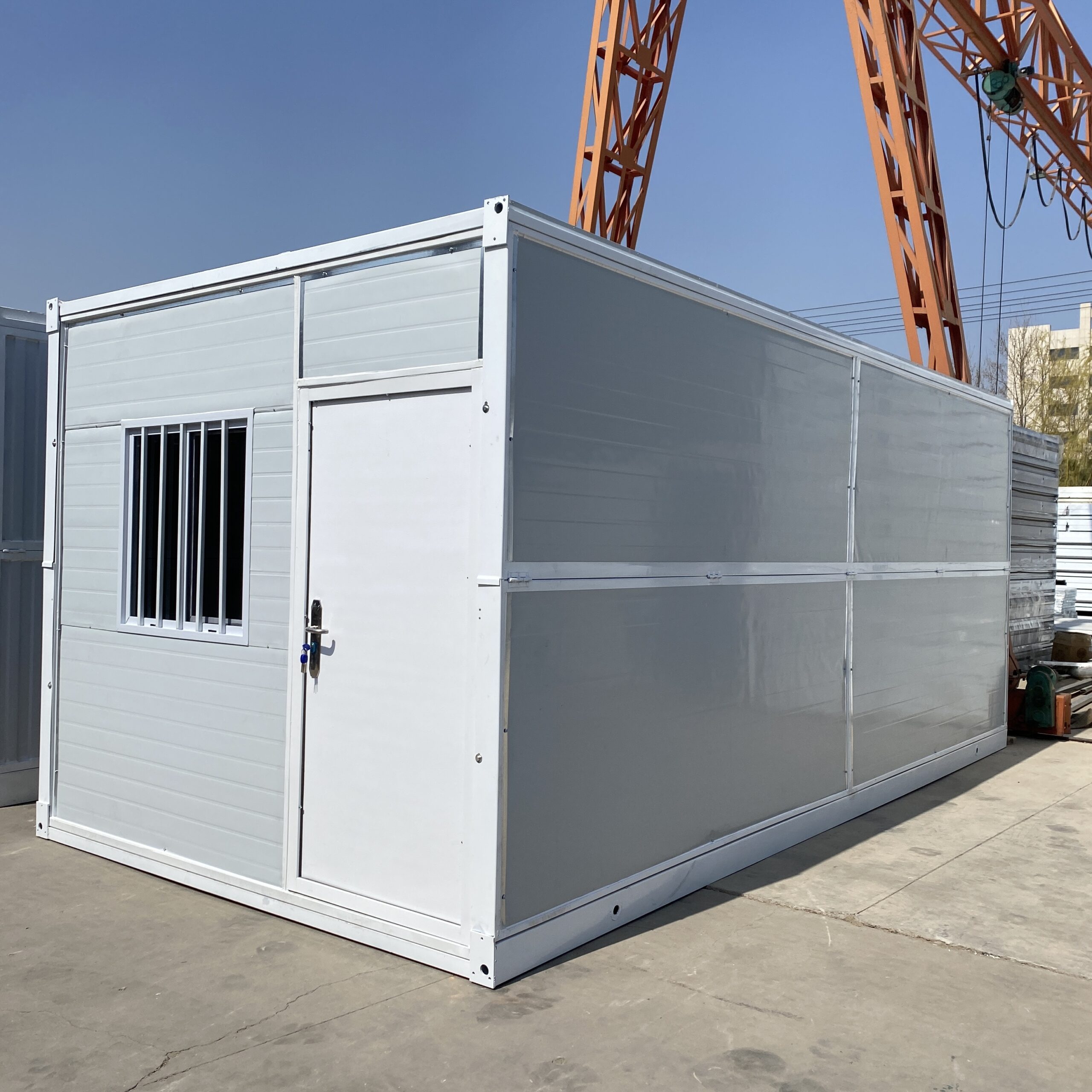
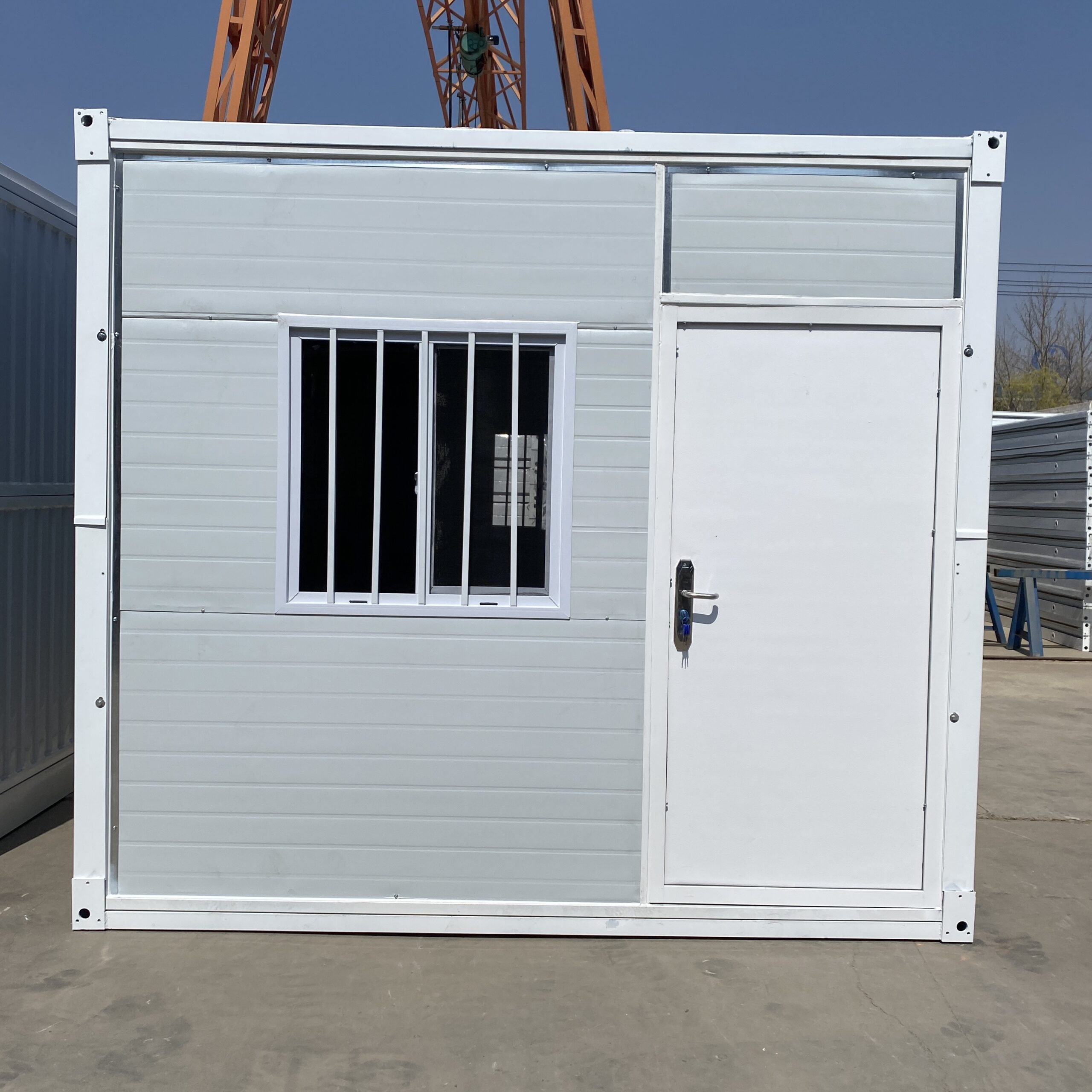
Key Features:
- Structure: White powder-coated Q235 galvanized steel frame with light gray wall panels
- Dimensions: 5900×2480×2540mm (unfolded), collapsing to just 340mm height for transport
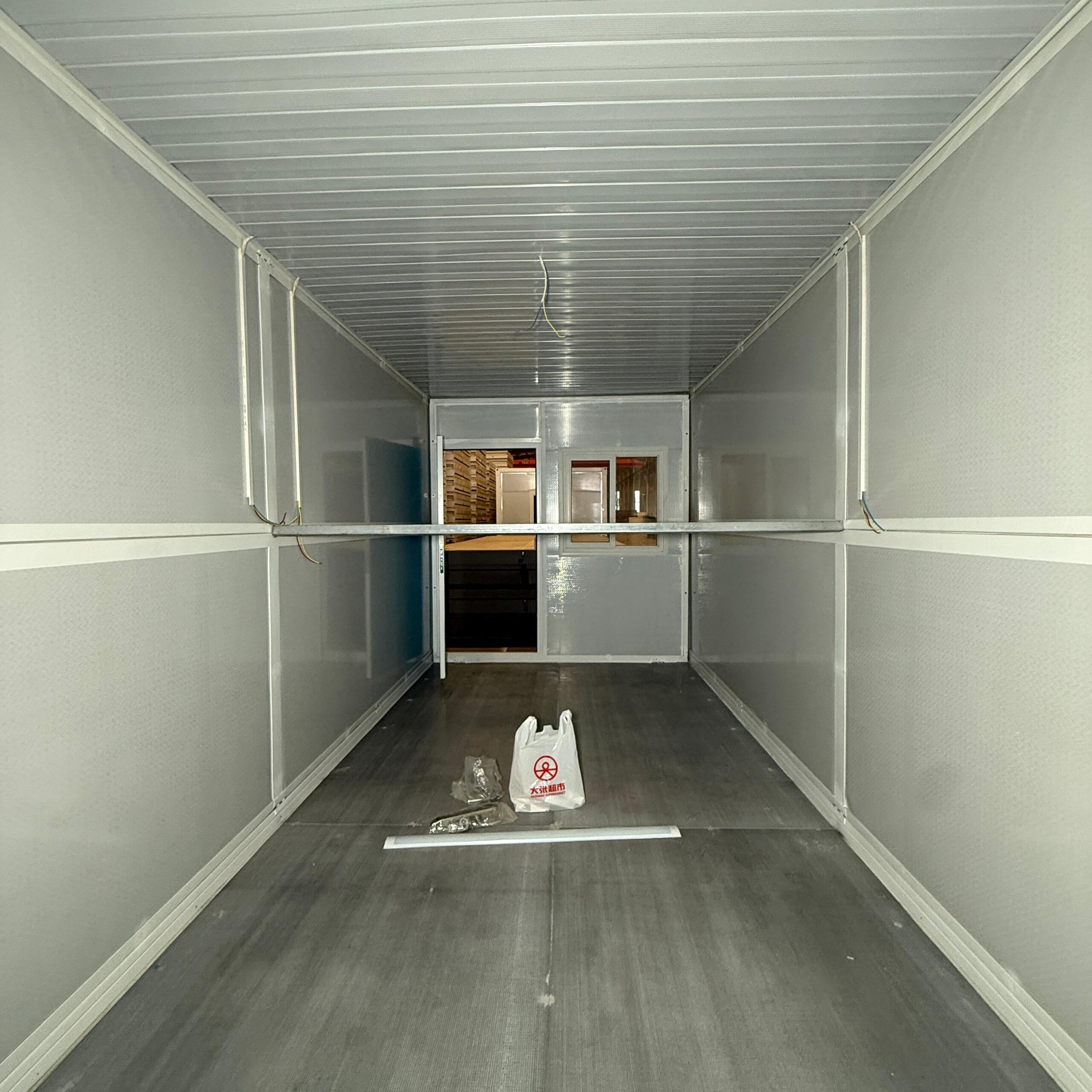
- Interior: 5720×2360×2410mm living space with color steel walls and cement flooring
- Insulation: 65mm EPS front/rear walls, 50mm side walls, 75mm glass wool roof
- Windows: Dual 900×900mm PVC double-glazed windows for natural light
- Electrical: European-standard sockets with 4mm² copper wiring and 32A circuit breaker
- Lifespan: 10-year structural warranty
1400H 14m² Sea Transportation Pro Version
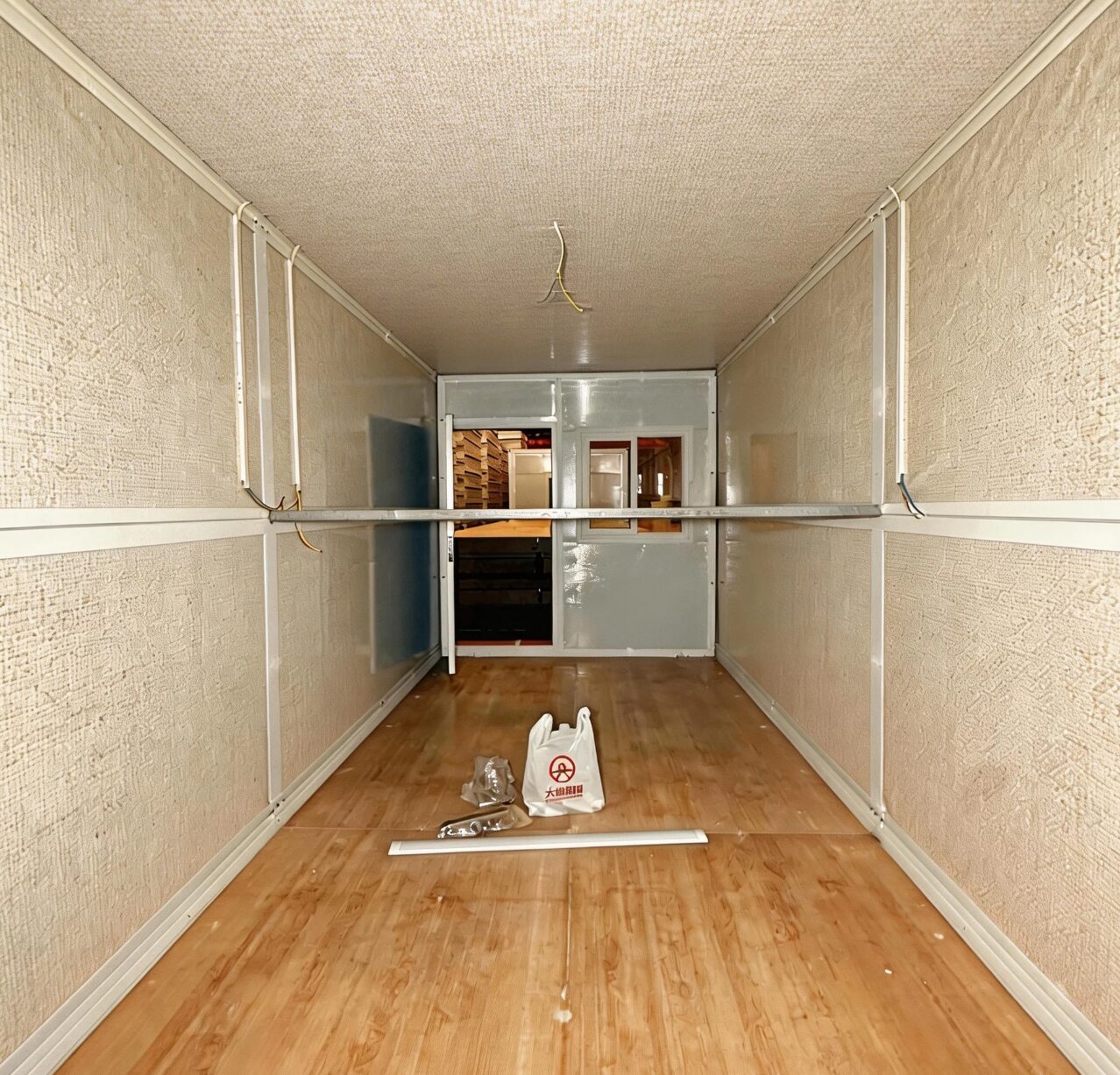
Enhanced Features:
- Exterior Upgrade: 16mm metal embossed panels (customer-installed) for premium aesthetics
- Interior: PVC flooring replacing cement for improved comfort and hygiene
- Insulation Boost: Additional 16mm polyurethane metal panels on exterior walls
- Roof Protection: Aluminum corrugated tiles for enhanced weather resistance
- Lifespan: 30-year structural warranty with reinforced frame protection
- Transport: 10 units per 40HC container (vs. 12 for standard due to added features)
Key Differences Between Standard and Pro Models
| Feature | Standard Version | Pro Version |
|---|---|---|
| Exterior Finish | Light gray wall panels | 16mm metal embossed panels |
| Flooring | Cement ground | PVC plastic flooring |
| Insulation | Standard EPS/glass wool | Plus polyurethane panels |
| Roof Protection | Basic | Aluminum corrugated tiles |
| Warranty | 10 years | 30 years |
| Transport Density | 12 units/40HC | 10 units/40HC |
Foundation Solutions for Different Australian Terrains
In Sydney’s diverse landscapes – from Bondi’s coastal sands to the Blue Mountains’ rocky outcrops – these units adapt through smart foundation strategies:
Coastal Applications
For Sydney’s harbor projects or Newcastle’s coastal developments, screw pile foundations prevent corrosion while accommodating tidal movements. The 1400H’s lightweight design (under 1 ton) reduces foundation load by 70% compared to traditional containers.
Urban Construction Sites
On Sydney CBD projects, adjustable steel supports enable installation over existing concrete slabs without demolition. Units unfold directly onto temporary supports, reducing site preparation time from weeks to hours.
Remote Mining Camps
In Western Australia’s Pilbara region, gravel pad foundations paired with these foldable units cut establishment costs by 50%. The 12-unit/40HC shipping density optimizes logistics to remote locations.
Global Application Scenarios
Beyond Australia, these units serve critical functions worldwide:
Emergency Response
During New Zealand’s 2023 floods, 1400H units deployed in Christchurch within 48 hours using minimal foundations. Their foldable design allowed air transport to inaccessible areas.
Commercial Pop-ups
London’s temporary retail spaces utilize Pro versions with premium metal facades, installed on adjustable supports over existing pavements. The 30-year warranty ensures long-term commercial viability.
Construction Site Offices
At Toronto’s infrastructure projects, standard versions form modular office complexes on compacted gravel foundations, easily relocating as construction phases progress.
Critical Considerations for Implementation
While foldable containers offer remarkable advantages, successful deployment requires attention to these factors:
Budget Planning
Standard versions cost 25-30% less than Pro models, making them ideal for short-term projects. For permanent installations in harsh climates like Montreal’s winters, the Pro version’s enhanced insulation and 30-year warranty offer better lifecycle value.
Customization Limitations
Non-standard configurations increase costs by 40-60% and extend lead times. For Parisian urban renewal projects requiring specific dimensions, early engagement with manufacturers is crucial.
Transport Regulations
Oversized units may require special permits. In the US, units exceeding 40ft length need DOT escorts, making the 5.9m 1400H series ideal for interstate deployments.
Regional Compliance
Temporary building codes vary significantly. In Guatemala City, units require seismic anchoring, while Scottish Highlands installations need wind-rating certifications.
Long-Term Maintenance
For permanent installations like Canadian oilfield housing, annual sealant checks and foundation leveling prevent structural issues. The Pro version’s aluminum roof reduces maintenance frequency by 50%.
Installation Process: From Delivery to Deployment
The beauty of these units lies in their straightforward installation:
- Site Preparation: Level ground with minimal foundation (gravel pad or piers)
- Positioning: Place folded unit using basic forklift or crane
- Unfolding: Expand structure in under 30 minutes with 2-person crew
- Anchoring: Secure to foundation points if required by local codes
- Utility Connection: Plug into power grid (32A compatible)
This process typically takes 2-4 hours versus days for traditional container installation, dramatically reducing labor costs and project timelines.
Sustainability and Environmental Impact
These foldable units significantly reduce construction waste:
- 95% recyclable steel structure
- Reusable foundations minimizing ground disturbance
- Transport efficiency cutting carbon footprint by 60% vs. traditional buildings
In Sydney’s sustainable development initiatives, these units contribute to Green Star ratings through their reusable design and minimal site impact.
Conclusion: The Future of Flexible Housing
The 1400H foldable container series represents a paradigm shift in temporary and semi-permanent structures, particularly in foundation-sensitive environments like Sydney. By combining sea-transport efficiency, rapid deployment, and adaptable foundation solutions, these units address diverse global needs from disaster relief to commercial development.
When selecting between standard and pro versions, consider project duration, environmental conditions, and aesthetic requirements. For most Australian applications, the standard version offers exceptional value, while the pro model excels in premium commercial settings or harsh climates. Both models demonstrate how innovative design can minimize foundation complexity while maximizing functionality in the evolving landscape of container housing.