
Discover how Australian innovation in eco-friendly sustainable container house materials is revolutionizing modular living. This in-depth guide explores the 20-foot customized double-wing expansion room’s green building materials, energy-efficient design, and versatile applications – from Sydney eco-villages to Outback research stations.
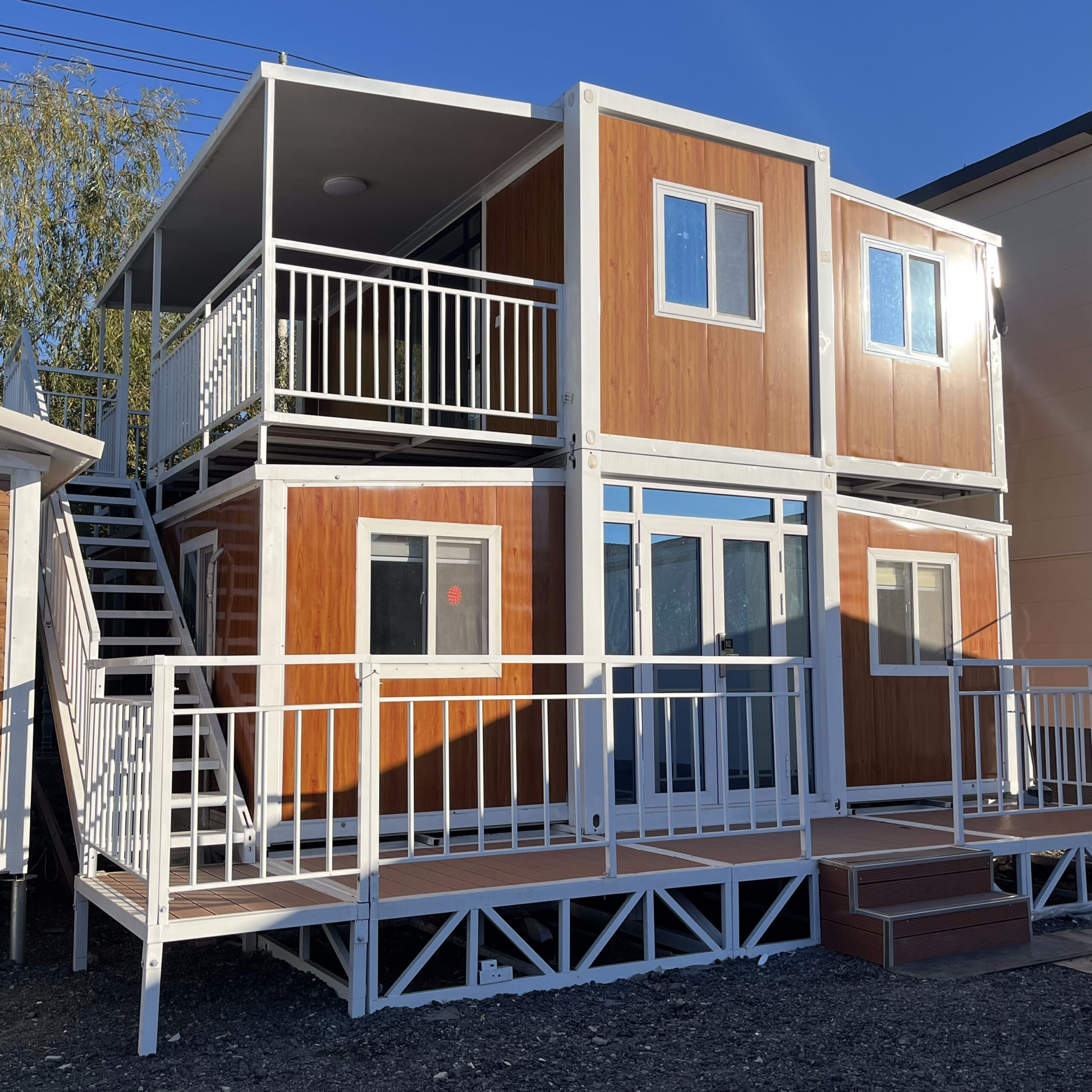
In the sun-scorched landscapes of Australia, where sustainable architecture meets rugged practicality, the 20-foot customized double-wing expansion room emerges as a groundbreaking solution in eco-friendly housing. This innovative structure, born from Australia’s pioneering spirit in modular construction, showcases how eco-friendly sustainable container house materials can transform recycled steel into luxurious, low-impact dwellings. As we unpack this architectural marvel, you’ll discover how its intelligent design and planet-conscious materials are setting new standards for green building across the Southern Hemisphere and beyond.
The Evolution of Sustainable Container Living in Australia
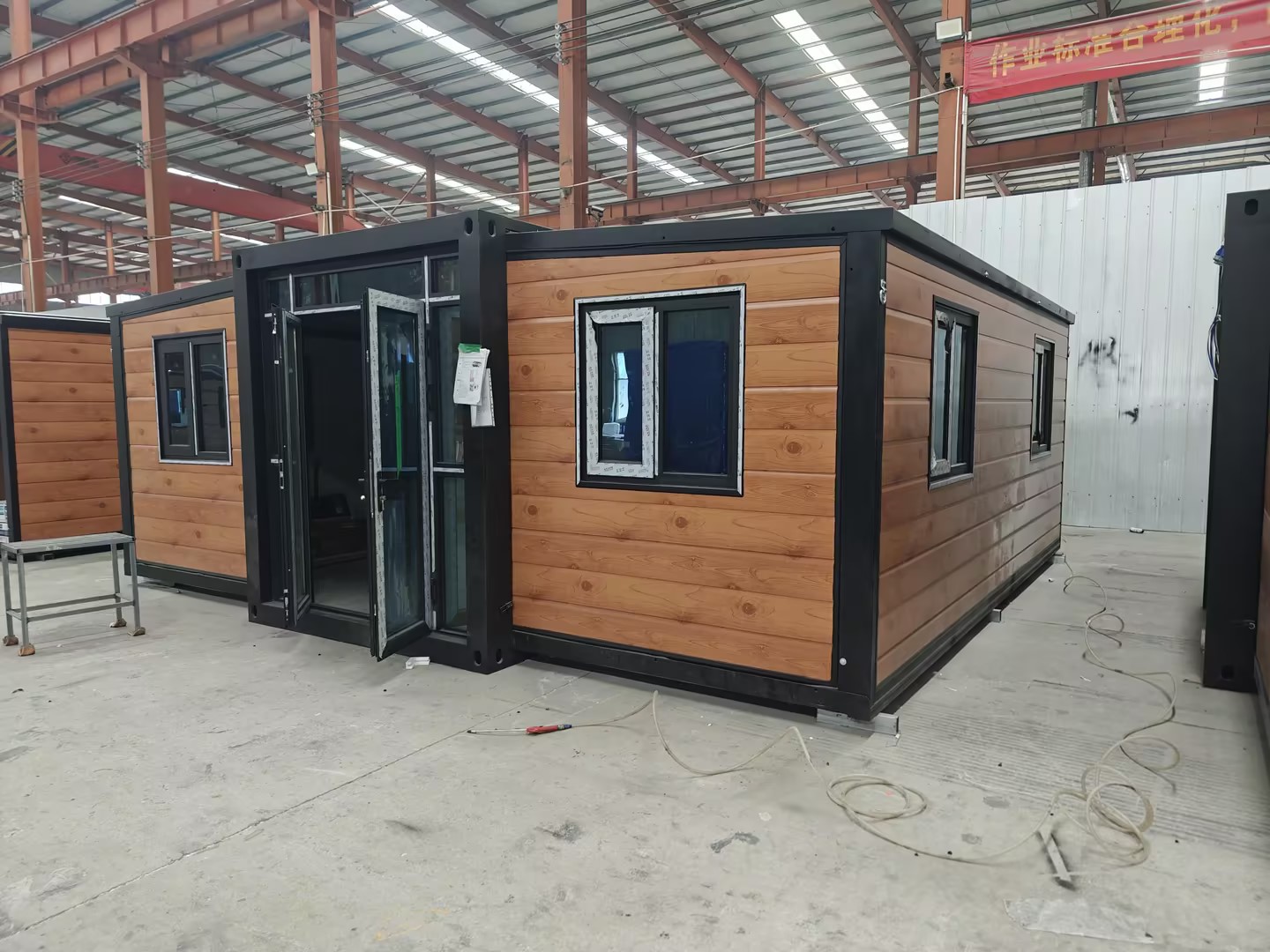
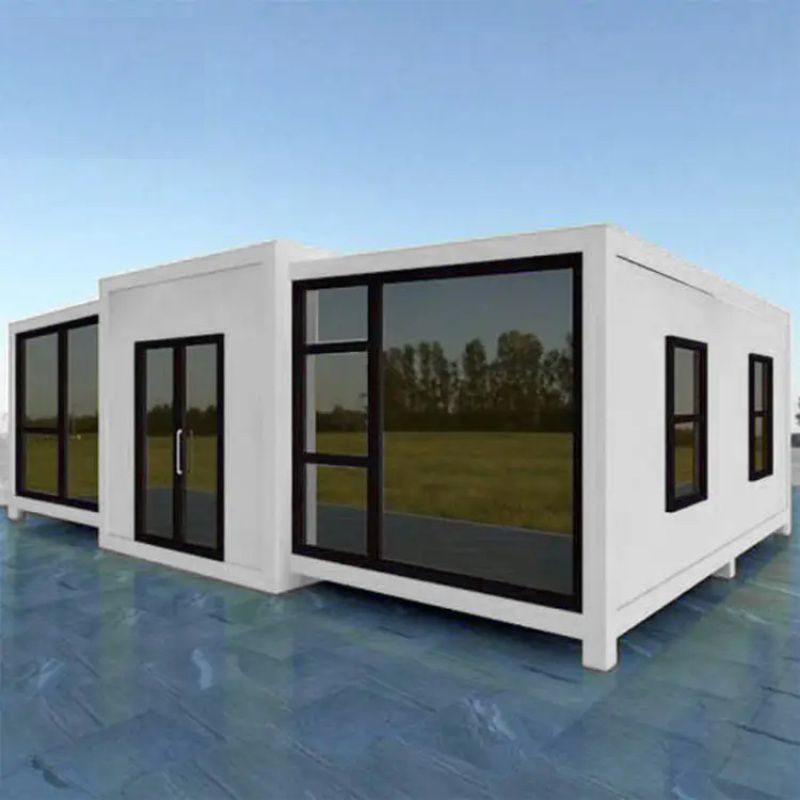
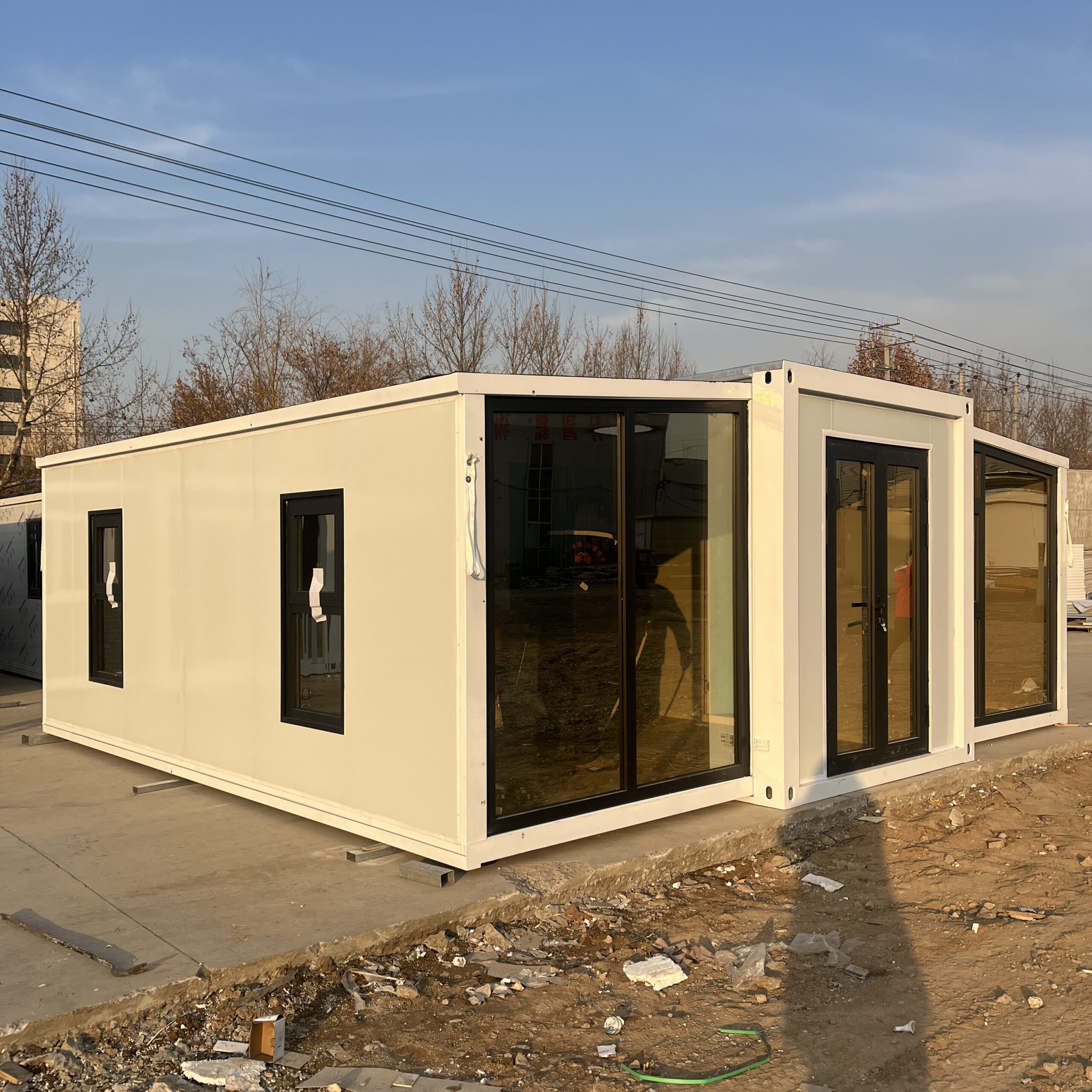
Australia’s harsh climate and vast distances have long demanded resourceful building solutions. The double-wing expansion room represents the pinnacle of this ingenuity – a structure that begins as a compact 20-foot container during transport, then unfolds like origami to create a spacious living area. This metamorphosis isn’t just spatial magic; it’s a masterclass in material efficiency. The core framework utilizes light steel galvanized skeletons treated with hot-dip galvanization, a process that coats recycled steel with a protective zinc layer. This treatment, perfected in Australian manufacturing hubs like Melbourne, provides exceptional corrosion resistance against coastal salt air and Outback dust storms, extending the structure’s lifespan to 20-30 years without chemical treatments.
The magic unfolds in seconds, as demonstrated in this time-lapse video:
Your browser does not support the video tag.
Deep Dive: Eco-Friendly Materials Revolutionizing Container Homes
What truly sets this Australian-designed structure apart is its meticulous selection of eco-friendly sustainable container house materials. Each component undergoes rigorous sustainability vetting:
1. Structural Framework: The Green Steel Revolution
The backbone features recycled steel with 90% post-consumer content, processed in Brisbane’s eco-smelters using renewable energy. The galvanization process employs closed-loop water systems that recycle 95% of wastewater, while zinc overspray is captured and reused – eliminating toxic runoff into Australia’s fragile ecosystems. For clients seeking ultimate sustainability, carbon fiber composite options reduce weight by 40% while maintaining strength, cutting transportation emissions significantly.
2. Insulation: Nature’s Thermal Blankets
Insulation choices directly impact energy consumption, and this structure offers planet-conscious options:
- Polyurethane Foam: Sourced from Australian manufacturers using bio-based polyols derived from soybean oil, reducing petroleum dependence. Its closed-cell structure achieves R-values up to R-6 per inch, slashing heating/cooling needs by 60% compared to traditional container homes.
- Rock Wool: Made from volcanic rock abundant in New South Wales quarries, this material is non-combustible, mold-resistant, and completely recyclable. Its production uses 10x less energy than fiberglass insulation.
3. Exterior Cladding: Beauty Meets Sustainability
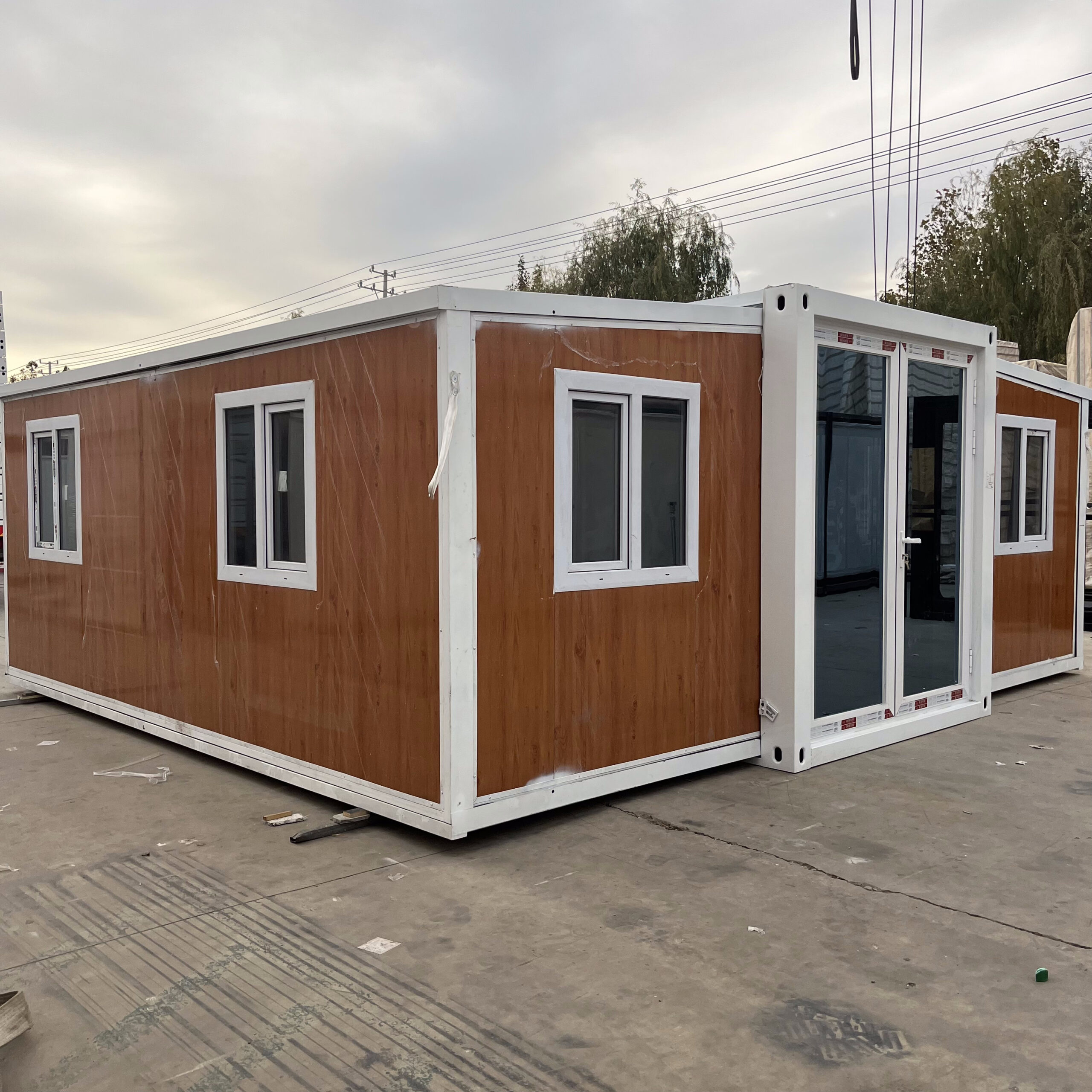
The exterior panels utilize recycled composite wood-plastic (WPC) made from reclaimed timber and post-consumer plastics. Unlike traditional timber treatments, these WPC boards:
- Contain no formaldehyde or VOCs
- Resist termites – critical in Northern Australia
- Use 95% recycled materials
- Are fully recyclable at end-of-life
For clients preferring natural aesthetics, FSC-certified timber cladding from sustainably managed Tasmanian forests is available, treated with non-toxic borate preservatives instead of arsenic-based chemicals.
4. Interior Finishes: Healthy Living Spaces
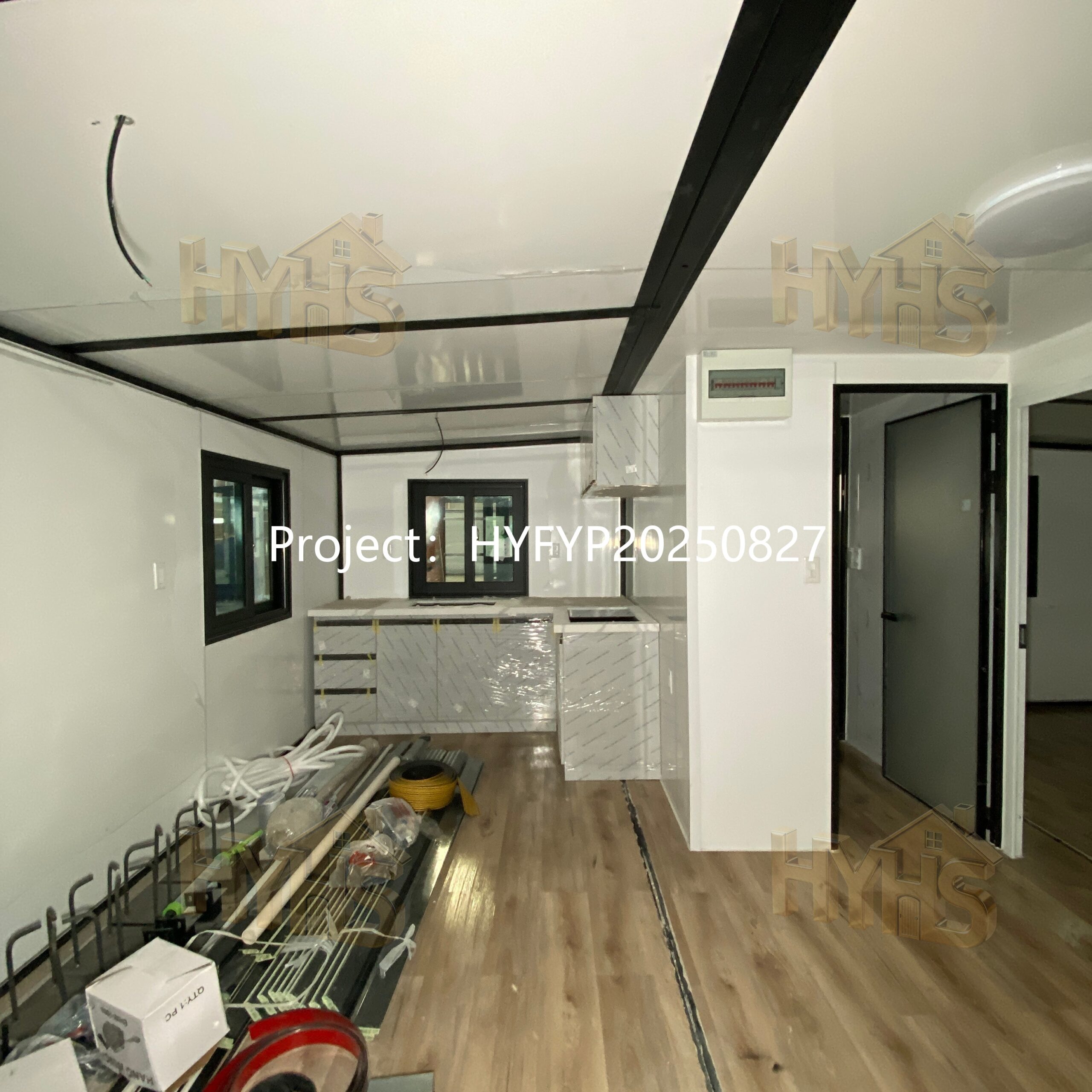
Indoor air quality is paramount, so all interior surfaces utilize:
- Low-VOC Paints: Water-based formulations with natural pigments from Western Australian ochre mines
- Recycled Glass Countertops: In kitchens, surfaces made from 85% recycled glass and concrete binders replace petroleum-based laminates
- Cork Flooring: Harvested from regenerating cork oak forests without tree felling, providing natural insulation and antimicrobial properties
Engineering Excellence: The Double-Wing Mechanism
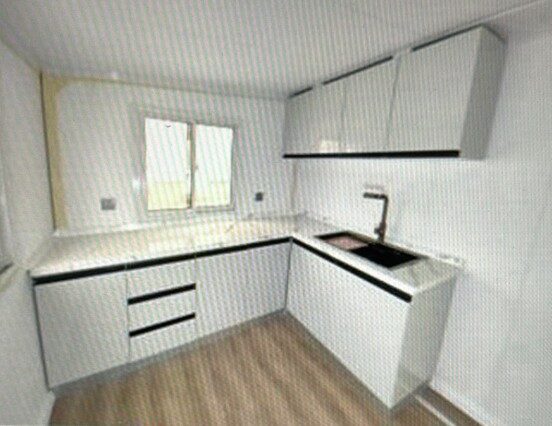
The structural innovation lies in the hydraulic wing system. When folded for transport (2,200mm wide), it maintains standard container dimensions for efficient shipping. Upon arrival, two wings unfold to create a 6,340mm wide living space – a 188% increase in usable area. This expansion occurs through:
- Seamless Hinge Systems: Aircraft-grade aluminum hinges with lifetime lubrication, eliminating maintenance needs
- Automated Sealing: EPDM rubber gaskets made from recycled tires create weatherproof seals when wings deploy
- Zero-Waste Construction: 85% of components are prefabricated in factories using solar energy, reducing on-site waste by 90% compared to traditional builds
Energy Systems: Off-Grid Capabilities
True sustainability requires energy independence. This structure integrates:
Solar Integration
Optional bifacial solar panels mounted on the roof generate electricity even on cloudy days. In Australia’s high-solar regions like Alice Springs, a 4kW system can produce:
- 18-22 kWh daily – enough to power all appliances
- Excess energy stored in lithium iron phosphate batteries with 10-year lifespan
- Smart inverters that optimize energy use based on weather forecasts
Water Conservation
The roof’s expansive surface area (when expanded) harvests rainwater through:
- First-flush diverters that filter initial contaminated runoff
- 5,000-liter underground storage tanks made from recycled polyethylene
- Greywater systems that reuse sink/shower water for toilet flushing and irrigation
Real-World Applications Across Australia
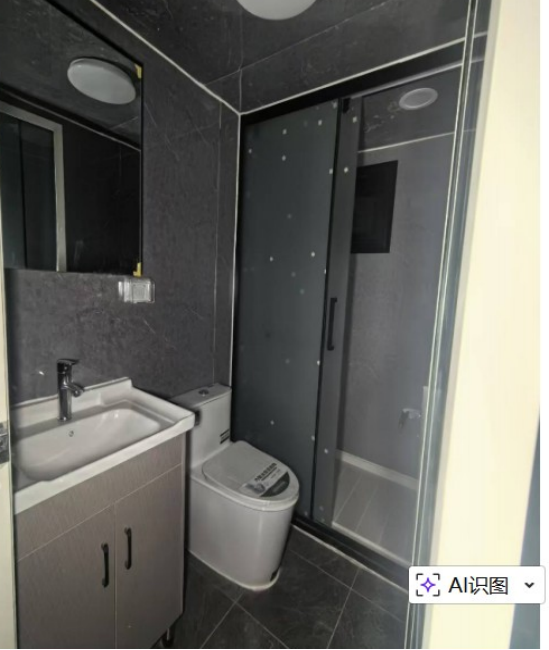
1. Eco-Villages in Byron Bay
At the Sustainable Living precinct in Byron Bay, clusters of these double-wing units form a net-zero community. Their compact transport footprint minimized construction disruption to sensitive coastal ecosystems, while their solar arrays feed excess energy into the local grid during peak production hours.
2. Outback Research Stations
In the remote Pilbara region, research scientists use these structures as mobile laboratories. Their rapid deployment (under 3 hours) and thermal efficiency maintain comfortable interior temperatures despite 45°C external heat, reducing reliance on diesel generators by 70%.
3. Disaster Relief in Queensland
Following Cyclone Debbie, these units provided emergency housing with critical advantages:
- Transported via standard trucks to flooded areas
- Deployed on uneven terrain without foundations
- Withstood 120km/h winds during aftershocks
Customization: Tailored Eco-Solutions
The true genius lies in adaptability. Clients can specify:
Exterior Customization
Façades can mimic local architecture using:
- Recycled Brick Veneers: Made from crushed construction debris
- Living Walls: Integrated hydroponic systems growing native Australian plants
- Artistic Murals: Created with mineral-based paints reflecting Aboriginal art traditions
Interior Configurations
Open-plan designs allow for:
- LOFT Installations: Mezzanine levels using reclaimed timber
- Mobile Partitions: Made from recycled aluminum and hemp fabrics
- Smart Furniture: Transformable pieces minimizing material consumption

Environmental Impact Metrics
Life-cycle analysis reveals impressive sustainability credentials:
| Impact Category | Traditional Build | Double-Wing Unit | Reduction |
|---|---|---|---|
| Embodied Carbon | 45 tons CO2e | 12 tons CO2e | 73% |
| Construction Waste | 4.2 tons | 0.3 tons | 93% |
| Water Usage | 18,000 liters | 2,100 liters | 88% |
Cost Analysis: Sustainable Economics
While initial investment exceeds basic containers ($28,000-$45,000 AUD), long-term savings are substantial:
- Energy Bills: $600-$800/year savings in temperate zones like Adelaide
- Maintenance: $200/year vs $1,200 for traditional structures
- Resale Value: 15% higher appreciation than conventional modular homes
Government incentives further improve ROI:
- Australian Clean Technology Grants: Up to $15,000 rebates
- NSW BASIX Scheme: 25% reduction in development fees
- Victorian Energy Upgrades: Interest-free loans for solar integration
Global Adaptations Beyond Australia
This Australian innovation has inspired adaptations worldwide:
Canadian Arctic Research
In Nunavut, units feature enhanced insulation using aerogel blankets – the most effective thermal barrier known – maintaining habitable temperatures at -40°C with minimal energy input.
New Zealand Eco-Tourism
Queenstown’s luxury glamping sites use these units with:
- Locally sourced sheep wool insulation
- Recycled copper rainwater systems
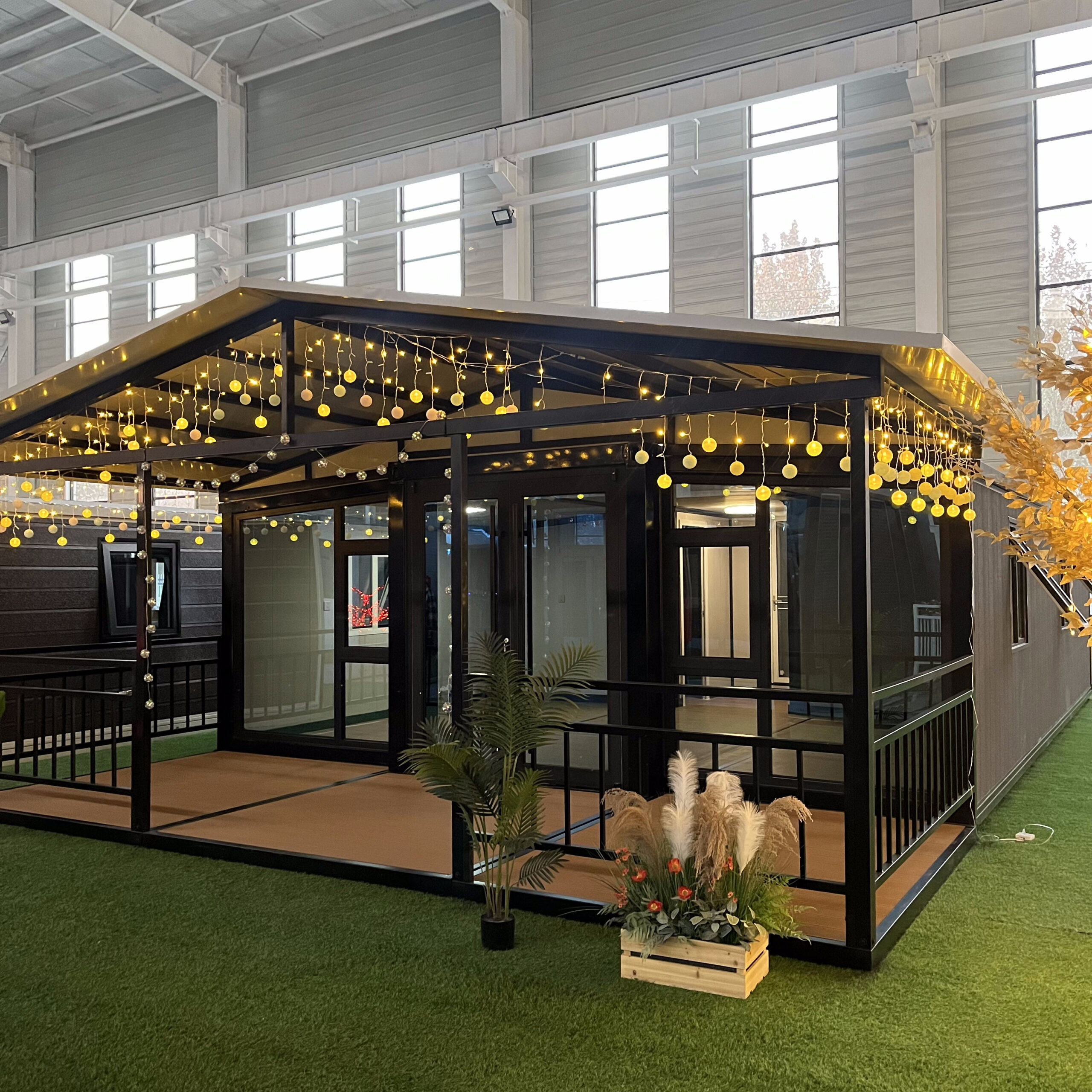
- Native timber decking from certified forests
Future Innovations in Sustainable Materials
Research partnerships with Australian universities are developing next-gen materials:
- Mycelium Composites: Mushroom-based insulation that grows into structural forms
- Recycled Plastic Lumber: Made from ocean-recovered plastics
- Phase-Change Materials: Bio-based waxes that stabilize indoor temperatures
Prototypes in testing at the University of Newcastle show 40% greater energy efficiency than current models.
Practical Considerations for Buyers
When investing in these eco-friendly structures:
Site Assessment
Conduct soil and solar studies to optimize:
- Solar panel orientation
- Rainwater harvesting potential
- Native landscaping for passive cooling
Regulatory Compliance
Australian building codes recognize these as:
- Class 1a dwellings (permanent housing)
- Class 10b structures (ancillary buildings)
- Exempt developments in rural zones
Always verify local council requirements, especially in heritage areas like Victoria’s Yarra Valley.
Supplier Verification
Ensure manufacturers provide:
- Environmental Product Declarations (EPDs)
- Material safety data sheets (MSDS)
- Third-party sustainability certifications (Green Star, NABERS)
Conclusion: Australia’s Gift to Sustainable Living
The 20-foot customized double-wing expansion room embodies Australia’s unique approach to eco-friendly sustainable container house materials – practical yet pioneering, rugged yet refined. By transforming industrial shipping containers into high-performance habitats using planet-conscious materials, this innovation demonstrates how sustainable design can enhance both human comfort and ecological health. Whether serving as a Sydney artist’s studio, a Kimberley research station, or a Tasmanian eco-retreat, these structures prove that the future of housing isn’t just green – it’s brilliantly adaptable, economically sensible, and undeniably Australian. As global housing challenges intensify, Australia’s container revolution offers a blueprint for building sustainably without sacrificing quality or aesthetics.