
Granny flats and house extensions are the two most popular ways to add space to an Australian property in 2026. But which one actually costs less? According to HIA data, Australian builders expect to construct 10x more granny flats in 2026 than in 2022 — driven by state policy reforms across NSW, QLD, WA, SA, and VIC. This guide breaks down the real costs, timelines, and ROI of both options, so you can make an informed decision for your property.
Granny Flat vs House Extension: Quick Cost Comparison
| Factor | Granny Flat (Expandable Container) | Traditional House Extension |
|---|---|---|
| Average Cost (per m²) | $1,500-$2,500 AUD | $3,000-$6,000 AUD |
| Total Cost (60m²) | $35,000-$55,000 AUD landed | $180,000-$360,000 AUD |
| Construction Time | 8-12 weeks (factory + install) | 4-8 months |
| Council Approval Time | 2-6 weeks (complying development) | 3-12 months (DA required) |
| Site Disruption | Minimal — 3-5 days on-site | Major — months of noise, dust |
| Rental Income Potential | $300-$650/week (separate tenancy) | N/A (part of main dwelling) |
| Property Value Increase | 20-30% uplift | 15-25% uplift |
| Relocatable | Yes — can move to new site | No — fixed to existing structure |
2026 Price Breakdown: Granny Flat via Expandable Container House
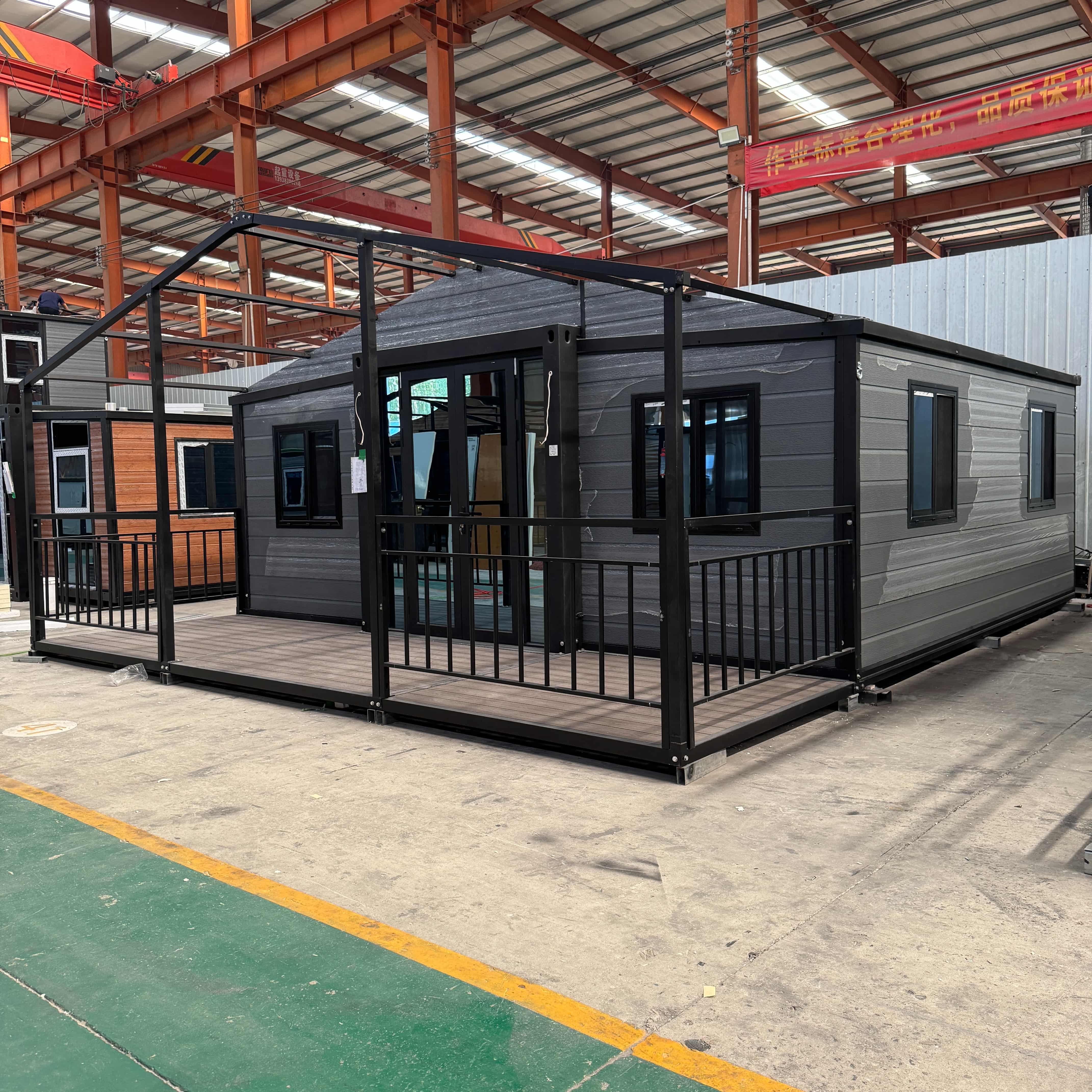
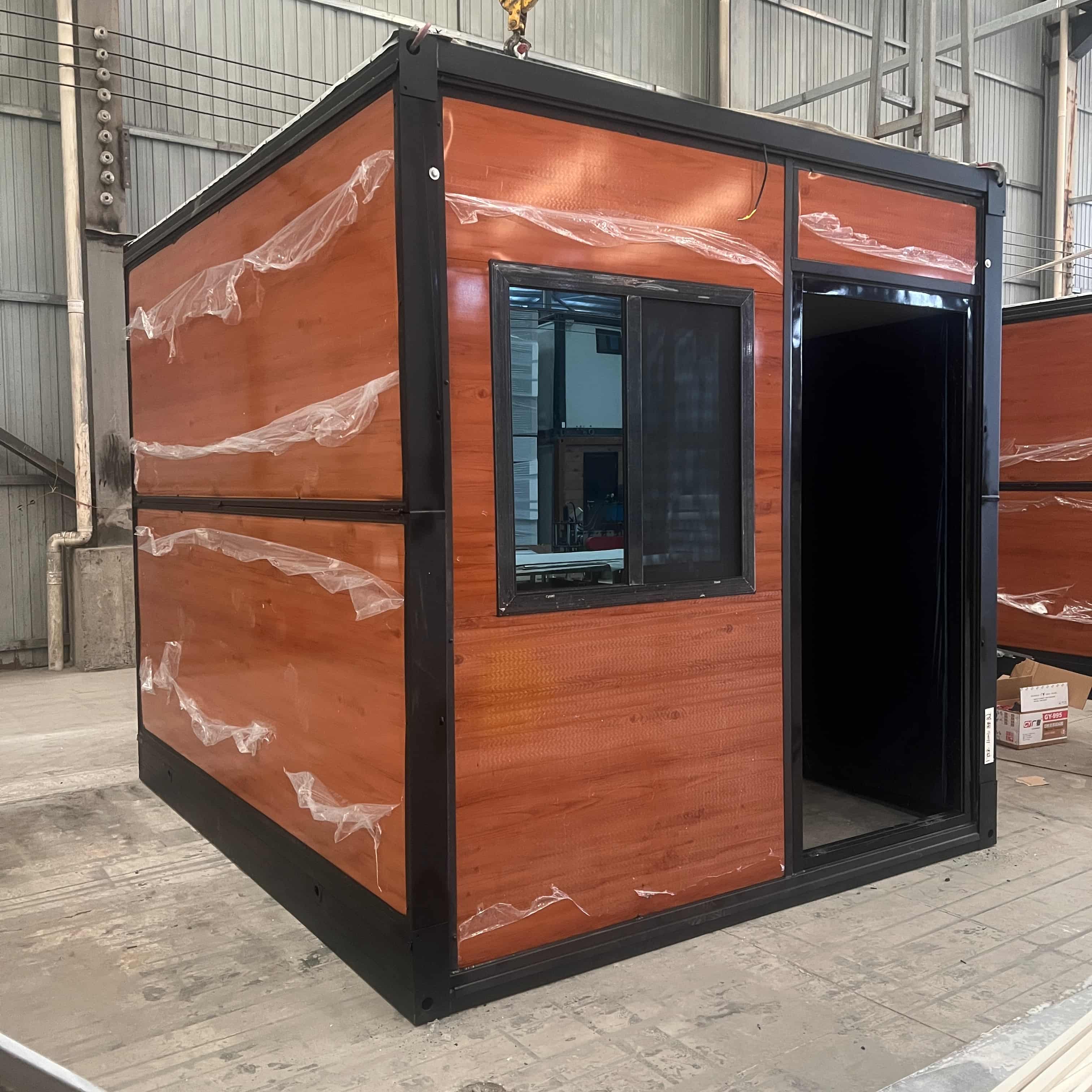
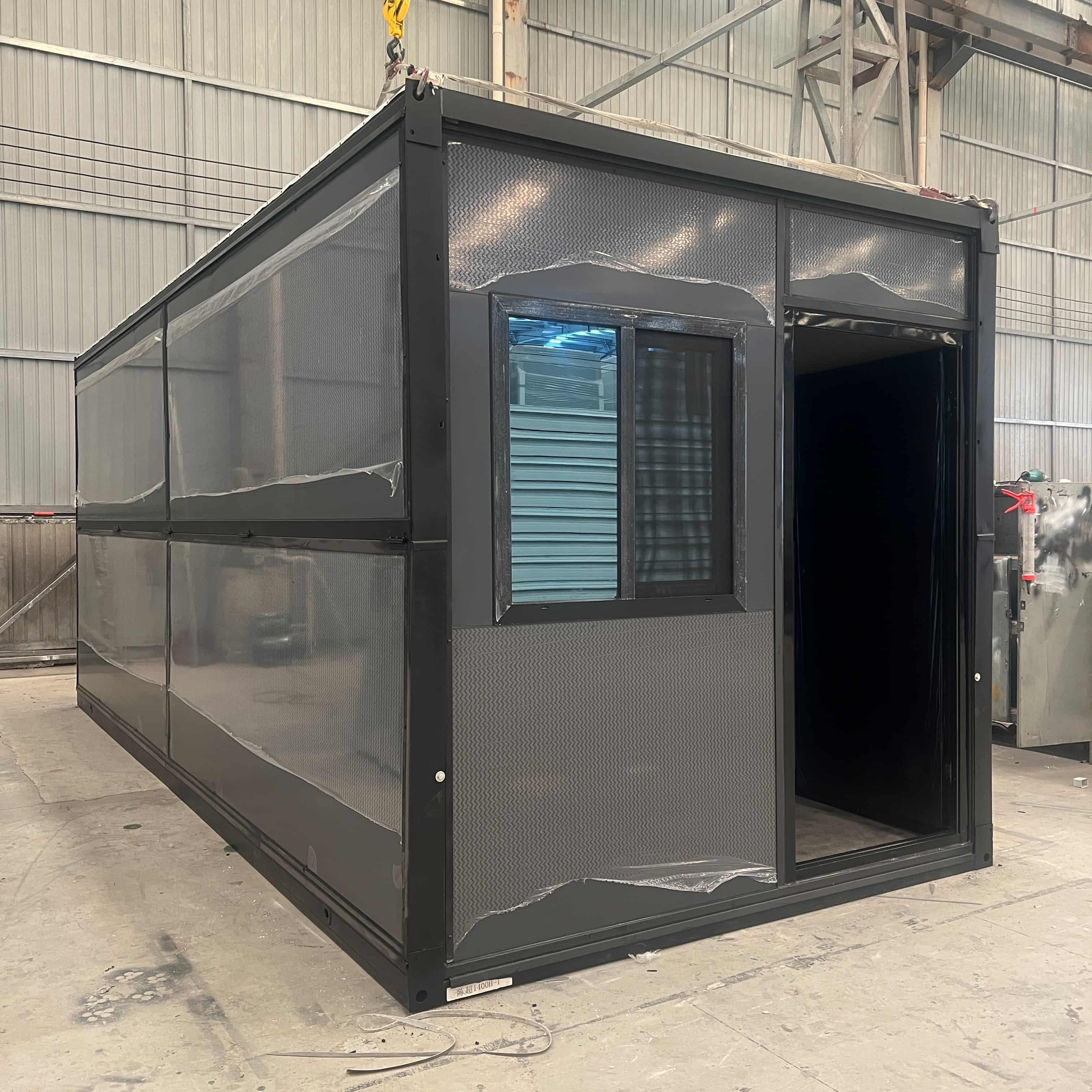
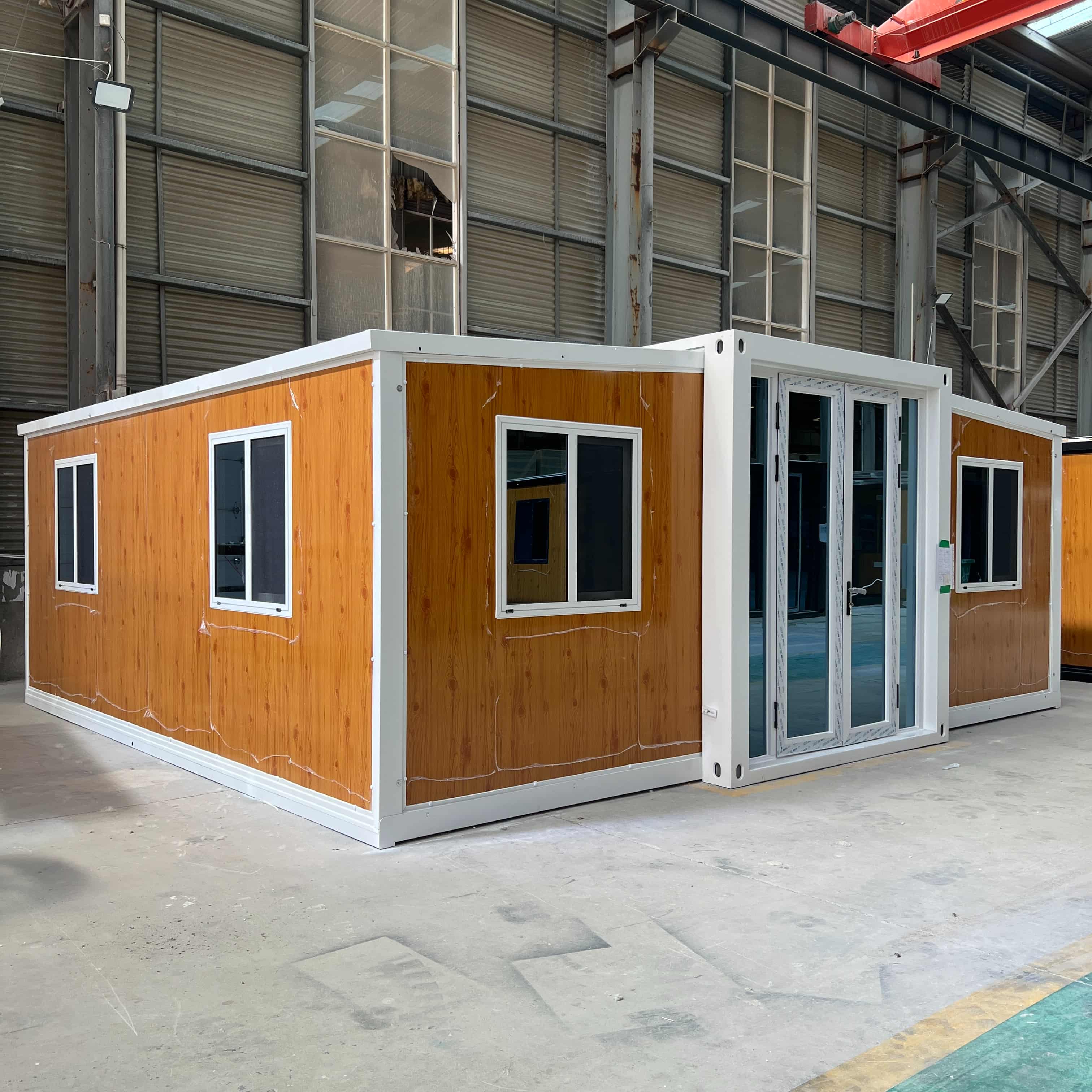
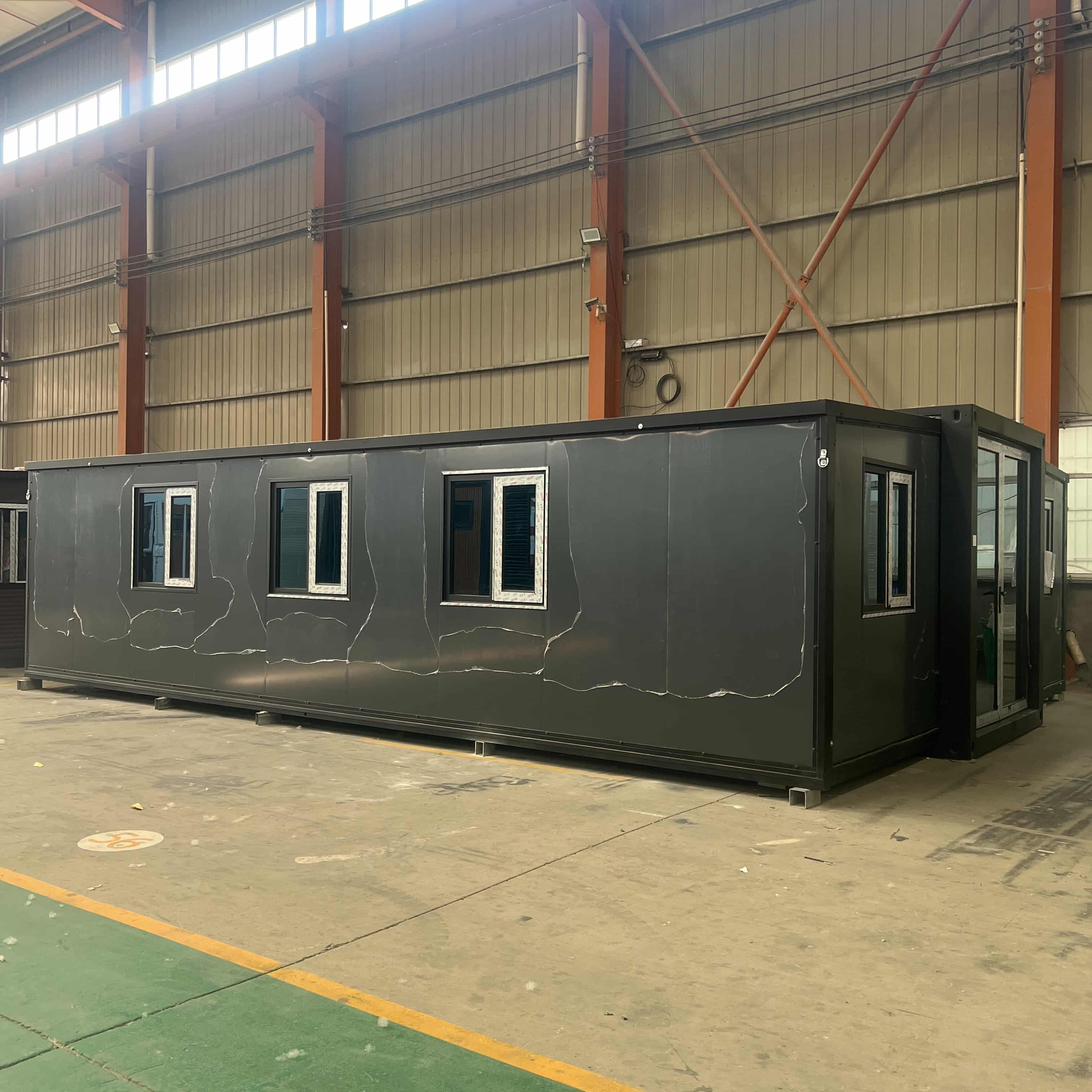
An expandable container house is the most cost-effective granny flat option in 2026. Unlike traditional site-built granny flats, container-based units are manufactured in a factory, shipped to Australia, and installed in days.
Container Granny Flat Cost Breakdown (60m² Expandable)
| Cost Item | Amount (AUD) | Notes |
|---|---|---|
| 20ft Expandable Container House (FOB China) | $18,000-$22,500 | Includes kitchen, bathroom, living, 2BR |
| Ocean Freight + Insurance | $4,500-$6,000 | Shanghai to Sydney/Melbourne/Brisbane |
| Import Duty (0%) + GST (10%) | $2,250-$2,850 | Prefab buildings: duty-free under HS 9406.00 |
| Customs Clearance + Broker | $800-$1,200 | Including port handling |
| Inland Transport to Site | $1,000-$3,000 | Depends on distance from port |
| Site Preparation + Foundation | $3,000-$8,000 | Concrete slab or precast pads |
| Installation + Connection | $2,500-$5,000 | Crane hire, plumbing, electrical connection |
| Council Fees + Certification | $1,500-$3,500 | CDC or DA, engineer certification |
| Total Landed Cost (60m²) | $33,550-$52,050 AUD | Complete, ready to use |
Traditional Granny Flat Construction Cost Breakdown (60m²)
| Cost Item | Amount (AUD) | Notes |
|---|---|---|
| Design + Engineering | $5,000-$12,000 | Architectural plans, structural engineering |
| Council DA Application | $3,000-$8,000 | Varies by council, includes consultant fees |
| Site Preparation | $5,000-$15,000 | Excavation, slab, site access |
| Structural Build (brick/block) | $100,000-$180,000 | 60m² at $1,800-$3,000/m² |
| Internal Fit-Out | $30,000-$60,000 | Kitchen, bathroom, flooring, painting |
| Plumbing + Electrical | $15,000-$30,000 | Rough-in + fit-off |
| Landscaping + Driveway | $5,000-$15,000 | Pathway, drainage, perimeter |
| Project Management (10-15%) | $15,000-$35,000 | Builder margin or PM fees |
| Total | $178,000-$355,000 AUD | 5-8 months build time |
Key insight: A container-based granny flat costs 70-85% less than traditional construction for the same livable space — and it’s delivered in weeks, not months.
House Extension Costs in 2026
For comparison, a typical Australian house extension costs significantly more per square metre than building a separate granny flat:
| Extension Type | Average Cost/m² | Total (40m²) | Timeline |
|---|---|---|---|
| Basic rear addition (single storey) | $3,000-$4,500/m² | $120,000-$180,000 | 4-6 months |
| Second storey addition | $4,500-$7,000/m² | $180,000-$280,000 | 6-12 months |
| Sunroom / enclosed patio | $2,500-$4,000/m² | $75,000-$120,000 | 3-5 months |
| Garage conversion | $2,000-$3,500/m² | $40,000-$70,000 | 2-4 months |
ROI Comparison: Which Option Makes More Money?
Granny Flat ROI
- Rental income: $300-$650/week depending on location (Sydney/Northern Beaches: $500-$650, regional QLD: $300-$400)
- Annual rental yield on cost: 15-25% (based on $50k cost, $400/week rent = $20,800/year = 41.6% gross yield)
- Property value uplift: A well-designed granny flat adds 20-30% to property resale value
- Payback period: 2-4 years on investment
House Extension ROI
- No separate rental income: Extension is part of main dwelling
- Property value uplift: Typically 50-80% of construction cost added to value
- Payback period: 5-10+ years (if selling)
State-by-State Granny Flat Rules in 2026
Every Australian state has reformed granny flat regulations in 2025-2026. Here’s what’s changed:
| State | Max Size | Planning Permit | Rental Rules | Key Change in 2026 |
|---|---|---|---|---|
| NSW | 60m² | Exempt (CDC compliant) | Open market | Standardised approvals since 2009 — easiest state |
| QLD | 80m² (Brisbane) | Accepted development | Open market since 2022 | Family-only restriction removed |
| WA | 70m² | Exempt (deemed-to-comply) | Open market | Minimum lot size eliminated! |
| SA | 60m² | DA required | Open market (recent) | Now open to all renters |
| VIC | 60m² | Exempt (under 60m²) | Open market | Fast-track approvals |
Western Australia Leads the Way: Minimum Lot Size Eliminated
In early 2026, Western Australia became the most progressive state for granny flat development by eliminating the minimum lot size requirement entirely. Previously, homeowners needed a minimum 350-500m² block to qualify for a secondary dwelling. Now, any residential block in WA — regardless of size — can potentially host a compliant granny flat up to 70m², provided setback and height requirements are met.
This policy change has triggered a surge in granny flat applications across Perth’s eastern suburbs (Midland, Armadale) and regional centres (Bunbury, Geraldton). For homeowners with smaller blocks who previously couldn’t consider a granny flat, this reform opens up an entirely new pathway to additional income and multigenerational living.
The WA government has explicitly stated the reform aims to increase rental supply. With Perth’s rental vacancy rate sitting at just 0.7% in mid-2026, every additional dwelling makes a measurable difference.
Case Study: Sydney Backyard Granny Flat
A homeowner in Western Sydney purchased a 20ft expandable container house from HuaYing for their 500m² block. They chose the granny flat over a $220,000 house extension quote. Total landed cost delivered to their Blacktown property: $44,800 AUD including foundation, installation, and council certification. The granny flat is now rented to a young couple at $480/week — generating $24,960/year in passive income. Payback period: 1.8 years.
When Should You Choose a Granny Flat Over an Extension?
Choose a granny flat if:
- You have enough backyard space (min 300m² block recommended)
- You want rental income to offset costs
- You need additional space quickly (8-12 weeks vs 6+ months)
- You want the option to move the structure in the future
- Your council has complying development pathways
Choose a house extension if:
- You can’t fit a separate dwelling on your property
- You need the space to be directly connected to the main house
- Your local council has restrictive granny flat policies (rare in 2026)
- Budget is not the primary concern
Frequently Asked Questions
Is a granny flat cheaper than an extension in Australia?
Yes. A 60m² container-based granny flat costs $35,000-$55,000 AUD landed, while a comparable house extension costs $180,000-$360,000. The granny flat is 70-85% cheaper.
Do I need council approval for a granny flat in NSW?
Granny flats under 60m² in NSW can be built under Complying Development Certificate (CDC) — no full DA required provided they meet standard requirements. Check with your local council or a PCA.
Can I rent out a granny flat on the open market?
In 2026, all major Australian states (NSW, QLD, WA, SA, VIC) allow granny flats to be rented to anyone on the open market. QLD removed the family-only restriction in 2022, and SA followed in 2025.
How long does a container granny flat take to install?
Factory production: 2-3 weeks. Shipping from China: 3-4 weeks. On-site installation: 3-5 days. Total from order: 8-12 weeks.
What foundation does a container granny flat need?
A concrete slab (150mm) with anchor points, or precast concrete pads for temporary installations. Foundation cost: $3,000-$8,000 depending on site conditions.
Can I get a mortgage for a granny flat?
Several Australian banks now offer construction loans for granny flats. Container-based units are typically financed via personal loans or secured against the property. ANZ and CBA have specific granny flat lending policies.
Does a granny flat increase property value?
Yes. A well-designed, council-approved granny flat typically increases property value by 20-30% — often more than the cost of construction.
Are container granny flats insulated for Australian climate?
Yes. HuaYing container houses include 60-100mm EPS insulation, double-glazed windows, and optional reverse-cycle air conditioning — suitable for all Australian climate zones from tropical QLD to cold VIC.
What size granny flat can I build without council approval?
In most states: up to 60m² (NSW, VIC). In QLD (Brisbane): up to 80m² as accepted development. In WA: up to 70m².
Can I move my granny flat if I sell my house?
Yes — a key advantage of container-based granny flats. The unit can be disassembled, transported, and reinstalled at a new site within 1-2 weeks.
Get Your Free Granny Flat Quote for Australia
Ready to add a granny flat to your Australian property? Contact HuaYing for a custom quotation including FOB pricing, shipping to your nearest port (Sydney, Melbourne, Brisbane, Fremantle, Adelaide), and landed cost estimate.
Contact:
Email: jack@huayinghouse.com
WhatsApp: +86 153-0318-4505
HuaYing Container House Factory — Premium expandable container houses for Australian granny flats, ADUs, and backyard homes. NCC-compliant, AS/NZS 3000 certified. Factory-direct pricing.