
Brazil’s housing market is undergoing a significant transformation. With urban populations in São Paulo, Rio de Janeiro, and Brasília growing rapidly, traditional construction methods are struggling to keep up with demand. Container houses offer a compelling alternative — faster to build, more affordable, and adaptable to Brazil’s diverse climate zones from the Amazon to the Atlantic coast. This comprehensive guide covers everything you need to know about buying container houses in Brazil in 2026, including factory-direct pricing, shipping logistics, import regulations, and practical buying tips.
Why Container Houses Are Gaining Popularity in Brazil
Brazil faces a housing deficit of approximately 6 million units, according to recent data from the João Pinheiro Foundation. Rising construction costs — concrete prices have increased by over 40% since 2021 — and labour shortages are pushing developers and individual homeowners to explore alternative building methods. Container houses address these challenges directly:
- Cost savings: Factory-built container homes cost 30-50% less than traditional brick-and-mortar construction in Brazil
- Speed: A container house can be delivered and installed within 8-12 weeks from order, versus 12-18 months for conventional construction
- Quality control: Built in a controlled factory environment using Chinese manufacturing standards with ISO 9001 certification
- Relocatability: Container homes can be moved, expanded, or reconfigured — perfect for Brazil’s growing mining, agribusiness, and tourism sectors
- Climate adaptability: Can be insulated for Brazil’s tropical and subtropical climates, with optional air conditioning integration
2026 Factory-Direct Pricing (FOB China)
All prices below are FOB (Free On Board) from Chinese ports — Shanghai, Ningbo, or Shenzhen. Shipping and import duties to Brazil are additional (see shipping section below).
| Model | Dimensions | FOB Price (USD) | FOB Price (BRL) |
|---|---|---|---|
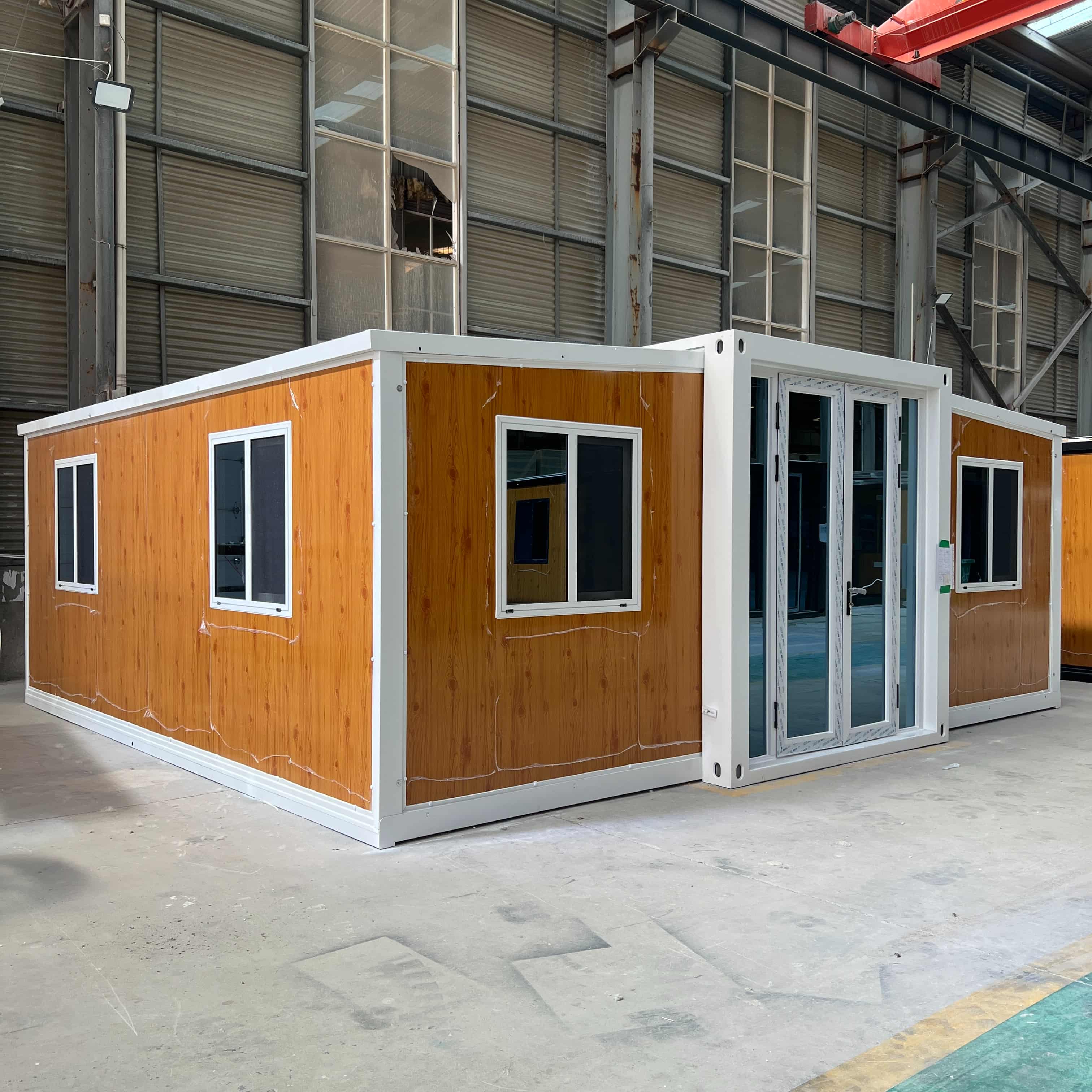
| 10ft Expandable Container House | 10ft x 20ft (3m x 6m) | $8,500 | R$ 46,750 |
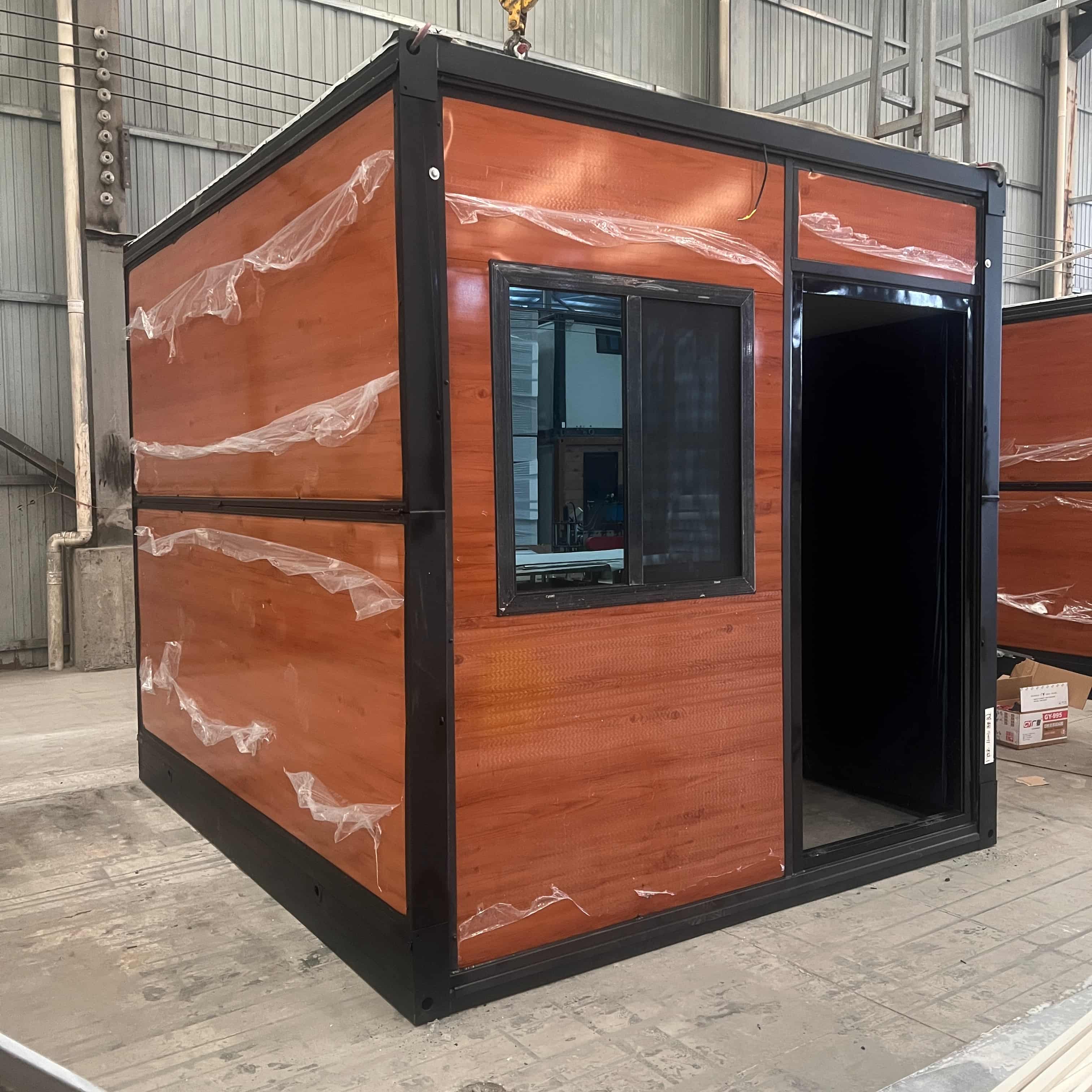
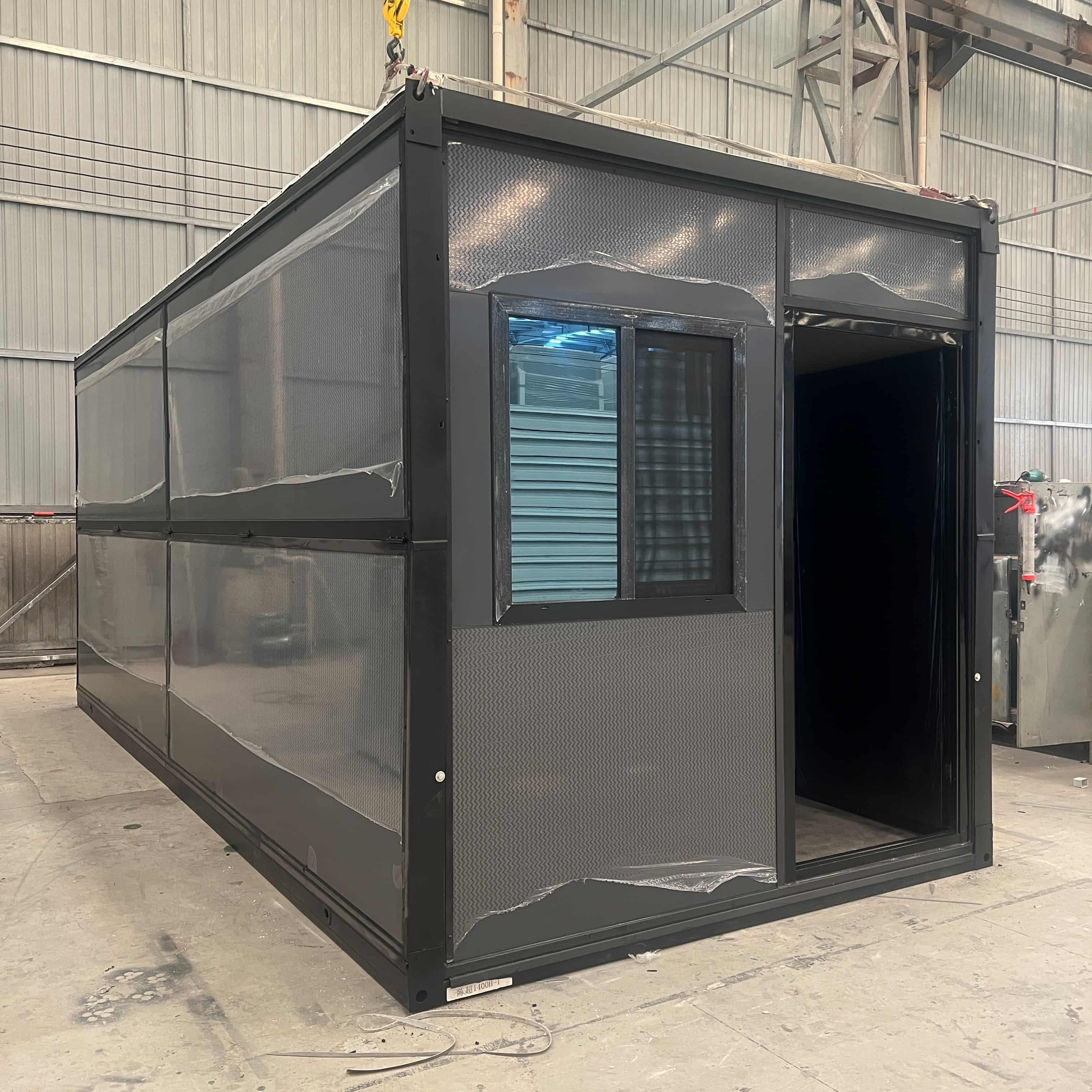
| 20ft Standard Container House | 20ft x 8ft (6m x 2.4m) | $3,500 | R$ 19,250 |
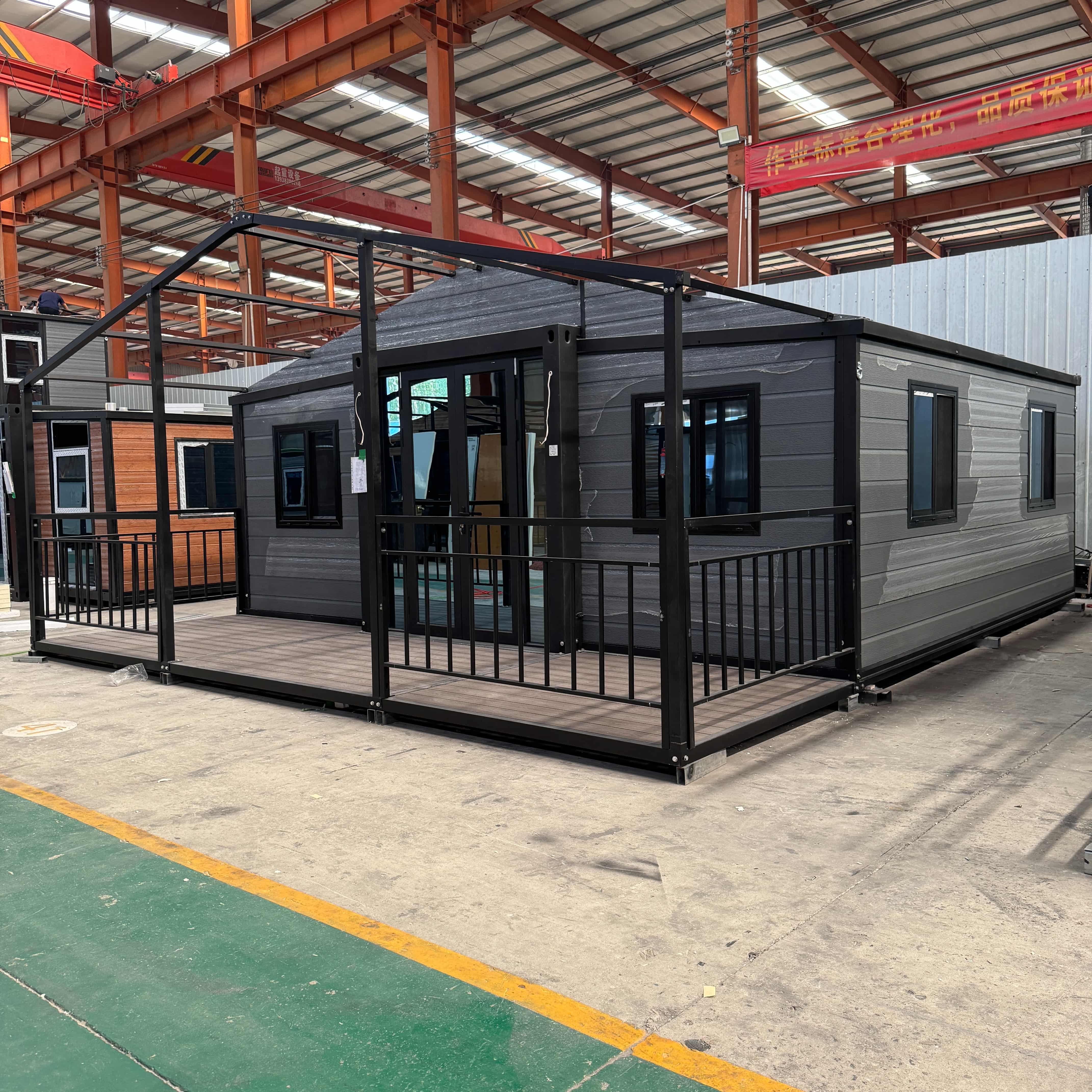
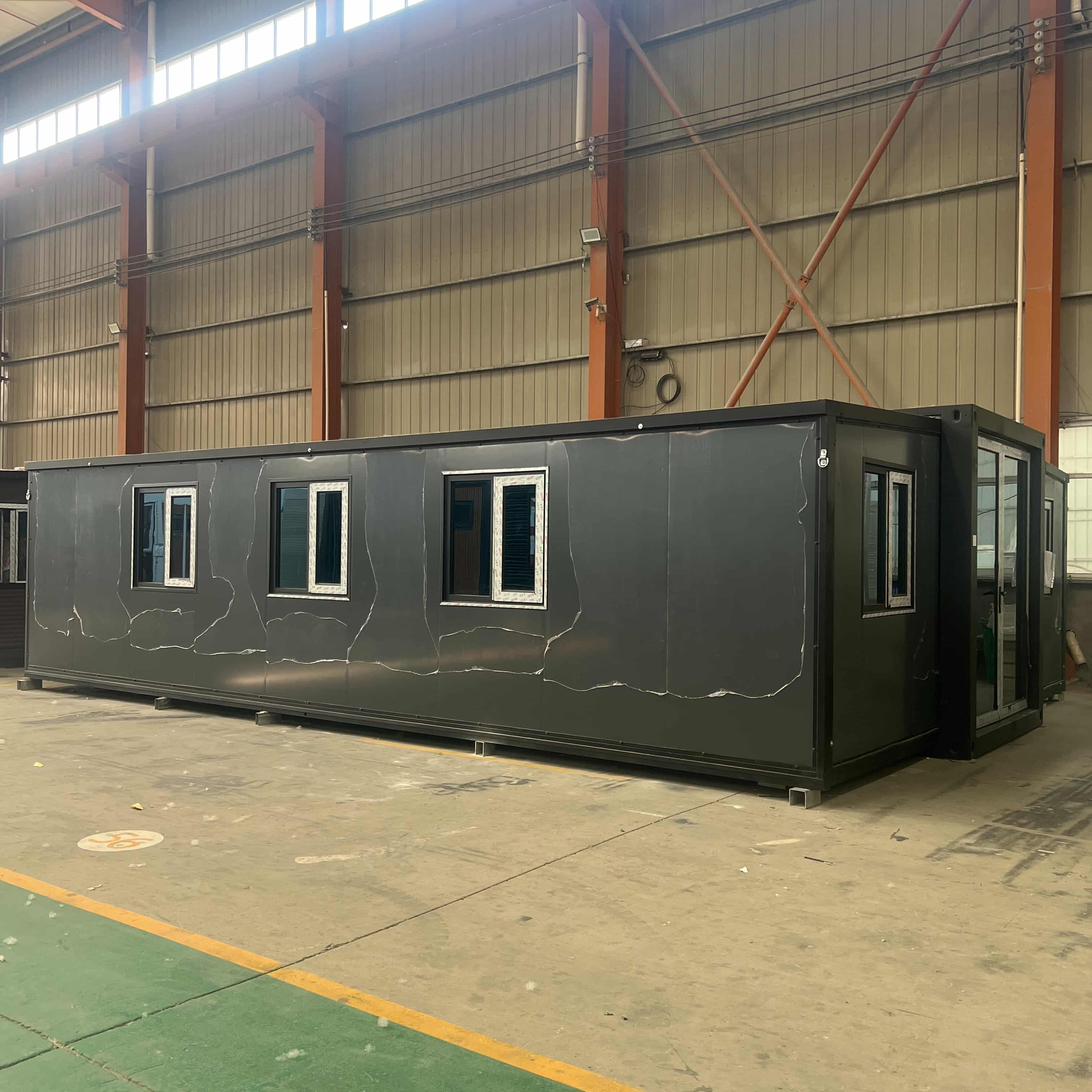
| 20ft Expandable Container House | 20ft x 20ft (6m x 6m) | $12,500 | R$ 68,750 |
| 40ft Expandable Container House | 40ft x 20ft (12m x 6m) | $22,000 | R$ 121,000 |
| 40ft Double-Wing Expandable | 40ft x 32ft (12m x 9.6m) | $32,000 | R$ 176,000 |
| 20ft Apple Capsule House | 20ft x 10ft (6m x 3m) | $6,800 | R$ 37,400 |
Exchange rate reference: 1 USD ≈ 5.50 BRL (2026 rate, subject to fluctuation). Prices are for standard configurations. Customization costs vary based on requirements.
Shipping Container Houses to Brazil
Major Ports and Routes
The most common shipping route for container houses from China to Brazil is via the South Atlantic. Key ports of entry include:
- Port of Santos (São Paulo) — Brazil’s largest port, handling approximately 40% of all imports. Best choice for deliveries to São Paulo, Rio de Janeiro, and the Southeast region. Transit time: approximately 35-40 days from Shanghai.
- Port of Itajaí (Santa Catarina) — Important southern port serving Paraná, Santa Catarina, and Rio Grande do Sul. Transit time: 38-42 days.
- Port of Suape (Pernambuco) — Key port for Northeast Brazil, serving Recife, Salvador, and Fortaleza. Transit time: 32-36 days.
- Port of Manaus (Amazonas) — Free trade zone port in the Amazon. Higher shipping costs but duty-free advantages for the Zona Franca de Manaus.
Shipping Costs (Estimated)
| Container Type | Shanghai → Santos | Shanghai → Itajaí | Shanghai → Suape |
|---|---|---|---|
| 20ft Container (as cargo) | $2,800 – $3,500 | $2,900 – $3,600 | $2,700 – $3,400 |
| 40ft Container (as cargo) | $4,200 – $5,200 | $4,300 – $5,300 | $4,000 – $5,000 |
Import Duties and Taxes in Brazil
Importing container houses to Brazil involves several taxes and duties. Understanding these is critical for accurate budgeting:
| Tax/Duty | Rate | Notes |
|---|---|---|
| Import Duty (II) | 12-20% | Depends on NCM classification. Prefabricated buildings typically fall under NCM 9406.00 |
| ICMS (State VAT) | 7-18% | Varies by state. São Paulo: 18%, Santa Catarina: 17%, Pernambuco: 18% |
| IPI (Federal Excise Tax) | 5-10% | Applied on imported industrialised products |
| PIS/COFINS (Social Contributions) | ~9.25% | Applied on CIF value (cost + insurance + freight) |
| AFRMM (Freight Tax) | 25% of freight cost | Additional charge on ocean freight |
Estimated total import cost: Import duties and taxes for a 20ft expandable container house (FOB $12,500) typically add 35-50% to the FOB price. A complete landed cost estimate for Santos:
- FOB Price: $12,500
- Ocean Freight: $3,200
- Insurance (0.5%): $62
- CIF Value: $15,762
- Import Duty (16%): $2,522
- IPI (8%): $1,463
- PIS/COFINS (9.25%): $1,458
- ICMS (18% of São Paulo state): ~$3,600
- Total Landed Cost: approximately $24,800 (R$ 136,400)
Building Regulations and Compliance in Brazil
NBR Standards
Container houses in Brazil must comply with Brazilian Technical Standards (NBR) set by ABNT (Associação Brasileira de Normas Técnicas):
- NBR 15575 (Edificações Habitacionais) — Performance standard for residential buildings. Covers structural performance, fire safety, acoustic comfort, thermal comfort, and durability. Container houses can meet these requirements with proper insulation and structural reinforcement.
- NBR 6123 (Wind Forces) — Specifies wind load calculations. Important for coastal regions like Rio de Janeiro and Fortaleza where wind speeds can be high.
- NBR 5410 (Electrical Installations) — Low-voltage electrical installation standard. All container houses from HuaYing include compliant electrical pre-wiring.
- NBR 10821 (Windows and Doors) — Performance requirements for windows and doors, including airtightness and water tightness.
Municipal Approvals
Each municipality in Brazil has its own building code (Código de Obras). Key considerations:
- São Paulo: Requires Alvará de Construção (building permit). Container houses classified as “edificação pré-fabricada” (prefabricated building). Minimum lot size and setback requirements apply.
- Rio de Janeiro: Approvals through Secretaria Municipal de Urbanismo. Container houses gaining acceptance for temporary and permanent use, especially in Zona Oeste.
- Brasília: Controlled by the Brasília Urban Planning Company (Novacap). More restrictive due to the city’s UNESCO heritage status.
- Mining regions (Minas Gerais, Pará): More flexible approvals, especially for worker accommodation (alojamento de trabalhadores).
Environmental Licensing
For container house projects exceeding certain thresholds, environmental licensing (Licenciamento Ambiental) may be required. This is more relevant for larger developments (worker camps, resorts) than individual homes.
5 Best Use Cases for Container Houses in Brazil
1. Worker Accommodation for Mining & Agribusiness
Brazil’s mining sector (iron ore, gold, bauxite) and agribusiness (soy, sugar, coffee) require remote worker accommodation. Container houses provide quick-to-deploy, comfortable housing for 10-100 workers. The 40ft expandable double-wing model can accommodate up to 12 workers with shared facilities. Projects in Carajás (Pará), Serra dos Carajás, and Mato Grosso’s agricultural regions are ideal candidates.
2. Affordable Housing in Urban Fringe Areas
Brazil’s Minha Casa Minha Vida program and other social housing initiatives can benefit from container house solutions. A 20ft expandable model (R$ 136,400 landed) provides a complete one-bedroom home with living, kitchen, and bathroom — significantly cheaper than the average Brazilian urban apartment (R$ 300,000+ in São Paulo).
3. Beach Resort Cabins & Eco-Lodges
Brazil’s $20 billion tourism industry is a natural fit for container houses. Beach resorts in Bahia, Alagoas, and Nordeste, as well as eco-lodges in the Amazon and Pantanal, can use container cabins as boutique accommodation. The 20ft apple capsule house (R$ 37,400 FOB) is particularly popular for this segment.
4. Emergency & Post-Disaster Housing
Brazil experiences seasonal flooding in the North and Northeast, particularly in Acre, Amazonas, and Maranhão. Container houses can be pre-positioned and deployed rapidly for emergency housing, requiring only a flat foundation and utility connections.
5. Commercial Spaces — Cafés, Offices, Retail
In urban centers like São Paulo and Curitiba, container houses are increasingly used for pop-up retail, cafés, and construction site offices. The 10ft expandable model (R$ 46,750 FOB) is ideal for small commercial spaces.
Case Study: Accommodation for a Mining Operation in Minas Gerais
A mining company in Minas Gerais needed to house 50 workers near their iron ore operation. Using 10 units of the 20ft expandable container house (model HY-EX20), the total accommodation was set up in 8 weeks from order. Each unit housed 5 workers with shared bathroom facilities and a communal kitchen/dining area. Total cost including shipping and import duties: approximately R$ 1.4 million — 55% less than building traditional masonry accommodation. The units are fully relocatable, meaning they can be moved to the next project site.
Frequently Asked Questions
How long does it take to receive a container house in Brazil?
Typical timeline: 2-3 weeks for production in China, 35-42 days shipping to Brazil, plus 1-2 weeks for customs clearance and delivery. Total: approximately 8-12 weeks from order.
Do I need a CNPJ to import a container house?
Yes, importing commercial goods into Brazil requires a CNPJ (Cadastro Nacional da Pessoa Jurídica — business registration). Individuals can use a customs broker (despachante aduaneiro) who can import on their behalf, but this adds cost.
Can container houses withstand Brazil’s tropical climate?
Yes. HuaYing container houses feature insulation options (polyurethane foam, mineral wool) that maintain comfortable interior temperatures. Optional air conditioning integration is available. The standard roof overhang provides shade and directs rainwater away from the structure.
Are container houses approved for permanent residence in Brazil?
Yes, subject to local municipal building codes. Container houses certified to NBR 15575 performance standards can obtain Habite-se (occupancy permit) in most municipalities. Some cities are more progressive than others — consult a local architect or engineer.
What foundation is required for a container house in Brazil?
A simple concrete slab foundation or concrete blocks (sapatas) are sufficient for most models. The house is then bolted down to the foundation. No deep excavation is needed, significantly reducing site preparation costs.
Can I customize the interior layout?
Absolutely. HuaYing offers custom interior configurations including wall placement, kitchen and bathroom layout, window positions, and electrical points. Send your floor plan or requirements, and our engineering team will provide a custom quotation.
What warranty comes with HuaYing container houses?
HuaYing provides a 5-year structural warranty on all container houses. The steel frame is made from Q235B or Q345B grade steel with anti-corrosion treatment (epoxy primer + polyurethane topcoat), ensuring 20+ years of service life under normal conditions.
Do you have references or existing projects in Brazil?
HuaYing has supplied container houses to clients in 20+ countries worldwide. We can provide project references from similar tropical climates and arrange video calls with our international clients upon serious inquiry.
Why Choose HuaYing Container Houses?
HuaYing (Fucheng HuaYing Integrated Housing Co., Ltd.) is a Chinese manufacturer with 15+ years of experience in the prefabricated building industry. Our container houses are built in ISO 9001-certified facilities with rigorous quality control. Every unit undergoes a 25-point inspection checklist before shipping, covering structural integrity, welding quality, waterproofing, electrical safety, and door/window operation.
Contact us today for a custom quotation:
- Email: jack@huayinghouse.com
- WhatsApp: +86 153-0318-4505
- Website: www.huaying1.com
All container houses are manufactured in our Hebei factory. We welcome factory inspections — pick-up available from Shijiazhuang Zhengding International Airport or Hengshui North Railway Station.