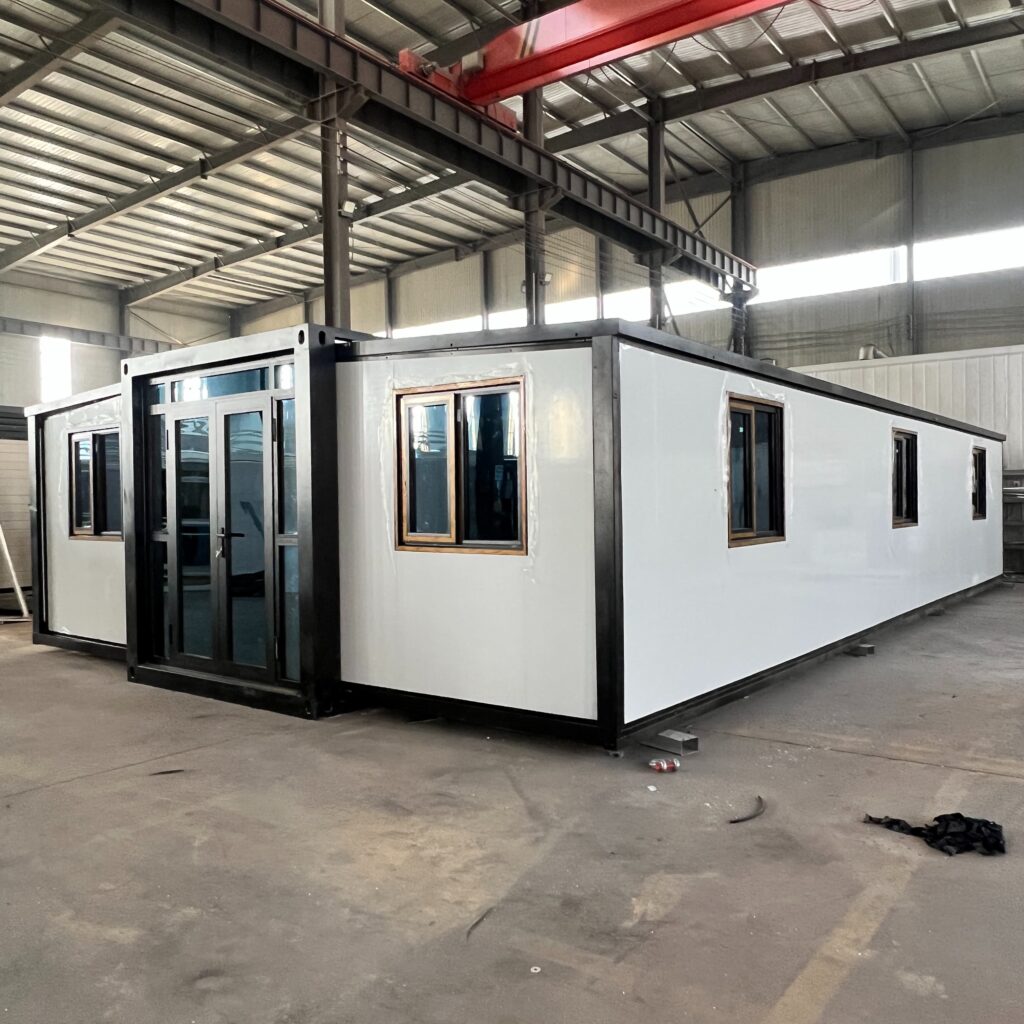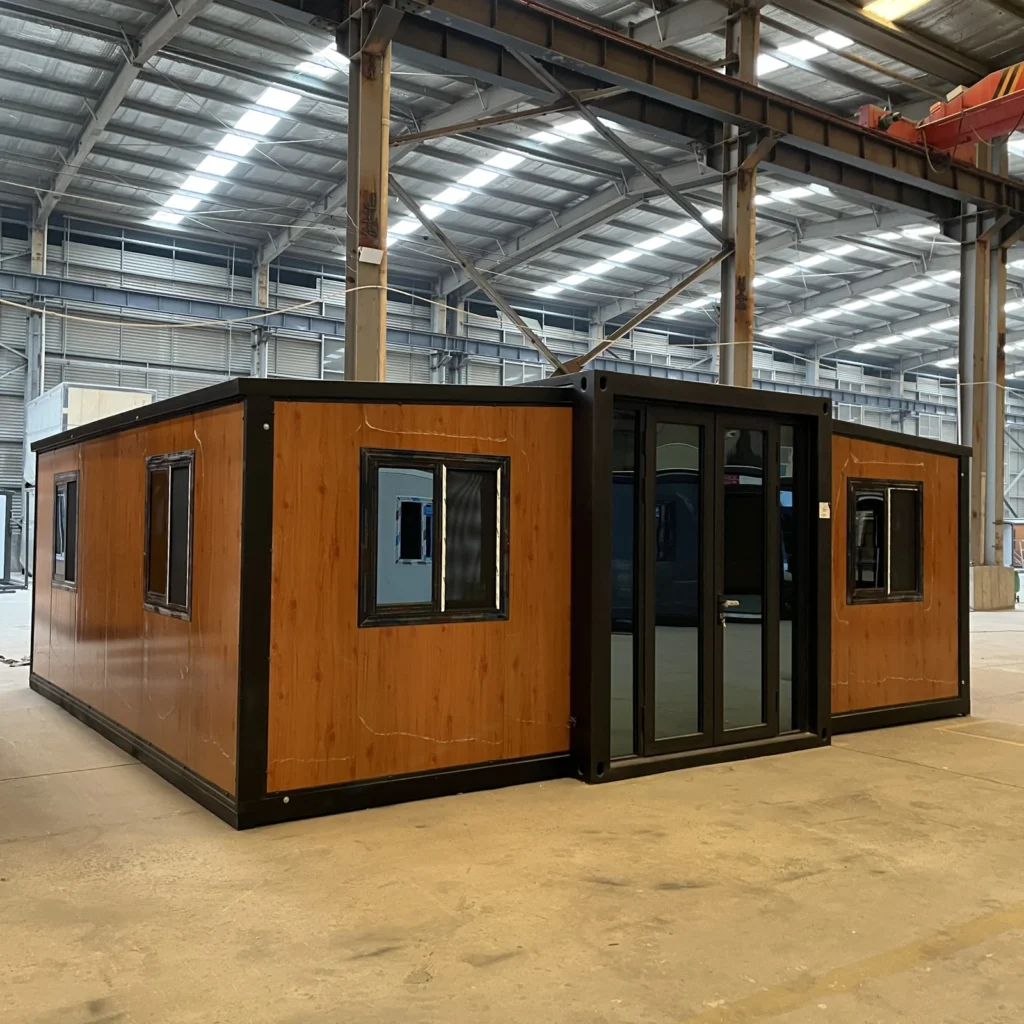
The 10ft expandable container house from China, a practical upgrade in prefabricated housing. This compact yet versatile unit offers rapid deployment, modern design, and eco-friendly construction, ideal for remote workspaces, vacation retreats, or emergency shelters. Explore its features, benefits, and why China leads in prefab solutions.
When it comes to china prefabricated houses, innovation drives the market. Today, we’re looking at the 10ft expandable container house. If you thought you knew about cramped shipping containers—the walls fold out and the unit goes from transport footprint to habitable floor area in a single working session. What follows is the specification and the cost that sit behind that mechanism.
What Makes the 10ft Expandable Container House Special?
In transport configuration the unit measures 10×8 ft, which is a standard container footprint and clears a 40HQ without special permits. Extended, the same unit presents roughly 160 sq ft of floor area, because both long walls fold out and the roof panels travel with them. Fold-out walls, integrated flooring and pre-run utilities mean the site work is connection, not construction. Huaying quotes the extended and the transport dimension separately on the specification sheet, since freight is priced on the second and habitable area on the first.
Key Features That Wow
Beyond its expandable design, this Chinese prefab house packs serious punch:
- Durability: Built with corrosion-resistant steel, it withstands harsh weather, from snowy mountains to coastal winds.
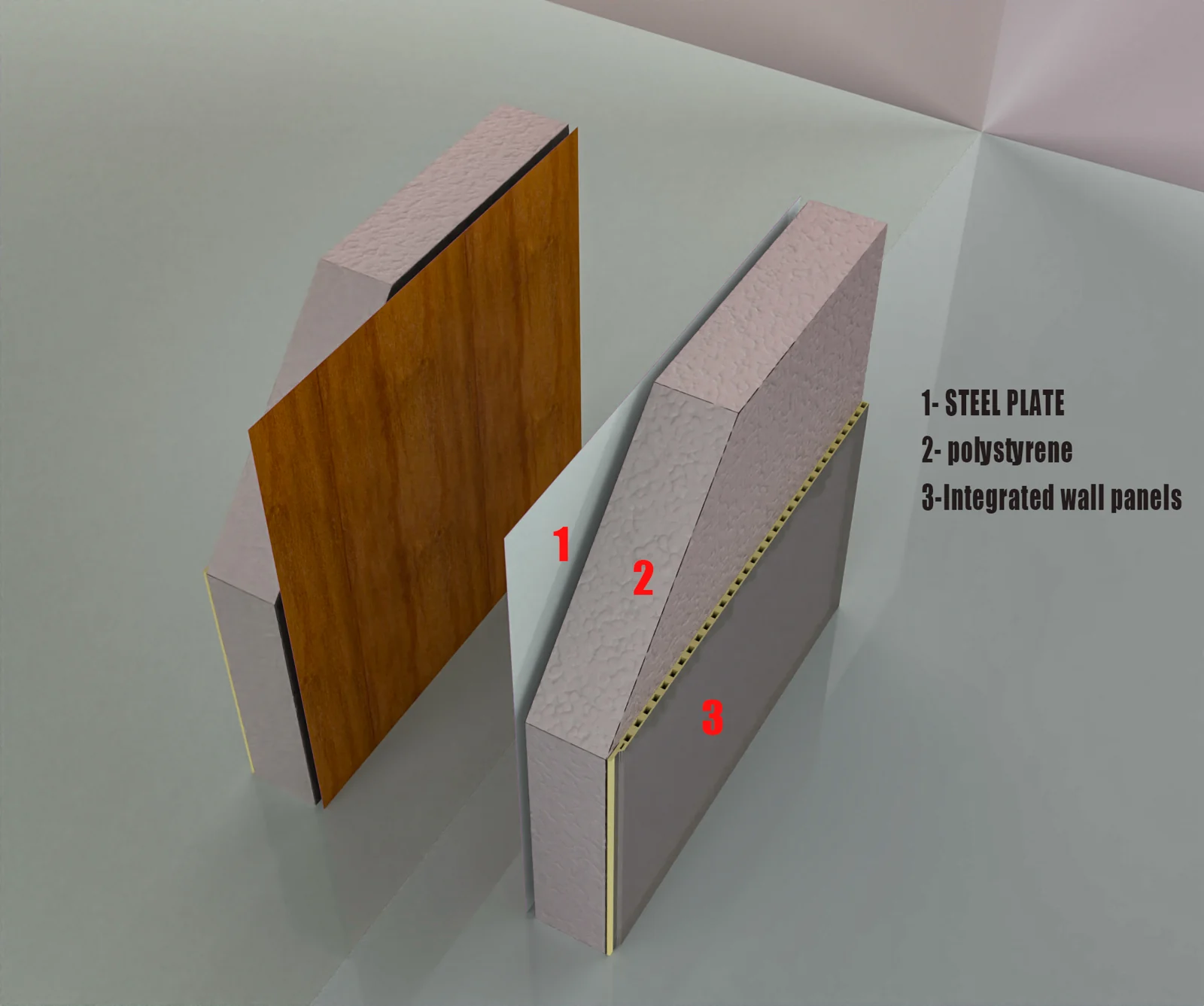
- Eco-Friendly: Insulated walls and energy-efficient windows reduce heating/cooling costs by 30% compared to traditional builds.
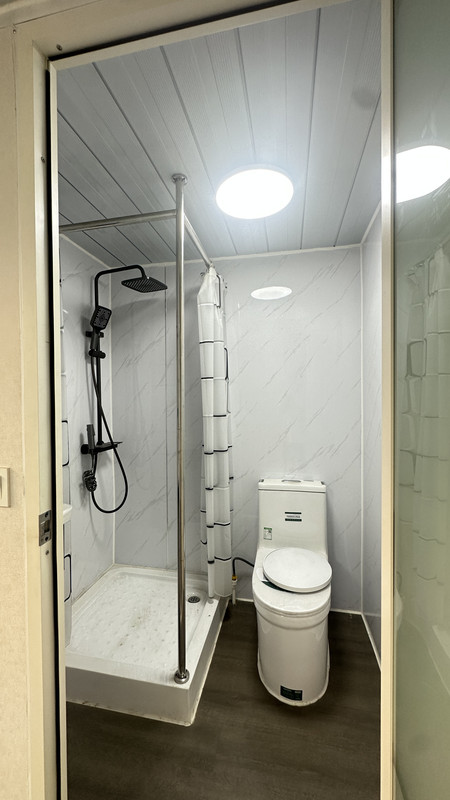
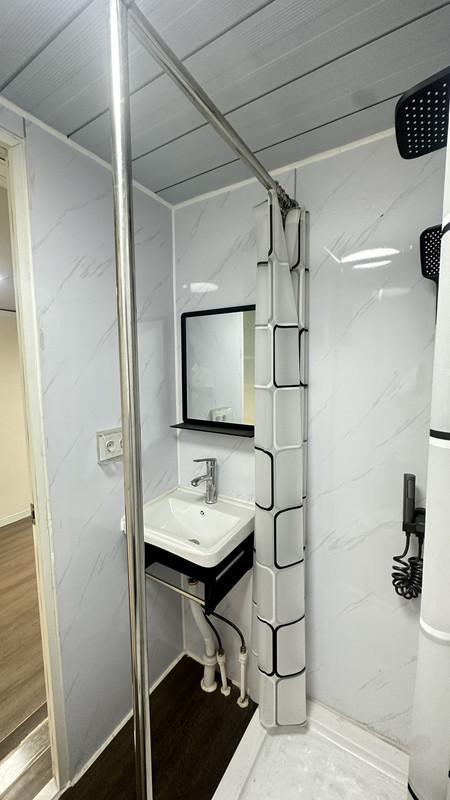
- Plug-and-Play: Comes pre-wired for electricity and plumbing—just connect to local utilities.
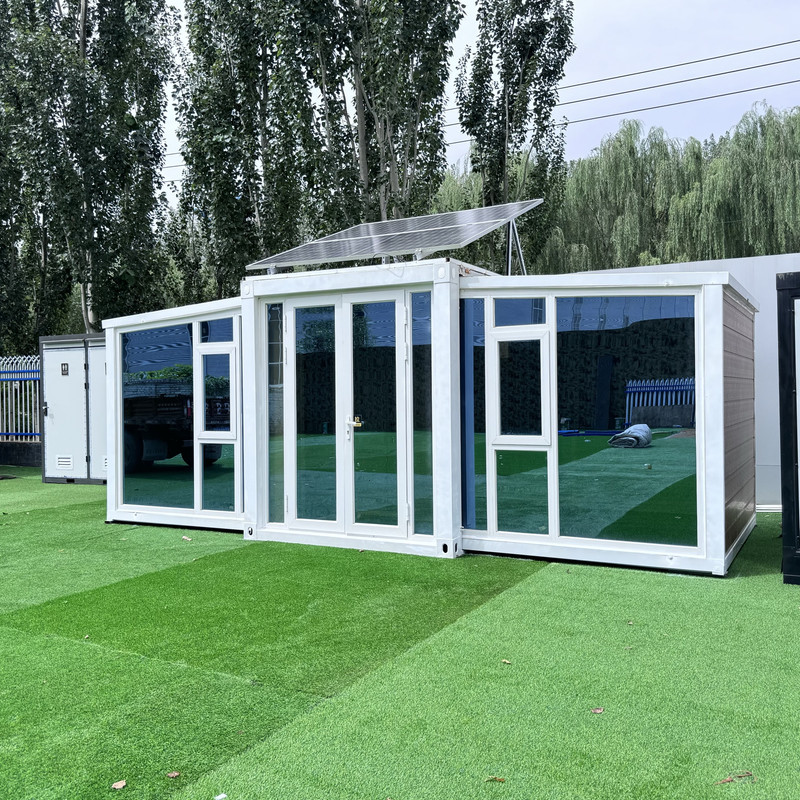
- Customization: Choose from modular kitchens, loft beds, or solar panel add-ons to tailor it to your needs.
How the Fold-Out Mechanism Works
The house uses a hydraulic folding system. Walls slide out on reinforced tracks, revealing the interior sections for sleeping, dining or working. Assembly needs no tools and no construction crew: the panels unfold, lock, and are then levelled.
The sequence matters for the structural warranty: the floor wings bear on the corner posts before the roof panel is locked, so a unit that is unfolded in the wrong order and then levelled can carry a permanent twist in the frame. We supply a one-page unfolding sequence with each unit and ask the receiving site to photograph each stage, because a twisted frame is very difficult to correct after the roof is sealed.
Interior Comfort: Small Space, Big Living
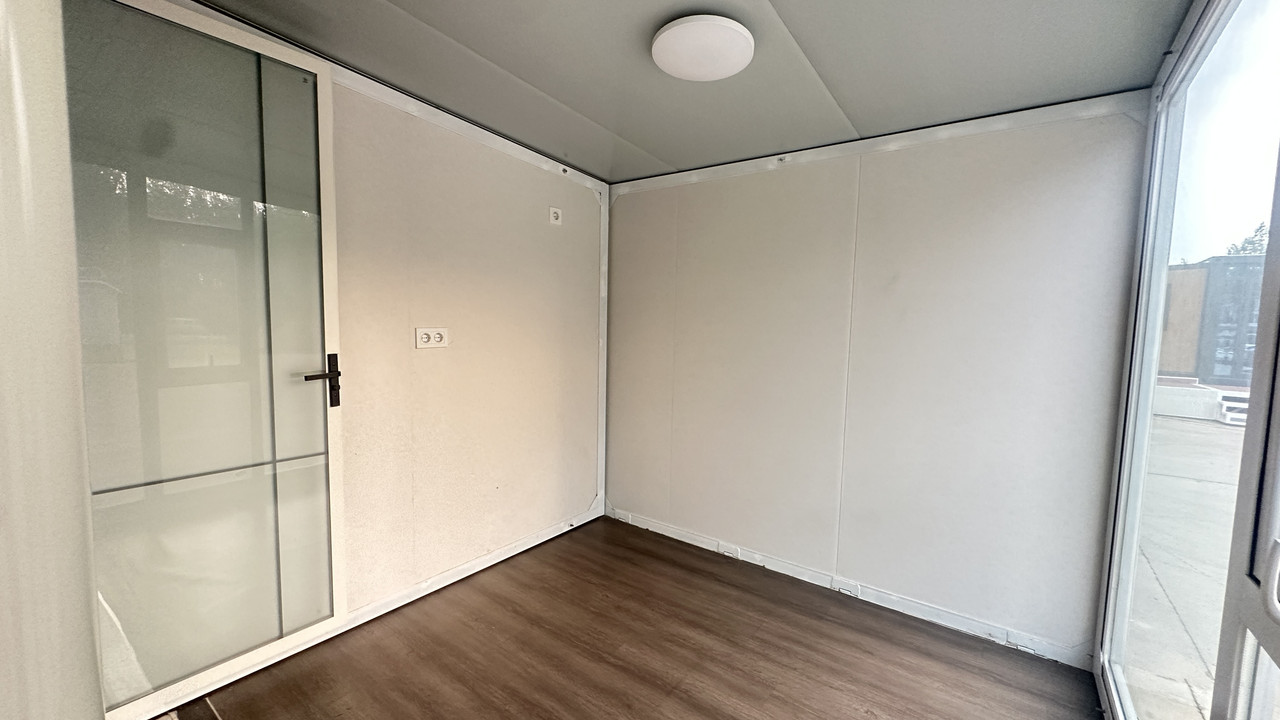
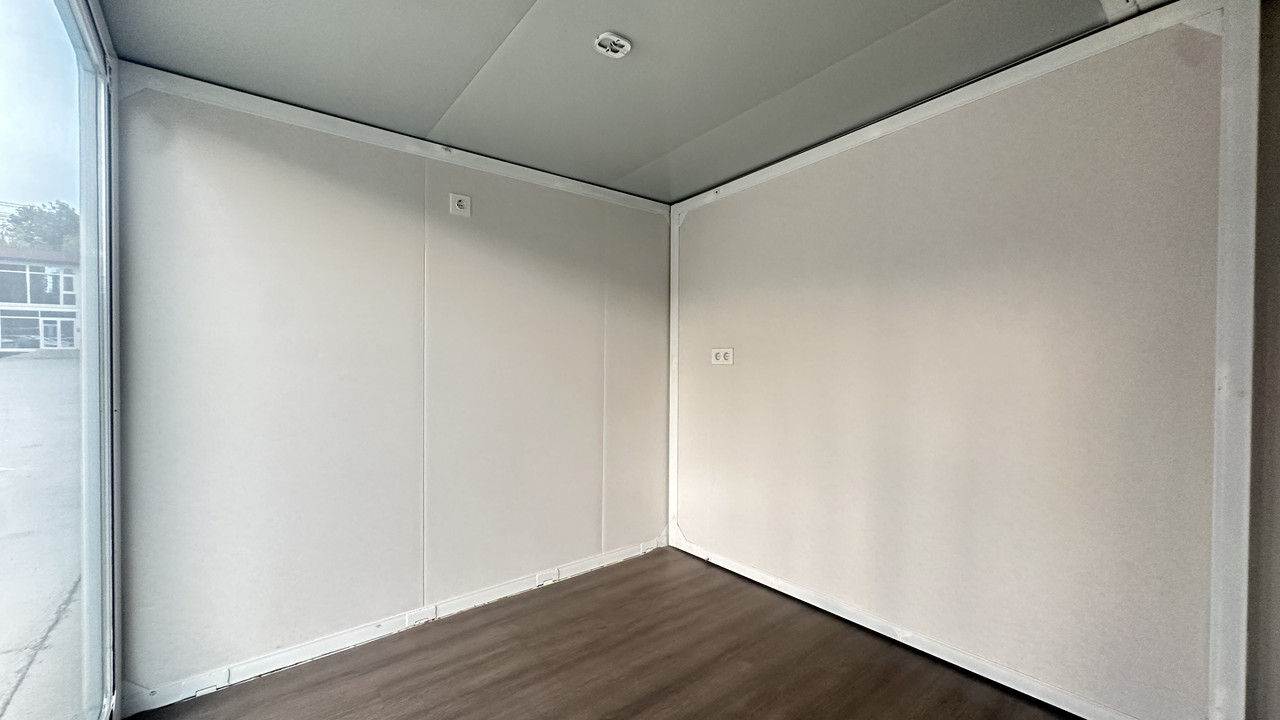
Don’t let the size fool you—the interior is surprisingly roomy. Smart storage solutions (think under-bed compartments and wall-mounted shelves) maximize every inch. Large windows flood the space with natural light, while premium materials give it a modern, homey feel. Need a mini-office or a tiny kitchenette? No problem. The layout is fully customizable to suit your lifestyle.
Your browser does not support the video tag.
The second video showcases a fully furnished interior—proof that small spaces can be both stylish and functional.
Why Choose China for Prefabricated Houses?
China dominates the prefab housing market for good reason. Advanced manufacturing tech, strict quality control, and competitive pricing make Chinese prefabs like this 10ft expandable unit a smart investment. Plus, with global shipping options, you can have one delivered to your doorstep, whether you’re in rural Montana or urban Tokyo.
Real-World Applications
This isn’t just a novelty—it’s a practical solution for:
- Disaster Relief: Quick-deploy shelters for emergencies.
- Tourism: Eco-friendly glamping pods or Airbnb rentals.
- Remote Work: Backyard offices that boost productivity.
- Temporary Housing: For construction sites or events.
Cost and Environmental Performance
Traditional homes cost a fortune and take months to build. This expandable container house? Priced between $8,000–$15,000 (depending on customizations), it’s a fraction of the cost. Plus, its reusable materials and minimal site disruption align with green building principles. You’re not just saving money—you’re saving the planet.
Final Thoughts: Big Things in Small Packages
China’s 10ft expandable container house proves that innovation in prefabricated housing is alive and thriving. It’s fast, affordable, and endlessly adaptable—Well suited to our fast-paced, eco-conscious world. Whether you’re a minimalist, an adventurer, or a pragmatist, this tiny home delivers big on possibilities.
A 10 ft expandable unit is bought on floor area and delivered on footprint, so the two numbers have to be read together. The sections below price the unit and size the services.
FOB to Landed Cost: 10ft Expandable from China
A price range is not a cost. The table below prices one 10 ft expandable unit at FOB Tianjin USD 8,500 through five destination markets, using the actual duty rate, the actual tax rate and a sea freight rate per unit rather than per container. Four units of this size share one 40 ft high-cube container, so freight is divided by four.
Two lines in the chain behave differently from the rest. Import duty is fixed by the tariff code and the origin claim, so it can be quoted exactly before you order. VAT and GST are recoverable for a business buyer but not for a private one, which is why the table separates the tax line from the landed line instead of merging them.
| Market and port | FOB (USD) | Freight per unit | CIF | Duty | Tax (recoverable) | Landed ex-tax | Installed ex-tax | Installed / FOB |
|---|---|---|---|---|---|---|---|---|
| Australia, Port Botany, ChAFTA origin | 8,500 | 550 | 9,258 | 0 (0%) | 926 GST 10% | 10,058 | 13,758 | 1.62x |
| Australia, Port Botany, no origin claim | 8,500 | 550 | 9,258 | 463 (5%) | 972 GST 10% | 10,521 | 14,221 | 1.67x |
| United Kingdom, Felixstowe | 8,500 | 620 | 9,328 | 187 (2.0%) | 1,903 VAT 20% | 10,554 | 14,654 | 1.72x |
| Germany, Hamburg | 8,500 | 640 | 9,348 | 252 (2.7%, CN 9406.20) | 1,824 EUSt 19% | 11,000 | 17,000 | 2.00x |
| United States, Los Angeles | 8,500 | 780 | 9,488 | 2,647 (2.9% + 25% Section 301) | 0 (no federal VAT) | 13,756 | 18,956 | 2.23x |
Freight is Tianjin to the named port for one unit’s share of a 40 ft high-cube container, with marine insurance at 0.3 per cent of CIF and origin charges of USD 180 per unit included in CIF. Port handling, customs brokerage and inland delivery are counted in the landed line. The installed line adds a screw-pile or pad foundation, crane hire and the approval share, at local rates for each market.
The United States line carries USD 2,647 of duty against USD 187 for the United Kingdom on the same product, a difference of 1,314 per cent, produced entirely by the Section 301 surcharge. That is the single largest variable in the chain and it is not negotiable at the factory. The German line carries the smallest duty in the table but the largest installed cost, because EN 1090-1 execution class 2 documentation, a heavier roof for snow zones and the GEG heating rule all add local scope that the Australian or British site does not require.
Two costs do not appear above because they are site-specific rather than product-specific: land, and the electrical connection. A 10 ft unit draws roughly 3 kW of heating load and 2.5 kW of cooling load, so a single-phase supply with a 16 A circuit is sufficient in most markets, but the connection fee itself ranges from a few hundred to several thousand dollars depending on distance to the nearest pillar.
Confirm the tariff classification and the origin rules with a customs broker before you order, and ask for the duty rate in writing. The rate that decides your project is the one your broker files, not the one in any published table, including this one.
Frequently Asked Questions
Why buy a container house from China?
China has the largest manufacturing base for container houses, with mature production lines, competitive FOB pricing and short production lead times (15-25 days). Quality varies by factory, so verify certifications and request inspection reports.
What is the cost of a 10ft expandable house from China?
FOB price is USD 8,500-11,500. Landed and installed cost depends on your destination country, typically USD 11,700-20,200 including freight, duty, VAT, foundation and assembly.
How do I verify a Chinese container house factory?
Request a factory audit or third-party inspection (SGS/BV), check export certifications, and ask for references from buyers in your market. HUAYING welcomes factory visits and video inspections.
How long does production and shipping take?
Production takes 15-25 days. Sea freight from Chinese ports takes 7-55 days depending on destination, so plan for 4-12 weeks from order to arrival.
Get a Factory Quote for Your Project
Contact HUAYING for a detailed quotation with FOB and landed cost breakdown for your destination country. We reply within 24 hours with specifications, shipping options and customs documentation.
Email: jack@huayinghouse.com | WhatsApp: +86 153-0318-4505