
Discover the innovative 20ft Apple Capsule Container House, a modern prefabricated solution revolutionizing sustainable living in Puerto Rico and beyond. Explore its sleek design, eco-friendly materials, and rapid assembly—perfect for tropical climates like Colombia’s. From weather-resistant construction to space-efficient layouts, this container home blends affordability with luxury for remote workspaces, vacation rentals, or permanent residences.
In the evolving world of sustainable housing, prefabricated structures are stealing the spotlight—especially in regions like Puerto Rico, where resilience and efficiency matter. Today, we’re diving into a groundbreaking innovation: the 20ft Apple Capsule Container House. While Colombia’s demand for durable, quick-build “houses prefabricated of PVC” grows, this steel-framed alternative offers superior strength, style, and adaptability for tropical climates. Let’s unpack why this compact marvel is turning heads across the Caribbean and beyond.
What Makes the Apple Capsule Stand Out?
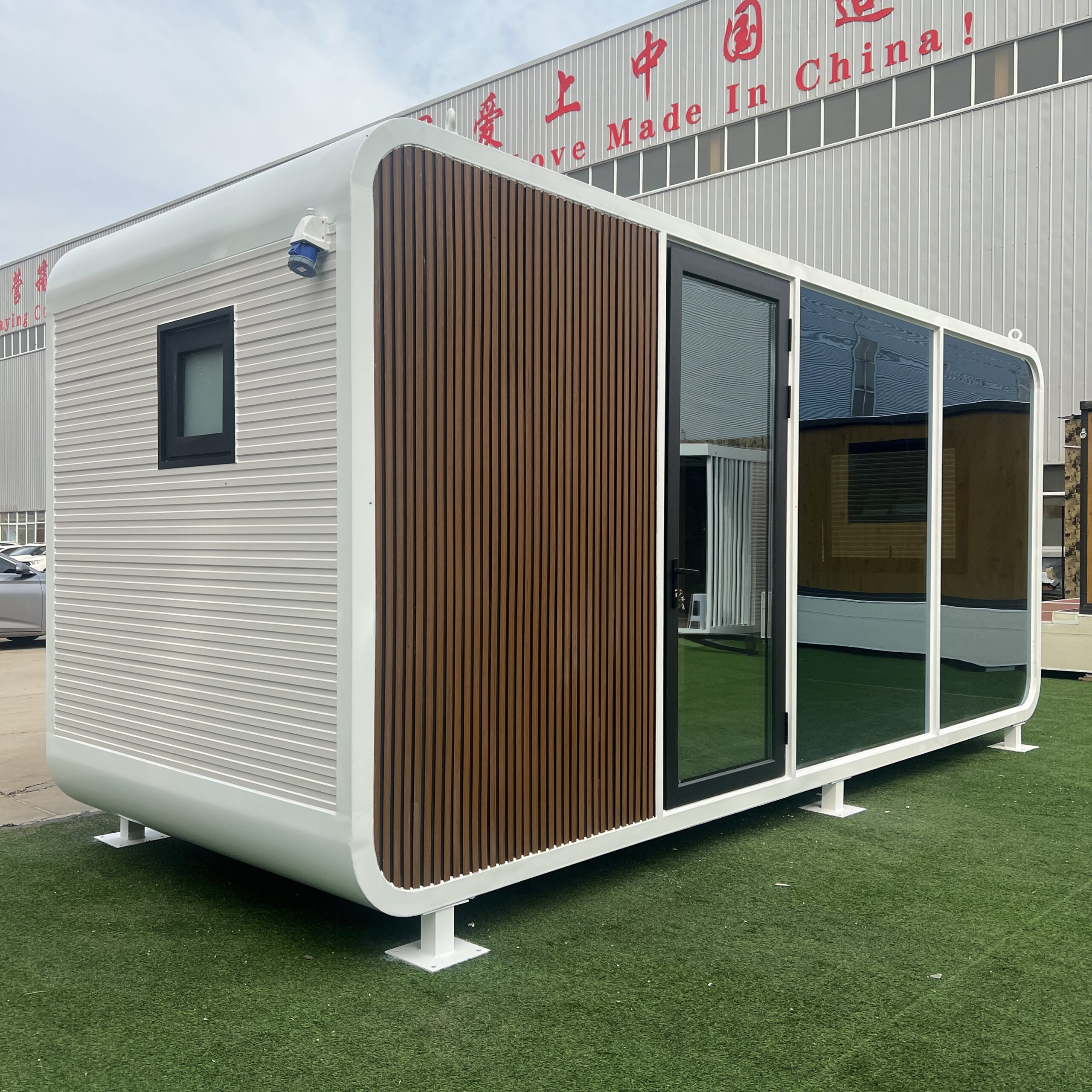
Imagine a home that’s sleek, sustainable, and assembled in days—not months. The Apple Capsule Container House delivers exactly that. Crafted from corrosion-resistant steel (a step up from PVC alternatives), its 20ft footprint maximizes space without sacrificing comfort. Externally, it boasts a minimalist, futuristic design (as seen in this striking exterior shot), with large windows inviting natural light while shielding against Puerto Rico’s intense sun and occasional storms. Unlike traditional PVC prefab models, this container prioritizes longevity and low maintenance—ideal for humid environments like Colombia’s coastal regions.
Step Inside: Smart, Functional Interiors
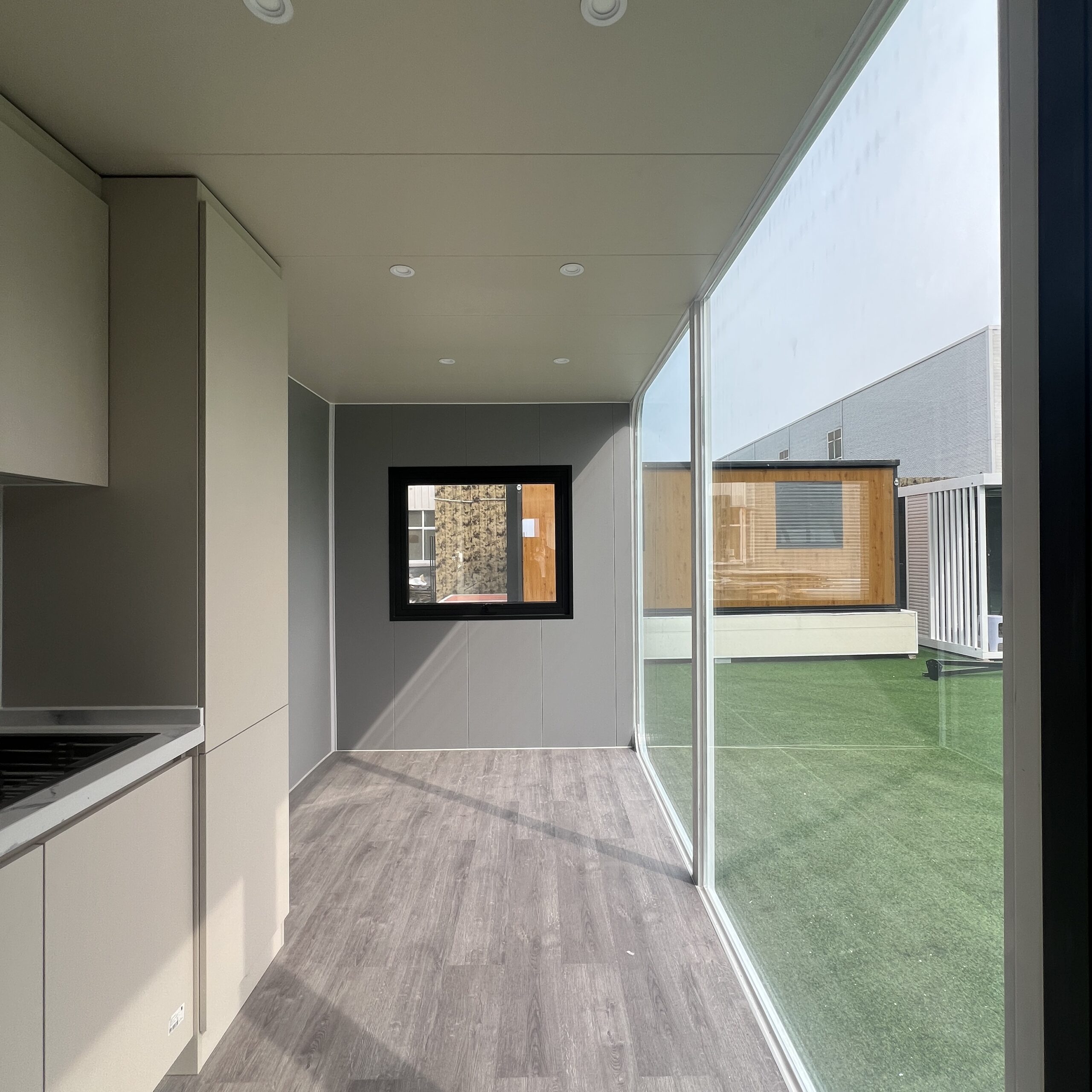
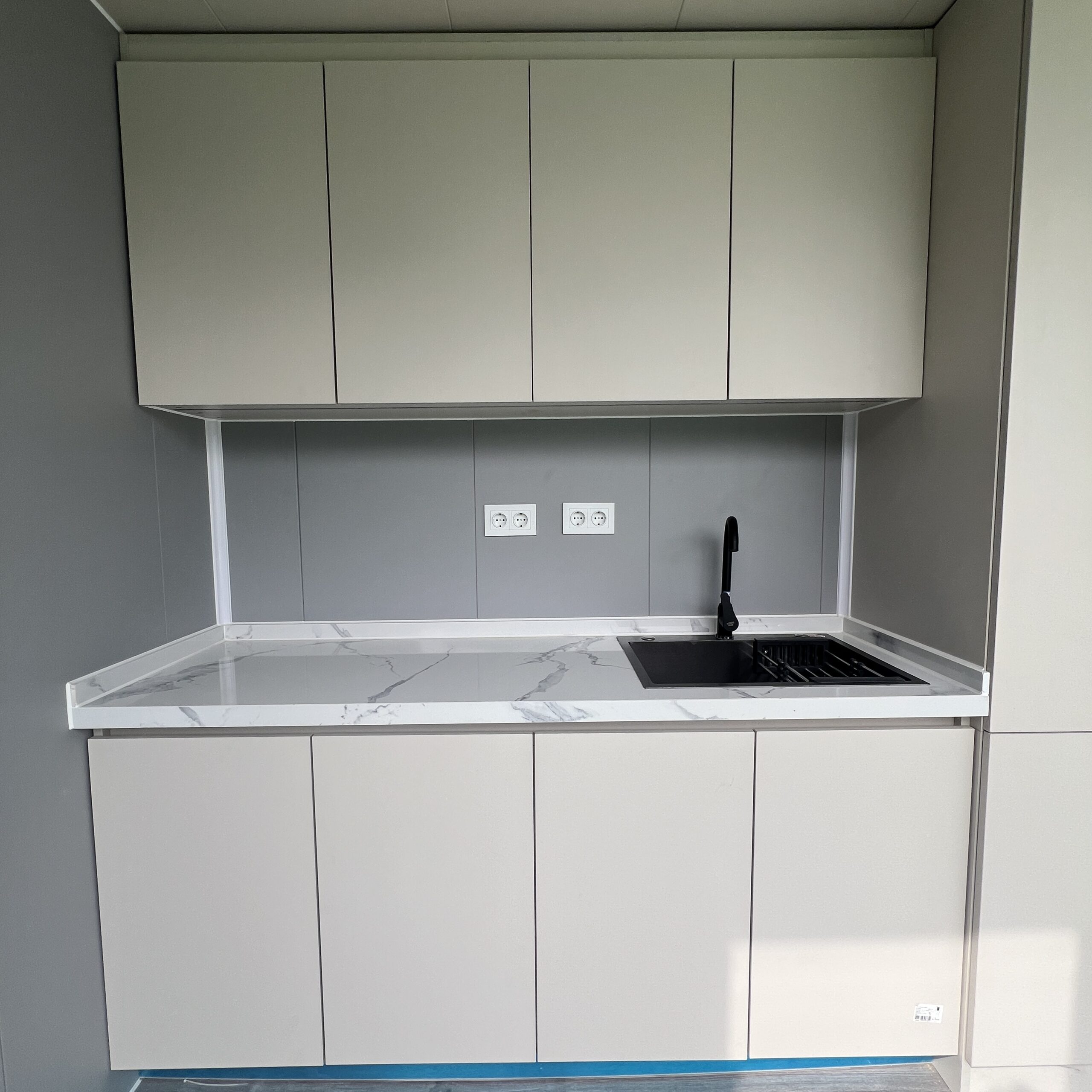
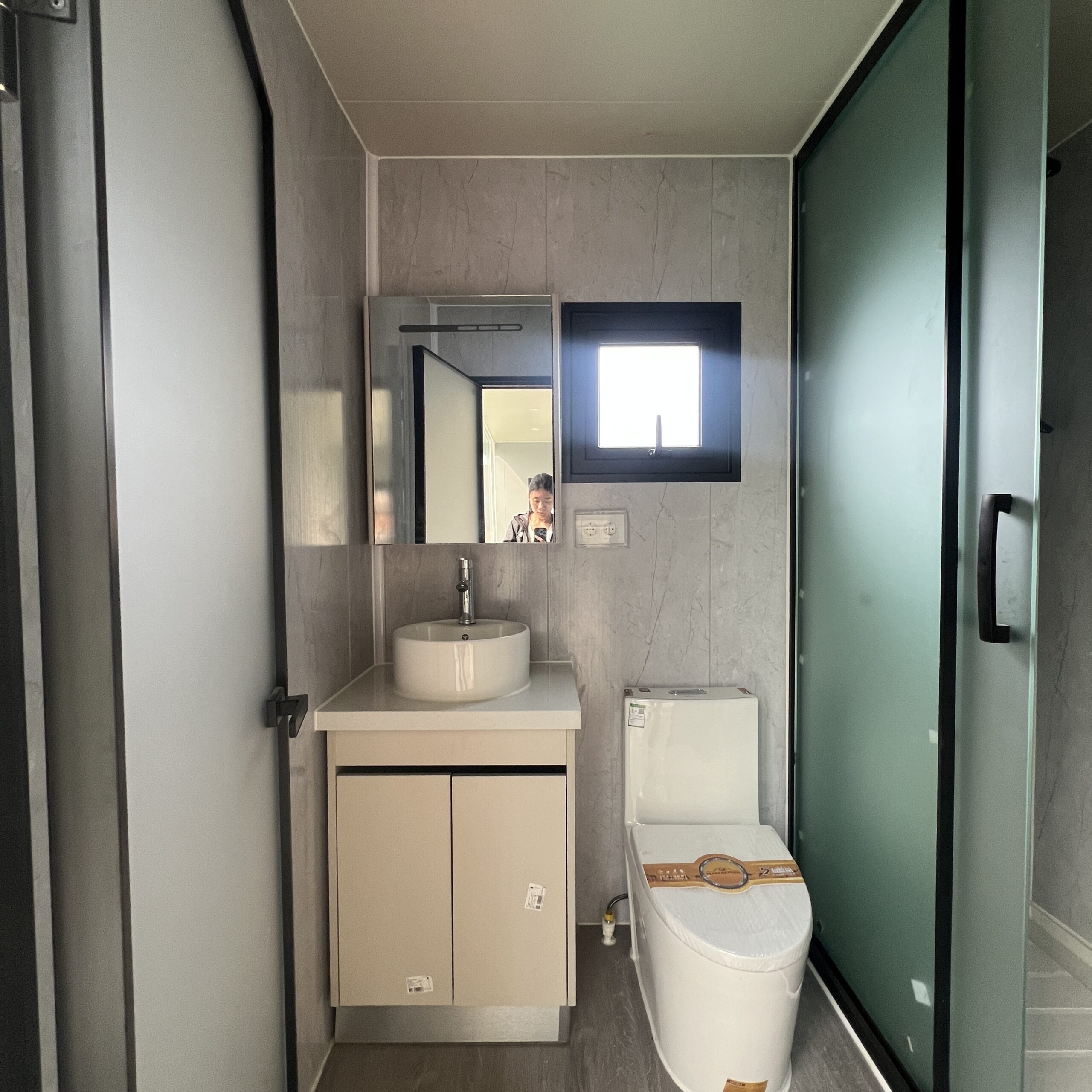
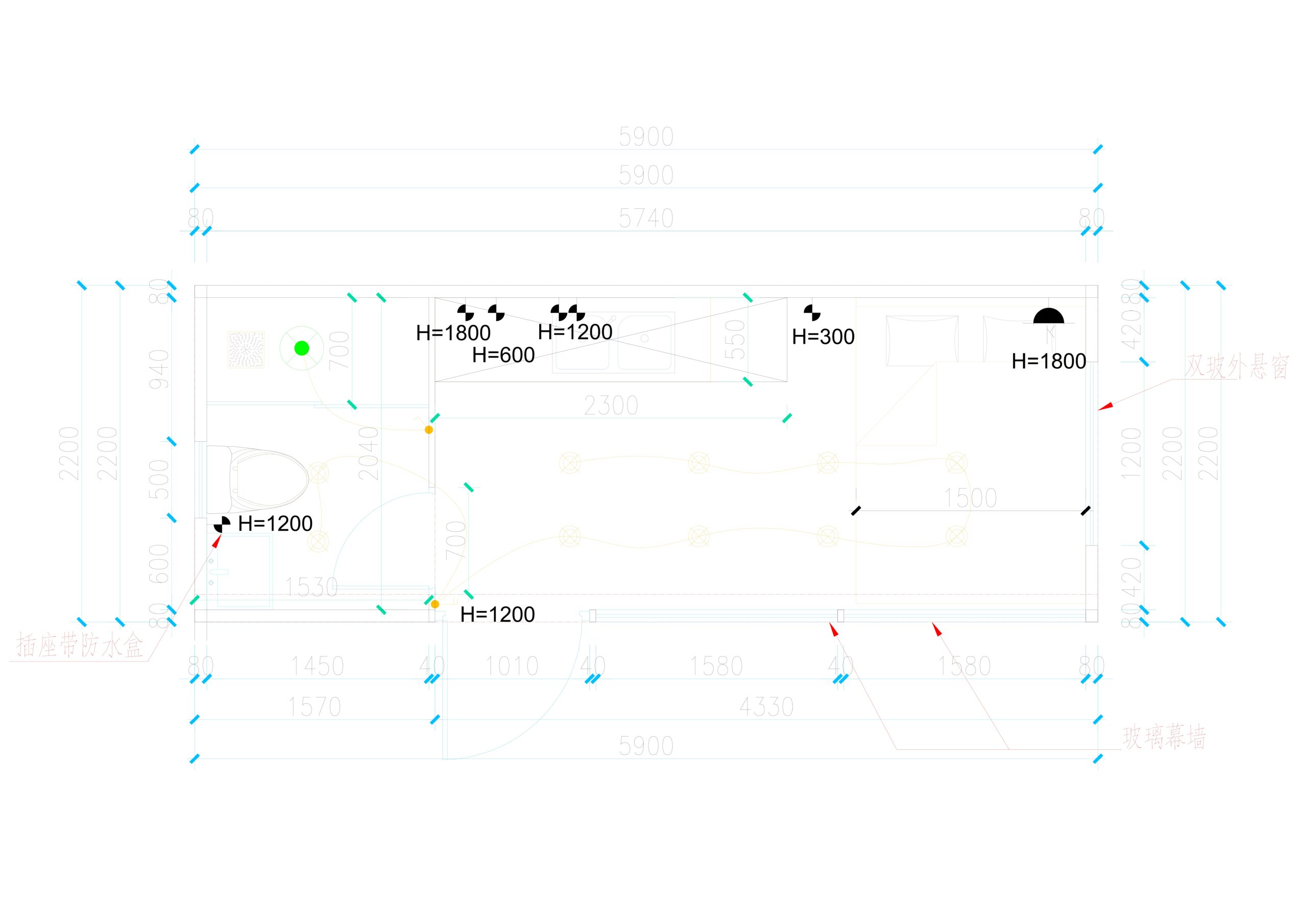
Inside, the Apple Capsule surprises with its clever use of space. The open-plan living area (pictured here) features a fold-down bed, convertible workspace, and integrated storage—perfect for remote workers or digital nomads in San Juan or Cartagena. The kitchenette (view details) includes energy-efficient appliances and recycled-material countertops, aligning with eco-conscious trends. Meanwhile, the bathroom (see design) offers a wet-room setup with water-saving fixtures, crucial for water-scarce areas in Puerto Rico or Colombia. Every inch is optimized, as shown in the layout plan, proving luxury doesn’t require excess square footage.
Why This Prefab Shines in Tropical Climates
For regions like Puerto Rico and Colombia, weather resilience is non-negotiable. The Apple Capsule’s steel frame withstands hurricanes, heavy rains, and salt air—outperforming PVC-based structures prone to degradation. Its insulated walls maintain cool interiors, slashing energy costs in sweltering heat. Plus, prefabrication means minimal on-site disruption: components arrive ready to assemble, reducing labor time by 70% compared to conventional builds. This speed is invaluable for disaster recovery in Puerto Rico or rapid housing projects in Colombia’s rural communities.
Applications Beyond the Home
Think this capsule is just for living? Think again. In Puerto Rico’s tourism hubs like Rincon, it’s being used as chic Airbnb rentals. In Colombia, it serves as mobile clinics, pop-up schools, or eco-lodges near the Amazon. Businesses in Miami and Guatemala City also adopt it for pop-up retail or offices, leveraging its portability and brand appeal. Wherever you place it, the Apple Capsule makes a statement—combining function with futuristic aesthetics.
The Bottom Line: Affordable, Adaptable, Future-Ready
At a fraction of the cost of traditional homes, the 20ft Apple Capsule Container House democratizes stylish, sustainable living. For Puerto Rico and Colombia, it answers urgent needs: rapid deployment, climate resistance, and eco-efficiency. While PVC prefabs have their place, this steel-container evolution offers unmatched durability and design flexibility. Whether you’re a homeowner in Ponce or a developer in Barranquilla, this prefab isn’t just a house—it’s a smart investment in the future of housing.
本文由人工智能技术生成,基于公开技术资料和厂商官方信息整合撰写,以确保信息的时效性与客观性。我们建议您将所有信息作为决策参考,并最终以各云厂商官方页面的最新公告为准。