
Explore the advantages and challenges of container home living in Australia, featuring a detailed analysis of the 20-foot customized double-wing expansion room. Discover how this innovative modular dwelling balances sustainability, affordability, and lifestyle flexibility while addressing common concerns about container housing.
When considering alternative housing solutions in Australia, container homes have emerged as a compelling option for those seeking sustainability, affordability, and architectural innovation. From the sun-drenched coasts of Queensland to the rugged landscapes of Tasmania, these steel structures are transforming how Australians think about dwellings. Today, we’ll dive deep into the pros and cons of living in a container house, with a special focus on the revolutionary 20-foot customized double-wing expansion room that’s redefining modular living.
The Australian Container Home Revolution
Australia’s vast landscapes and diverse climate zones make it an ideal testing ground for innovative housing solutions. With property prices soaring in cities like Sydney and Melbourne, many Australians are exploring container homes as a viable alternative. The 20-foot double-wing expansion room represents the pinnacle of this movement, offering a perfect blend of portability and expandable living space.
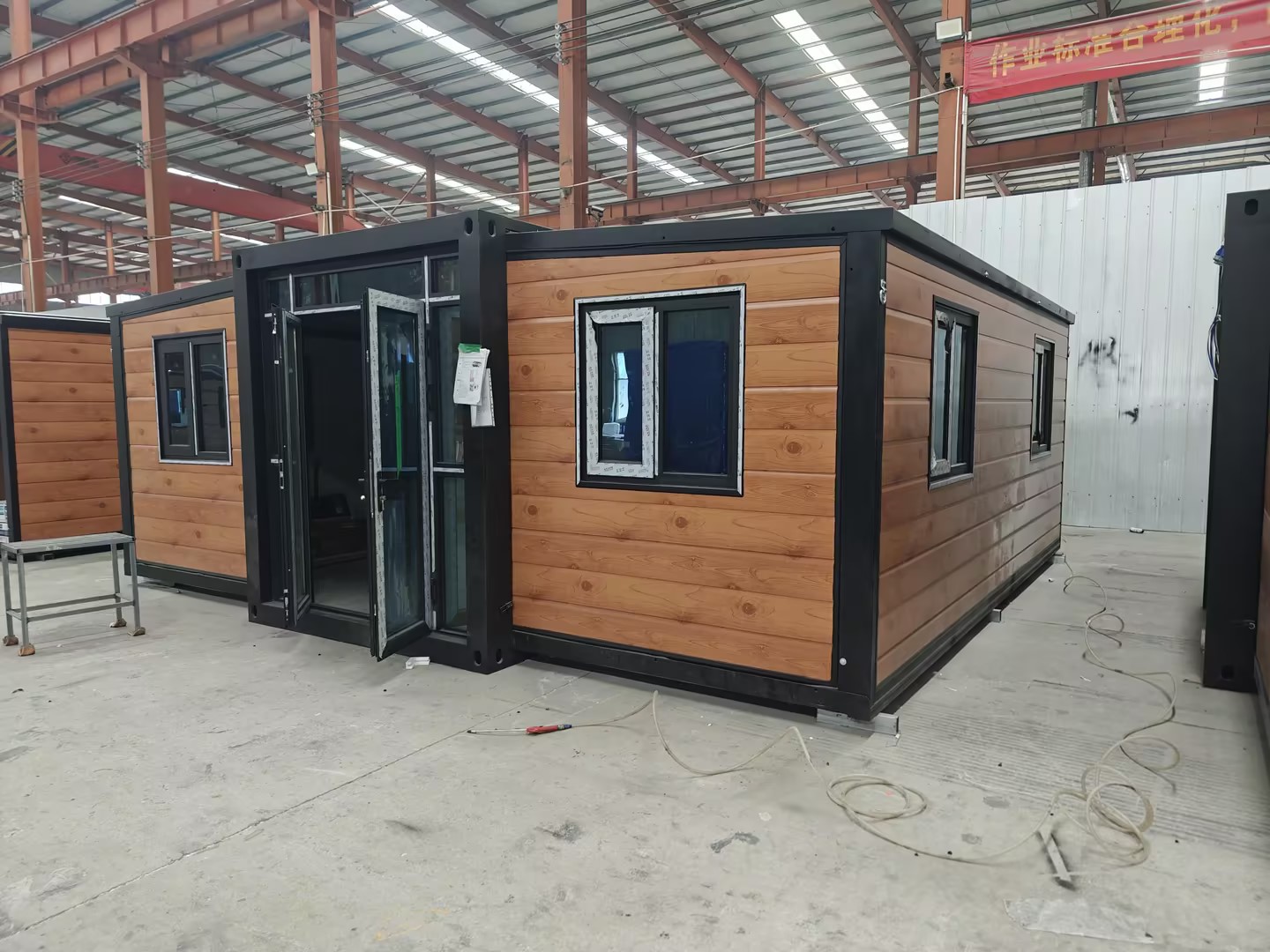
As we explore the advantages and disadvantages of container living, we’ll use this remarkable product as our case study – a structure that transforms from a compact 2.2m width during transport to an expansive 6.34m width when deployed, essentially doubling its usable space.
The Pros: Why Container Homes Shine in Australia
1. Unparalleled Affordability in a Costly Market
Australia’s housing market ranks among the world’s most expensive, with median prices in major cities exceeding AUD $1 million. Container homes offer a refreshing alternative, with costs typically 30-40% lower than traditional construction. The 20-foot double-wing model exemplifies this value proposition:
- Factory prefabrication reduces labor costs by up to 70%
- Modular design eliminates expensive foundation requirements
- Material efficiency minimizes waste and resource consumption
For first-time buyers in Perth or retirees in Adelaide seeking to downsize without sacrificing quality of life, this economic advantage makes container homes particularly attractive.
2. Rapid Deployment: From Dream to Reality in Days
Traditional Australian home construction averages 7-12 months – a timeline that can feel eternal in today’s fast-paced world. Container homes shatter this paradigm:
“Our 20-foot double-wing unit goes from factory to fully functional living space in under 48 hours, compared to months for conventional builds. This speed transforms how Australians approach housing needs.” – Industry Expert
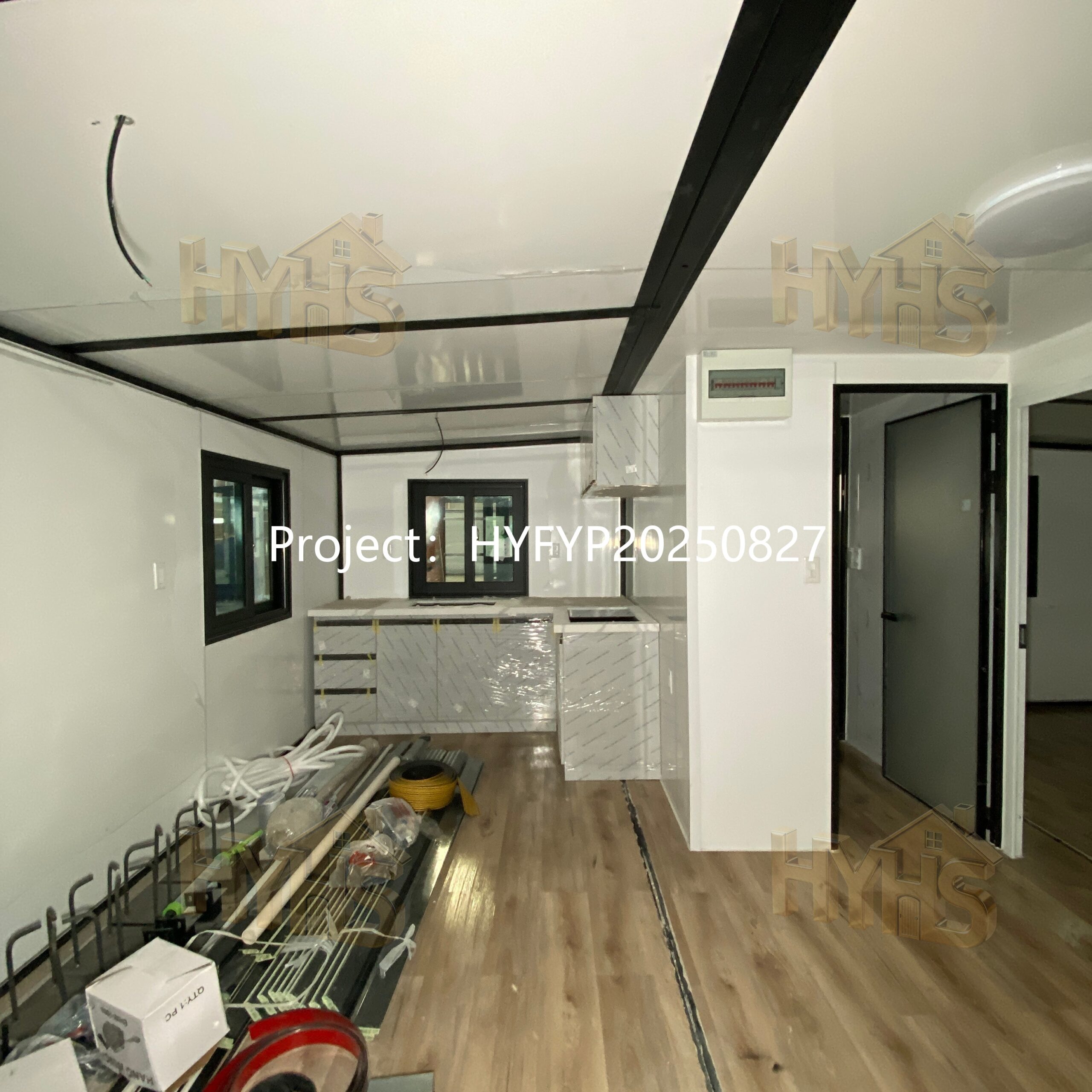
The video below demonstrates this remarkable efficiency:
Your browser does not support the video tag.
This rapid deployment proves invaluable for emergency housing in bushfire-prone areas like Victoria or temporary accommodations during mining projects in Western Australia.
3. Sustainable Living with Minimal Environmental Impact
Australia’s commitment to environmental stewardship makes container homes a natural fit. These structures repurpose industrial shipping containers that would otherwise become waste, while the double-wing model enhances this eco-credibility:
- 90% recyclable steel framework with 20-30 year lifespan
- Polyurethane insulation reduces energy consumption by up to 40%
- Factory-controlled construction minimizes site disturbance
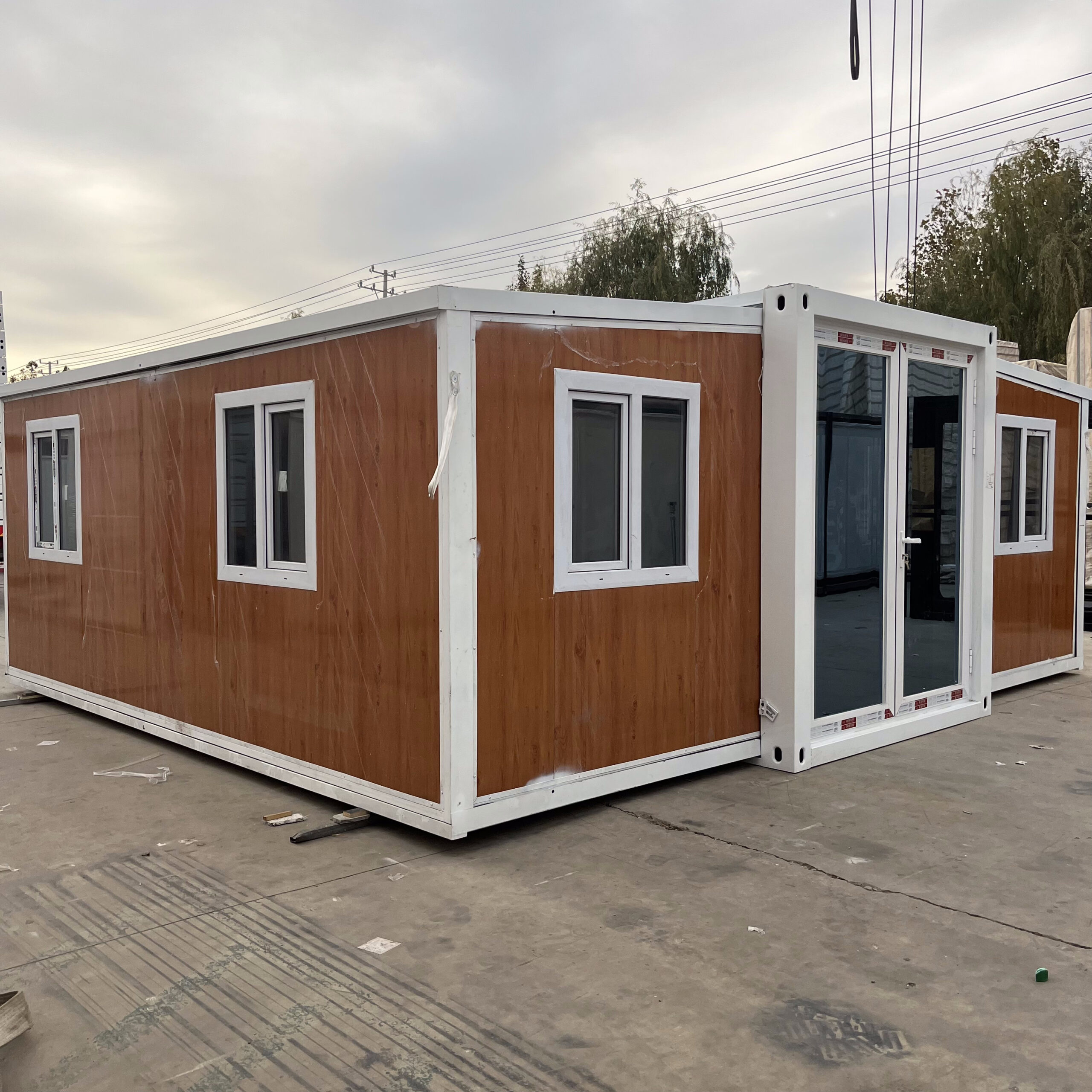
For environmentally conscious Australians in Byron Bay or the Blue Mountains, this sustainable approach aligns perfectly with values of conservation and responsible living.
4. Unmatched Flexibility and Mobility
Australia’s “work from anywhere” culture and seasonal lifestyle demands make housing flexibility crucial. Container homes deliver in spades:
- Complete portability for those following seasonal work
- Expandable design accommodates changing space requirements
- Modular units can be combined or reconfigured over time
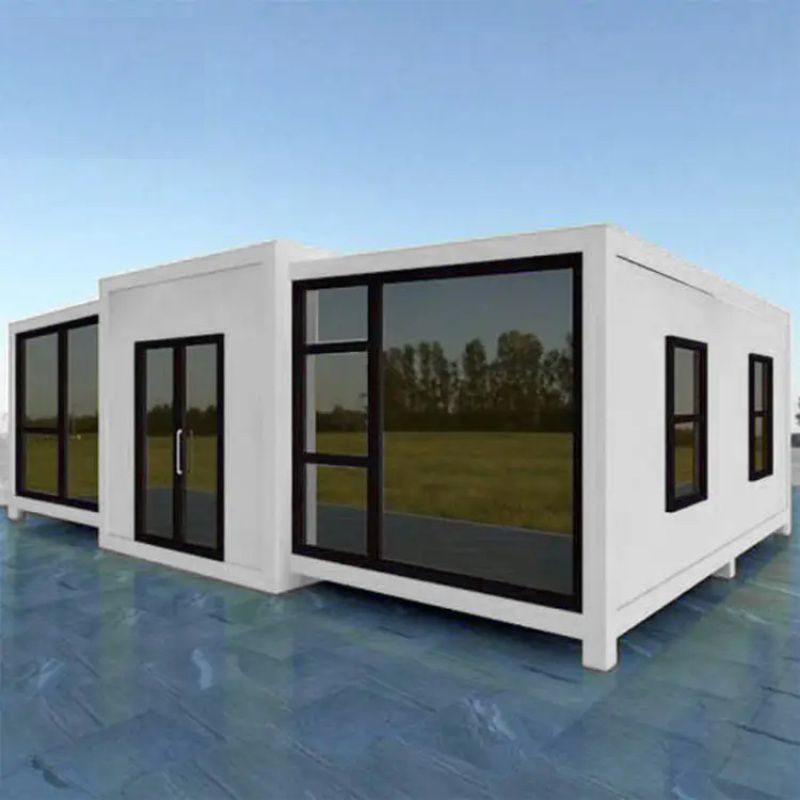
This adaptability appeals to digital nomads in Brisbane, artists in Melbourne, or retirees who split time between coastal and inland properties.
5. Customization Without Compromise
One misconception about container homes is their supposed “boxy” limitation. The 20-foot double-wing model shatters this myth with extensive customization options:
- Exterior finishes ranging from corrugated steel to timber-look panels
- Interior layouts supporting studios, one-bedroom, or even loft configurations
- High-end fixtures comparable to luxury apartments

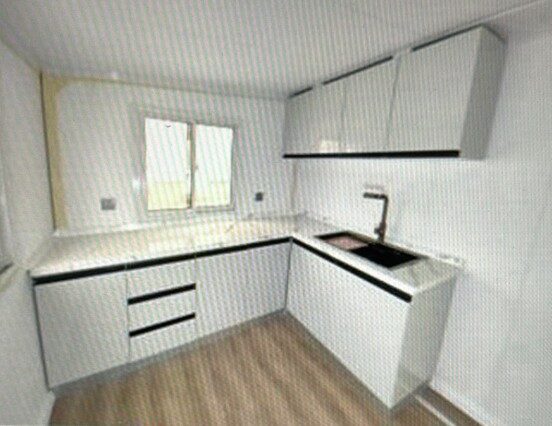
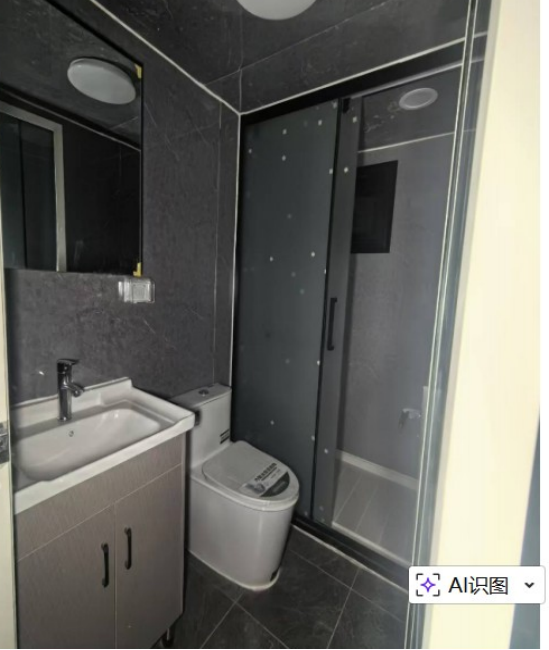
This level of personalization allows Australians to create homes reflecting their unique style, whether in urban Sydney or rural Tasmania.
The Cons: Challenges to Consider
1. Regulatory Hurdles in Australian Municipalities
While container homes are gaining acceptance, navigating Australia’s complex building codes remains challenging:
- Varied council regulations between states and territories
- Strict requirements for permanent versus temporary installations
- Additional approvals needed for non-standard structures
Prospective owners in areas like Noosa or the Mornington Peninsula should consult local authorities early in the planning process.
2. Insulation Challenges in Extreme Climates
Australia’s climate diversity presents unique challenges for container homes:
- Intense heat in the Outback requires superior insulation
- Tropical humidity in Queensland demands ventilation solutions
- Alpine conditions in the Snowy Mountains need specialized heating systems
While the double-wing model’s polyurethane insulation performs well, extreme climates may necessitate additional climate control investments.
3. Limited Space Perception (Despite Expandable Design)
Even with the double-wing expansion, some Australians struggle with the perception of limited space:
- Storage solutions require creative planning
- Entertaining may require outdoor space utilization
- Family living requires thoughtful multi-functional design
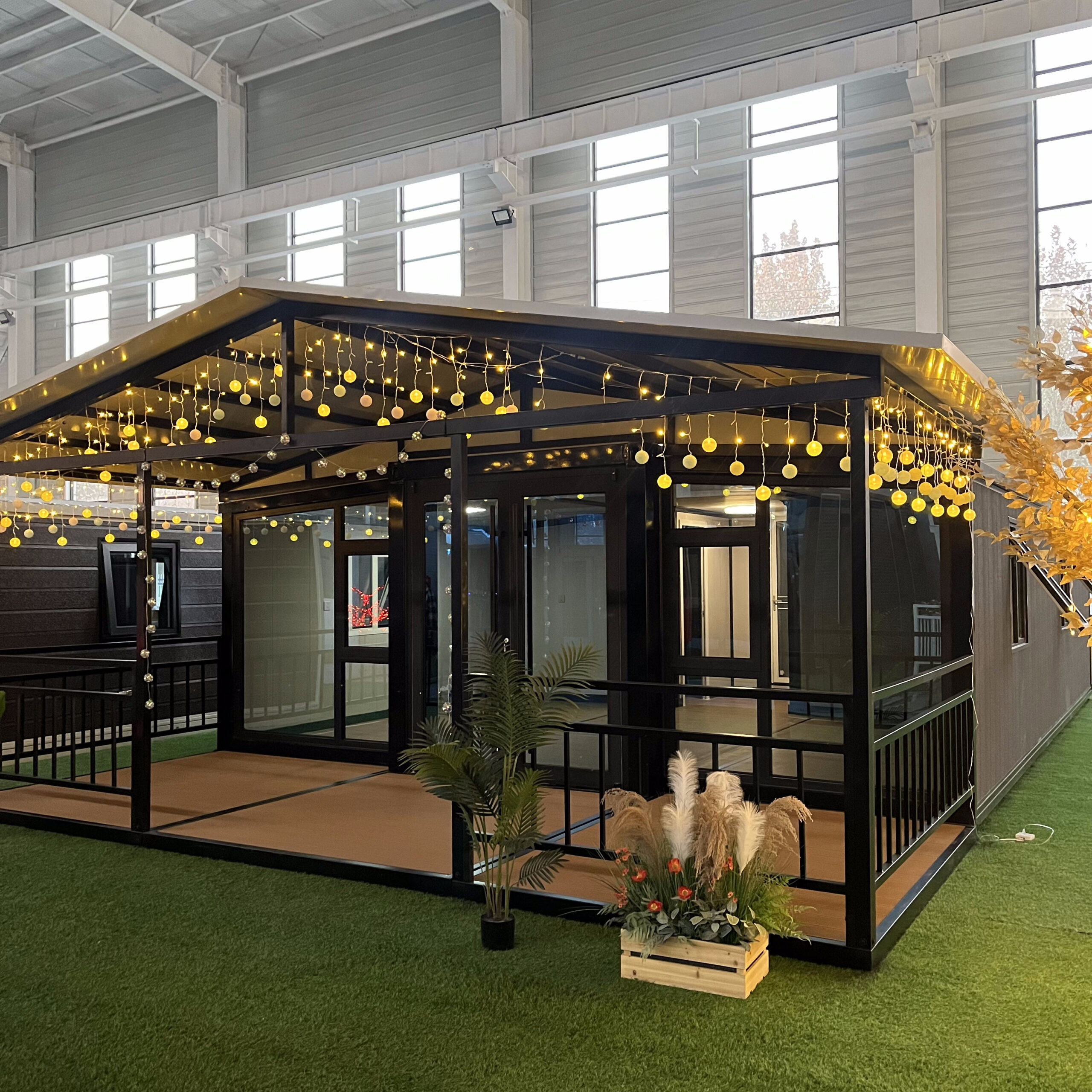
However, clever design solutions like fold-down furniture and loft areas can maximize every square meter.
4. Financing and Insurance Complexities
Australian financial institutions have been slower to embrace container homes:
- Limited mortgage options for non-traditional structures
- Higher insurance premiums for movable dwellings
- Appraisal challenges affecting loan amounts
Prospective owners should research specialty lenders familiar with modular construction.
5. Long-Term Maintenance Considerations
While durable, container homes require specific maintenance in Australian conditions:
- Regular rust prevention in coastal areas
- Sealant inspection in tropical cyclone regions
- Structural checks after transportation
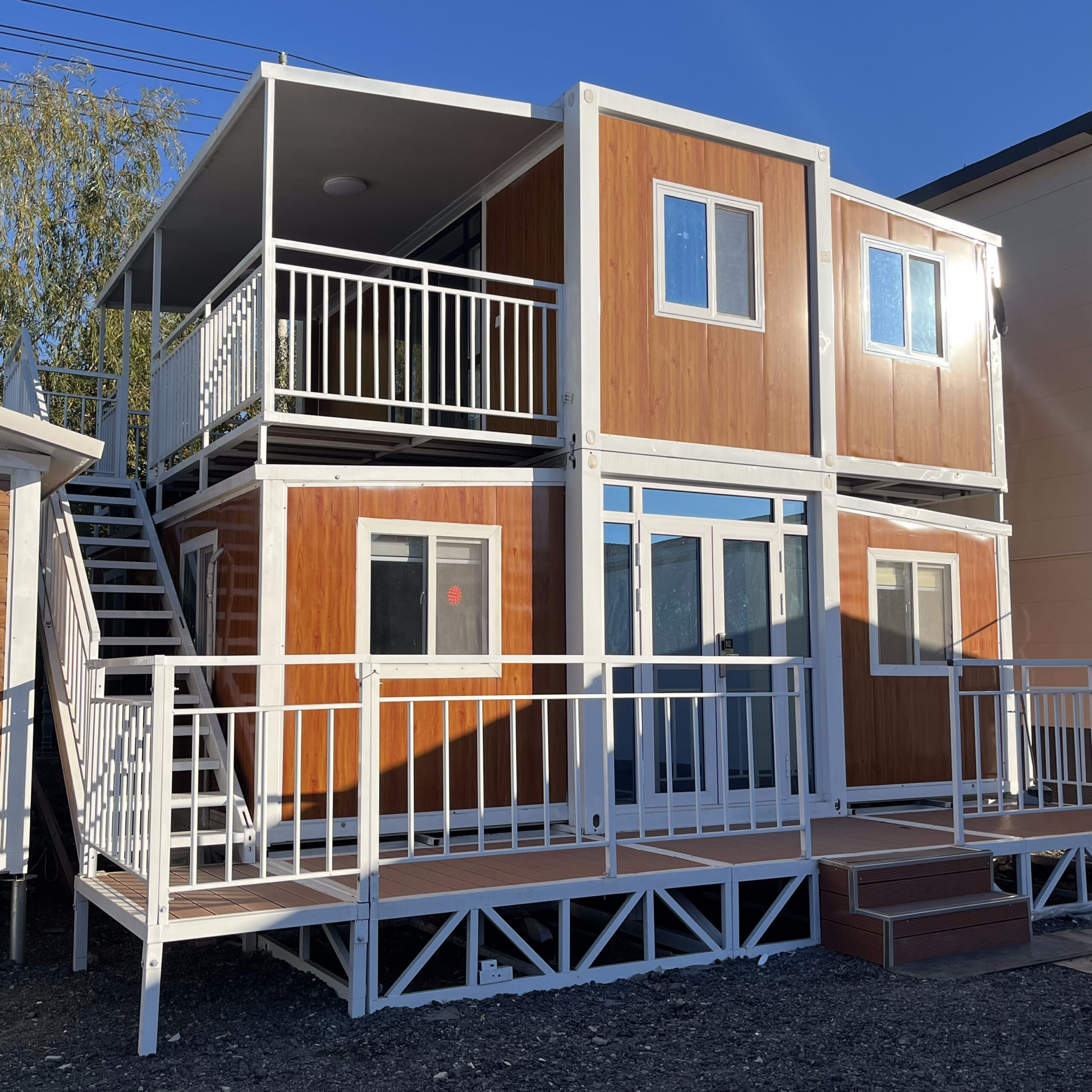
Proper maintenance ensures these structures achieve their full 20-30 year lifespan potential.
The Australian Advantage: Why Container Homes Thrive Down Under
Australia’s unique conditions make it particularly well-suited for container home innovation:
1. Ideal for Remote and Regional Areas
From mining camps in Western Australia to research stations in the Northern Territory, container homes provide rapid, durable shelter where traditional construction is impractical or prohibitively expensive.
2. Perfect for Australia’s Outdoor Lifestyle
The seamless indoor-outdoor flow achievable with container homes complements Australia’s alfresco culture. Expansive decks and large windows connect inhabitants with the stunning natural environment.
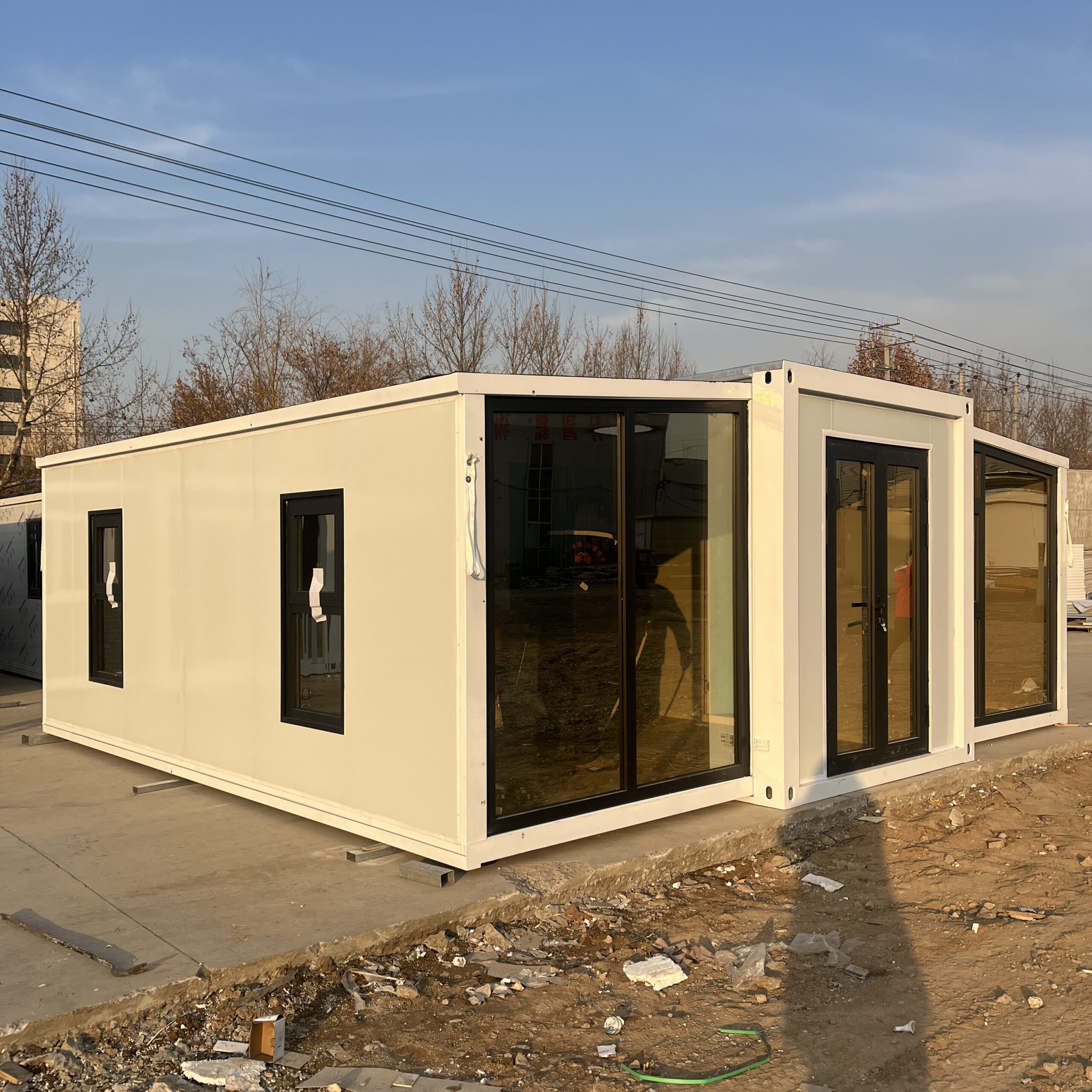
3. Alignment with Australian Innovation
Australia’s reputation for embracing cutting-edge technology extends to housing. The double-wing expansion mechanism represents the kind of practical innovation Australians appreciate.
Real-Life Applications Across Australia
1. Urban Micro-Living in Melbourne
In Melbourne’s inner suburbs, young professionals are using container homes as stylish, affordable entry-level housing. The double-wing model’s expandable design maximizes small urban lots while providing contemporary aesthetics.
2. Coastal Retreats in Queensland
From the Gold Coast to Cairns, container homes serve as perfect beach houses. Their durability withstands tropical storms while their modular nature allows for easy expansion when family visits.
3. Rural Homesteads in New South Wales
In the Hunter Valley and beyond, farmers and lifestyle block owners use container homes as primary residences or guest accommodations. The quick deployment allows them to establish comfortable living quarters while building traditional structures.
4. Eco-Tourism in Tasmania
Tasmania’s pristine wilderness areas benefit from low-impact container home tourism accommodations. These structures provide comfortable lodging without disturbing fragile ecosystems.
Maximizing Your Container Home Experience in Australia
1. Strategic Site Selection
Choose locations with:
- Good solar access for energy efficiency
- Natural windbreaks for weather protection
- Access to utilities or off-grid potential
2. Climate-Appropriate Design
Work with designers experienced in:
- Passive cooling for northern Australia
- Thermal mass for southern regions
- Weatherproofing for cyclone-prone coasts
3. Future-Proofing Your Investment
Consider:
- Modular expansion capabilities
- Technology integration for smart home features
- Resale value in emerging container home markets
Conclusion: The Australian Container Home Revolution
Container homes represent more than just a housing alternative in Australia – they embody a shift toward more sustainable, flexible, and innovative living solutions. The 20-foot double-wing expansion room exemplifies how far this technology has come, addressing many traditional concerns about space, aesthetics, and functionality.
While challenges exist in regulation, financing, and climate adaptation, the advantages of affordability, speed, sustainability, and mobility make container homes an increasingly compelling choice across Australia. From the red center to the golden beaches, these steel structures are proving that home is where you make it – and that innovation can build a better, more adaptable future.
As Australia continues to grapple with housing affordability and environmental sustainability, container homes offer a practical, stylish solution that honors both the country’s pioneering spirit and its commitment to conservation. The double-wing expansion room isn’t just a dwelling – it’s a glimpse into the future of Australian housing.
本文由人工智能技术生成,基于公开技术资料和厂商官方信息整合撰写,以确保信息的时效性与客观性。我们建议您将所有信息作为决策参考,并最终以各云厂商官方页面的最新公告为准。