
摘要: Explore Australia’s innovative 1400H 14m² foldable container houses designed for sea transport. Discover eco-friendly materials, sustainable features, and key differences between standard and pro models – perfect for emergency housing, remote work, or green living.
When it comes to sustainable living solutions, Australia has emerged as a pioneer in reimagining temporary housing through eco-conscious design. Today, we’re diving deep into two revolutionary products that embody this philosophy: the 1400H 14m² sea transportation standard version and its enhanced counterpart. These foldable container houses aren’t just structures; they’re testaments to how thoughtful engineering can harmonize durability, environmental responsibility, and practical functionality. Whether you’re responding to a natural disaster in Outback communities, setting up research stations in the Tasmanian wilderness, or creating pop-up retail spaces in Sydney, these units demonstrate how sustainability can be seamlessly integrated into modular architecture.
The Green Revolution in Container Housing
Before we examine the specifics, let’s contextualize why these foldable units represent a significant leap in sustainable construction. Traditional container housing often struggles with the contradiction of being recycled yet energy-inefficient. The 1400H series shatters this paradigm through:
- Material Circularity: Utilizing Q235 galvanized steel – a material with 90% recyclability – while minimizing waste through precision manufacturing
- Transport Efficiency: Foldable design reduces shipping volume by 75% compared to traditional containers, slashing carbon emissions during global distribution
- Thermal Intelligence: Multi-layered insulation systems that reduce energy consumption by up to 40% compared to conventional temporary structures
These aren’t just incremental improvements; they’re foundational shifts in how we approach portable habitat design. Now, let’s dissect the two models that are making waves from Perth to Brisbane.
Model Deep Dive: 1400H 14m² Standard Version
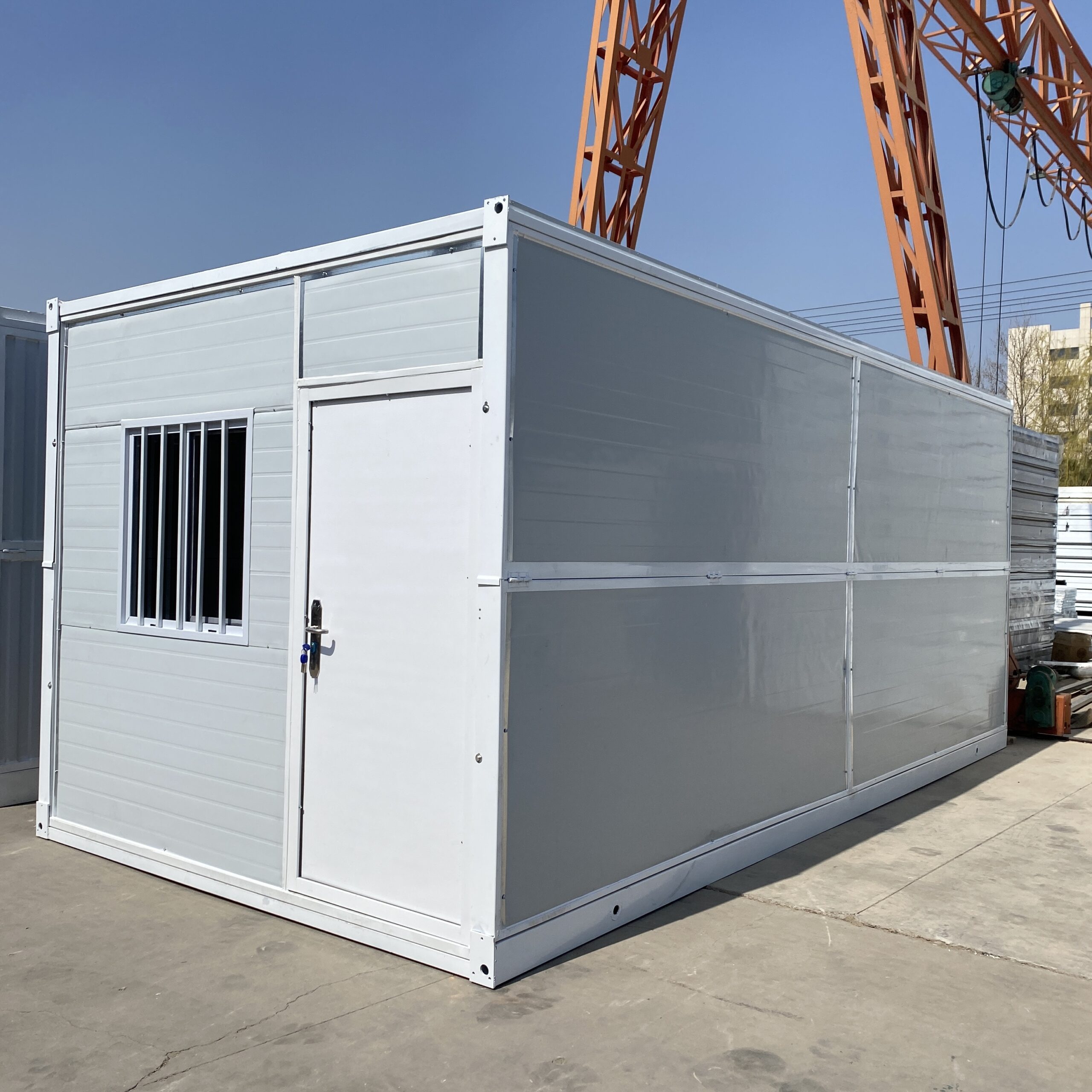
The standard model establishes the baseline for eco-efficient container housing with its minimalist yet robust design. Its white frame and light-gray wall panels create a neutral aesthetic that blends seamlessly into Australian landscapes – from urban Adelaide to coastal Queensland.
Structural Sustainability
At its core lies a Q235 galvanized steel frame treated with powder coating, providing a 10-year structural lifespan. This isn’t just about durability; it’s about responsible material use. Galvanization prevents corrosion without toxic chemical treatments, while the foldable design means:
- 75% fewer shipping containers needed for transport
- Reduced manufacturing waste through modular componentry
- End-of-life recyclability exceeding 95% of structural materials
The dimensions (5900×2480×2540mm when deployed) optimize spatial efficiency while maintaining comfortable living standards – a crucial factor in sustainable design where space equals resources.
Eco-Conscious Material Choices
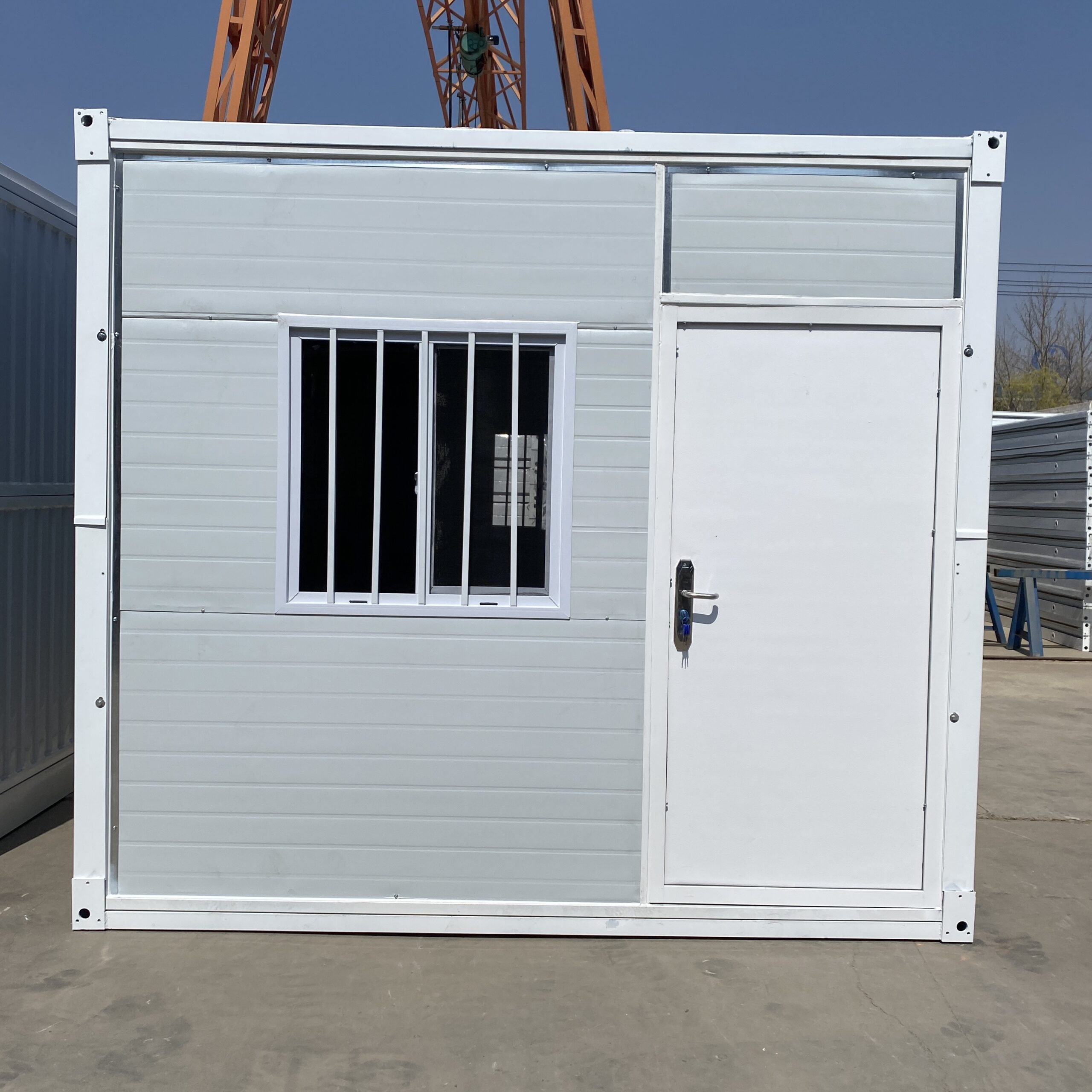
Inside, sustainability continues with purposeful material selections:
- Walls: 65mm EPS purification panels (12kg/m³ density) in front/rear, 50mm in sides – using expanded polystyrene with low global warming potential
- Roof: 75mm glass wool insulation (14kg/m³) – made from up to 80% recycled glass bottles
- Windows: PVC-u frames with double-glazing – reducing thermal transfer while using recycled plastic content
- Flooring: Polished concrete – eliminating volatile organic compounds (VOCs) found in synthetic alternatives
These materials work synergistically to create an envelope with impressive thermal resistance (R-value), significantly reducing heating and cooling demands – the largest energy consumer in temporary housing.
Energy & Resource Systems
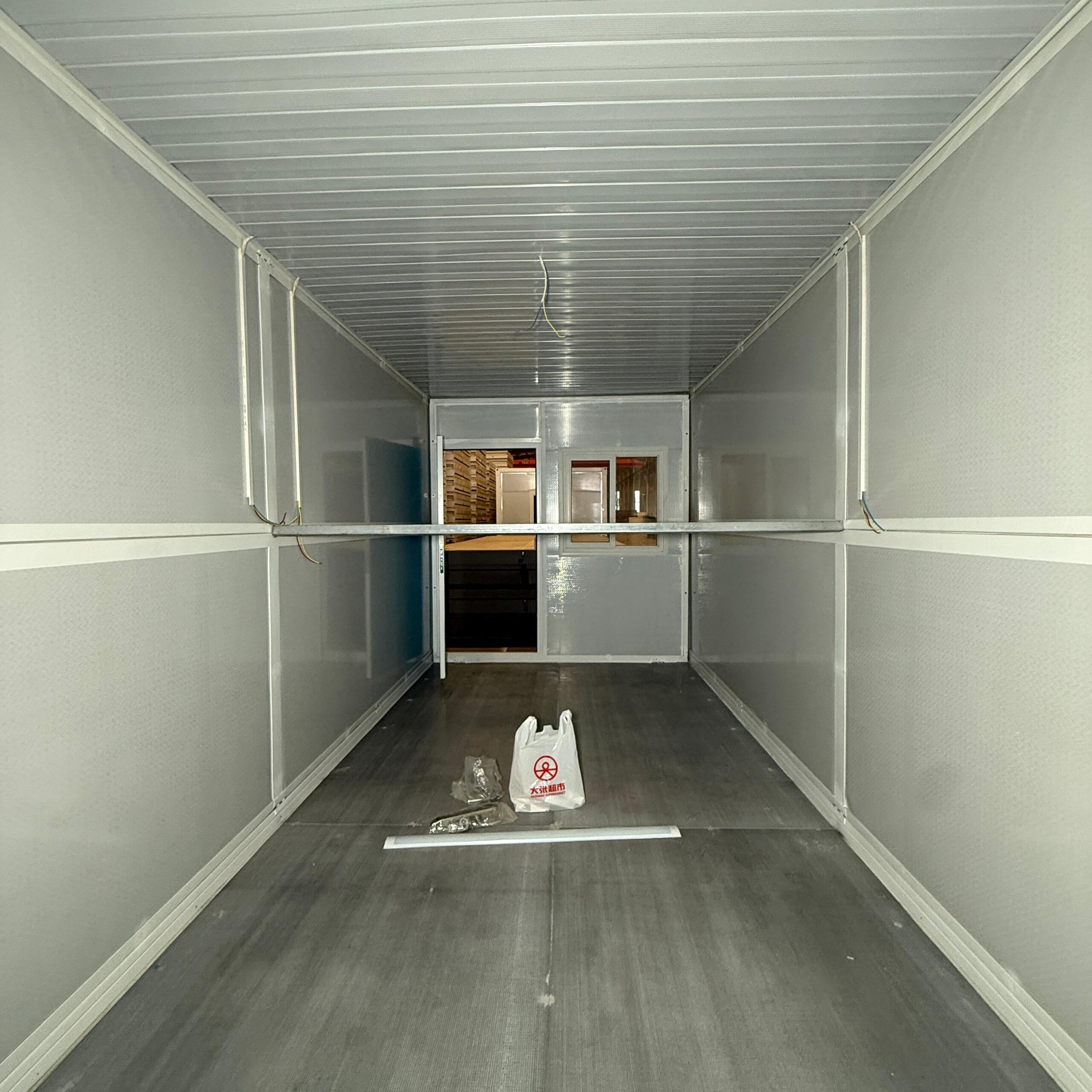
The electrical system demonstrates eco-efficiency through:
- European-standard sockets compatible with renewable energy systems
- Strategic wiring using 4mm² copper main lines – minimizing transmission losses
- 21W LED strip lighting consuming 80% less energy than incandescent equivalents
- 32A circuit breaker protecting against wasteful energy spikes
Natural lighting through two 900×900mm windows reduces daytime electricity needs, while the D-type rubber sealing and structural silicone ensure no energy escapes through gaps – a common efficiency killer in temporary structures.
Model Deep Dive: 1400H Pro 14m² Enhanced Version
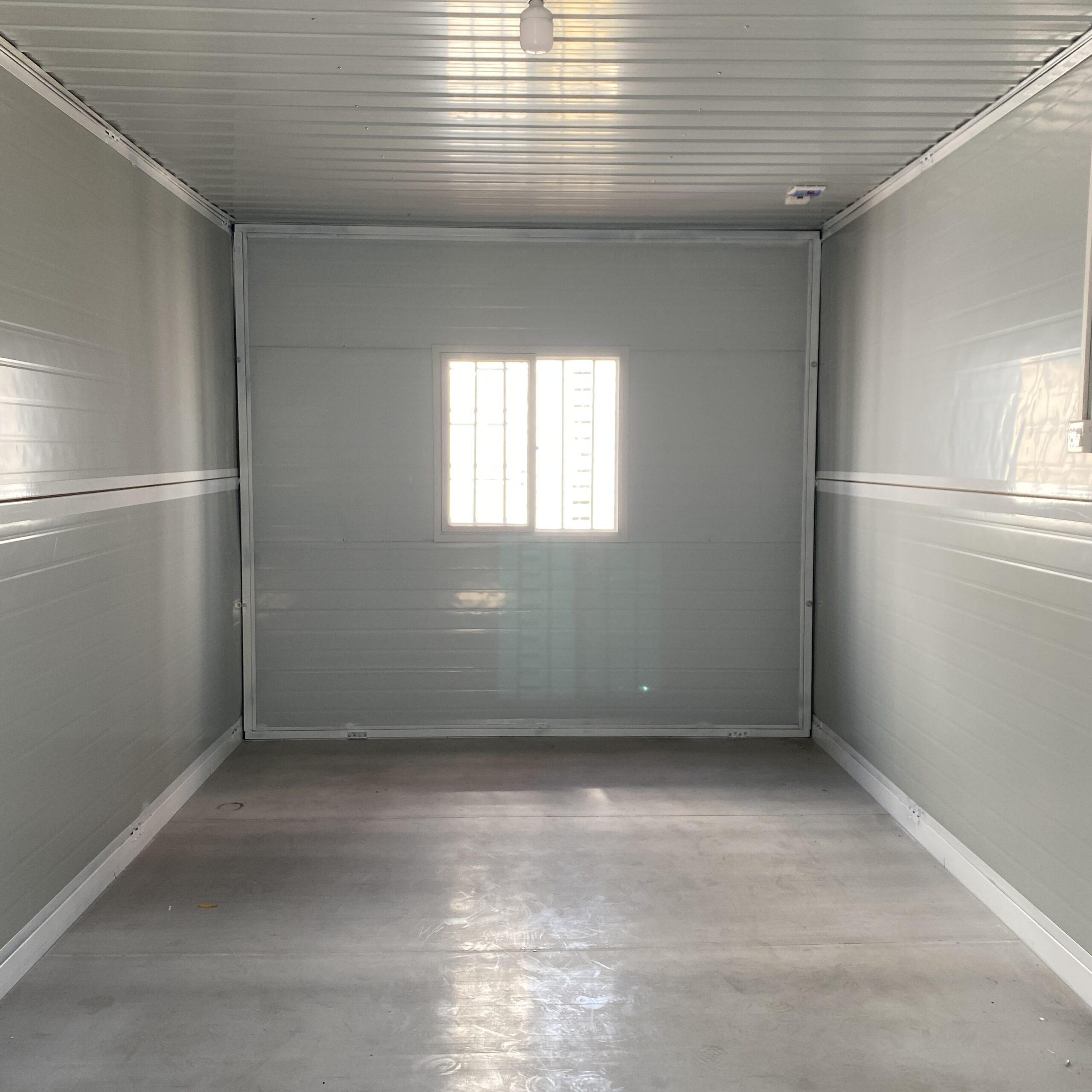
The Pro version takes sustainability to the next level with targeted enhancements that extend lifespan, improve performance, and increase resilience – particularly valuable in Australia’s diverse climates from the arid Red Centre to tropical Darwin.
Superior Structural Longevity
While sharing the same foldable framework, the Pro model incorporates:
- External protective panels extending frame lifespan to 30 years – triple that of the standard version
- 16mm polyurethane insulation metal carving boards – adding R-10 thermal resistance while using recycled metal content
- Great Wall aluminum roofing – reflecting solar radiation and reducing cooling loads by up to 25%
These features aren’t just upgrades; they’re sustainability multipliers. By tripling the service life, we dramatically reduce the frequency of replacement and associated resource consumption.
Enhanced Eco-Performance

The interior evolves with sustainability-focused improvements:
- PVC flooring replacing concrete – made from 60% recycled materials and 100% recyclable
- Enhanced insulation assembly achieving 35% better thermal performance
- Upgraded sealing system exceeding Australian Building Code (NCC) energy efficiency standards
These features combine to create a living space that maintains comfortable temperatures with minimal energy input – crucial for off-grid applications or areas with unstable power grids.
Resilience Through Sustainability
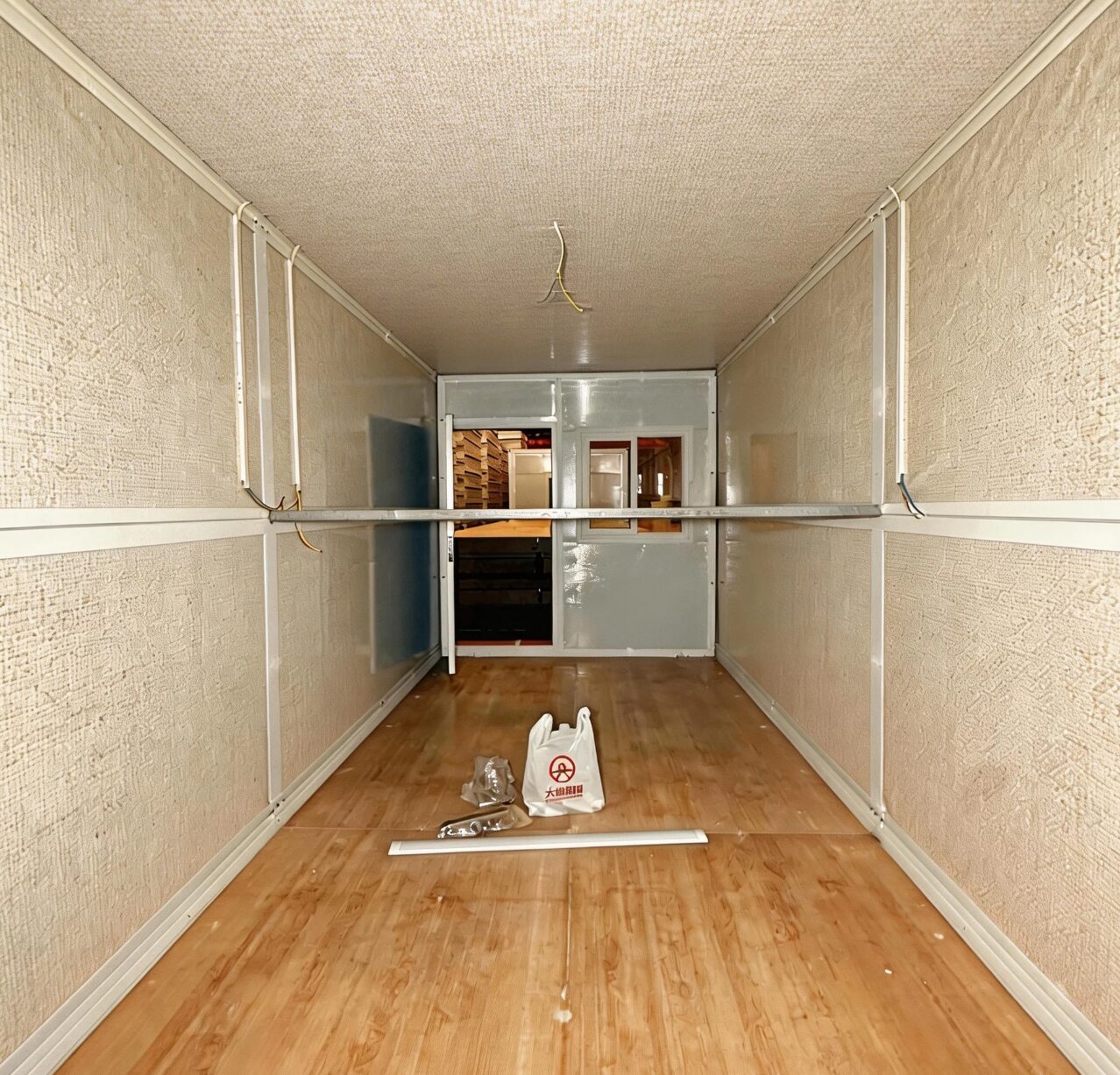
The Pro model’s enhanced features deliver tangible sustainability benefits in real-world scenarios:
- Extended lifespan reduces replacement frequency and associated waste
- Superior insulation cuts energy consumption for climate control
- Durable materials withstand harsh Australian conditions without degradation
- Modular design allows component-level repairs rather than full replacement
These attributes make the Pro version particularly valuable for long-term installations in sensitive environments like Kakadu National Park or the Great Barrier Reef coast.
Comparative Sustainability Analysis
| Feature | Standard Version | Pro Version | Sustainability Advantage |
|---|---|---|---|
| Frame Lifespan | 10 years | 30 years | Pro reduces replacement frequency by 200% |
| Wall Insulation | 65mm EPS (front/rear) 50mm EPS (sides) | 65mm EPS + 16mm PU boards | Pro adds 40% thermal resistance |
| Roof System | 75mm glass wool | 75mm glass wool + Great Wall aluminum | Pro reflects 25% more solar radiation |
| Flooring | Polished concrete | PVC recycled content | Pro uses 60% recycled materials |
| Transport Density | 12 units/40HC | 10 units/40HC | Standard has 20% better shipping efficiency |
This comparison reveals thoughtful trade-offs: The Pro version prioritizes long-term operational efficiency and durability, while the Standard model optimizes transport density – both valid sustainability approaches depending on use case. For temporary deployments (like disaster response in Victoria), the Standard’s shipping efficiency shines. For permanent installations (like research stations in Antarctica), the Pro’s extended lifespan and performance dominate.
Real-World Sustainability Applications
These eco-friendly container houses shine across diverse Australian scenarios:
Emergency Response & Public Safety
During bushfire season in New South Wales or cyclones in Western Australia, rapid deployment is critical. The 1400H series delivers:
- Minute-level setup without specialized labor
- Immediate thermal protection for displaced families
- Reusability across multiple disaster cycles
Unlike single-use emergency shelters, these units become part of a permanent disaster relief infrastructure, dramatically reducing waste between crises.
Remote Work & Research
For scientists studying the Great Barrier Reef or miners in the Pilbara region:
- Solar-ready electrical systems support off-grid operations
- Superior insulation minimizes energy needs in extreme climates
- Durable construction withstands harsh environmental conditions
The Pro version’s enhanced performance makes it ideal for long-term remote installations where energy efficiency directly impacts operational costs and environmental footprint.
Commercial & Tourism Applications
From pop-up shops in Melbourne’s laneways to eco-lodges in Tasmania:
- Neutral aesthetics adapt to diverse branding needs
- Modular design allows creative configurations
- Sustainable features appeal to environmentally conscious consumers
These units demonstrate how temporary commercial spaces can align with circular economy principles while providing functional, attractive environments.
Environmental Impact Metrics
Quantifying the sustainability advantages reveals impressive numbers:
- Carbon Reduction: Foldable design cuts transport emissions by 75% compared to traditional containers
- Material Efficiency: 95% recyclable content at end-of-life
- Energy Savings: Enhanced insulation reduces heating/cooling energy by 40% annually
- Water Conservation: Roof design enables rainwater harvesting integration
- Waste Prevention: Reusable across multiple deployments (10+ cycles for Pro version)
When scaled across Australia’s temporary housing needs, these metrics translate to significant environmental benefits – proving that practicality and sustainability can coexist.
Procurement Considerations for Sustainable Outcomes
To maximize eco-benefits when selecting between models:
Budget vs. Lifecycle Analysis
While the Pro version has higher upfront costs, its tripled lifespan often makes it more economical long-term. Calculate total cost of ownership including:
- Energy savings over 10+ years
- Maintenance expense differences
- Replacement frequency costs
For environmentally conscious organizations, lifecycle analysis typically favors the Pro version despite higher initial investment.
Deployment Context Matters
Consider your specific use case:
- Short-term events: Standard version’s shipping efficiency excels
- Permanent installations: Pro version’s durability and performance dominate
- Extreme climates: Pro’s enhanced insulation delivers comfort with less energy
- Multi-site rotations: Both models offer excellent reusability
Regulatory Compliance
Australian building codes vary by state and territory. Key considerations:
- Energy efficiency requirements (NCC Section J)
- Wind load ratings for cyclonic regions
- Fire safety regulations for bushfire-prone areas
- Local council permits for temporary structures
Both models meet most national standards, but always verify local requirements – especially in environmentally sensitive zones like Queensland’s Wet Tropics.
Customization Sustainability
While both models offer standard configurations, sustainable customizations include:
- Solar panel integration kits
- Rainwater harvesting systems
- Composting toilet options
- Additional insulation packages
These enhancements can transform either model into a near-zero-impact habitat suitable for protected areas like Kangaroo Island.
The Future of Sustainable Container Housing
These 1400H models represent more than just products – they’re blueprints for the future of habitat design. As Australia faces increasing climate challenges and housing pressures, solutions that combine:
- Minimal environmental footprint
- Maximum functional utility
- Adaptability across scenarios
- Economic viability
…will become essential. The foldable container house concept, particularly through these eco-optimized versions, demonstrates how innovation can address multiple sustainability challenges simultaneously.
From the urban centers of Sydney to the remote outposts of the Nullar