
Discover the competitive container house price for the innovative 20ft Apple Capsule in Australia. Explore its sleek design, functional features, and cost-effective benefits for sustainable living.
When you first hear “container house,” you might picture rusty shipping stacks stacked haphazardly. But let me introduce you to a game-changer: the 20ft Apple Capsule container house. This isn’t your average storage unit—it’s a thoughtfully designed, eco-friendly living space that’s turning heads across Australia, especially in cities like Melbourne and Brisbane. Today, we’re diving deep into its container house price, features, and why it might just be the smartest investment you make this year.
What Makes the Apple Capsule Stand Out?
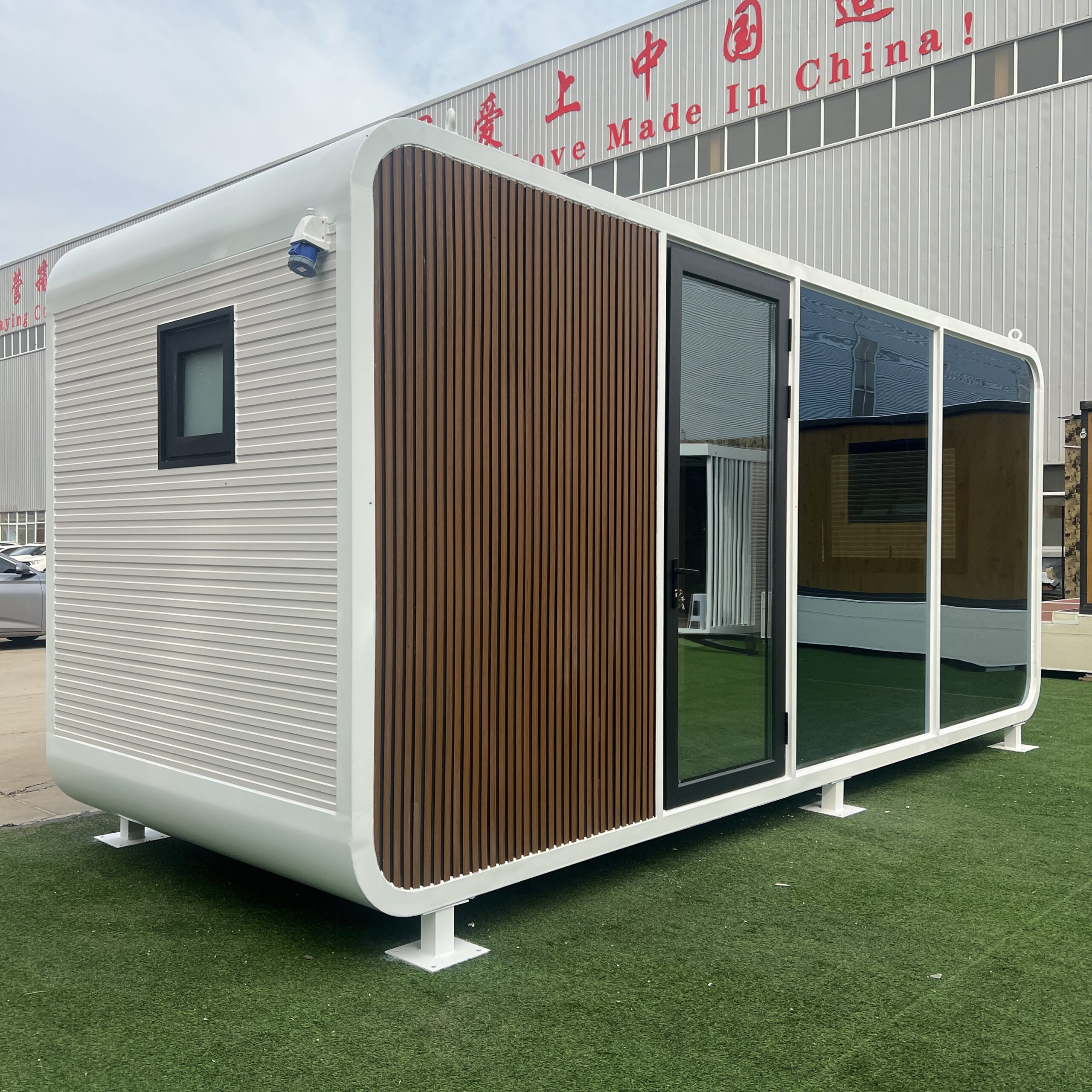
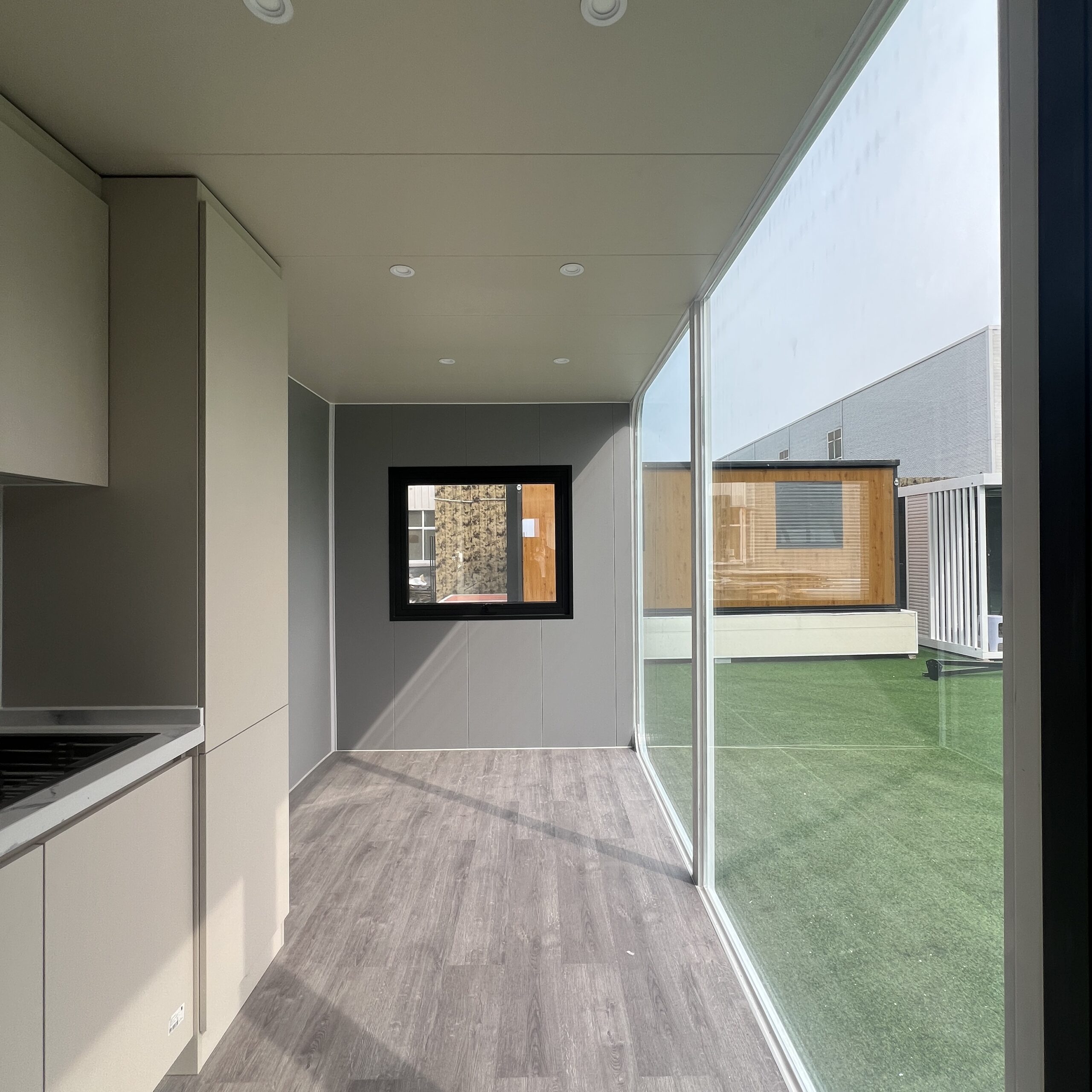
The Apple Capsule isn’t just about affordability; it’s about reimagining compact living. As you can see from the exterior shots, its minimalist, curved silhouette resembles a futuristic pod—sleek, modern, and built to blend seamlessly into urban or rural settings. The white finish and large windows create an airy feel, challenging the stereotype that container houses are dark or claustrophobic. Inside, the living area maximizes every inch with smart storage, a cozy lounge, and space-saving furniture that feels surprisingly spacious. It’s proof that good design trumps square footage.
Breaking Down the Container House Price
Now, let’s talk numbers—the part everyone’s curious about. In Australia, the container house price for a standard 20ft Apple Capsule typically ranges between AUD 25,000 to AUD 35,000, depending on customization. For context, that’s roughly 30-40% cheaper than traditional tiny homes or prefabricated houses of similar size. Why so affordable? Container houses leverage recycled materials and modular construction, slashing labor and material costs. Plus, the Apple Capsule’s flat-pack design reduces shipping fees, making it ideal for remote areas like the Australian Outback or coastal towns. When you factor in its durability (built to withstand harsh weather) and energy efficiency, the long-term savings on utilities make this a steal.
Features That Justify Every Dollar
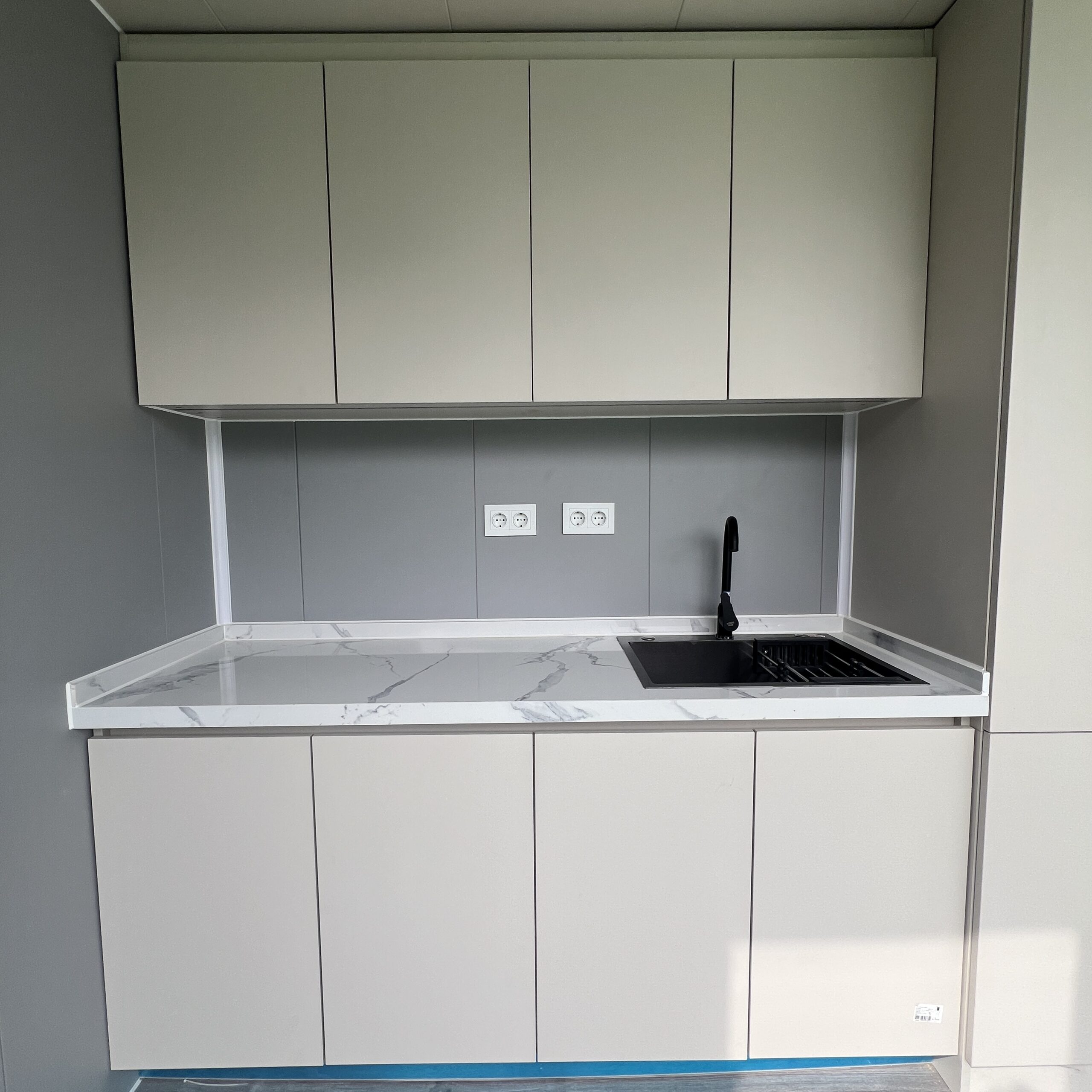
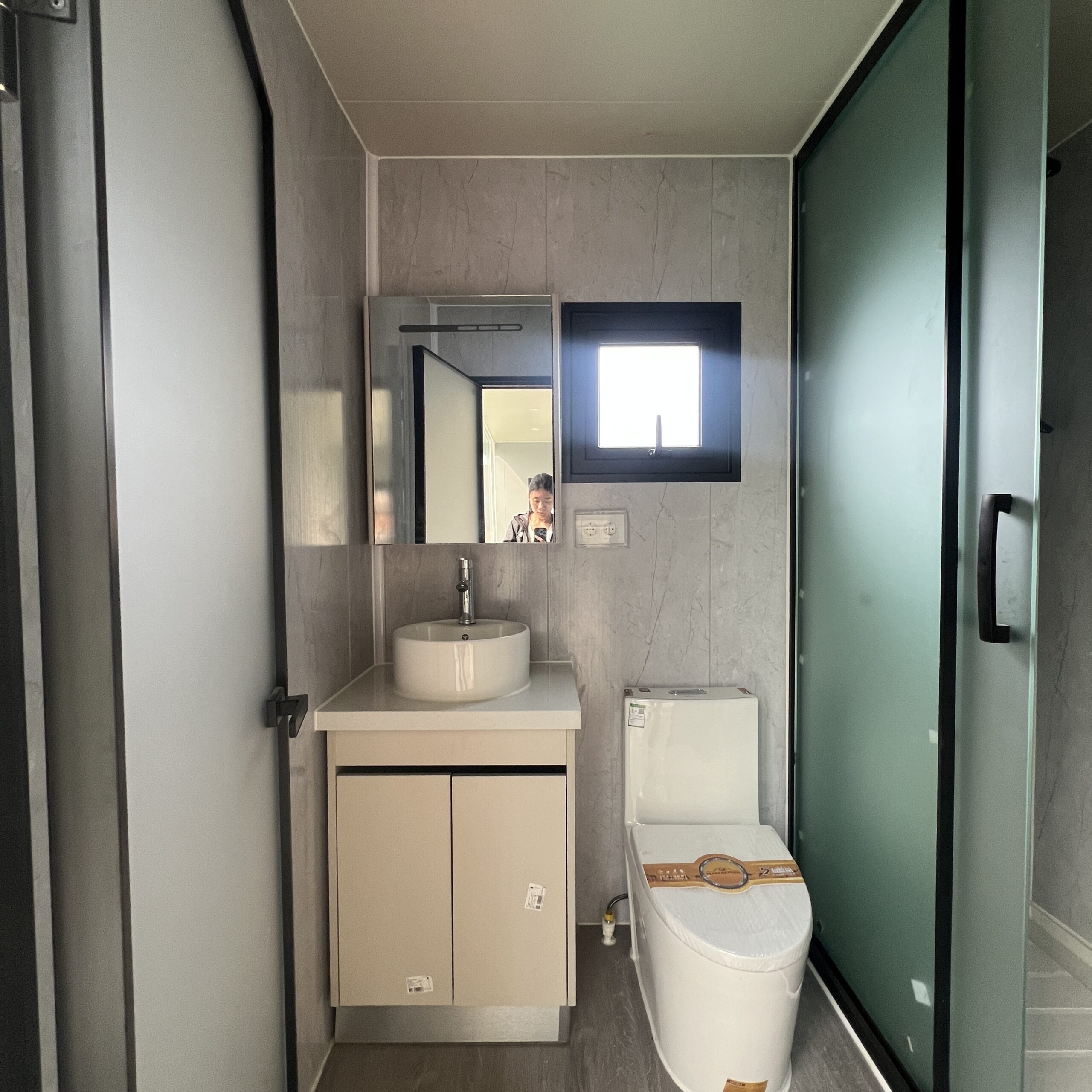
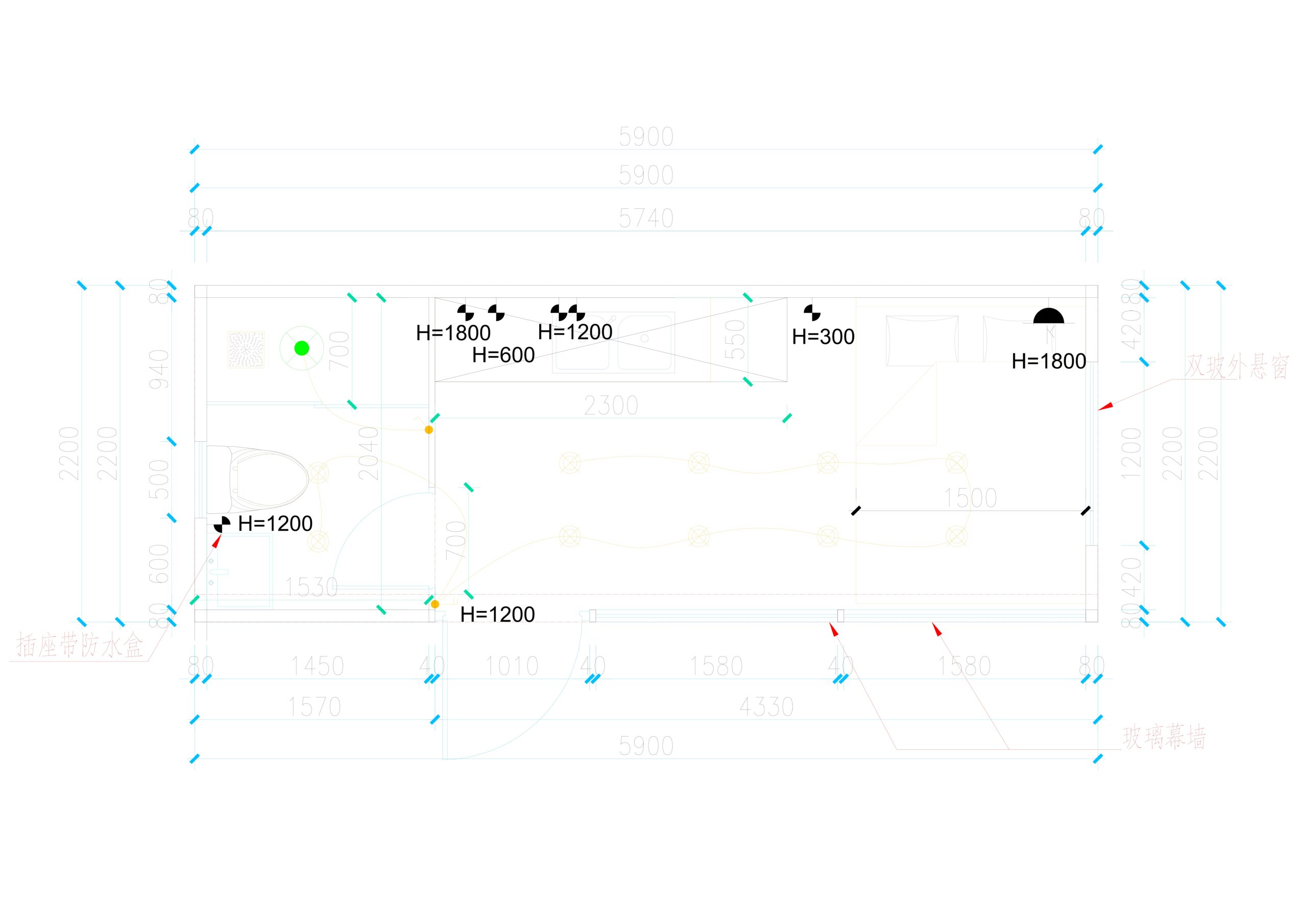
You might wonder, “What am I getting for that price?” Let’s walk through the highlights. First, the kitchen is compact but fully functional—think induction cooktop, integrated sink, and clever cabinetry that doesn’t cramp your style. The bathroom follows suit with a space-saving shower, composting toilet option, and modern fixtures that feel luxurious despite the footprint. And the layout? It’s a masterclass in efficiency: a living zone, sleeping nook, kitchenette, and bath all flow without wasted space. For eco-conscious buyers, optional solar panels and rainwater systems can be added, aligning perfectly with Australia’s push toward sustainable housing.
Who Is This For?
The Apple Capsule’s container house price makes it accessible to diverse groups. First-time homebuyers in Sydney or Adelaide can enter the property market without a crushing mortgage. Eco-warriors love its low carbon footprint, while digital nomads appreciate its portability—imagine setting up your office overlooking Byron Bay’s beaches! Even retirees downsize into one for a low-maintenance, lock-and-leave lifestyle. And let’s not forget Airbnb hosts: in tourist hotspots like Cairns, these capsules generate impressive rental income with minimal upkeep.
The Bottom Line: Value Beyond Price
Ultimately, the container house price for the 20ft Apple Capsule isn’t just about dollars—it’s about investing in flexibility, sustainability, and innovation. Whether you’re in Perth’s suburbs or Tasmania’s wilderness, this unit offers a turnkey solution to modern living challenges. It’s quick to assemble (often in under a week), customizable to your taste, and built to last decades. In a world where housing costs keep climbing, the Apple Capsule proves that affordable doesn’t mean compromising on quality or comfort. Ready to join the container living revolution? Your future home might just be a pod away.