
Explore the innovative 1800H 18m² foldable container house models designed for sea transportation, highlighting their differences, applications in Australia’s diverse landscapes, and how they offer cost-effective, sustainable solutions for housing needs. Perfect for emergency response, construction sites, and temporary commercial spaces, these 40 foot container units combine efficiency with durability.
In today’s fast-paced world, finding affordable, flexible, and eco-friendly housing solutions is more critical than ever—especially in a vast country like Australia, where urban sprawl and remote areas demand adaptable infrastructure. That’s where the 40 foot container comes into play, revolutionizing modular living with its portability, quick deployment, and versatility. As a blogger passionate about sustainable innovations, I’m excited to introduce you to two standout products: the 1800H 18m² sea transportation version, foldable container house. These aren’t just your average containers; they’re engineered for efficiency, designed for sea transport, and tailored to meet Australia’s unique challenges, from Sydney’s bustling construction zones to the outback’s emergency camps. In this article, we’ll dive deep into the standard and enhanced versions, uncovering their differences, real-world applications, and why they’re a smart choice for anyone looking to invest in modular housing. So, grab a cuppa, and let’s explore how these 40 foot container homes can transform the way we think about temporary and semi-permanent spaces.
First off, let’s clarify why the 40 foot container is such a big deal. Traditionally, shipping containers have been used for storage or transport, but advancements in design have turned them into livable, functional spaces. The 1800H models take this a step further by being foldable, which means they’re incredibly space-efficient during shipping—perfect for sea transportation to places like Australia, where logistics can be tricky. Whether you’re a builder in Melbourne, a disaster relief coordinator in Queensland, or a business owner in Perth, these units offer a “plug-and-play” solution that saves time, money, and hassle. Now, let’s break down the two versions: the standard 1800H 18m² land transport version and the enhanced 1800H pro 18m² land transport version. Both share the same core DNA—foldable frames, sea-ready designs, and 18m² of usable space—but they cater to different needs and budgets. I’ll walk you through each one, using product images to bring them to life, so you can see exactly what sets them apart.
Introducing the 1800H 18m² Standard Version: Reliable and Budget-Friendly
Starting with the 1800H 18m² standard version, this model is all about simplicity and efficiency, making it ideal for projects where cost is a key concern without compromising on quality. Picture this: a sleek, white frame paired with light gray wall panels, giving it a modern, minimalist look that blends seamlessly into any environment, from a dusty construction site in Adelaide to a temporary office in Brisbane. As you can see from the exterior image below, the design is clean and functional, focusing on durability and ease of use. 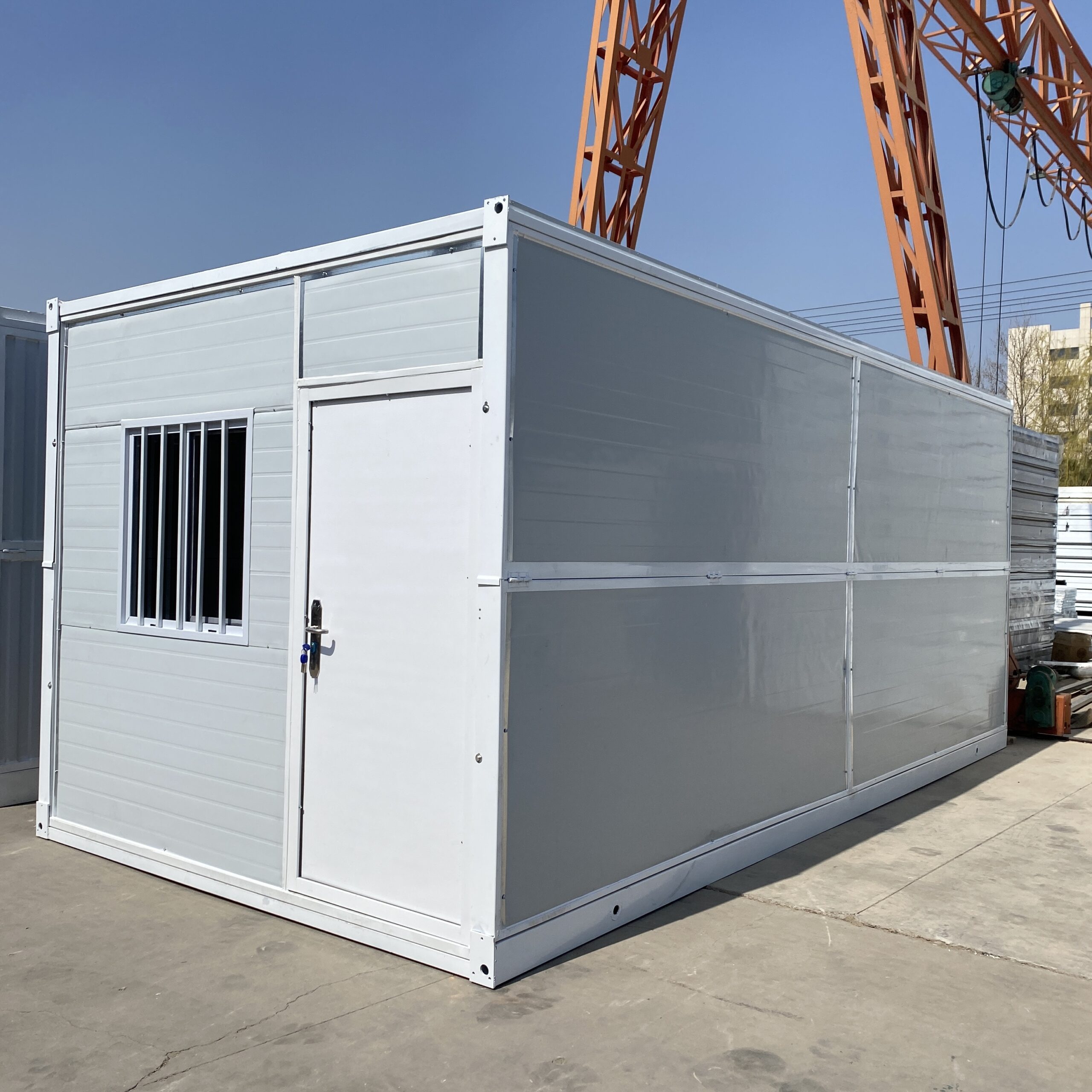
Now, let’s talk about the structure. The standard version features a foldable frame, which is a game-changer for transportation. It folds down to a compact size of 6000mm long, 2960mm wide, and just 340mm high, making it super easy to ship via sea or land—think of it as packing a whole room into a flat pack! Once unfolded, it expands to a generous 6000mm (with a -10mm tolerance) long, 2960mm wide, and 2630mm high. Inside, you get 5820mm by 2840mm of floor space with a height of 2510mm, providing ample room for living or working. The frame is built from Q235 fully galvanized steel pipe with a spray-painted baked finish, ensuring a 10-year lifespan even in Australia’s harsh conditions, like the salty air of coastal cities or the intense sun of the desert.
For the interior finishes, the standard version keeps things straightforward yet practical. It comes with color steel walls and roofing, plus a cement floor, which is sturdy and low-maintenance—perfect for high-traffic areas. Security is covered with a W970mm by H1970mm steel anti-theft door, so you can store tools or equipment safely. Electrical specs include European standard sockets, which are widely compatible in Australia, with wiring using 4mm² national standard soft copper wire for the main line, 1.5mm² for lighting, 2.5mm² for sockets, and 1.5mm² for grounding, all protected by a 32A circuit breaker. Lighting is handled by two 900mm by 900mm plastic steel windows for natural daylight, supplemented by an indoor 21W strip light for evenings. Insulation and soundproofing are decent for the price: front and rear walls use 65mm thick EPS purified boards at 12kg density, side walls have 50mm thick EPS purified boards, and the roof features 14kg/m³ 75mm glass wool rolls. Windows are PVC plastic steel frames with double-layer hollow glass, and sealing is done with D-type rubber strips plus structural sealant to keep dust and water out—essential for Australia’s unpredictable weather, like sudden downpours in Sydney. Drainage is simple with unorganized natural drainage, and for shipping, it packs down to 6m by 3m by 0.35m, weighing over 1100kg with a sea freight code of 9406900090. Transport-wise, you can fit 10 units on a 13m flatbed truck or a 17m one for land distribution. Overall, this version is a solid, no-frills choice for those who need a reliable 40 foot container solution without breaking the bank.
Upgrading to the 1800H Pro 18m² Enhanced Version: Premium Performance for Demanding Environments
Now, if you’re looking for something with more bells and whistles, the 1800H pro 18m² enhanced version is where it’s at. This model takes everything great about the standard version and amps it up for superior durability, insulation, and aesthetics—perfect for Australia’s more extreme settings, like a remote mining camp in Western Australia or a high-end pop-up shop in Melbourne. As shown in the enhanced exterior image below, it retains the white frame and light gray wall panels but adds a 16mm metal embossed plate that customers can install themselves, giving it a customizable, high-end finish. 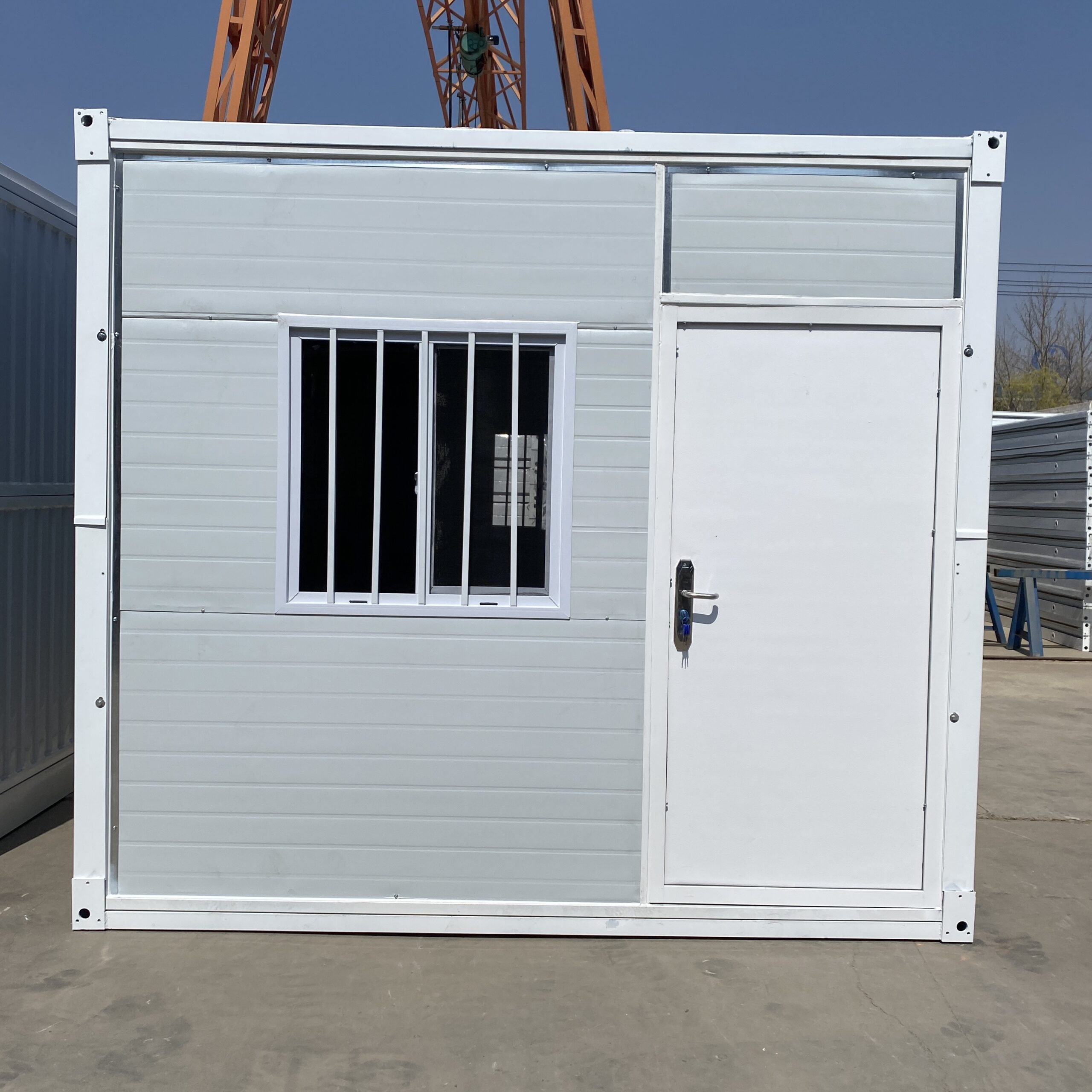
The core foldable frame is similar, but with key upgrades. When folded, it’s 5900mm long, 2480mm wide, and 340mm high, making it slightly more compact for shipping. Unfolded, it measures 5900mm long, 2480mm wide, and 2540mm high externally, with internal dimensions of 5720mm by 2360mm by 2410mm—still offering 18m² of space but with a more optimized footprint. The frame uses the same Q235 galvanized steel with spray-painted baked finish, but it includes an external wall protective board, boosting the lifespan to an impressive 30 years. That’s a huge plus for long-term projects in corrosive environments, like near the Great Barrier Reef or industrial areas.
Interior-wise, the enhanced version steps up with color steel walls and roofing plus plastic flooring, which is more comfortable and easier to clean than cement—ideal for commercial or residential use. The same steel anti-theft door and electrical specs apply, including European standard sockets and robust wiring, so you get consistent safety and compatibility. However, the real magic is in the insulation and weatherproofing. It shares the same EPS purified boards for walls and glass wool for the roof, but adds an external 16mm polyurethane insulation metal embossed plate and a Great Wall aluminum tile for the roof. This extra layer significantly improves thermal efficiency, keeping the interior cool in Australia’s scorching summers and warm during chilly winters—no more sweating in a Darwin container or freezing in a Tasmanian camp. Sealing remains top-notch with D-type rubber strips and structural sealant, and drainage is still unorganized natural, but the enhanced materials make it more resilient. Check out the interior images below to see the difference: the standard interior shows the basic setup with cement floor, while the enhanced version highlights the plastic flooring and improved insulation. 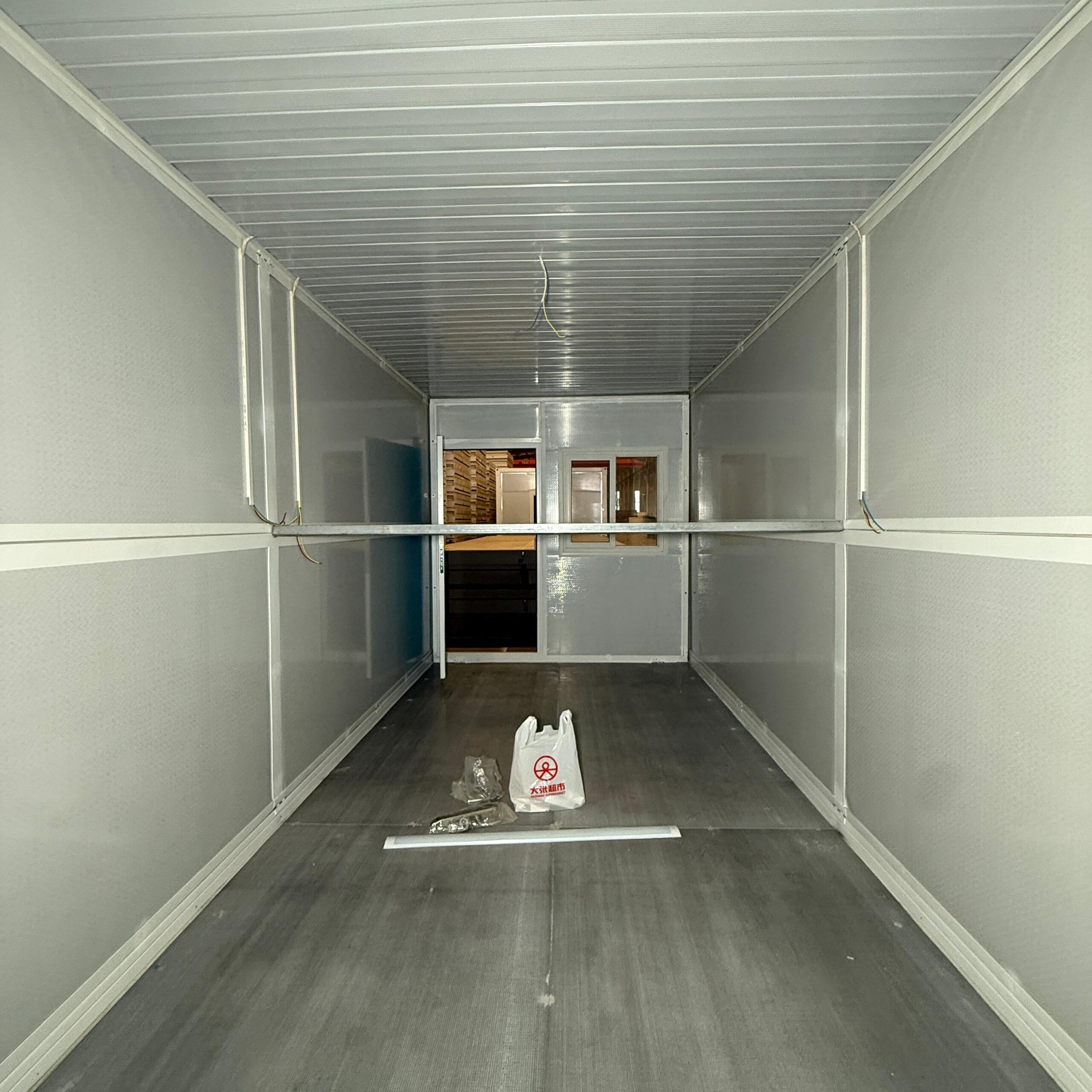
 For an even better view, the enhanced interior image showcases the premium finishes.
 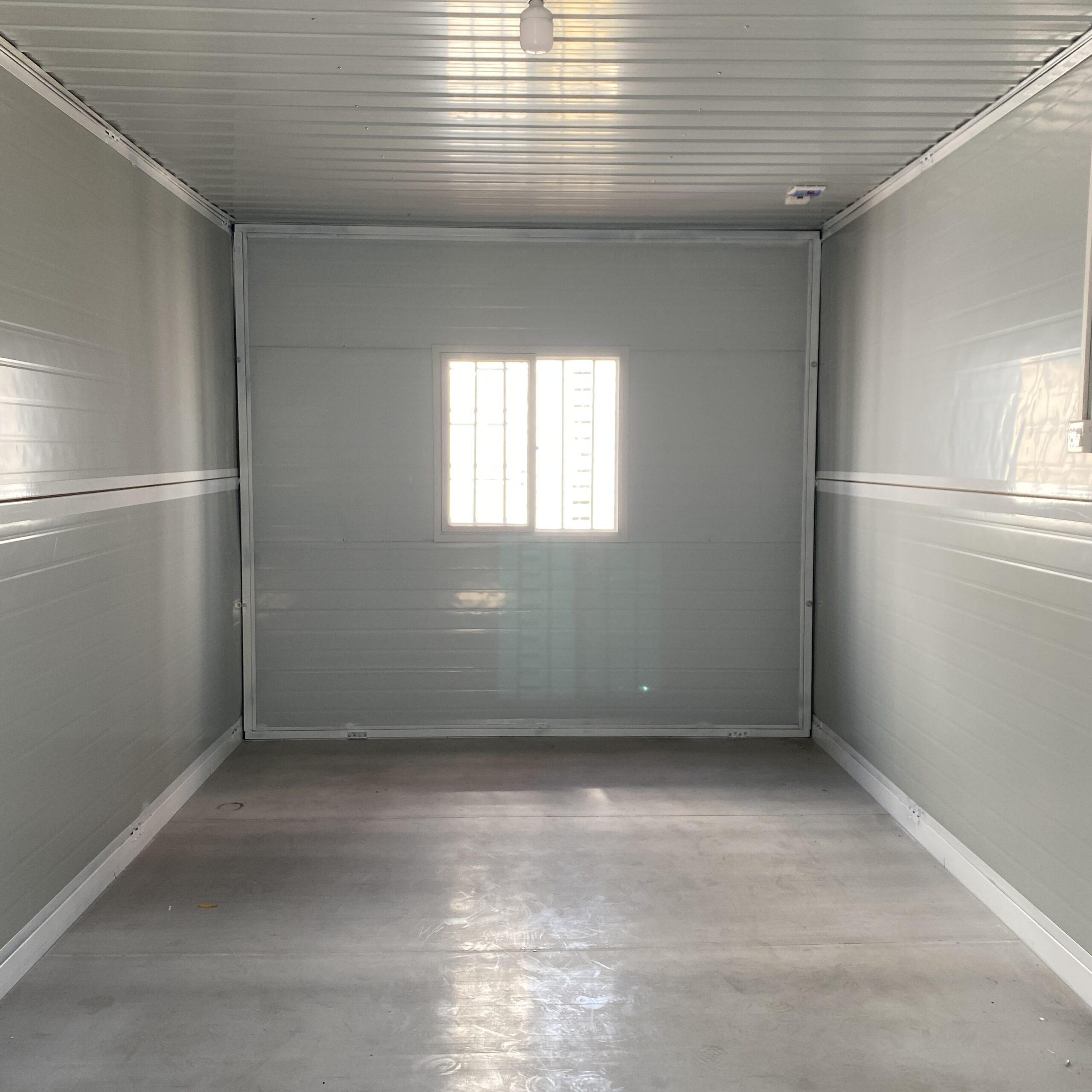 Shipping specs are similar: 6m by 3m by 0.35m packaging, 6.3m³ CBM, over 1180kg weight, and the same sea freight code. Transport is identical, fitting 10 units per flatbed truck. In short, the enhanced version is worth the extra cost if you need a 40 foot container that can handle Australia’s toughest conditions while looking sharp and providing superior comfort.
Key Differences Between the Standard and Enhanced Versions: Making the Right Choice
So, what really sets these two 40 foot container models apart? Let’s break it down clearly, so you can decide which one suits your needs best. First,外观与结构: the standard version has a basic white frame with light gray wall panels, while the enhanced version adds that stylish 16mm metal embossed plate for a more polished look—great if aesthetics matter, like for a trendy café in Sydney or a visitor center in Canberra. Next,简装: standard uses color steel walls, roof, and cement floor, which is functional but plain, whereas enhanced upgrades to plastic flooring for better comfort and easier maintenance, perfect for spaces where people spend more time, like offices or accommodations.
框架结构 is similar with foldable designs, but the enhanced version’s external wall protective board extends the frame life from 10 years to 30 years—a massive difference for longevity, especially in harsh Australian climates.尺寸 vary slightly: standard unfolds to 6000mm long internally, while enhanced is 5720mm, making the standard a bit roomier, but enhanced is more compact when folded.电路规格 are identical with European sockets and safe wiring, so no compromise there.照明 is the same with natural light from windows and strip lighting, but the enhanced version’s better insulation means the lighting is more effective in maintaining a stable indoor environment.
保温隔音 is where the enhanced version truly shines. Both have EPS purified boards and glass wool, but enhanced adds external polyurethane insulation and aluminum roof tiles, drastically improving thermal and sound performance. This is crucial in Australia, where temperatures can swing wildly—from the heat of the Outback to the cold of the Blue Mountains.密封工艺 is equally robust in both, but the enhanced materials provide extra peace of mind against leaks.排水设计 is simple unorganized natural in both, so no major change.申报要素: standard weighs over 1100kg, enhanced over 1180kg, but packaging and sea freight codes are the same, making shipping logistics consistent.运输方案 is identical, so you can mix and match versions on a single truck for efficiency.
In summary, if you’re on a tight budget and need a basic, reliable 40 foot container for short-term use—say, a temporary site office in Adelaide or emergency housing in a flood-prone area—the standard version is your go-to. But if you’re investing in something more permanent or facing extreme conditions, like a research station in Antarctica (via Australian bases) or a high-end retail pop-up in Melbourne, the enhanced version’s durability, insulation, and aesthetics make it worth the splurge. Think of it as choosing between a reliable sedan and a rugged SUV: both get the job done, but one handles rougher terrain with more comfort.
Application Scene Advantages: Why These 40 Foot Container Homes Excel in Australia
Now that we’ve covered the products, let’s talk about where these 40 foot container homes truly shine. The application scene advantages are all about efficiency, speed, and versatility—key factors in Australia’s diverse landscapes. First off,极致运输效率: because these units are foldable, they’re incredibly space-efficient for sea transportation. Imagine shipping a batch from China to an Australian port like Fremantle or Darwin; you can fit more units per container, reducing costs and carbon footprint. This is a game-changer for projects in remote areas, such as mining operations in the Pilbara or disaster relief in cyclone-hit regions of Queensland, where getting materials in quickly is vital.
Next,分钟级快速部署: once on-site, these containers unfold in minutes, not days. No need for heavy machinery or complex setups—just unfold, secure, and you’re ready to go. This speed is invaluable for应急救灾与公共安全 scenarios, like after a bushfire in New South Wales or a flood in Victoria, where temporary shelters are needed ASAP. It’s also perfect for工地临建与野外作业, such as construction camps in Sydney’s expanding suburbs or research outposts in the Australian Alps. Workers get safe, insulated spaces without delays, keeping projects on schedule.
可周转复用 is another big win. Unlike traditional buildings, these 40 foot container homes can be folded, moved, and reused multiple times. For example, a unit used for a music festival in Byron Bay can be packed up and shipped to a school event in Hobart, maximizing value. This flexibility extends to文旅与商业临时业态, like pop-up shops in Perth’s cultural precinct or tourist accommodations in the Whitsundays. Businesses can set up and dismantle quickly, adapting to seasonal demands without long-term commitments.
Moreover,城市更新与公共服务 benefit hugely. In cities undergoing revitalization, like Melbourne’s Docklands or Brisbane’s South Bank, these containers serve as temporary offices, clinics, or community hubs while permanent structures are built. They’re also great for跨境基建与海外营地, such as Australian aid projects in the Pacific or military bases, providing compliant, cost-effective housing that meets international standards. Overall, these units achieve “即运即到、即展即用” (arrive and deploy, unfold and use), balancing cost-effectiveness with regulatory compliance—essential in Australia, where building codes can be strict.
Important Considerations: Tips for Choosing Your 40 Foot Container Home
Before you jump in and order one of these 40 foot container homes, it’s crucial to weigh a few key factors to ensure you make the best decision. First,价格差异: prices can vary widely between manufacturers and configurations, so do your homework. For instance, a basic standard version might cost less upfront, but if you’re in a high-wear area like a coastal city such as Cairns, investing in the enhanced version could save money long-term with its 30-year lifespan. Always get quotes and compare—don’t just go for the cheapest option without