
Learn about California’s container house building codes and permits, and discover two innovative 14m² foldable container homes designed for global transport. Compare the standard and enhanced 1400H models, featuring rapid deployment, durability, and compliance considerations for the US market.
Navigating the complex landscape of container house building codes and permits in California can feel like deciphering a foreign language. As the Golden State leads the US in sustainable housing innovation, understanding these regulations becomes crucial for anyone considering alternative dwellings. Today, we’ll explore two groundbreaking solutions – the 1400H 14m² sea transportation container houses – designed to meet these challenges while offering unmatched flexibility for international markets like the US, Canada, and beyond.
Understanding California’s Regulatory Landscape
California’s building codes are among the strictest in the United States, governed primarily by the California Building Standards Code (Title 24). When it comes to container houses, several key considerations emerge:
- Zoning Regulations: Each county (like Los Angeles or San Francisco) has specific rules about where container homes can be placed – residential zones, accessory dwelling units (ADUs), or temporary structures.
- Foundation Requirements: Most jurisdictions require permanent foundations even for “temporary” structures, affecting how foldable units like the 1400H are installed.
- Electrical & Plumbing Codes: All systems must meet California’s rigorous safety standards, making pre-installed wiring (like the 1400H’s 32A breaker system) advantageous but requiring local certification.
- Fire Safety: Materials must comply with California’s fire-resistant standards, particularly relevant for units using EPS insulation panels.
These regulations make products like the 1400H series particularly valuable – their modular design allows for easier compliance verification compared to custom container modifications.
Introducing the 1400H Series: Transport-Ready Container Solutions
Designed specifically for global mobility and rapid deployment, the 1400H series represents a new generation of foldable container houses. Both models share core advantages that address California’s unique challenges:
- Sea-optimized folding design reduces shipping costs by 70% compared to traditional containers
- Pre-installed electrical systems with European-standard sockets (easily adaptable to US requirements)
- Structural integrity using Q235 galvanized steel frames
- Compliance-ready dimensions fitting standard zoning categories
Visual Showcase: Exterior & Interior Design
Let’s explore the aesthetic and functional aspects through these key images:
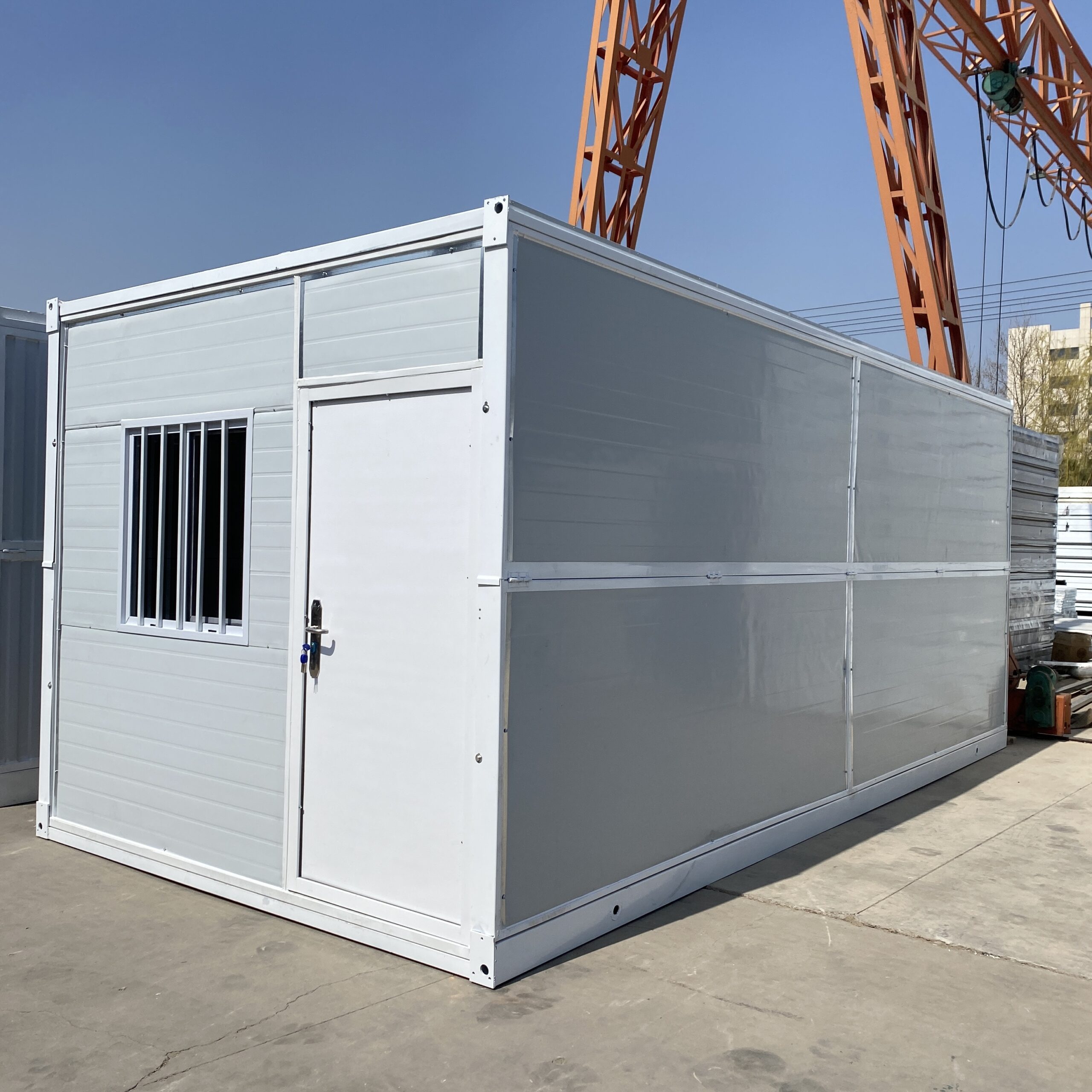
Standard version exterior: Clean white frame with light gray wall panels optimized for urban settings
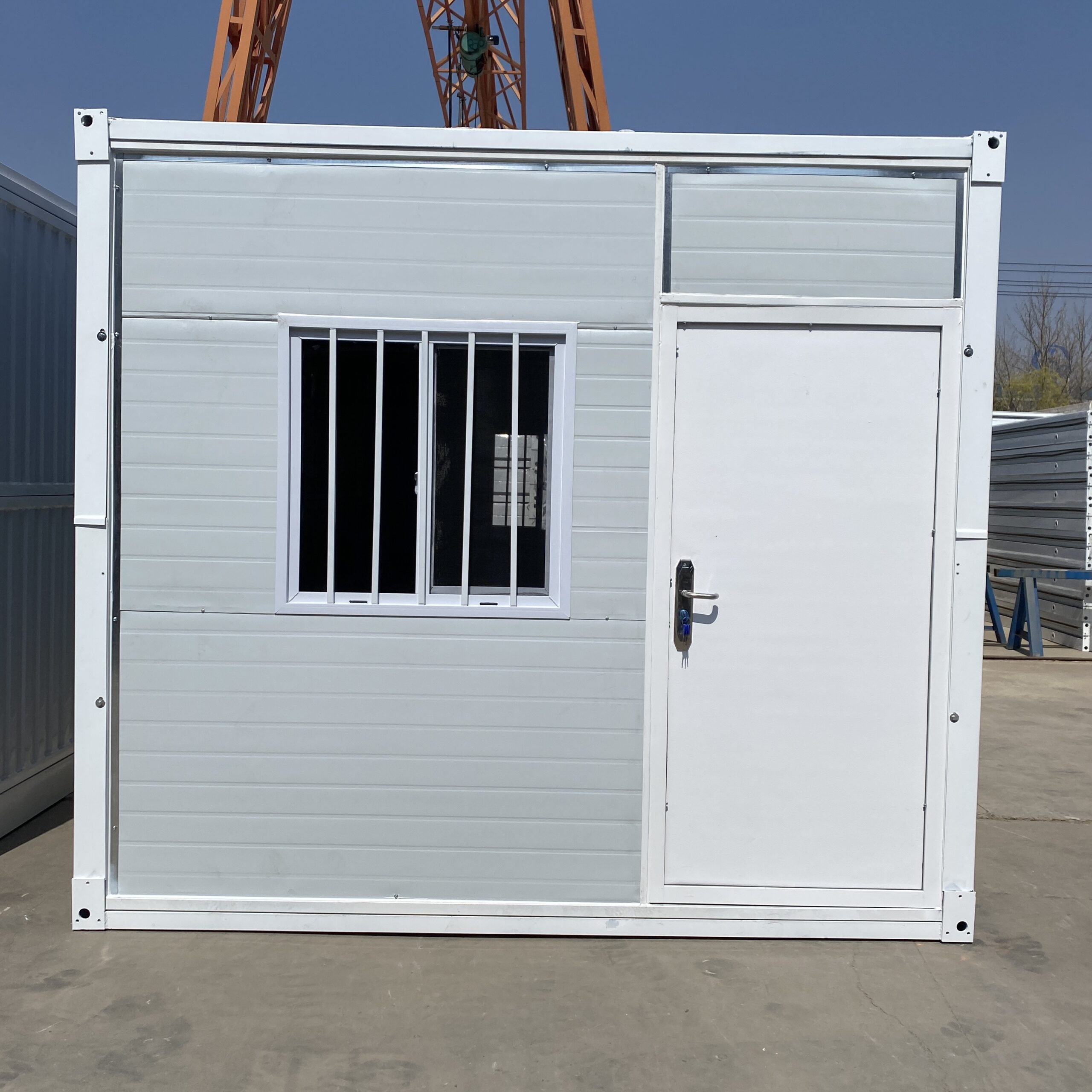
Enhanced Pro version: Same base structure with added metal embossed panels for premium aesthetics
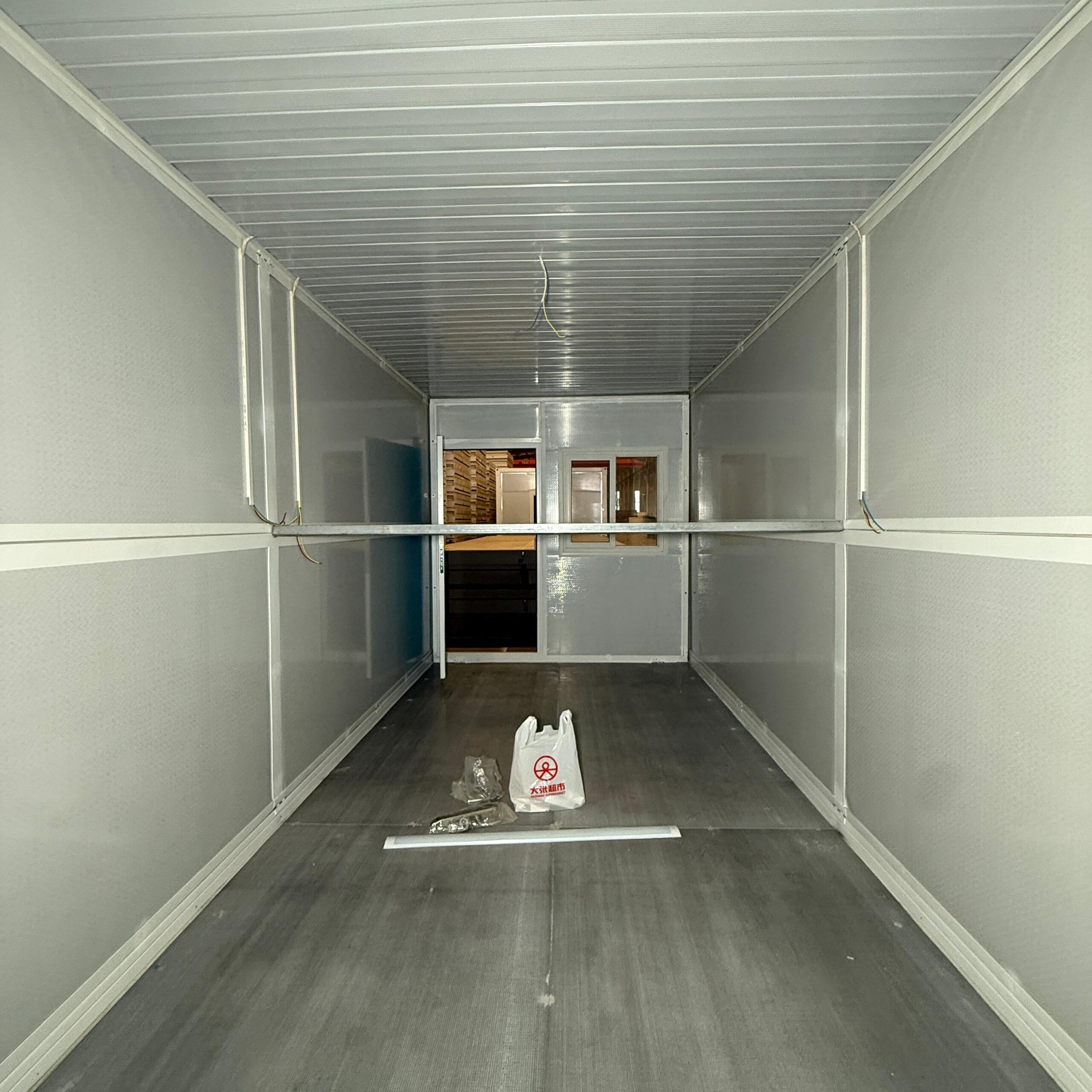
Standard interior: Functional layout with cement flooring and basic fixtures

Electrical system: Pre-wired with European outlets (easily convertible to US standards)
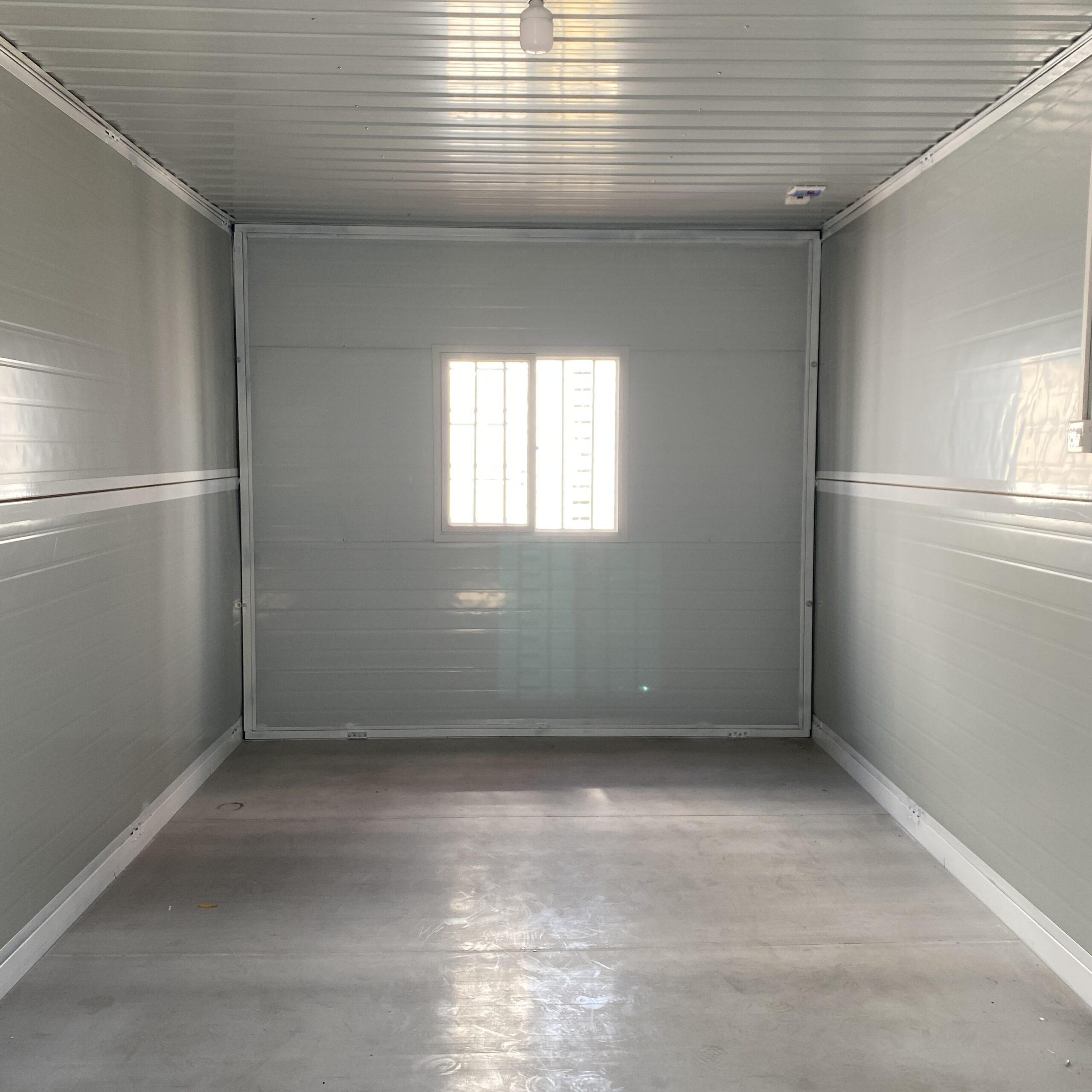
Interior features: Dual PVC windows with double glazing for natural light and insulation
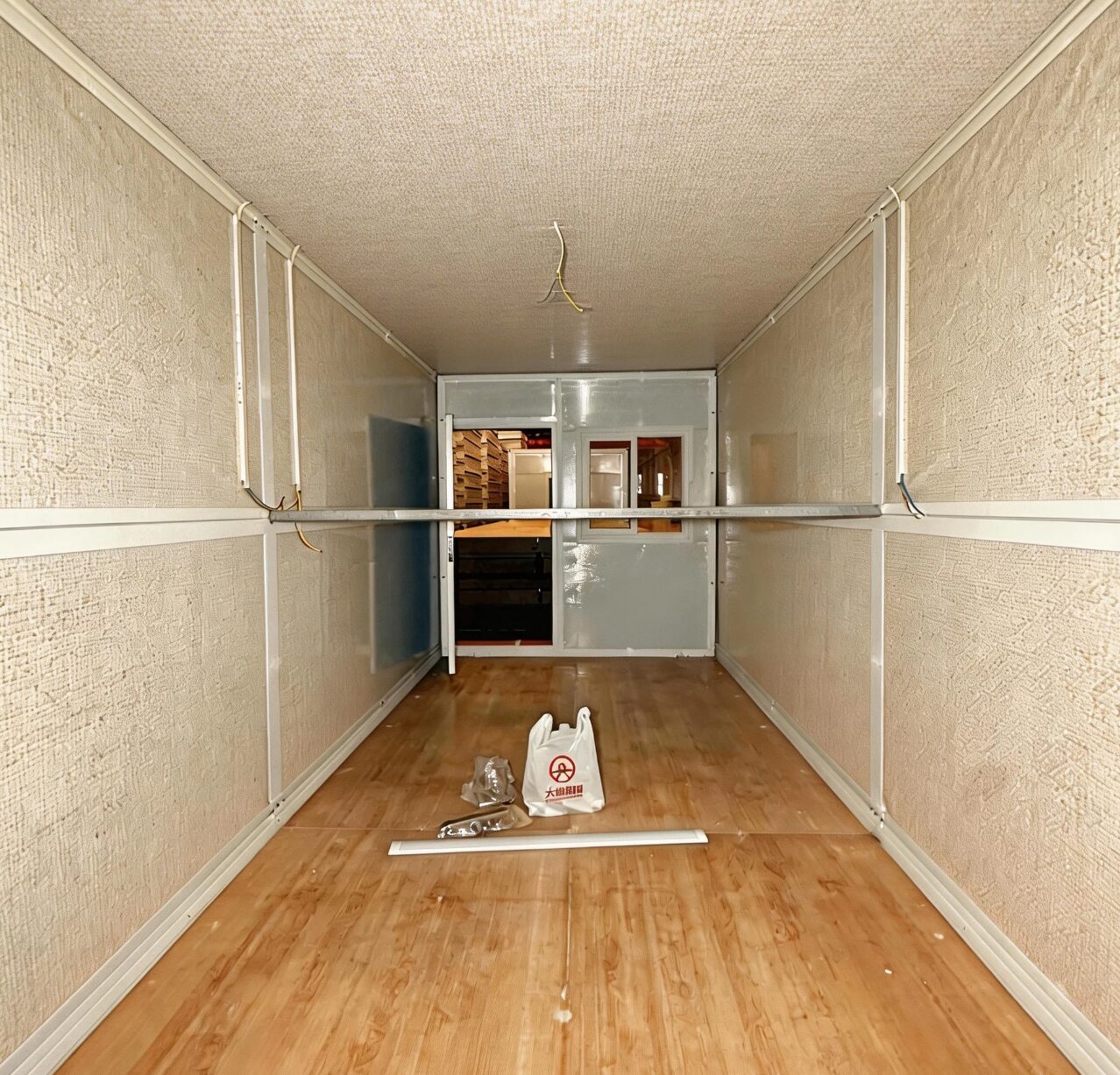
Enhanced Pro interior: Upgraded with plastic flooring and premium finishes
1400H 14m² Sea Transportation Standard Version
This model delivers essential functionality with exceptional value, perfect for temporary installations or budget-conscious projects across California counties like San Diego or Fresno.
Key Specifications:
- Structure: White frame + light gray wall panels with color steel roofing
- Flooring: Cement ground finish for durability
- Frame: Foldable Q235 galvanized steel with powder coating (10-year lifespan)
- Dimensions:
- Expanded: 5900×2480×2540mm (external) / 5720×2360×2410mm (internal)
- Folded: 5900×2480×340mm (shipping height)
- Electrical: Pre-wired with 4mm² main line, 32A breaker, and European outlets
- Insulation: 65mm EPS front/rear walls, 50mm side walls, 75mm glass wool roof
- Windows: Two 900×900mm PVC double-glazed units
- Shipping: 12 units per 40HC container (5.12 CBM each)
Ideal California Use Cases:
Perfect for construction site offices in Sacramento, temporary classrooms in Los Angeles, or emergency housing in wildfire-prone areas. Its basic finish meets temporary structure permits while providing essential comfort.
1400H Pro 14m² Enhanced Version
Step up to premium performance with this upgraded model, designed for longer-term installations or markets with stricter requirements like San Francisco or coastal communities.
Key Upgrades Over Standard:
- Exterior Finish: Adds 16mm metal embossed panels (customer-installed) for architectural appeal
- Flooring: Plastic flooring instead of cement for better comfort
- Frame Durability: Enhanced protection with external wall panels (30-year lifespan)
- Superior Insulation:
- Additional 16mm polyurethane insulation in exterior walls
- Great Wall aluminum tile roofing for weather resistance
- Shipping Capacity: 10 units per 40HC due to added features
Regulatory Advantages:
The enhanced insulation and weatherproofing make this model more likely to comply with California’s stringent energy codes (Title 24) when used as ADUs in places like Berkeley or San Diego. The extended 30-year frame life also appeals to jurisdictions requiring longer structural guarantees.
Deployment Scenarios: From Los Angeles to London
Both models excel in diverse applications across California and international markets:
Emergency & Disaster Response
When wildfires strike Napa or earthquakes hit Los Angeles, these units can be deployed within hours. Their flat-pack design allows 12 standard units (or 10 Pro) per shipping container, enabling rapid response to crises across California or even international deployments to places like Puerto Rico or Guatemala.
Construction & Remote Operations
For infrastructure projects in remote areas like the Mojave Desert or offshore wind farms near San Diego, the 1400H series provides immediate, code-compliant site offices and worker housing. The minute-level deployment minimizes project downtime.
Commercial & Tourism Ventures
Imagine pop-up retail spaces in San Francisco’s Union Square or glamping units in Yosemite National Park. The Pro version’s enhanced aesthetics make it particularly suitable for commercial applications where appearance matters. Their temporary nature often simplifies permitting for short-term events.
Urban Development & Public Services
As California cities grapple with housing shortages, these units offer quick solutions for transitional housing in Los Angeles or temporary classrooms in overcrowded school districts. Their modular design allows clusters to be configured as small communities while meeting local building codes.
Navigating California’s Permitting Process
While the 1400H series is designed for regulatory compliance, success in California requires strategic planning:
Pre-Application Checklist
- Zoning Verification: Confirm container houses are permitted in your target city (e.g., San Francisco allows ADUs but restricts temporary structures)
- Foundation Plans: Prepare engineered drawings showing how the folded unit will be anchored to meet California seismic requirements
- Utility Connections: Map how pre-installed electrical systems will connect to local grids (may require US-standard outlet conversion)
- Fire Department Review: Submit material specifications demonstrating compliance with California’s fire safety codes
Permitting Timeline Reality
While the 1400H deploys in minutes, California permits typically take 3-6 months for temporary structures and 6-12 months for permanent installations. Start early, especially in high-demand areas like Silicon Valley or coastal Southern California.
Cost Considerations for California Projects
Budgeting requires understanding both product differences and California-specific factors:
| Factor | Standard Version | Pro Version |
|---|---|---|
| Base Unit Cost | Lower (ideal for temporary use) | 15-20% higher premium |
| Shipping to California | $2,800-3,500/unit (12/40HC) | $3,200-4,000/unit (10/40HC) |
| Foundation Costs | $5,000-15,000 (basic) | $8,000-20,000 (enhanced for permanence) |
| Permitting Fees | $3,000-8,000 (temporary) | $5,000-12,000 (permanent/ADU) |
For California projects, the Pro version often proves more economical long-term due to its 30-year lifespan and superior insulation reducing energy costs – crucial in California’s climate-conscious regulatory environment.
Critical Considerations Before Purchasing
While these foldable containers solve many challenges, be mindful of these factors:
Regulatory Realities
California counties like Orange or Riverside may have unique restrictions on temporary structures. Always verify local ordinances before purchasing. Some areas prohibit “shipping container” aesthetics regardless of actual use.
Transportation Logistics
Though designed for sea freight, moving units within California requires specialized trucks. Mountainous regions like the Sierra Nevada may incur additional transport costs.
Customization Limitations
While modifications are possible, they may void compliance certifications. For California projects, work with manufacturers familiar with Title 24 requirements.
Long-Term Maintenance
The Pro version’s extended lifespan reduces maintenance, but California’s coastal salt air requires regular inspection of steel components regardless of model.
Conclusion: The Future of Flexible Housing in California
As California continues to lead sustainable housing innovation, products like the 1400H series demonstrate how container homes can balance regulatory compliance with practical functionality. Whether you’re deploying emergency housing in wildfire-devastated areas, creating temporary classrooms in overcrowded districts, or establishing commercial pop-ups in Los Angeles, these foldable units offer a compelling solution.
The choice between Standard and Pro ultimately depends on your specific California context: the Standard version excels in temporary, cost-sensitive applications, while the Pro version meets the demands of longer-term, appearance-conscious installations. Both leverage foldable technology to navigate the complex web of California building codes and permits more efficiently than traditional construction methods.
For international buyers eyeing the California market, these units represent a turnkey solution that can be shipped from manufacturing hubs to any port – from Long Beach to Oakland – and deployed rapidly while maintaining compliance with one of America’s strictest regulatory environments. As housing needs evolve, such adaptable, transport-ready structures will likely become increasingly vital in California’s architectural landscape.
{1,container house building codes California}
{1,foldable container home permits}
{1,1400H container house review}
{1,California ADU regulations}
{1,shipping container home compliance}
{1,temporary structure permits California}
{1,modular housing US regulations}
{1,sea transport container homes}
{1,emergency housing California}
{1,container house insulation requirements}