
Discover the ultimate shipping container home cost estimator guide featuring two innovative 14m² foldable container houses designed for sea transport. Compare the standard and enhanced models to optimize your budget for emergency housing, temporary offices, or commercial spaces in Australia and beyond.
When exploring affordable housing solutions in Australia, the concept of shipping container homes has gained remarkable traction. For budget-conscious planners and developers, a reliable shipping container home cost estimator becomes essential. Today, we’ll dive into two revolutionary products—the 1400H 14m² sea transport foldable container houses—that perfectly balance cost-efficiency with rapid deployment capabilities. Whether you’re planning for disaster relief in Darwin or a pop-up retail space in Sydney, these units offer game-changing advantages.
The Rise of Foldable Container Architecture
Traditional construction methods often face challenges like high labor costs, extended timelines, and logistical headaches. Enter foldable container homes: modular, transportable, and engineered for efficiency. The 1400H series exemplifies this innovation, designed specifically for international shipping via standard sea containers. Their collapsible nature dramatically reduces freight expenses—up to 12 standard units fit in a single 40HC container—making them a top choice for projects requiring mobility and speed across Australia, New Zealand, or even remote Pacific islands.
Imagine deploying emergency housing after a cyclone in Queensland or setting up a temporary clinic in outback Western Australia. These units unfold within minutes, eliminating on-site construction delays. But how do you choose between the standard and enhanced versions? Let’s break down their features, costs, and ideal applications.
1400H 14m² Standard Edition: The Budget Champion
The standard 1400H model is engineered for maximum value without sacrificing core functionality. Its minimalist yet robust design makes it ideal for short-to-medium-term deployments where cost control is critical.
Key Specifications
- Structure: White powder-coated steel frame paired with light gray wall panels for a clean, professional aesthetic.
- Flooring: Durable cement flooring—simple, cost-effective, and easy to maintain.
- Frame Durability: Q235 galvanized steel frame with spray paint finish, rated for 10+ years of use.
- Dimensions:
- Unfolded: 5.9m (L) x 2.48m (W) x 2.54m (H) externally; 5.72m x 2.36m x 2.41m internally
- Folded: 5.9m x 2.48m x 0.34m (height)
- Entry & Security: W970xH1970mm steel anti-theft door.
- Electricals: European-standard sockets with 4mm² main copper wiring, 32A circuit breaker, and 21W LED strip lighting.
- Insulation: 65mm EPS panels (front/back), 50mm EPS (sides), and 75mm glass wool roof insulation for basic thermal comfort.
- Windows: Two 900x900mm PVC double-glazed windows for natural light.
- Sealing: D-type rubber seals + structural adhesive for dust/water resistance.
- Transport Efficiency: 12 units per 40HC sea container.
Visual & Practical Appeal
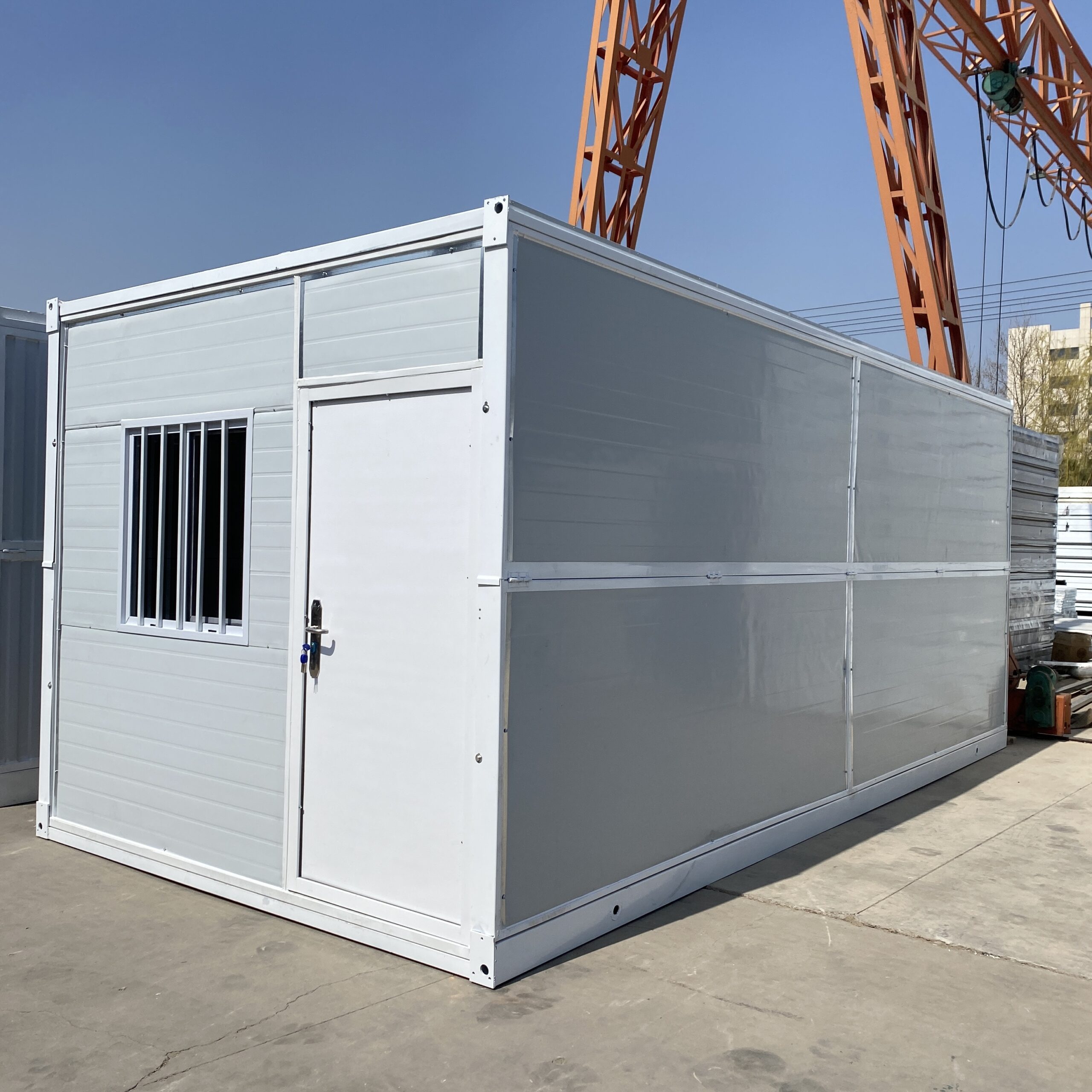
As shown in the exterior image, the standard model features a sleek white-and-gray color scheme that blends into urban or natural environments. The folding mechanism is visible along the edges, highlighting its ingenious design for compact shipping. Once deployed, the structure feels surprisingly spacious for 14m², with high ceilings (2.41m internally) enhancing livability.
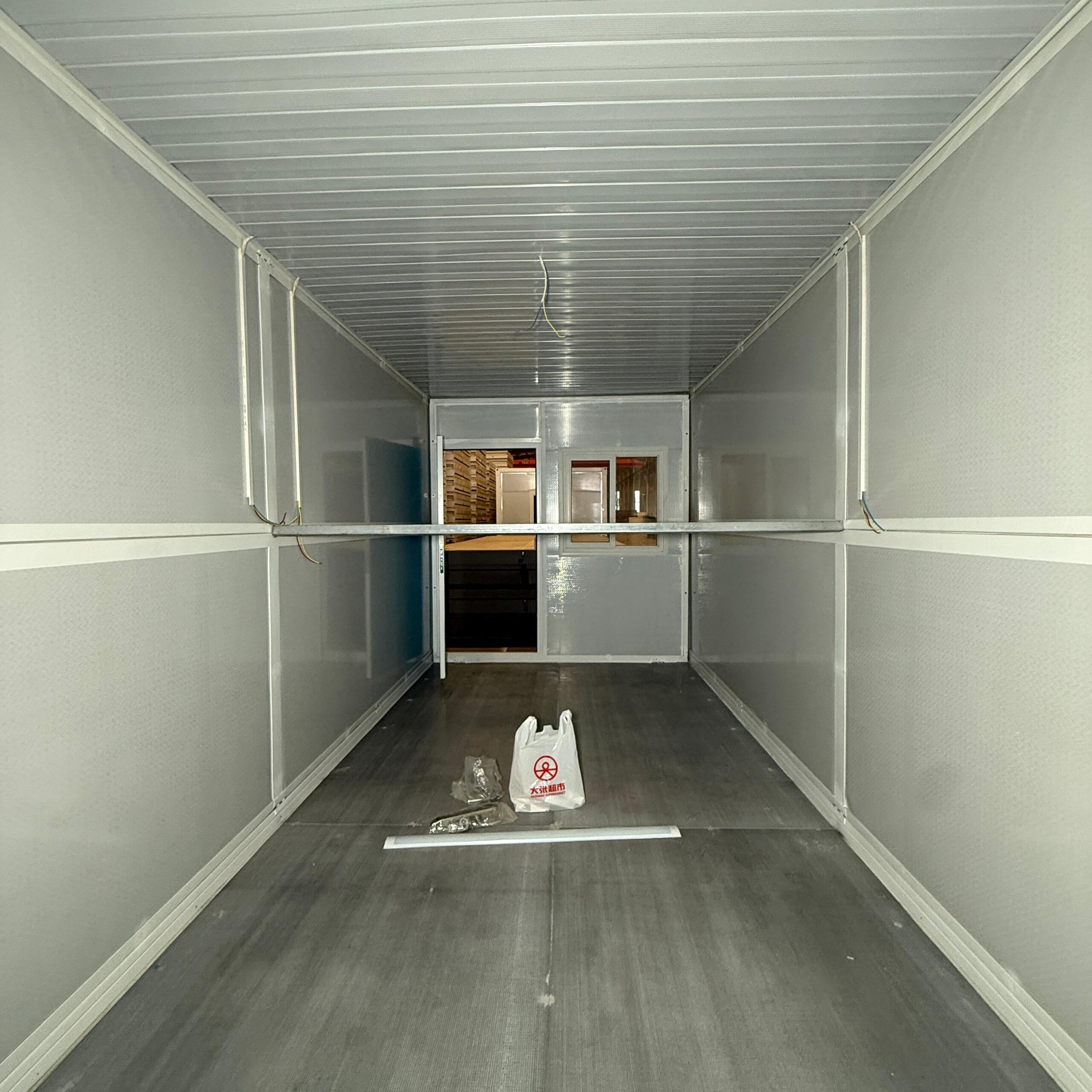
Inside, the focus is on functionality. The cement floor provides a sturdy base for furniture or equipment, while the LED strip lighting ensures adequate illumination. Electrical outlets (European standard) are strategically placed for appliances or devices. This version excels in scenarios like construction site offices in Melbourne or temporary classrooms in Adelaide—where basic shelter and quick setup outweigh luxury finishes.
1400H Pro Edition: The Enhanced Performer
For projects demanding superior durability, insulation, and aesthetics, the 1400H Pro adds premium upgrades while retaining the core benefits of the standard model. It’s the go-to choice for harsher climates or longer deployments in regions like Tasmania’s highlands or New Zealand’s South Island.
Key Upgrades Over Standard
- Exterior Cladding: 16mm metal embossed panels (client-installed) for enhanced weather resistance and visual appeal.
- Flooring: Upgraded to PVC plastic flooring—warmer underfoot and easier to clean than cement.
- Frame Longevity: Galvanized steel frame + external protective boards, extending lifespan to 30+ years.
- Insulation Boost: Additional 16mm polyurethane insulation in walls and upgraded “Great Wall” aluminum roof tiles for extreme thermal performance.
- Transport Efficiency: 10 units per 40HC sea container (slightly less due to added materials).
Notice the core dimensions, electrical specs, and folding mechanism remain identical to the standard version. This ensures compatibility with existing logistics while delivering measurable improvements in comfort and resilience.
Visual & Practical Enhancements
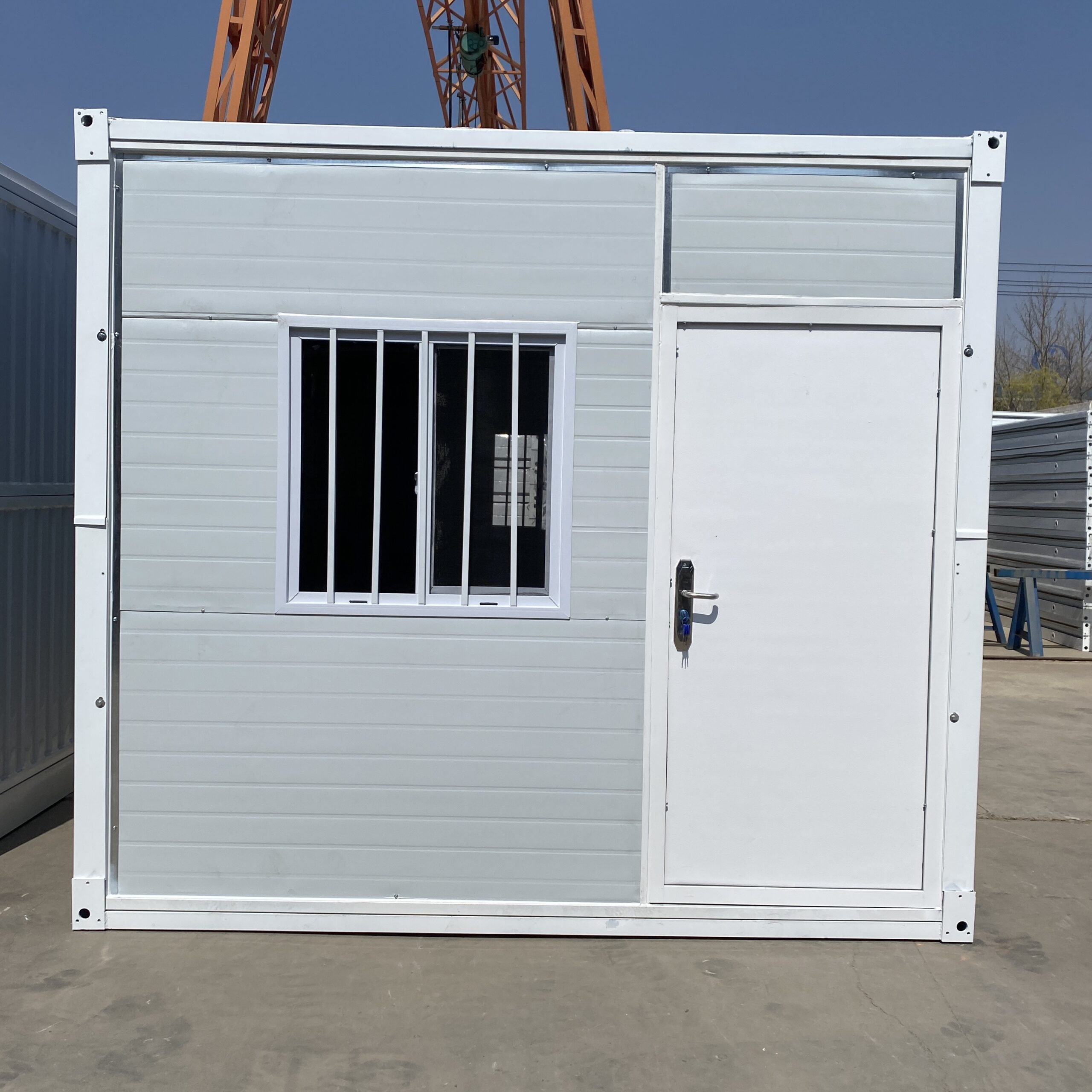
The Pro’s exterior maintains the white frame but gains depth and texture from the embossed metal panels. These panels not only elevate the appearance—making it suitable for commercial pop-ups in Brisbane’s CBD—but also add a critical barrier against wind-driven rain and salt corrosion in coastal areas like Perth or Auckland.
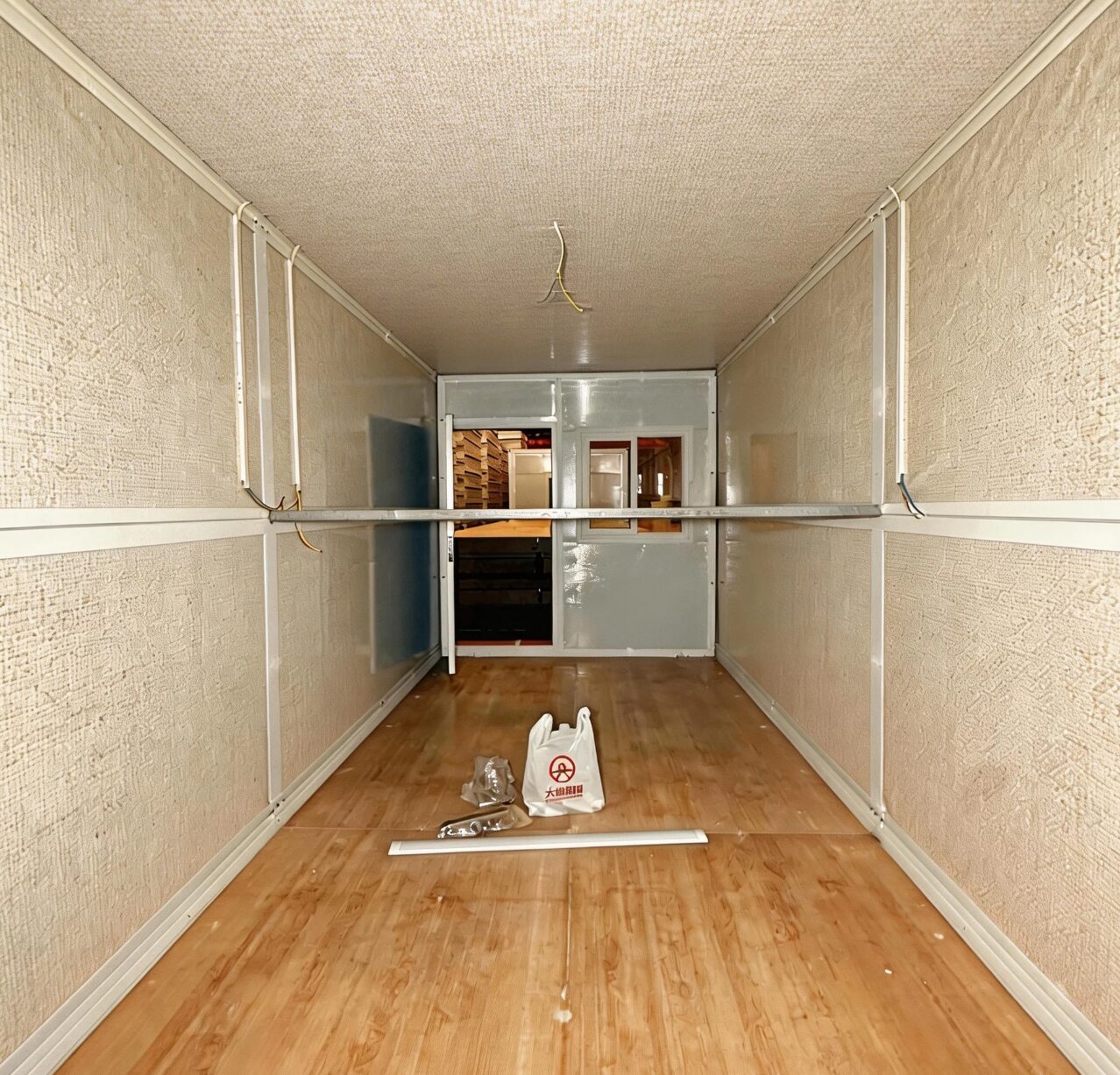
Inside, the enhancements are immediately noticeable. The PVC flooring offers a softer, more residential feel compared to cement, while the upgraded insulation reduces noise and temperature fluctuations—ideal for remote work pods in Wellington or emergency housing in Christchurch. The European-standard outlets remain, but the overall ambiance feels more polished and permanent.
Cost Estimator Breakdown: Standard vs. Pro
A precise shipping container home cost estimator must factor in both upfront investment and long-term value. Here’s how the models compare across key financial considerations:
| Cost Factor | 1400H Standard | 1400H Pro |
|---|---|---|
| Unit Price (Ex-Factory) | Lower (ideal for bulk purchases) | ~15-20% higher due to premium materials |
| Shipping Cost (to Australia) | ~$1,200/unit (12/40HC) | ~$1,450/unit (10/40HC) |
| Lifespan | 10 years | 30 years (lower annualized cost) |
| Installation | Minutes (no tools needed) | Minutes + ~2 hours for cladding |
| Maintenance | Annual inspections | Minimal (corrosion-resistant frame) |
For short-term projects (e.g., 1-3 years), the standard model offers the lowest total cost of ownership. However, for deployments exceeding 5 years—especially in corrosive coastal zones like Sydney’s Northern Beaches or cyclone-prone areas of Queensland—the Pro’s extended lifespan and reduced maintenance deliver better ROI. Always request a customized quote based on your destination port (e.g., Fremantle, Melbourne, or Auckland) and quantity.
Where These Units Shine: Application Scenarios
Both models excel in environments demanding speed, mobility, and cost control. Their foldable design makes them uniquely suited for:
1. Emergency & Disaster Response
When floods hit New South Wales or wildfires ravage parts of California, these units can be pre-positioned in folded form and deployed within hours of arrival. Their insulation provides critical thermal protection, while the steel structure withstands harsh conditions. NGOs and government agencies value the ability to ship 12 standard units (or 10 Pro units) in a single container, drastically reducing logistics bottlenecks.
2. Construction & Remote Worksites
Mining operations in Western Australia’s Pilbara region or infrastructure projects in Canada’s oil sands require durable, relocatable accommodation. The standard model serves perfectly as site offices or storage units, while the Pro’s enhanced insulation makes it ideal for crew camps in extreme climates. Their foldability allows easy relocation as projects progress.
3. Commercial & Retail Pop-Ups
Imagine a temporary boutique in London’s Shoreditch or a food stall at a festival in Puerto Rico. The Pro’s aesthetic cladding and PVC flooring create an inviting retail space. Units can be deployed overnight for seasonal sales events, then folded and stored until needed again—maximizing flexibility for entrepreneurs.
4. Tourism & Hospitality
Glamping sites in New Zealand’s Fiordland or eco-resorts in Guatemala’s rainforests benefit from these units’ minimal site impact. The Pro version’s superior insulation ensures guest comfort year-round, while the foldable design allows seasonal expansion or contraction of capacity without permanent construction.
5. Urban & Public Services
Cities like Paris or Chicago use these units as temporary medical clinics, libraries, or information centers during urban renewal projects. Their compliance with international building codes (HS Code: 9406900090) simplifies permitting, and rapid deployment minimizes disruption to communities.
Critical Considerations Before Purchasing
While these foldable containers solve many problems, a smart shipping container home cost estimator must account for these variables:
- Price Variability: Costs fluctuate based on manufacturer, customization, and order volume. Always compare quotes from multiple suppliers and clarify what’s included (e.g., windows, electricals).
- Customization Needs: Adding partitions, plumbing, or specialized insulation increases costs and lead times. For example, a kitchenette in a Pro unit for a Vancouver Airbnb may add $3,000–$5,000.
- Transport Regulations:
- Standard units fit in 40HC containers without special permits.
- Oversized or modified units may require road transport approvals, especially in regions like the UK or France with strict vehicle size limits.
- Local Building Codes:
- Australia’s National Construction Code (NCC) and New Zealand’s Building Code classify these as temporary structures, but duration limits vary (e.g., max 90 days without approval in some Australian councils).
- In hurricane-prone areas like Florida or Puerto Rico, additional tie-downs may be mandated.
- Long-Term Viability:
- For permanent use (e.g., an accessory dwelling unit in a Los Angeles backyard), invest in the Pro model and budget for foundation work (e.g., concrete piers).
- Annual maintenance checks (seals, insulation, paint) prevent costly repairs, especially in coastal or industrial zones.
Conclusion: Your Next Step in Smart Housing
Whether you’re a disaster relief coordinator in Brisbane, a developer in Auckland, or an entrepreneur in London, the 1400H foldable container series offers a compelling solution. By using a detailed shipping container home cost estimator, you can confidently choose between the budget-friendly Standard model and the premium Pro version—each optimized for sea transport and rapid deployment.
These units embody the future of adaptable architecture: affordable, mobile, and resilient. To explore exact pricing for your Australian or international project, contact certified suppliers with your specifications. Remember to factor in shipping, duties, and site preparation for a true total-cost analysis. With the right planning, these foldable homes can transform how we think about temporary—and even permanent—shelter across the globe.
{1、foldable container house