
Discover cutting-edge modern container house design ideas with photos showcasing Australia’s revolutionary 40-foot customized double-wing expansion room. This game-changing modular architecture features foldable wings that transform compact shipping containers into spacious living spaces, offering rapid deployment, eco-friendly construction, and versatile applications from luxury retreats to emergency shelters. Explore detailed specifications, stunning visuals, and practical insights about this innovative housing solution.
Redefining Sustainable Living: The Double-Wing Container Revolution
In the sun-drenched landscapes of Australia, where innovation meets rugged beauty, a groundbreaking architectural solution is transforming how we think about modular housing. The 40-foot customized double-wing expansion room represents the pinnacle of modern container house design, seamlessly blending industrial aesthetics with residential comfort. This ingenious solution takes the standard shipping container – a symbol of global trade – and reimagines it as a dynamic, expandable living space that can adapt to diverse Australian environments, from the coastal cliffs of Sydney to the outback expanses near Alice Springs.
What Makes the Double-Wing Container Exceptional?
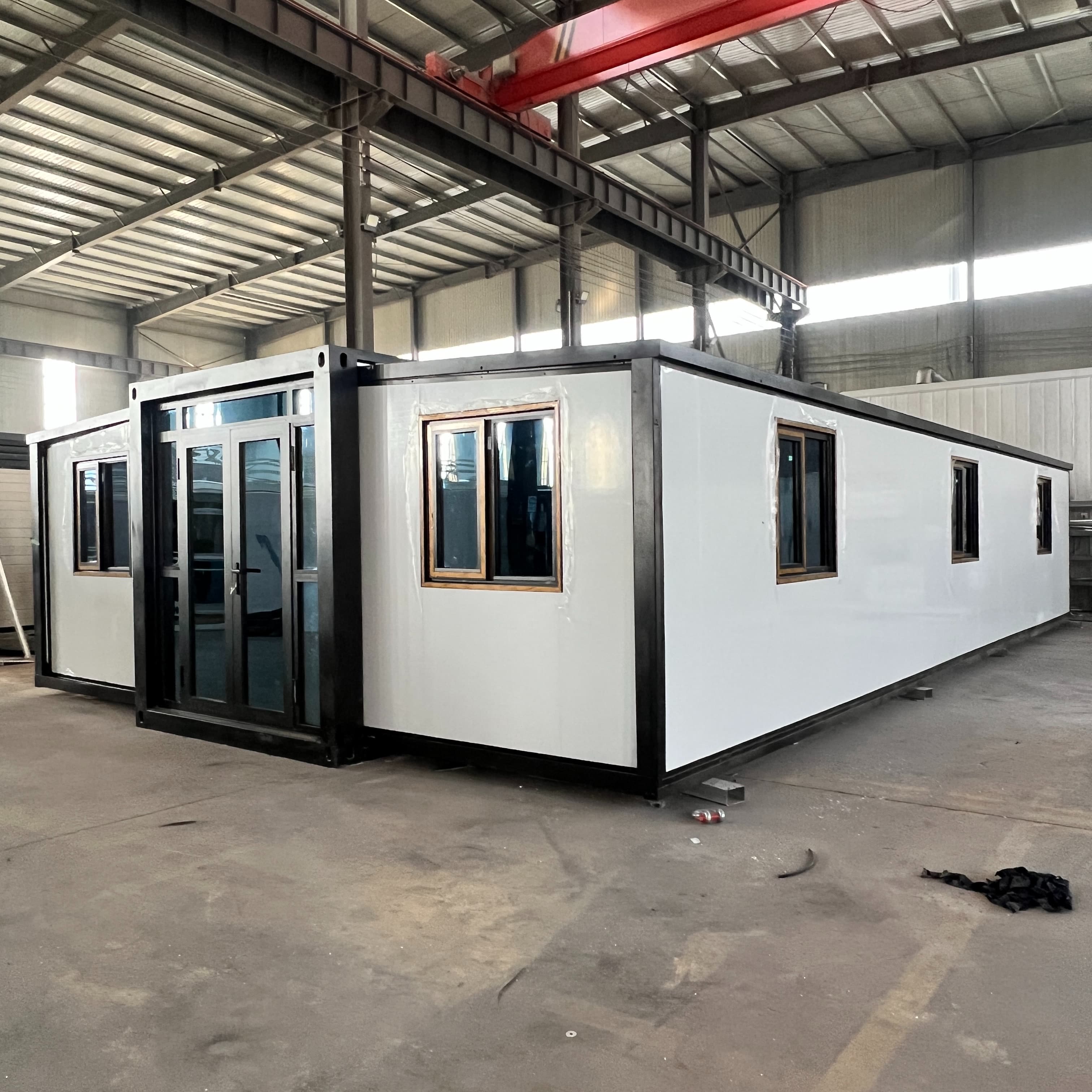
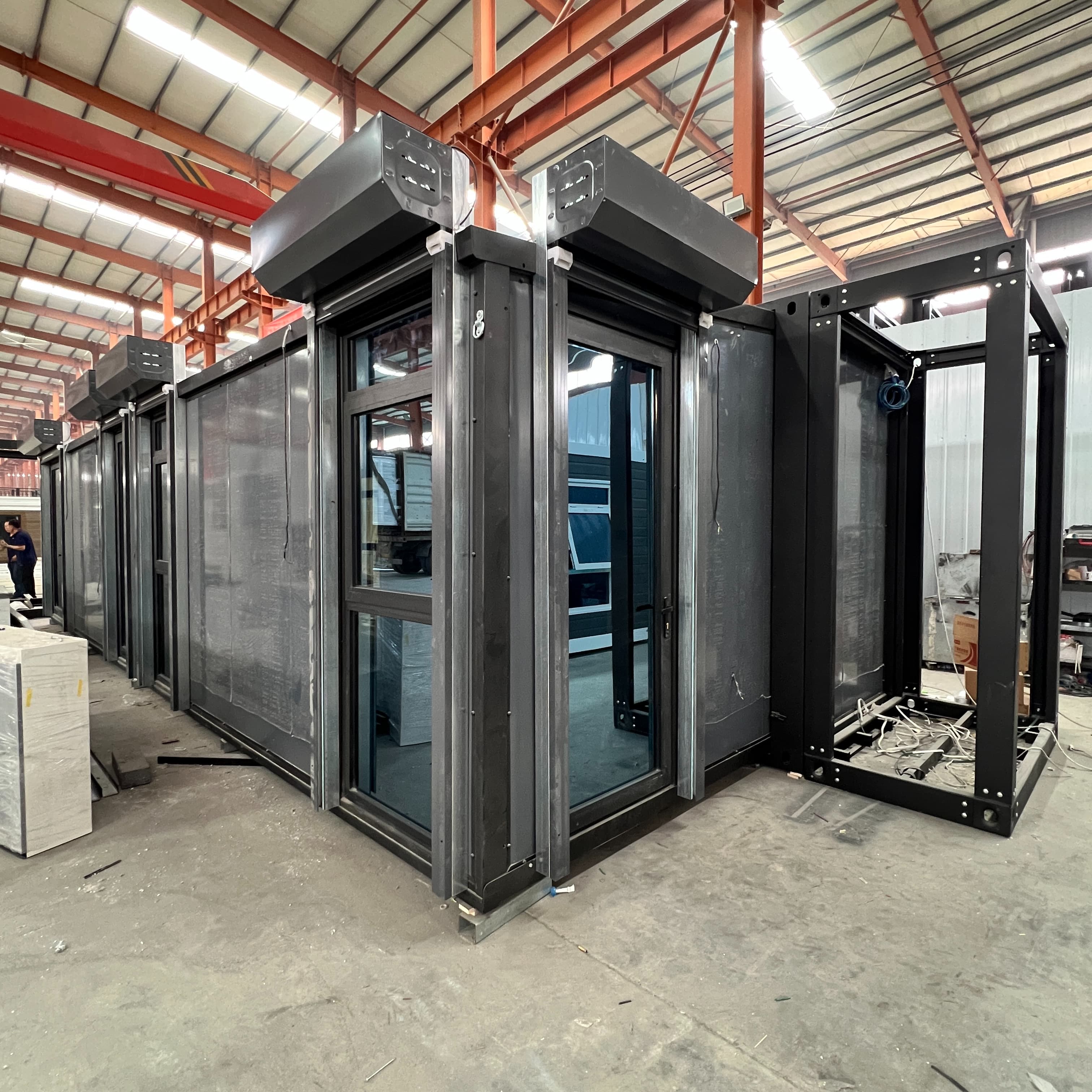
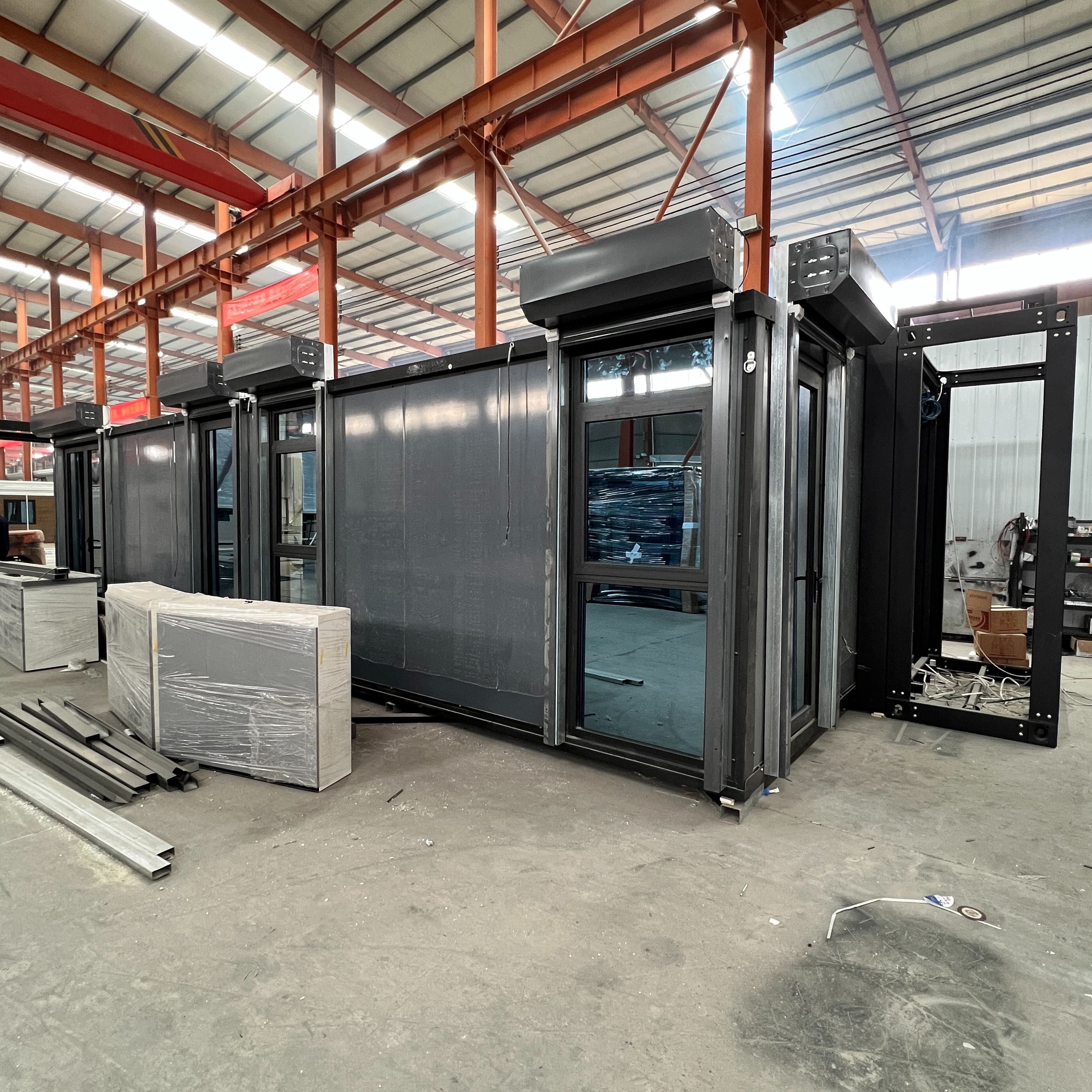
Unlike conventional container homes, this revolutionary design features collapsible “wings” on both sides that unfold like origami, dramatically expanding usable floor space. When folded for transport, it maintains standard container dimensions for easy relocation. Once deployed, these wings extend to create a spacious living area that rivals traditional construction in comfort and functionality. The design comes in two primary configurations: the double-wing model for maximum space expansion and the single-wing version for more compact applications, both available with pitched or flat roof options to suit different architectural preferences and climatic conditions.
Visual Showcase: Design Innovation in Action
To truly appreciate this architectural marvel, let’s explore its design through stunning photographs that highlight its versatility and aesthetic appeal:
Double-Wing Flat-Top Exterior
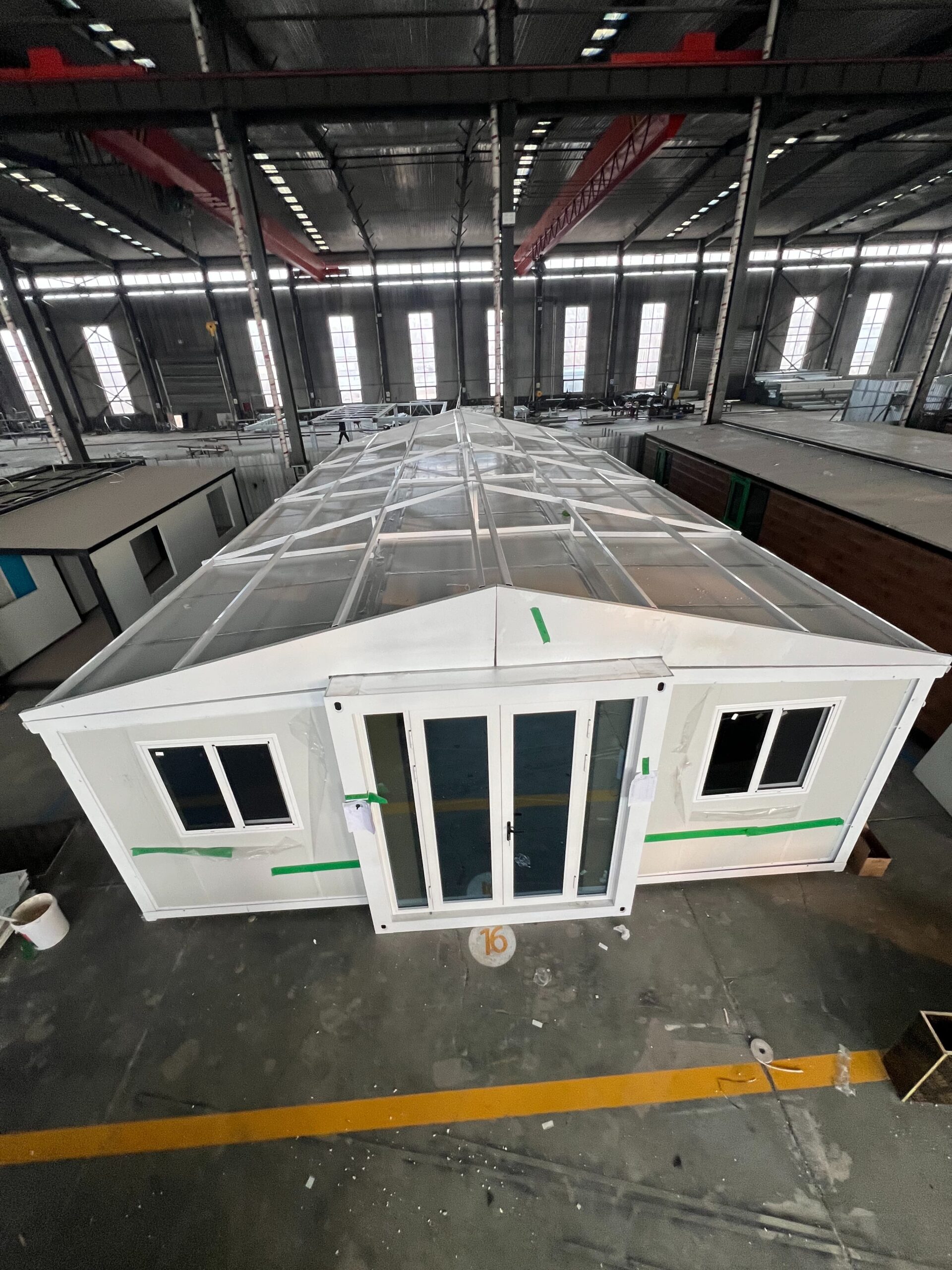
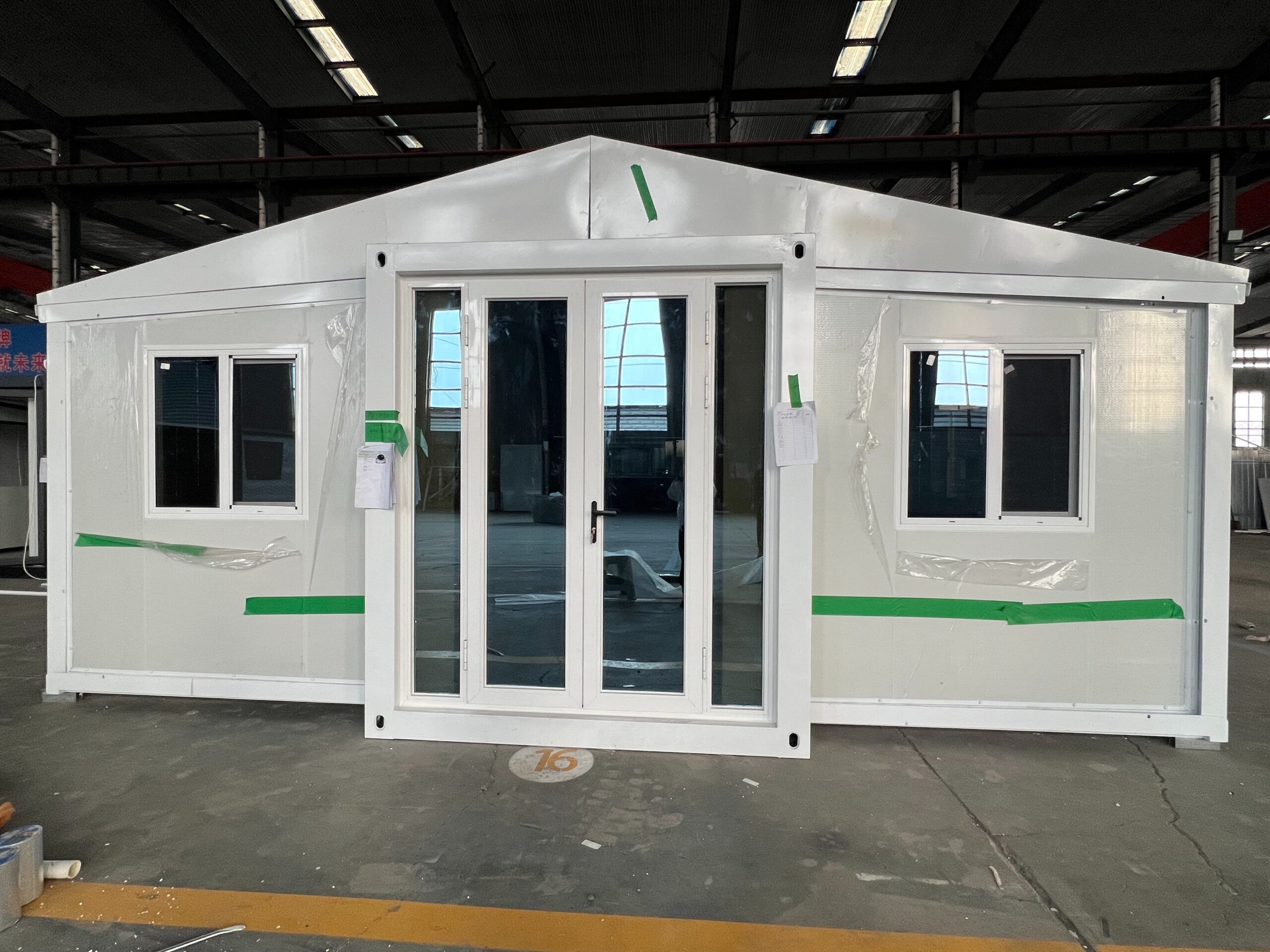
Double-Wing Pitched Roof Design
Single-Wing Configuration
Interior Living Spaces
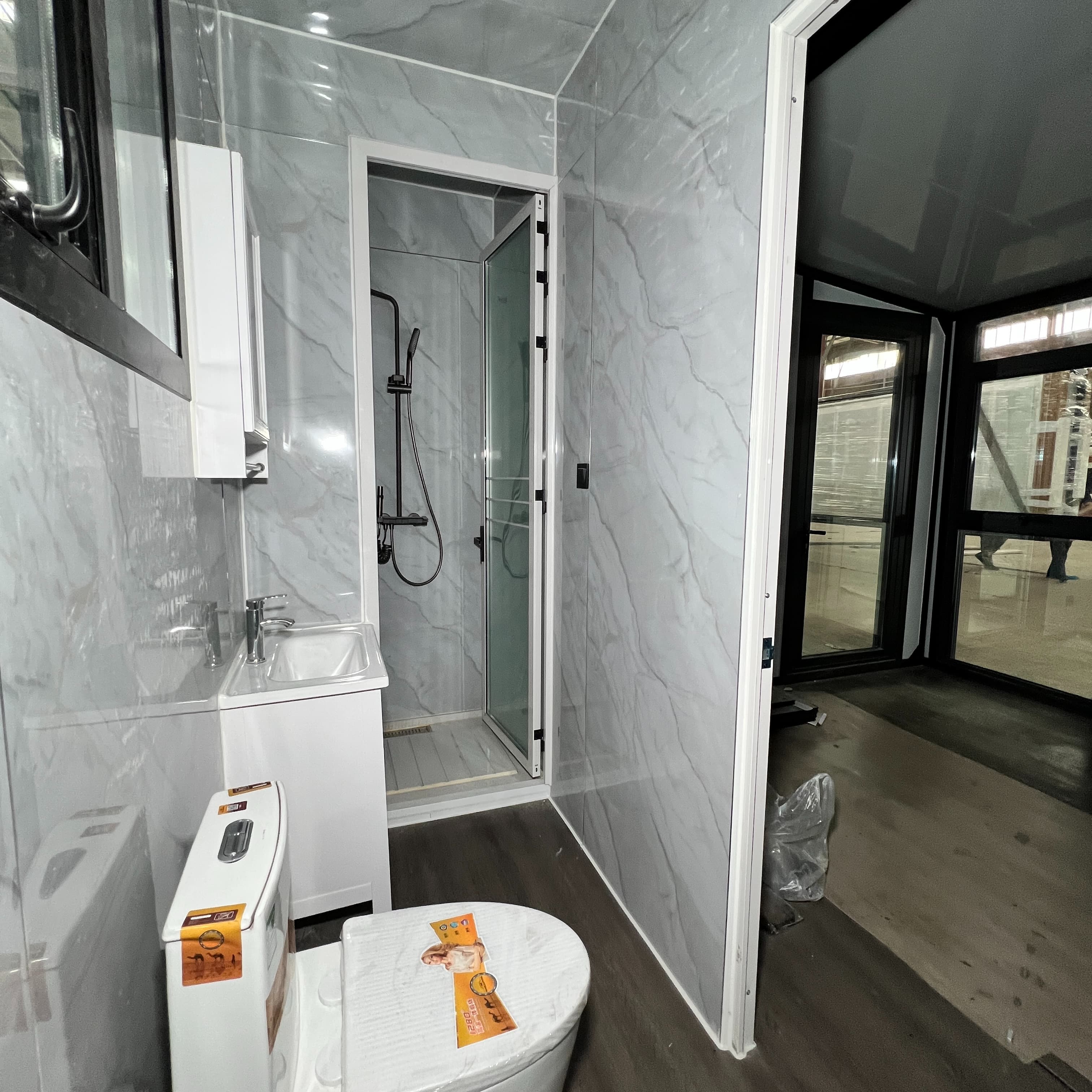
Kitchen and Bathroom Design
Engineering Excellence: Core Technical Specifications
The brilliance of this container house lies in its meticulous engineering and thoughtful design. Here’s a detailed breakdown of its technical features:
Structural Innovation
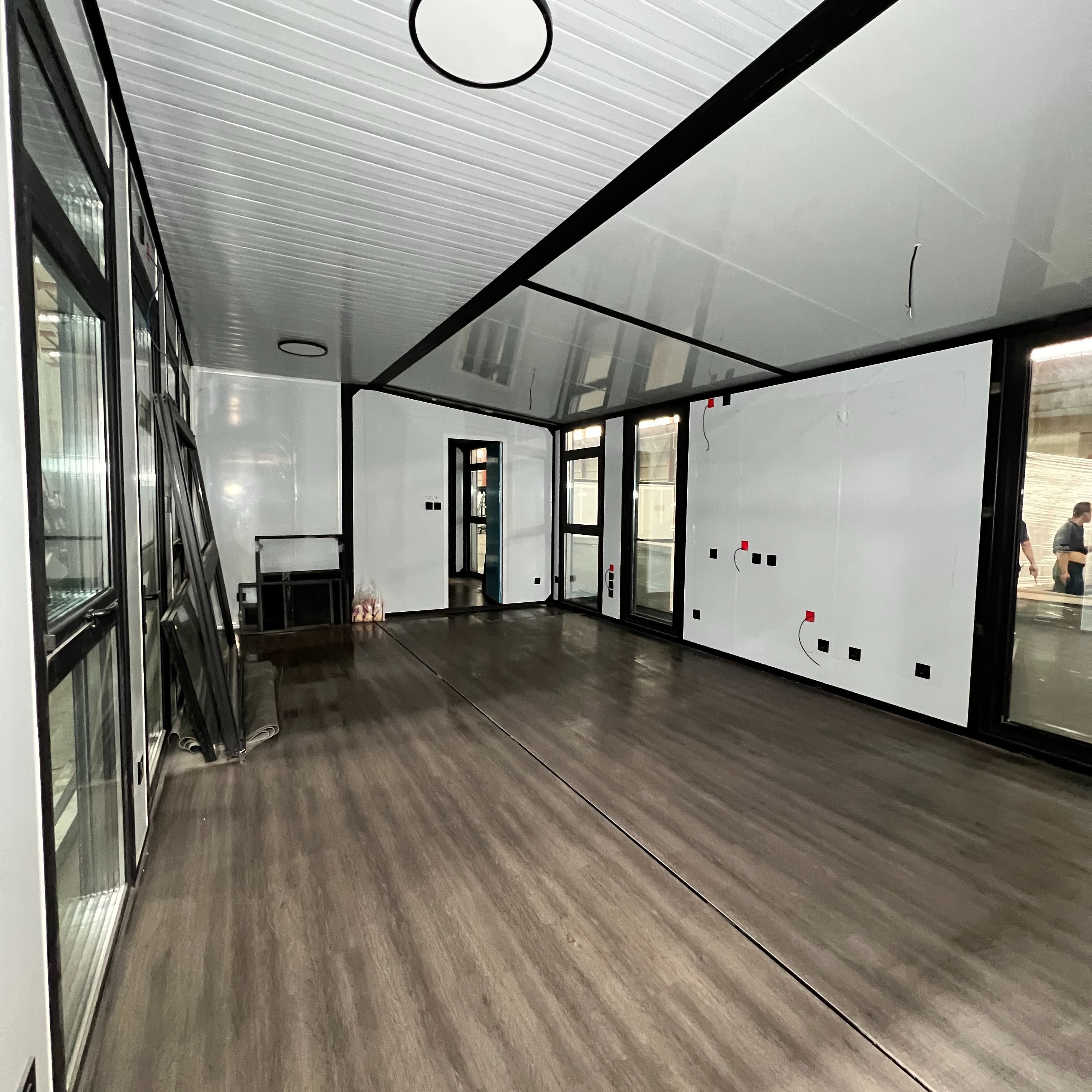
The double-wing system employs a sophisticated mechanical folding mechanism that allows the container to expand from a compact transport unit to a spacious dwelling. When folded, the unit measures 11,800mm (length) × 2,200mm (width) × 2,480mm (height), conforming to standard shipping container dimensions for effortless transport via truck, ship, or rail. Upon deployment, the wings extend outward, creating an impressive footprint of 11,800mm × 6,240mm while maintaining a comfortable interior height of 2,200mm. This transformation increases usable floor space by 70-80%, effectively doubling the living area.
Material Science and Durability
Constructed with a lightweight yet robust galvanized steel frame, this container house is engineered for longevity and resilience. The frame undergoes hot-dip galvanization treatment, providing exceptional corrosion resistance – crucial for withstanding Australia’s diverse climates, from the salty coastal air of the Gold Coast to the arid conditions of the Kimberley region.
The wall panels utilize advanced composite materials:
– Core: High-density polyurethane or rock wool insulation (thickness: 75-100mm)
– Exterior: Color-coated steel sheets with weather-resistant finishes
– Interior: Eco-friendly fiberboard or decorative laminates
Premium models incorporate carbon fiber composite elements for enhanced strength-to-weight ratio, while all materials are selected for low environmental impact and recyclability.
Weatherproofing Performance
One of the most impressive aspects of this design is its superior weatherproofing system:
– Seamless sealing technology at all expansion joints
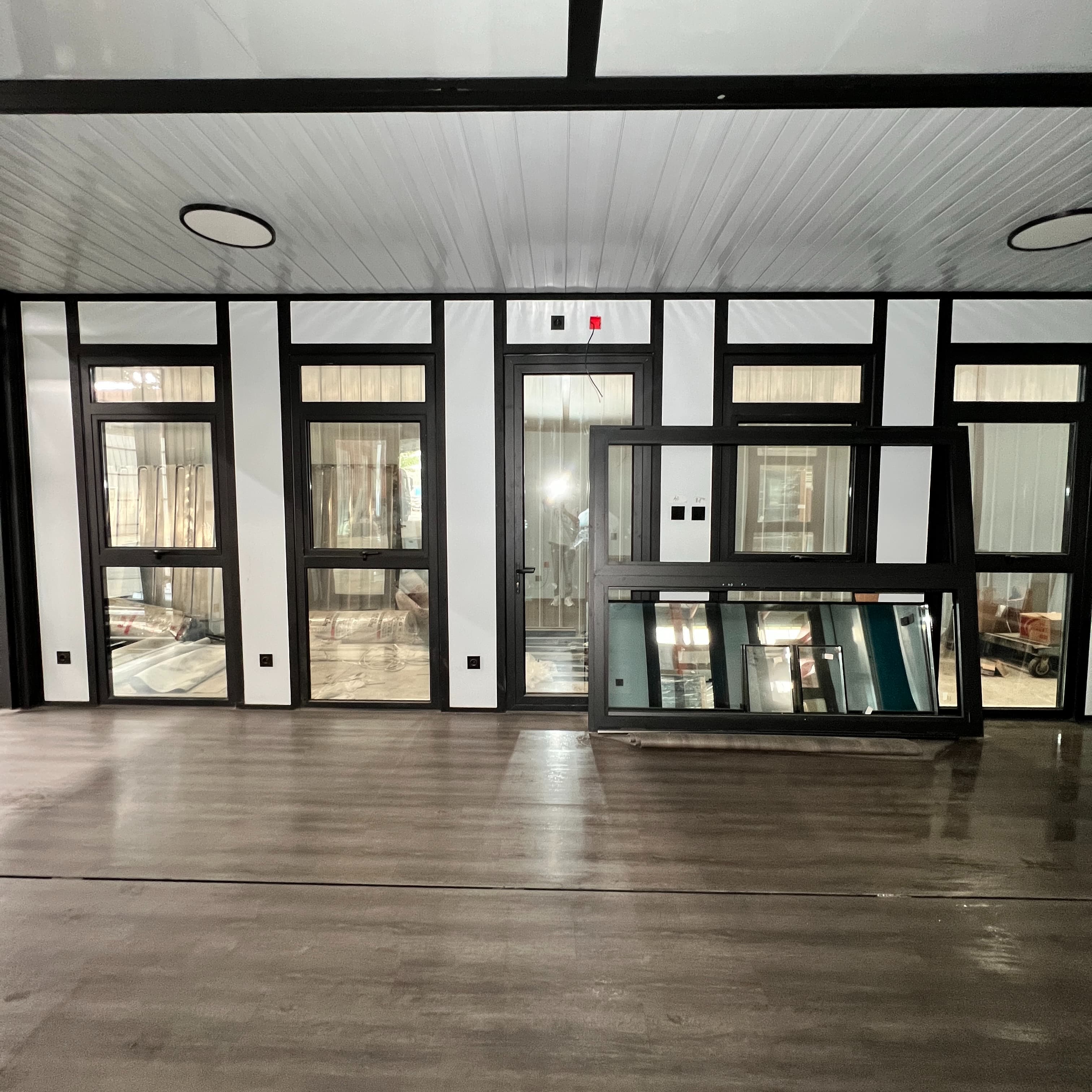
– Thermally broken aluminum alloy windows with double-glazed Low-E glass
– Integrated gutter system for efficient rainwater management
– Wind-resistant design certified to withstand 10-12 grade winds (equivalent to 89-118 km/h)
– Seismic resistance up to magnitude 8.0 earthquakes
Unmatched Advantages: Why This Container House Stands Out
1. Revolutionary Deployment Speed
Traditional construction in remote Australian locations can take months, but this container house redefines speed:
– Factory completion: 85-95% of construction occurs in controlled factory conditions
– On-site installation: Single unit deployment in under 6 hours
– Complex configurations: Multi-unit combinations completed in 1-3 days
– No foundation requirements: Can be installed on leveled ground, concrete piers, or adjustable screw piles
This rapid deployment capability makes it ideal for remote mining operations in Western Australia’s Pilbara region, emergency housing after cyclones in Northern Queensland, or luxury retreats in Tasmania’s wilderness areas.
2. Unparalleled Mobility and Adaptability
The container’s modular design offers extraordinary flexibility:
– Fully relocatable: Can be disassembled, transported, and reinstalled multiple times
– Terrain versatility: Suitable for slopes, rocky ground, sandy beaches, or forested areas
– Expandable configuration: Units can be linked horizontally or stacked vertically
– Temporary or permanent use: Engineered for both short-term projects and decades-long occupancy
This adaptability was recently demonstrated when a series of these units were transported to the remote Daintree Rainforest for eco-tourism accommodations, causing minimal environmental disruption during installation.
3. Exceptional Energy Efficiency
Designed with Australia’s harsh climate in mind, the container incorporates advanced thermal management:
– Superior insulation: R-value exceeding 3.5 m²K/W (walls) and 5.0 m²K/W (roof)
– Passive cooling: Strategic window placement for cross-ventilation
– Renewable energy integration: Pre-wired for solar panels with battery storage systems
– Smart HVAC compatibility: Optimized for high-efficiency split systems
– Water conservation: Greywater recycling systems and rainwater harvesting options
These features significantly reduce energy consumption, with documented cases showing 40-60% lower heating/cooling costs compared to conventional buildings of similar size.
4. Economic Advantages
The financial benefits make this solution increasingly popular across Australia:
– Cost savings: 30-40% lower than traditional construction
– Speed-to-market: 60-70% faster occupancy timeline
– Minimal maintenance: Galvanized steel and quality materials reduce upkeep
– Asset portability: Investment moves with the owner
– Tax advantages: Potential depreciation benefits for commercial applications
5. Customization Possibilities
Unlike standard container conversions, this system offers extensive personalization:
– Exterior finishes: Wood grain, stone textures, bold colors, or corten steel look
– Layout options: Studio, one-bedroom, two-bedroom, or open-plan configurations
– Interior design: Modern minimalist, rustic industrial, or luxury resort aesthetics
– Functional additions: Decks, awnings, green roofs, or integrated storage
– Smart home integration: Automated lighting, security, and climate control
Transformative Applications Across Sectors
1. Residential Solutions
For Australian homeowners seeking alternative housing options:
– Primary residences in rural or peri-urban areas
– Granny flats or secondary dwellings on existing properties
– Luxury vacation homes in coastal or bush settings
– Affordable housing developments addressing urban sprawl challenges
– Off-grid living solutions for sustainable lifestyle enthusiasts
The container’s adaptability was perfectly showcased in a recent project near Margaret River, Western Australia, where a cluster of these units formed a stunning eco-village that harmonized with the surrounding wine country landscape.
2. Commercial and Hospitality
Business applications are rapidly expanding:
– Boutique accommodations: Glamping sites, eco-resorts, and tourist parks
– Pop-up retail: Temporary shops, cafes, or event spaces
– Remote offices: Construction site facilities, mining camp offices
– Educational facilities: Rural classrooms, training centers, or research stations
– Healthcare: Mobile clinics or temporary hospital wards
A notable example is the container village at the base of Uluru, where these units provide comfortable, culturally sensitive tourist accommodations while minimizing environmental impact in this sacred location.
3. Emergency and Humanitarian
Australia’s susceptibility to natural disasters makes this solution invaluable:
– Rapid-response housing after bushfires, floods, or cyclones
– Mobile medical units for remote communities
– Field hospitals during health crises
– Temporary schools for displaced students
– Worker accommodation during disaster recovery operations
During the 2022-2023 Eastern Australia floods, these units provided critical temporary housing in Queensland’s affected regions, with deployment completed within days of the disaster declaration.
4. Specialized Applications
Unique uses continue to emerge:
– Scientific research stations in Antarctica or remote outback locations
– Film production base camps
– Mobile art galleries or cultural centers
– Agricultural worker housing on remote stations
– Defense force accommodations in training areas
Practical Considerations for Potential Owners
While the benefits are substantial, prospective owners should consider several factors:
Regulatory Compliance
– Local council approvals vary significantly across Australian states and territories
– Building code compliance (NCC – National Construction Code)
– Land use zoning restrictions
– Transport permits for oversized loads during relocation
– Environmental impact assessments for sensitive locations
Customization Planning
– Early engagement with manufacturers for design optimization
– Budget considerations for premium finishes or specialized features
– Future expansion possibilities
– Integration with existing infrastructure
– Resale value considerations
Site Preparation
– Terrain assessment and leveling requirements
– Utility access (power, water, sewage, internet)
– Environmental protection measures
– Security considerations for remote locations
– Landscape integration for aesthetic harmony
Long-Term Maintenance
– Regular inspection schedule for moving parts and seals
– Corrosion prevention in coastal or industrial environments
– Insulation performance monitoring
– Mechanical system servicing (HVAC, plumbing, electrical)
– Exterior finish maintenance and touch-ups
The Future of Australian Housing: Container Revolution
As Australia grapples with housing affordability, sustainability challenges, and changing lifestyle preferences, innovative solutions like the 40-foot double-wing expansion container represent a significant step forward. These structures embody the perfect marriage of industrial efficiency and residential comfort, offering a viable alternative to traditional construction methods.
The container’s ability to be rapidly deployed, easily relocated, and extensively customized makes it uniquely suited to Australia’s vast geography and diverse climate conditions. From the tropical north to the temperate south, these modular dwellings are proving that sustainable, affordable housing doesn’t have to compromise on style or comfort.
For architects, developers, and individual homeowners alike, this container house design opens exciting possibilities. It demonstrates how creative engineering can transform industrial components into beautiful, functional living spaces that respect both the environment and the occupant’s quality of life.
As we look toward Australia’s housing future, it’s clear that modular, adaptable solutions like this double-wing container will play an increasingly important role in addressing our nation’s unique challenges while providing comfortable, stylish, and sustainable places to call home.