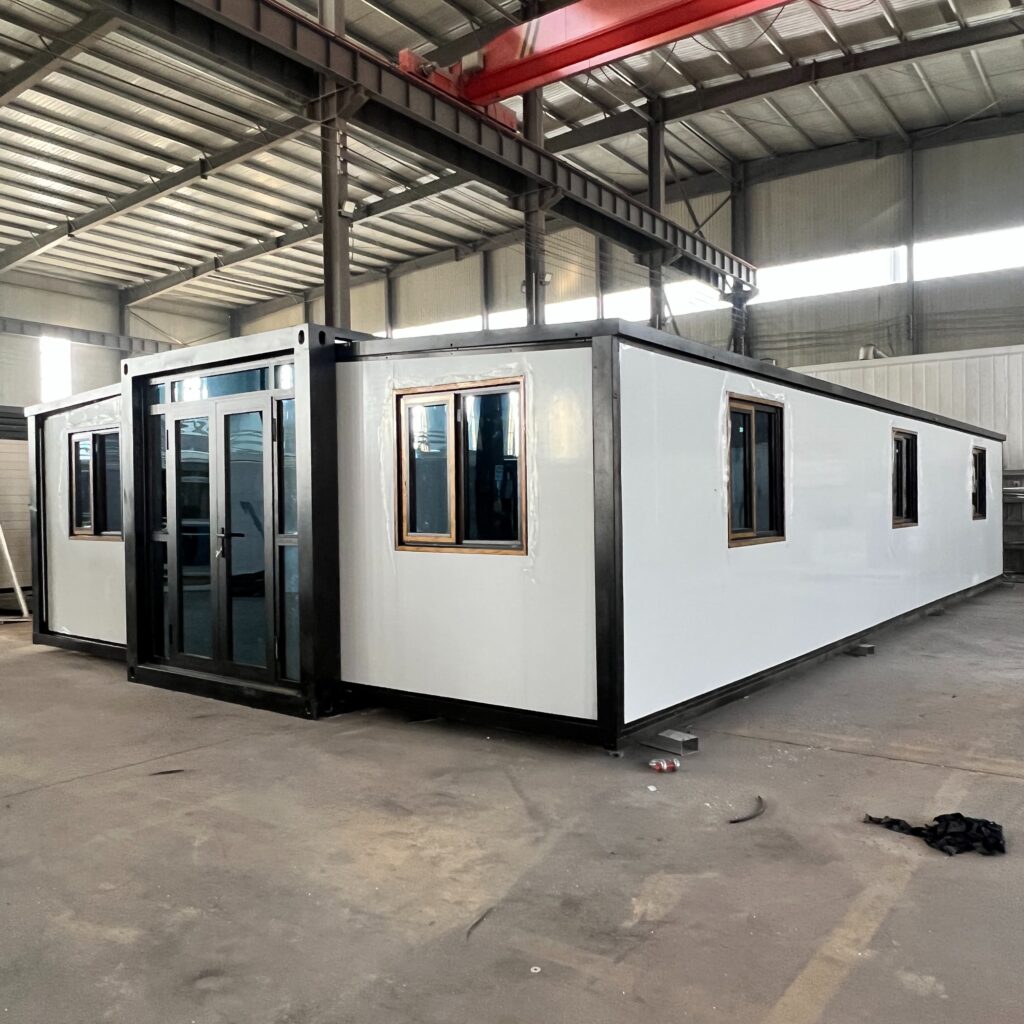
Discover how to build a container house step by step with this comprehensive guide focusing on the innovative 40-foot double-wing expansion room. Learn about modular construction, rapid deployment techniques, and customization options for eco-friendly, mobile living spaces across Australia.
Introduction: The Container Housing Revolution Down Under
Container housing has transformed Australia’s architectural landscape, offering sustainable, cost-effective alternatives to traditional construction. In cities like Sydney and Melbourne, these modular structures are redefining urban living, especially with innovative designs like the 40-foot double-wing expansion room. This guide walks you through building your own container house using cutting-edge expandable technology that combines mobility with spacious living.
Step 1: Planning Your Container House Project
Before construction begins, thorough planning is crucial. Start by defining your purpose—whether it’s a primary residence in Perth, a holiday home in Queensland, or a mobile office in Adelaide. Consider these key factors:
- Local Regulations: Research Australian building codes and council requirements. Container houses often fall under “temporary structures” with simplified permits.
- Site Selection: Choose level ground with good drainage. The beauty of container homes is their adaptability to challenging terrains like Australia’s bushland or coastal areas.
- Design Preferences: Decide between single-wing or double-wing configurations. Double-wing models offer 70-80% more space when unfolded—perfect for family living in spacious Australian suburbs.
Step 2: Selecting Your Container Unit
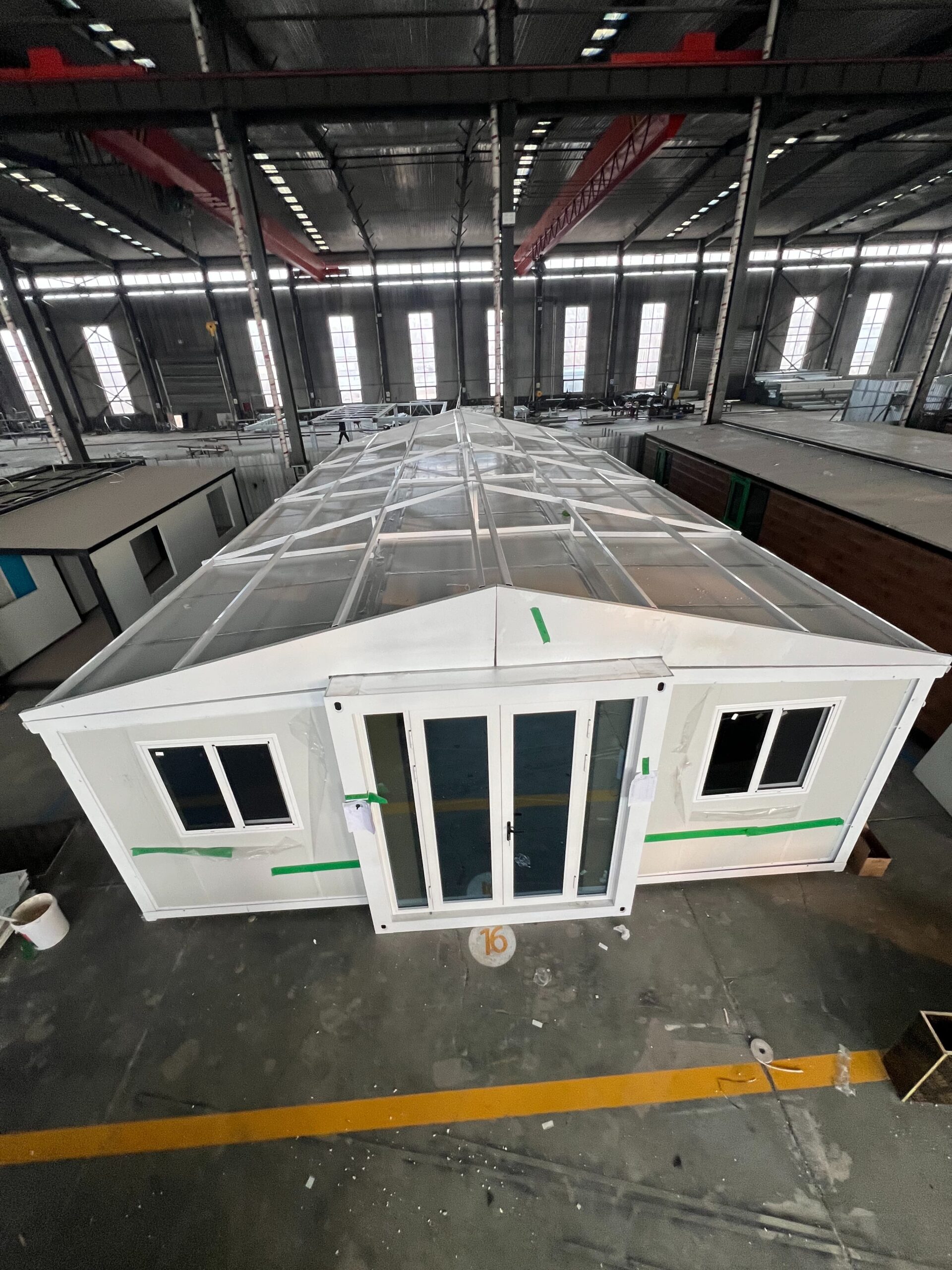
The heart of your project is the container unit itself. For Australian conditions, we recommend the 40-foot double-wing expansion room for its versatility and durability. Here’s why:
Understanding Double-Wing Technology
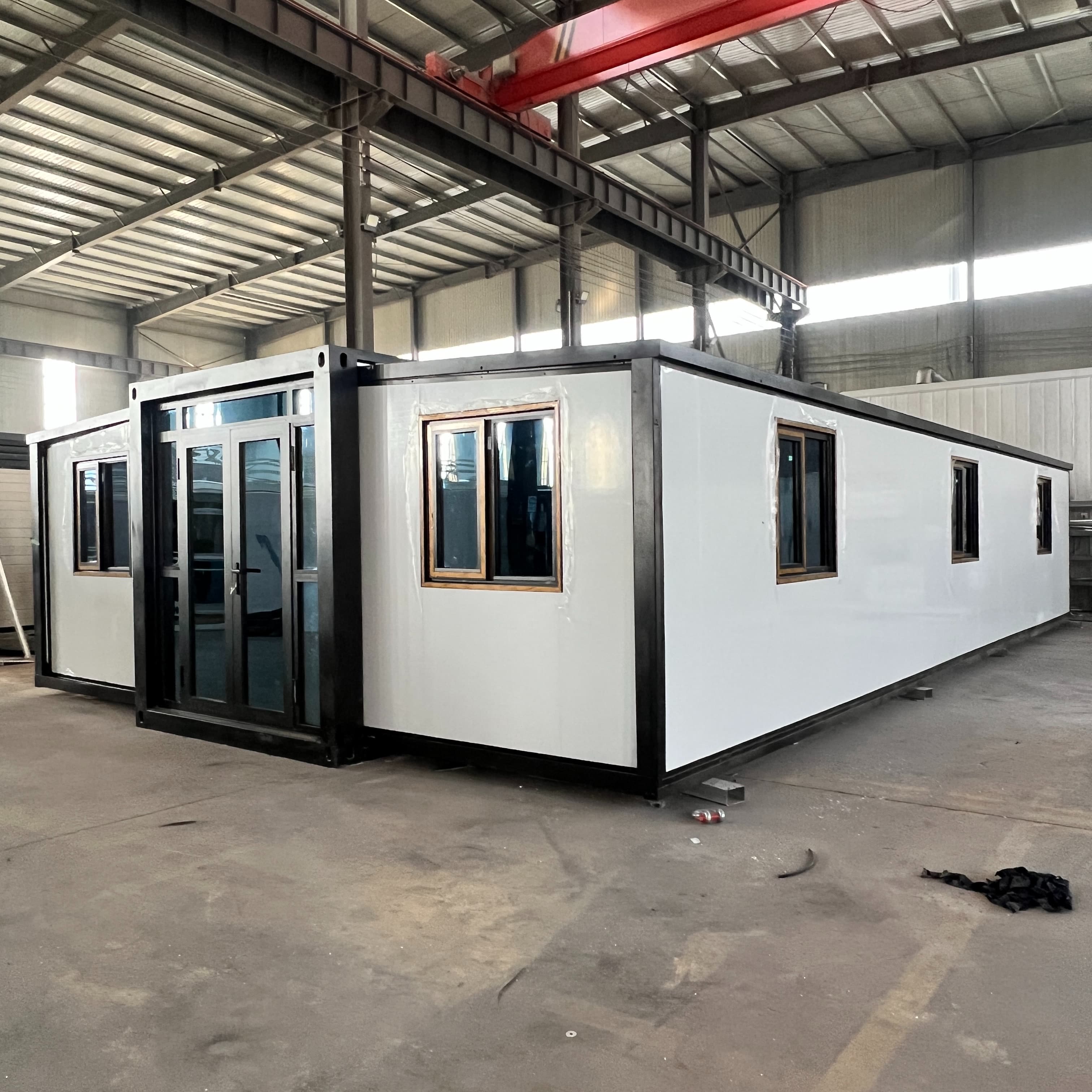
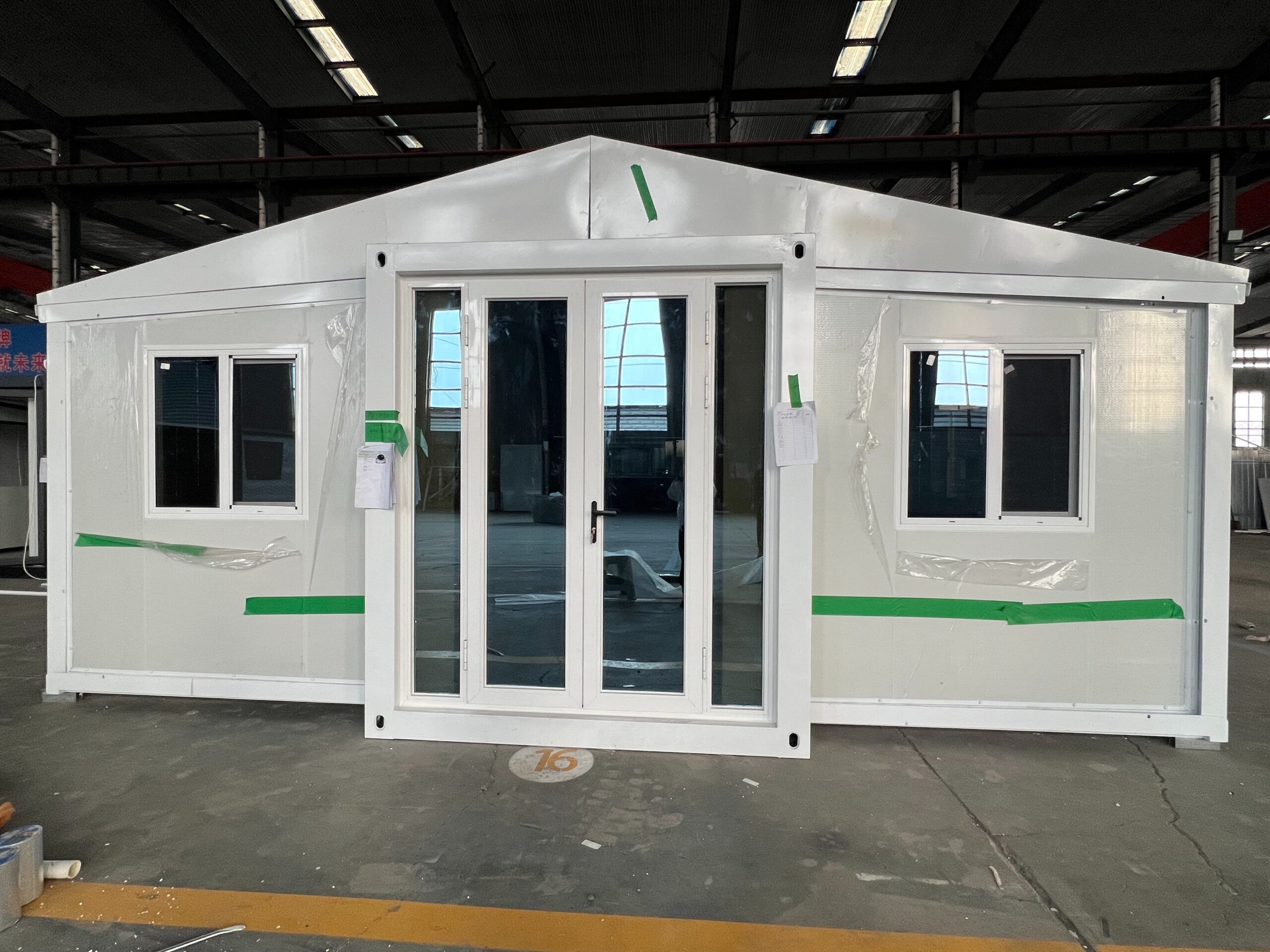
Unlike static containers, double-wing units feature foldable “wings” that expand your living space dramatically. When folded for transport, they maintain standard 40-foot dimensions (11.8m x 2.2m x 2.48m). Once deployed, they unfold to an impressive 11.8m x 6.24m—essentially creating a one-bedroom apartment instantly.
Key Specifications for Australian Use
- Structure: Hot-dip galvanized steel frame resistant to Australia’s harsh coastal corrosion
- Insulation: Polyurethane foam core (R-value 6.5) for energy efficiency in both Darwin’s heat and Tasmania’s cold
- Compliance: Meets Australian Building Code (BCA) requirements for temporary structures
Step 3: Site Preparation and Foundation
One of the biggest advantages of container houses is minimal foundation work. For Australian sites:
- Clear and Level: Remove vegetation and level the ground. In sandy areas like Western Australia, compact the soil thoroughly.
- Install Piers: Use concrete or steel piers every 3 meters. For flood-prone areas in Northern Australia, elevate piers by 600mm.
- Utility Access: Plan routing for water, electricity, and sewage. Many Australian properties use above-ground conduits for easy connection.
Pro Tip: In bushfire-prone areas, install a non-combustible ground skirt around the perimeter as required by Australian standards.
Step 4: Delivery and Placement
Coordinating delivery is critical in Australia’s vast landscapes:
Transportation Logistics
- Road Transport: Folded units travel as standard containers on flatbed trucks. Ensure access roads can accommodate 12m vehicles.
- Remote Placement: For Outback locations, coordinate with specialized heavy haulage companies experienced in remote deliveries.
Positioning the Unit
Using a crane or forklift, position the container onto piers. Double-check these alignments:
- Level within 5mm tolerance using laser levels
- Orientation maximizing natural light (north-facing in Southern Australia)
- Wind direction considerations for expansion wings
Step 5: Unfolding the Double-Wing System
This is where the magic happens! The expansion process typically takes 2-3 hours with basic tools:
Deployment Sequence
- Release Locks: Undo transport locks securing the wings.
- Initial Expansion: Manually pull out wings halfway. For larger units, use mechanical assists.
- Final Positioning: Fully extend wings until automatic latches engage with an audible click.
- Floor Deployment: Lower integrated floor panels between wings to create seamless living space.
Safety Considerations
Always follow manufacturer guidelines. In windy Australian conditions, secure wings temporarily during deployment if gusts exceed 30km/h.
Step 6: Interior Setup and Customization
With 85% of factory pre-completion, interior work focuses on personalization:
Layout Options
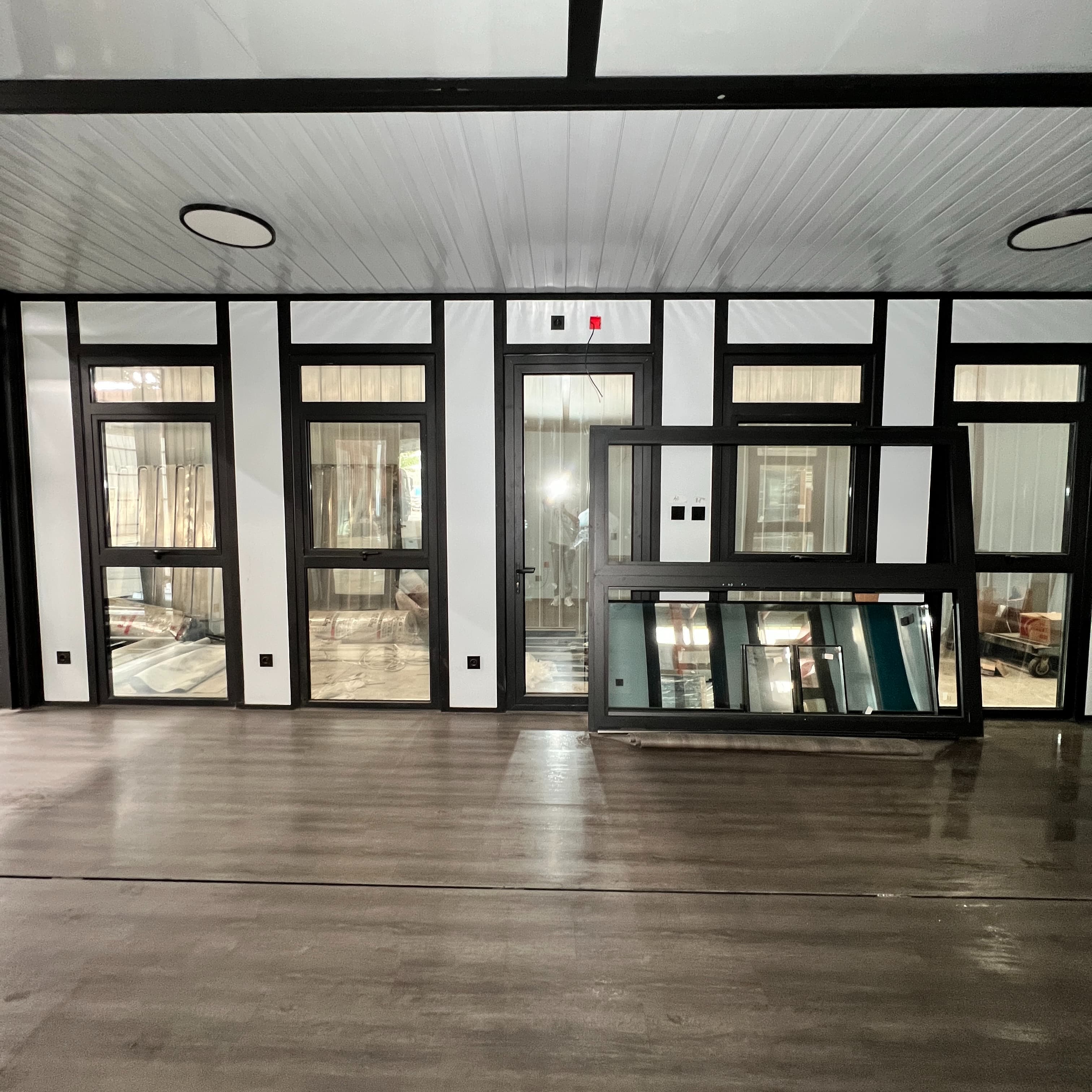
The expanded space (11.54m x 6.08m interior) allows flexible configurations:
- Open-Plan Living: Popular for Australian indoor-outdoor lifestyles
- Partitioned Rooms: Add lightweight walls to create bedrooms or offices
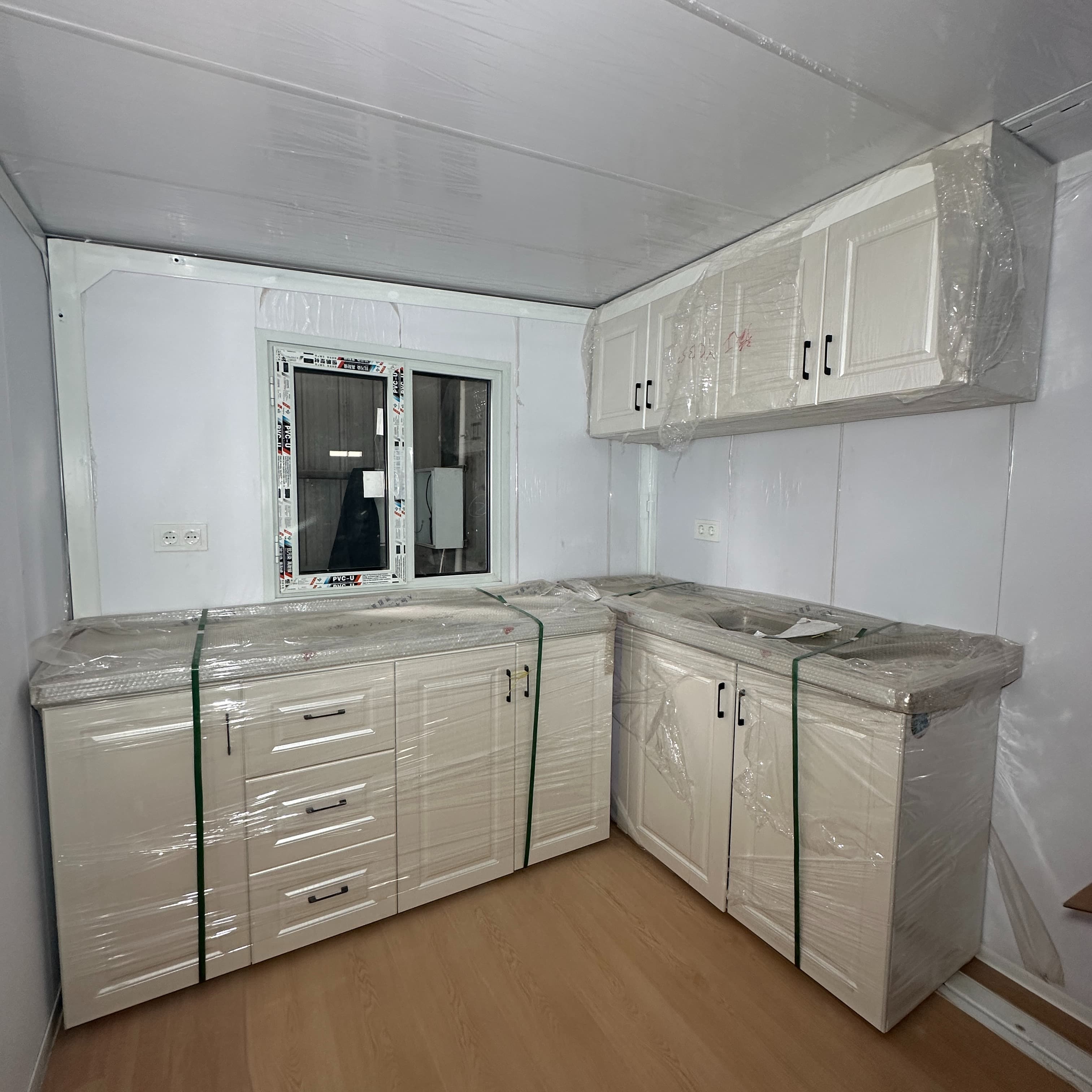
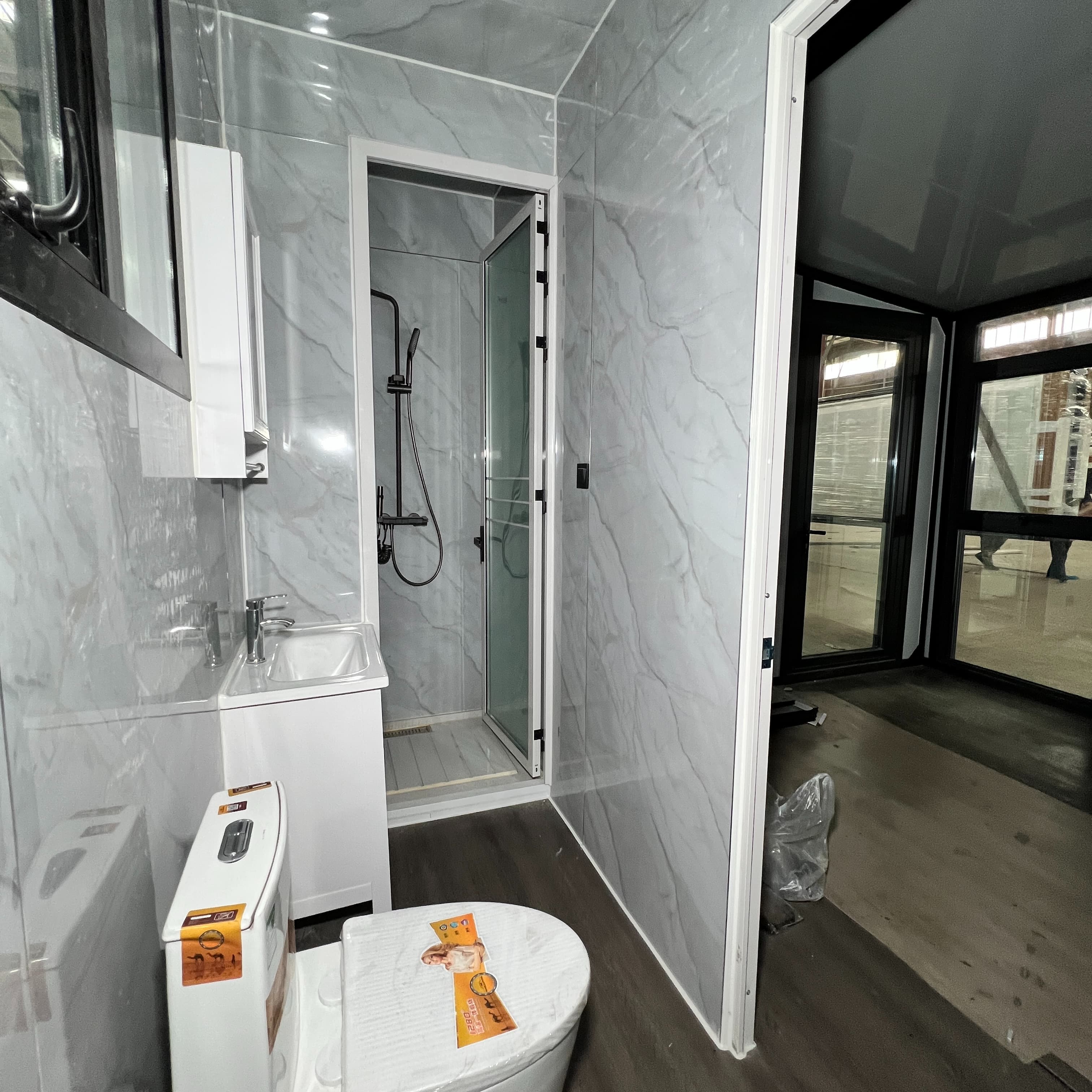
Kitchen and Bathroom Installation
Factory-built modules simply need connection:
- Kitchen: Slide-in units with integrated appliances (oven, cooktop, sink)
- Bathroom: Pod-style units with shower, toilet, and vanity
Step 7: Utilities and Systems Connection
Connecting services is streamlined with factory-prepared conduits:
Electrical Systems
- Standard: 240V Australian wiring with RCD safety switches
- Renewable Options: Pre-wired for solar panel integration—ideal for off-grid Australian properties
Plumbing
- Water: Connect to mains or rainwater tanks (common in rural Australia)
- Waste: Greywater systems for garden irrigation in drought-prone areas
HVAC Integration
Pre-installed ducts accommodate:
- Reverse-cycle air conditioners (essential for Australian climates)
- Evaporative cooling in arid regions
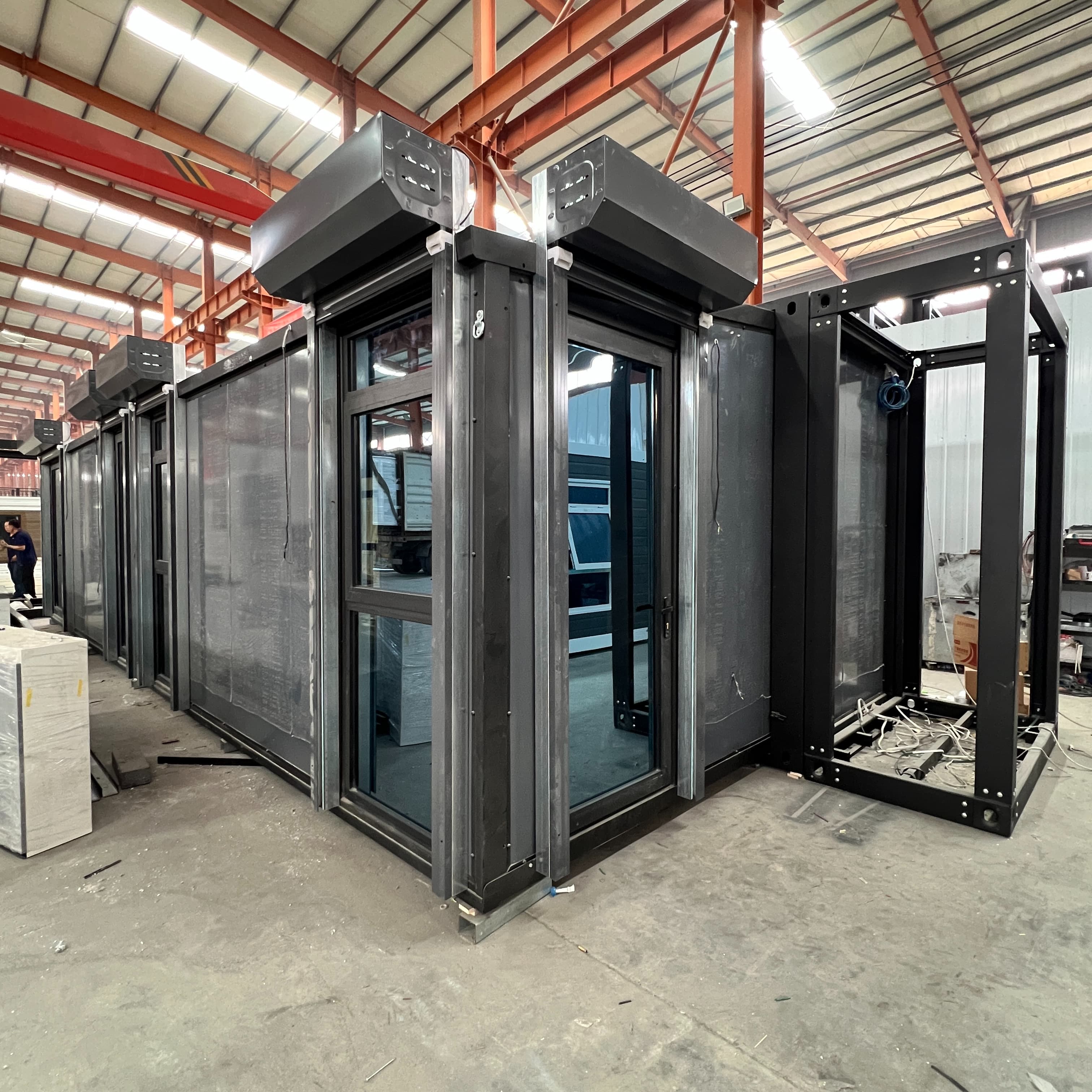
Step 8: Exterior Finishing and Weatherproofing
Protect your investment from Australia’s extreme weather:
Cladding Options
- Colorbond Steel: Australian standard for durability and termite resistance
- Timber Look: Composite cladding for aesthetic appeal without maintenance
Sealing and Insulation
Apply silicone sealants to all expansion joints. In cyclonic areas like Queensland, add reinforced weather stripping to wings.
Advantages of Double-Wing Container Houses in Australia
Rapid Deployment
From delivery to move-in ready in just 3 days—compared to months for traditional construction. Perfect for Australia’s urgent housing needs in mining towns or disaster recovery.
Cost Efficiency
Save 30-40% compared to conventional buildings. In expensive markets like Sydney, this makes homeownership accessible.
Environmental Benefits
- 90% recyclable materials
- Reduced construction waste
- Excellent thermal performance lowers energy bills
Mobility and Flexibility
Easily relocate as your needs change—ideal for Australia’s transient workforce or holiday property owners.
Applications Across Australia
Residential Uses
- Primary homes in regional areas
- Granny flats in urban backyards
- Holiday homes in coastal communities like Byron Bay
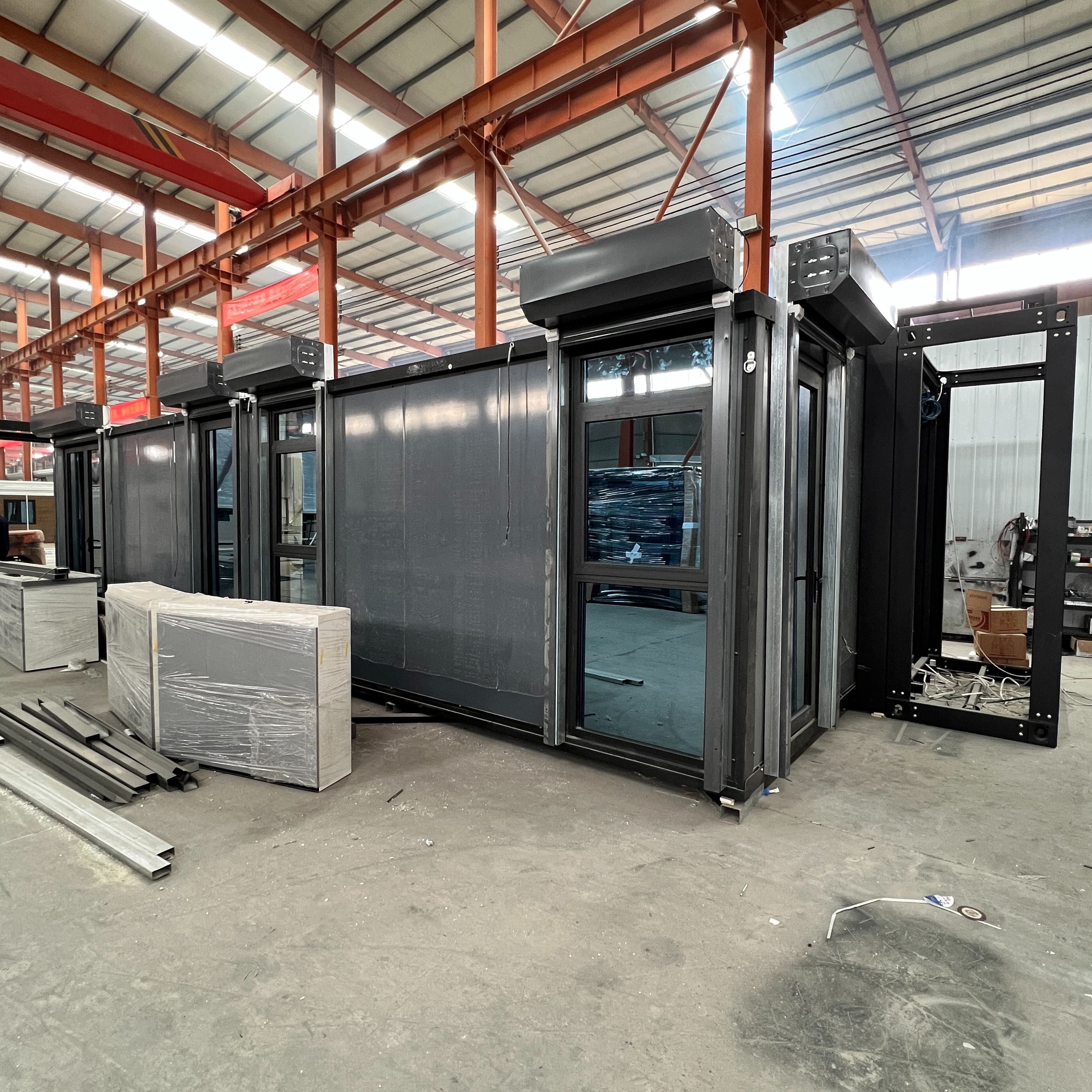
Commercial Applications
- Tourism: Glamping accommodations in the Outback
- Retail: Pop-up shops in Melbourne’s laneways
- Construction: Site offices in mining operations
Emergency Response
Rapid deployment for bushfire recovery housing or flood relief—critical in Australia’s disaster-prone regions.
Maintenance and Longevity
Regular Upkeep
- Inspect wing mechanisms annually
- Repaint every 5-7 years in coastal areas
- Check seals after extreme weather events
Durability Features
Hot-dip galvanized steel frames ensure 20-30 year lifespans even in Australia’s corrosive environments.
Conclusion: Building Your Australian Container Dream Home
Building a container house with double-wing expansion technology offers unmatched speed, flexibility, and sustainability for Australian living. Whether you’re in bustling Brisbane, remote Alice Springs, or coastal Fremantle, these modular structures adapt to your lifestyle while respecting the unique Australian environment. With proper planning and execution, you’ll create a durable, comfortable home that’s ready for whatever Australia throws at it.
Ready to start your container house journey? Contact Australian modular housing specialists to explore double-wing configurations tailored to your needs.