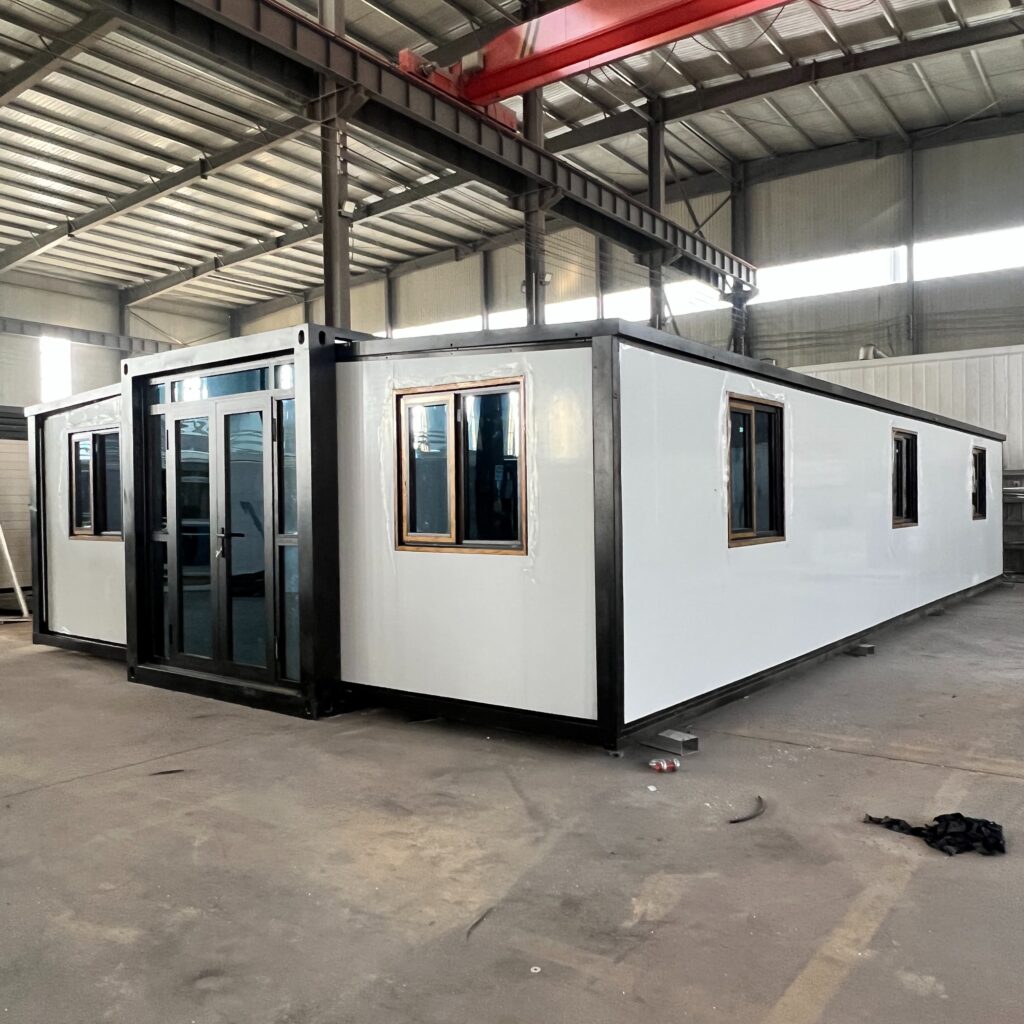
Discover how this innovative expandable container home combines rapid deployment, sustainable design, and versatile functionality for modern living in Australia’s urban landscapes and beyond. From Sydney’s suburbs to remote outback stations, explore why this double-wing structure is becoming the preferred choice for eco-conscious homeowners, businesses, and emergency responders.
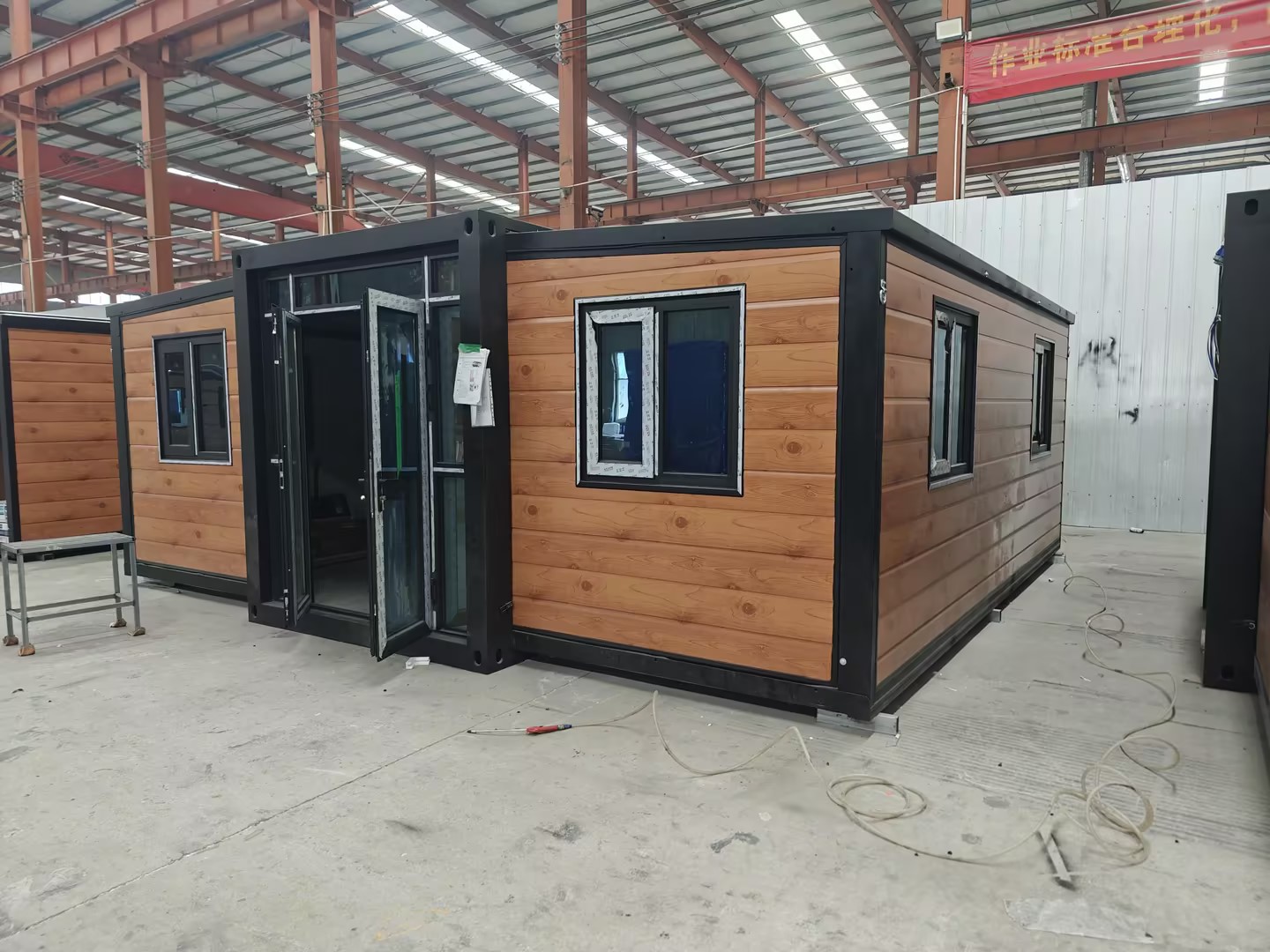
In the dynamic housing markets of Sydney, Australia, where space efficiency meets environmental responsibility, a groundbreaking solution is emerging: the 20-foot customized double-wing expansion room. This architectural marvel transforms traditional container housing into a versatile, sustainable, and rapidly deployable living space that adapts to diverse Australian landscapes—from coastal beaches in Bondi to rural communities in the Blue Mountains. As urban density increases and housing affordability becomes critical, this innovative structure offers a compelling alternative that balances functionality, aesthetics, and ecological consciousness.
The Evolution of Container Housing: Beyond Basic Shelters
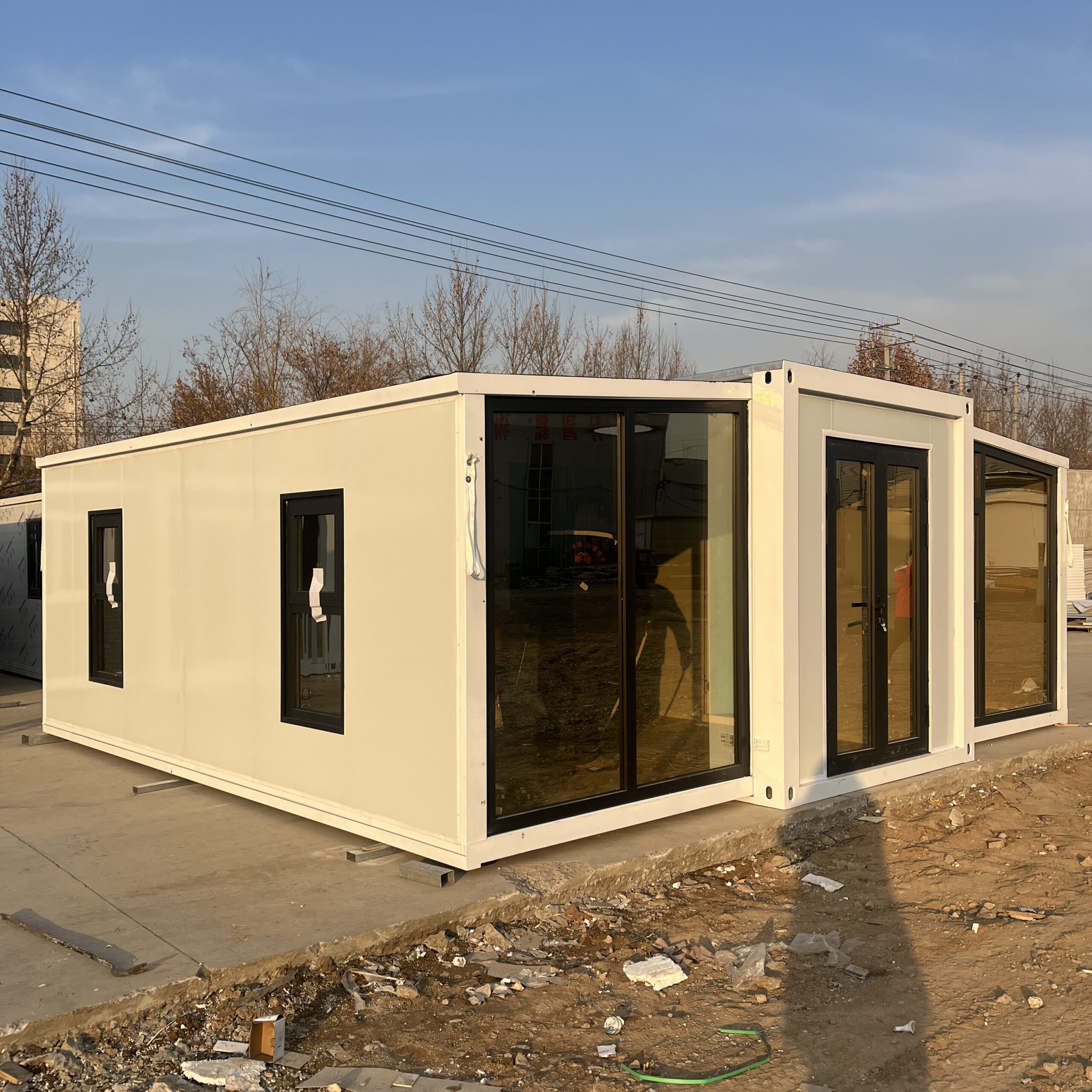
Container housing has evolved dramatically since its inception as temporary site offices. Today’s models, particularly this advanced double-wing design, represent a sophisticated fusion of engineering and architectural innovation. Unlike conventional containers, this structure features lateral “wings” that expand outward, effectively doubling the usable space while maintaining transportability. For Australian homeowners in areas like Newcastle or Wollongong, this means achieving spacious living without the lengthy construction timelines typical of traditional builds.
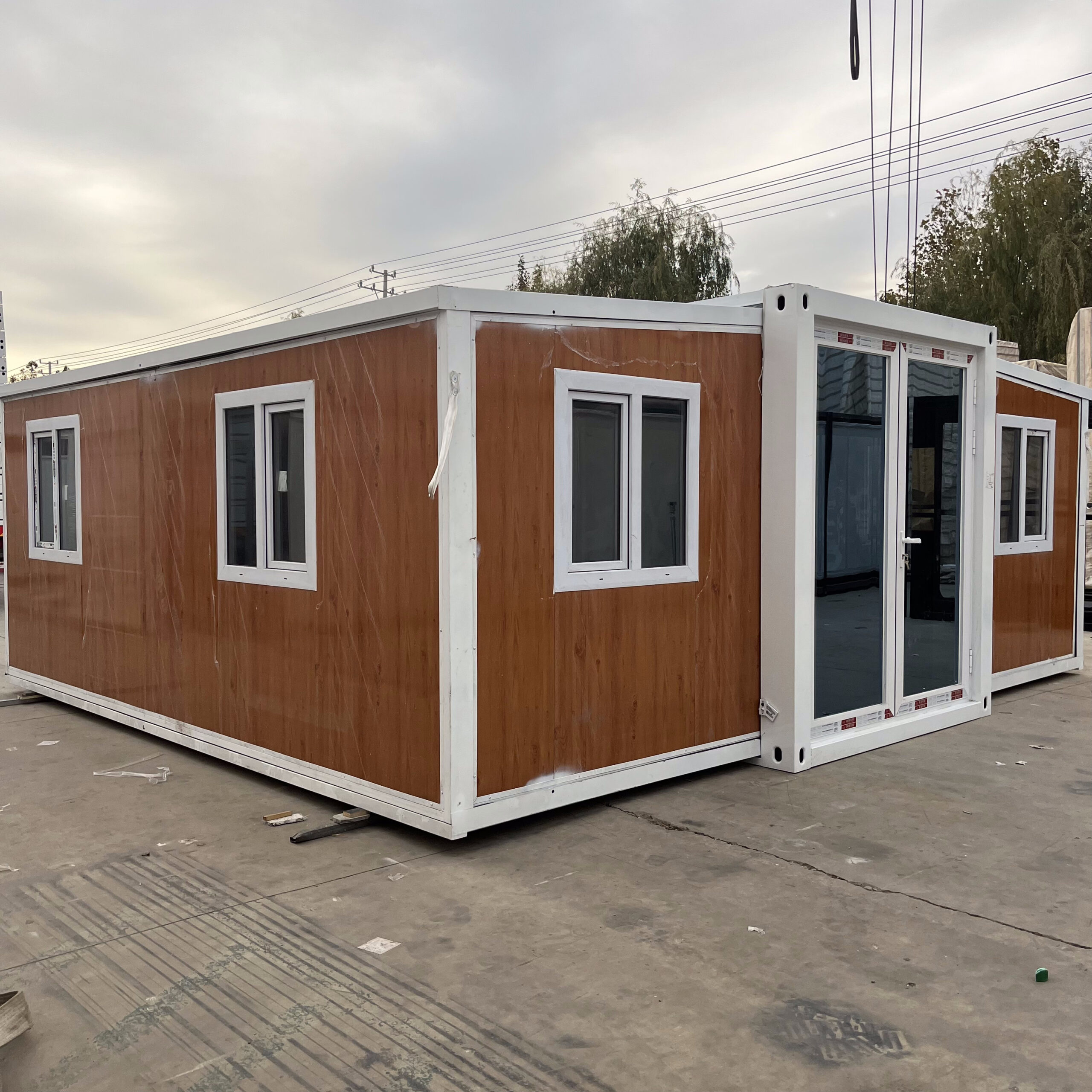
The design philosophy centers on transformative space utilization. When folded for transport, the unit maintains standard 20-foot container dimensions (2200×5900×2480mm), complying with Australian road transport regulations. Upon arrival at its destination—whether a suburban property in Perth or a vineyard in Adelaide’s wine region—the wings unfold to create an expansive 6340×5900×2480mm living area. This metamorphosis from compact module to generous dwelling occurs in minutes, not months, addressing Australia’s urgent need for rapid housing solutions in both urban centers and remote communities.
Engineering Excellence: Core Features That Define Modern Living
1. Revolutionary Structural Design
The backbone of this double-wing system is its advanced steel framework. Utilizing hot-dip galvanized steel or carbon fiber composites, the structure offers exceptional durability against Australia’s diverse climate conditions—from cyclonic winds in Queensland to saline corrosion in coastal areas like Fremantle. The wing mechanism employs precision-engineered hinges and locking systems that ensure stability during deployment and operation, creating a seamless transition between transport and living modes.
Your browser does not support the video tag.
As demonstrated in the deployment video, the transformation process is remarkably efficient—taking less time than brewing a cup of coffee. This rapid deployment capability makes it invaluable for emergency housing scenarios, such as bushfire recovery efforts in Victoria or flood responses in New South Wales, where immediate shelter is critical.
2. Sustainable Materials and Craftsmanship
Australian environmental standards demand sustainable building practices, and this expansion room exceeds expectations. The walls incorporate high-performance insulation materials like polyurethane or rock wool, achieving thermal resistance values that significantly reduce energy consumption for heating and cooling—a crucial advantage in Australia’s extreme temperature variations. The exterior panels feature seamless integration techniques that eliminate thermal bridging, while interior surfaces use low-VOC (Volatile Organic Compound) materials to ensure healthy indoor air quality.
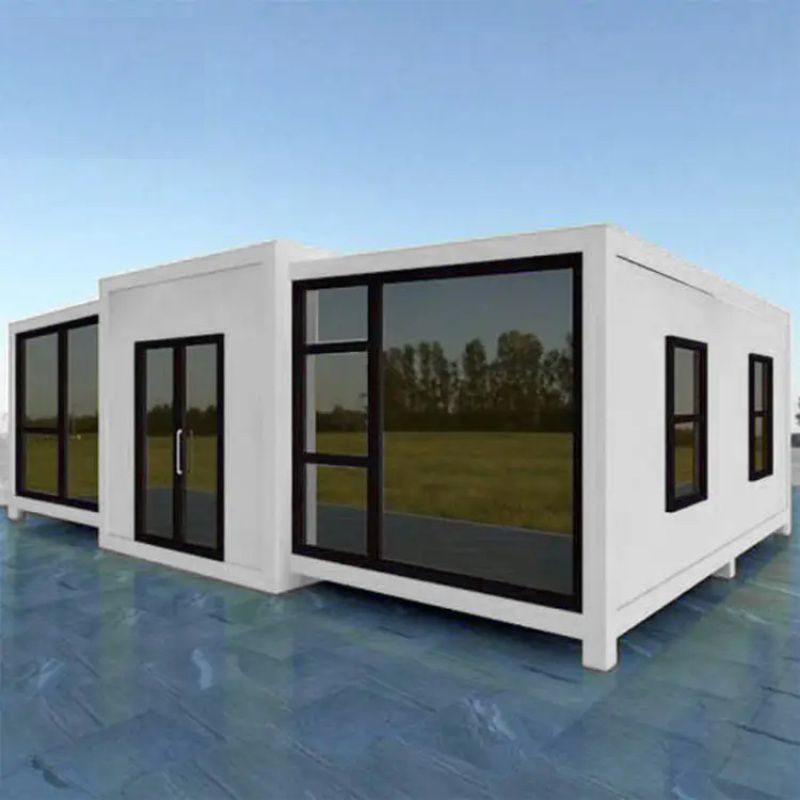
Water management receives particular attention in the design. The roofing system incorporates advanced drainage channels, and all window and door assemblies use double-glazed, low-E (emissivity) glass with thermally broken aluminum frames. These features collectively provide superior waterproofing—essential for Australia’s tropical northern regions with intense monsoon seasons and temperate southern areas with persistent rainfall.
3. Intelligent Functional Configuration
What truly distinguishes this double-wing model is its plug-and-ready functionality. Unlike traditional construction requiring months of finishing work, this unit arrives with 85% of components pre-installed at the factory. Electrical wiring, plumbing systems, kitchen fixtures, and bathroom modules are integrated during manufacturing, reducing on-site work to simple utility connections. For homeowners in Melbourne’s bustling suburbs or businesses in Canberra’s commercial districts, this translates to move-in readiness within days of delivery.
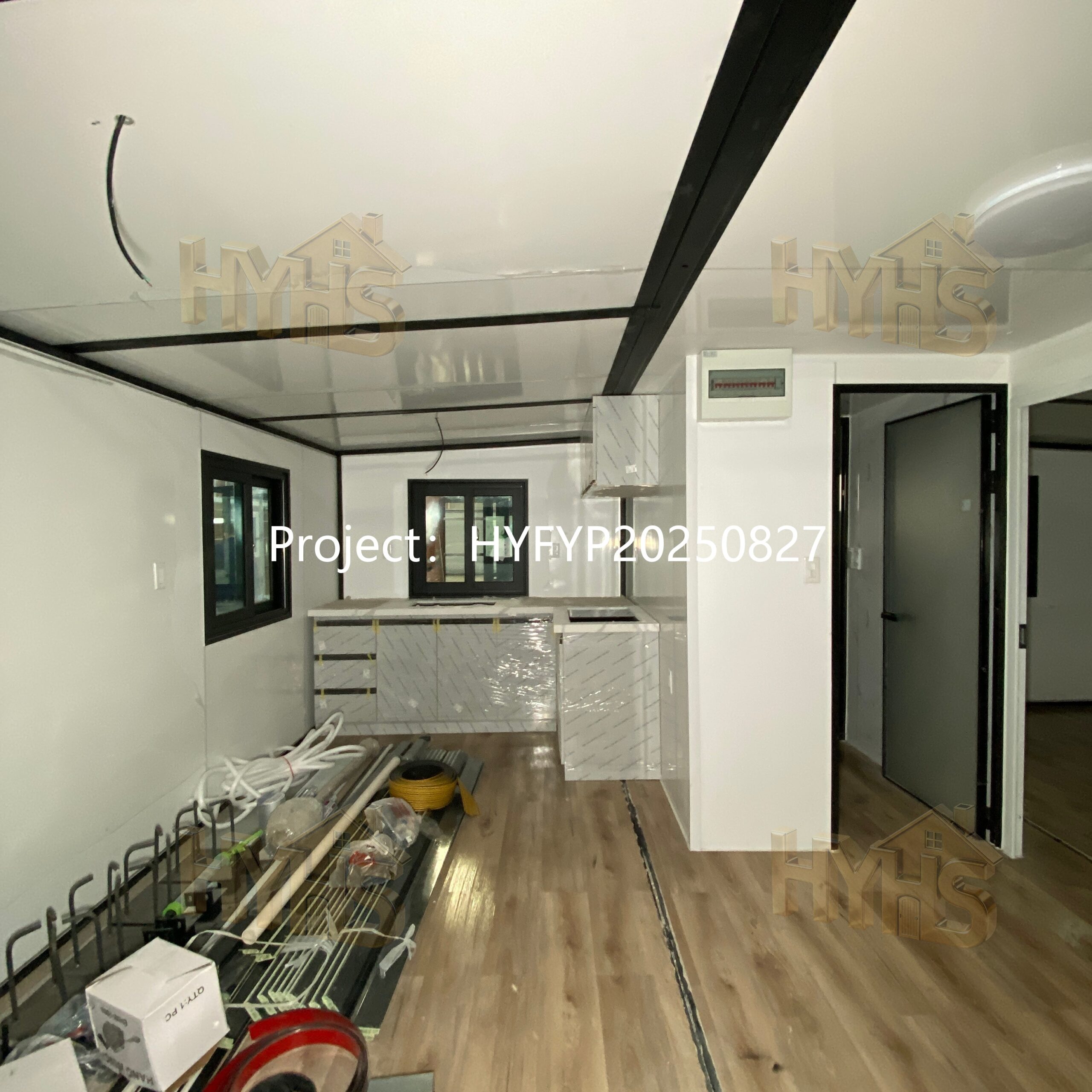
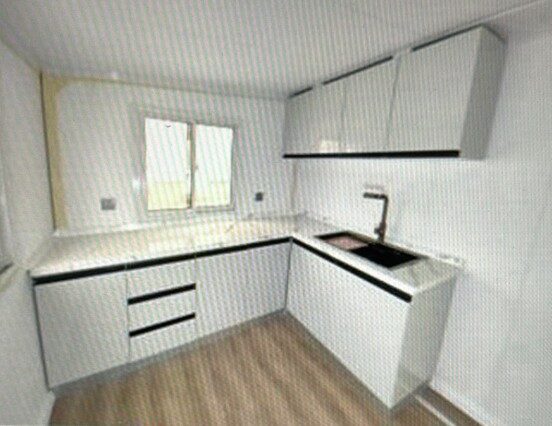
The interior layout maximizes space efficiency through intelligent design. Column-free construction allows for flexible furniture arrangements, while the wing expansion creates distinct zones for living, dining, and sleeping areas. The kitchen module (shown below) features modern appliances, ample storage, and durable surfaces designed for Australian lifestyles—from compact urban efficiency to robust rural functionality.
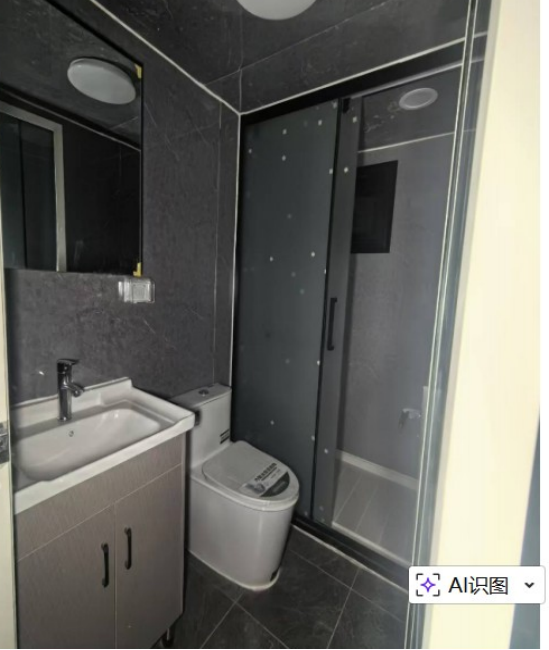
Similarly, the bathroom module (pictured below) incorporates water-saving fixtures, durable finishes, and efficient space planning that rivals permanent structures. These pre-fabricated wet areas eliminate common construction challenges while ensuring consistent quality across all installations.
Transformative Benefits: Why Australians Are Choosing Double-Wing Expansion Rooms
1. Unmatched Deployment Speed
In Australia’s fast-paced development landscape, time equals money. Traditional construction projects face delays from weather, labor shortages, and regulatory approvals—often stretching timelines to 6-12 months. This double-wing solution compresses that timeline dramatically: factory production occurs concurrently with site preparation, and final installation requires only hours for a single unit or days for multi-unit configurations. For Sydney property developers facing housing shortages or Darwin businesses needing rapid commercial space, this acceleration transforms project viability.
The deployment process exemplifies efficiency: after site preparation (typically minimal due to the unit’s adaptable foundation requirements), the container is positioned using standard lifting equipment. Within minutes, the wings extend and lock into place, followed by utility connections. By day’s end, the structure is ready for occupancy—a stark contrast to conventional building methods.
2. Unparalleled Mobility and Adaptability
Australia’s vast geography and diverse landscapes demand housing solutions that can relocate as needs change. This double-wing unit excels in mobility: its compact folded form allows standard road transport throughout Australia, from urban centers to remote mining camps in Western Australia’s Pilbara region. When site requirements change—whether for business expansion, family growth, or seasonal relocations—the entire structure can be disassembled, transported, and reinstalled with minimal disruption.
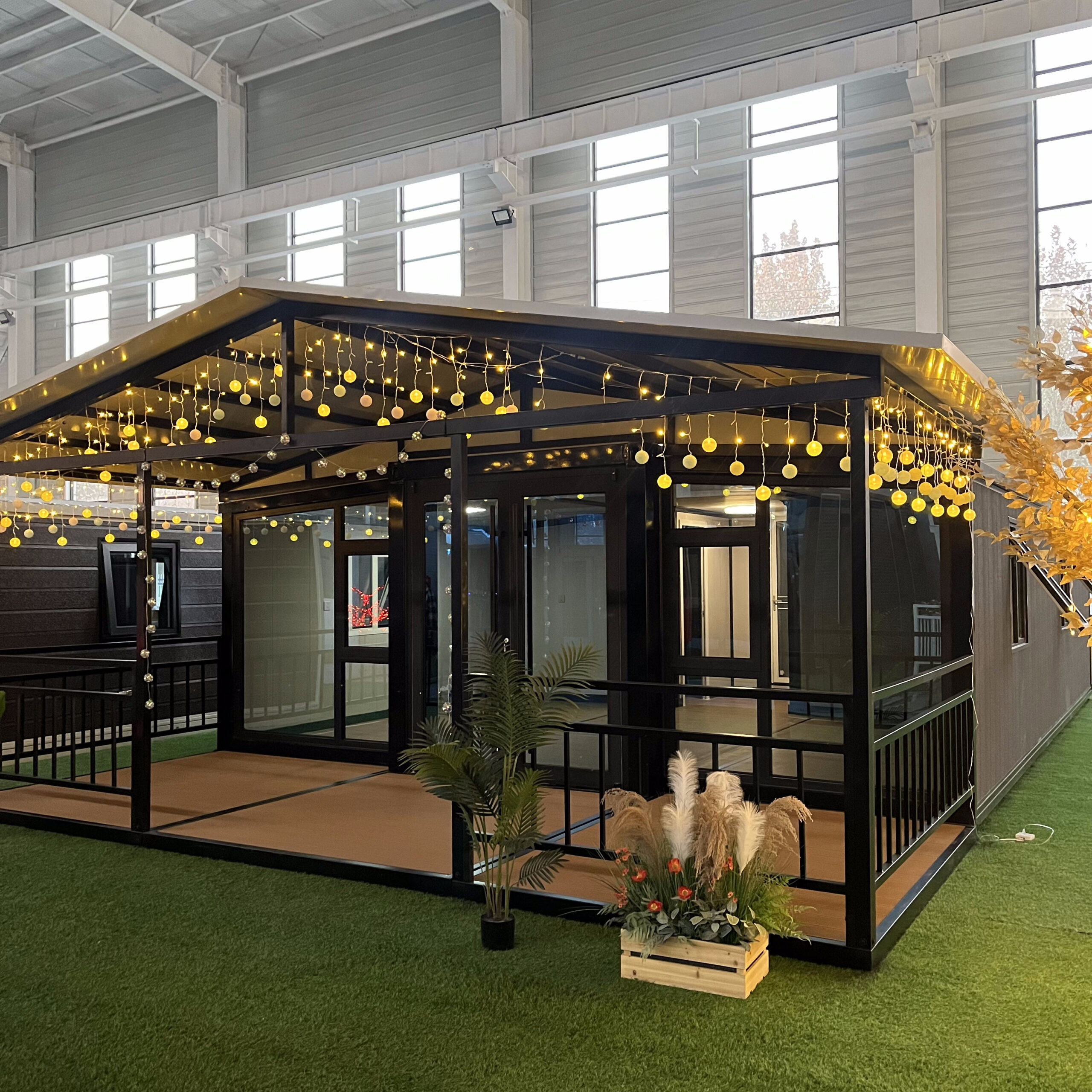
Environmental adaptability is equally impressive. The units perform reliably on challenging terrains—sloping hillsides in Tasmania’s wilderness, sandy soils in Queensland’s coastal areas, or rocky outcrops in South Australia’s Flinders Ranges. This versatility makes them ideal for Australia’s tourism operators establishing eco-lodges in Kakadu National Park or agricultural businesses needing worker accommodations in the Murray-Darling Basin.
3. Sustainable Living Meets Economic Efficiency
Australia’s commitment to carbon reduction makes sustainable building practices essential. This double-wing structure addresses environmental concerns through multiple features: high-performance insulation reduces energy consumption by up to 40% compared to conventional buildings; solar panel integration supports off-grid capability; and material recycling minimizes construction waste. For environmentally conscious homeowners in Byron Bay or sustainable businesses in Adelaide, these features align perfectly with green building certifications like Australia’s NatHERS (Nationwide House Energy Rating Scheme).
Economically, the advantages are equally compelling. Construction costs typically run 30-40% below traditional builds due to factory efficiency and reduced on-site labor. Maintenance expenses remain low through durable materials and modular component design—individual sections can be replaced without reconstructing entire walls. For Australian investors, this translates to faster return on investment whether used as rental properties, commercial spaces, or disaster relief housing.
4. Resilience for Australian Conditions
Australia’s climate demands robust construction. This double-wing unit meets these challenges through engineered resilience: the steel frame withstands cyclonic conditions (rated for Category 2 tropical cyclones in Northern Australia), seismic activity (compliant with Australian Standard AS 1170.4), and bushfire exposure (achieving Bushfire Attack Level – BAL 29 ratings in vulnerable regions). The integrated insulation system maintains comfortable interiors despite extreme temperature fluctuations—from summer heatwaves exceeding 40°C in Perth’s suburbs to winter frosts in Canberra’s surrounding areas.
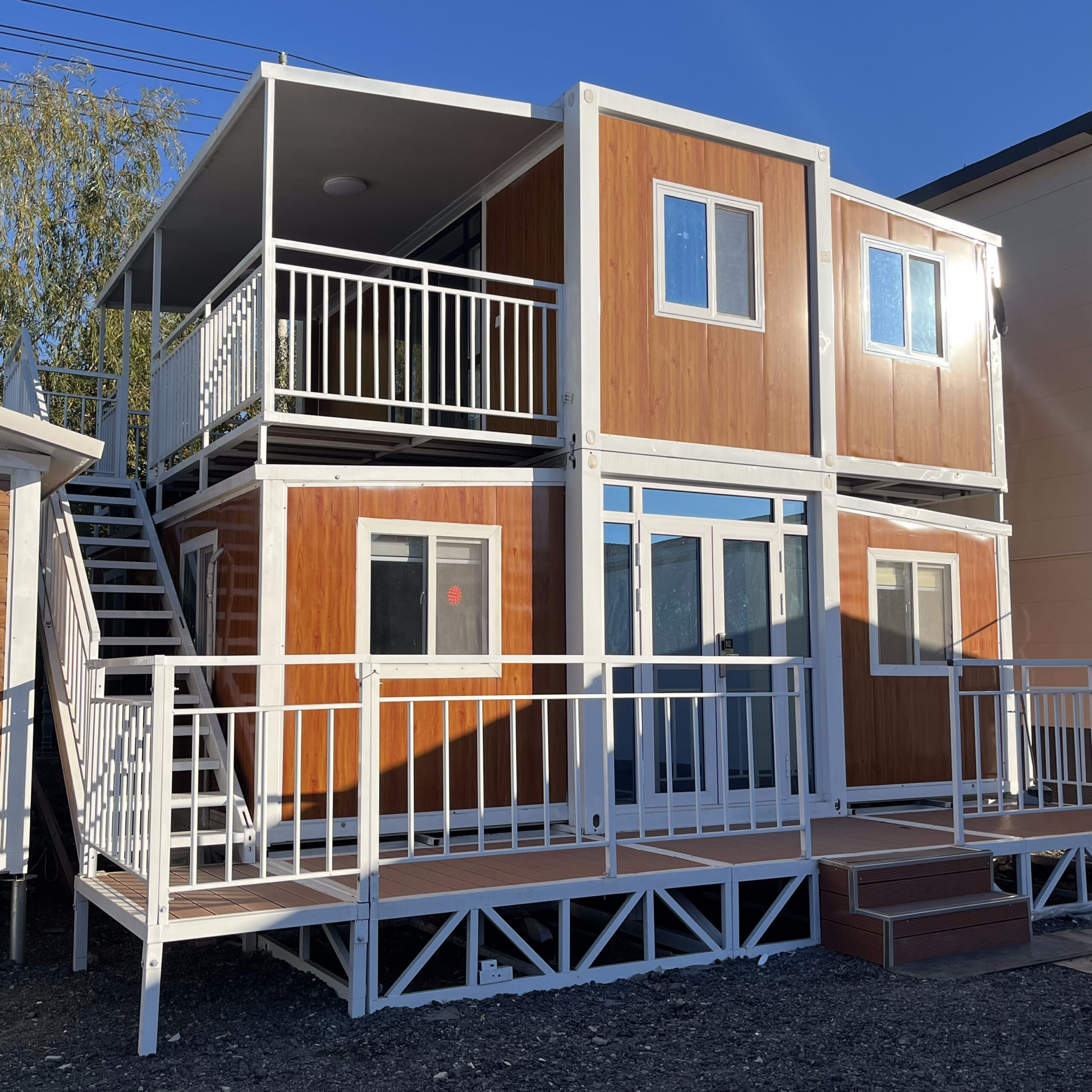
Longevity is another key advantage. With proper maintenance, these structures serve reliably for 20-30 years—comparable to permanent buildings. This durability makes them suitable for permanent housing in growth corridors like Brisbane’s outer suburbs or as long-term infrastructure for Australia’s remote communities.
Versatile Applications: From Urban Centers to the Outback
1. Residential Solutions
In Australia’s competitive housing market, this double-wing unit offers innovative residential possibilities:
- Granny Flats: Perfect for multigenerational families in Sydney’s established suburbs, providing independent living for elderly relatives while maintaining property cohesion.
- First Homes: Affordable entry point for young professionals in Melbourne’s urban fringe areas, combining ownership with future mobility.
- Holiday Retreats: Ideal for coastal properties in Queensland’s Sunshine Coast or Victoria’s Mornington Peninsula, offering low-maintenance vacation accommodations.
- Rural Homesteads: Practical solution for farmers in Western Australia’s wheat belt needing additional family housing without permanent construction commitments.
2. Commercial and Business Applications
Australian businesses leverage these structures for operational flexibility:
- Pop-Up Retail: Seasonal stores in Adelaide’s Rundle Mall or tourist areas like Surfers Paradise, maximizing commercial space without long-term leases.
- Site Offices: Construction projects across Australia benefit from rapid deployment of administrative facilities, particularly in resource-rich regions like the Pilbara or Bowen Basin.
- Hospitality Venues: Boutique accommodations in Tasmania’s wilderness or South Australia’s wine regions, offering unique guest experiences with minimal environmental impact.
- Mobile Clinics: Healthcare delivery in remote Indigenous communities of the Northern Territory, providing essential services where permanent facilities aren’t feasible.
3. Emergency and Humanitarian Response
Australia’s vulnerability to natural disasters makes rapid emergency housing critical:
- Bushfire Recovery: Immediate shelter for displaced residents in New South Wales or Victoria, with units transportable via standard trucks to affected areas.
- Flood Relief: Elevated foundation options make these suitable for flood-prone regions like New South Wales’ Northern Rivers, providing safe temporary housing during recovery.
- Cyclone Shelters: Reinforced construction offers safe havens in Queensland’s coastal communities during tropical cyclone seasons.
Customization: Tailoring Spaces to Australian Lifestyles
One of the most compelling aspects of this double-wing system is its customization potential. Unlike standard container homes, these units adapt to specific needs through:
- Exterior Finishes: Options include timber cladding for bushland settings in the Blue Mountains, modern composite panels for urban environments, or corrugated metal for industrial aesthetics in areas like Port Kembla.
- Interior Layouts: Configurations range from studio apartments for solo occupants in Darwin to multi-bedroom arrangements for families in Perth’s growing suburbs.
- Specialized Features: Solar power packages for off-grid locations in Australia’s Outback, enhanced insulation for alpine regions in the Snowy Mountains, or cyclone-rated construction for tropical northern areas.

This customization extends to functional spaces too. Home offices can be integrated for Australia’s growing remote workforce, workshops added for hobbyists in regional areas, or accessibility features incorporated for elderly residents in retirement communities like those on the Gold Coast. The modular nature allows future expansions—additional units can connect as families grow or businesses expand.
Considerations for Prospective Buyers
While the advantages are substantial, Australian buyers should evaluate several factors:
- Regulatory Compliance: Local council approvals vary across Australia. Units typically fall under “caravan and movable dwelling” classifications in most states, but specific requirements exist—particularly in heritage areas like Sydney’s Inner West or environmentally sensitive zones.
- Site Preparation: While minimal foundation work is needed, site access must accommodate delivery trucks and lifting equipment. Remote locations may require additional logistical planning.
- Utility Connections: Proximity to existing services affects installation costs. Off-grid packages increase initial investment but provide independence in Australia’s remote regions.
- Customization Balance: Extensive modifications may impact transportability or deployment speed. Prioritize essential features versus future flexibility.
- Long-Term Planning: Although designed for mobility, permanent installations benefit from additional weatherproofing and anchoring—particularly in Australia’s cyclone-prone northern regions.
The Future of Housing in Australia
As Australia grapples with housing affordability pressures, climate adaptation challenges, and changing lifestyle preferences, the 20-foot customized double-wing expansion room represents more than just a building—it’s a paradigm shift. This solution embodies the principles Australian communities increasingly value: sustainability, efficiency, adaptability, and resilience. From emergency housing in bushfire-ravaged towns to innovative commercial spaces in revitalizing urban centers, these structures demonstrate how modular thinking can address complex national challenges.
For Sydney homeowners seeking alternatives to skyrocketing property prices, for businesses needing flexible commercial space in Melbourne’s evolving economy, or for remote communities requiring dignified housing in Western Australia’s vast landscapes, this double-wing technology offers a practical, sustainable path forward. It’s not merely about providing shelter—it’s about creating spaces that enhance lives while respecting Australia’s unique environmental and social contexts.
As we look toward Australia’s housing future, one thing becomes clear: the double-wing expansion room isn’t just a temporary trend—it’s a transformative solution perfectly aligned with the nation’s values of innovation, sustainability, and practicality. Whether deployed in a suburban backyard, a remote mining camp, or a disaster recovery zone, these structures prove that thoughtful design can create spaces Australians are proud to call home.