
摘要: Discover the essential guide to securing permits for container homes in California, featuring innovative 40-foot double-wing expansion rooms that blend compliance, customization, and rapid deployment. Learn how United States-inspired modular designs simplify zoning challenges while offering eco-friendly, cost-effective housing solutions.
Securing permits for container homes in California can feel like untangling a regulatory labyrinth, but the rise of modular solutions like the 40-foot customized double-wing expansion room is transforming this landscape. Inspired by cutting-edge designs from the United States—particularly hubs like Los Angeles and San Francisco—these expandable structures combine compliance, speed, and versatility. This guide demystifies California’s permit process while showcasing how Huaying’s double-wing technology turns regulatory hurdles into opportunities for sustainable, stylish living.
The California Container Home Permit Puzzle
California’s strict building codes and zoning laws make container home permits notoriously complex. Each county—from San Diego to Humboldt—enforces unique rules governing structural safety, energy efficiency, and land use. Key challenges include:
- Zoning Restrictions: Many areas classify container homes as “temporary structures,” limiting placement to industrial zones or requiring costly variances for residential use.
- Building Code Compliance: Structures must meet California Building Standards Code (Title 24) requirements, including seismic resilience, fire safety, and insulation standards.
- Foundation Requirements: Permanent permits often necessitate engineered foundations, conflicting with the mobile nature of containers.
Yet, innovative approaches like Huaying’s double-wing rooms are easing these barriers. Their modular, prefabricated design aligns with California’s push for sustainable housing, while their temporary classification in some jurisdictions (similar to ADU laws) streamlines approvals.
Game-Changer: The 40-Foot Double-Wing Expansion Room
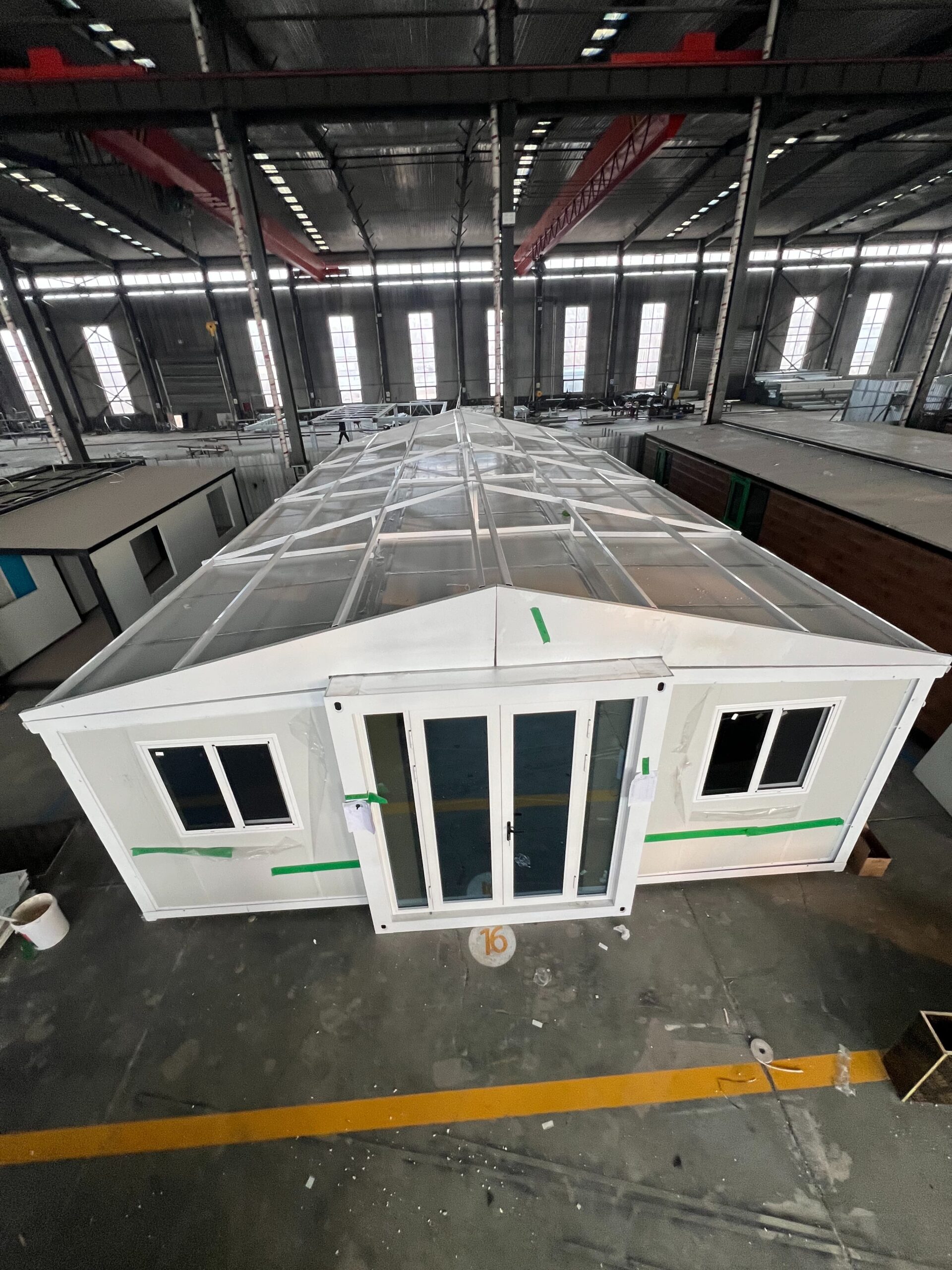
Enter the 40-foot customized double-wing expansion room—a United States-engineered solution redefining container living. Unlike static containers, this modular marvel features foldable “wings” that expand usable space by up to 80%, transforming from a compact transport unit into a spacious dwelling in hours. Let’s explore why it’s a permit-friendly favorite:
Core Features That Simplify Permitting
1. Structural Compliance & Safety
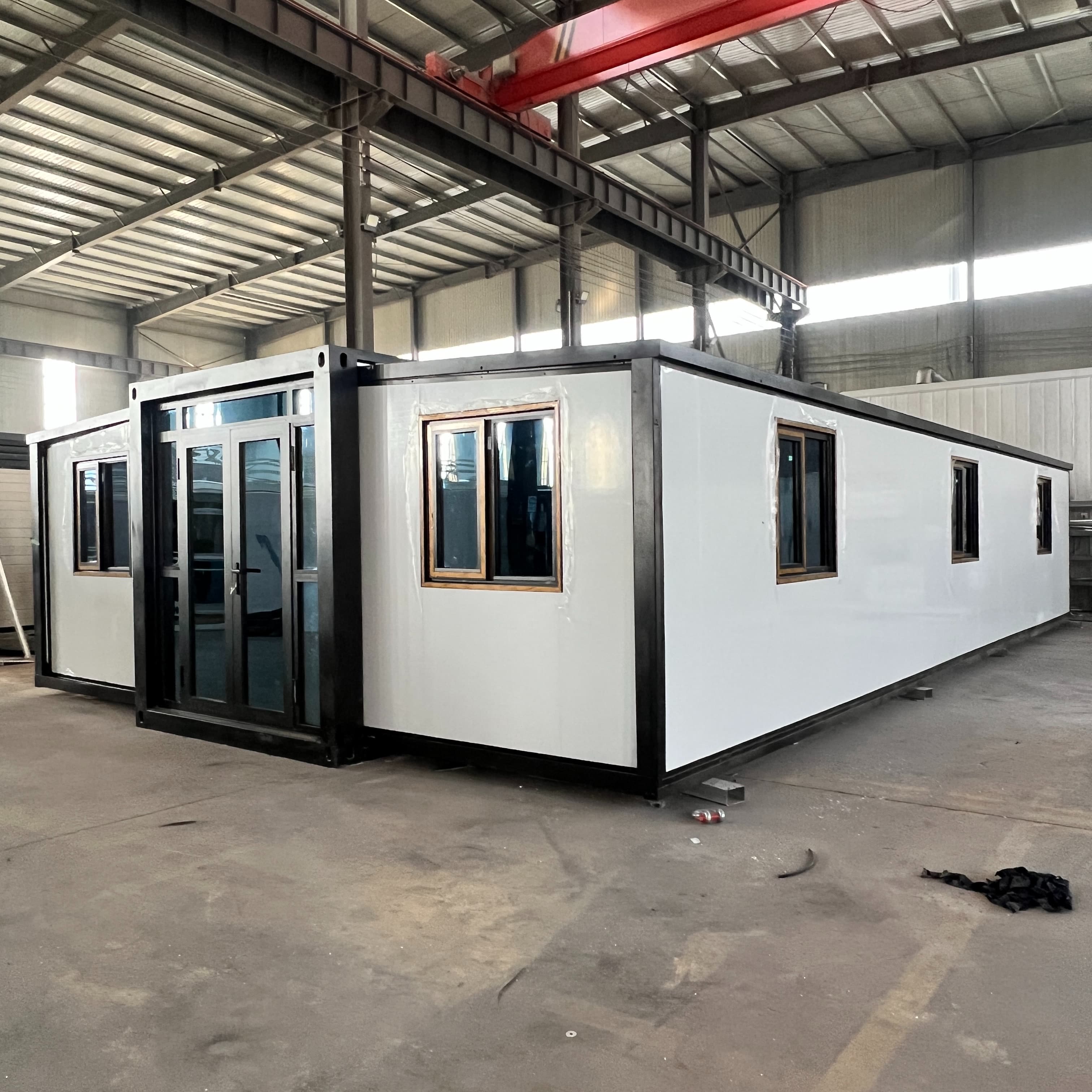
Built with hot-dip galvanized steel frames, these rooms exceed California’s seismic and wind-load requirements. The double-wing design unfolds to a spacious 11800×6240×2480mm (464×246×98 inches) yet folds to a transport-friendly 11800×2200×2480mm (464×87×98 inches)—meeting road transport regulations without special permits. This modularity aligns with state policies favoring prefabricated housing, as seen in cities like San Diego’s “Prefab Friendly” initiatives.
2. Eco-Efficiency & Green Compliance
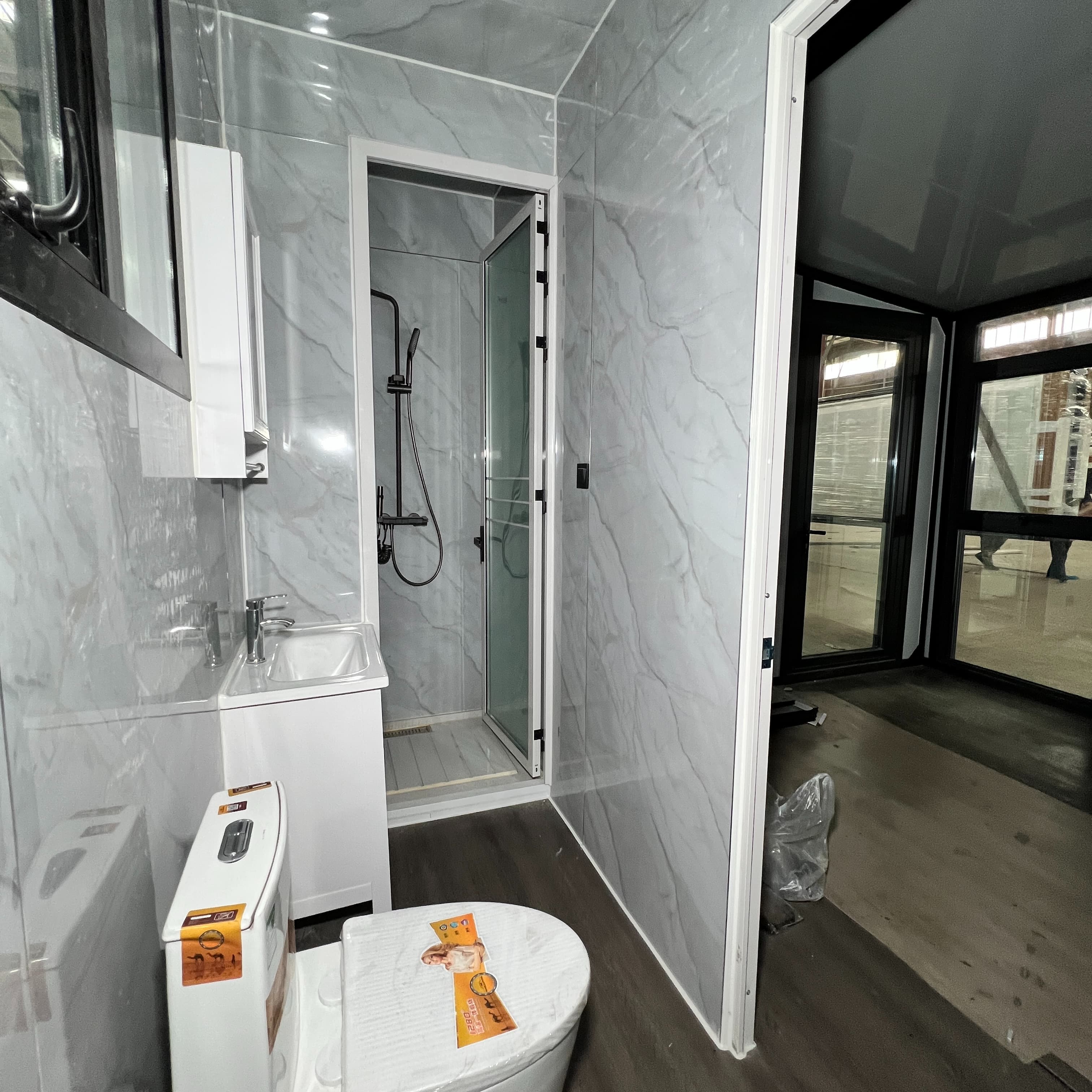
California’s Title 24 energy codes demand high insulation standards. Huaying’s rooms use polyurethane or rock wool insulation, achieving R-values exceeding state mandates. Combined with Low-E glass windows and solar-ready roofs, they qualify for green building incentives, including rebates in eco-conscious areas like Berkeley.
3. Rapid Deployment & Temporary Permits
With 85% of construction completed off-site, installation takes hours, not months. This speed exploits loopholes in temporary use permits (TUPs), allowing quicker occupancy while permanent permits are processed. In disaster-prone regions like Santa Rosa, this makes them ideal for emergency housing during wildfire rebuilds.
Advantages Over Traditional Container Homes
1. Space Transformation
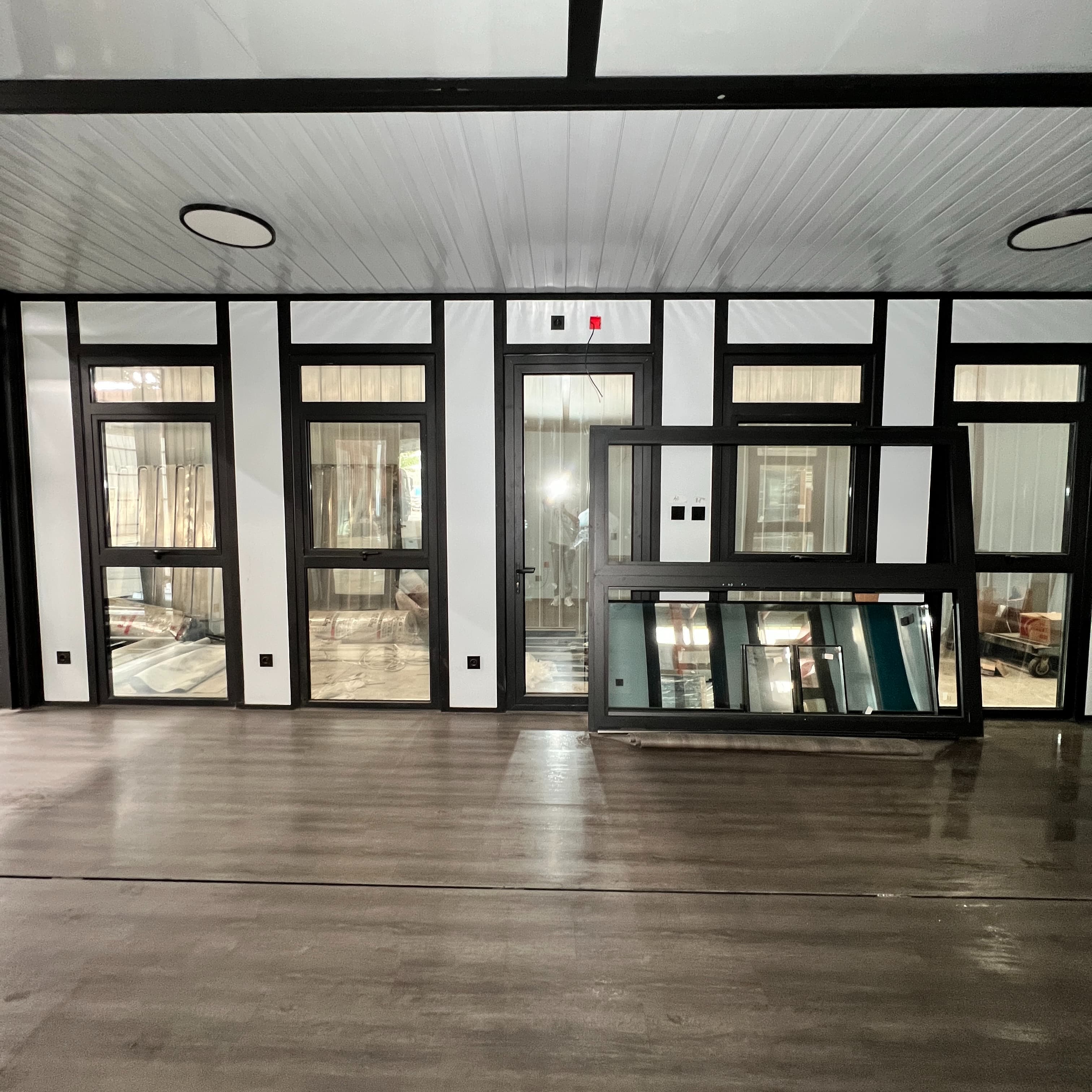
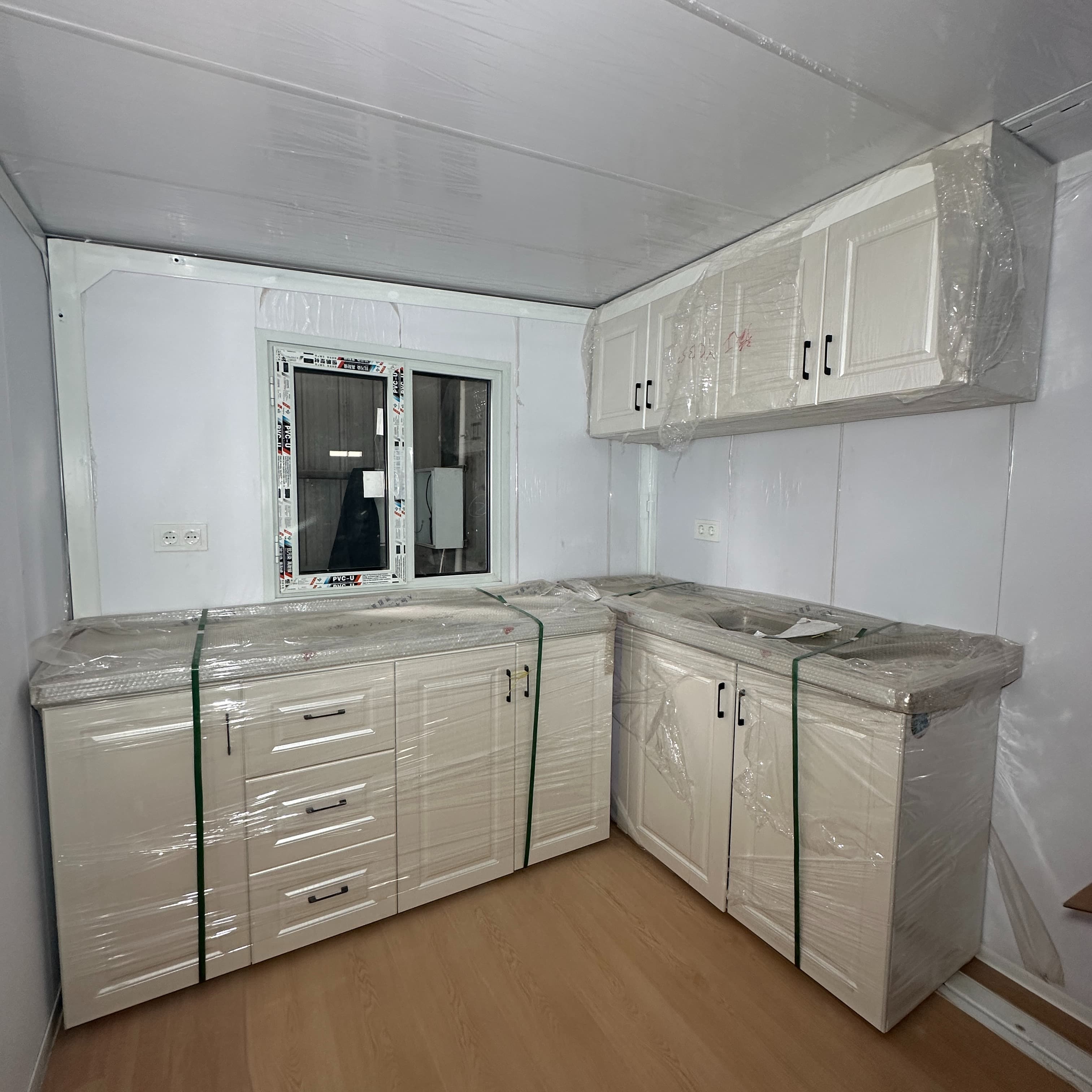
The wings unfold to create open-plan layouts—perfect for California’s indoor-outdoor lifestyle. A single unit can morph from a studio to a one-bedroom with living area, doubling the functionality of standard containers. This adaptability appeals to counties like Sonoma, where ADU (Accessory Dwelling Unit) density bonuses reward multi-functional designs.
2. Mobility & Site Flexibility
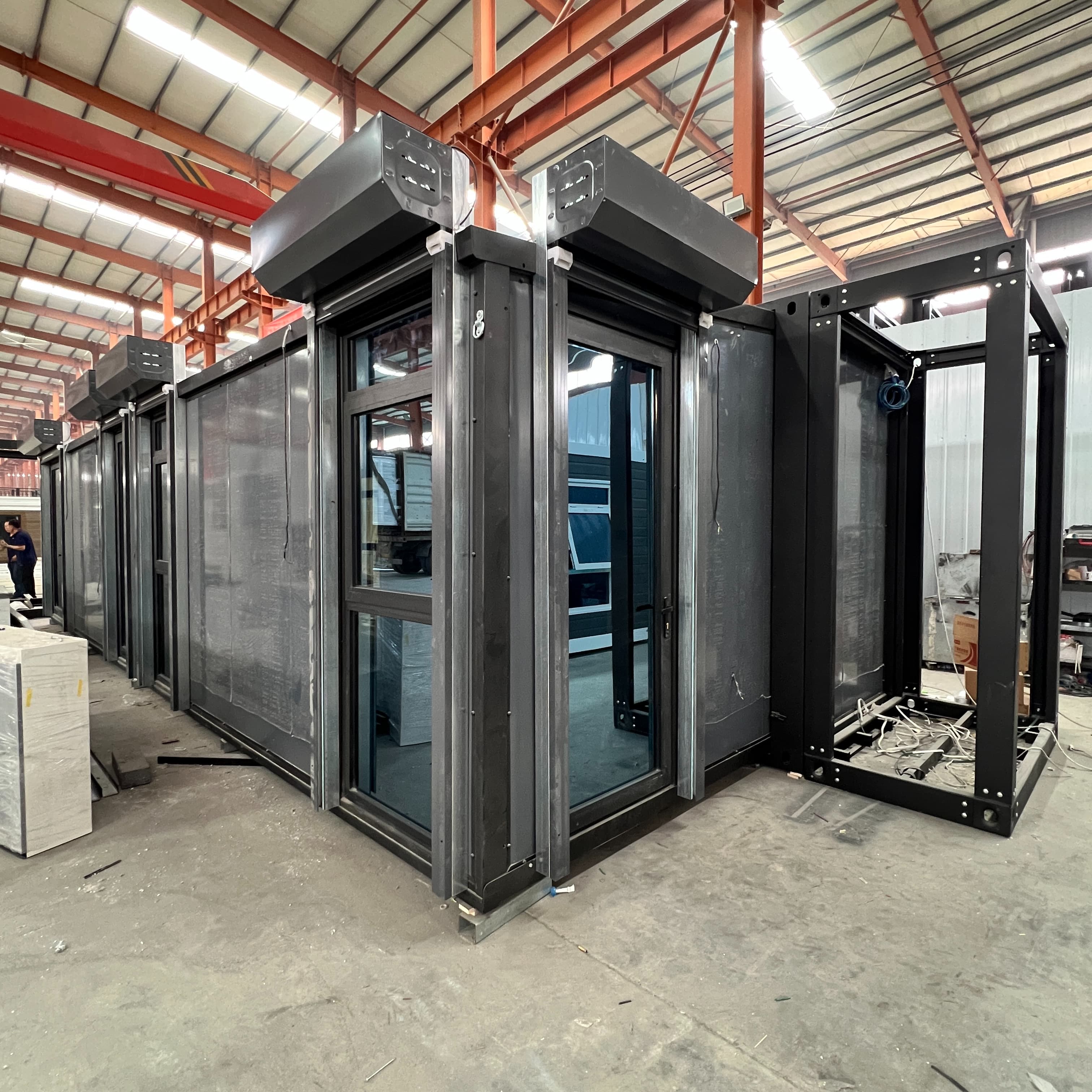
No concrete foundation? No problem. These units deploy on adjustable pads or helical piles, satisfying California’s “minimal site impact” requirements in sensitive zones like Malibu’s coastal areas. Their relocatable nature also sidesteps permanent structure taxes—a win for budget-conscious homeowners.
3. Cost & Time Savings
Traditional container homes in California cost $150–$400 per square foot due to retrofitting and permits. Huaying’s rooms slash this by 30–40% via factory precision and reduced on-site labor. In high-cost areas like San Francisco, this makes homeownership accessible without compromising quality.
Real-World Applications in California
Residential: ADUs & Backyard Studios
With California’s AB-68 and AB-881 bills easing ADU restrictions, double-wing rooms are booming as backyard rentals. In Los Angeles, they’re used as home offices, granny flats, or Airbnb units—generating income while avoiding lengthy permits. The foldable design even meets LA’s “detachable structure” rules for temporary placements.
Commercial: Pop-Ups & Remote Workspaces
From San Diego’s beachfront pop-up shops to Napa Valley tasting rooms, these units offer brand flexibility without permanent construction permits. Their modular setup allows relocation as business needs evolve—a game-changer for entrepreneurs in dynamic markets.
Emergency & Off-Grid Solutions
In wildfire or earthquake zones like Paradise or Ridgecrest, these rooms provide rapid, code-compliant shelter. Their solar compatibility and water recycling systems align with California’s off-grid incentives, making them resilient choices for remote areas.
Permitting Strategies for Success
To leverage these units effectively in California:
- Classify Correctly: Apply for “temporary dwelling” or “ADU” permits based on local rules. In counties like Riverside, temporary permits process in 7–14 days.
- Partner with Experts: Work with California-certified modular builders (e.g., firms in Orange County specializing in prefab codes).
- Leverage Green Incentives: Use Title 24 compliance to claim rebates via programs like California’s Energy Upgrade®.
Key Considerations Before Deployment
While these units simplify permitting, note:
- Local Nuances: Coastal zones (e.g., Monterey) may have additional height restrictions.
- Customization Costs: Non-standard layouts can trigger engineering reviews—stick to factory-approved designs.
- Long-Term Use: For permanent placement, upgrade foundations to meet California’s soil stability tests.
Conclusion: The Future of California Living
Permits for container homes in California no longer mean bureaucratic nightmares. With United States-inspired innovations like the 40-foot double-wing expansion room, homeowners and developers can achieve compliant, sustainable, and stylish housing faster than ever. Whether you’re adding an ADU in San Diego or launching a pop-up in San Francisco, these modular marvels turn regulatory challenges into opportunities—proving that in the Golden State, smart design and savvy permitting go hand-in-hand.