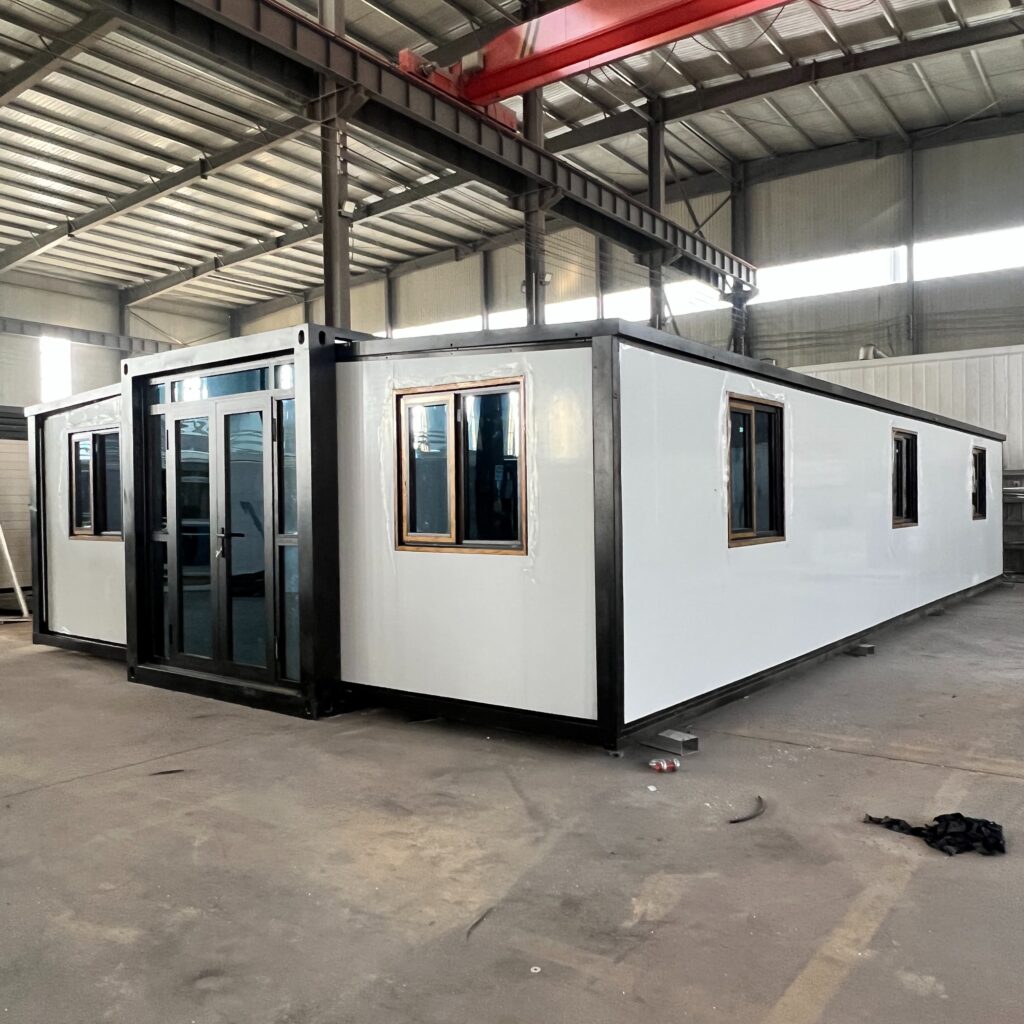
Container houses are revolutionizing affordable housing in California, but navigating building regulations can be complex. This comprehensive guide explores California’s container house laws while introducing an innovative 20-foot double-wing expansion room designed to meet compliance standards. Discover how this customizable, rapidly deployable modular solution addresses zoning requirements, safety codes, and sustainability goals for homeowners, developers, and businesses across the Golden State.
The sun-drenched landscapes of California have long been a canvas for architectural innovation, and today, container houses are emerging as a sustainable solution to the state’s housing crisis. Yet, transforming these steel structures into legal dwellings requires navigating a complex web of California container house building regulations. From seismic safety codes to zoning restrictions, understanding these rules is crucial for anyone considering alternative housing in the Golden State. This guide demystifies California’s regulatory landscape while showcasing how the revolutionary 20-foot customized double-wing expansion room offers a compliant, stylish, and rapidly deployable solution for modern living.
Understanding California’s Container House Regulatory Framework
California’s approach to container housing is shaped by its unique blend of progressive environmental policies and stringent safety requirements. The California Building Standards Code (Title 24) governs all construction, including container-based structures. Key regulatory considerations include:
- Zoning Ordinances: Each county and city in California has specific zoning laws determining where container houses can be placed. For instance, Los Angeles allows accessory dwelling units (ADUs) in most residential zones, while San Francisco has stricter limitations in historic districts.
- Building Permits: All container dwellings require permits through local building departments. The process typically involves submitting structural engineering reports, energy compliance documents, and site plans.
- Safety Certifications: Containers must meet California’s rigorous seismic (earthquake), fire, and wind load requirements. This often necessitates structural reinforcements and fire-resistant materials.
- Utility Connections: Compliance with California Energy Commission standards for insulation, windows, and HVAC systems is mandatory. Off-grid solutions require additional permits for water and waste systems.
- Foundation Requirements: Most jurisdictions require permanent foundations (like concrete piers or slab-on-grade) for habitable structures, though some allow temporary foundations for accessory buildings.
These regulations exist to ensure safety and sustainability, but they can pose significant hurdles for container house enthusiasts. That’s where innovative modular solutions like the 20-foot double-wing expansion room shine – engineered from the ground up to meet California’s exacting standards.
Meet the Future: California-Compliant 20-Foot Double-Wing Expansion Room
Imagine a living space that transforms from a compact 20-foot container into a spacious, fully-equipped dwelling in minutes. The double-wing expansion room represents a breakthrough in modular design, specifically engineered to navigate California’s regulatory landscape while offering unparalleled flexibility. Let’s explore this innovative solution through its key features and compliance advantages.
Revolutionary Design: How the Double-Wing System Works
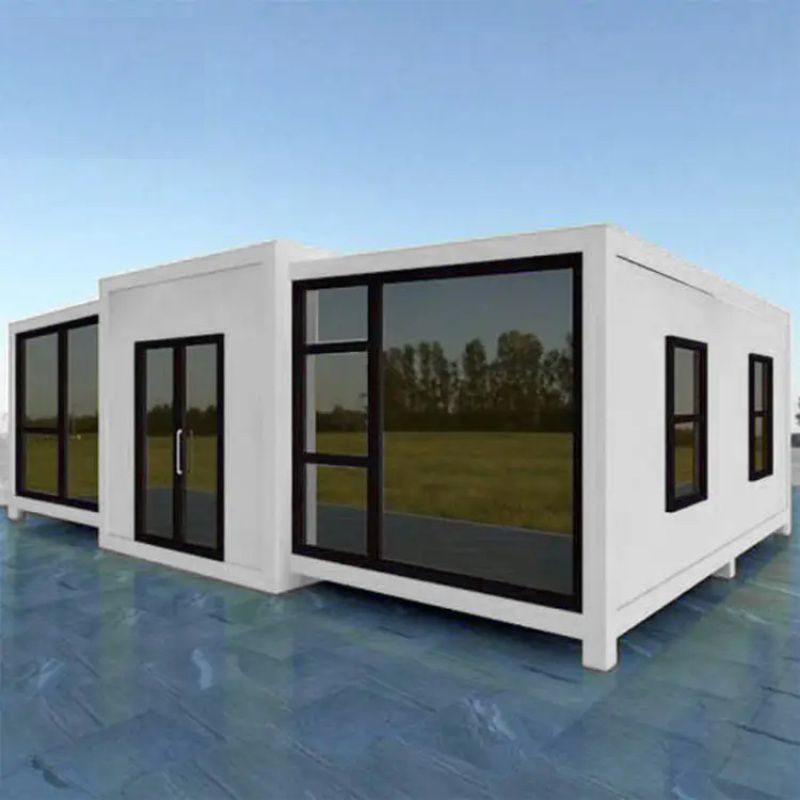
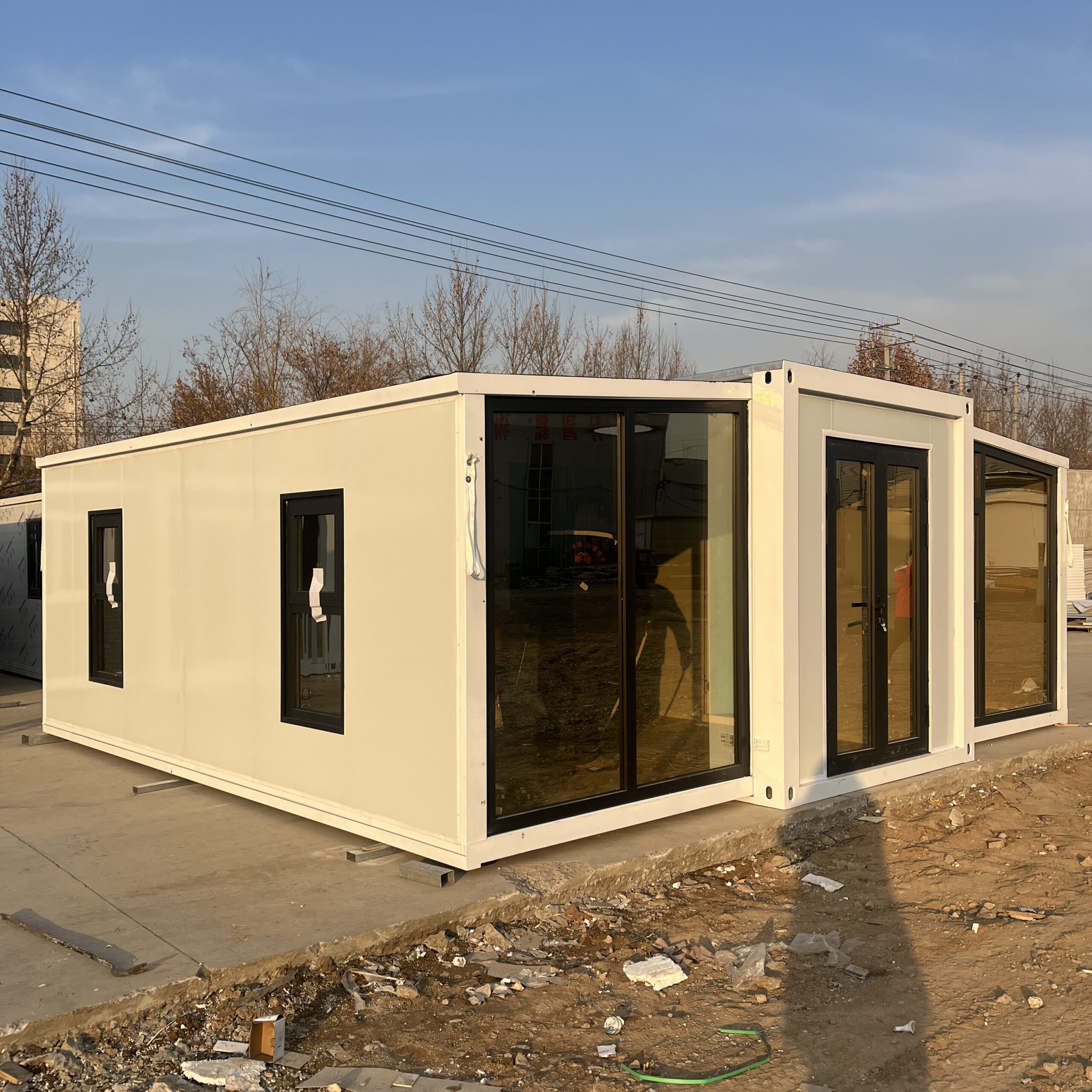
The genius of this modular unit lies in its “bird-wing” expansion mechanism. During transport, the unit maintains standard container dimensions (2200×5900×2480mm), making highway transit straightforward across California. Upon arrival, the wings deploy outward, expanding the living space by 70-80% to create a generous 6340×5900×2480mm interior – all without requiring additional permits for oversized loads.
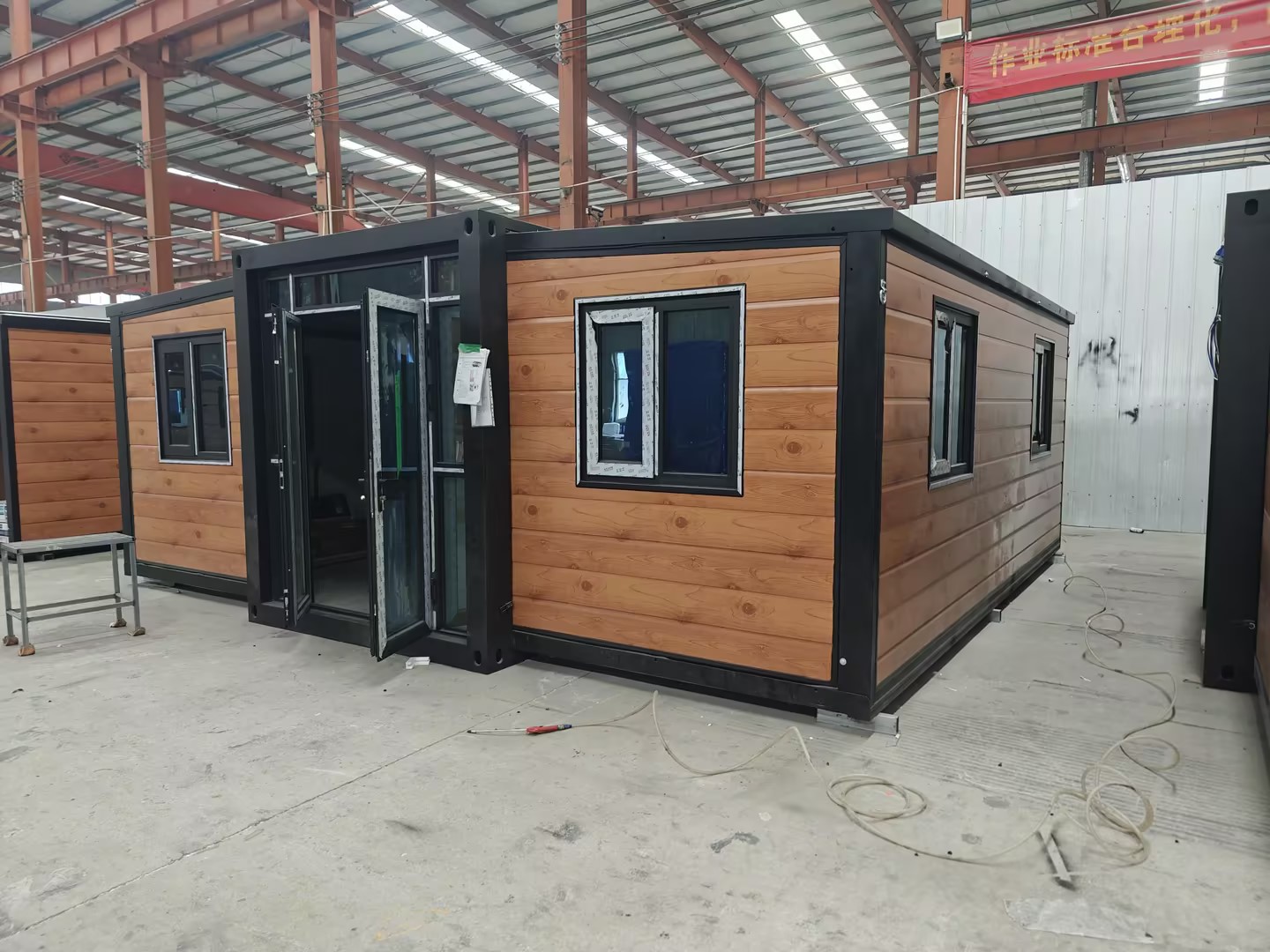
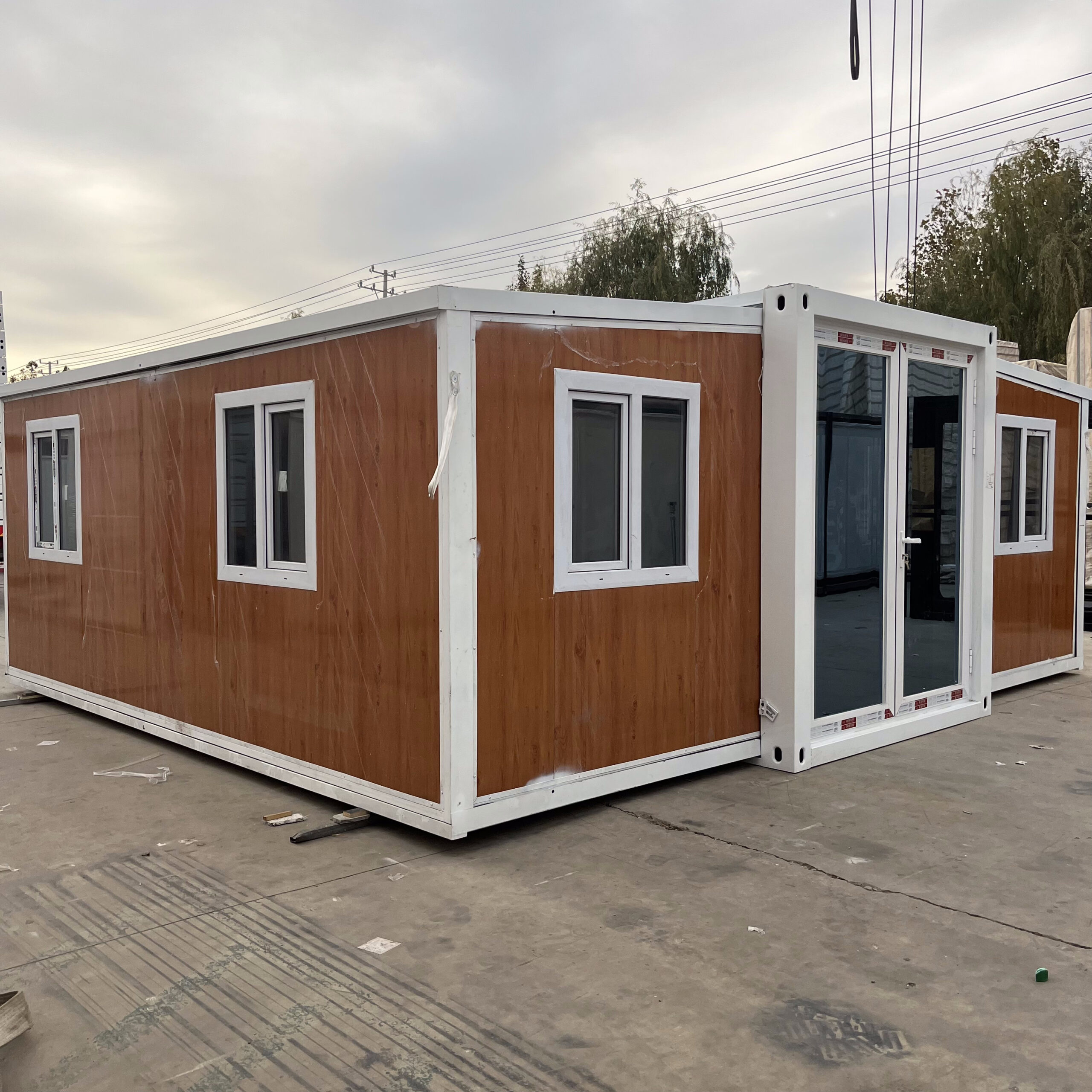
This transformative capability addresses California’s space constraints while complying with dimensional regulations for transport and temporary structures. The expansion process, demonstrated in the video below, takes mere minutes – a critical advantage in California’s fast-paced development environment.
Engineered for California Compliance: Structural and Material Innovations
Meeting California’s building codes requires more than just clever design – it demands engineering excellence. The double-wing expansion room incorporates several key features specifically tailored to California requirements:
Seismic-Resistant Framework
California’s earthquake zones demand exceptional structural integrity. This unit features:
- Hot-dip galvanized steel frame with reinforced corner castings
- Flexible wing connections that absorb seismic movement
- Engineered to exceed California’s 8.0 seismic safety requirements
Fire-Resistant Materials
With wildfire concerns paramount, the construction prioritizes fire safety:
- Class A fire-rated exterior panels (available in stucco, metal, or fire-resistant wood finishes)
- Fire-retardant insulation (mineral wool or specialized polyurethane)
- Fire-rated doors and windows meeting California’s wildland-urban interface (WUI) codes
Energy Efficiency Standards
California’s Title 24 energy requirements are among the nation’s strictest. This unit complies through:
- R-30 insulation in walls and roof (exceeding minimum requirements)
- Low-E double-glazed aluminum windows with thermal breaks
- Pre-wired for solar panel integration and energy-efficient HVAC systems
Interior Excellence: Comfort Meets Compliance
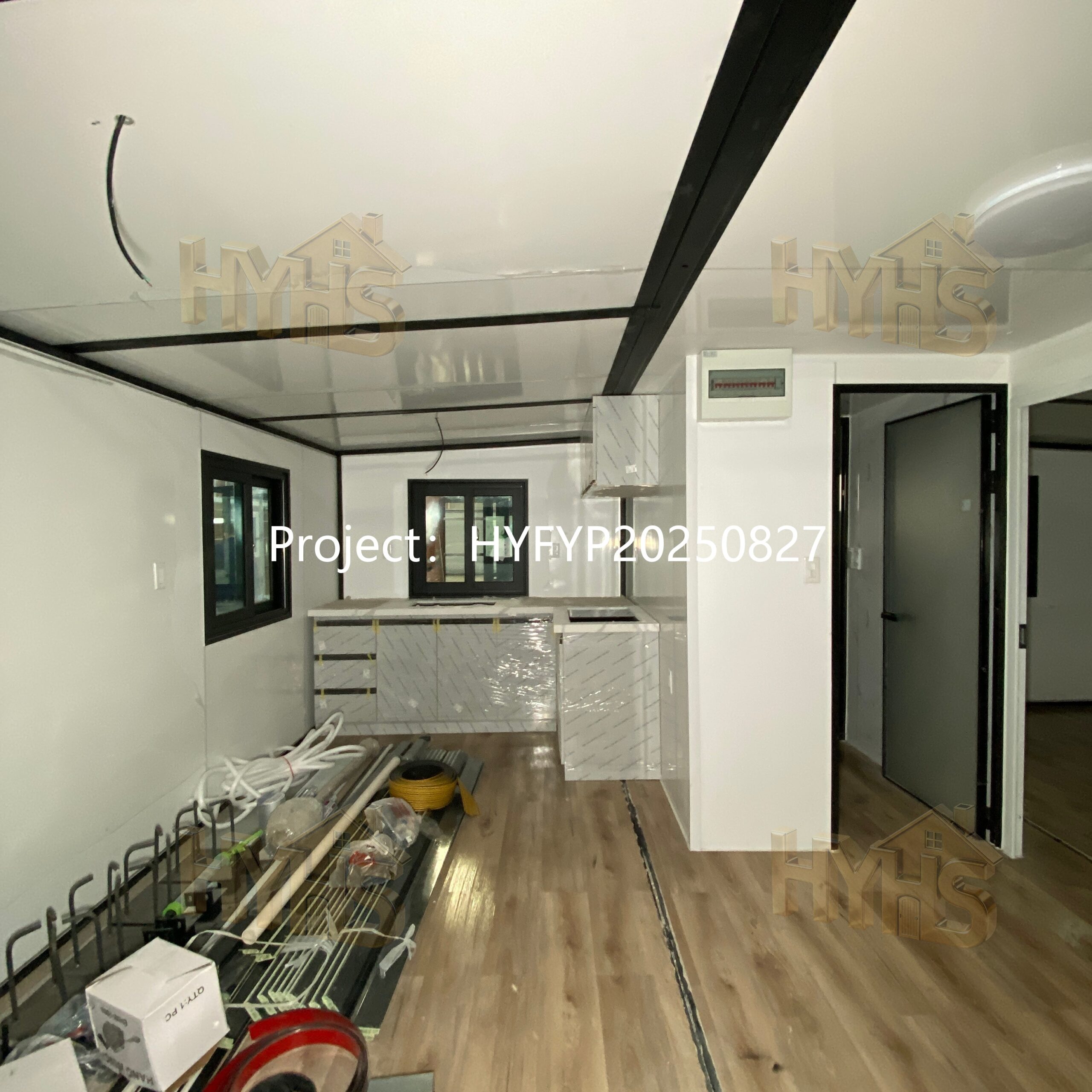
Regulatory compliance doesn’t mean sacrificing comfort. The interior of this double-wing unit showcases how modular design can deliver both functionality and aesthetics while meeting California’s habitability standards.

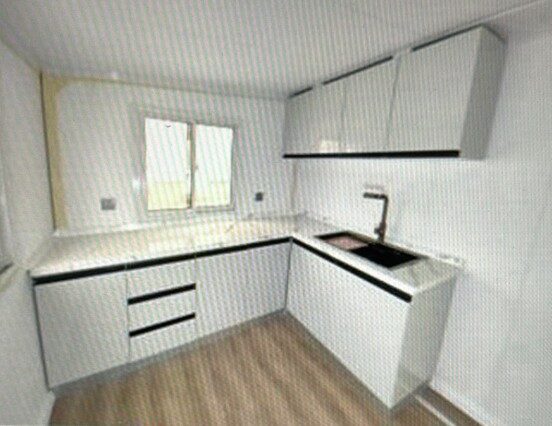
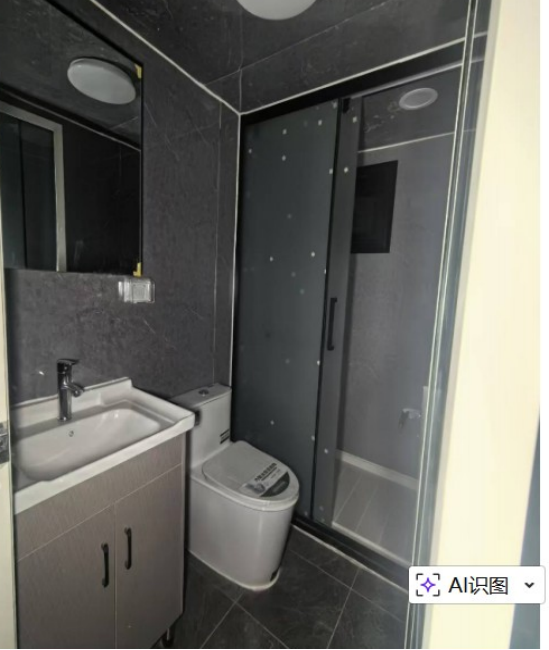
The kitchen and bathroom modules demonstrate particular attention to California’s plumbing and electrical codes:
Navigating California Regulations: Practical Compliance Strategies
While the double-wing expansion room is engineered for compliance, successfully navigating California’s regulatory landscape requires strategic planning. Here are proven approaches for different use cases across the state:
Accessory Dwelling Units (ADUs) in Residential Zones
California’s recent ADU laws have created opportunities for container housing in backyards. Key considerations:
- Size Limits: Most California jurisdictions allow ADUs up to 1,200 sq ft – perfect for the expanded double-wing unit.
- Setback Requirements: Typically 4-5 feet from property lines. The unit’s compact footprint when folded aids placement.
- Utility Connections: Pre-installed rough-ins for water, sewer, and electrical simplify connection to existing systems.
Temporary Housing on Construction Sites
For California’s booming construction industry, the double-wing unit offers compliant temporary housing:
- OSHA Compliance: Meets all occupational safety requirements for worker housing.
- Rapid Deployment: Install in hours rather than weeks, accelerating project timelines.
- Portability: Easily relocate between job sites while maintaining compliance.
Vacation Rentals in Tourist Areas
From Napa Valley to San Diego, California’s tourism market presents opportunities for compliant container rentals:
- Short-Term Rental Regulations: Units can be configured to meet local vacation rental laws.
- Environmental Compliance: Low-impact design minimizes ecological footprint in sensitive areas.
- Aesthetic Integration: Customizable exteriors blend with California’s diverse architectural styles.
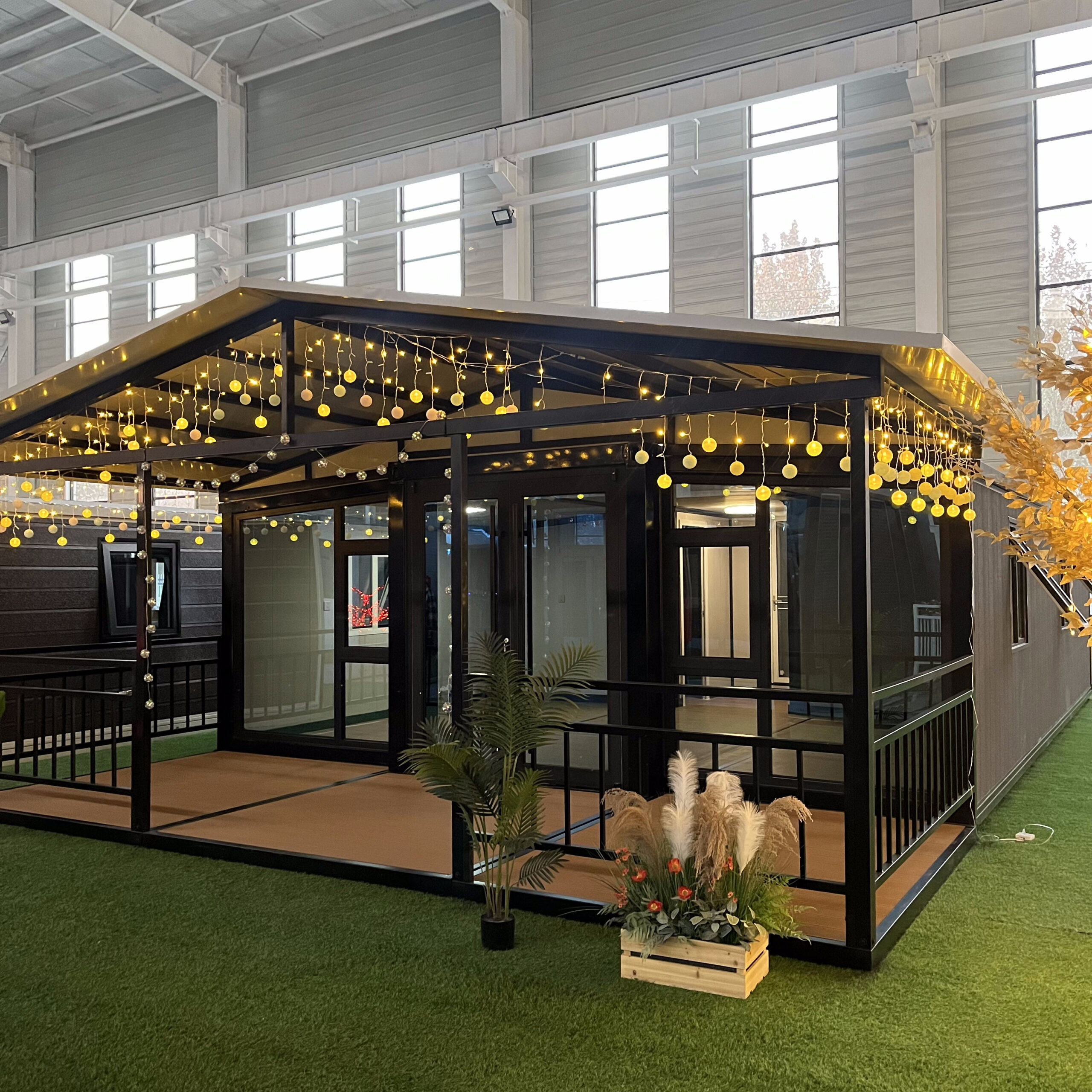
California-Specific Advantages of the Double-Wing Expansion Room
Beyond basic compliance, this modular solution offers unique advantages for California’s diverse needs:
Climate Resilience
California’s varied climate demands adaptable structures. The double-wing unit features:
- Enhanced insulation for both coastal fog zones and desert heat
- Corrosion-resistant materials for coastal salt air exposure
- Reinforced roofing for heavy snow loads in mountain regions
Disaster Response Capabilities
With California’s wildfire and earthquake risks, rapid-deployment housing is essential:
- Can be stockpiled folded and deployed within hours of emergencies
- Meets FEMA and California Office of Emergency Services standards
- Self-contained systems for off-grid emergency use
Sustainable Development
Aligning with California’s environmental leadership:
- 90% recyclable steel construction
- Low-VOC materials and finishes
- Solar-ready design supporting California’s renewable energy goals
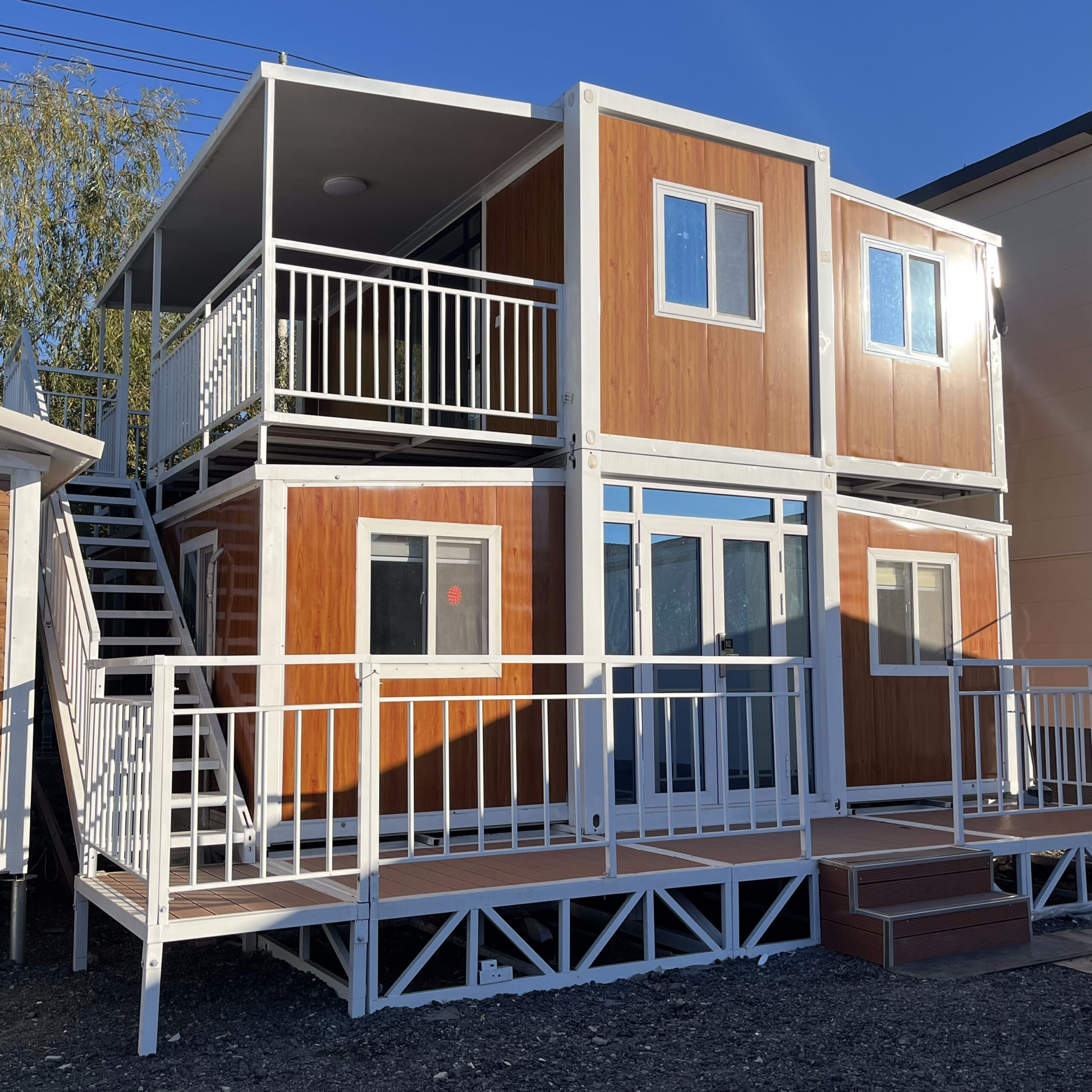
Customization: Tailoring Solutions for California’s Diverse Needs
One size rarely fits all in California’s varied landscapes and regulatory environments. The double-wing expansion room offers extensive customization options:
Exterior Customization
Match California’s architectural diversity with:
- Coastal Modern: Light colors, large windows, and minimalist details
- Wine Country Rustic: Wood-grain finishes and earthy tones
- Urban Industrial: Exposed metal elements and bold colors
Interior Layout Options
Configure interiors for specific California lifestyles:
- Home Office: Integrated workspace with high-speed internet capability
- Artist Studio: North-facing windows and durable flooring
- Guest Suite: Private entrance and hotel-quality amenities
Regulatory-Ready Packages
Streamline compliance with pre-configured options:
- ADU Complete Package: Includes all documentation for permit submission
- Commercial Compliance Kit: ADA-accessible features and commercial-grade materials
- Off-Grid System: Solar, water, and waste solutions for remote California properties
Practical Considerations for California Implementation
Even with a compliant product, successful implementation requires attention to detail:
Site Preparation
California’s diverse terrain demands careful planning:
- Soil testing and engineering reports for foundation design
- Grading and drainage solutions meeting local requirements
- Utility connection coordination with California providers
Permitting Process
Navigating California’s bureaucracy efficiently:
- Engage with local building departments early in the process
- Prepare complete documentation packages including engineering certifications
- Consider using California’s expedited permit programs where available
Long-Term Compliance
Maintaining regulatory adherence over time:
- Regular inspections of structural and safety systems
- Documentation of modifications or upgrades
- Staying updated on evolving California building codes
Real-World Applications Across California
The versatility of the double-wing expansion room has led to successful implementations throughout California:
Sonoma County Winery Guest Suites
A boutique winery utilized multiple units to create luxury guest accommodations, navigating strict agricultural land use regulations through the units’ temporary classification and minimal site impact.
Los Angeles ADU Solution
A homeowner added a double-wing unit as a compliant ADU, completing the entire process from permit to occupancy in under 60 days – significantly faster than traditional construction.
Wildfire Relief Housing
Deployed in Northern California after wildfires, these units provided immediate, code-compliant housing for displaced families while permanent rebuilding occurred.
Cost Considerations and ROI in California
Understanding the financial aspects of compliant container housing in California:
Initial Investment
While container housing offers cost advantages, California-specific factors include:
- Engineering and permitting costs (typically 15-25% of project budget)
- Foundation and site preparation expenses
- Utility connection fees varying by California municipality
Long-Term Value
California’s housing market makes compliant container units attractive investments:
- ADU rental income potential in high-demand areas
- Property value increases from additional legal living space
- Reduced construction timeline means faster ROI
Maintenance Costs
California-specific maintenance considerations:
- Coastal corrosion protection requirements
- Wildfire defensible space maintenance
- Seismic retrofit inspection schedules
Future-Proofing: Adapting to Evolving California Regulations
California’s building codes continue to evolve, particularly regarding sustainability and resilience. The double-wing expansion room is designed with adaptability in mind:
Modular Upgrades
Components can be updated as regulations change:
- Swappable insulation panels to meet new energy standards
- Upgradeable electrical systems for future smart home requirements
- Remodel-ready interiors for changing lifestyle needs
Scalability
California’s growing population demands scalable solutions:
- Units can be combined for larger multi-module complexes
- Phased development allows for expansion as needs change
- Reconfigurable layouts support changing use cases over time
Conclusion: Embracing California’s Container Housing Future
California’s container house building regulations, while complex, create a framework for safe, sustainable, and innovative housing solutions. The 20-foot customized double-wing expansion room represents the pinnacle of this approach – a product engineered specifically to meet California’s exacting standards while offering unprecedented flexibility and speed of deployment.
From ADUs in suburban backyards to disaster housing in wildfire zones, this modular solution demonstrates how container housing can successfully navigate California’s regulatory landscape. Its combination of rapid deployment, customizable design, and built-in compliance makes it an ideal choice for homeowners, developers, and agencies across the Golden State.
As California continues to lead in environmental regulation and housing innovation, solutions like the double-wing expansion room will play an increasingly vital role in addressing the state’s housing challenges while maintaining its commitment to safety and sustainability. For those looking to embrace the future of housing in California, this compliant, versatile, and rapidly deployable modular option offers a path forward that meets both regulatory requirements and modern lifestyle needs.
Ready to explore how the 20-foot double-wing expansion room can meet your California housing needs? Contact our compliance specialists today for a consultation tailored to your specific location and requirements.